
Search
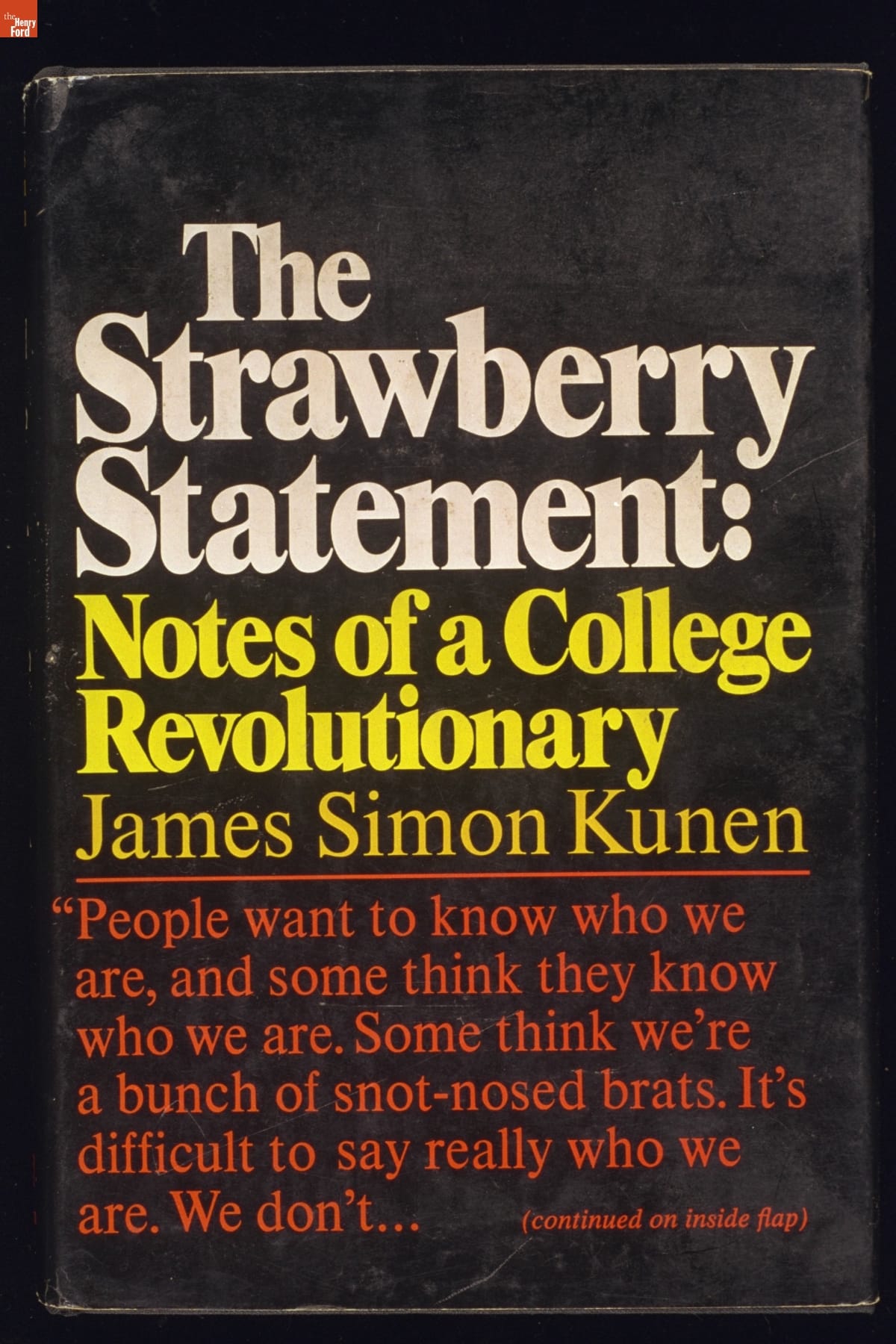
- The Strawberry Statement: Notes of a College Revolutionary, 1969 -
- 1969
- Collections - Artifact
The Strawberry Statement: Notes of a College Revolutionary, 1969
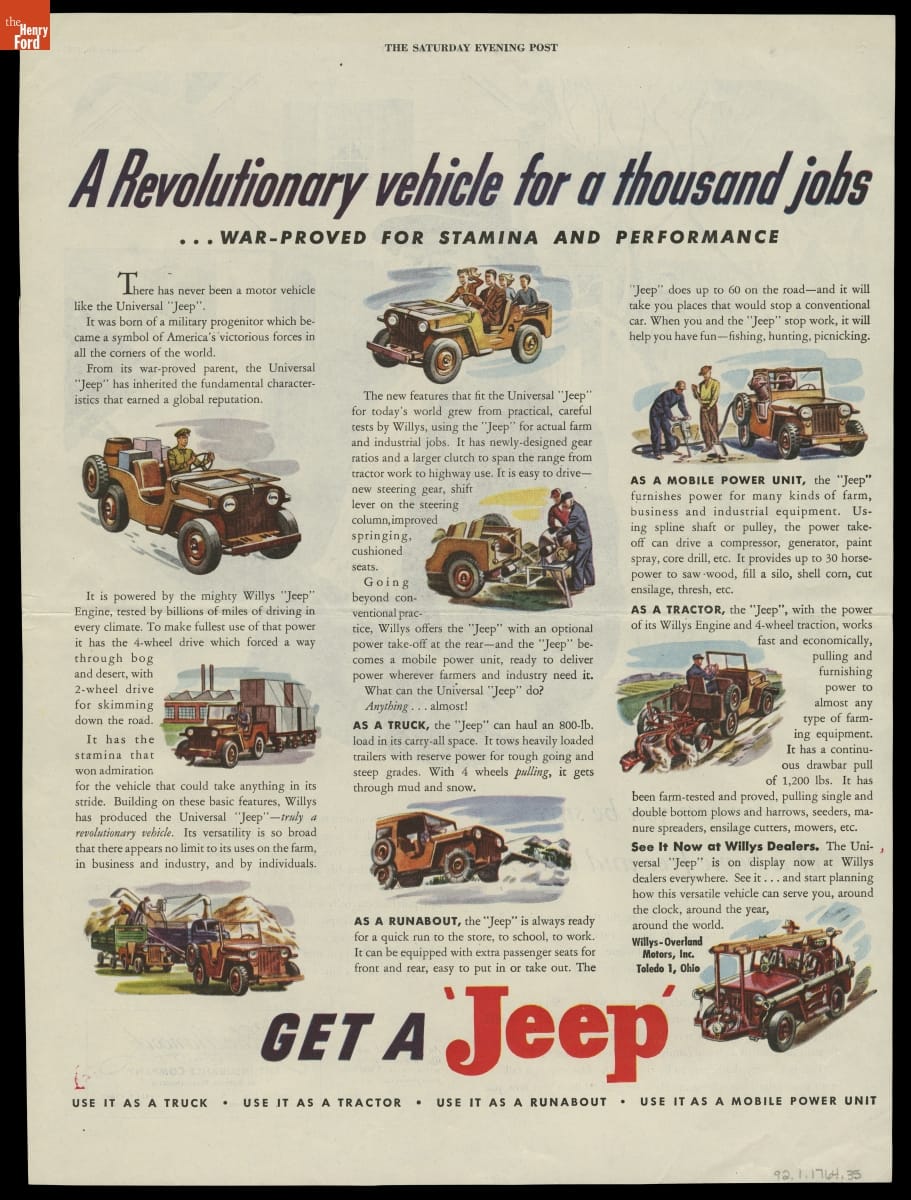
- "A Revolutionary Vehicle for a Thousand Jobs," Universal Jeep Advertisement, 1945 - Willys-Overland built more than half of the 650,000 jeeps manufactured for the Allies during World War II. Afterward, Willys sold civilian versions. The company marketed its civilian Jeep as a functional, versatile vehicle suitable for many different jobs -- from pulling farm equipment, to plowing snow, to simply running errands around town.
- November 10, 1945
- Collections - Artifact
"A Revolutionary Vehicle for a Thousand Jobs," Universal Jeep Advertisement, 1945
Willys-Overland built more than half of the 650,000 jeeps manufactured for the Allies during World War II. Afterward, Willys sold civilian versions. The company marketed its civilian Jeep as a functional, versatile vehicle suitable for many different jobs -- from pulling farm equipment, to plowing snow, to simply running errands around town.
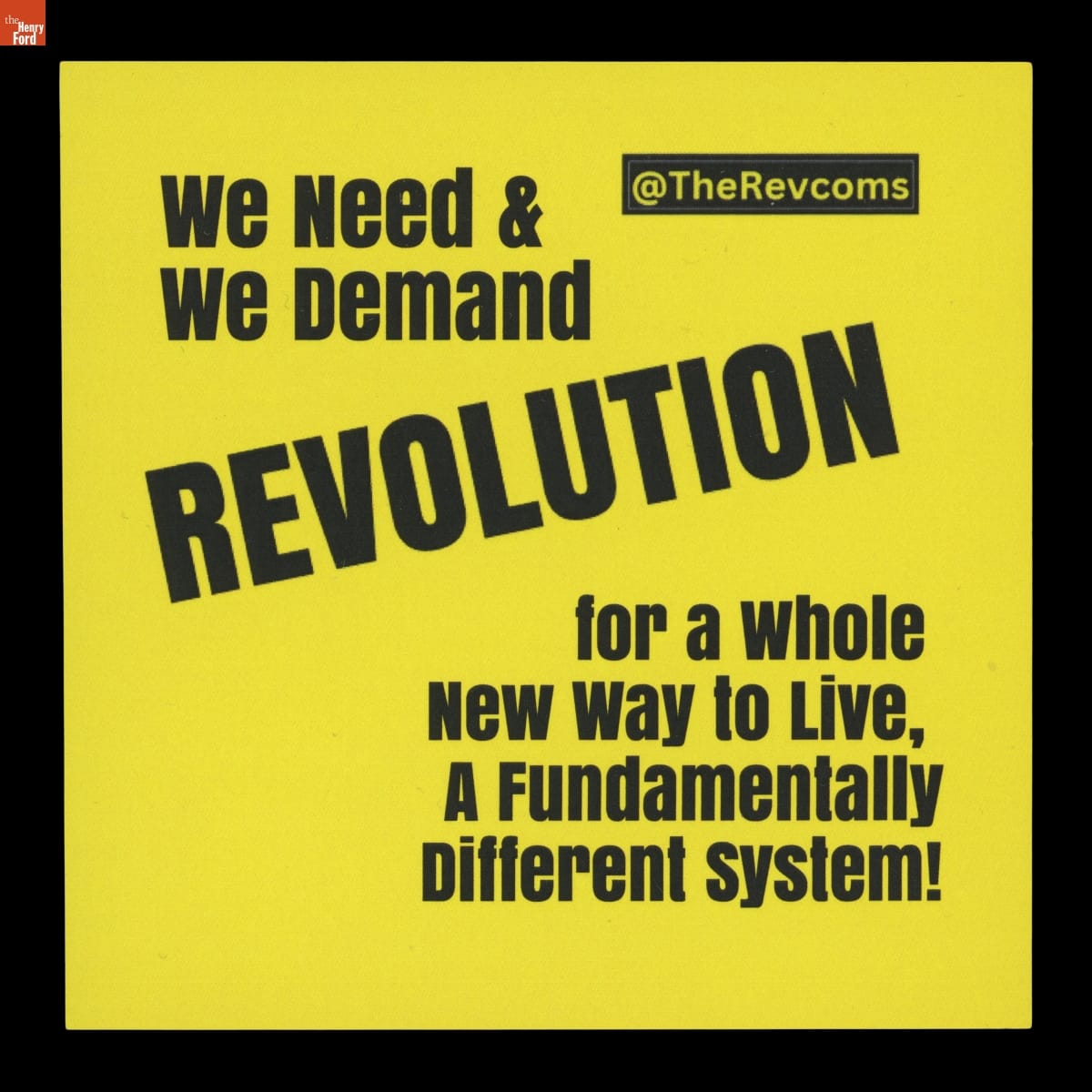
- "We Need & We Demand Revolution: For a Whole New Way to Live, A Fundamentally Different System," 2024 - The Revolutionary Communist Party (RCP or Revcoms) grew out of the left-wing political movement of the 1970s and 1980s, espousing Marxist, Leninist, and Maoist ideologies. The far-left RCP, founded in 1975, believes that the current system of American government cannot be reformed and must be overthrown and replaced with a socialist state.
- 2024
- Collections - Artifact
"We Need & We Demand Revolution: For a Whole New Way to Live, A Fundamentally Different System," 2024
The Revolutionary Communist Party (RCP or Revcoms) grew out of the left-wing political movement of the 1970s and 1980s, espousing Marxist, Leninist, and Maoist ideologies. The far-left RCP, founded in 1975, believes that the current system of American government cannot be reformed and must be overthrown and replaced with a socialist state.
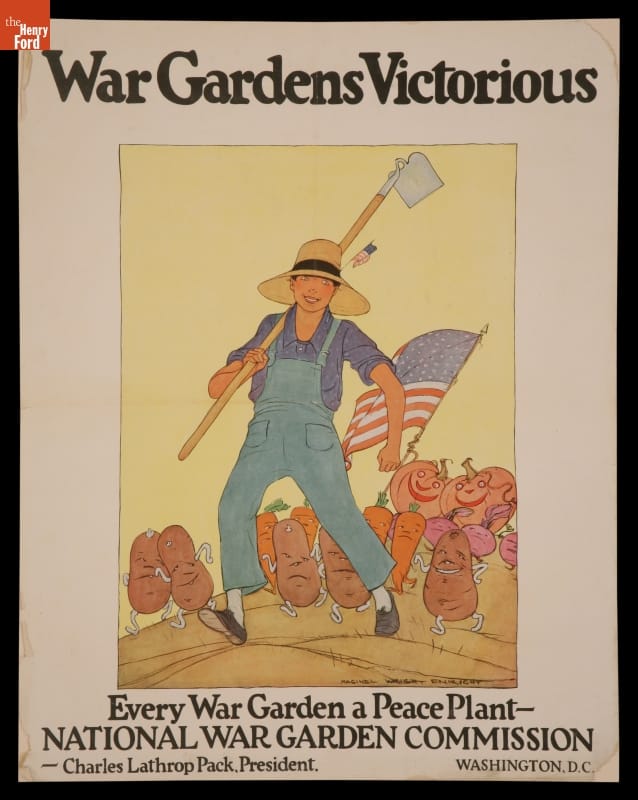
- World War I Poster, "War Gardens Victorious," circa 1919 - During the First World War, governments of all the warring nations used poster campaigns to encourage civilian and military support of the war effort. Artists widely used an innovative advertising technique for these posters that moved away from a factual depiction of a product's material or event's subject to an emphasis on appealing to the viewer's emotions.
- circa 1919
- Collections - Artifact
World War I Poster, "War Gardens Victorious," circa 1919
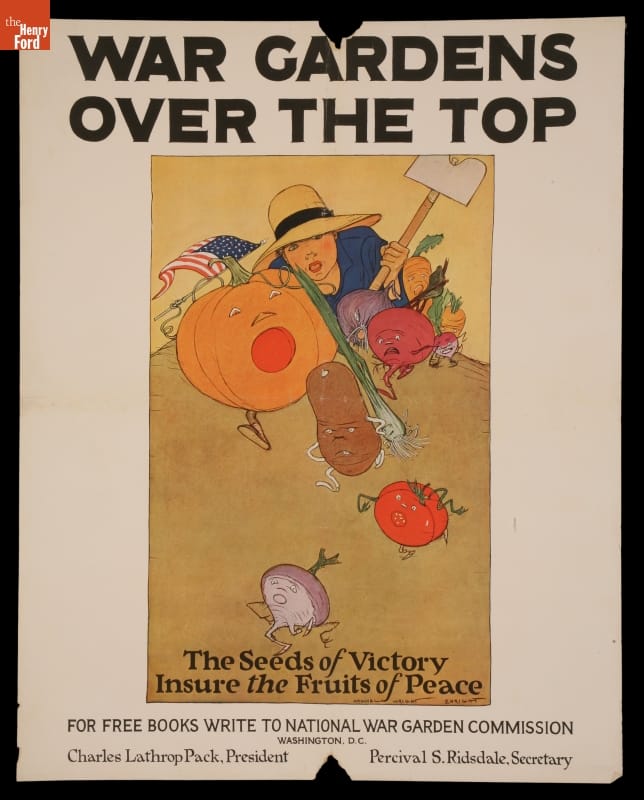
During the First World War, governments of all the warring nations used poster campaigns to encourage civilian and military support of the war effort. Artists widely used an innovative advertising technique for these posters that moved away from a factual depiction of a product's material or event's subject to an emphasis on appealing to the viewer's emotions.
- World War I Poster, "War Gardens Over the Top," 1919 -
- 1919
- Collections - Artifact
World War I Poster, "War Gardens Over the Top," 1919
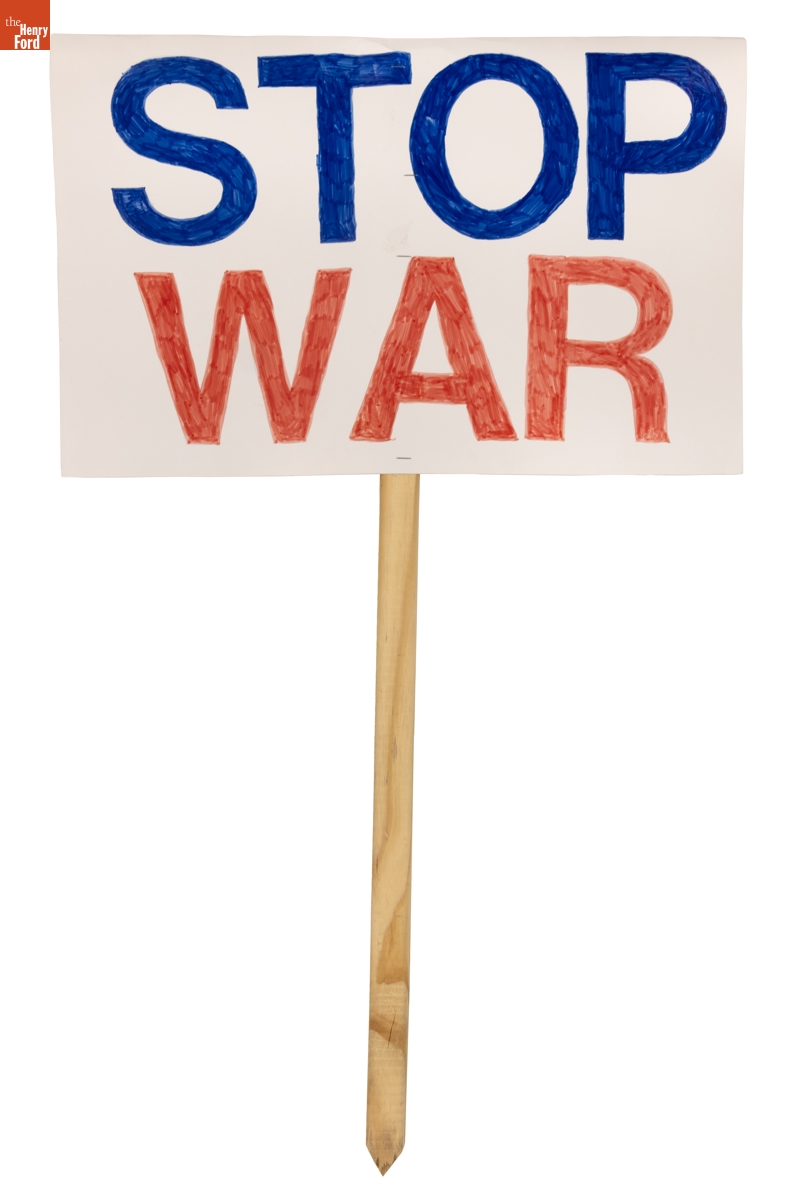
- "Stop War" Sign, 2026 -
- 2026
- Collections - Artifact
"Stop War" Sign, 2026
- Paul Revere: A Revolutionary - Famed for his midnight ride, Paul Revere's contributions to the founding of America have been attributed to his participation in the Revolutionary War. Often overlooked is his role in establishing American industry. A talented artisan, but also an ingenious businessman, Revere's knack for observation and adaptability made him a revolutionary in early manufacturing.

- November 10, 2016
- Collections - Set
Paul Revere: A Revolutionary
Famed for his midnight ride, Paul Revere's contributions to the founding of America have been attributed to his participation in the Revolutionary War. Often overlooked is his role in establishing American industry. A talented artisan, but also an ingenious businessman, Revere's knack for observation and adaptability made him a revolutionary in early manufacturing.
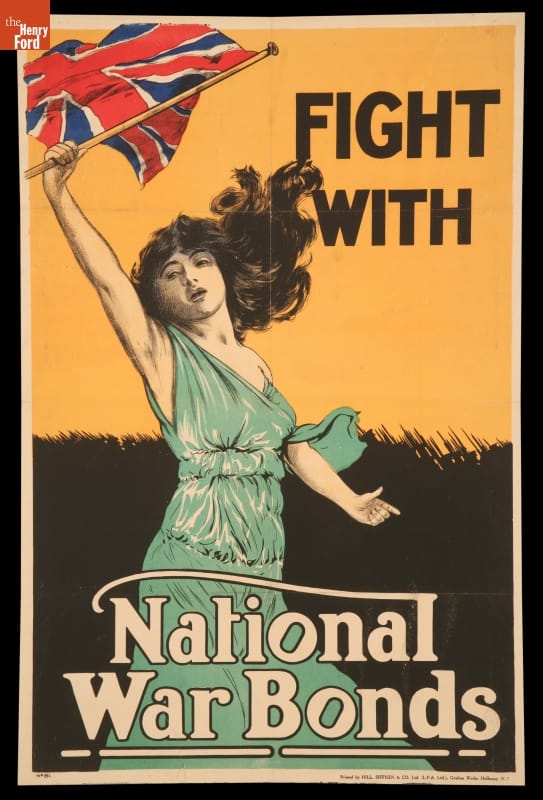
- World War I Poster, "Fight with National War Bonds," circa 1916 - During the First World War, governments of all the warring nations used poster campaigns to encourage civilian and military support of the war effort. Artists widely used an innovative advertising technique for these posters that moved away from a factual depiction of a product's material or event's subject to an emphasis on appealing to the viewer's emotions.
- circa 1916
- Collections - Artifact
World War I Poster, "Fight with National War Bonds," circa 1916
During the First World War, governments of all the warring nations used poster campaigns to encourage civilian and military support of the war effort. Artists widely used an innovative advertising technique for these posters that moved away from a factual depiction of a product's material or event's subject to an emphasis on appealing to the viewer's emotions.
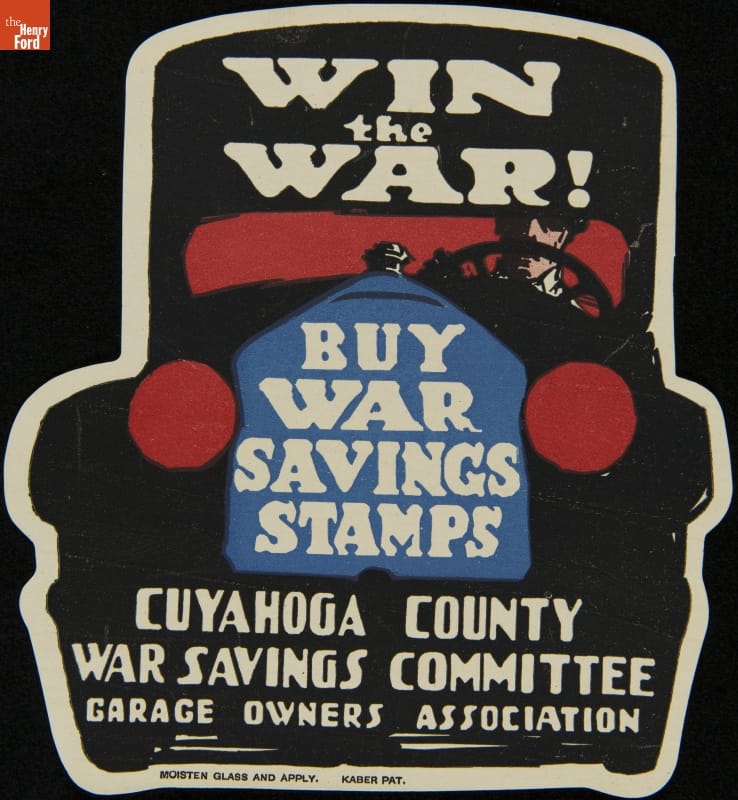
- "Win the War! Buy War Savings Stamps," Window Sign, 1917-1918 -
- 1917-1918
- Collections - Artifact
"Win the War! Buy War Savings Stamps," Window Sign, 1917-1918
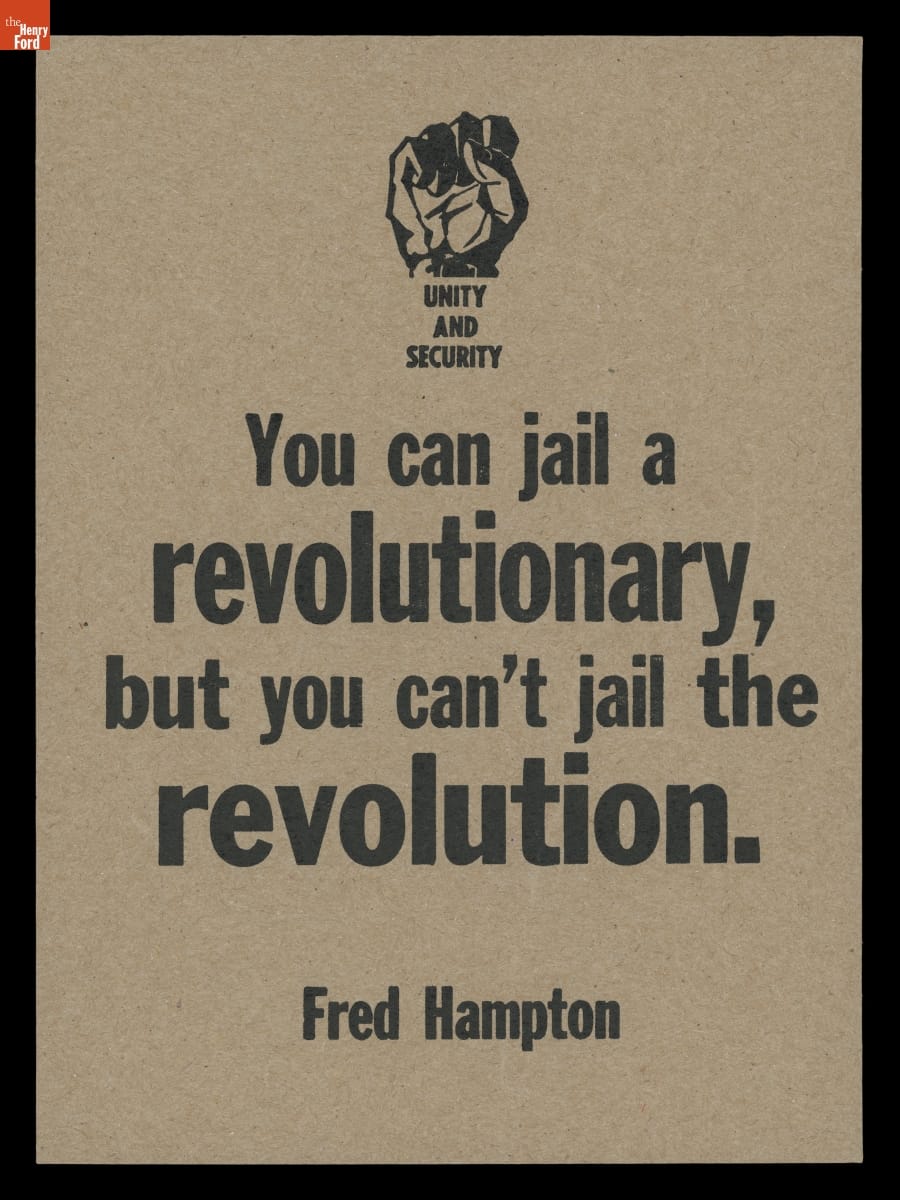
- Letterpress Print, "You can jail a revolutionary, but you can't jail the revolution. Fred Hampton," 2021 -
- 2021
- Collections - Artifact
Letterpress Print, "You can jail a revolutionary, but you can't jail the revolution. Fred Hampton," 2021