
Search
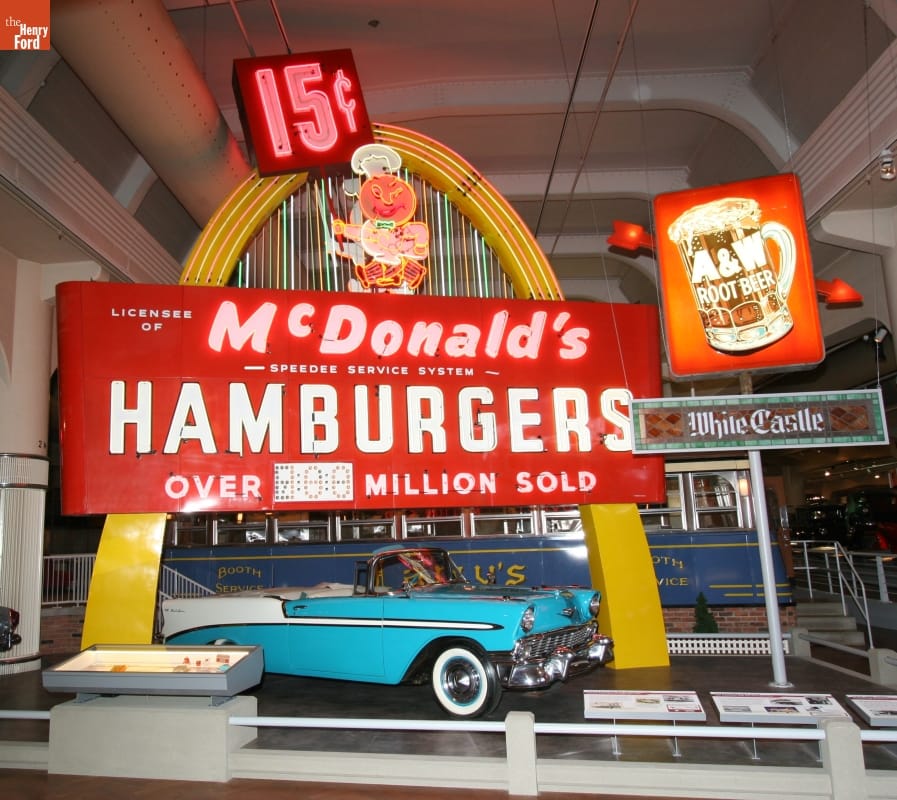
- Social Transformation - In 1948, the McDonald brothers transformed their Southern California drive-in restaurant with their radical new "Speedee Service System"--assembly-line production of a limited menu at drastically reduced prices. Richard McDonald created this sign design in 1952. In 1955, milkshake machine salesman Ray Kroc franchised the McDonald's concept--prompting numerous imitators and ultimately turning America into a "fast food nation."
- May 04, 2020
- Collections - Set
Social Transformation
In 1948, the McDonald brothers transformed their Southern California drive-in restaurant with their radical new "Speedee Service System"--assembly-line production of a limited menu at drastically reduced prices. Richard McDonald created this sign design in 1952. In 1955, milkshake machine salesman Ray Kroc franchised the McDonald's concept--prompting numerous imitators and ultimately turning America into a "fast food nation."
- Social Transformation - Social transformation involves a shift in the collective consciousness of a society. It occurs when people create change through new patterns of behavior or social action. This can include political shifts, social movements, economic change, changing systems of beliefs and values, new patterns of racial relations, or a rethinking of personal and collective identities. This set explores socially transformative artifacts across our collection.

- Collections - Page
Social Transformation
Social transformation involves a shift in the collective consciousness of a society. It occurs when people create change through new patterns of behavior or social action. This can include political shifts, social movements, economic change, changing systems of beliefs and values, new patterns of racial relations, or a rethinking of personal and collective identities. This set explores socially transformative artifacts across our collection.
- #InnovationNation: Social Transformation - Take a look at some of our favorite segments from The Henry Ford's Innovation Nation highlighting social transformation, including the Rosa Parks bus, female aviators, and World War II B-24 bombers built at Ford's Willow Run plant.

- April 14, 2020
- Collections - article
#InnovationNation: Social Transformation
Take a look at some of our favorite segments from The Henry Ford's Innovation Nation highlighting social transformation, including the Rosa Parks bus, female aviators, and World War II B-24 bombers built at Ford's Willow Run plant.
- Struggle, Setbacks, and Social Transformation - Discover how and why The Henry Ford is partnering with Detroit Historical Society to recognize the 50th anniversary of the tumultuous summer of 1967 in Detroit.

- February 22, 2017
- Collections - article
Struggle, Setbacks, and Social Transformation
Discover how and why The Henry Ford is partnering with Detroit Historical Society to recognize the 50th anniversary of the tumultuous summer of 1967 in Detroit.
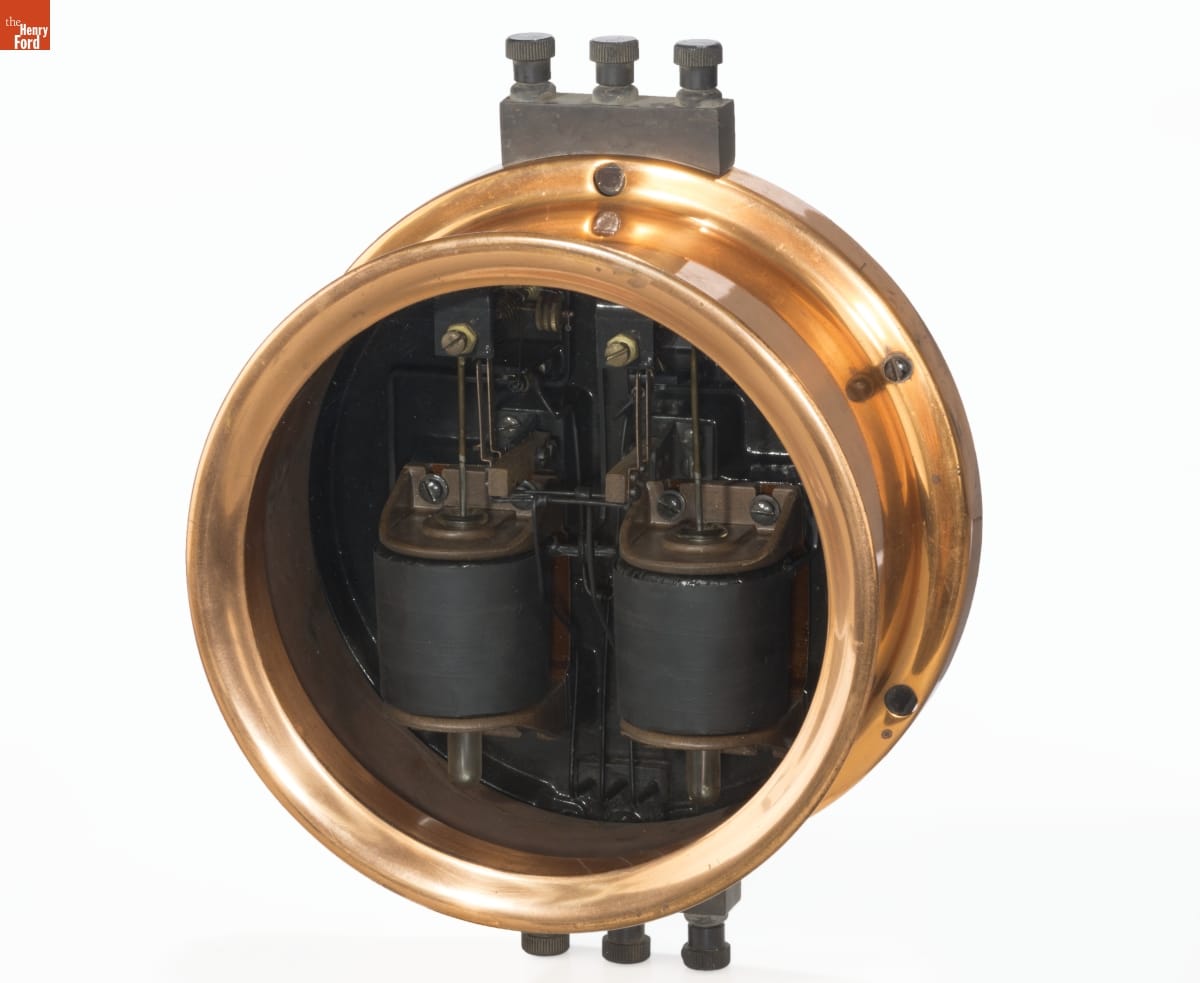
- Transformer - Transformers increase or decrease voltage and are essential to alternating current (AC) power systems. In the late 1800s, with the help of transformers, AC power systems proved more efficient and economical than their direct current competitors. Transformers helped convert electricity to high voltage for transmission across long distances, then reduced it to lower, safer voltages for use in homes and factories.
- Collections - Artifact
Transformer
Transformers increase or decrease voltage and are essential to alternating current (AC) power systems. In the late 1800s, with the help of transformers, AC power systems proved more efficient and economical than their direct current competitors. Transformers helped convert electricity to high voltage for transmission across long distances, then reduced it to lower, safer voltages for use in homes and factories.
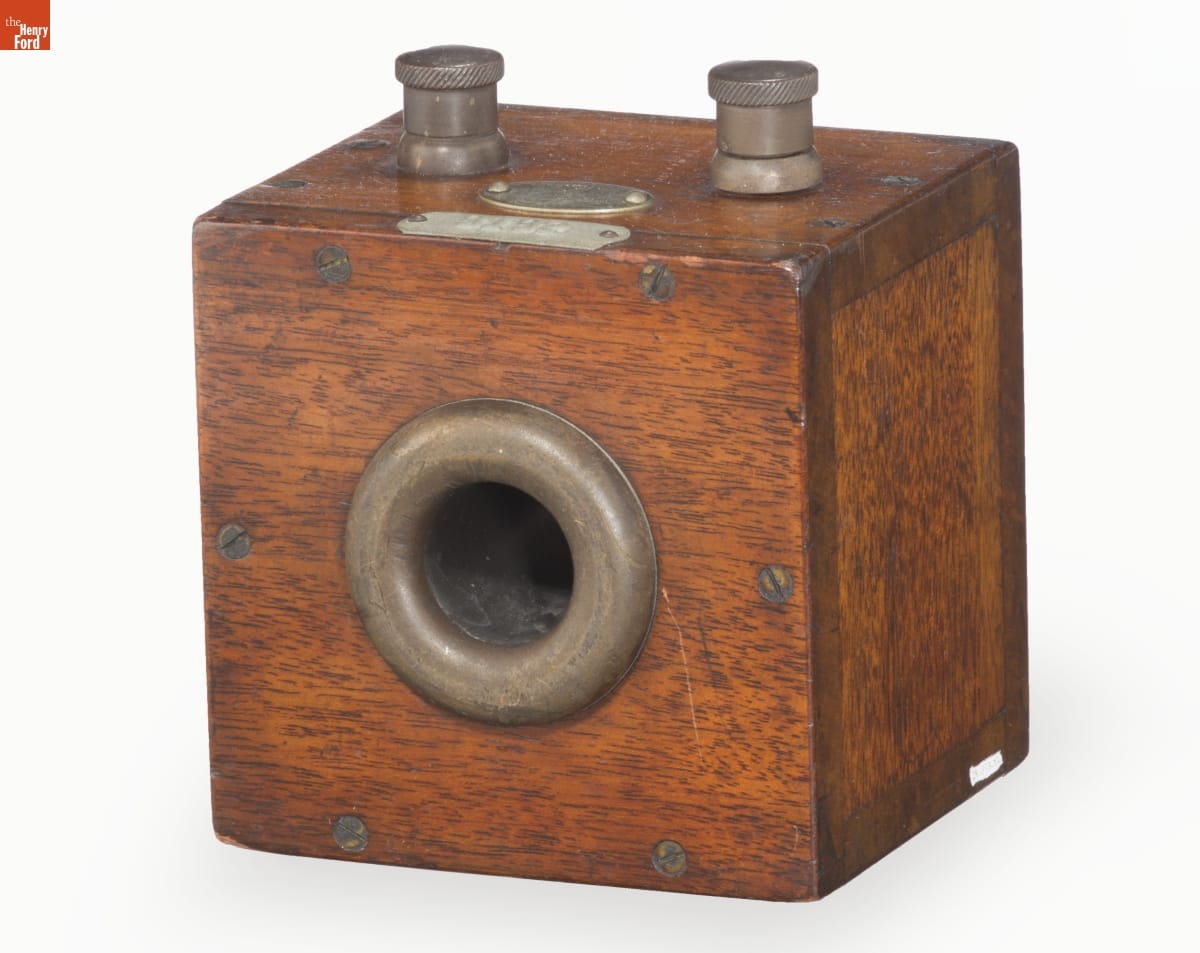
- Transformer - Transformers increase or decrease voltage and are essential to alternating current (AC) power systems. In the late 1800s, with the help of transformers, AC power systems proved more efficient and economical than their direct current competitors. Transformers helped convert electricity to high voltage for transmission across long distances, then reduced it to lower, safer voltages for use in homes and factories.
- Collections - Artifact
Transformer
Transformers increase or decrease voltage and are essential to alternating current (AC) power systems. In the late 1800s, with the help of transformers, AC power systems proved more efficient and economical than their direct current competitors. Transformers helped convert electricity to high voltage for transmission across long distances, then reduced it to lower, safer voltages for use in homes and factories.
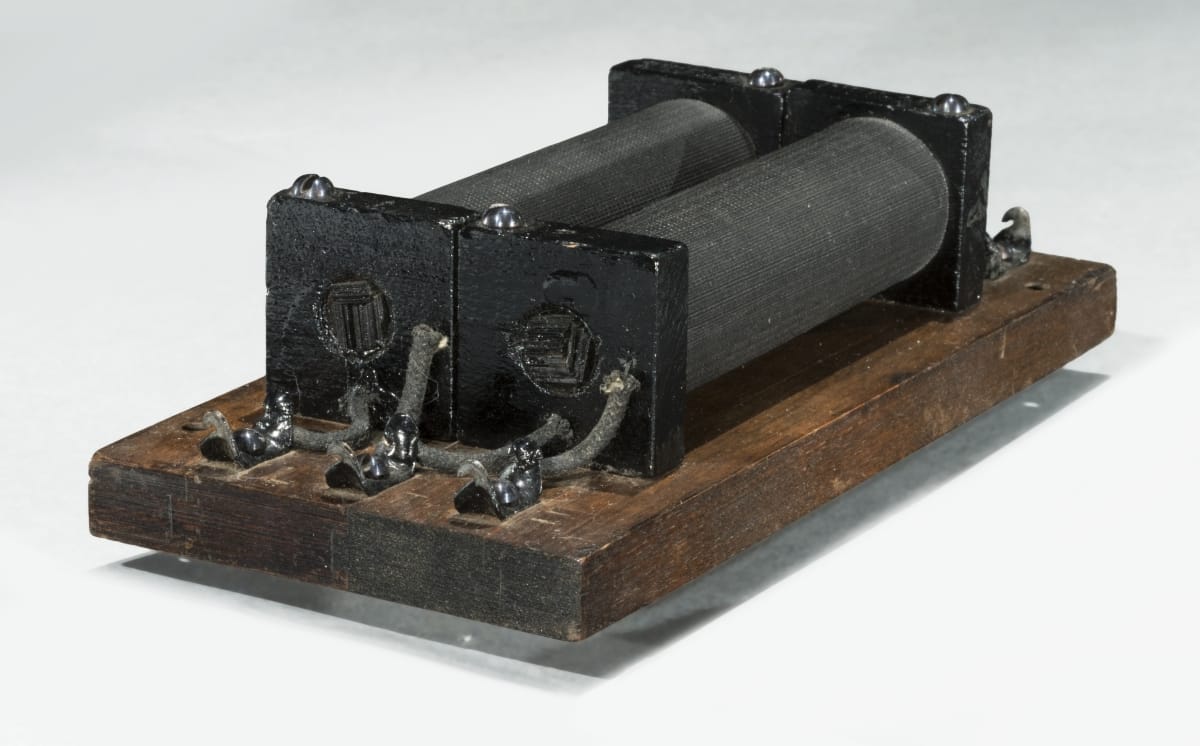
- Microphone Transformer -
- Collections - Artifact
Microphone Transformer
- Wireless Transformer -
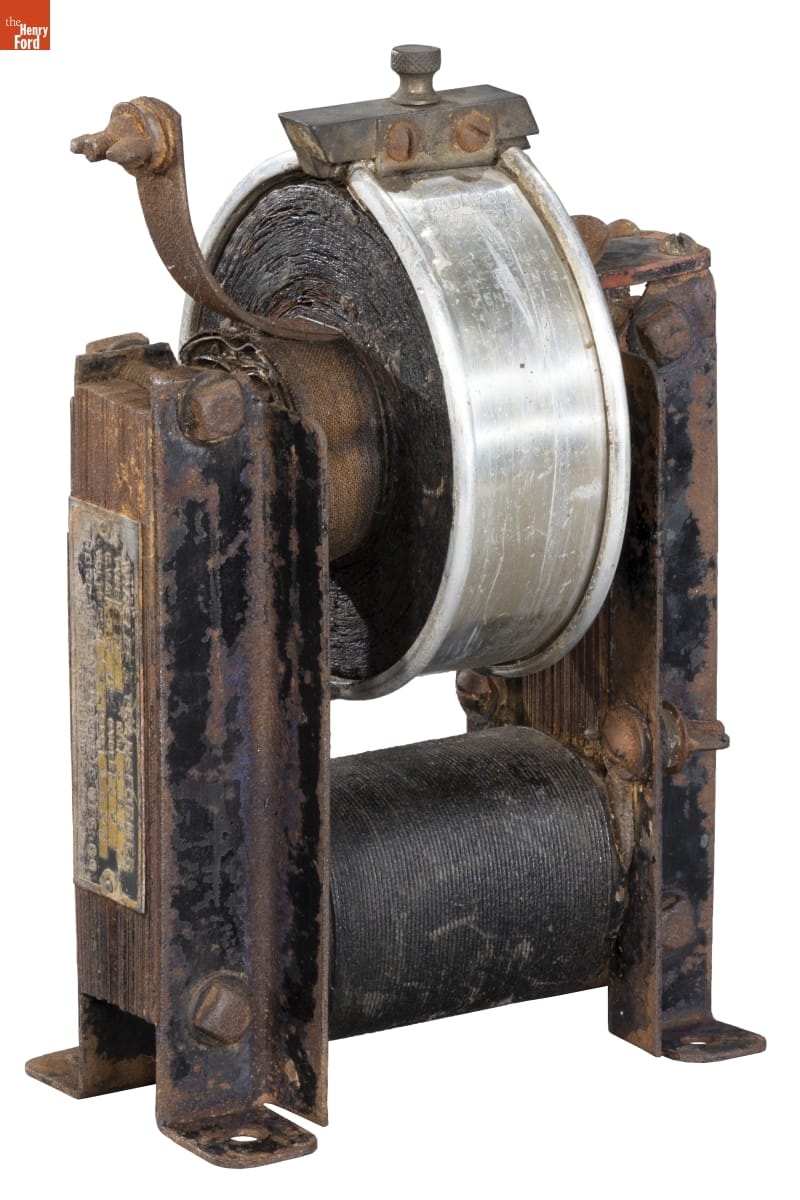
- circa 1925
- Collections - Artifact
Wireless Transformer
- Welding Transformer, 1936 -
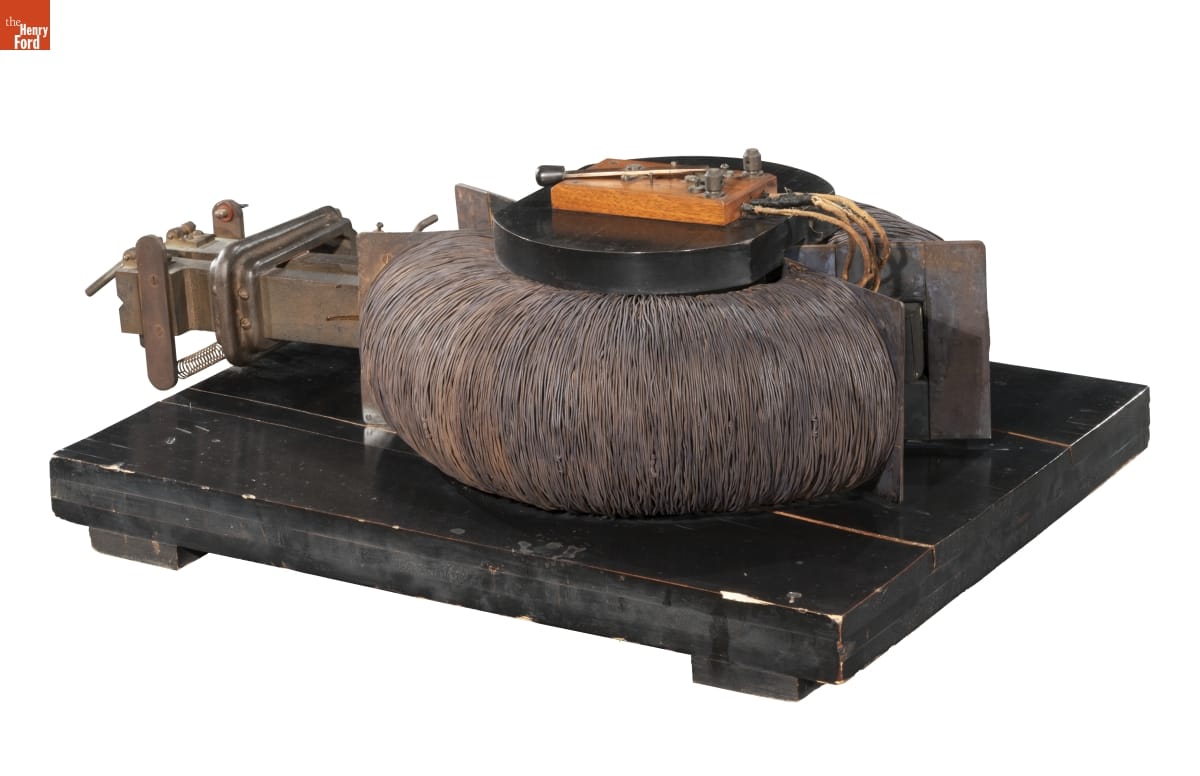
- 1936
- Collections - Artifact
Welding Transformer, 1936
- Transformer, circa 1885 -
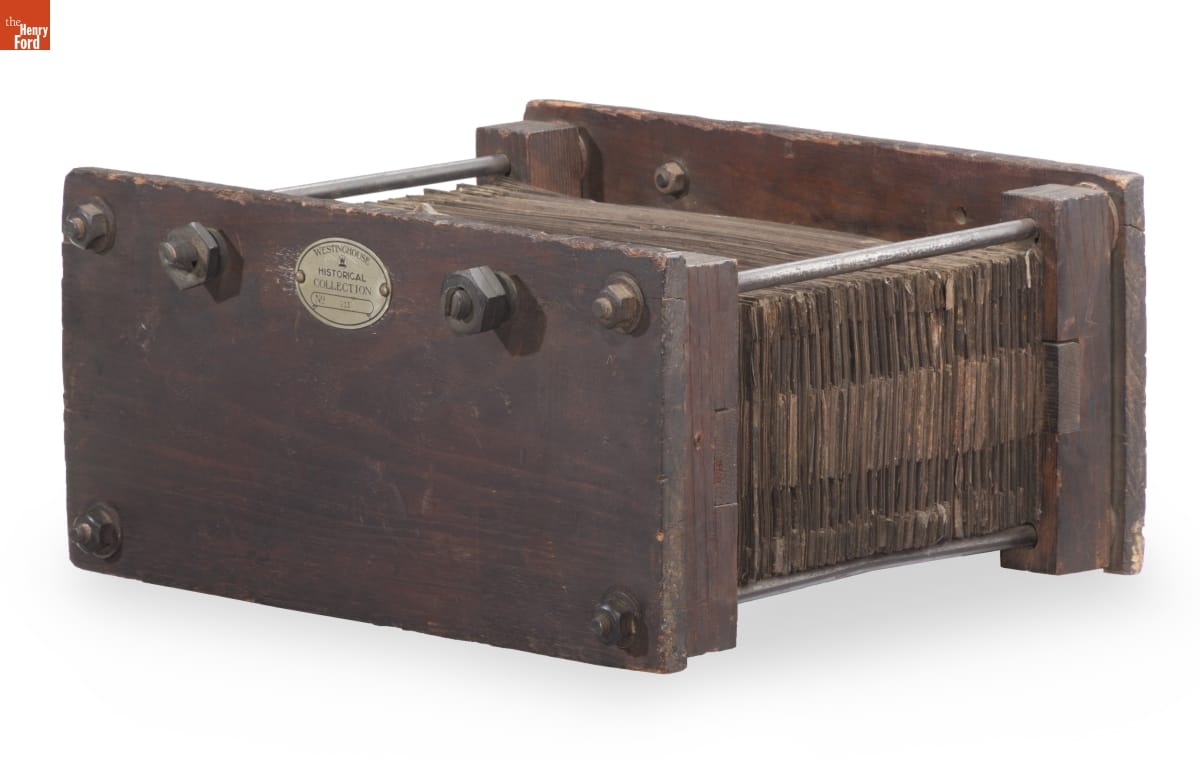
- circa 1885
- Collections - Artifact
Transformer, circa 1885