
Social Transformation
Curated sets
Social Transformation
- 50 Artifacts
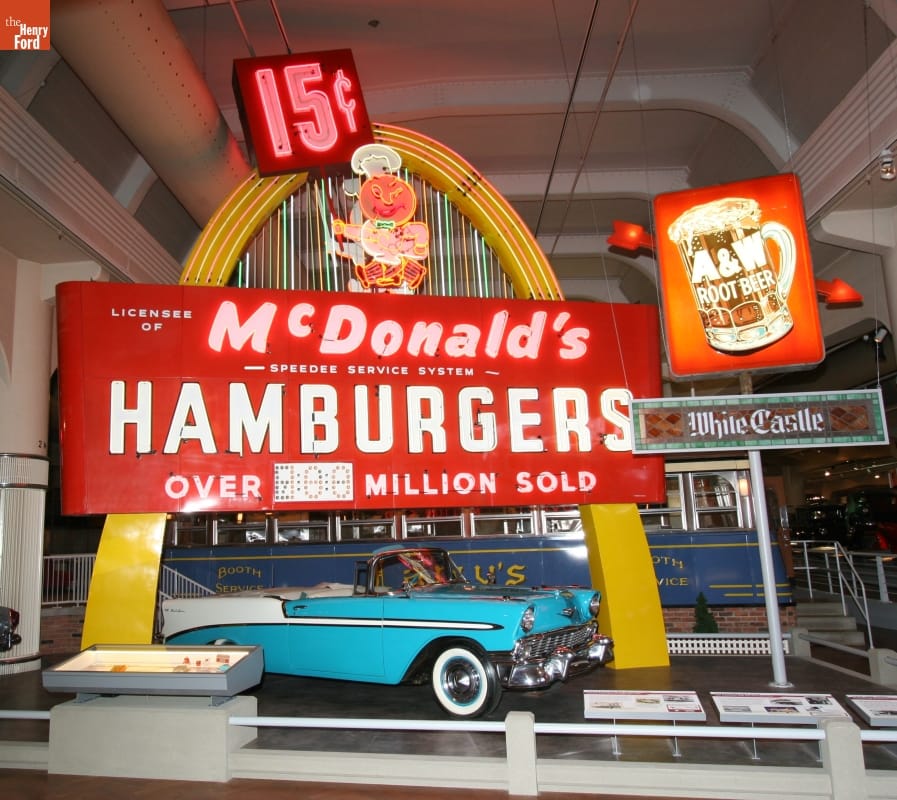
Social transformation involves a shift in the collective consciousness of a society. It occurs when people create change through new patterns of behavior or social action. This can include political shifts, social movements, economic change, changing systems of beliefs and values, new patterns of racial relations, or a rethinking of personal and collective identities. This set explores socially transformative artifacts across our collection.
Curated sets
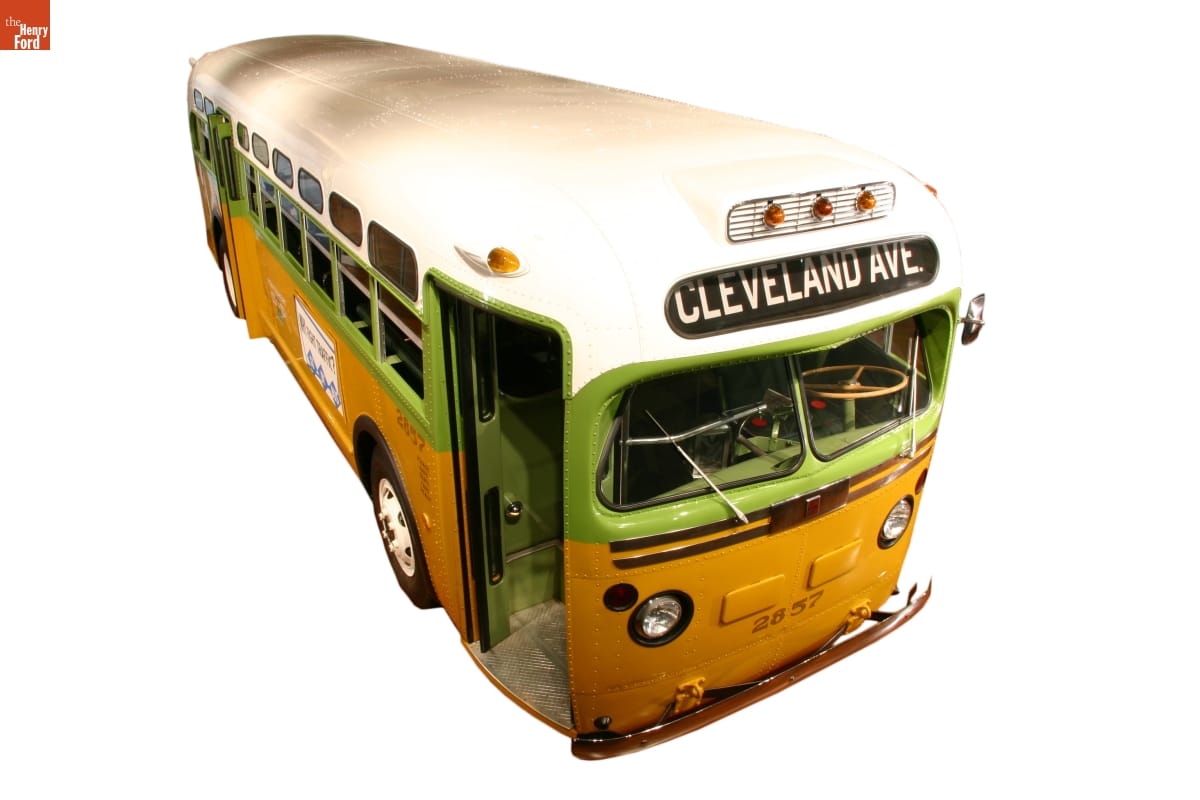
Day of Courage: Rosa Parks
- 10 Artifacts

Article
"The Better Angels of Our Nature": President Lincoln's First Inaugural Address
When Abraham Lincoln became President of the United States, a tenuous arrangement had been maintained between free and slaveholding states, but an increasing number of Americans seemed unwilling to compromise. Discover how Lincoln tried to walk a fin

Article
Kennedy Presidential Limousine
The history of the car in which President Kennedy was riding when he was assassinated — and why it doesn’t look like it did then.

Article
From Pamphlets to Pride: 100 Years of LGBTQ+ Activism
The history of LGBTQ+ activism in the United States is long. For the past century, the struggle for equality has taken many forms and faced many challenges, as the LGBTQ+ community have fought for their rights and their lives.

Article
Indigenous Peoples’ Day
Two posters from our collection, designed by artist Mer Young, support land stewardship and Native American voter participation in the 2020 presidential election.
Curated sets
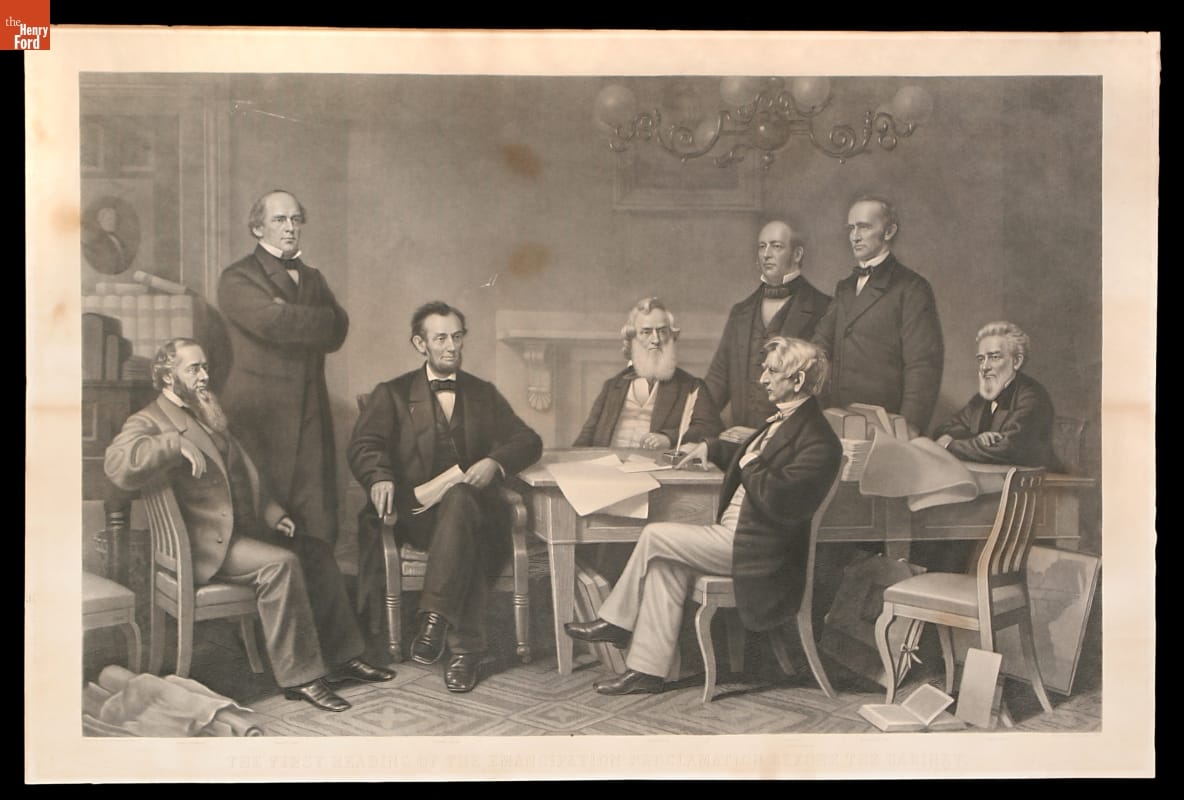
Abraham Lincoln: Preserving the Union
- 10 Artifacts
When the Civil War started, President Lincoln faced the ultimate test of America’s founding principles. He felt that no state had the right to leave the country at will. To preserve the Union, he ultimately decided he had to end slavery.

Article
Museum Icons: The Rosa Parks Bus
Why is the Rosa Parks bus an iconic symbol of social innovation?
01
Rosa Parks
Mrs. Parks courageous refusal to give up her bus seat to a white man helped spark the Civil Rights Movement.

Article
What If I Don’t Move to the Back of the Bus?
Rosa Parks turned a single act of defiance into a defining moment of the modern American civil rights movement.

Article
The Rebellious Life of Mrs. Rosa Parks
Check out our book review of Jeanne Theoharis’ The Rebellious Life of Mrs. Rosa Parks--an exceptional work that offers real history beyond the myth of Parks as a tired seamstress.

Article
Segregated Travel and the Uncommon Courage of Rosa Parks
On December 1, 1955, Rosa Parks, a soft-spoken African American seamstress, was arrested for refusing to give up her seat to a white man on a bus in Montgomery, Alabama.
Curated sets
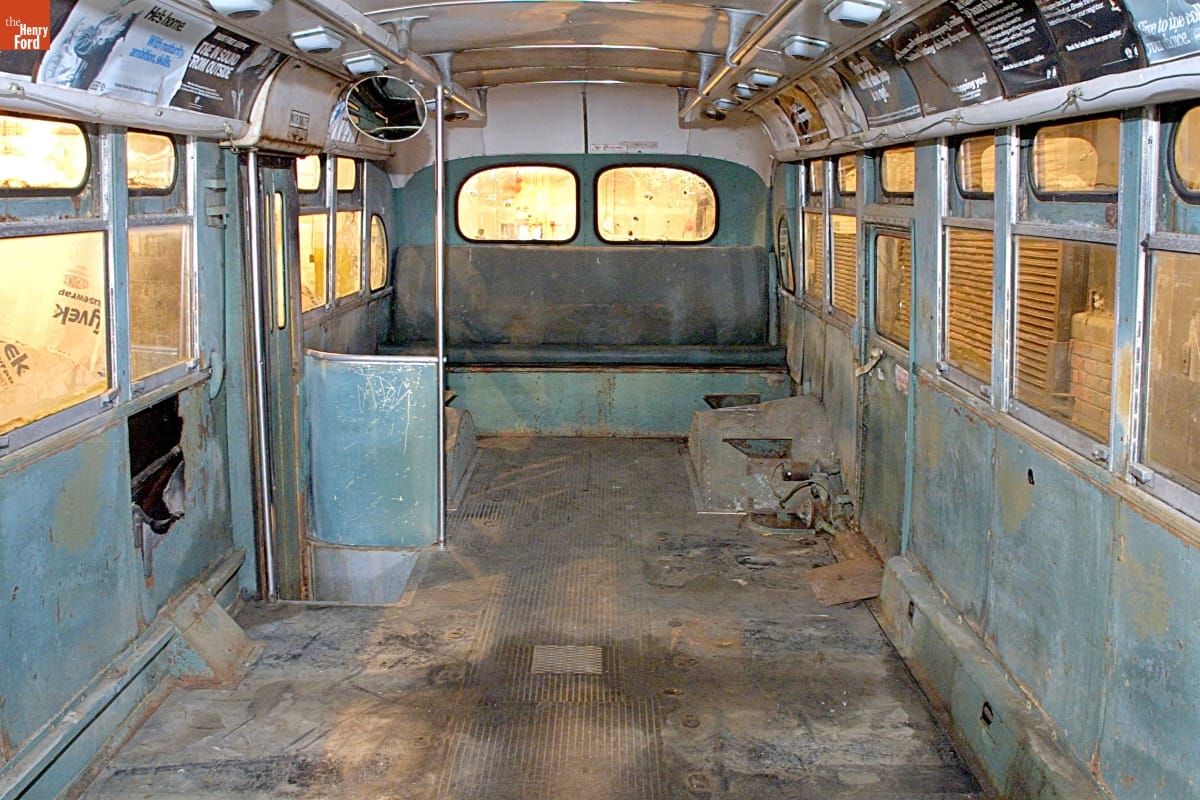
Restoring the Rosa Parks Bus
- 15 Artifacts
The Montgomery city bus aboard which Rosa Parks defied segregation sat as a rusted storage shed before The Henry Ford acquired it in 2001. Today, the fully restored bus in Henry Ford Museum stands as an inspiring reminder of her courageous activism.
12 Videos

video playlist
Rosa Parks
Donna Braden, The Henry Ford's Curator of Public Life, discusses the simple, courageous act of protest by Rosa Parks, and her subsequent arrest, which led to a city-wide bus boycott that lasted 381 days. Her act gave African Americans a new sense of pride and purpose and inspired non-violent protests in other cities. Many consider her singular act of protest to be the event that sparked the Civil Rights movement.
Article
Anniversary of Rosa Parks’ Arrest: December 1, 1955
On the 65th anniversary of Rosa Parks’ arrest for refusing to stand up and move to the back of a Montgomery city bus, we acknowledge the important contributions of numerous other individuals to this legacy.
02
The Jackson Home
The Dr. Sullivan and Mrs. Richie Jean Sherrod Jackson Home is a unique time capsule documenting the inspiring story of a courageous family and community at the forefront of one of the most momentous movements in U.S. history: the Selma to Montgomery marches of 1965.

Article
More Lessons to Share: The Preservation of the Dr. Sullivan and Richie Jean Sherrod Jackson Home
The Jackson Home is pivotal as one of several key locations to the Selma Voting Rights Movement. Read more about The Henry Ford's preservation process.

Article
The Jackson Home—Unpacking a Family's Story
In the Spring of 2023, the contents of an entire house - 9,000 everyday objects, including photographs, documents, books, and household items, were logged, packed, and shipped from Selma, Alabama to Dearborn, Michigan. That house was the Jackson Family Home, which was recently moved to its new permanent home in Greenfield Village – you can find out more about the move here!

Article
The Jackson Home: Furnishing It Like It’s 1965
In this interview, Jeanine Head Miller (Curator of Domestic Life), and Charles Sable (Curator of Decorative Arts) sat down with Kristen Gallerneaux (Curator and Editor-in-Chief of Digital Curation) to share their efforts to restore the interiors and furnishings of The Jackson Home. This article is part of an ongoing series focusing on the history, preservation, and restoration of the landmark Jackson Home experience, slated to open in Greenfield Village in Summer 2026.

Article
Dr. Sullivan Jackson: Saxophonist
Music is a part of the Jackson family story, from the piano lessons that first brought young Richie Jean Sherrod soon-to-be-Jackson and young Corretta Scott soon-to-be-King together to the family's music room that housed an impressive record collection. In fact, Dr. Sullivan Jackson played tenor saxophone prior to his career as a dentist serving Selma's Black community. Dr. Jackson's time as a musician in the mid-1940s to the early-1950s allowed him to participate in Black American music cultural changes.

Article
"To Establish the Rule of Justice": 60 Years of the Civil Rights Act of 1964
The 1960s were a decade filled with turbulence and change. The country was beginning to come out of the fog of grief caused by the death of President John F. Kennedy, and the healing was still raw.

Curated sets
Jackson Home: The House by the Side of the Road
- 18 Artifacts
The Jackson Home, originally located in Selma, Alabama, provided refuge and solace for Dr. Martin Luther King Jr. and others who worked, collaborated, strategized, and planned the Selma-to-Montgomery marches of 1965. The marches led to the signing of the Voting Rights Act on August 6, 1965, enshrining voting equality for all Americans as law.
03
Artifacts
Explore socially transformative artifacts across our collection.
Artifact
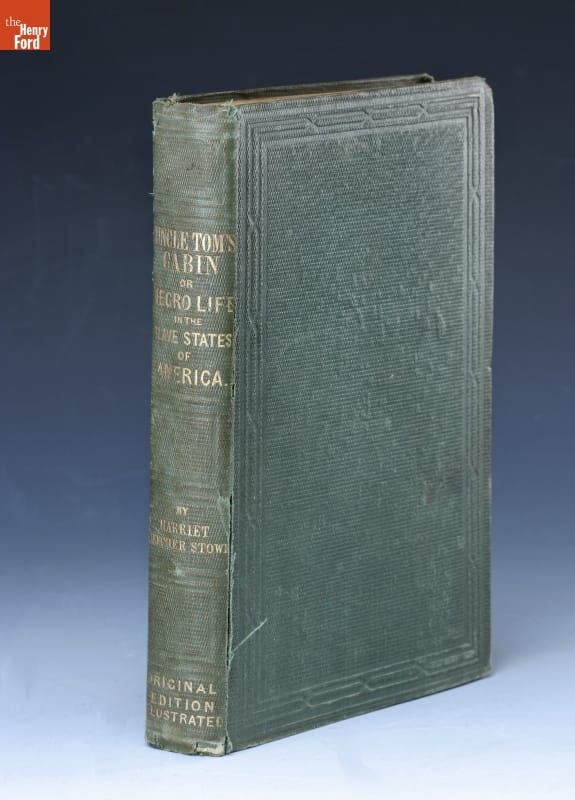
"Uncle Tom's Cabin; or, Negro Life in the Slave States of America," 1852
The trials of an enslaved black family seeking freedom are told in the pages of Harriet Beecher Stowe's Uncle Tom's Cabin. The work of fiction became a national and international best-seller when first published in 1852. In one year, 1.5 million copies were sold in Great Britain. The book advanced anti-slavery sympathies throughout Europe and made Stowe an international celebrity.
Artifact
Rosa Parks Bus
Inside this bus on December 1, 1955, Rosa Parks, a soft-spoken African-American seamstress, refused to give up her seat to a white man, breaking existing segregation laws. The flawless character and quiet strength she exhibited successfully ignited action in others. For this, many believe Rosa Parks's act was the event that sparked the Civil Rights movement.
Artifact
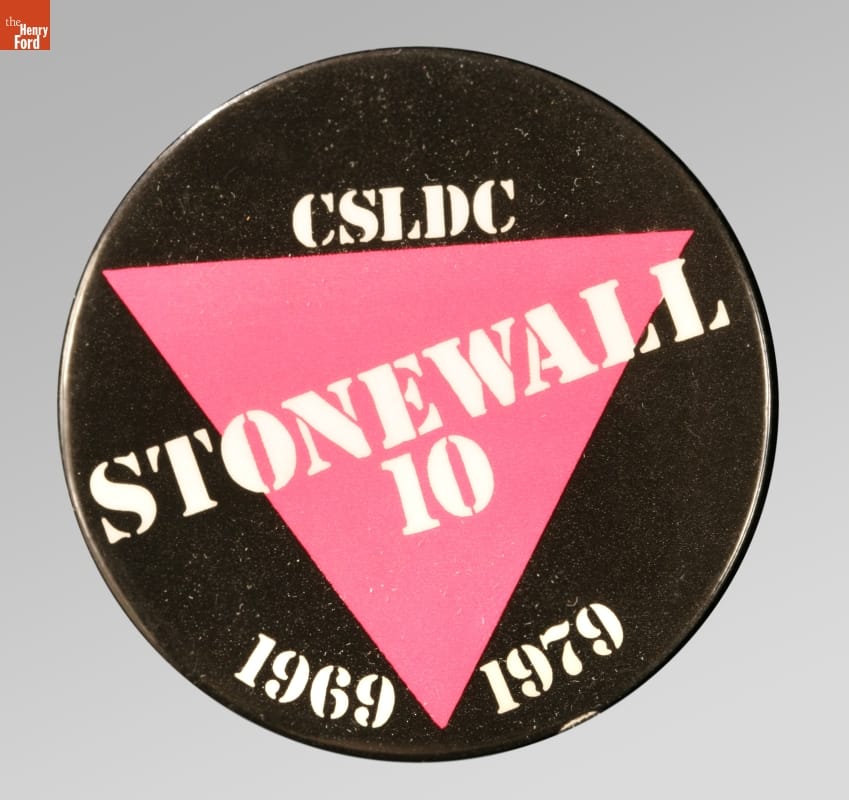
Button, 10th Anniversary of Stonewall Riots, 1979
The Civil Rights movement of the 1960s inspired other groups of people to demand their equal rights. Members of the gay rights movement began actively voicing their opposition to discrimination in 1969 after the New York police department raided the Stonewall Inn -- a local gay bar. Riots ensued and a movement was born.
Artifact
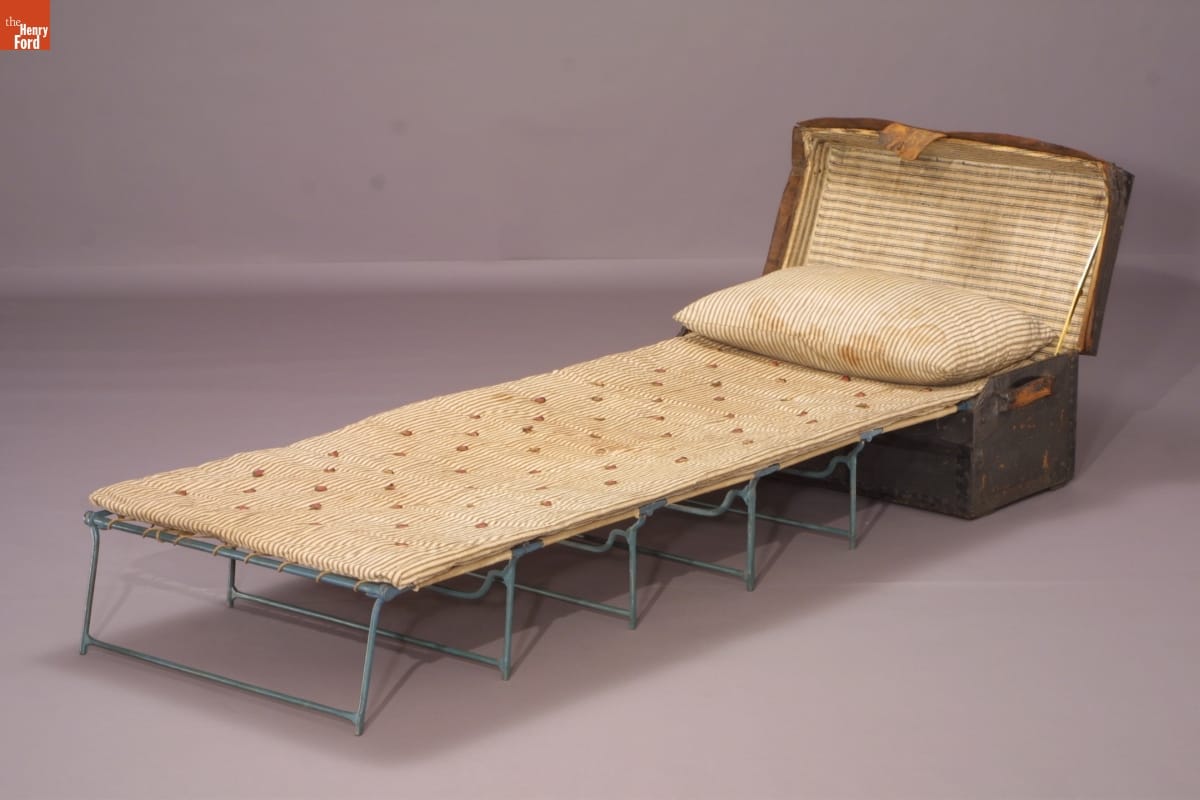
George Washington's Camp Bed, 1775-1780
George Washington carried folding beds, tents, eating utensils, and other equipment to use while encamped on the field with his troops during the Revolutionary War. Washington likely used this bed when he traveled from his Newburgh, New York, headquarters in July 1783 -- as the war was winding down -- to tour upstate New York and the military installations located there.

Artifact
Birth Control Pill Dispenser, circa 1998
In 1960, the U.S. Food and Drug Administration approved the first oral contraceptive. The "Pill," as it was called, allowed women to gain control of their reproductive system. It made family planning more predictable and helped launch the sexual revolution of the 1960s. The personal and societal effects of hormonal birth control are still surfacing today.
Artifact
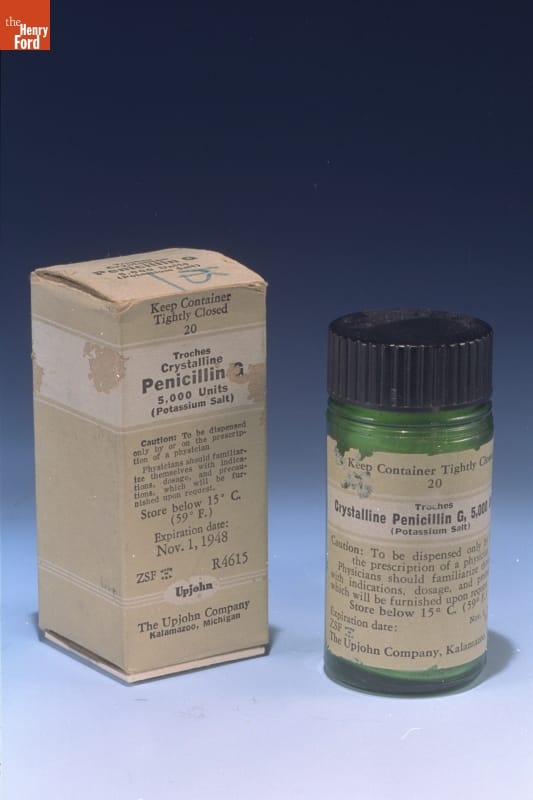
Penicillin Medicine Bottle, 1948
Penicillin heralded the advent of antibiotics during World War II. When it became commercially available in 1945, it was seen as a wonder drug. This bottle is from 1948. Some bacteria developed a resistance to penicillin, and other antibiotics were developed.
Artifact
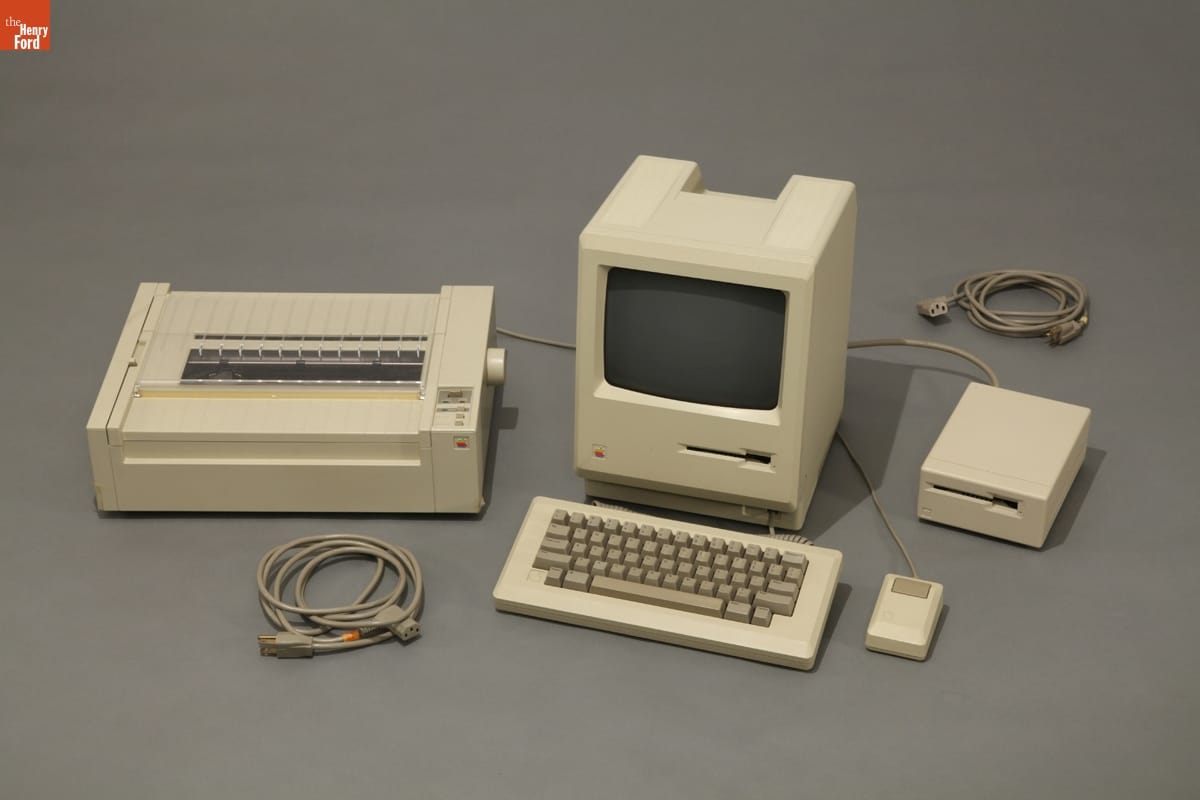
Macintosh 512K Personal Computer, Model M0001W, 1985
In 1984, the Apple Macintosh became the first popular personal computer to feature the now-ubiquitous mouse and "graphical user interface" desktop. Despite the Mac's relatively high price, its user-friendly features helped it demystify computing for many people without a technical bent. This computer is a Macintosh 512k, released in 1985 with increased memory.
Artifact
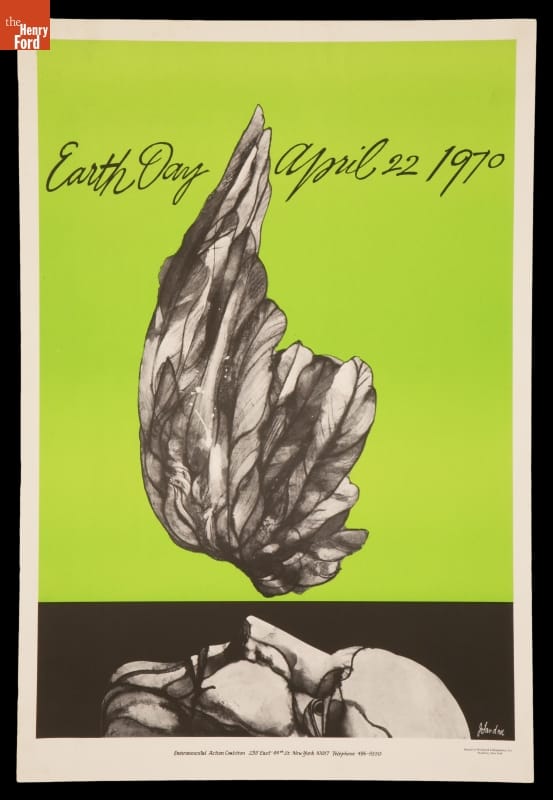
Advertising Poster, "Earth Day April 22, 1970"
Earth Day originated after an oil spill in January 1969 galvanized a nation-wide teach-in about the environment. Schools and communities across the United States participated on April 22, 1970. Posters like this promoted events coordinated by new organizations such as the Environmental Action Coalition.
Artifact
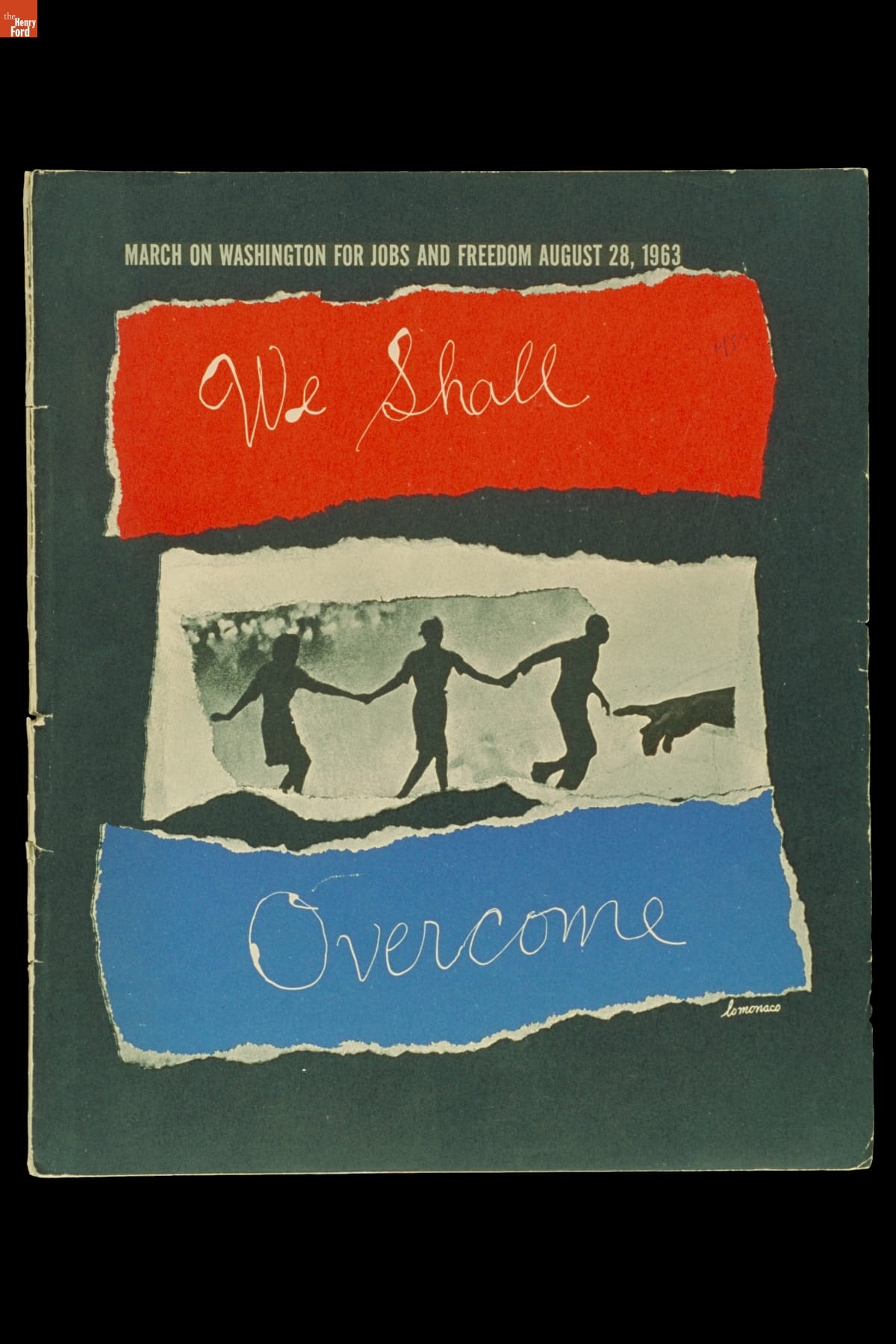
Print Portfolio, "We Shall Overcome," 1963
More than 250,000 civil rights advocates showed up at the 1963 March on Washington for Jobs and Freedom. This souvenir portfolio held a group of photo collages, each incorporating fragments of disturbing images from the movement. The artist intended these to symbolize man's inhumanity to his fellow man. Civil Rights activists hoped that they would stir people's emotions and incite action.
Artifact
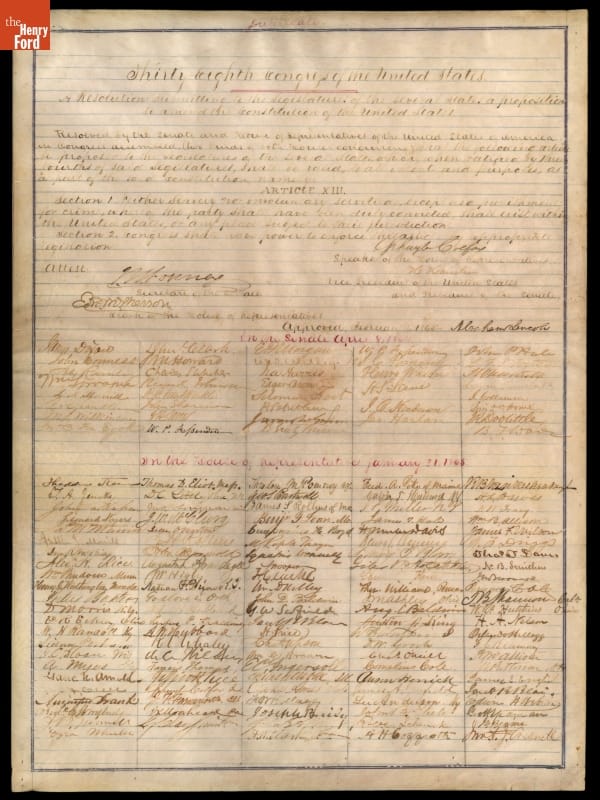
Joint Resolution of the United States Congress, Proposing the 13th Amendment to Abolish Slavery, 1865
The 13th Amendment to the Constitution, not the Emancipation Proclamation, formally abolished slavery in the United States, settling the issue which had long plagued the nation. Congress adopted the Amendment in January 1865 and sent it to states, which ratified it in December. The word "Duplicate" at the top of this document indicates the bill had been passed by Congress but had not yet been ratified.
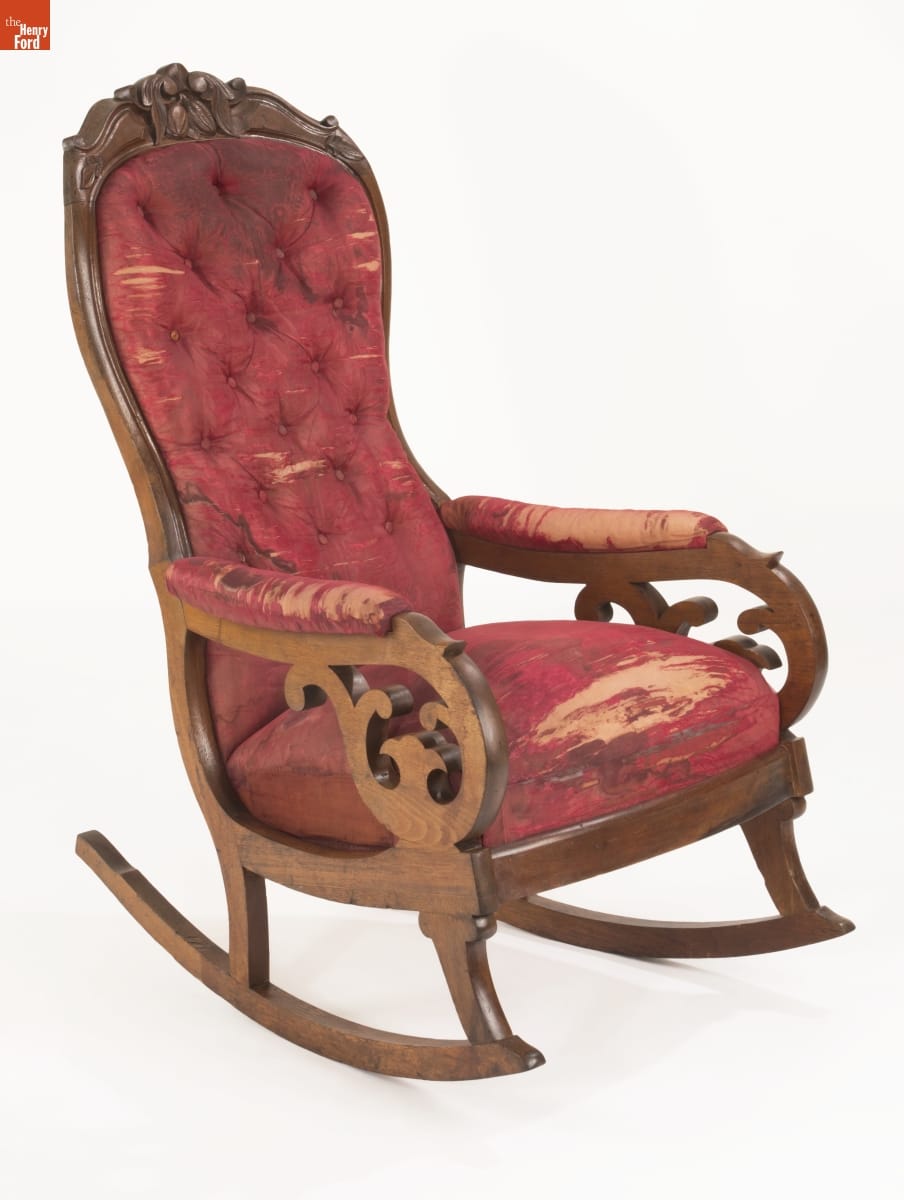
Artifact
Rocking Chair Used by Abraham Lincoln at Ford's Theater the Night of His Assassination, April 14, 1865
President Abraham Lincoln was sitting in this rocking chair during a production of Our American Cousin at Ford's Theatre in Washington, D.C., when he was assassinated on April 14, 1865. Henry Ford purchased the chair in 1929 for the Museum, where it remains one of the most revered objects associated with the "man who saved the Union."
04
Videos
06
More to Explore
View Articles
Explore stories from the collections of The Henry Ford.

Explore Popular Research Topics
Get authoritative information on key topics related to our collections.