
Search
- Weaving Shop - The Greenfield Village Weaving Shop demonstrates the evolution of textile production from the colonial home and craft shop, through the Industrial Revolution to commercial factory. Housed in a converted 1840s Georgia cotton mill, the Weaving Shop contains a number of working looms, including one of the few operating mechanical Jacquard looms in North America.
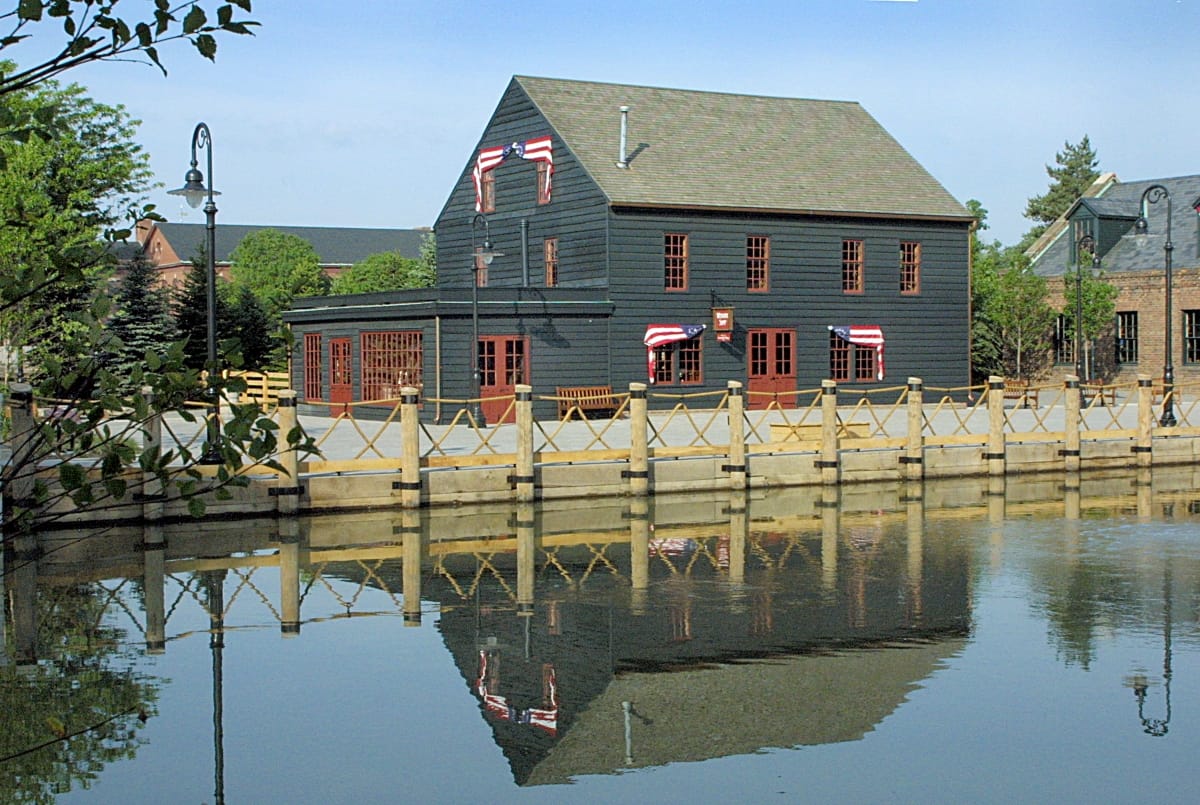
- circa 1840
- Collections - Artifact
Weaving Shop
The Greenfield Village Weaving Shop demonstrates the evolution of textile production from the colonial home and craft shop, through the Industrial Revolution to commercial factory. Housed in a converted 1840s Georgia cotton mill, the Weaving Shop contains a number of working looms, including one of the few operating mechanical Jacquard looms in North America.
- Weaving Shop in Greenfield Village, September 2007 -
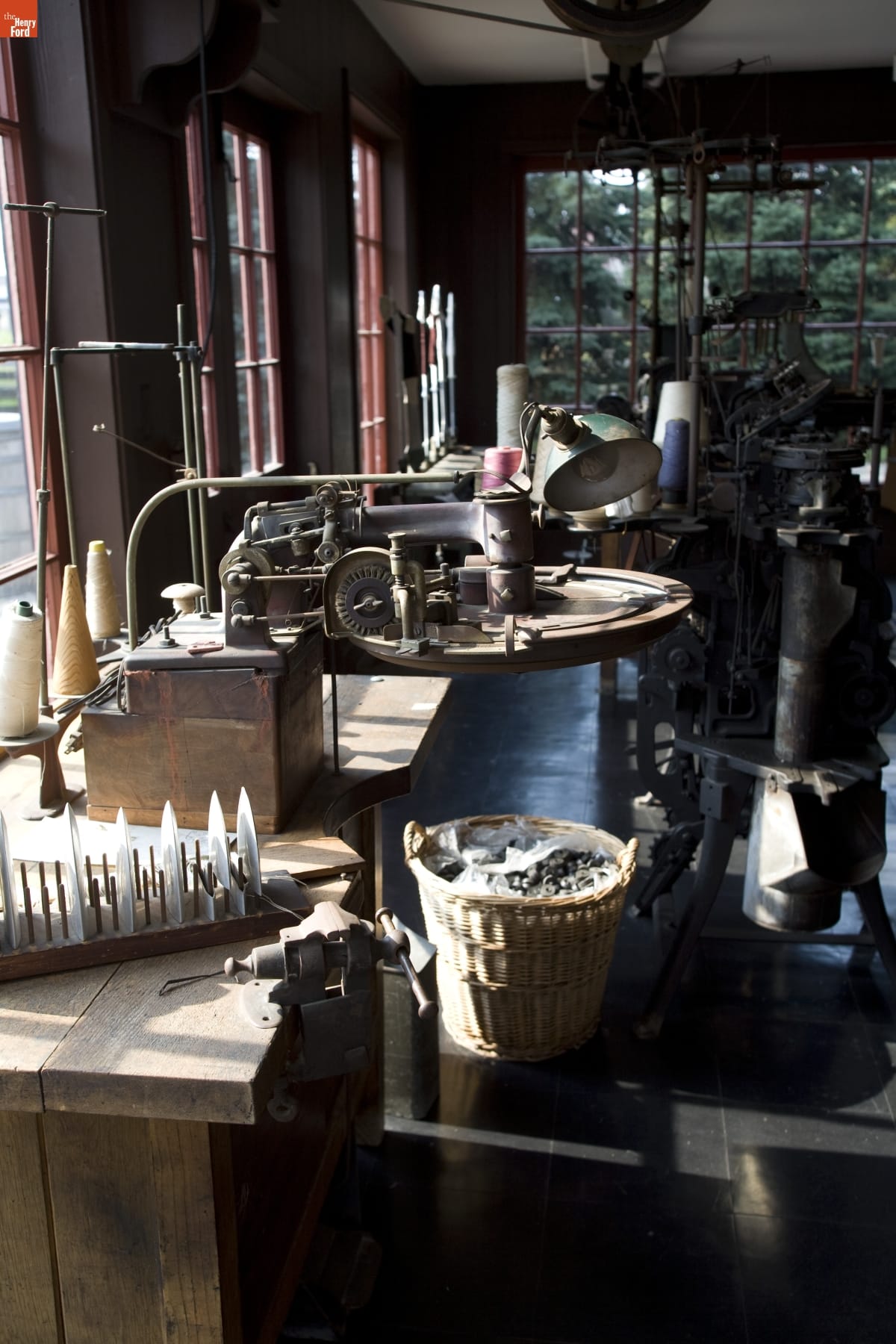
- September 01, 2007
- Collections - Artifact
Weaving Shop in Greenfield Village, September 2007
- Weaving Shop in Greenfield Village, September 2007 -
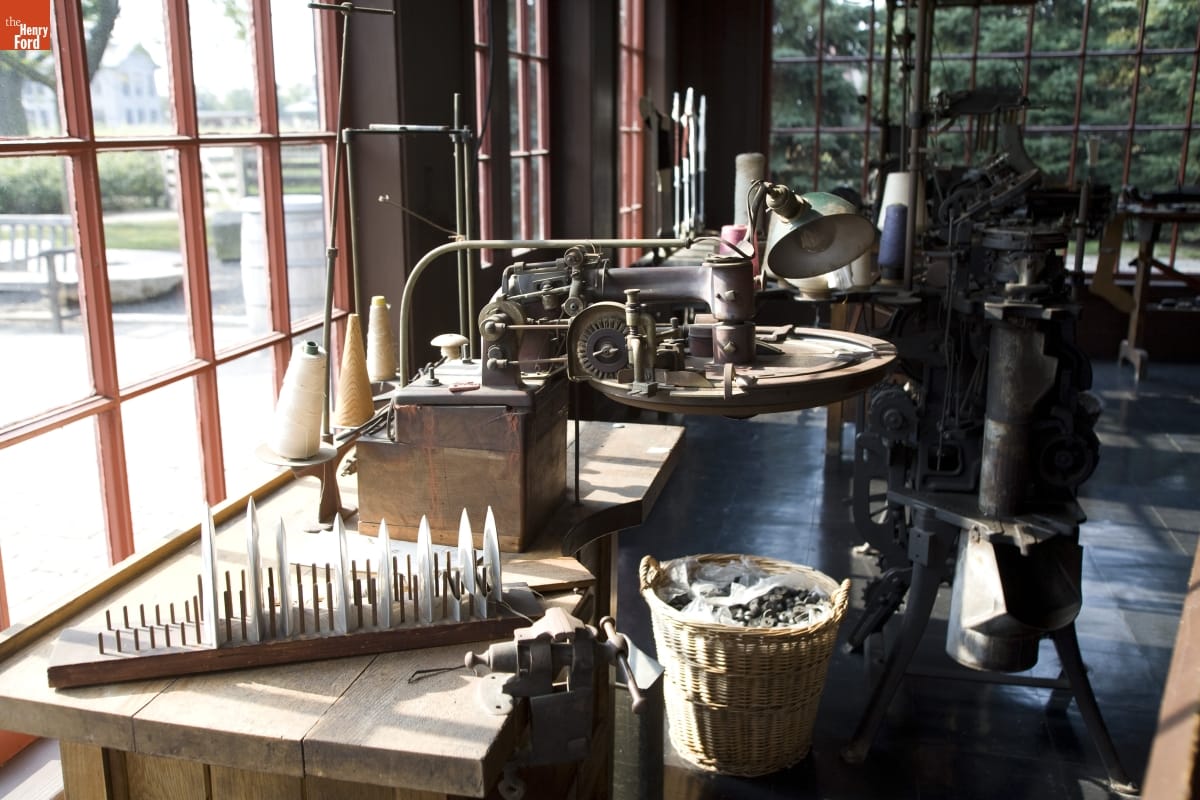
- September 01, 2007
- Collections - Artifact
Weaving Shop in Greenfield Village, September 2007
- Weaving Shop in Greenfield Village, September 2007 -
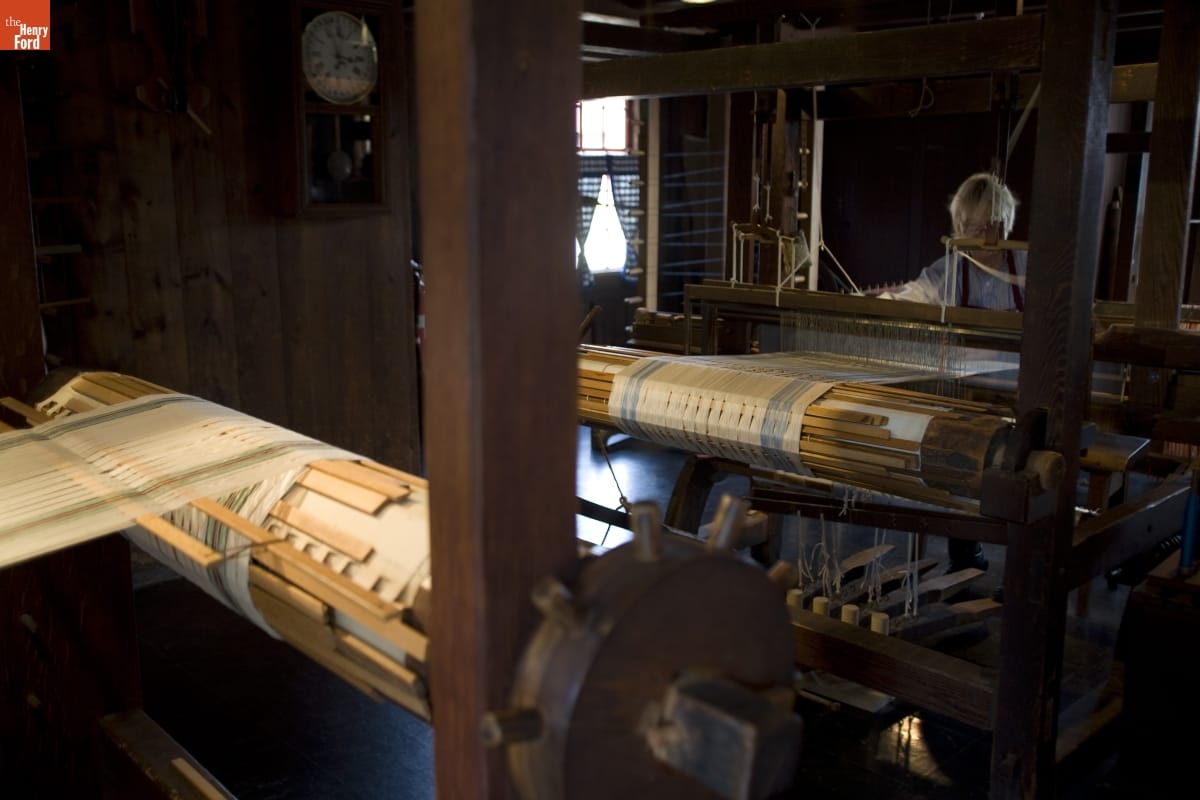
- September 01, 2007
- Collections - Artifact
Weaving Shop in Greenfield Village, September 2007
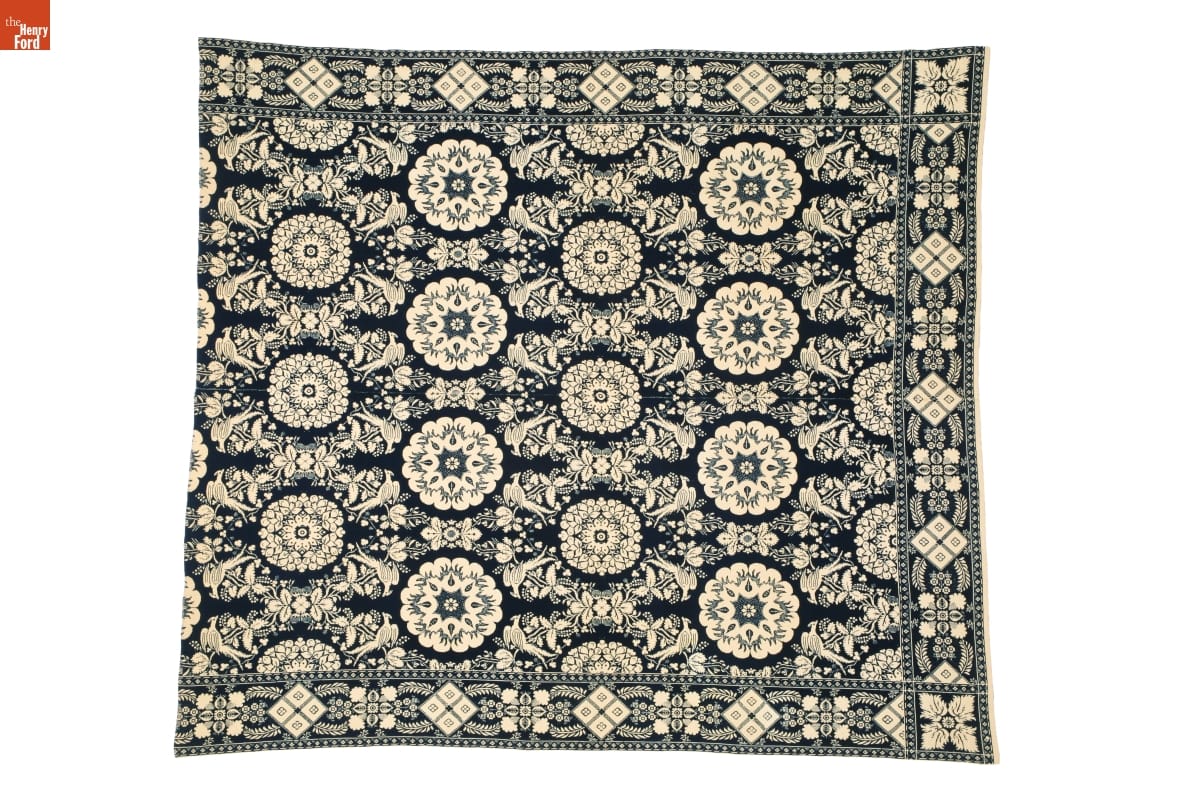
- Coverlet Attributed to Auburn Prison Weaving Shop, 1830-1840 -
- 1830-1840
- Collections - Artifact
Coverlet Attributed to Auburn Prison Weaving Shop, 1830-1840
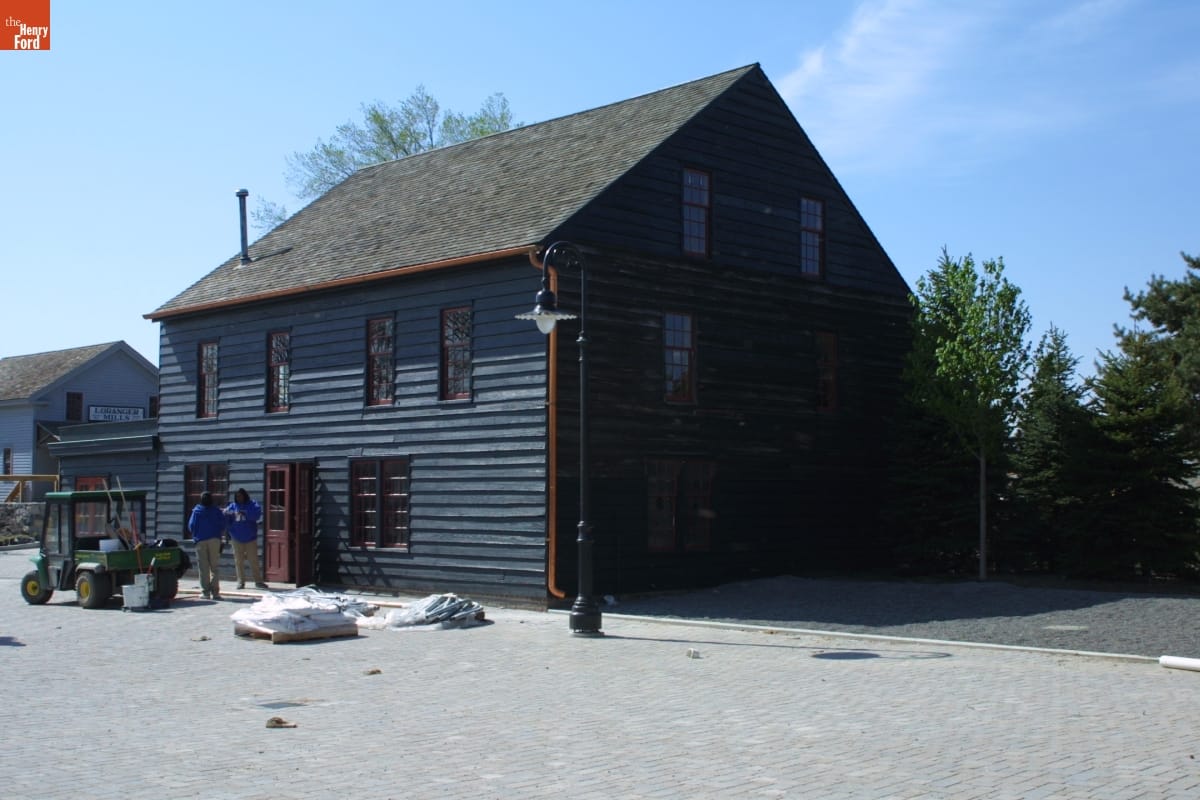
- Weaving Shop during the Greenfield Village Restoration Project, May 2003 - By 2000, Greenfield Village began showing its age. Buildings and crumbling infrastructure desperately needed repair. Museum planners envisioned a revitalized village. They created themed "Historic Districts" by relocating and refurbishing the historic structures. Workers repaved streets and upgraded water, sewer, electric, and gas lines. In June 2003, nine months after restoration began, visitors passed through a new entrance into a reborn Greenfield Village.
- May 01, 2003
- Collections - Artifact
Weaving Shop during the Greenfield Village Restoration Project, May 2003
By 2000, Greenfield Village began showing its age. Buildings and crumbling infrastructure desperately needed repair. Museum planners envisioned a revitalized village. They created themed "Historic Districts" by relocating and refurbishing the historic structures. Workers repaved streets and upgraded water, sewer, electric, and gas lines. In June 2003, nine months after restoration began, visitors passed through a new entrance into a reborn Greenfield Village.
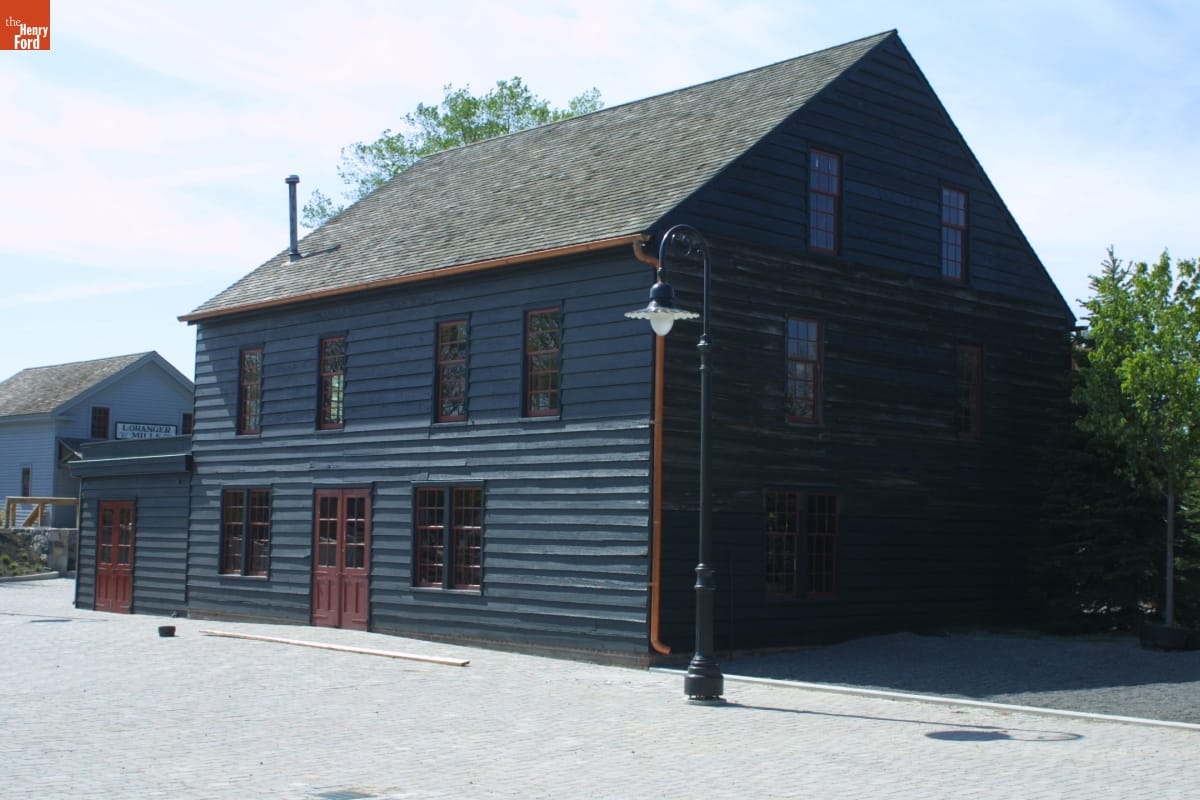
- Weaving Shop during the Greenfield Village Restoration Project, May 2003 - By 2000, Greenfield Village began showing its age. Buildings and crumbling infrastructure desperately needed repair. Museum planners envisioned a revitalized village. They created themed "Historic Districts" by relocating and refurbishing the historic structures. Workers repaved streets and upgraded water, sewer, electric, and gas lines. In June 2003, nine months after restoration began, visitors passed through a new entrance into a reborn Greenfield Village.
- May 01, 2003
- Collections - Artifact
Weaving Shop during the Greenfield Village Restoration Project, May 2003
By 2000, Greenfield Village began showing its age. Buildings and crumbling infrastructure desperately needed repair. Museum planners envisioned a revitalized village. They created themed "Historic Districts" by relocating and refurbishing the historic structures. Workers repaved streets and upgraded water, sewer, electric, and gas lines. In June 2003, nine months after restoration began, visitors passed through a new entrance into a reborn Greenfield Village.
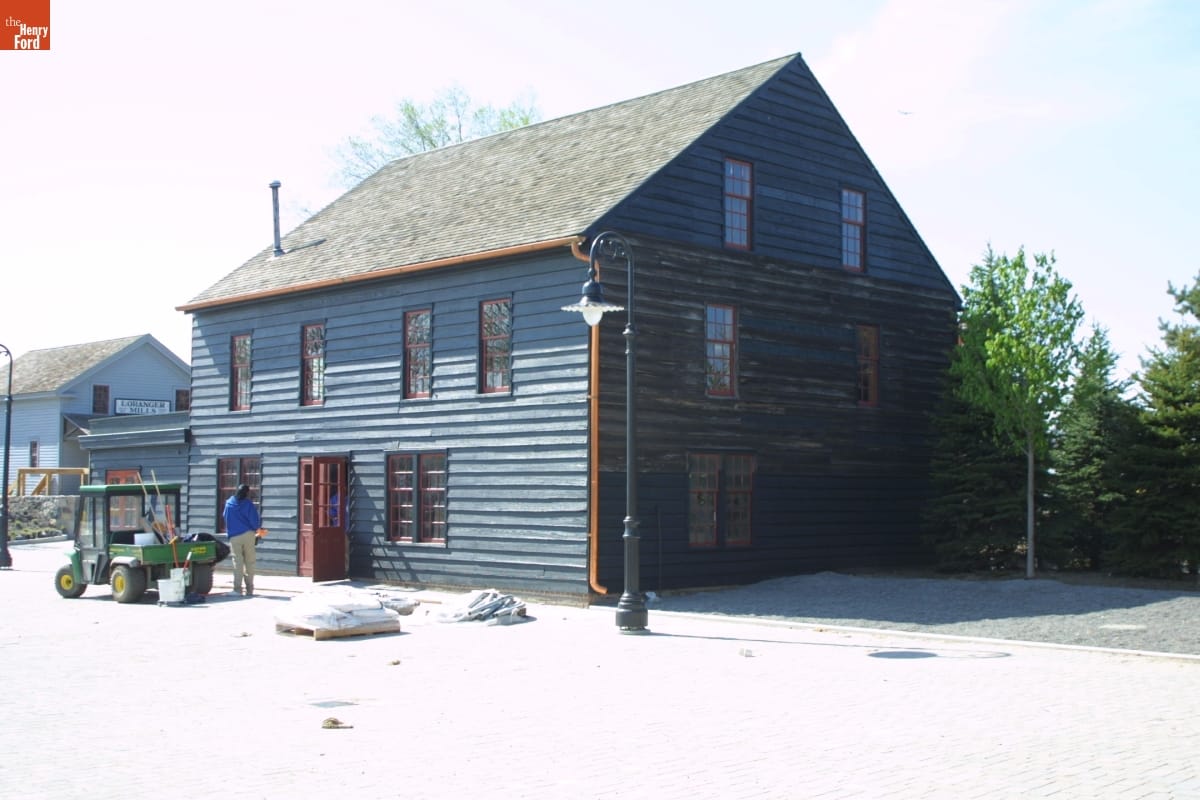
- Weaving Shop during the Greenfield Village Restoration Project, May 2003 - By 2000, Greenfield Village began showing its age. Buildings and crumbling infrastructure desperately needed repair. Museum planners envisioned a revitalized village. They created themed "Historic Districts" by relocating and refurbishing the historic structures. Workers repaved streets and upgraded water, sewer, electric, and gas lines. In June 2003, nine months after restoration began, visitors passed through a new entrance into a reborn Greenfield Village.
- May 01, 2003
- Collections - Artifact
Weaving Shop during the Greenfield Village Restoration Project, May 2003
By 2000, Greenfield Village began showing its age. Buildings and crumbling infrastructure desperately needed repair. Museum planners envisioned a revitalized village. They created themed "Historic Districts" by relocating and refurbishing the historic structures. Workers repaved streets and upgraded water, sewer, electric, and gas lines. In June 2003, nine months after restoration began, visitors passed through a new entrance into a reborn Greenfield Village.
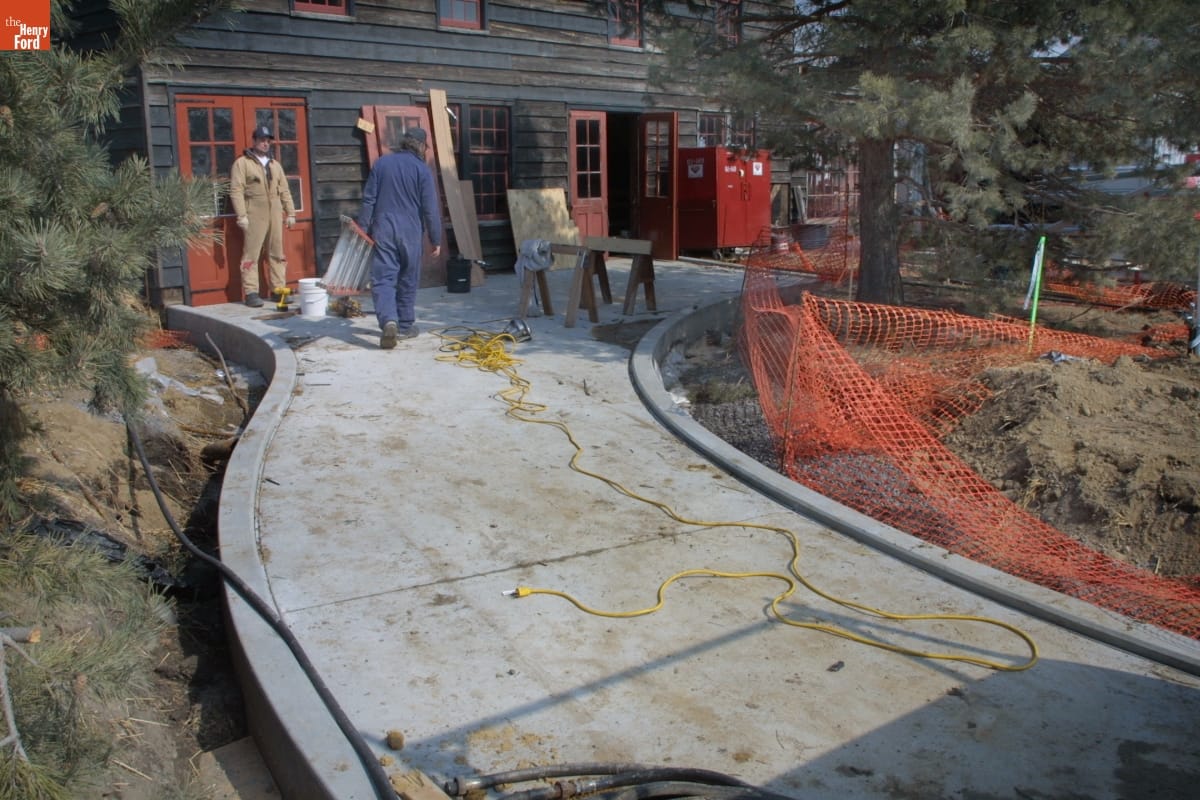
- Weaving Shop during the Greenfield Village Restoration Project, March 2003 - By 2000, Greenfield Village began showing its age. Buildings and crumbling infrastructure desperately needed repair. Museum planners envisioned a revitalized village. They relocated and refurbished the historic structures into themed "Historic Districts" and added new support buildings--shops, restaurants, and a special-event venue. In June 2003, nine months after restoration began, visitors passed through a new entrance into a reborn Greenfield Village.
- March 01, 2003
- Collections - Artifact
Weaving Shop during the Greenfield Village Restoration Project, March 2003
By 2000, Greenfield Village began showing its age. Buildings and crumbling infrastructure desperately needed repair. Museum planners envisioned a revitalized village. They relocated and refurbished the historic structures into themed "Historic Districts" and added new support buildings--shops, restaurants, and a special-event venue. In June 2003, nine months after restoration began, visitors passed through a new entrance into a reborn Greenfield Village.
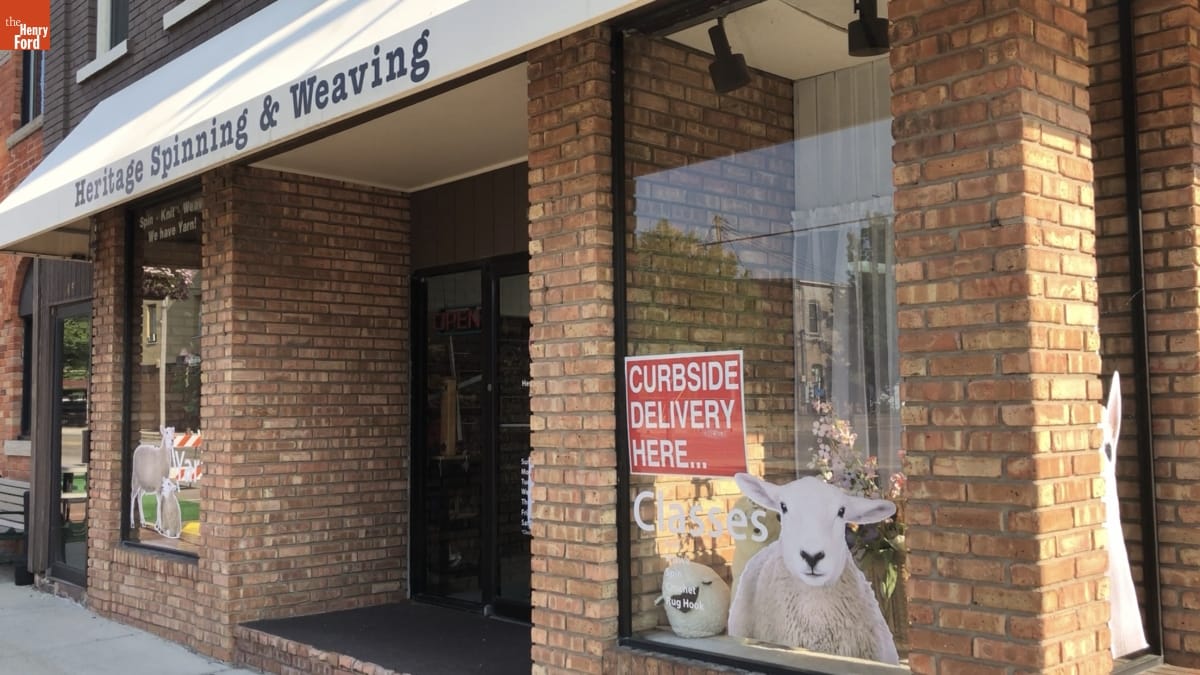
- Heritage Spinning & Weaving Shop with Curbside Delivery Sign in Window. 2020 -
- 2020
- Collections - Artifact
Heritage Spinning & Weaving Shop with Curbside Delivery Sign in Window. 2020