
Search
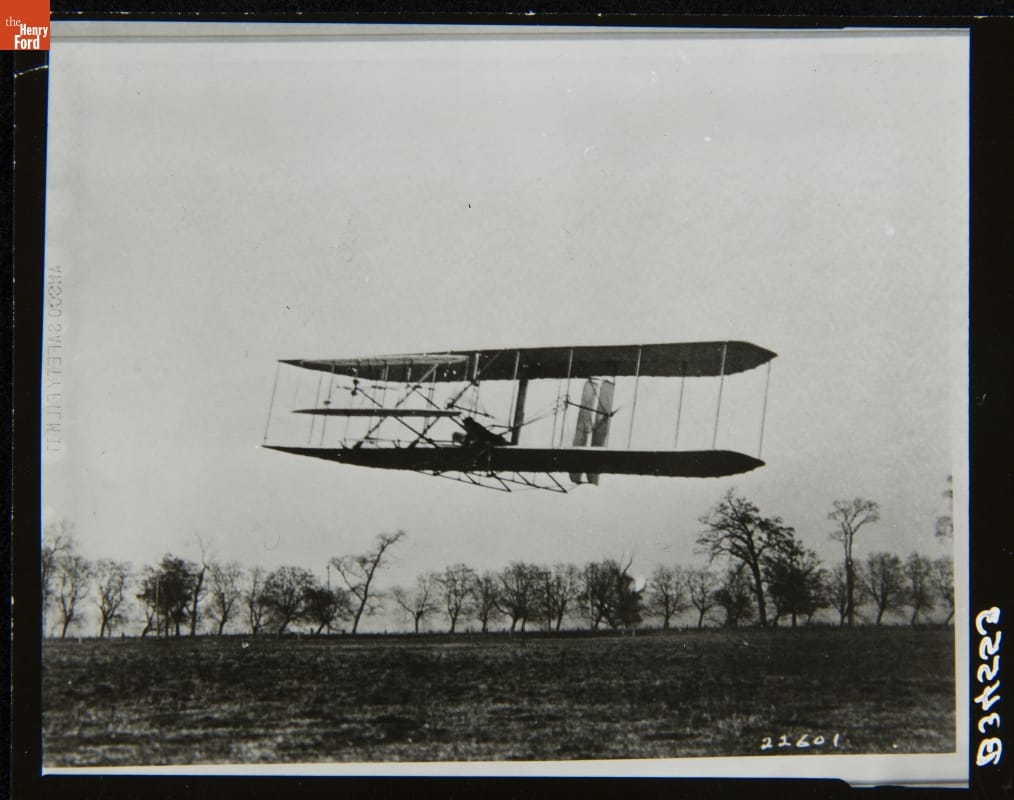
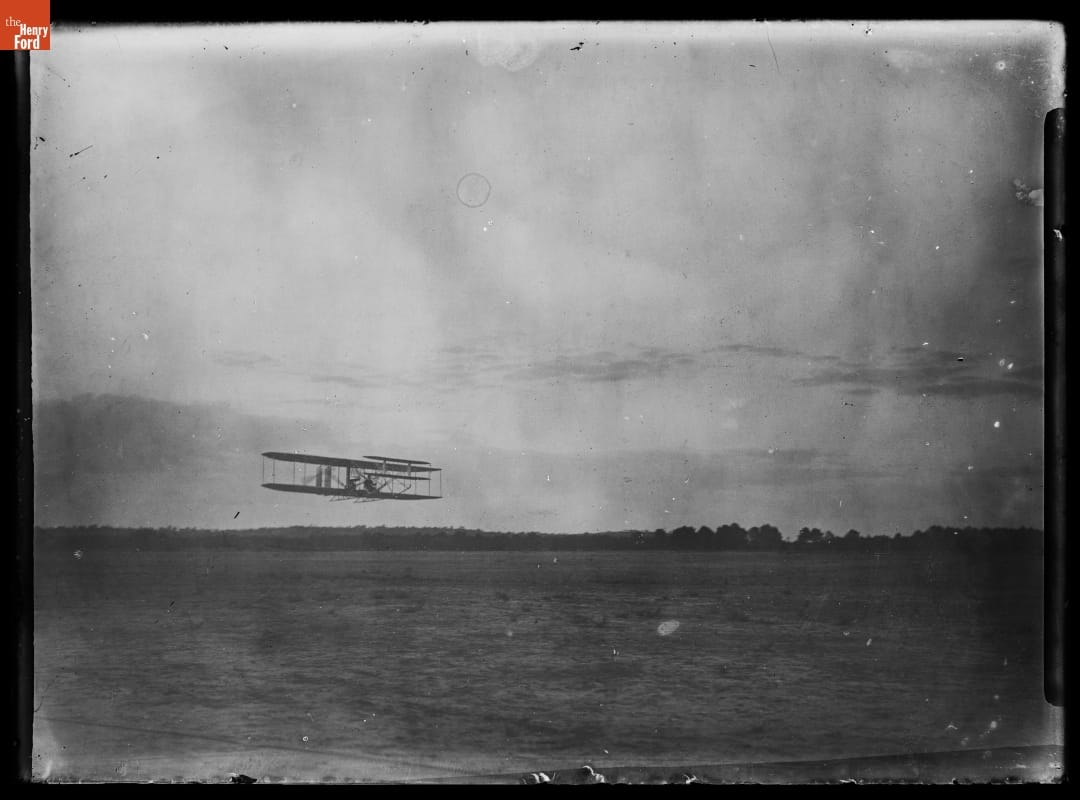
- Wright Brothers 1904 Flyer over Huffman Prairie near Dayton, Ohio, November 15, 1904 - Following their successful flights at Kill Devil Hills, North Carolina, in December 1903, the Wright brothers made further test flights closer to home. They flew at Huffman Prairie, an open field some eight miles northeast of their bicycle shop in Dayton, Ohio. The Wrights devised a catapult system to help launch their airplanes in the field's comparatively calm winds.
- November 15, 1904
- Collections - Artifact
Wright Brothers 1904 Flyer over Huffman Prairie near Dayton, Ohio, November 15, 1904
Following their successful flights at Kill Devil Hills, North Carolina, in December 1903, the Wright brothers made further test flights closer to home. They flew at Huffman Prairie, an open field some eight miles northeast of their bicycle shop in Dayton, Ohio. The Wrights devised a catapult system to help launch their airplanes in the field's comparatively calm winds.
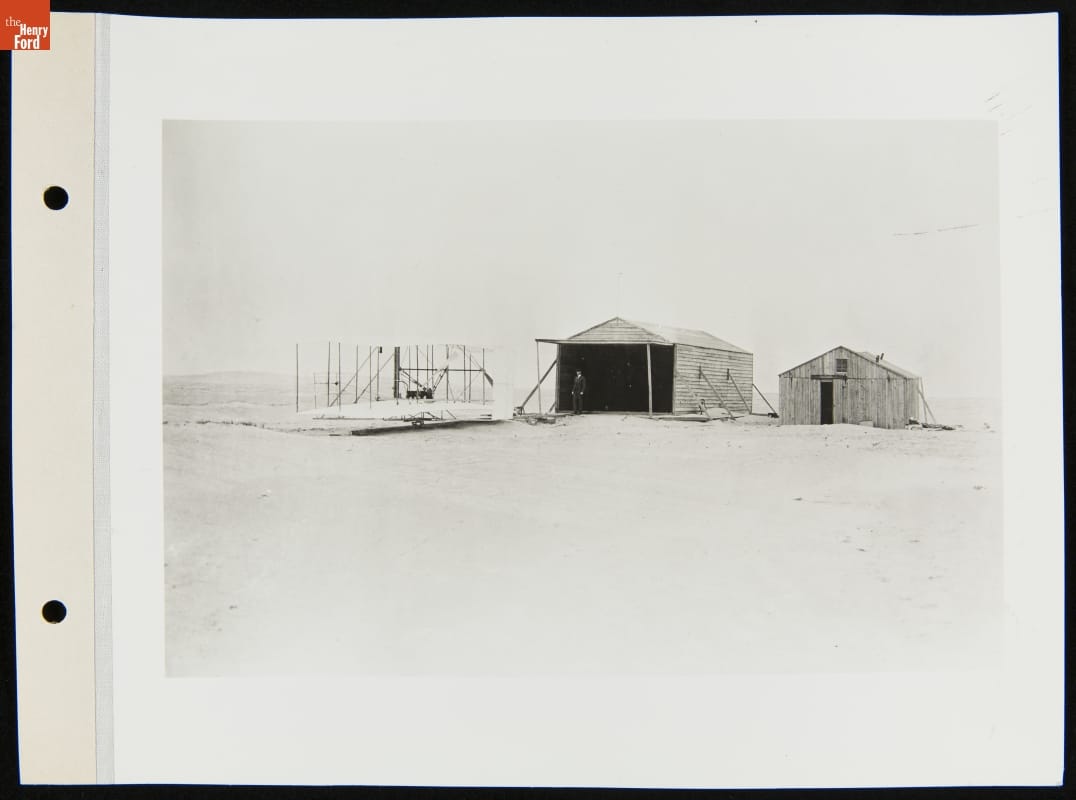
- The Wright Brothers' 1903 Flyer and Camp at Kill Devil Hills, North Carolina - Wilbur and Orville Wright established a modest camp among the sand dunes at Kill Devil Hills. They built a wooden shed to house their glider -- and themselves -- in 1901. When they returned with the powered Flyer airplane in 1903, the brothers built a new, larger hangar and converted the old shed into living quarters. Wilbur jokingly called it their "summer house."
- November 24, 1903
- Collections - Artifact
The Wright Brothers' 1903 Flyer and Camp at Kill Devil Hills, North Carolina
Wilbur and Orville Wright established a modest camp among the sand dunes at Kill Devil Hills. They built a wooden shed to house their glider -- and themselves -- in 1901. When they returned with the powered Flyer airplane in 1903, the brothers built a new, larger hangar and converted the old shed into living quarters. Wilbur jokingly called it their "summer house."
- Wright Brothers - On December 14, 1903, Wilbur won a coin toss and made the first attempt to fly their latest machine. He stalled it on take-off, causing some minor damage. The plane was repaired, and Orville made the next attempt on December 17. At 10:35 a.m., he made the first heavier-than-air, machine powered flight in the world. In a flight lasting only 12 seconds and covering just 120 feet, Orville did what men and women had only dreamed of doing for centuries, he flew.

- August 26, 2011
- Collections - Video
Wright Brothers
On December 14, 1903, Wilbur won a coin toss and made the first attempt to fly their latest machine. He stalled it on take-off, causing some minor damage. The plane was repaired, and Orville made the next attempt on December 17. At 10:35 a.m., he made the first heavier-than-air, machine powered flight in the world. In a flight lasting only 12 seconds and covering just 120 feet, Orville did what men and women had only dreamed of doing for centuries, he flew.
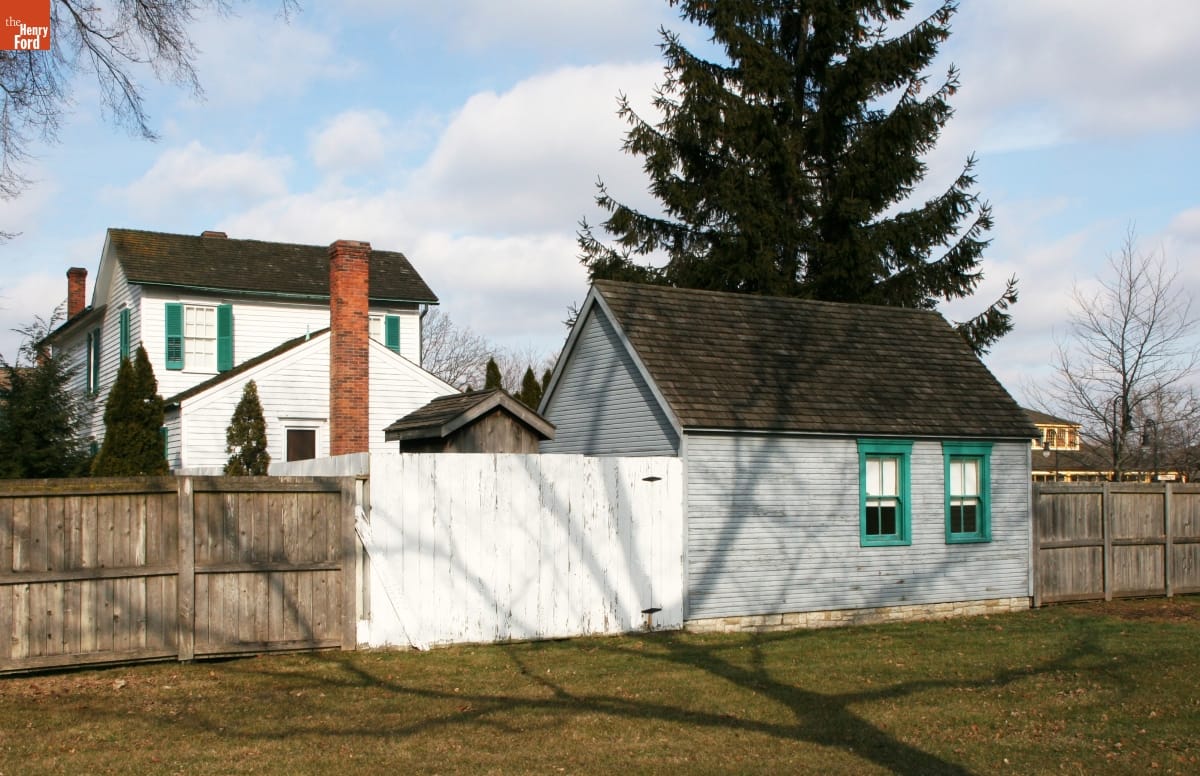
- Wright Brothers Garden Shed - Orville and Wilbur Wright were enthusiastic photographers who took many shots of their family and friends. They also took numerous photos of their gliders and airplanes, and those images remain vital records of the airplane's invention. The brothers developed their glass plate negatives in a darkroom they built in the shed behind the family home.
- 1870-1900
- Collections - Artifact
Wright Brothers Garden Shed
Orville and Wilbur Wright were enthusiastic photographers who took many shots of their family and friends. They also took numerous photos of their gliders and airplanes, and those images remain vital records of the airplane's invention. The brothers developed their glass plate negatives in a darkroom they built in the shed behind the family home.
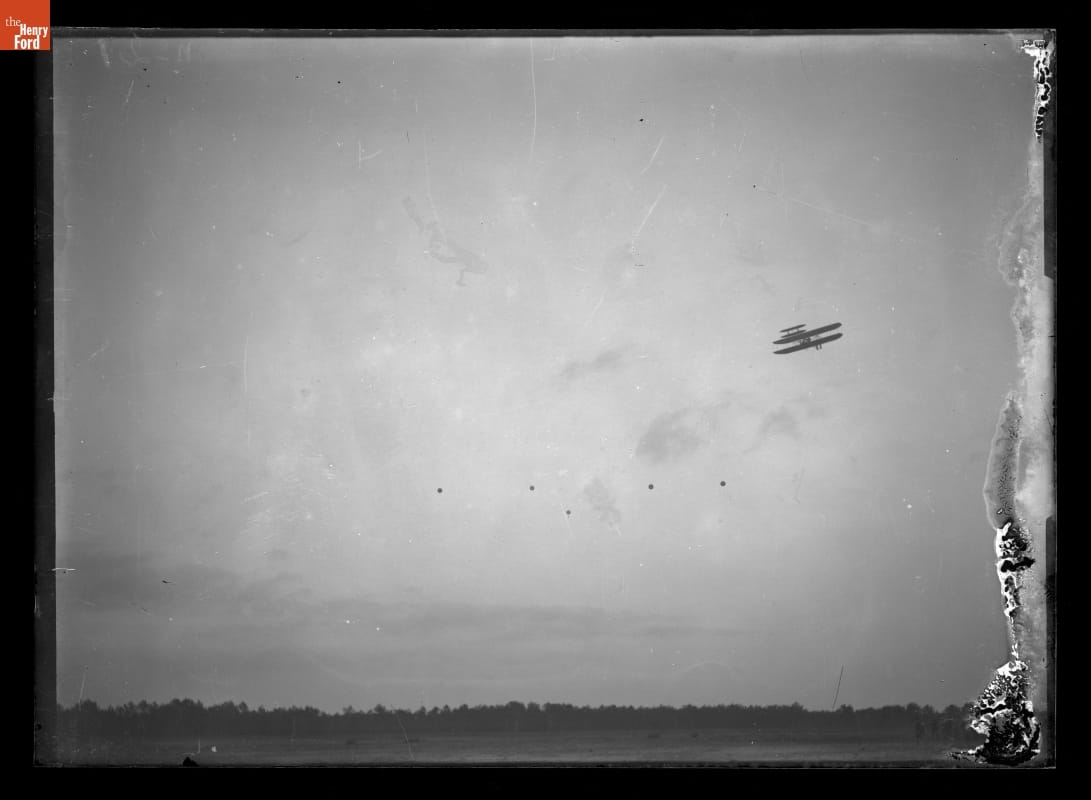
- Wilbur Wright Piloting the Wright Flyer, France, 1908-1909 - Worried that rivals would steal their yet-to-be patented designs, the Wright brothers stopped flying publicly for nearly three years in late 1905. People began to doubt that the Wrights had ever flown. Skeptics were silenced in August 1908 when Wilbur Wright made a series of spectacular demonstration flights at Le Mans, France, achieving more distance and control than anyone else.
- 1908-1909
- Collections - Artifact
Wilbur Wright Piloting the Wright Flyer, France, 1908-1909
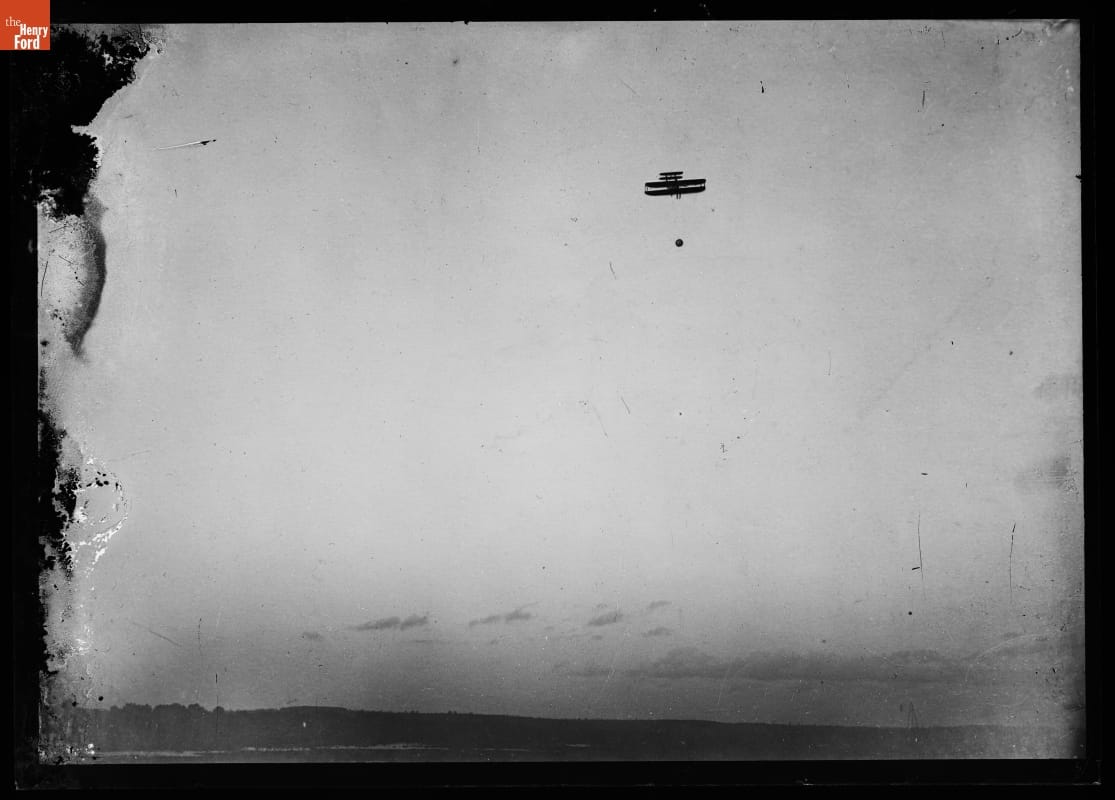
Worried that rivals would steal their yet-to-be patented designs, the Wright brothers stopped flying publicly for nearly three years in late 1905. People began to doubt that the Wrights had ever flown. Skeptics were silenced in August 1908 when Wilbur Wright made a series of spectacular demonstration flights at Le Mans, France, achieving more distance and control than anyone else.
- Wilbur Wright Piloting the Wright Flyer, France, 1908-1909 - Worried that rivals would steal their yet-to-be patented designs, the Wright brothers stopped flying publicly for nearly three years in late 1905. People began to doubt that the Wrights had ever flown. Skeptics were silenced in August 1908 when Wilbur Wright made a series of spectacular demonstration flights at Le Mans, France, achieving more distance and control than anyone else.
- 1908-1909
- Collections - Artifact
Wilbur Wright Piloting the Wright Flyer, France, 1908-1909
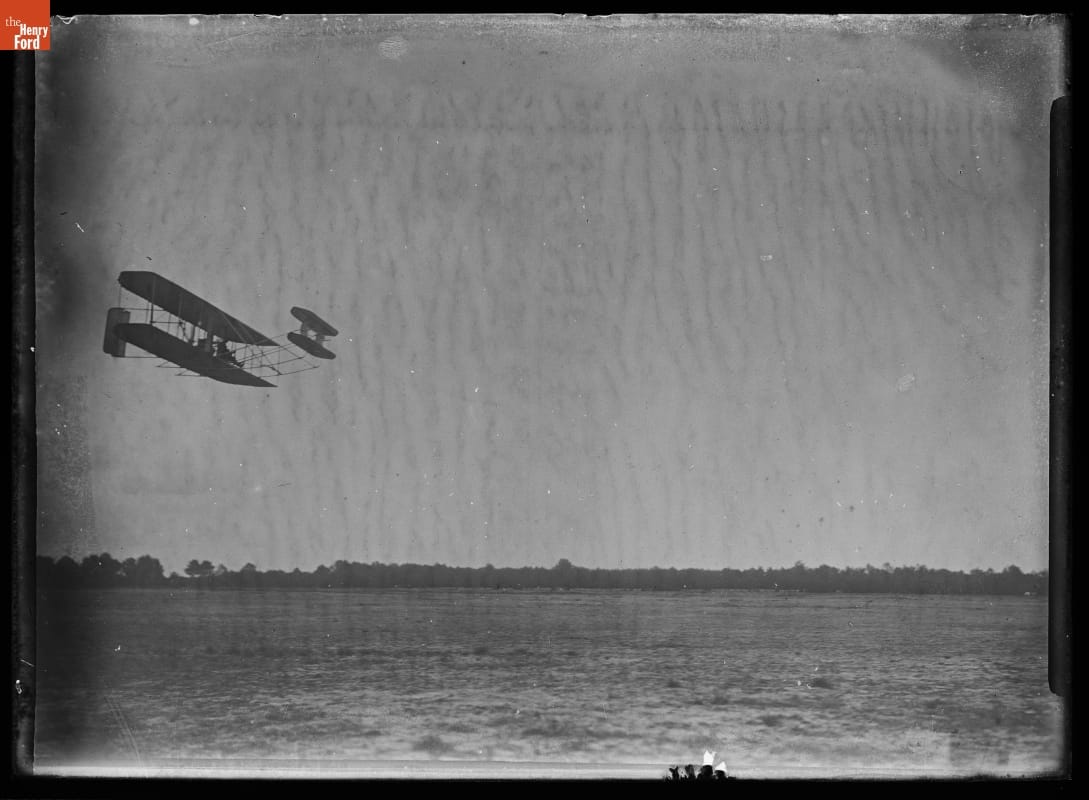
Worried that rivals would steal their yet-to-be patented designs, the Wright brothers stopped flying publicly for nearly three years in late 1905. People began to doubt that the Wrights had ever flown. Skeptics were silenced in August 1908 when Wilbur Wright made a series of spectacular demonstration flights at Le Mans, France, achieving more distance and control than anyone else.
- Wilbur Wright Piloting the Wright Flyer, France, 1908-1909 - Worried that rivals would steal their yet-to-be patented designs, the Wright brothers stopped flying publicly for nearly three years in late 1905. People began to doubt that the Wrights had ever flown. Skeptics were silenced in August 1908 when Wilbur Wright made a series of spectacular demonstration flights at Le Mans, France, achieving more distance and control than anyone else.
- 1908-1909
- Collections - Artifact
Wilbur Wright Piloting the Wright Flyer, France, 1908-1909
Worried that rivals would steal their yet-to-be patented designs, the Wright brothers stopped flying publicly for nearly three years in late 1905. People began to doubt that the Wrights had ever flown. Skeptics were silenced in August 1908 when Wilbur Wright made a series of spectacular demonstration flights at Le Mans, France, achieving more distance and control than anyone else.
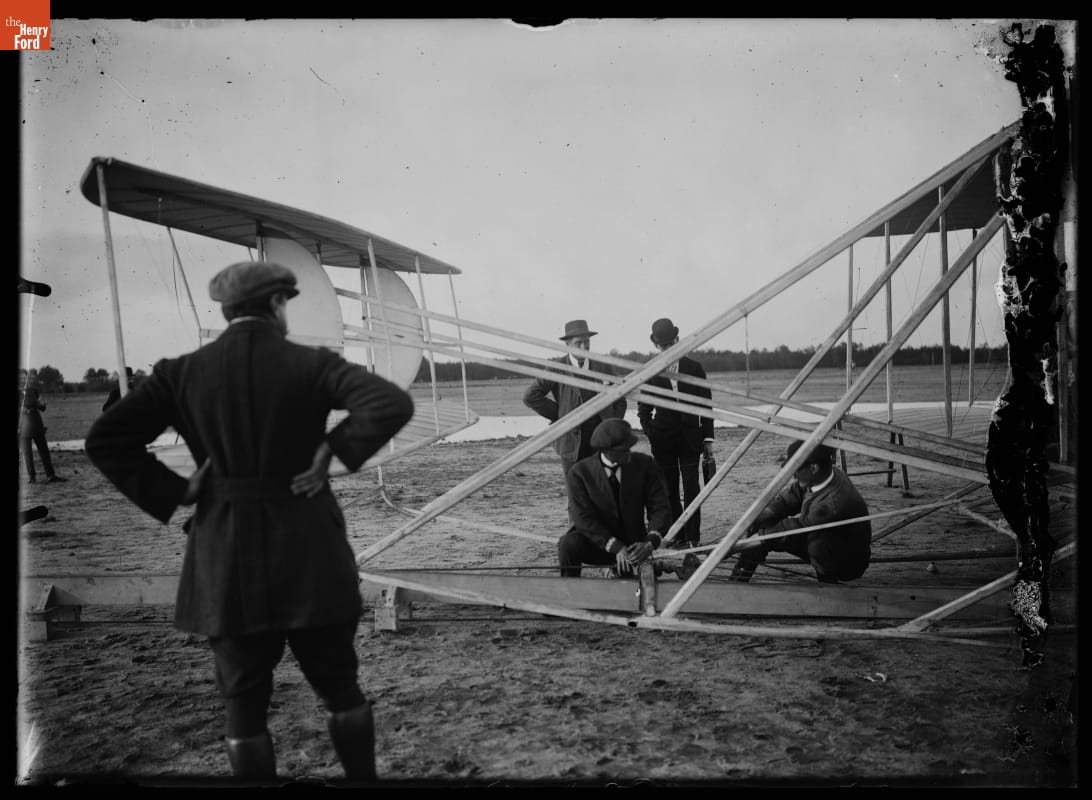
- Wilbur Wright Preparing the Wright Flyer, France, 1908-1909 - Wilbur Wright was a cautious pilot who never took unnecessary risks. During his demonstration flights in France in 1908-1909, Wilbur made a thorough, personal inspection of his airplane before each takeoff. The danger was real. Orville Wright was seriously injured, and passenger Thomas Selfridge was killed, in a crash at Fort Myer, Virginia, caused by a split propeller in 1908.
- 1908-1909
- Collections - Artifact
Wilbur Wright Preparing the Wright Flyer, France, 1908-1909
Wilbur Wright was a cautious pilot who never took unnecessary risks. During his demonstration flights in France in 1908-1909, Wilbur made a thorough, personal inspection of his airplane before each takeoff. The danger was real. Orville Wright was seriously injured, and passenger Thomas Selfridge was killed, in a crash at Fort Myer, Virginia, caused by a split propeller in 1908.
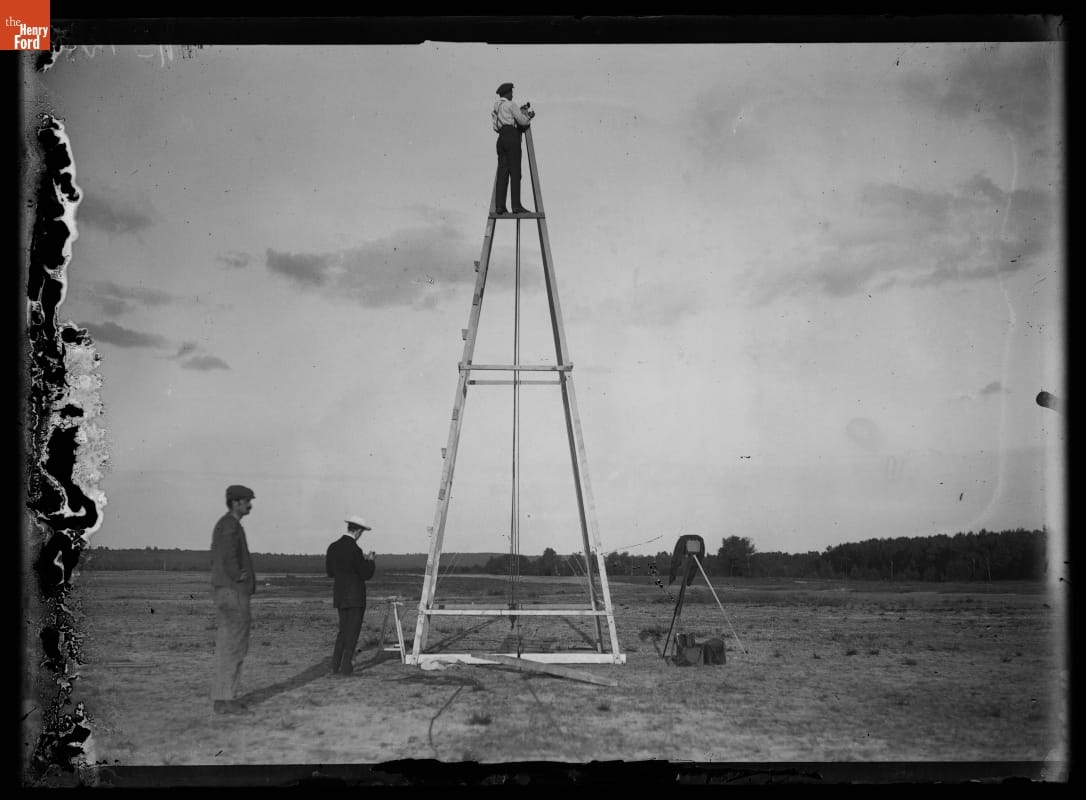
- Preparing the Wright Flyer's Launching Derrick, France, 1908-1909 - The Wright brothers' early airplanes had no wheels, just simple landing skids. To achieve takeoff, they devised a clever catapult system. The airplane was attached, with cables and pulleys, to a weight suspended in a tower. When the weight fell, it pulled the plane along a wooden rail fast enough to generate the necessary lift.
- 1908-1909
- Collections - Artifact
Preparing the Wright Flyer's Launching Derrick, France, 1908-1909
The Wright brothers' early airplanes had no wheels, just simple landing skids. To achieve takeoff, they devised a clever catapult system. The airplane was attached, with cables and pulleys, to a weight suspended in a tower. When the weight fell, it pulled the plane along a wooden rail fast enough to generate the necessary lift.
- Wilbur Wright Piloting the Wright Flyer, France, 1908-1909 - Worried that rivals would steal their yet-to-be patented designs, the Wright brothers stopped flying publicly for nearly three years in late 1905. People began to doubt that the Wrights had ever flown. Skeptics were silenced in August 1908 when Wilbur Wright made a series of spectacular demonstration flights at Le Mans, France, achieving more distance and control than anyone else.
- 1908-1909
- Collections - Artifact
Wilbur Wright Piloting the Wright Flyer, France, 1908-1909
Worried that rivals would steal their yet-to-be patented designs, the Wright brothers stopped flying publicly for nearly three years in late 1905. People began to doubt that the Wrights had ever flown. Skeptics were silenced in August 1908 when Wilbur Wright made a series of spectacular demonstration flights at Le Mans, France, achieving more distance and control than anyone else.