
Search
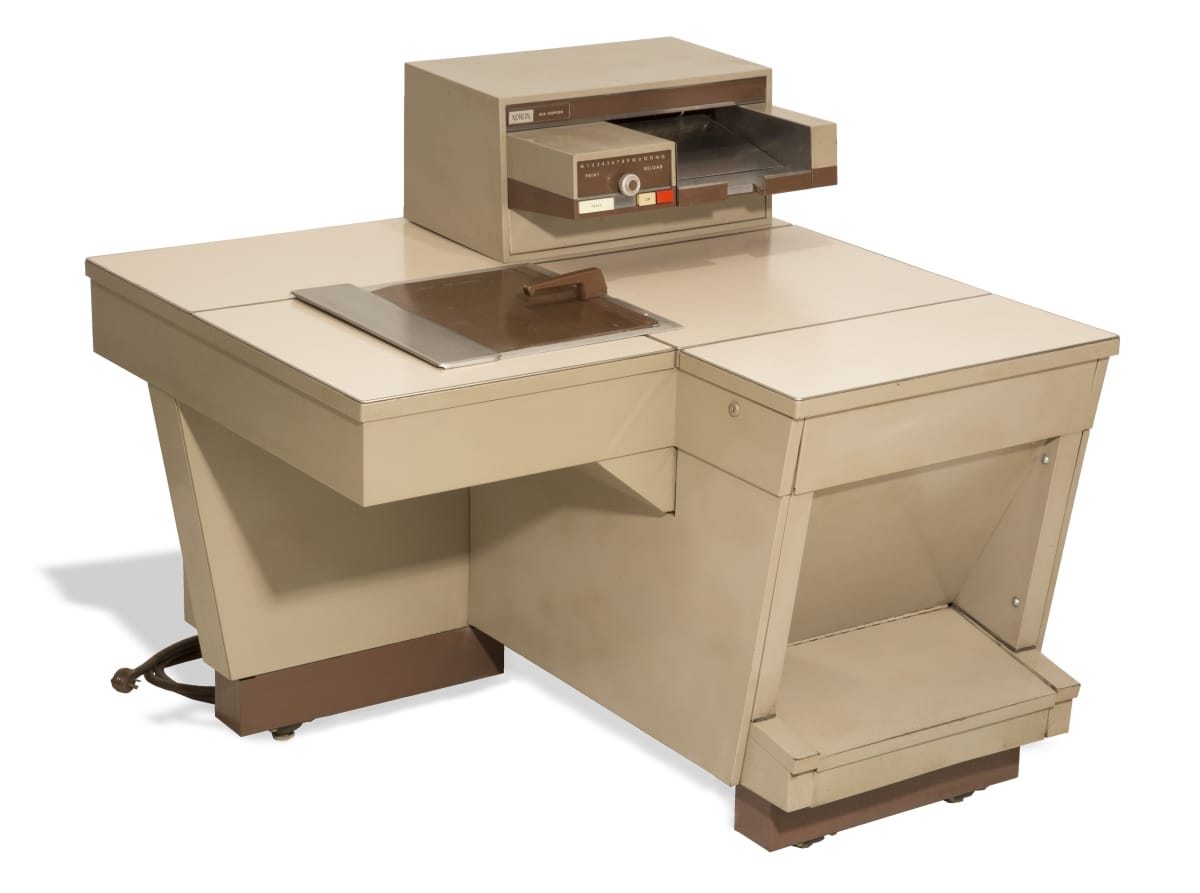
- Xerox Photocopier Model 914, Introduced in 1959 - The Xerox 914 was the first commercially successful automatic office copier. Using Chester Carlson's xerography process, documents were produced electrostatically, using powdered toner. This copier weighed 650 pounds and made one copy every 26 seconds on paper up to 9 x 14 inches. The 914 also came with a "scorch eliminator" -- a small fire extinguisher for taming fires caused by overheating.
- 1959-1976
- Collections - Artifact
Xerox Photocopier Model 914, Introduced in 1959
The Xerox 914 was the first commercially successful automatic office copier. Using Chester Carlson's xerography process, documents were produced electrostatically, using powdered toner. This copier weighed 650 pounds and made one copy every 26 seconds on paper up to 9 x 14 inches. The 914 also came with a "scorch eliminator" -- a small fire extinguisher for taming fires caused by overheating.
- Light and Static: The Origins of the Xerox Copy - Discover how the modern photocopier came to be, through the story of Chester Carlson and what would become the Xerox Corporation.

- September 21, 2015
- Collections - article
Light and Static: The Origins of the Xerox Copy
Discover how the modern photocopier came to be, through the story of Chester Carlson and what would become the Xerox Corporation.
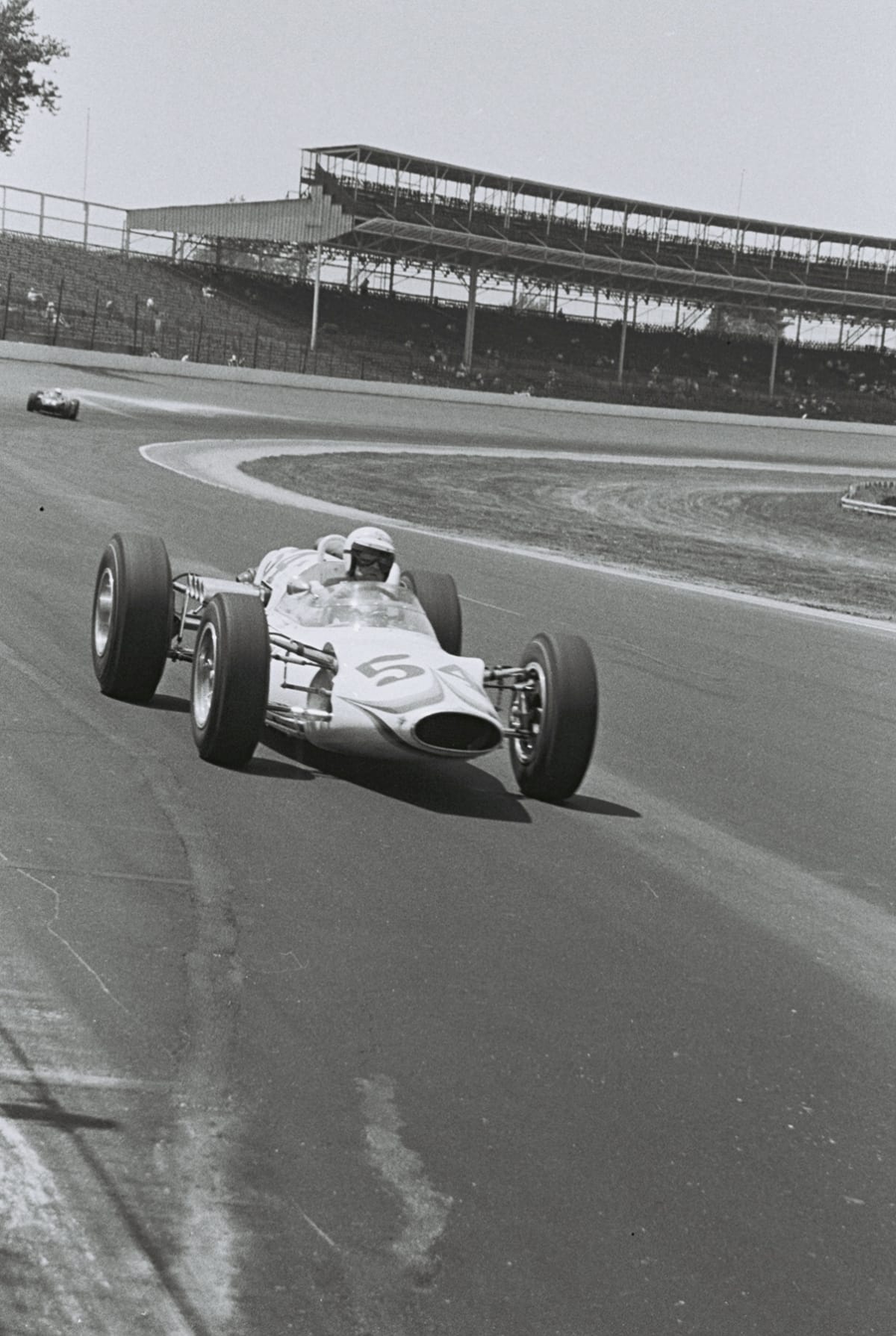
- 1964 Indianapolis 500 -- Item 914 - Dave Friedman captured racing history through his photography and his collection of works by other photographers. This digital image is one of over 1600 images documenting the 1964 Indianapolis 500. A.J. Foyt earned his second Indy 500 victory that year, but the 1964 race is also remembered for the accident that took the lives of drivers Eddie Sachs and Dave MacDonald.
- May 01, 1964
- Collections - Artifact
1964 Indianapolis 500 -- Item 914
Dave Friedman captured racing history through his photography and his collection of works by other photographers. This digital image is one of over 1600 images documenting the 1964 Indianapolis 500. A.J. Foyt earned his second Indy 500 victory that year, but the 1964 race is also remembered for the accident that took the lives of drivers Eddie Sachs and Dave MacDonald.
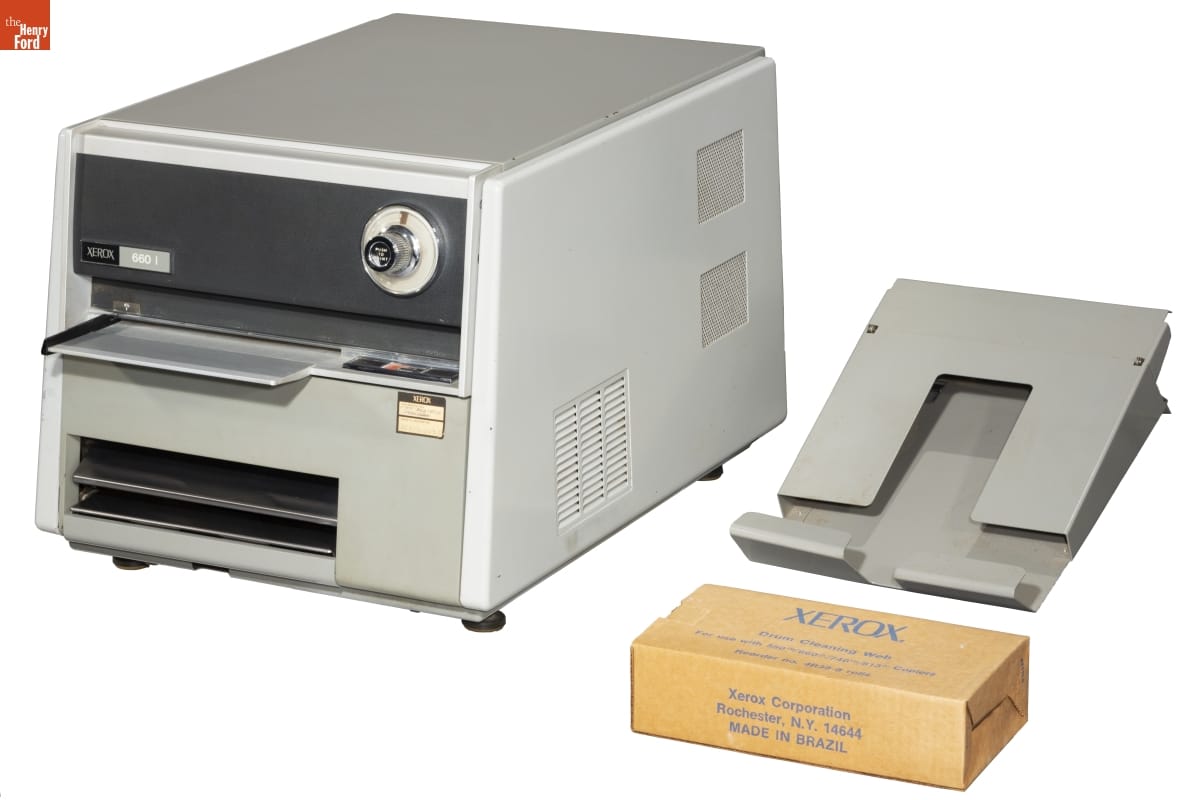
- Xerox 660 I Copier, 1966 -
- 1966
- Collections - Artifact
Xerox 660 I Copier, 1966
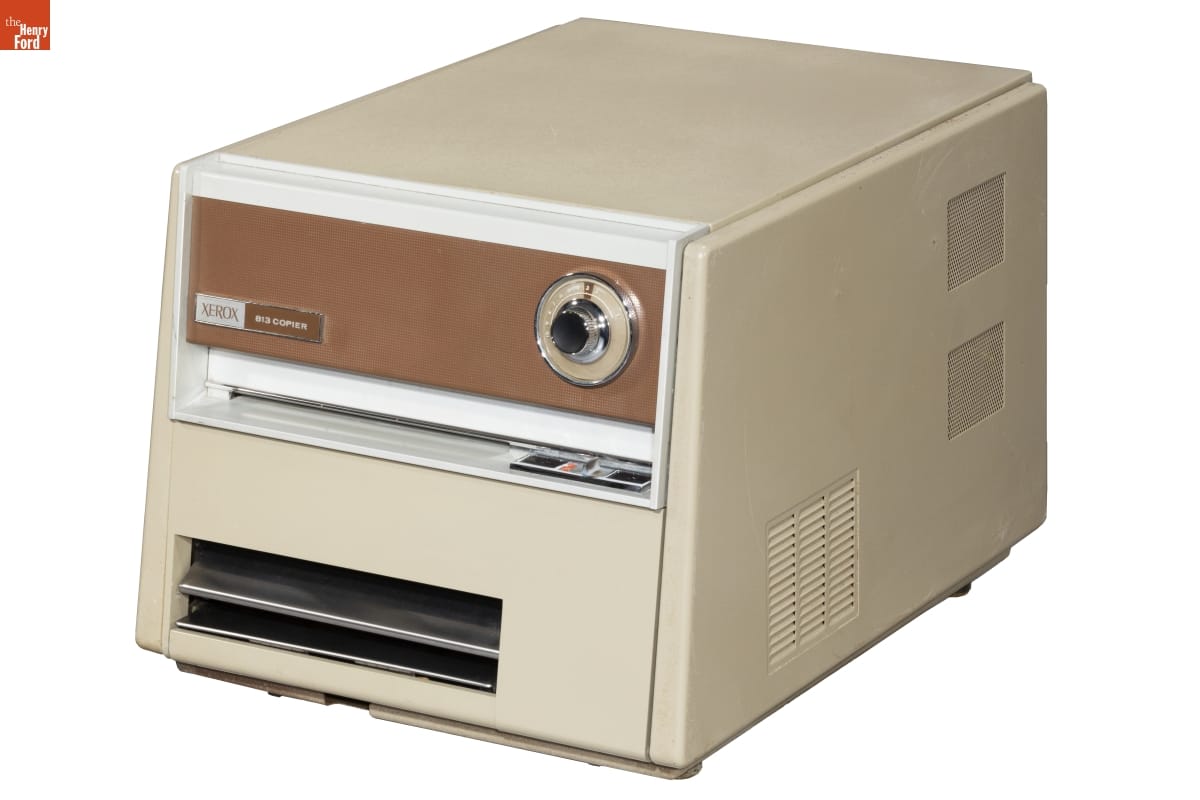
- Xerox 813 Copier, circa 1963 -
- circa 1963
- Collections - Artifact
Xerox 813 Copier, circa 1963
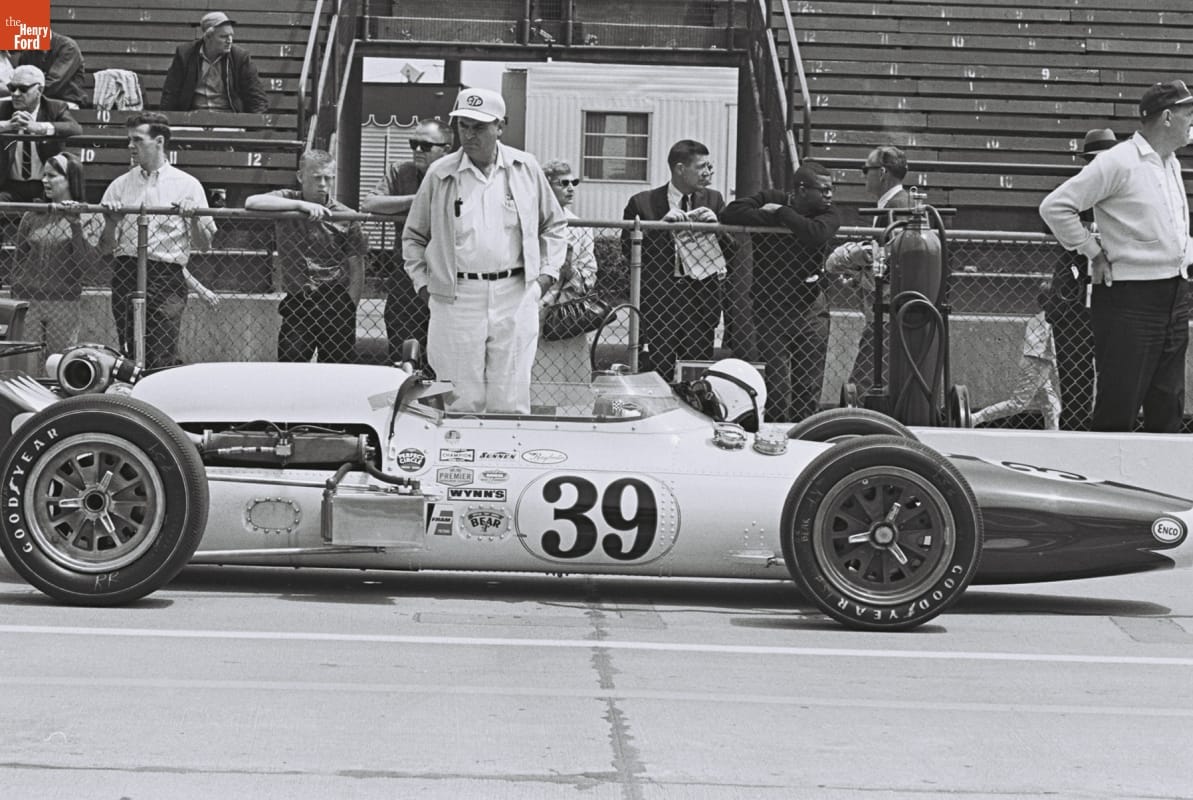
- 1967 Indianapolis 500 -- Item 914 - Dave Friedman captured and preserved auto racing history through his photography. His work -- and his collection of works by other photographers -- documents key races, cars, and drivers. This shot shows events surrounding the 1967 Indianapolis 500. Parnelli Jones dominated with the turbine-powered #40 car, but a bearing failed him with four laps to go. A.J. Foyt won with the #14 Coyote-Ford.
- May 01, 1967
- Collections - Artifact
1967 Indianapolis 500 -- Item 914
Dave Friedman captured and preserved auto racing history through his photography. His work -- and his collection of works by other photographers -- documents key races, cars, and drivers. This shot shows events surrounding the 1967 Indianapolis 500. Parnelli Jones dominated with the turbine-powered #40 car, but a bearing failed him with four laps to go. A.J. Foyt won with the #14 Coyote-Ford.
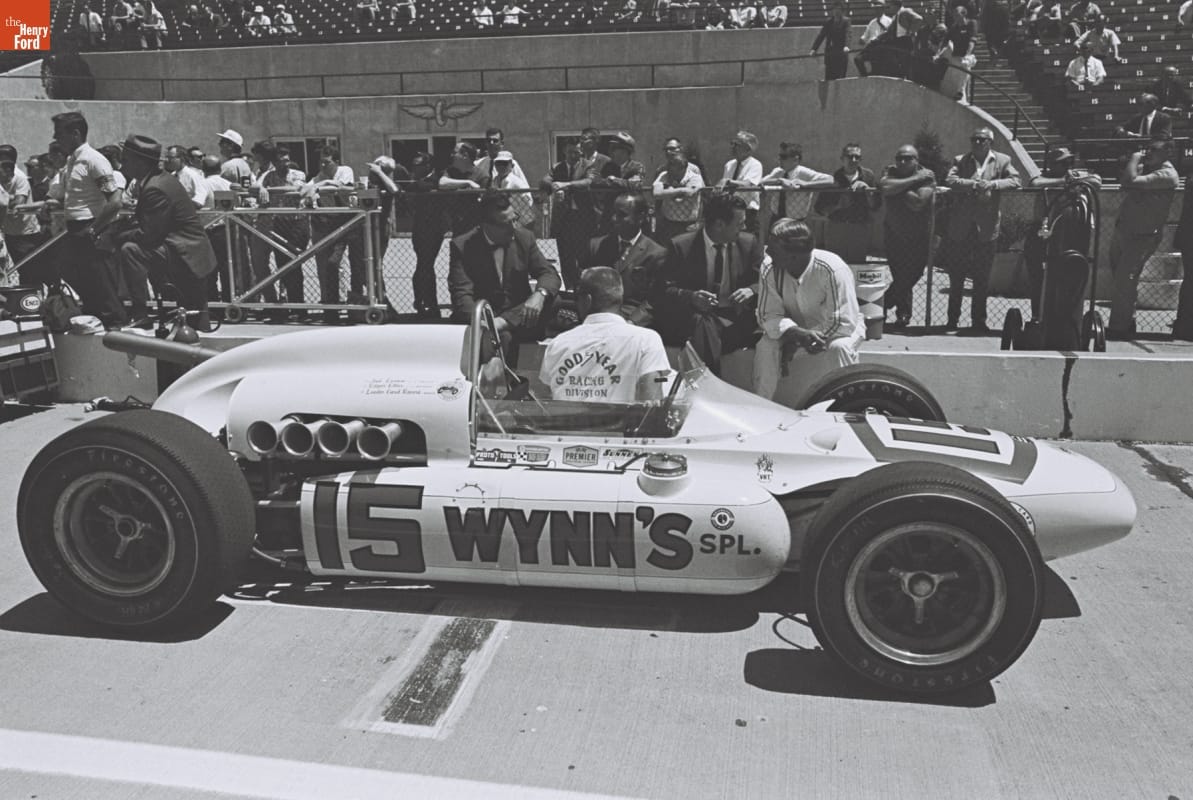
- 1965 Indianapolis 500 -- Item 914 - Dave Friedman captured auto racing history through his own photography and his collection of works by other photographers. At the Indianapolis 500 in May 1965, Scotsman Jim Clark became the first driver to win Indianapolis in a rear-engine car -- the days of front-engine-car victories at the Indy 500 were over. Clark was also the first foreign driver to win since 1916.
- May 01, 1965
- Collections - Artifact
1965 Indianapolis 500 -- Item 914
Dave Friedman captured auto racing history through his own photography and his collection of works by other photographers. At the Indianapolis 500 in May 1965, Scotsman Jim Clark became the first driver to win Indianapolis in a rear-engine car -- the days of front-engine-car victories at the Indy 500 were over. Clark was also the first foreign driver to win since 1916.
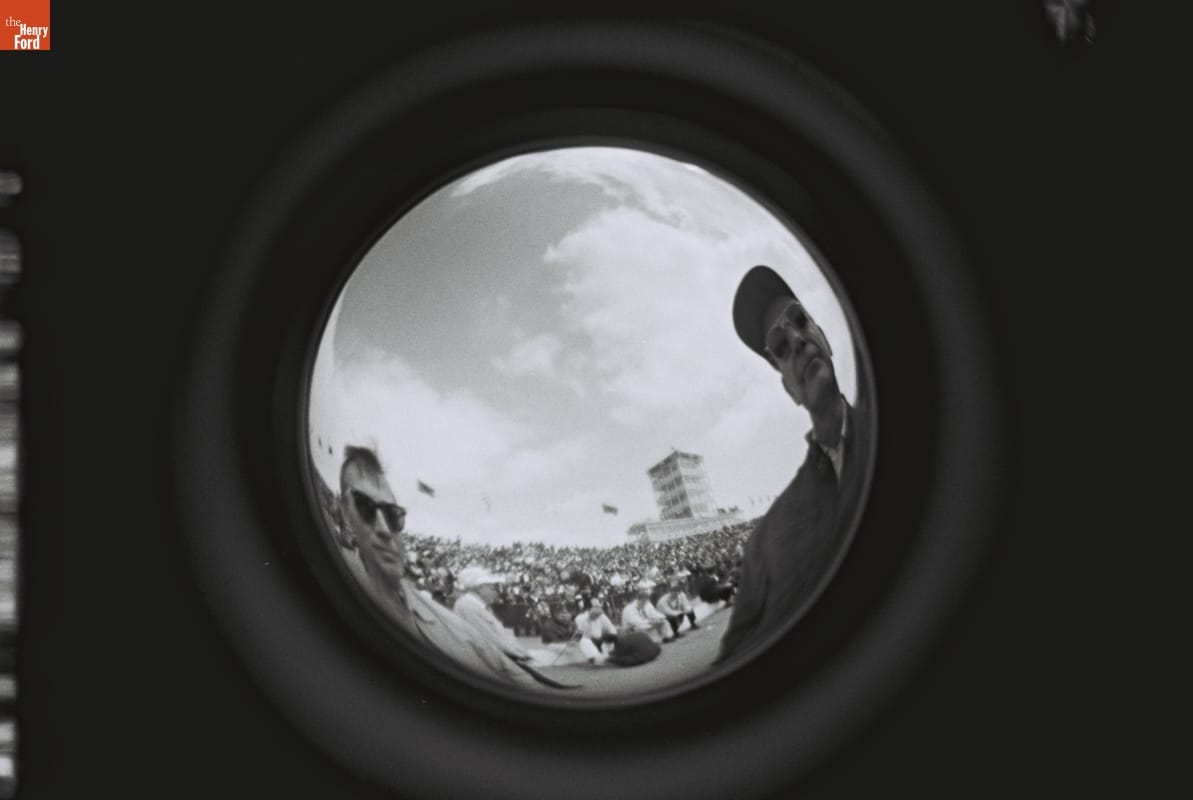
- 1966 Indianapolis 500 -- Item 914 - Dave Friedman has captured and preserved auto racing history through his own photography and his collection of works by other photographers. This image documents the weeks-long events surrounding the fiftieth running of the Indianapolis 500. Indy rookie Graham Hill finished first. Hill was one of only seven drivers to complete the race after crashes and mechanical failures thinned the original field of thirty-three.
- May 01, 1966
- Collections - Artifact
1966 Indianapolis 500 -- Item 914
Dave Friedman has captured and preserved auto racing history through his own photography and his collection of works by other photographers. This image documents the weeks-long events surrounding the fiftieth running of the Indianapolis 500. Indy rookie Graham Hill finished first. Hill was one of only seven drivers to complete the race after crashes and mechanical failures thinned the original field of thirty-three.
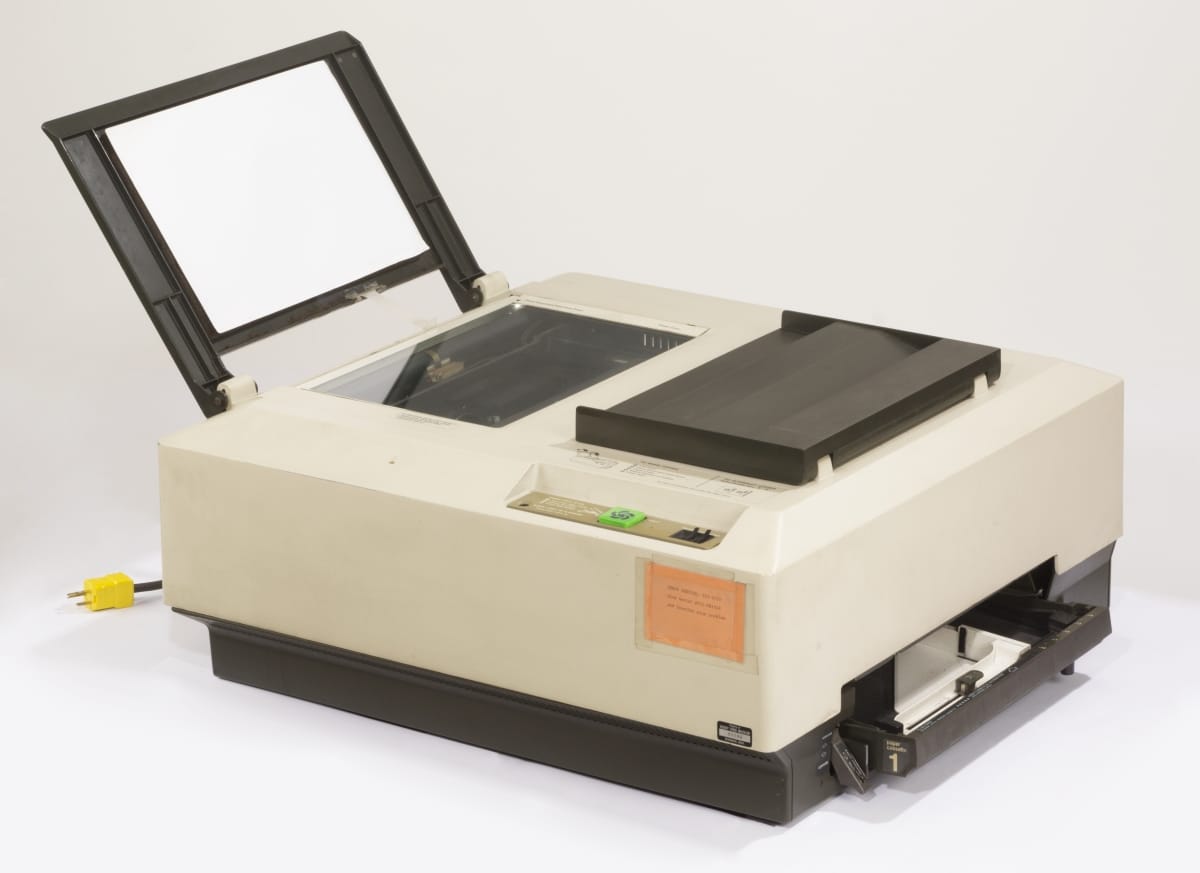
- Xerox Photocopying Machine, Model 2600, circa 1980 -
- circa 1980
- Collections - Artifact
Xerox Photocopying Machine, Model 2600, circa 1980
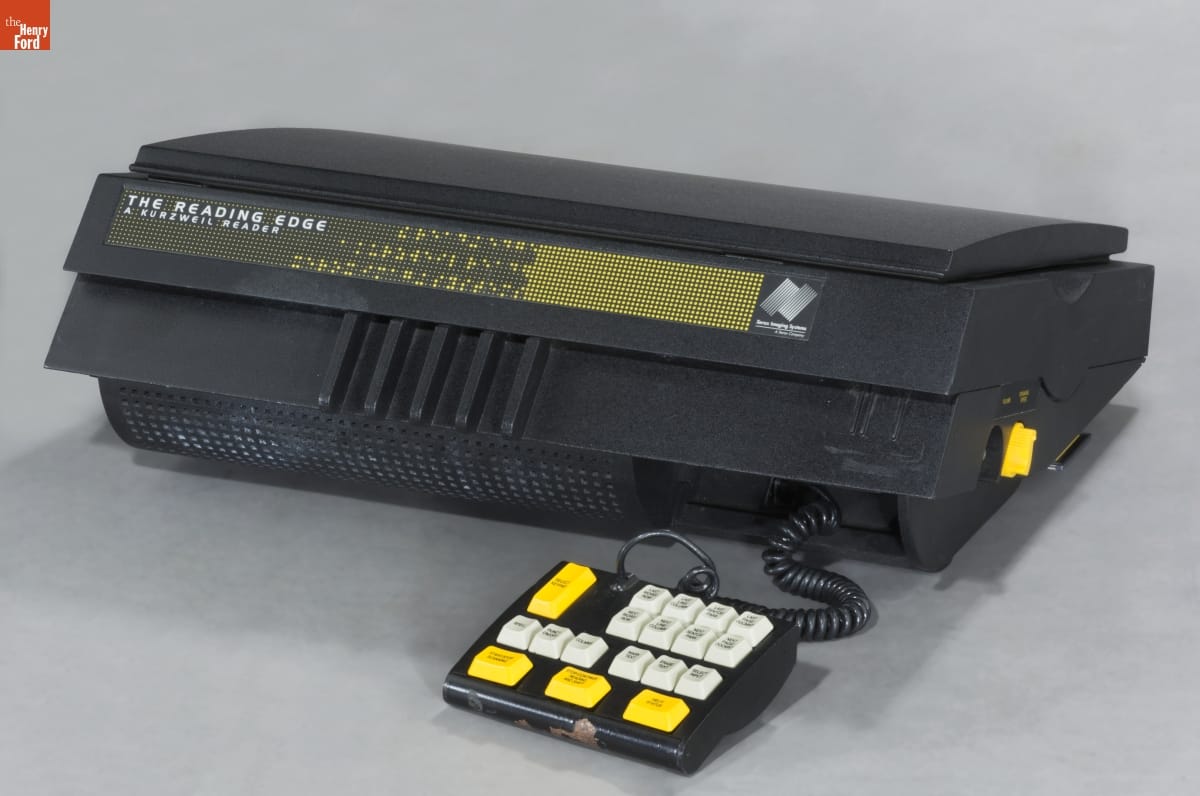
- Xerox "Kurzweil Reading Edge Optical Recognition Speech Synthesizer," 1992 - This assistive technology device was created for people who are blind or with visual impairments. Using text-to-speech synthesizer technology and optical character recognition, it can scan text from any kind of printed material and then read it out loud. This includes books, magazines, mail--even food packaging. Reading speed is adjustable and its memory can store 100 pages of text.
- 1992
- Collections - Artifact
Xerox "Kurzweil Reading Edge Optical Recognition Speech Synthesizer," 1992
This assistive technology device was created for people who are blind or with visual impairments. Using text-to-speech synthesizer technology and optical character recognition, it can scan text from any kind of printed material and then read it out loud. This includes books, magazines, mail--even food packaging. Reading speed is adjustable and its memory can store 100 pages of text.