
Search
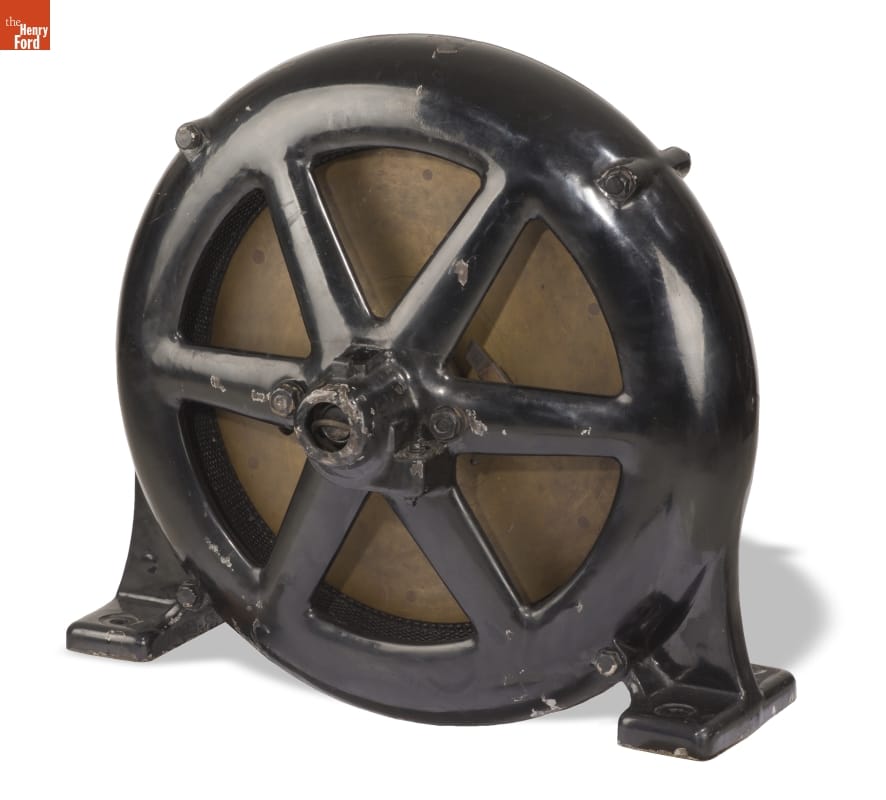
- Alexanderson Radio Alternator, circa 1915 - This Alexanderson radio alternator rotated to generate a high-frequency alternating current--an essential component to early radio transmission. It was one of the first devices able to generate continuous radio waves, allowing sound to be transmitted by radio. These alternators were used for transoceanic communication during WWI, remaining in use until vacuum tube transmitters replaced them in the 1920s.
- circa 1915
- Collections - Artifact
Alexanderson Radio Alternator, circa 1915
This Alexanderson radio alternator rotated to generate a high-frequency alternating current--an essential component to early radio transmission. It was one of the first devices able to generate continuous radio waves, allowing sound to be transmitted by radio. These alternators were used for transoceanic communication during WWI, remaining in use until vacuum tube transmitters replaced them in the 1920s.
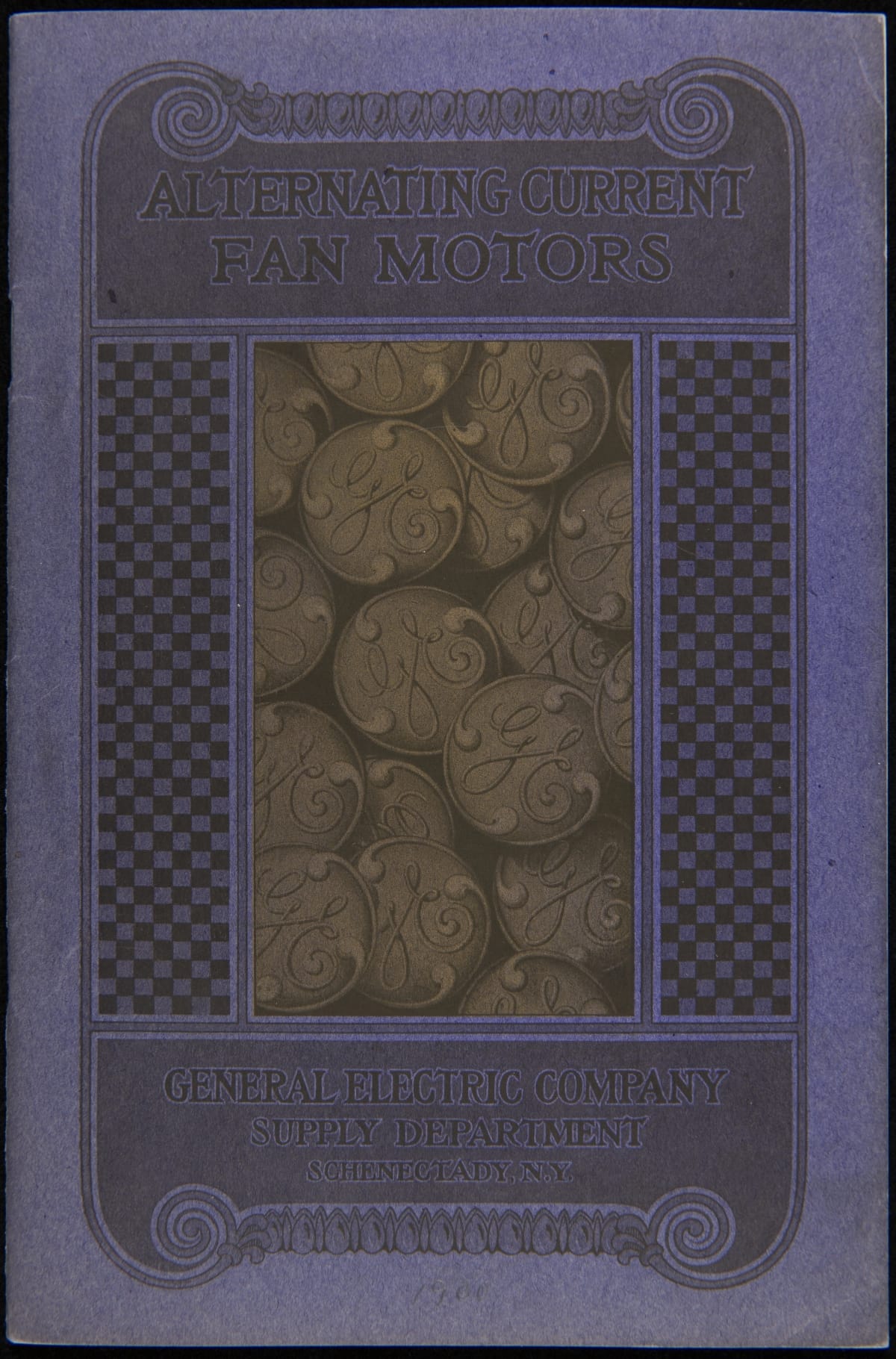
- Alternating Current Fan Motors, 1900 - The explosion of the electrical industry in the 1890s generated new design needs. Electrical corporations hired artists working in the style of the day -- Art Nouveau -- to design their buildings, products, and communications. This marked the beginnings of industrial design.
- January 01, 1900
- Collections - Artifact
Alternating Current Fan Motors, 1900
The explosion of the electrical industry in the 1890s generated new design needs. Electrical corporations hired artists working in the style of the day -- Art Nouveau -- to design their buildings, products, and communications. This marked the beginnings of industrial design.
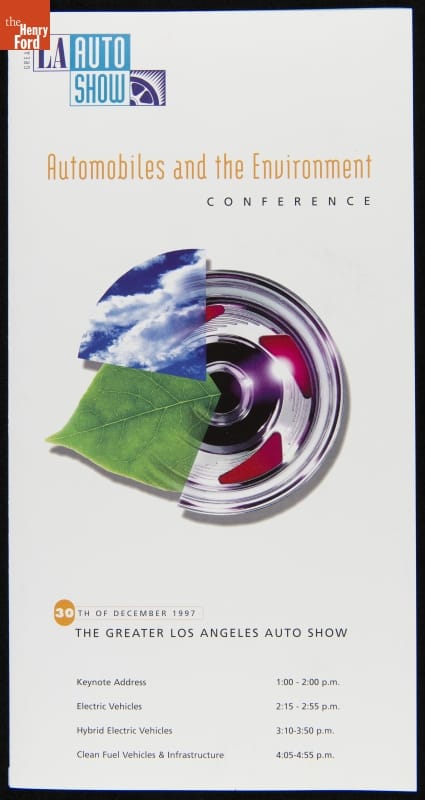
- Automobiles and the Environment Conference at the 1998 Greater Los Angeles Auto Show - Auto shows gave carmakers an opportunity to share their latest models with the press and the public. They also gave visitors a chance to research their next new-car purchase. The 1998 Los Angeles Auto Show featured a conference on a topic of growing concern in that decade: automobiles and their impact on the environment.
- December 30, 1997
- Collections - Artifact
Automobiles and the Environment Conference at the 1998 Greater Los Angeles Auto Show
Auto shows gave carmakers an opportunity to share their latest models with the press and the public. They also gave visitors a chance to research their next new-car purchase. The 1998 Los Angeles Auto Show featured a conference on a topic of growing concern in that decade: automobiles and their impact on the environment.
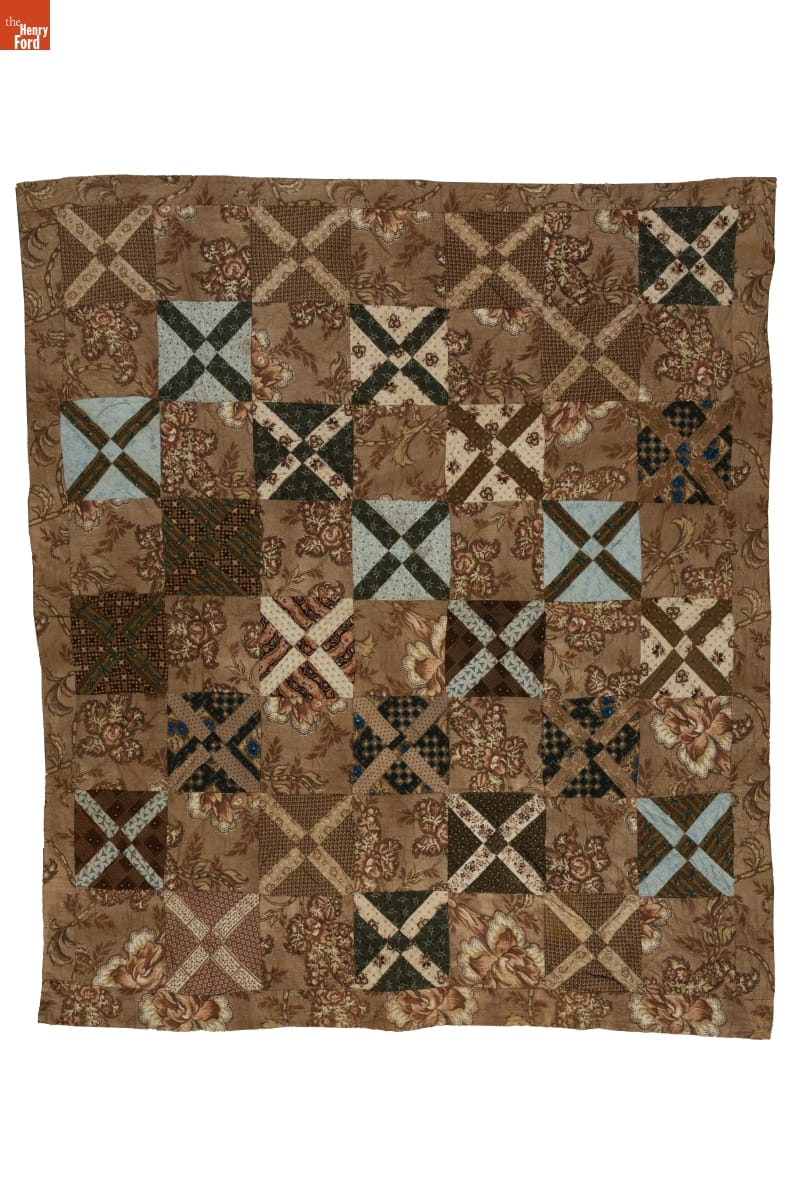
- Italian Tile in Alternate Blocks Crib Quilt, circa 1830 -
- circa 1830
- Collections - Artifact
Italian Tile in Alternate Blocks Crib Quilt, circa 1830
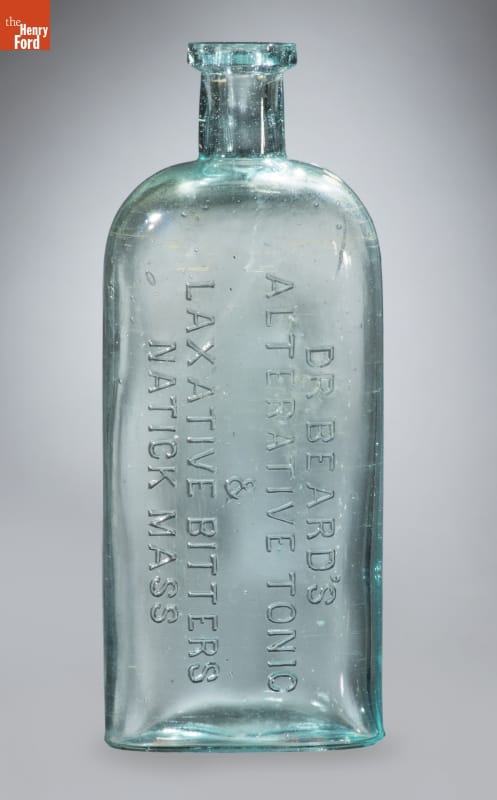
- Dr. Beard's Alternative Tonic & Laxative Bitters, 1870-1890 - Bitters is an herb-infused alcoholic mixture. Named for its bitter taste, the liquid was originally developed as a medicinal tonic to help soothe stomach complaints or other digestive disorders. During the late 19th and early 20th centuries, patent-medicine dealers bottled and sold the elixir. Americans purchased bitters in simple mold-blown bottles or ones shaped like drums, barrels, or cabins.
- 1870-1890
- Collections - Artifact
Dr. Beard's Alternative Tonic & Laxative Bitters, 1870-1890
Bitters is an herb-infused alcoholic mixture. Named for its bitter taste, the liquid was originally developed as a medicinal tonic to help soothe stomach complaints or other digestive disorders. During the late 19th and early 20th centuries, patent-medicine dealers bottled and sold the elixir. Americans purchased bitters in simple mold-blown bottles or ones shaped like drums, barrels, or cabins.
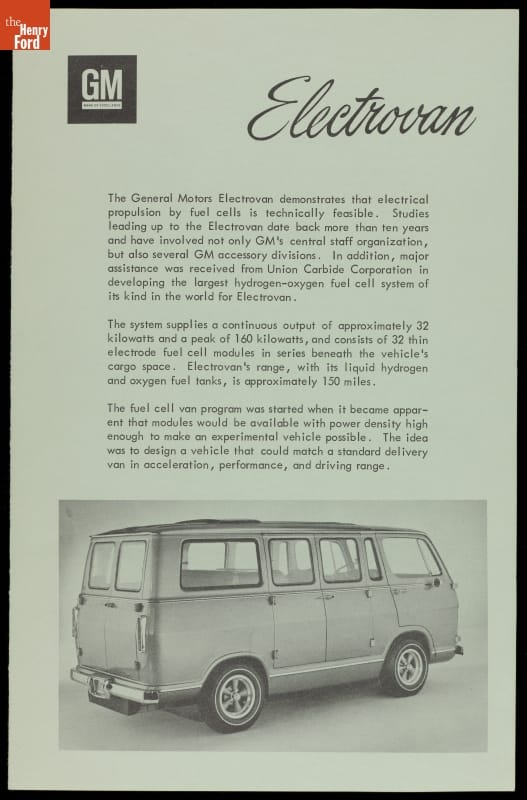
- "GM Electrovan" Brochure, 1966 - General Motors revealed its Electrovan to the press and public in 1966. It was the world's first vehicle powered by hydrogen fuel cells. The chemical reaction between hydrogen fuel and oxygen produced electricity to operate the van's motor. The only byproducts were water and heat. But the equipment of the time was large, expensive, and too dangerous for everyday use.
- 1966
- Collections - Artifact
"GM Electrovan" Brochure, 1966
General Motors revealed its Electrovan to the press and public in 1966. It was the world's first vehicle powered by hydrogen fuel cells. The chemical reaction between hydrogen fuel and oxygen produced electricity to operate the van's motor. The only byproducts were water and heat. But the equipment of the time was large, expensive, and too dangerous for everyday use.
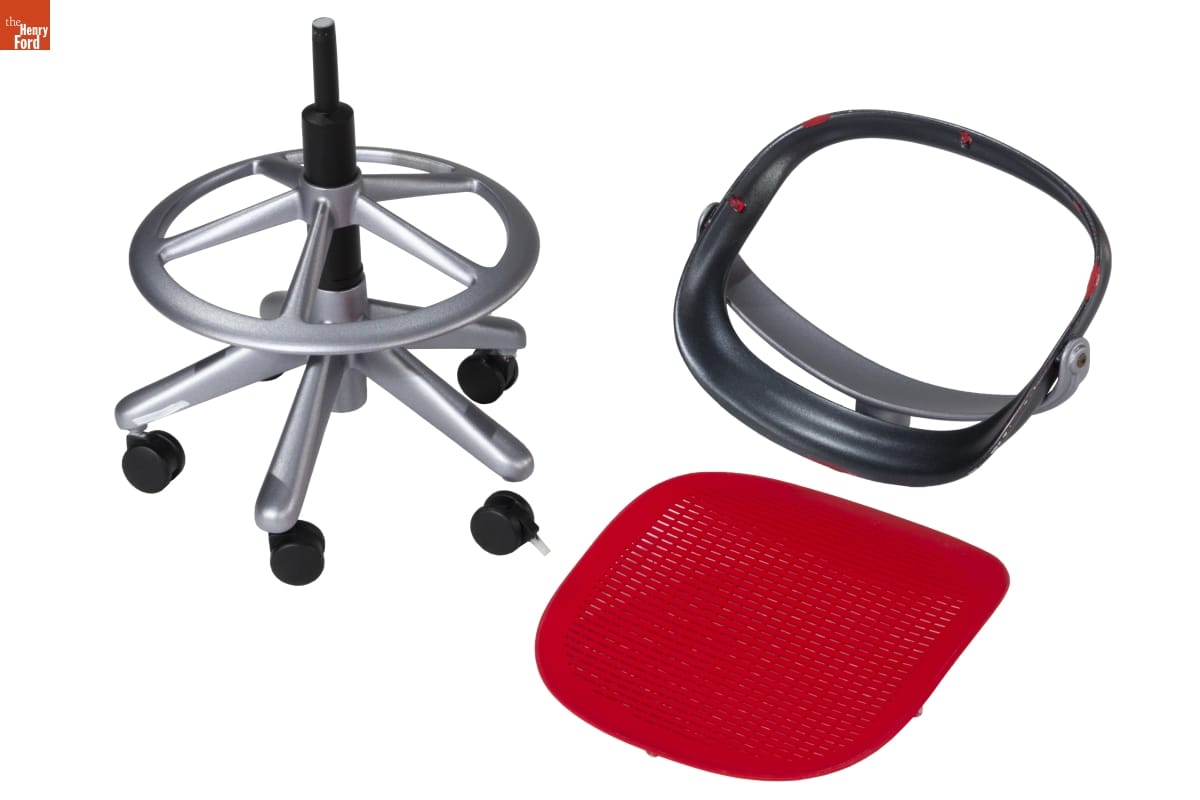
- Scale Model, Aeron Alternative Seating Study, 2007-2008 -
- 2007-2008
- Collections - Artifact
Scale Model, Aeron Alternative Seating Study, 2007-2008
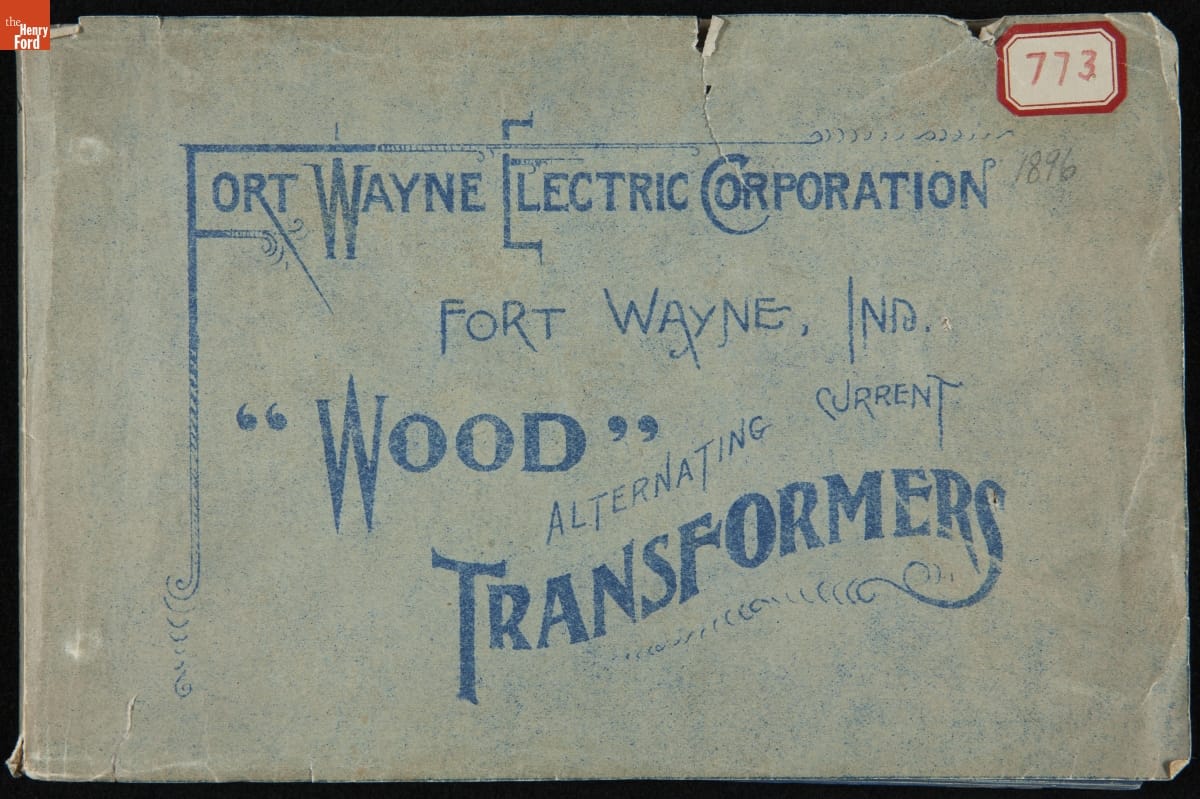
- Fort Wayne Electric Corporation "Wood" Alternating Current Transformers, 1896 - Established in 1881, the Fort Wayne Electric Corporation manufactured arc lamps, dynamos, and other lighting and electrical equipment. By 1894, the company had survived financial difficulties, a corporate reorganization, and a recent name change. Talented inventors like James J. Wood helped the Fort Wayne, Indiana, business compete against other electric lighting equipment manufacturers. This 1896 catalog touts Wood AC transformers.
- 1896
- Collections - Artifact
Fort Wayne Electric Corporation "Wood" Alternating Current Transformers, 1896
Established in 1881, the Fort Wayne Electric Corporation manufactured arc lamps, dynamos, and other lighting and electrical equipment. By 1894, the company had survived financial difficulties, a corporate reorganization, and a recent name change. Talented inventors like James J. Wood helped the Fort Wayne, Indiana, business compete against other electric lighting equipment manufacturers. This 1896 catalog touts Wood AC transformers.
- Westinghouse Pony Alternator, Used at Brown University, circa 1893 -
- circa 1893
- Collections - Artifact
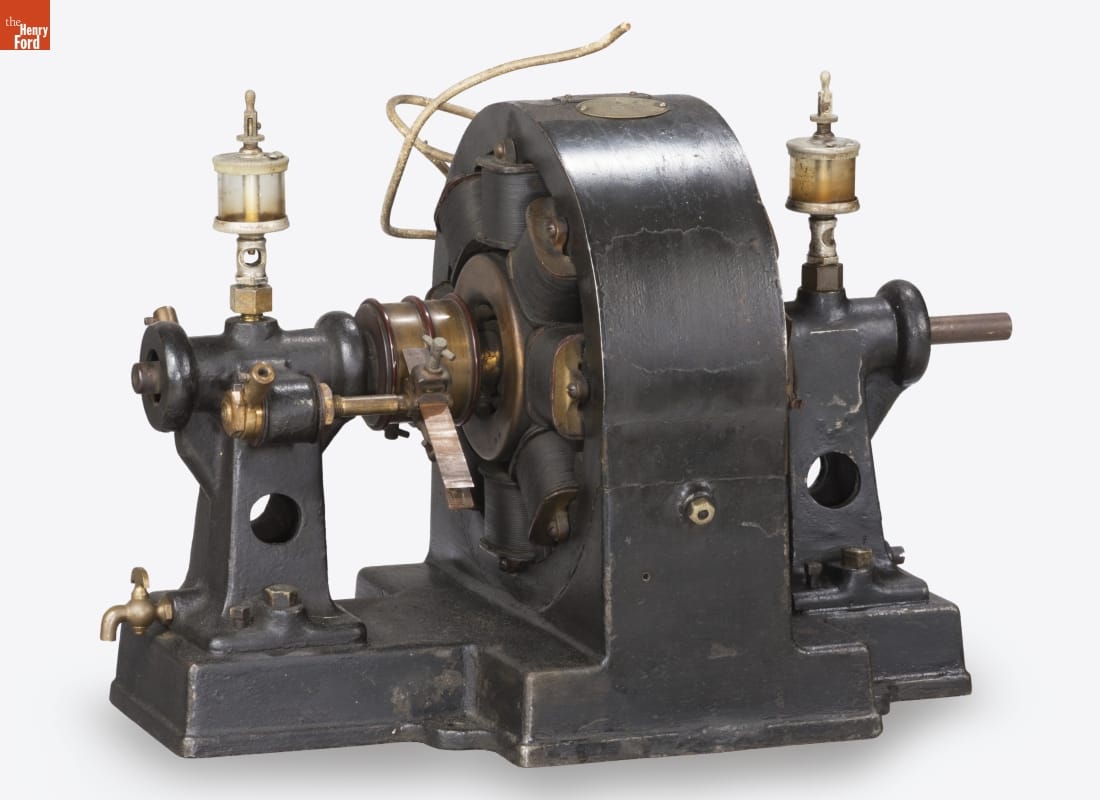
Westinghouse Pony Alternator, Used at Brown University, circa 1893
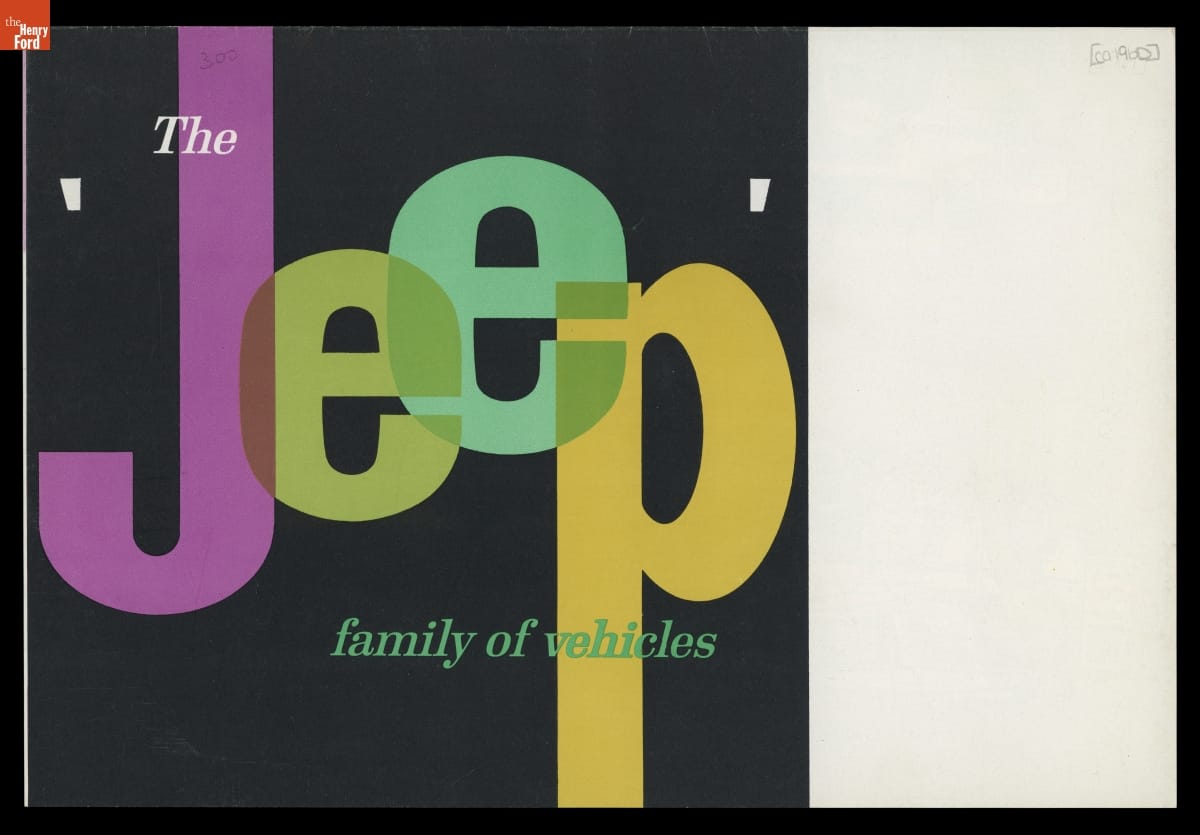
- "The Jeep Family of Vehicles," 1961 - Kaiser Motors purchased Willys-Overland, including its successful Jeep brand, in 1953. Kaiser ended passenger car production to focus on Jeep runabout, truck, and van models. Under Kaiser's ownership, Jeep introduced important models like the CJ-5, the Wagoneer and luxury Super Wagoneer, the Gladiator pickup, and the Jeepster and Jeepster Commando. American Motors purchased Kaiser Jeep in 1970.
- 1961
- Collections - Artifact
"The Jeep Family of Vehicles," 1961
Kaiser Motors purchased Willys-Overland, including its successful Jeep brand, in 1953. Kaiser ended passenger car production to focus on Jeep runabout, truck, and van models. Under Kaiser's ownership, Jeep introduced important models like the CJ-5, the Wagoneer and luxury Super Wagoneer, the Gladiator pickup, and the Jeepster and Jeepster Commando. American Motors purchased Kaiser Jeep in 1970.