
Search
- Architectural Ornament -
- Collections - Artifact
Architectural Ornament
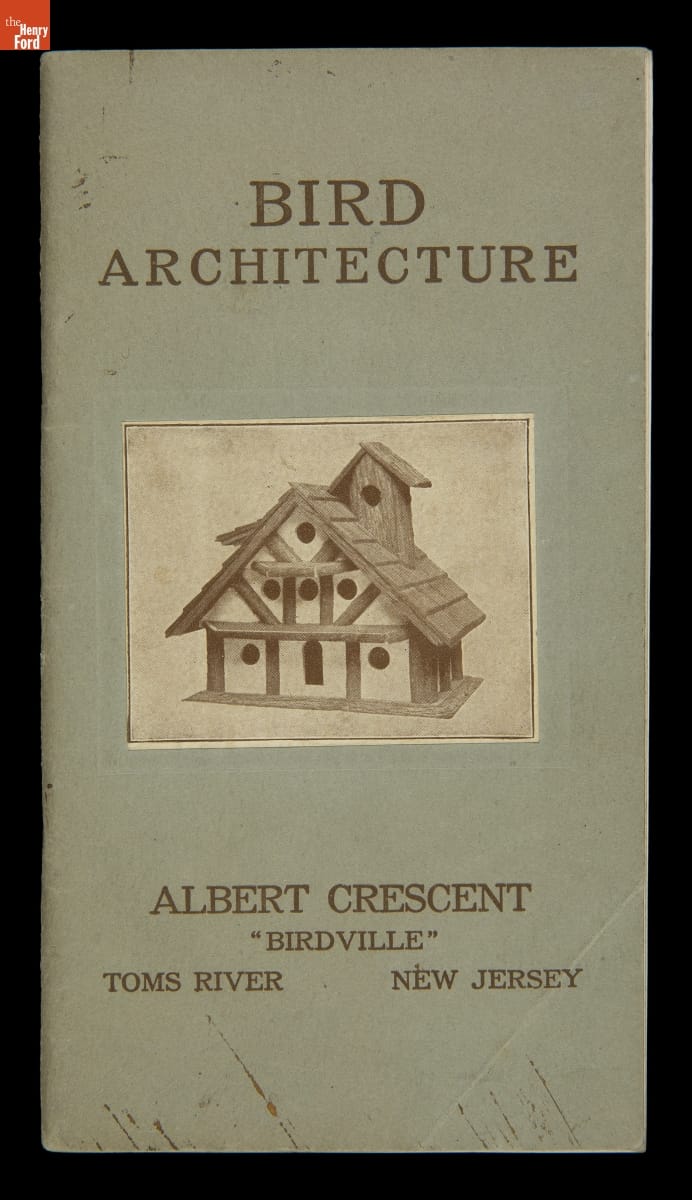
- "Bird Architecture," circa 1916 - Starting in the 19th century, early environmentalists and the U.S. government encouraged people to put up birdhouses for a variety of reasons. The practice, sometimes called "landlording," benefitted native bird species experiencing habitat loss. "Landlords" built or purchased bird shelters ranging from simple houses to elaborate, multilevel structures that copied popular architecture styles.
- circa 1916
- Collections - Artifact
"Bird Architecture," circa 1916
Starting in the 19th century, early environmentalists and the U.S. government encouraged people to put up birdhouses for a variety of reasons. The practice, sometimes called "landlording," benefitted native bird species experiencing habitat loss. "Landlords" built or purchased bird shelters ranging from simple houses to elaborate, multilevel structures that copied popular architecture styles.
- An Outline of World Architecture, 1973 -
- 1973
- Collections - Artifact
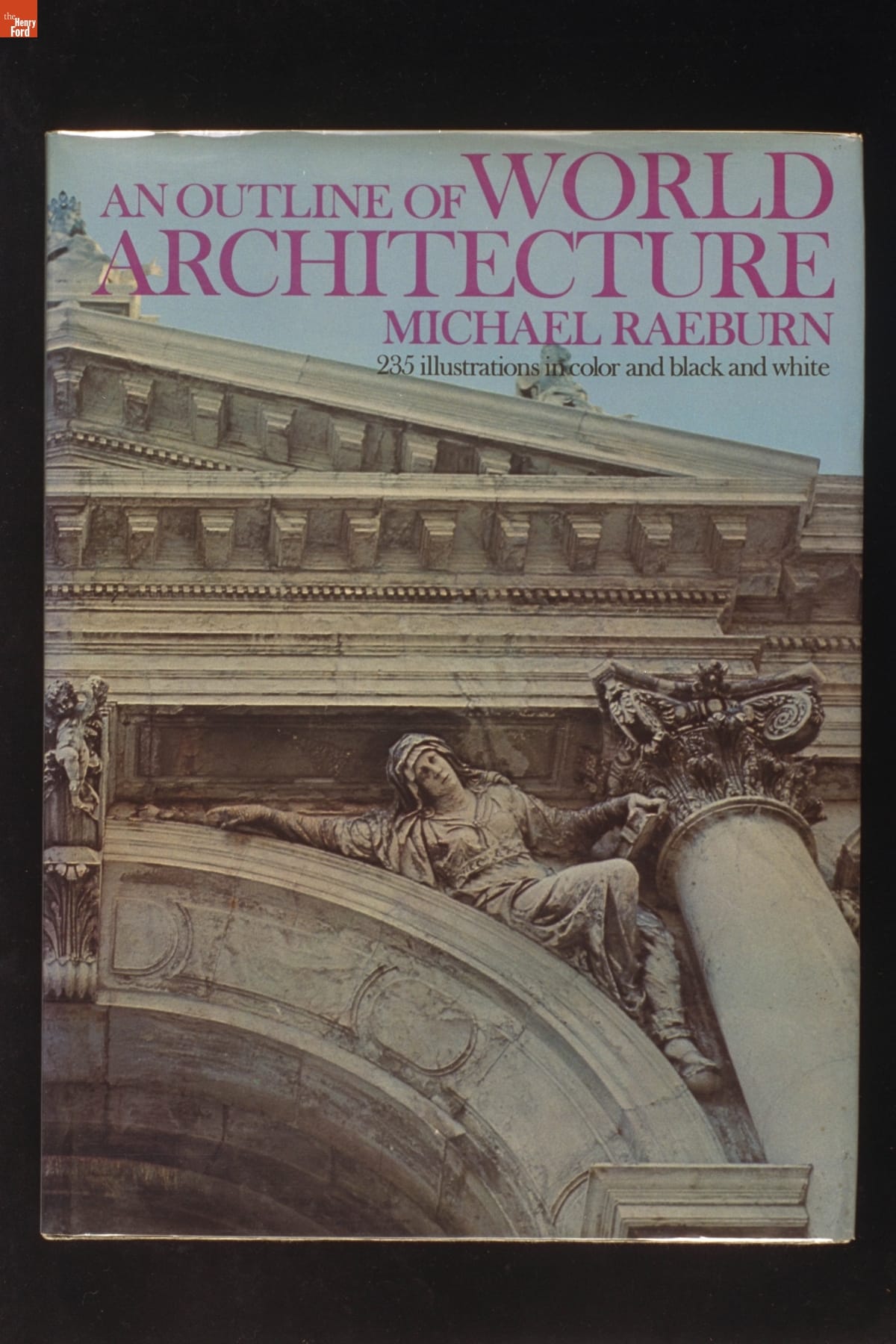
An Outline of World Architecture, 1973
- Architectural Rendering, "Fair Lane," 1914 - Scholars have known that Henry Ford approached Frank Lloyd Wright to design his home. This drawing is evidence that Wright worked on the project before his departure for Europe in September 1909. The commission then went to Wright's assistant, Marion Mahony, who submitted this rendering to Clara Ford in February 1914. Soon after, Henry Ford replaced Mahony with William Van Tine, who completed the house.

- 1914
- Collections - Artifact
Architectural Rendering, "Fair Lane," 1914
Scholars have known that Henry Ford approached Frank Lloyd Wright to design his home. This drawing is evidence that Wright worked on the project before his departure for Europe in September 1909. The commission then went to Wright's assistant, Marion Mahony, who submitted this rendering to Clara Ford in February 1914. Soon after, Henry Ford replaced Mahony with William Van Tine, who completed the house.
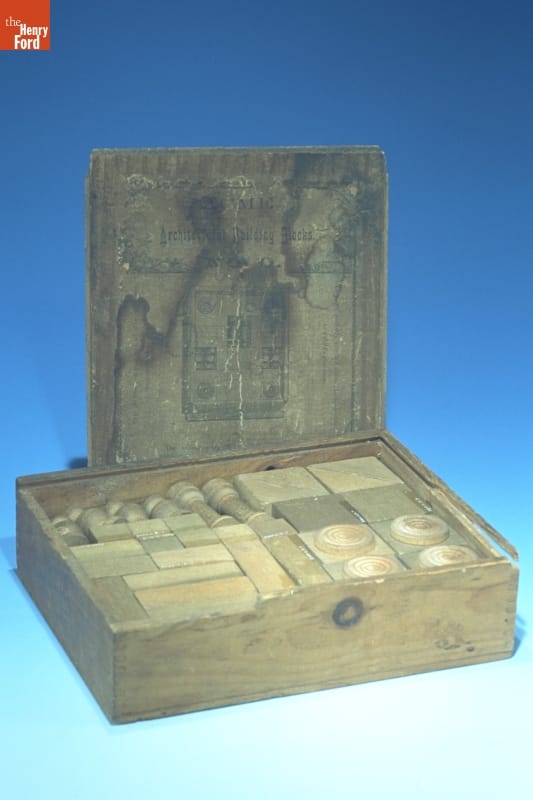
- ACME Architectural Building Blocks, 1890-1900 - Children love to build things--whether they create imaginative worlds or smaller versions of the real one. Construction toys are quite literally and figuratively "the building blocks of childhood." Playing with them builds physical and intellectual skills--and encourages creativity.
- 1890-1900
- Collections - Artifact
ACME Architectural Building Blocks, 1890-1900
Children love to build things--whether they create imaginative worlds or smaller versions of the real one. Construction toys are quite literally and figuratively "the building blocks of childhood." Playing with them builds physical and intellectual skills--and encourages creativity.
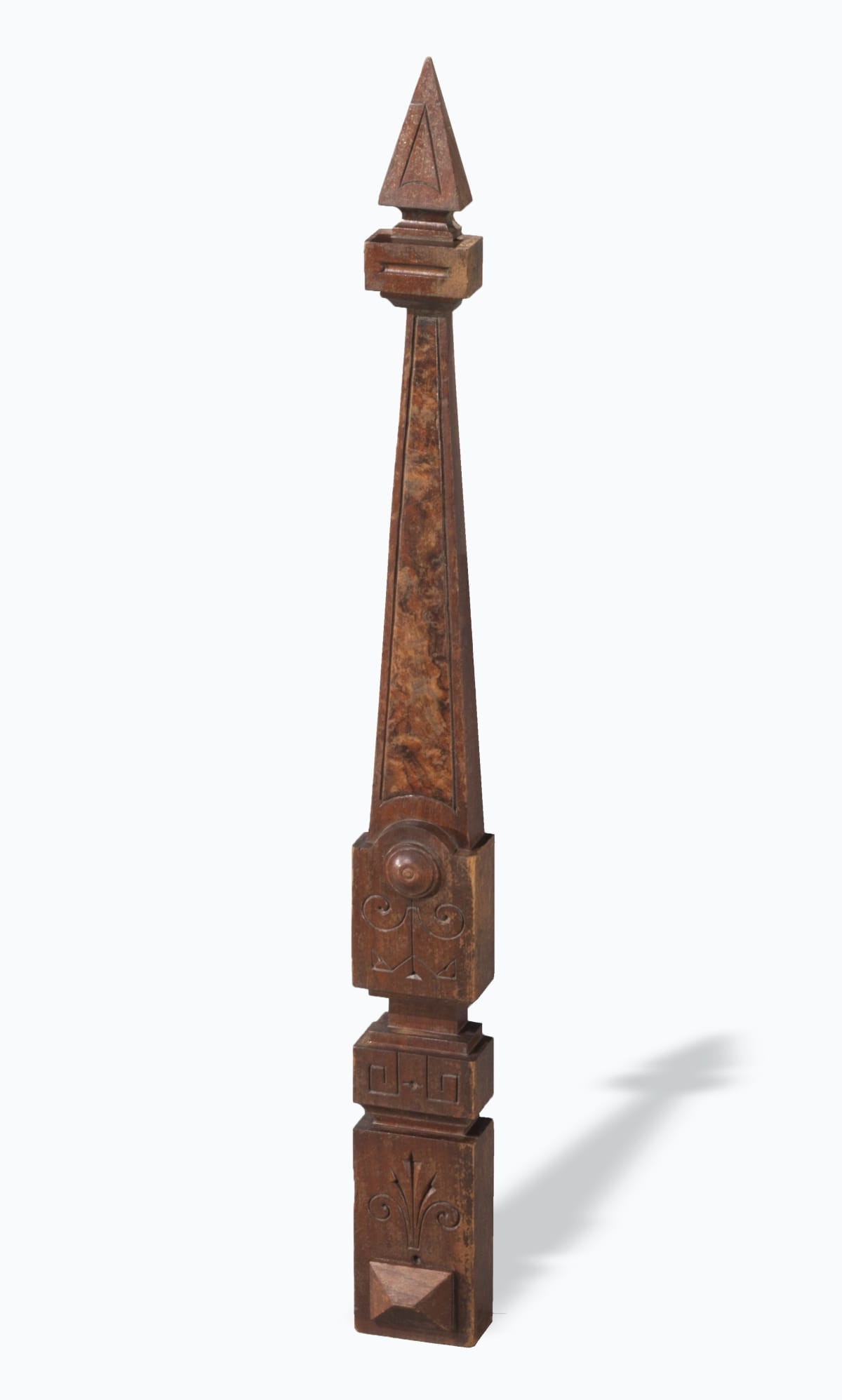
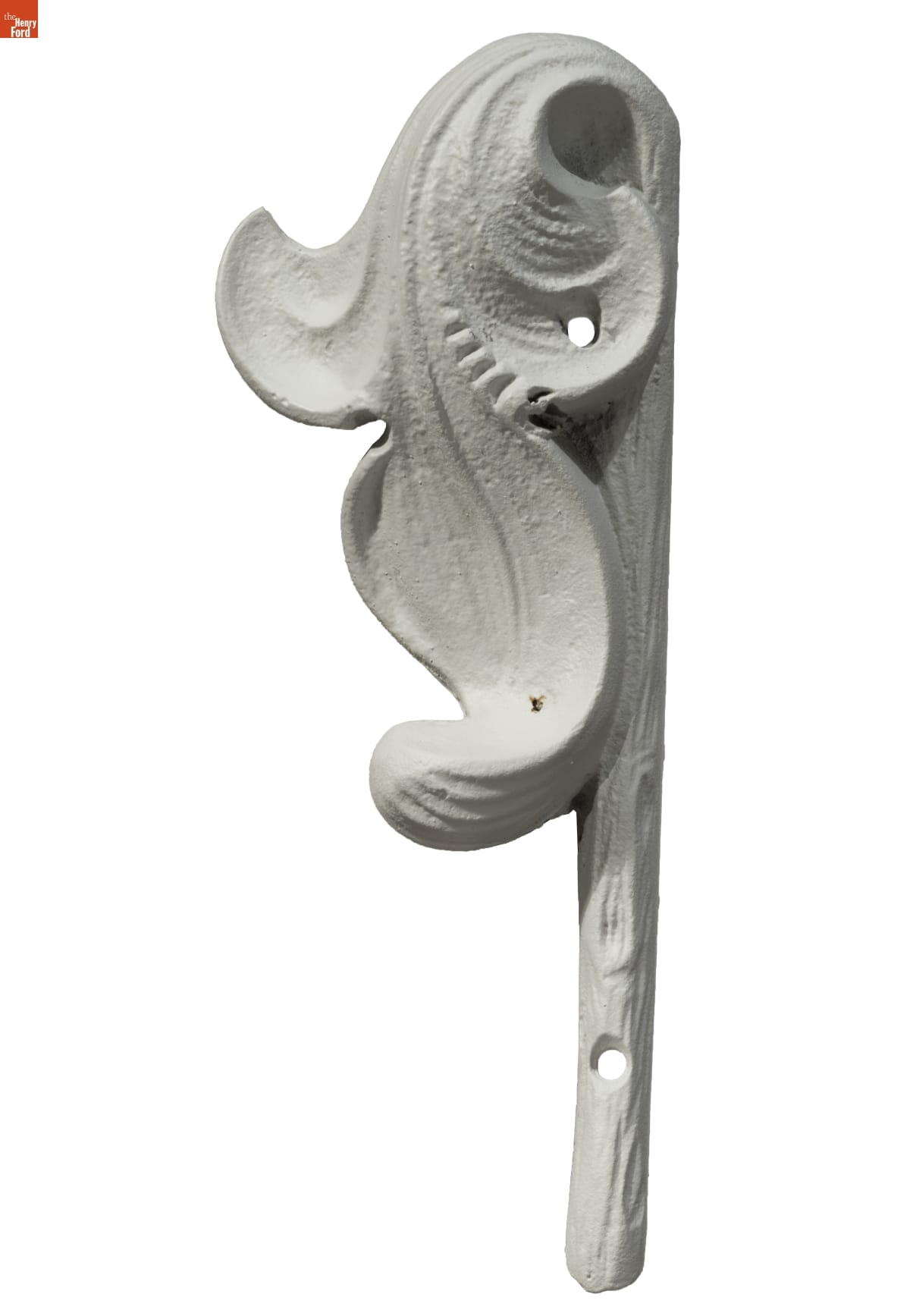
- Architectural Ornament from the Detroit Central Market, 1860 - The Detroit Central Market's vegetable shed sheltered vendors and customers from 1861 to 1894. The structure was then removed to Belle Isle and was slated for demolition in 2003 when The Henry Ford acquired it. The reconstructed building--which opened in Greenfield Village in 2022--includes several original cast-iron columns and ornamental woodwork, siding, and other details that convey the Swiss-Chalet aesthetic of the original design.
- 1860
- Collections - Artifact
Architectural Ornament from the Detroit Central Market, 1860
The Detroit Central Market's vegetable shed sheltered vendors and customers from 1861 to 1894. The structure was then removed to Belle Isle and was slated for demolition in 2003 when The Henry Ford acquired it. The reconstructed building--which opened in Greenfield Village in 2022--includes several original cast-iron columns and ornamental woodwork, siding, and other details that convey the Swiss-Chalet aesthetic of the original design.
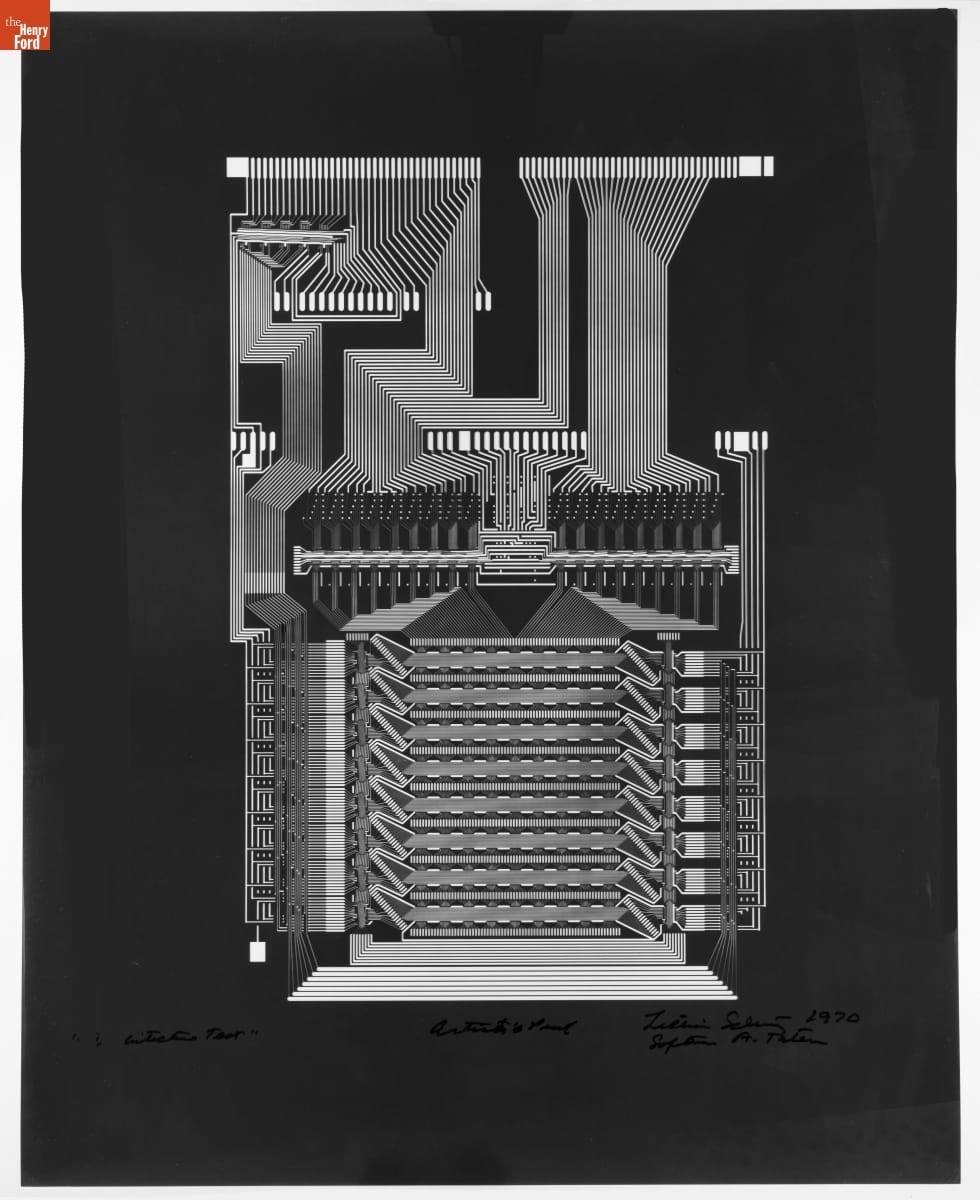
- Artist's Proof, "Architecture Test" by Lillian F. Schwartz, 1970 - Lillian Schwartz is a pioneer of computer-generated art. From 1969-2002, she was a "resident visitor" at Bell Laboratories, producing groundbreaking films, videos, and multimedia works. The Schwartz Collection spans Lillian's childhood into her late career, documenting an expansive mindset, mastery over traditional and experimental mediums alike--and above all--an ability to create inspirational connections between science, art, and technology.
- 1970
- Collections - Artifact
Artist's Proof, "Architecture Test" by Lillian F. Schwartz, 1970
Lillian Schwartz is a pioneer of computer-generated art. From 1969-2002, she was a "resident visitor" at Bell Laboratories, producing groundbreaking films, videos, and multimedia works. The Schwartz Collection spans Lillian's childhood into her late career, documenting an expansive mindset, mastery over traditional and experimental mediums alike--and above all--an ability to create inspirational connections between science, art, and technology.
- When Fashion Mirrors Architecture - Explore the strong connection between architecture and fashion design through the stories of some modern practitioners.

- August 23, 2016
- Collections - article
When Fashion Mirrors Architecture
Explore the strong connection between architecture and fashion design through the stories of some modern practitioners.
- #Architecture That Houses #Creativity - A letter from George Washington Carver to Henry Ford allows us to to catch a glimpse of Carver's remarkable creativity, from his use of elm as ink to the depth and detail of his hand-drawn picture.

- March 26, 2015
- Collections - article
#Architecture That Houses #Creativity
A letter from George Washington Carver to Henry Ford allows us to to catch a glimpse of Carver's remarkable creativity, from his use of elm as ink to the depth and detail of his hand-drawn picture.
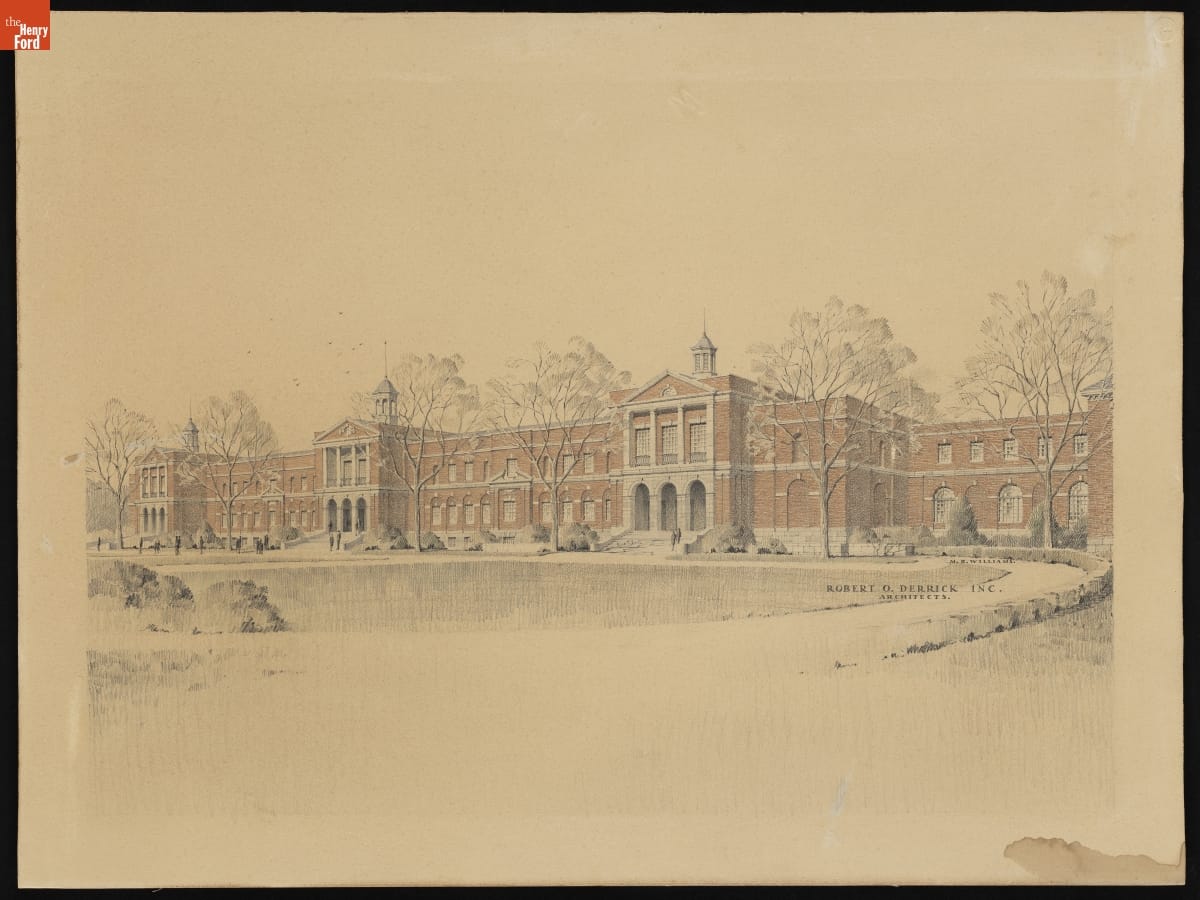
- Architectural Concept Drawing of Henry Ford Museum, circa 1927 - This is one of three color perspective renderings of the proposed Museum building presented to Henry Ford by architect Robert O. Derrick. This view shows a side view of a two-story structure with large entrances. Henry Ford rejected this proposal preferring his exhibits on a single floor. The completed building has similar side entrances on a one-story gallery.
- circa 1927
- Collections - Artifact
Architectural Concept Drawing of Henry Ford Museum, circa 1927
This is one of three color perspective renderings of the proposed Museum building presented to Henry Ford by architect Robert O. Derrick. This view shows a side view of a two-story structure with large entrances. Henry Ford rejected this proposal preferring his exhibits on a single floor. The completed building has similar side entrances on a one-story gallery.