
Search
- American Auto Industry, 1805-2010 - This vehicle is the oldest surviving American automobile. In the 1860s, a small steam carriage running under its own power -- without horses! -- was so startling that people paid to see it driven. It was a curiosity, not transportation. By the time its inventor, Sylvester Roper, died in 1896, new innovators were transforming horseless carriages from curiosities into practical vehicles.

- October 16, 2015
- Collections - Set
American Auto Industry, 1805-2010
This vehicle is the oldest surviving American automobile. In the 1860s, a small steam carriage running under its own power -- without horses! -- was so startling that people paid to see it driven. It was a curiosity, not transportation. By the time its inventor, Sylvester Roper, died in 1896, new innovators were transforming horseless carriages from curiosities into practical vehicles.
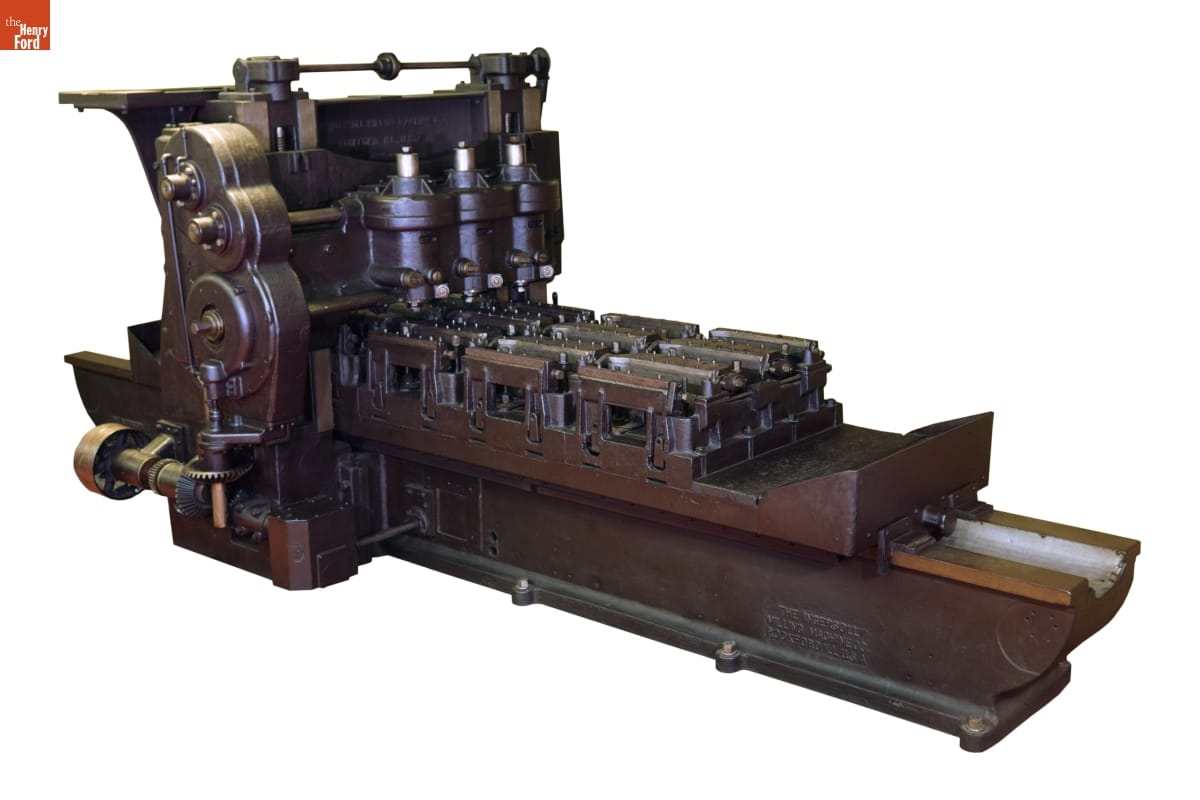
- The Industrial Revolution & the Auto Industry - The Model T's distinction as a landmark car design can be traced in large part to machines like this -- a high capacity precision machine tool that performed just two production steps on the car engine's cylinder block. The Model T as a <EM>design</EM> achievement is inseparable from many hundreds of engineering, materials, and production innovations.
- March 03, 2011
- Collections - Set
The Industrial Revolution & the Auto Industry
The Model T's distinction as a landmark car design can be traced in large part to machines like this -- a high capacity precision machine tool that performed just two production steps on the car engine's cylinder block. The Model T as a design achievement is inseparable from many hundreds of engineering, materials, and production innovations.
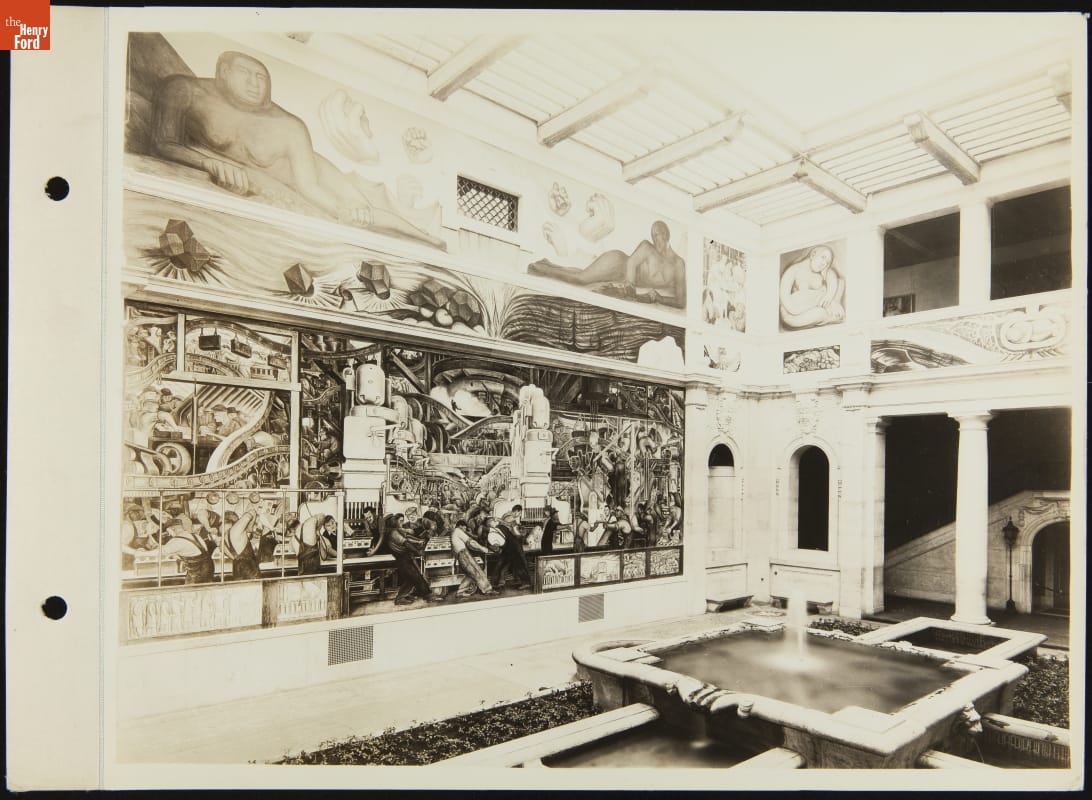
- "Detroit Industry" Fresco Cycle, 1932 - In 1932, the Detroit Institute of Arts commissioned Mexican artist Diego Rivera to paint murals depicting the city's industrial activities. Rivera spent eight months creating 27 frescoes in the institute's interior courtyard. Much of <em>Detroit Industry</em> was inspired by Ford Motor Company's Rouge plant, but the murals also portrayed Detroit's medical, pharmaceutical, and chemical industries. Edsel Ford sponsored Rivera's work.
- 1932
- Collections - Artifact
"Detroit Industry" Fresco Cycle, 1932
In 1932, the Detroit Institute of Arts commissioned Mexican artist Diego Rivera to paint murals depicting the city's industrial activities. Rivera spent eight months creating 27 frescoes in the institute's interior courtyard. Much of Detroit Industry was inspired by Ford Motor Company's Rouge plant, but the murals also portrayed Detroit's medical, pharmaceutical, and chemical industries. Edsel Ford sponsored Rivera's work.
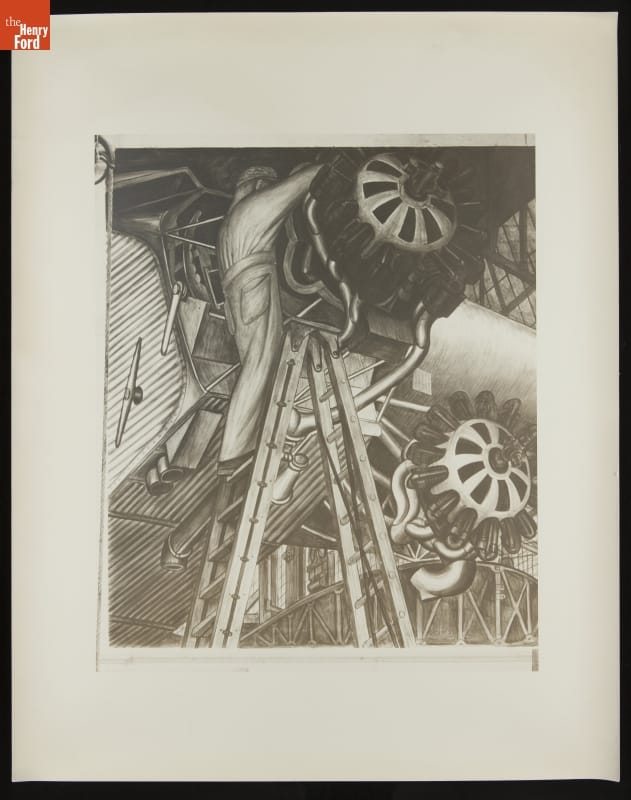
- "Detroit Industry" Fresco Cycle, 1932 - In 1932, the Detroit Institute of Arts commissioned Mexican artist Diego Rivera to paint murals depicting the city's industrial activities. Rivera spent eight months creating 27 frescoes in the institute's interior courtyard. Much of <em>Detroit Industry</em> was inspired by Ford Motor Company's Rouge plant, but the murals also portrayed Detroit's medical, pharmaceutical, and chemical industries. Edsel Ford sponsored Rivera's work.
- August 02, 1932
- Collections - Artifact
"Detroit Industry" Fresco Cycle, 1932
In 1932, the Detroit Institute of Arts commissioned Mexican artist Diego Rivera to paint murals depicting the city's industrial activities. Rivera spent eight months creating 27 frescoes in the institute's interior courtyard. Much of Detroit Industry was inspired by Ford Motor Company's Rouge plant, but the murals also portrayed Detroit's medical, pharmaceutical, and chemical industries. Edsel Ford sponsored Rivera's work.
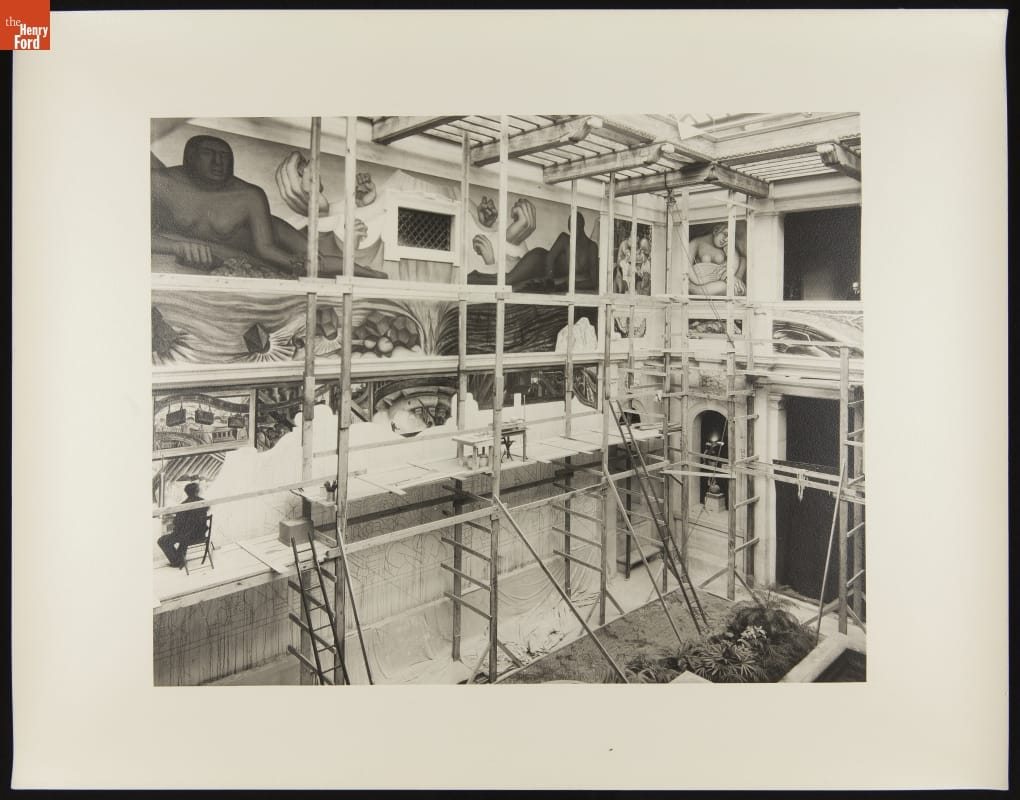
- "Detroit Industry" Fresco Cycle in Progress, 1932 - In 1932, the Detroit Institute of Arts commissioned Mexican artist Diego Rivera to paint murals depicting the city's industrial activities. Rivera spent eight months creating 27 frescoes in the institute's interior courtyard. Much of <em>Detroit Industry</em> was inspired by Ford Motor Company's Rouge plant, but the murals also portrayed Detroit's medical, pharmaceutical, and chemical industries. Edsel Ford sponsored Rivera's work.
- August 02, 1932
- Collections - Artifact
"Detroit Industry" Fresco Cycle in Progress, 1932
In 1932, the Detroit Institute of Arts commissioned Mexican artist Diego Rivera to paint murals depicting the city's industrial activities. Rivera spent eight months creating 27 frescoes in the institute's interior courtyard. Much of Detroit Industry was inspired by Ford Motor Company's Rouge plant, but the murals also portrayed Detroit's medical, pharmaceutical, and chemical industries. Edsel Ford sponsored Rivera's work.
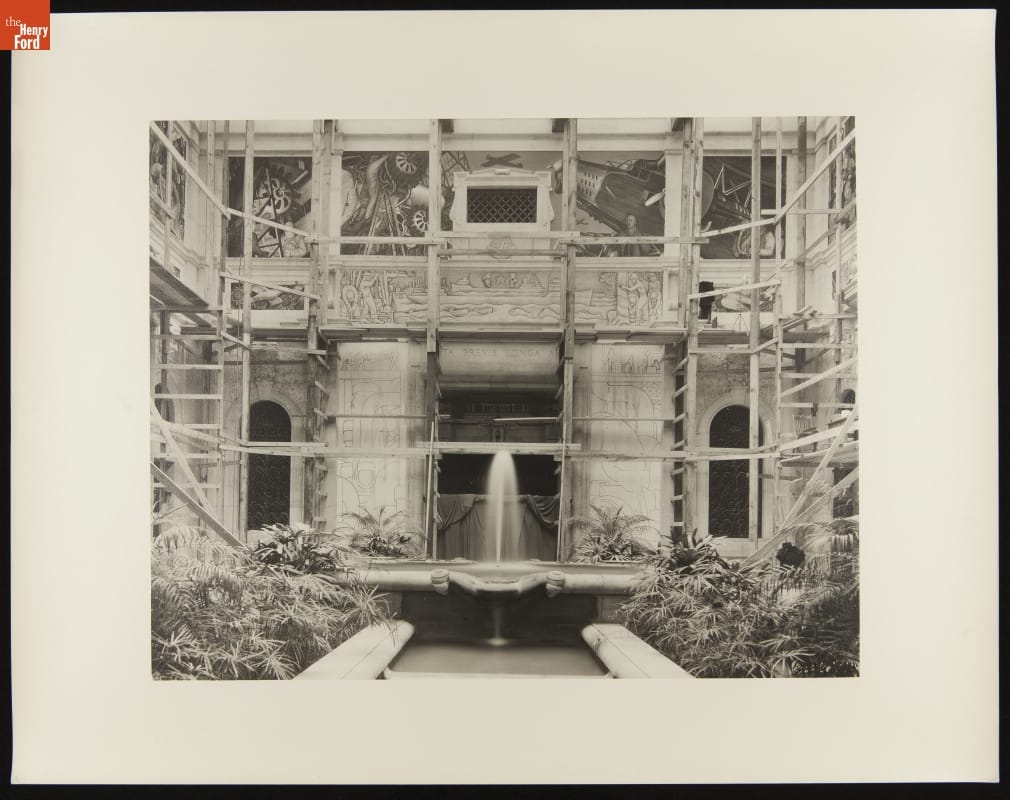
- "Detroit Industry" Fresco Cycle in Progress, 1932 - In 1932, the Detroit Institute of Arts commissioned Mexican artist Diego Rivera to paint murals depicting the city's industrial activities. Rivera spent eight months creating 27 frescoes in the institute's interior courtyard. Much of <em>Detroit Industry</em> was inspired by Ford Motor Company's Rouge plant, but the murals also portrayed Detroit's medical, pharmaceutical, and chemical industries. Edsel Ford sponsored Rivera's work.
- August 02, 1932
- Collections - Artifact
"Detroit Industry" Fresco Cycle in Progress, 1932
In 1932, the Detroit Institute of Arts commissioned Mexican artist Diego Rivera to paint murals depicting the city's industrial activities. Rivera spent eight months creating 27 frescoes in the institute's interior courtyard. Much of Detroit Industry was inspired by Ford Motor Company's Rouge plant, but the murals also portrayed Detroit's medical, pharmaceutical, and chemical industries. Edsel Ford sponsored Rivera's work.
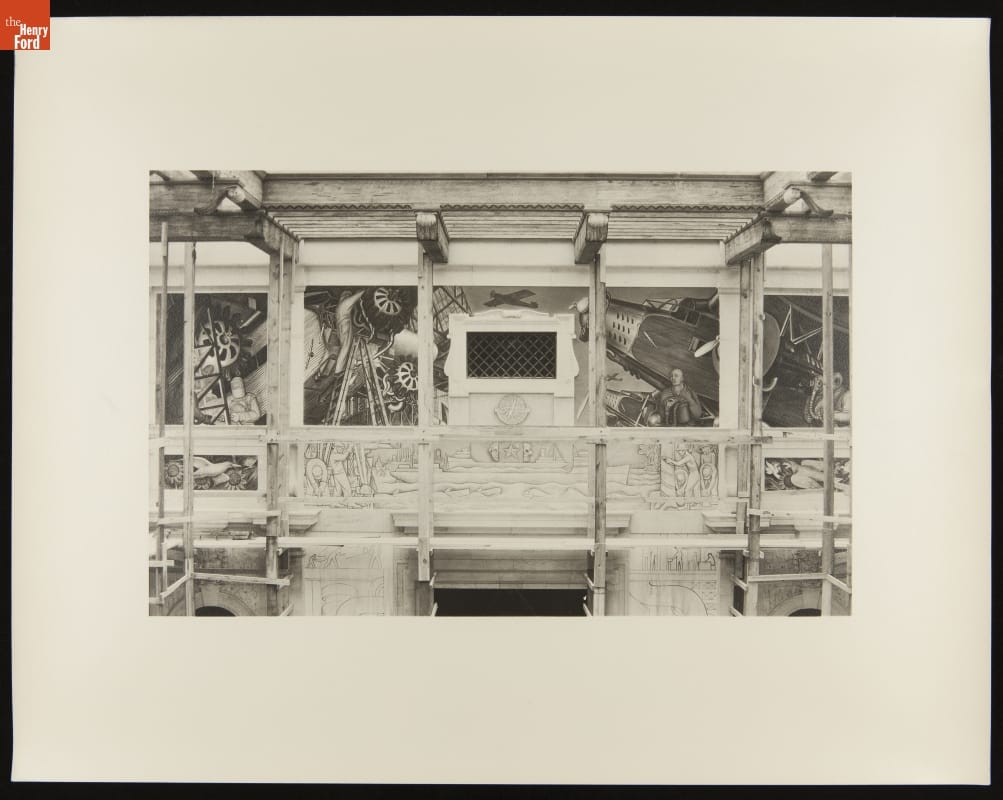
- "Detroit Industry" Fresco Cycle in Progress, 1932 - In 1932, the Detroit Institute of Arts commissioned Mexican artist Diego Rivera to paint murals depicting the city's industrial activities. Rivera spent eight months creating 27 frescoes in the institute's interior courtyard. Much of <em>Detroit Industry</em> was inspired by Ford Motor Company's Rouge plant, but the murals also portrayed Detroit's medical, pharmaceutical, and chemical industries. Edsel Ford sponsored Rivera's work.
- August 02, 1932
- Collections - Artifact
"Detroit Industry" Fresco Cycle in Progress, 1932
In 1932, the Detroit Institute of Arts commissioned Mexican artist Diego Rivera to paint murals depicting the city's industrial activities. Rivera spent eight months creating 27 frescoes in the institute's interior courtyard. Much of Detroit Industry was inspired by Ford Motor Company's Rouge plant, but the murals also portrayed Detroit's medical, pharmaceutical, and chemical industries. Edsel Ford sponsored Rivera's work.
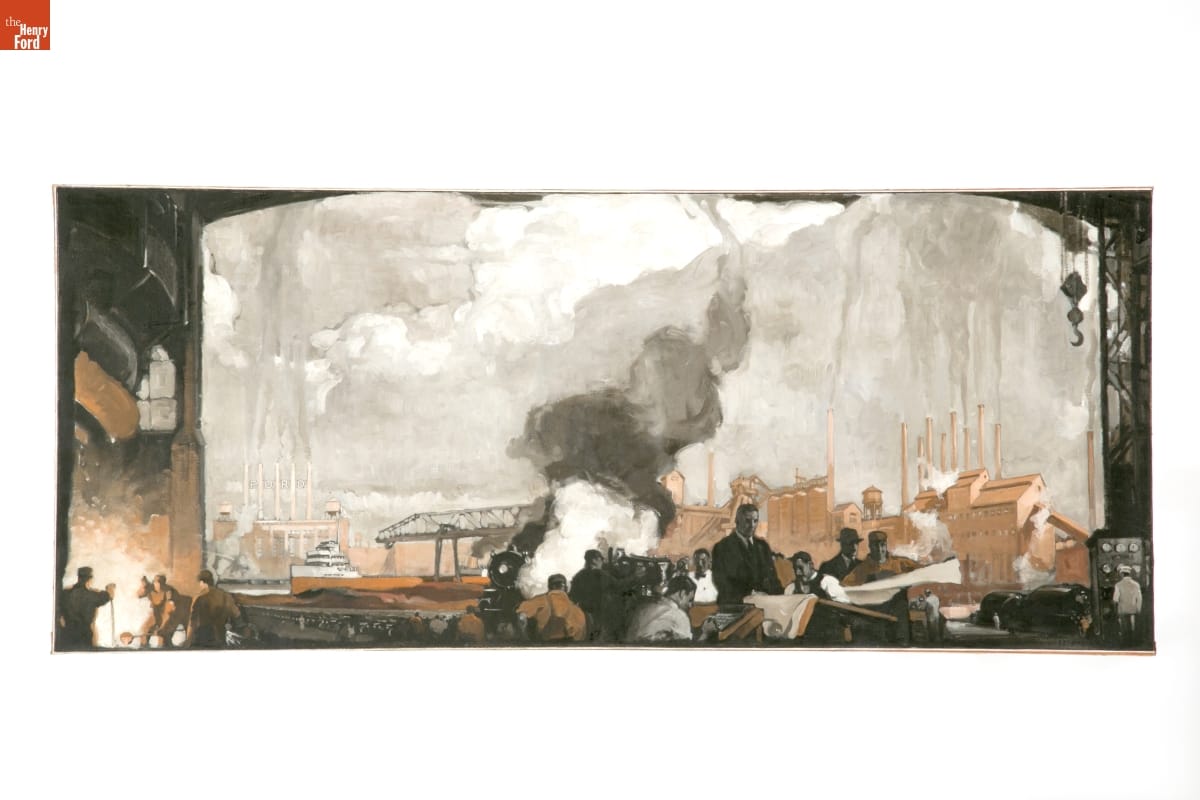
- Ford Industries, 1924 - In 1924-25 the Ford Motor Company ran a series of sixteen dramatic advertisements in the <EM>Saturday Evening Post</EM> and <EM>Country Gentleman</EM> magazines. The effectiveness of the ads was due in large part to the specially commissioned artwork that accompanied the descriptive text. This painting pulls together a variety of Ford locations and activities: a gritty panorama designed to convey the breadth of Ford's industrial capabilities.
- 1924
- Collections - Artifact
Ford Industries, 1924
In 1924-25 the Ford Motor Company ran a series of sixteen dramatic advertisements in the Saturday Evening Post and Country Gentleman magazines. The effectiveness of the ads was due in large part to the specially commissioned artwork that accompanied the descriptive text. This painting pulls together a variety of Ford locations and activities: a gritty panorama designed to convey the breadth of Ford's industrial capabilities.
- Mold for Eames Fiberglass Armchair, 1950-1968 -
- 1950-1968
- Collections - Artifact
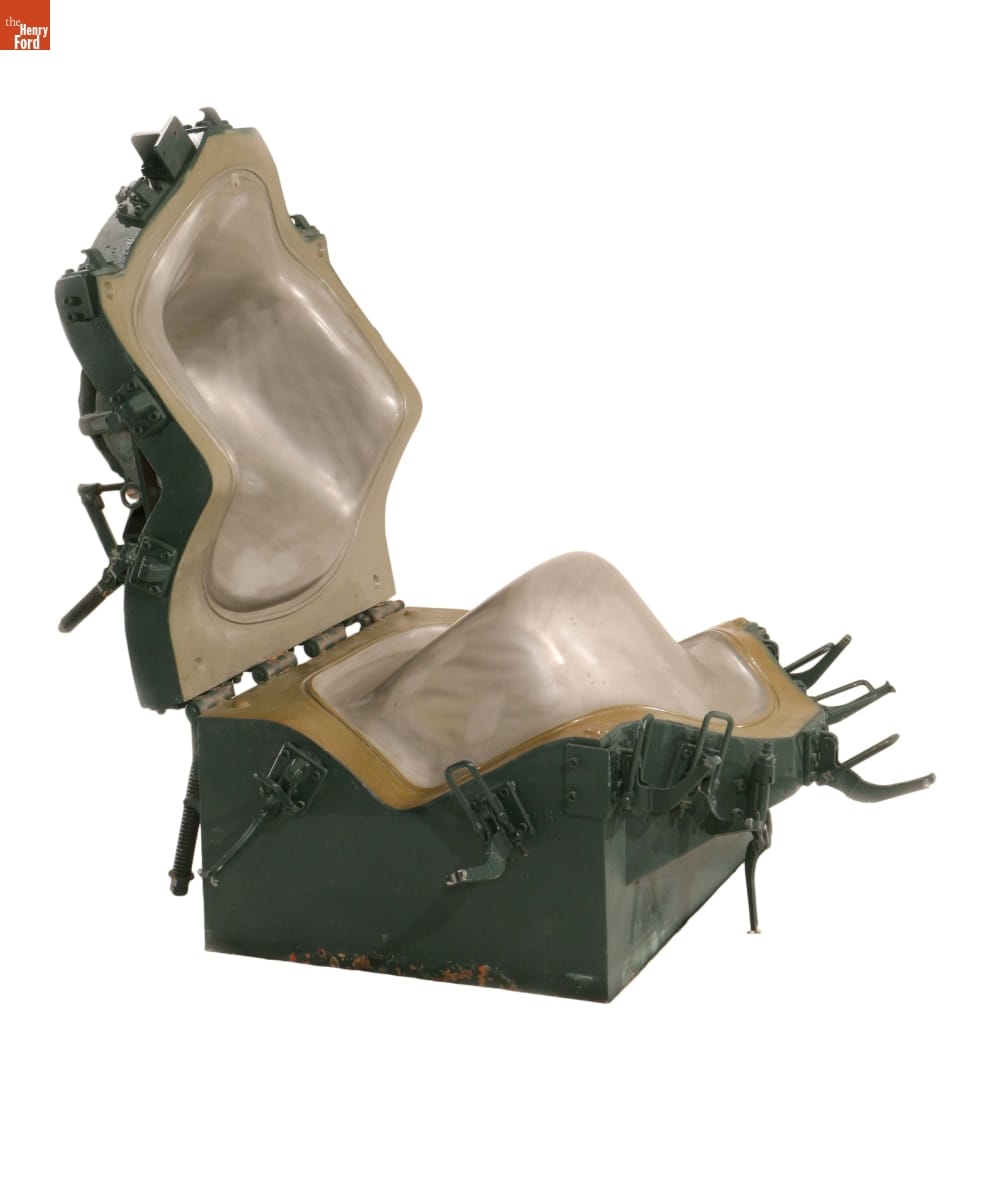
Mold for Eames Fiberglass Armchair, 1950-1968
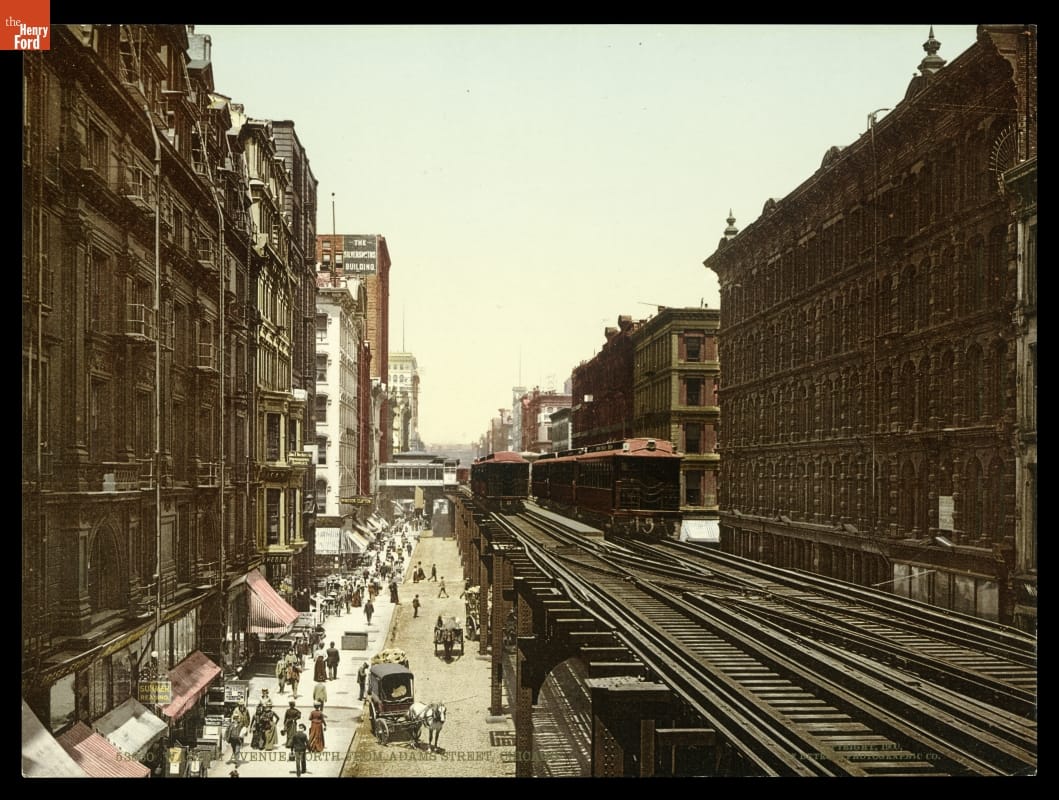
- Lesson: Henry Ford - Beginnings of the Auto Industry - Some cities built municipal elevated urban railways to move people quickly. This postcard shows the Chicago "L" about 1900. Note the pedestrians and horse-drawn vehicles on the street below.
- March 12, 2010
- Collections - Set
Lesson: Henry Ford - Beginnings of the Auto Industry
Some cities built municipal elevated urban railways to move people quickly. This postcard shows the Chicago "L" about 1900. Note the pedestrians and horse-drawn vehicles on the street below.