
Search
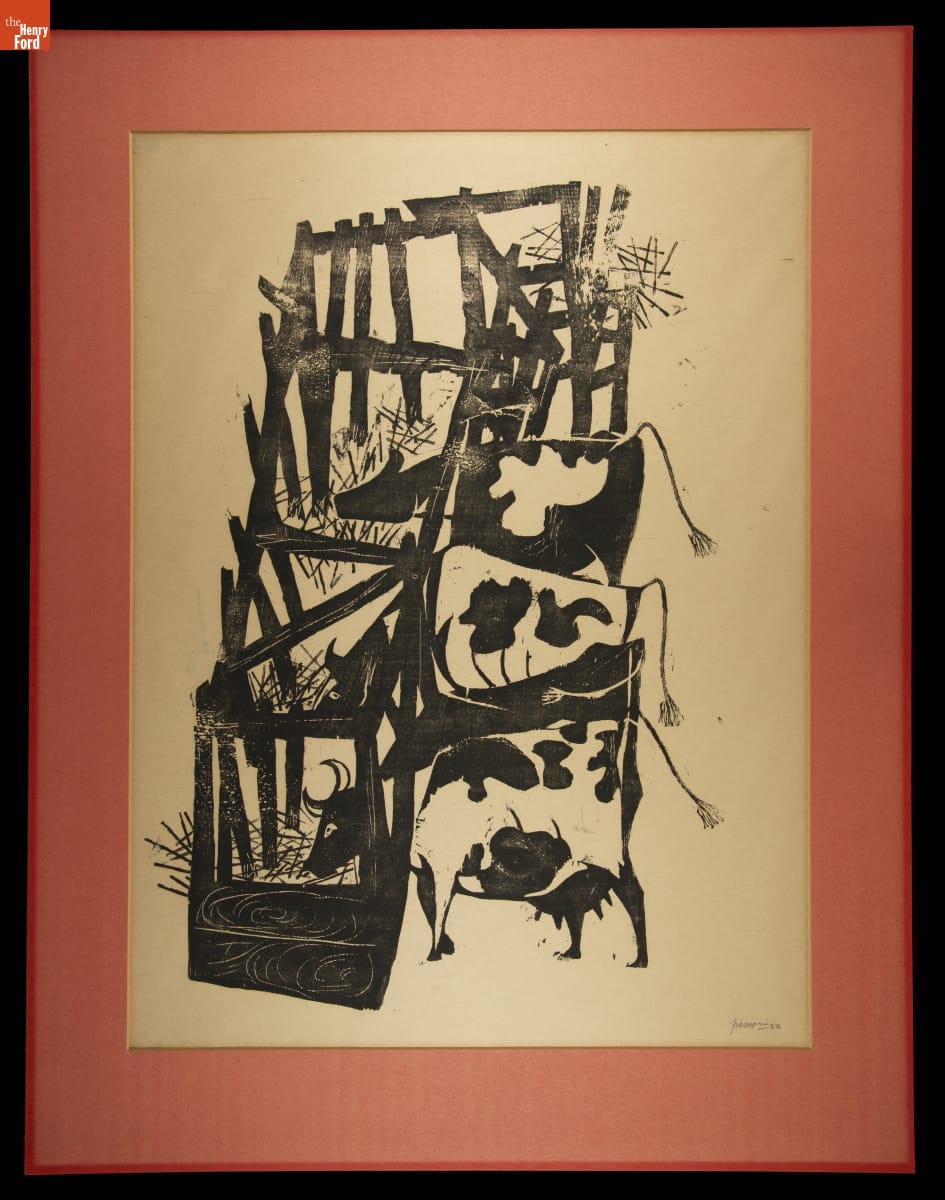
- Linocut, "Cows Eating," 1952 -
- 1952
- Collections - Artifact
Linocut, "Cows Eating," 1952
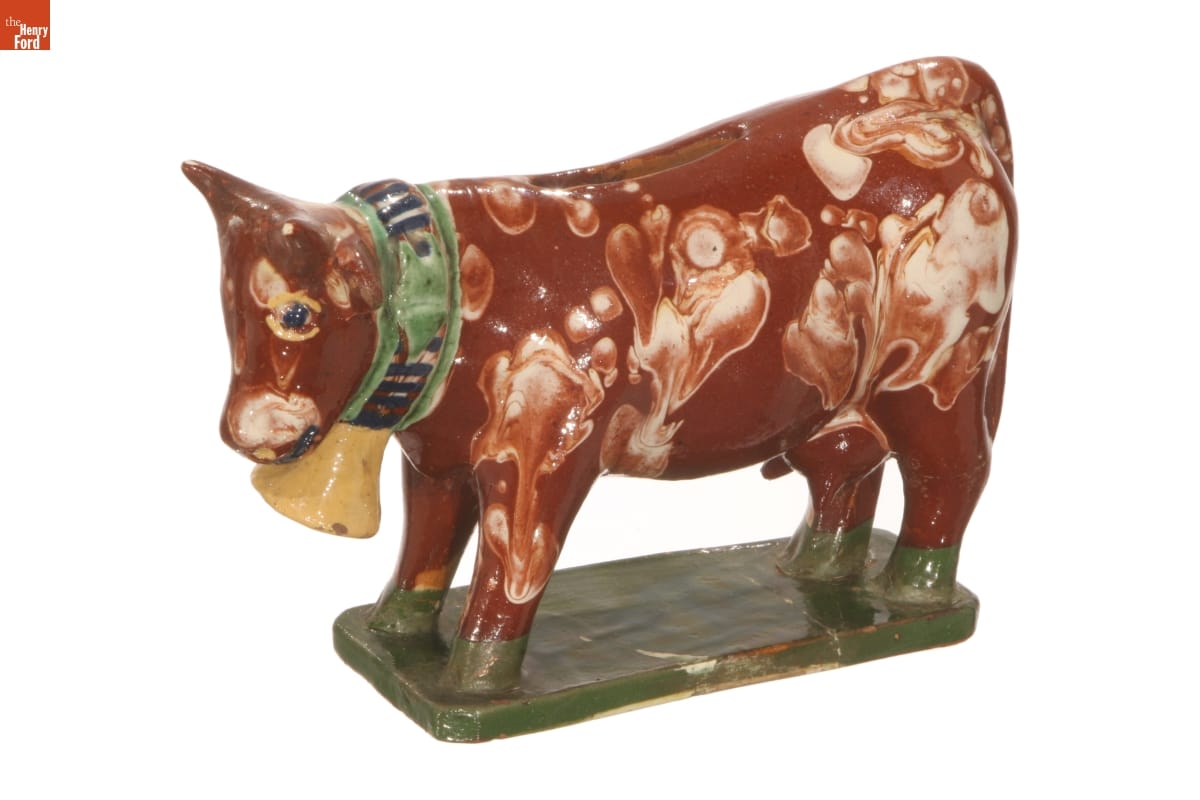
- Cow Bank, 1900-1920 - In the late-19th and early-20th centuries, toy banks were marketed to parents as a way to encourage thrift in children. Some banks used mechanical actions to deposit a coin, while others, like this one, just had a slot where the coin was dropped. These simple banks came in a variety of shapes that delighted children of all ages.
- 1900-1920
- Collections - Artifact
Cow Bank, 1900-1920
In the late-19th and early-20th centuries, toy banks were marketed to parents as a way to encourage thrift in children. Some banks used mechanical actions to deposit a coin, while others, like this one, just had a slot where the coin was dropped. These simple banks came in a variety of shapes that delighted children of all ages.
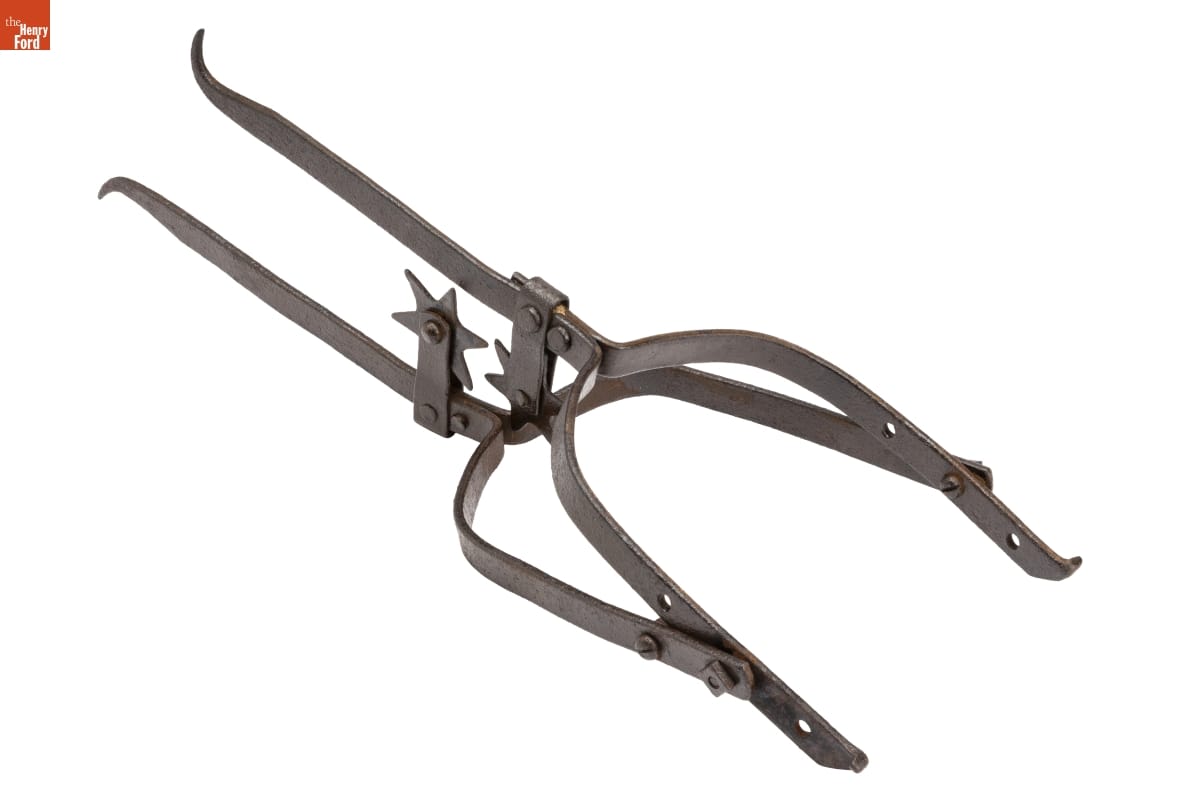
- Cow Poke, circa 1810 -
- circa 1810
- Collections - Artifact
Cow Poke, circa 1810
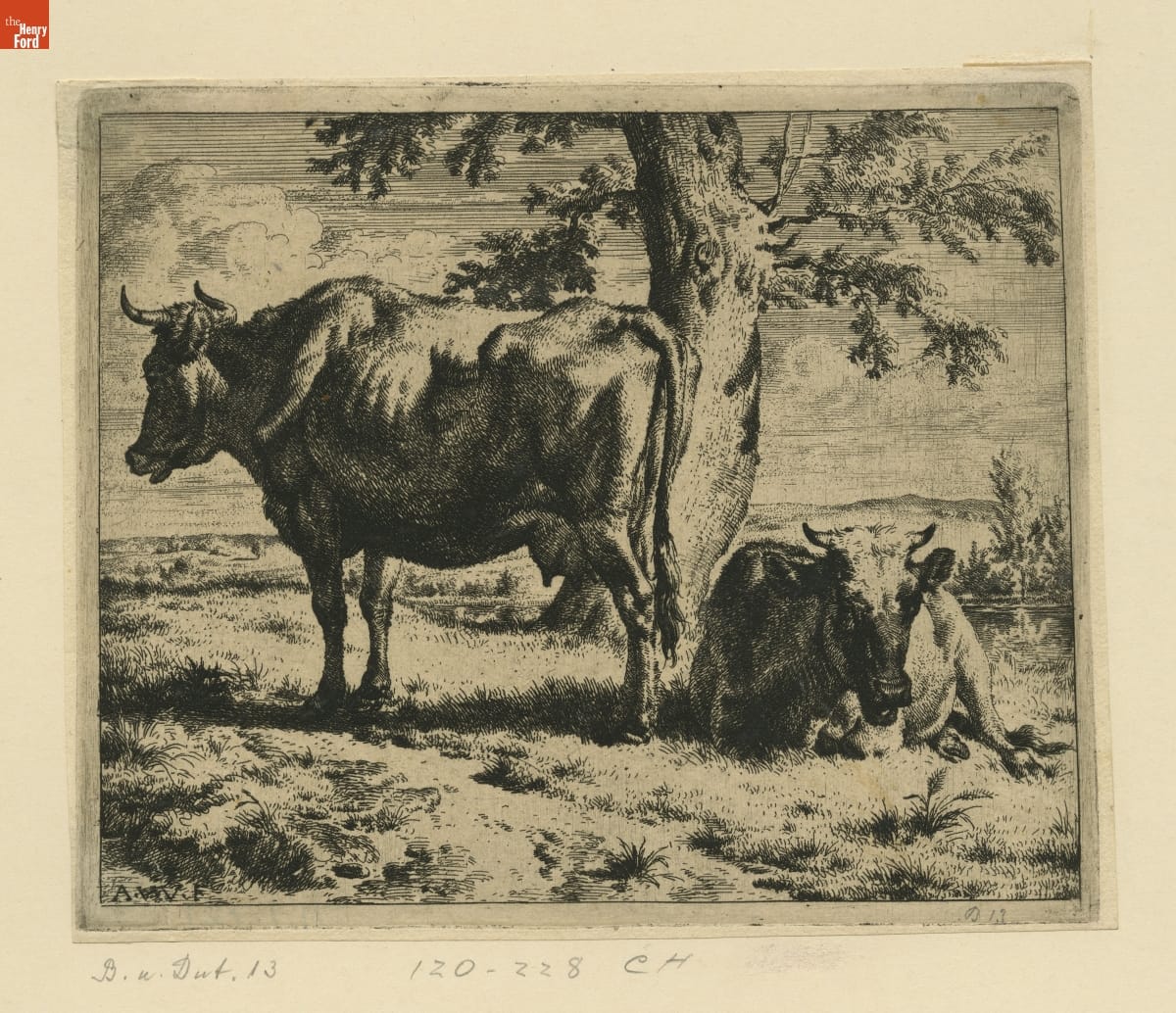
- Etching, Two Cows under a Tree -
- circa 1670
- Collections - Artifact
Etching, Two Cows under a Tree
- Linocut, "Woman Milking Cows," 1952 -
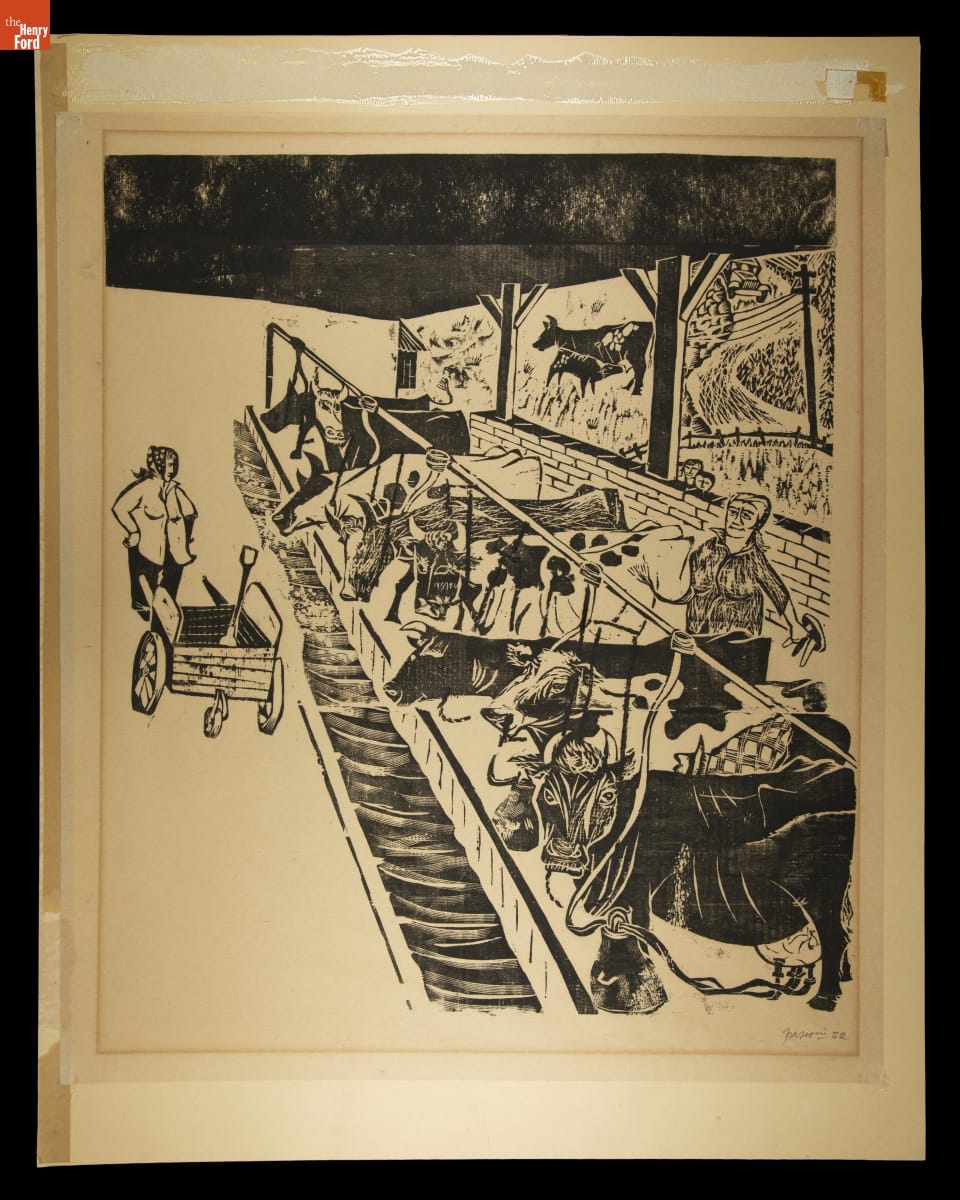
- 1952
- Collections - Artifact
Linocut, "Woman Milking Cows," 1952
- Kicking Cow Bank, 1950-1965 - Saving money can be fun. Beginning in the late 1800s, families could purchase mechanical banks. These banks used ingenious mechanisms to deposit money. This mid-twentieth-century reproduction depicts a man milking a cow. When the saver deposits a coin, the cow kicks -- a real hazard if the animal was treated roughly -- and the man tumbles backwards.
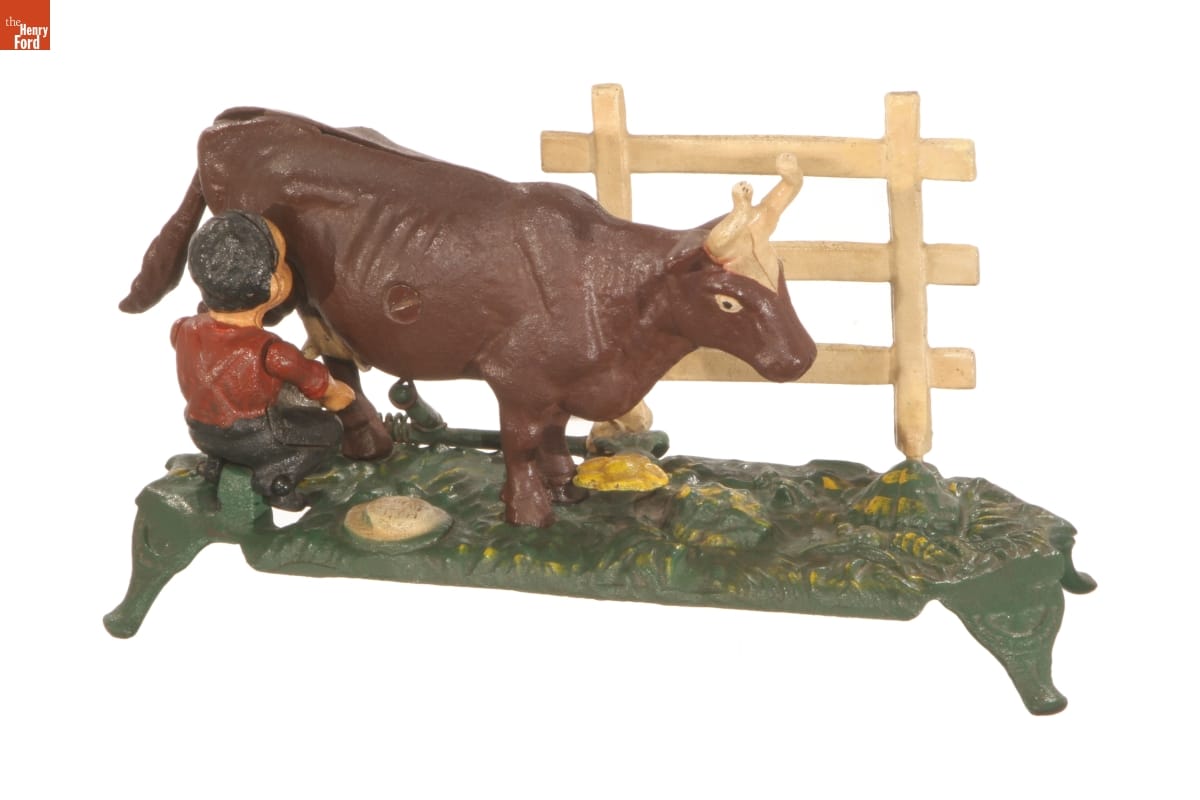
- 1950-1965
- Collections - Artifact
Kicking Cow Bank, 1950-1965
Saving money can be fun. Beginning in the late 1800s, families could purchase mechanical banks. These banks used ingenious mechanisms to deposit money. This mid-twentieth-century reproduction depicts a man milking a cow. When the saver deposits a coin, the cow kicks -- a real hazard if the animal was treated roughly -- and the man tumbles backwards.
- Brown Swiss Dairy Cows, 1960-1965 -
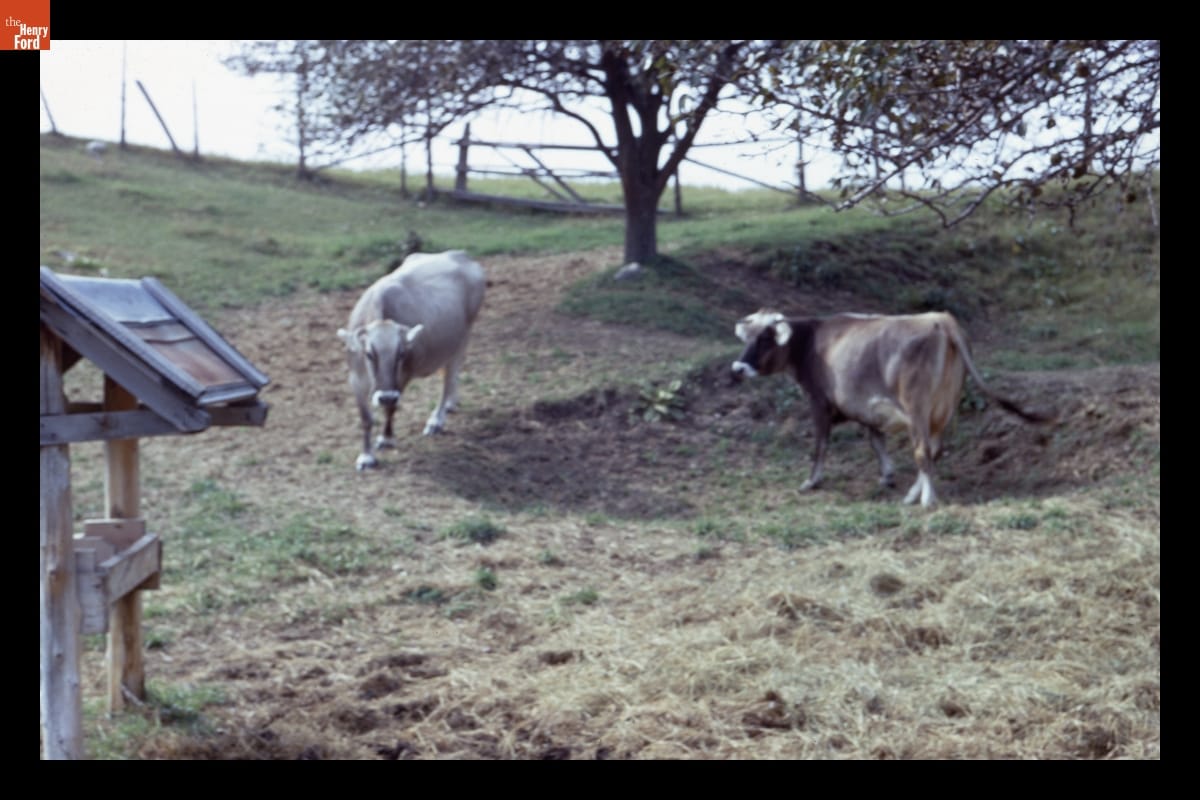
- 1960-1965
- Collections - Artifact
Brown Swiss Dairy Cows, 1960-1965
- Paintings, Cows (Max Hermann), 1890-1915 - In 1890, Jenny Young Chandler, 25 years old and recently widowed, began working for the <EM>New York Herald</EM>. As a photojournalist and feature writer, Chandler captured life in Brooklyn, New York, and vicinity. She also documented collections of private individuals and museums -- some of which were featured in magazine articles for collectors. By 1922, the time of her death, she had produced over 800 glass plate negatives.
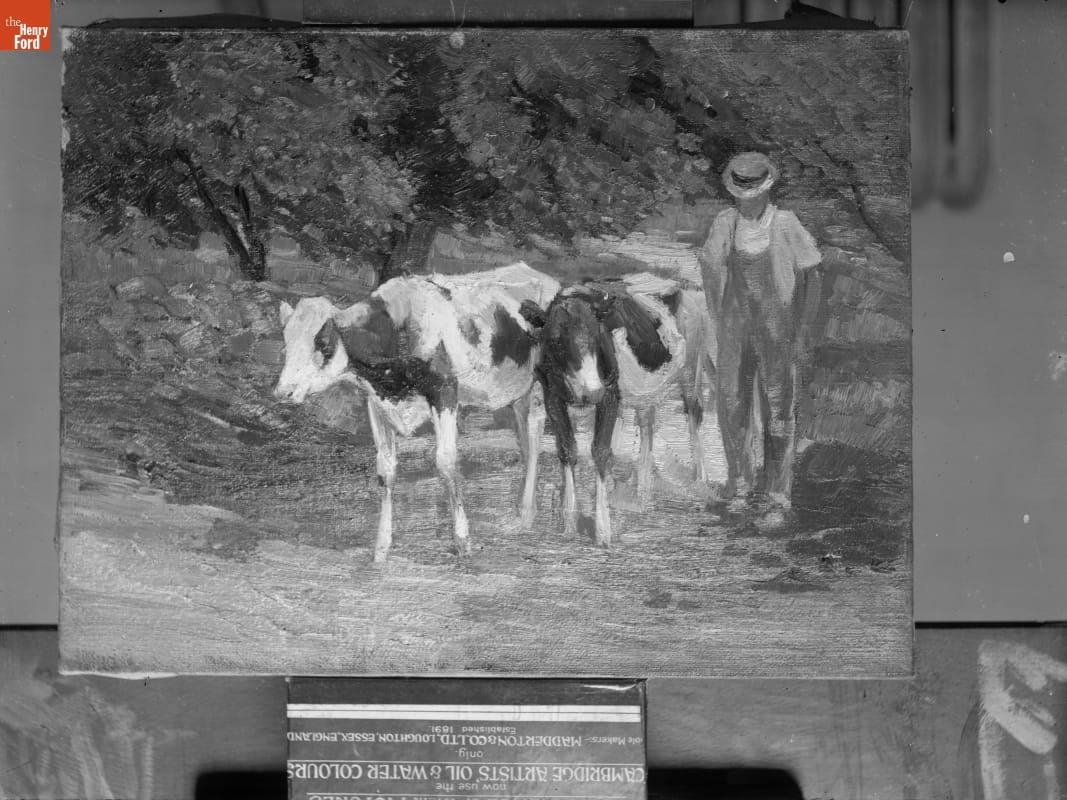
- 1890-1915
- Collections - Artifact
Paintings, Cows (Max Hermann), 1890-1915
In 1890, Jenny Young Chandler, 25 years old and recently widowed, began working for the New York Herald. As a photojournalist and feature writer, Chandler captured life in Brooklyn, New York, and vicinity. She also documented collections of private individuals and museums -- some of which were featured in magazine articles for collectors. By 1922, the time of her death, she had produced over 800 glass plate negatives.
- Brown Swiss Dairy Cow, 1960-1965 -
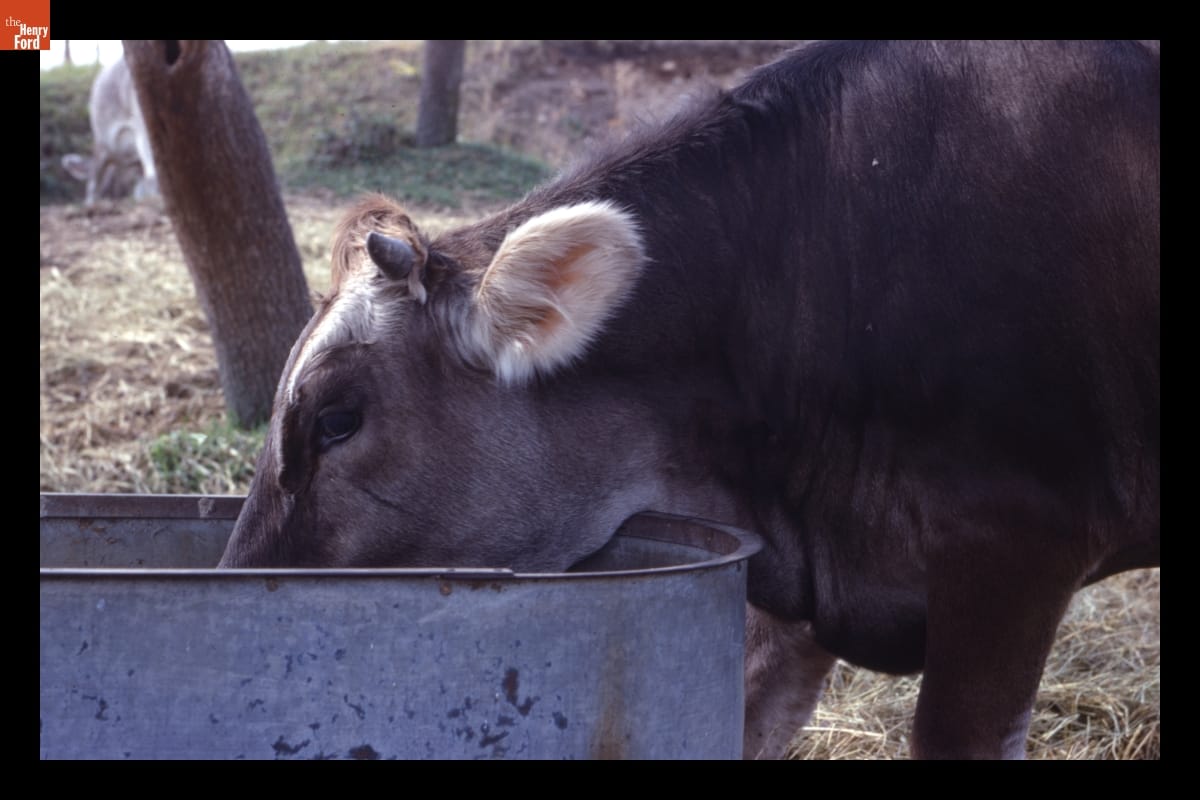
- 1960-1965
- Collections - Artifact
Brown Swiss Dairy Cow, 1960-1965
- Woman Milking a Cow, circa 1890 -
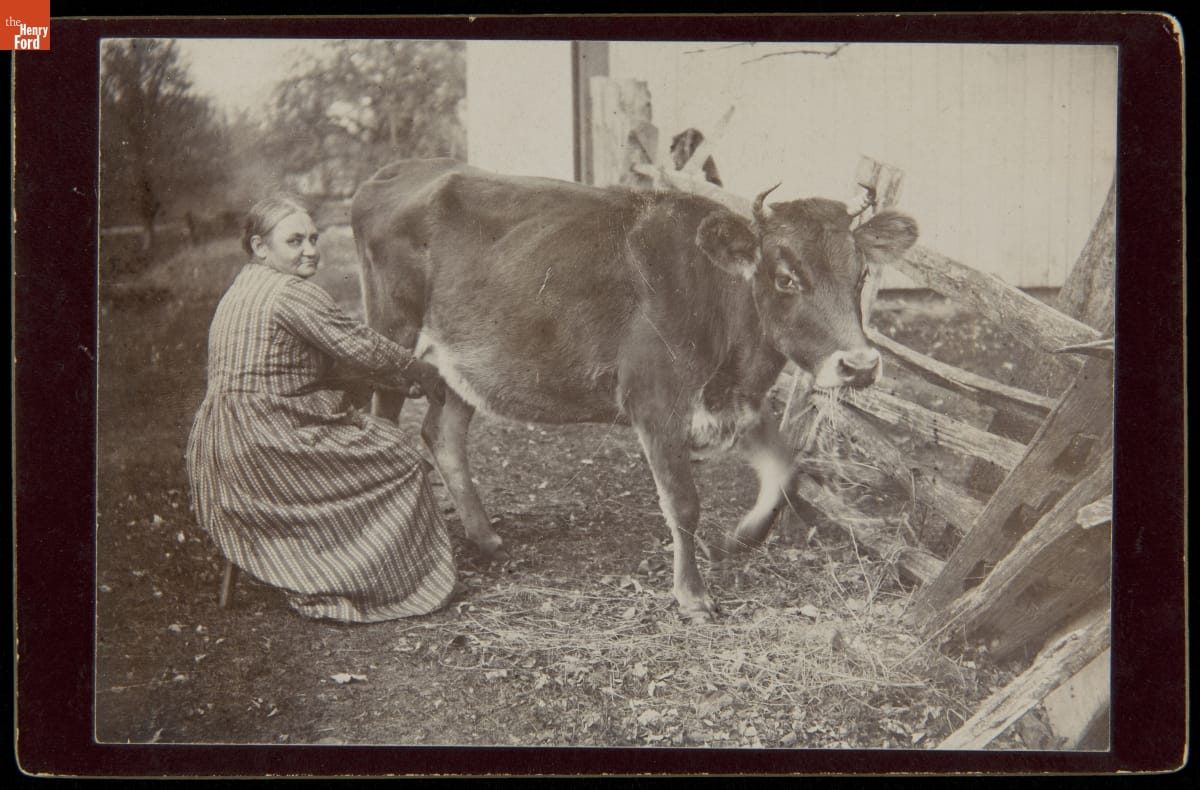
- circa 1890
- Collections - Artifact
Woman Milking a Cow, circa 1890