
Search
- Edison Electric Pen, circa 1877 - Thomas Edison's electric pen, an ancestor of both the mimeograph and the tattoo needle, was a successful product in the mid-1870s. Users would write normally with the pen, which, instead of a nib, had a needle powered by an electric motor. The needle poked holes into a stencil, which was then used to copy the document. Many businesses found document duplication an attractive possibility.
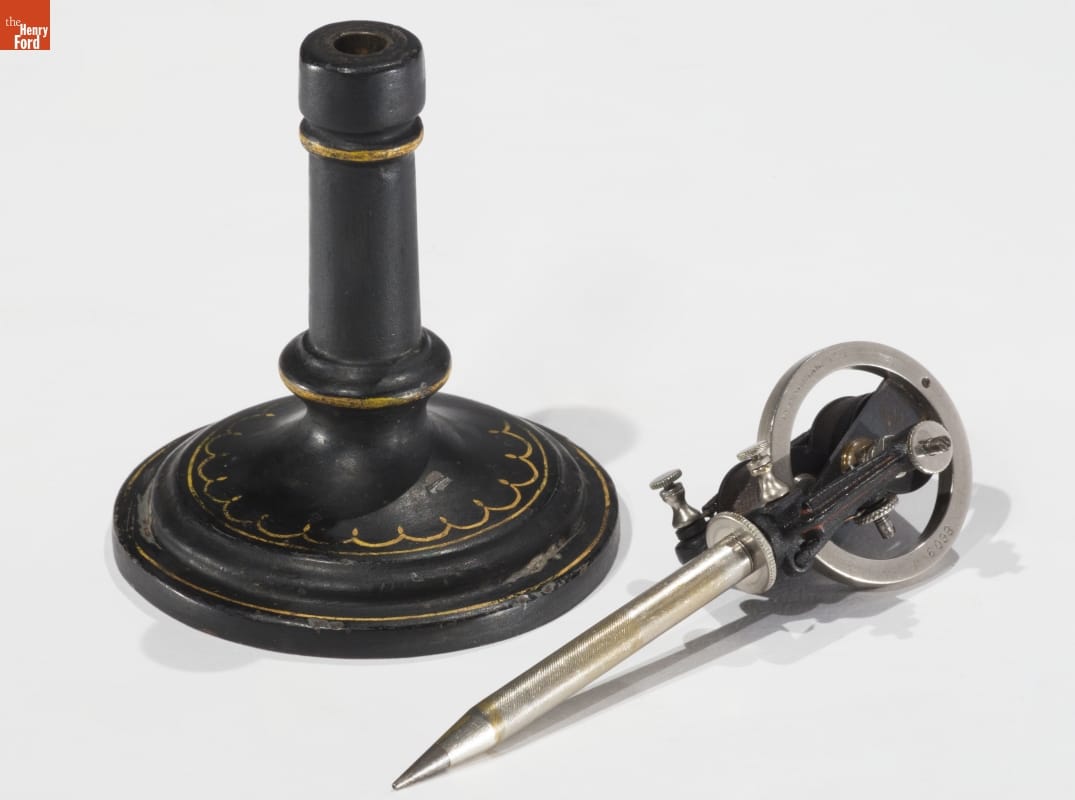
- circa 1877
- Collections - Artifact
Edison Electric Pen, circa 1877
Thomas Edison's electric pen, an ancestor of both the mimeograph and the tattoo needle, was a successful product in the mid-1870s. Users would write normally with the pen, which, instead of a nib, had a needle powered by an electric motor. The needle poked holes into a stencil, which was then used to copy the document. Many businesses found document duplication an attractive possibility.
- Edison Electric Pen, circa 1877 - Thomas Edison's electric pen, an ancestor of both the mimeograph and the tattoo needle, was a successful product in the mid-1870s. Users would write normally with the pen, which, instead of a nib, had a needle powered by an electric motor. The needle poked holes into a stencil, which was then used to copy the document. Many businesses found document duplication an attractive possibility.
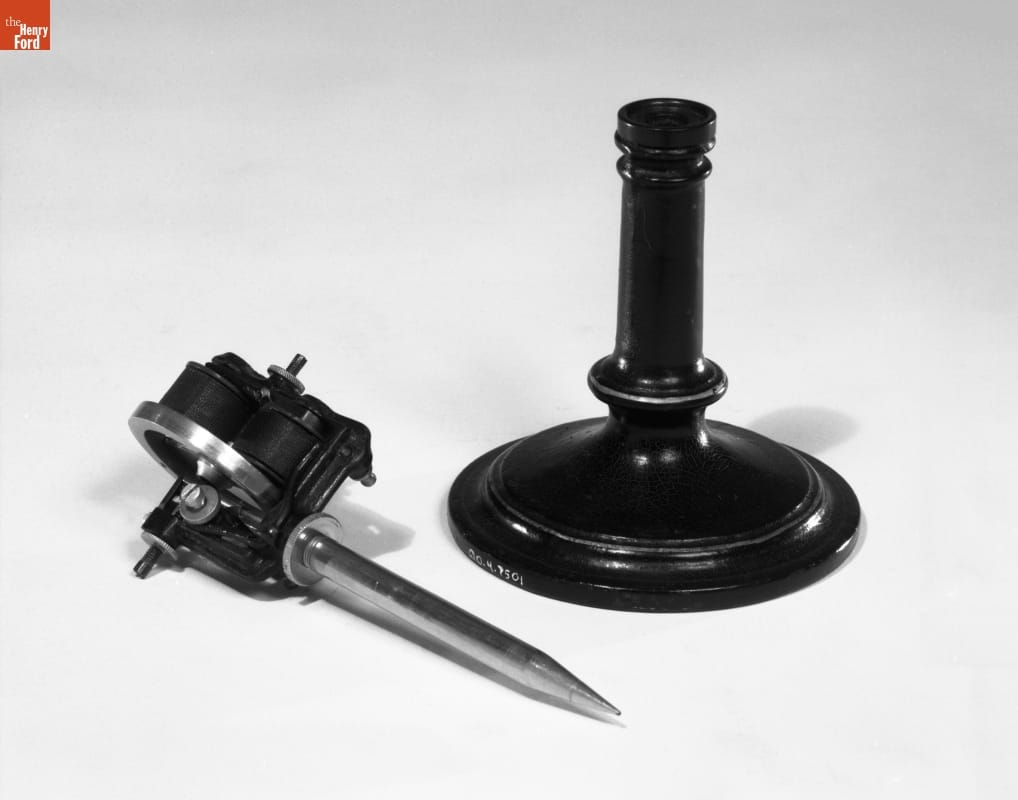
- circa 1877
- Collections - Artifact
Edison Electric Pen, circa 1877
Thomas Edison's electric pen, an ancestor of both the mimeograph and the tattoo needle, was a successful product in the mid-1870s. Users would write normally with the pen, which, instead of a nib, had a needle powered by an electric motor. The needle poked holes into a stencil, which was then used to copy the document. Many businesses found document duplication an attractive possibility.
- Edison Electric Pen, circa 1877 - Thomas Edison's electric pen, an ancestor of both the mimeograph and the tattoo needle, was a successful product in the mid-1870s. Users would write normally with the pen, which, instead of a nib, had a needle powered by an electric motor. The needle poked holes into a stencil, which was then used to copy the document. Many businesses found document duplication an attractive possibility.
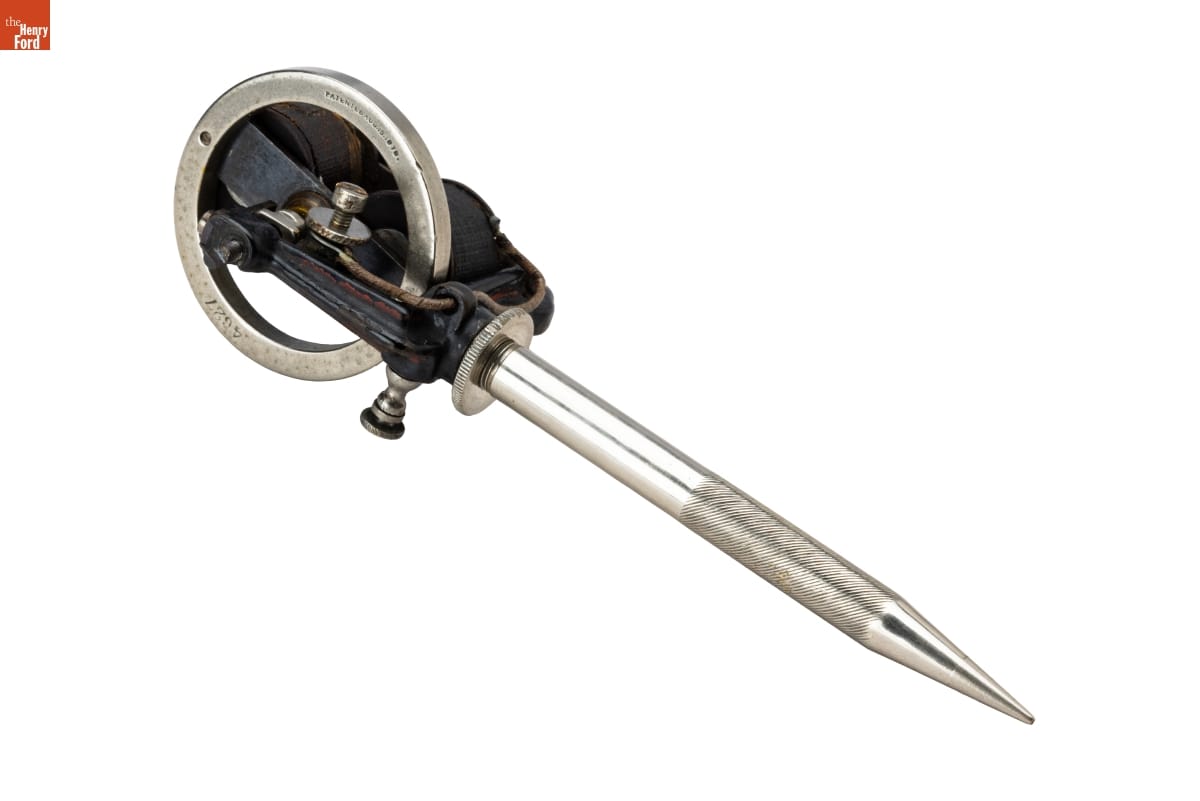
- circa 1877
- Collections - Artifact
Edison Electric Pen, circa 1877
Thomas Edison's electric pen, an ancestor of both the mimeograph and the tattoo needle, was a successful product in the mid-1870s. Users would write normally with the pen, which, instead of a nib, had a needle powered by an electric motor. The needle poked holes into a stencil, which was then used to copy the document. Many businesses found document duplication an attractive possibility.
- Edison Electric Pen Base, circa 1877 - Thomas Edison's electric pen, an ancestor of both the mimeograph and the tattoo needle, was a successful product in the mid-1870s. Users would write normally with the pen, which, instead of a nib, had a needle powered by an electric motor. The needle poked holes into a stencil, which was then used to copy the document. Many businesses found document duplication an attractive possibility.
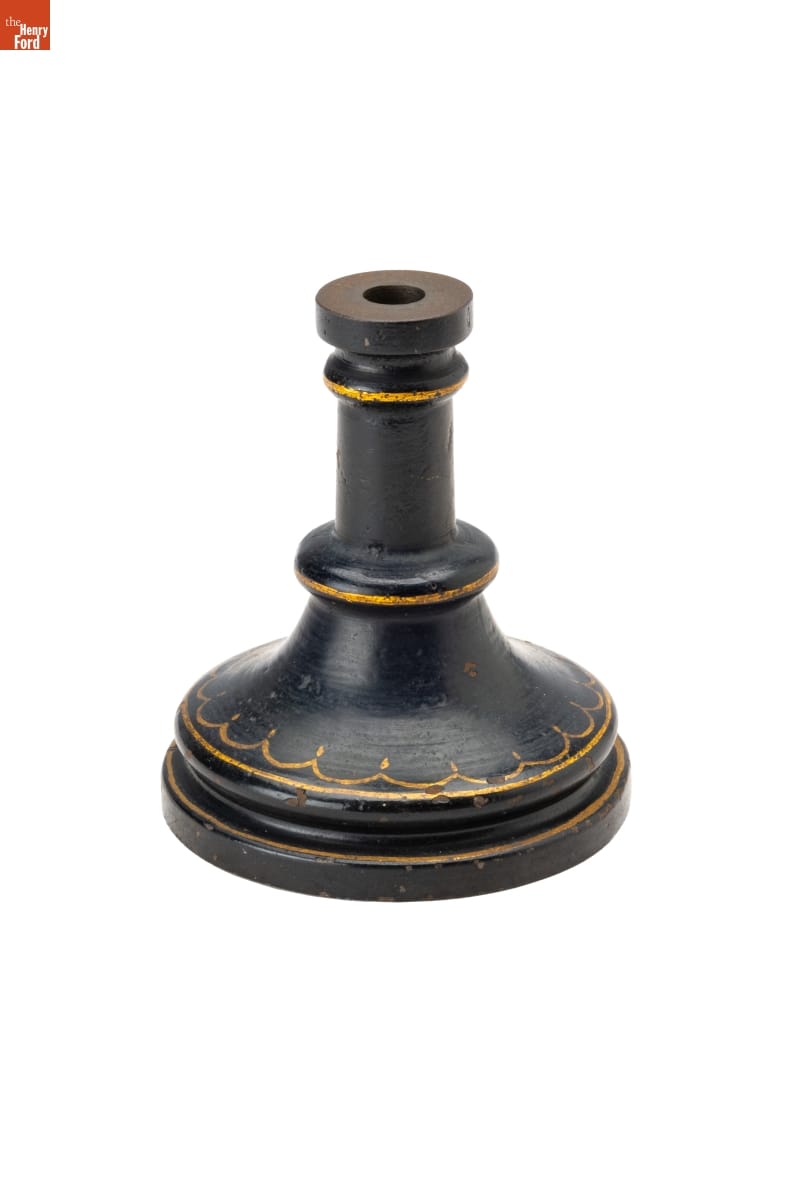
- circa 1877
- Collections - Artifact
Edison Electric Pen Base, circa 1877
Thomas Edison's electric pen, an ancestor of both the mimeograph and the tattoo needle, was a successful product in the mid-1870s. Users would write normally with the pen, which, instead of a nib, had a needle powered by an electric motor. The needle poked holes into a stencil, which was then used to copy the document. Many businesses found document duplication an attractive possibility.
- Edison Electric Pen Press, 1875-1880 -
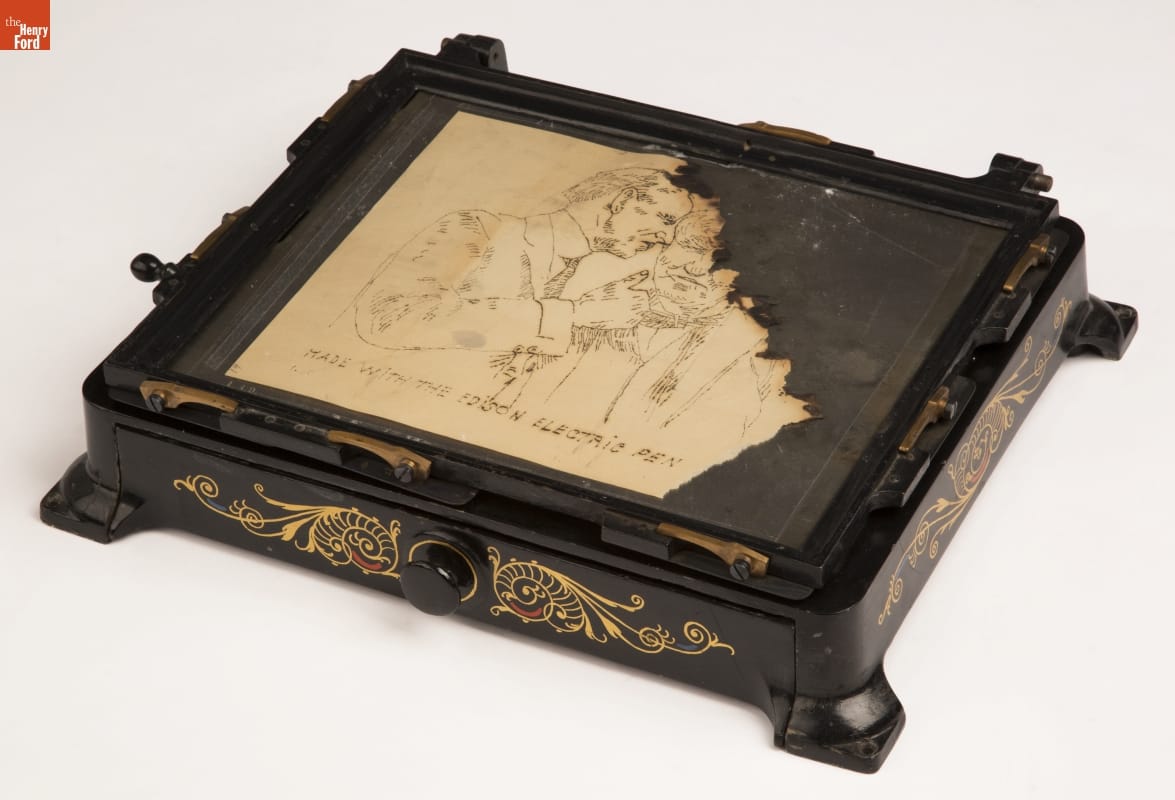
- 1875-1880
- Collections - Artifact
Edison Electric Pen Press, 1875-1880
- Edison Electric Pen Press, 1875-1880 -
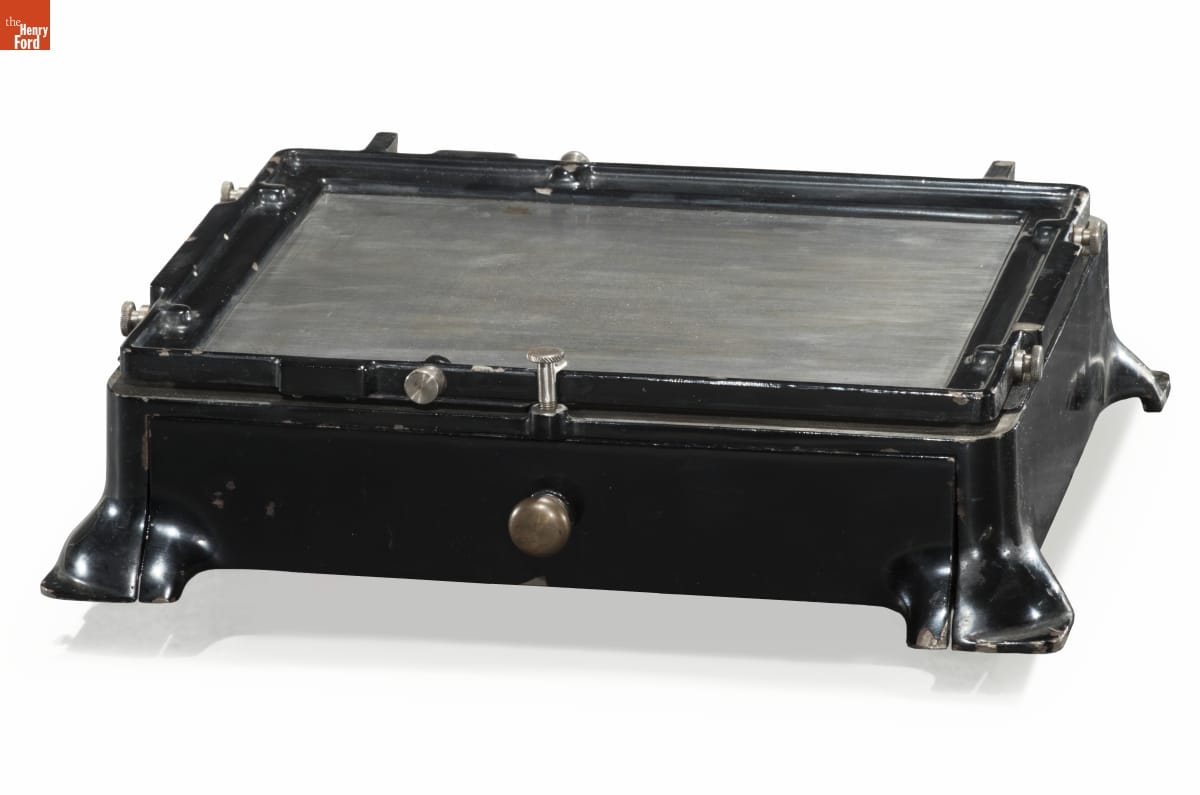
- 1875-1880
- Collections - Artifact
Edison Electric Pen Press, 1875-1880
- Edison's Autographic Press and Electric Pen, 1875-1880 - Thomas Edison's electric pen, an ancestor of both the mimeograph and the tattoo needle, was a successful product in the mid-1870s. Users would write normally with the pen, which, instead of a nib, had a needle powered by an electric motor. The needle poked holes into a stencil, which was then used to copy the document. Many businesses found document duplication an attractive possibility.
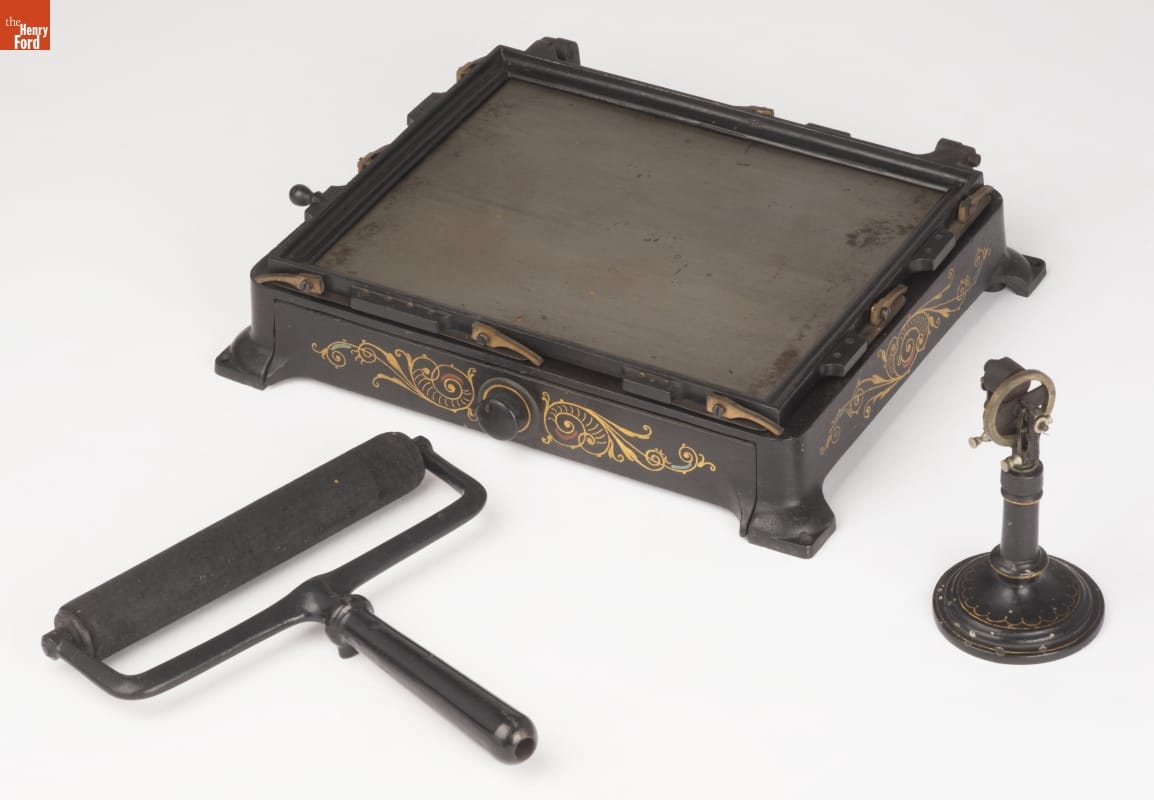
- 1875-1880
- Collections - Artifact
Edison's Autographic Press and Electric Pen, 1875-1880
Thomas Edison's electric pen, an ancestor of both the mimeograph and the tattoo needle, was a successful product in the mid-1870s. Users would write normally with the pen, which, instead of a nib, had a needle powered by an electric motor. The needle poked holes into a stencil, which was then used to copy the document. Many businesses found document duplication an attractive possibility.
- "Edison Electric Pen & Duplicating Press Price List," 1875-1880 -
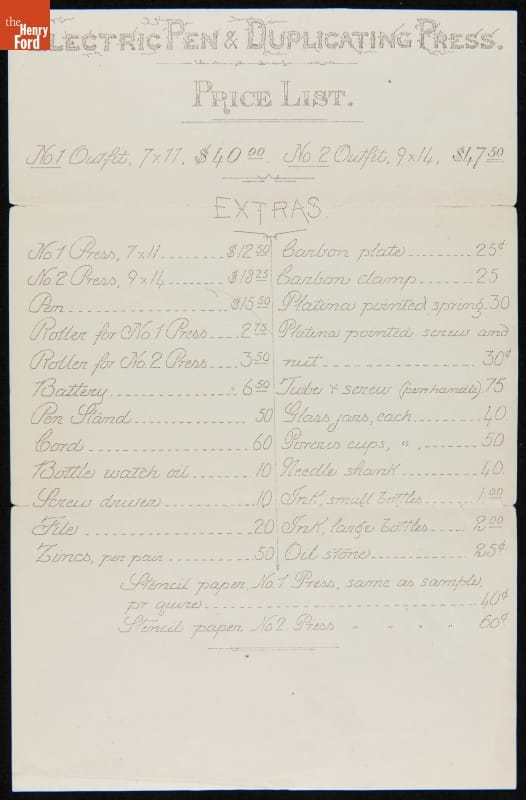
- 1875-1880
- Collections - Artifact
"Edison Electric Pen & Duplicating Press Price List," 1875-1880
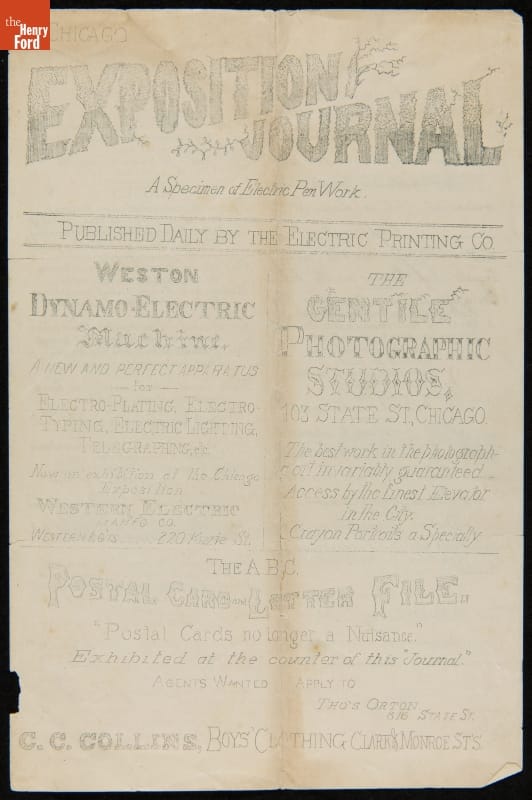
- "Chicago Exposition Journal," a "Specimen of Electric Pen Work," 1876-1877 -
- 1876-1877
- Collections - Artifact
"Chicago Exposition Journal," a "Specimen of Electric Pen Work," 1876-1877
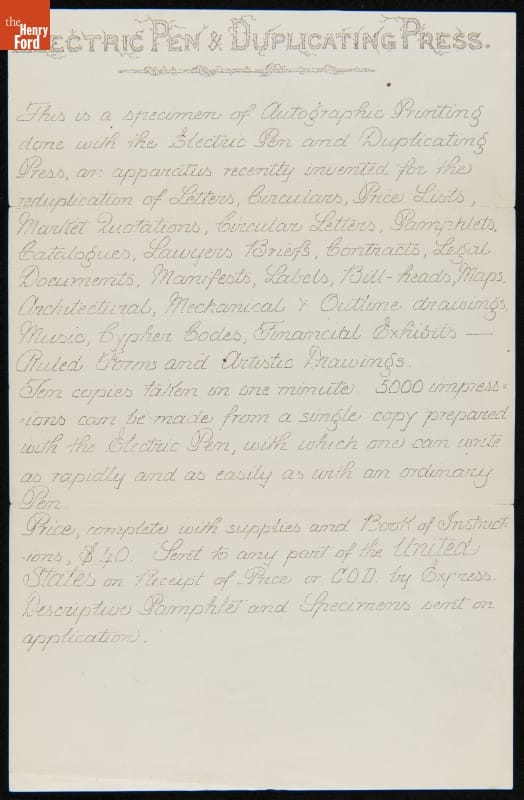
- Sample Document Created with an Edison Electric Pen and Duplicating Press, 1875-1880 -
- 1875-1880
- Collections - Artifact
Sample Document Created with an Edison Electric Pen and Duplicating Press, 1875-1880