
Search
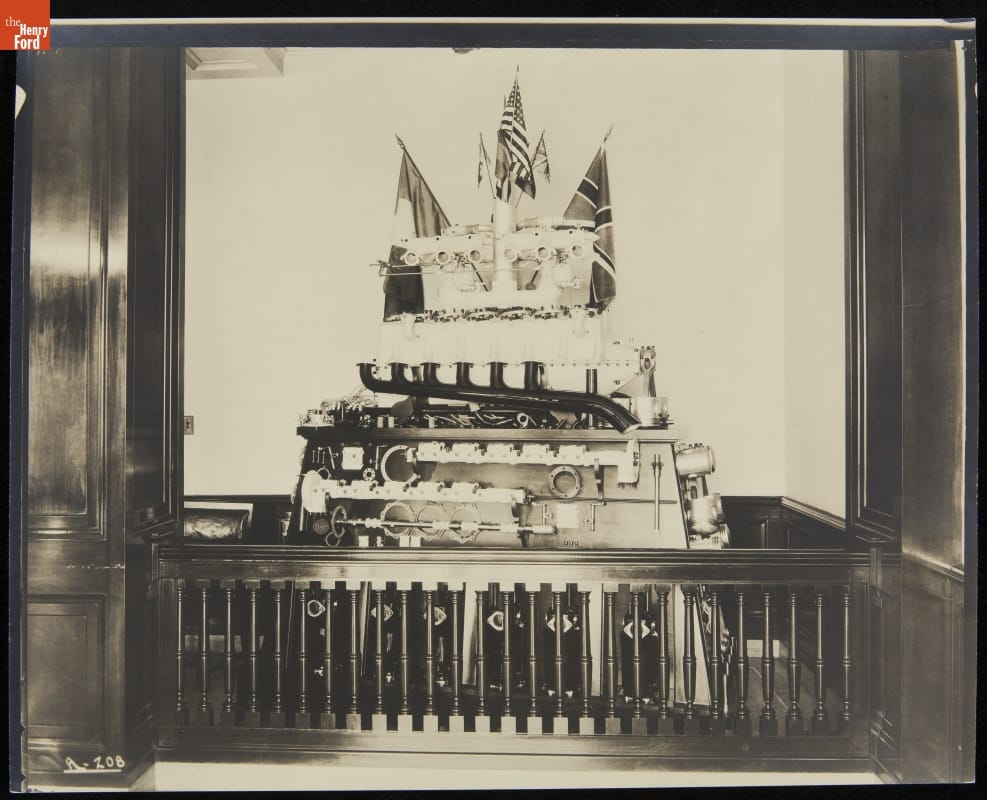
- Liberty Engine on Display with Flags, 1918 - When the United States entered World War I, American automobile companies turned some of their manufacturing capacity to the production of war materiel. Buick, Cadillac, Ford, Lincoln, Marmon, and Packard all built Liberty V-12 aircraft engines for the Allied Powers. More than 20,000 Liberty engines were manufactured -- almost all of them by automakers.
- circa 1918
- Collections - Artifact
Liberty Engine on Display with Flags, 1918
When the United States entered World War I, American automobile companies turned some of their manufacturing capacity to the production of war materiel. Buick, Cadillac, Ford, Lincoln, Marmon, and Packard all built Liberty V-12 aircraft engines for the Allied Powers. More than 20,000 Liberty engines were manufactured -- almost all of them by automakers.
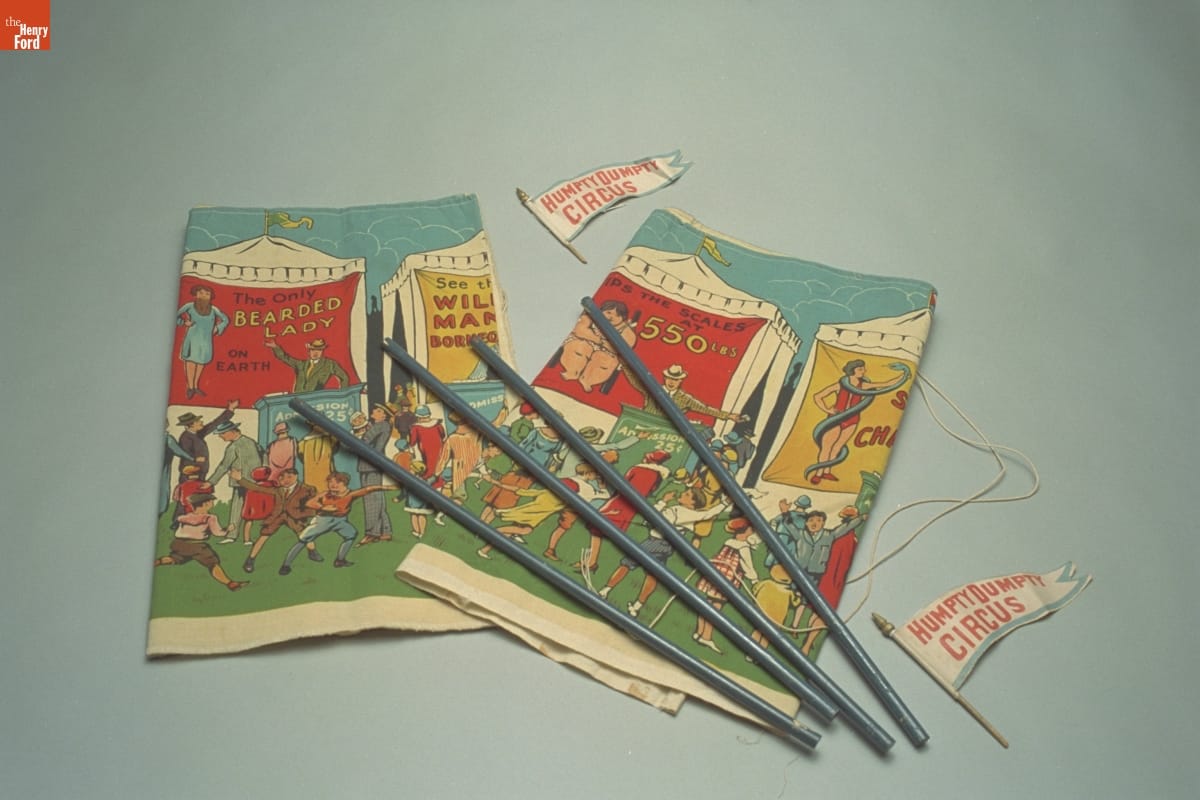
- Humpty Dumpty Circus Flags and Banners, 1929-1930 - German immigrant Albert Schoenhut first patented the Humpty Dumpty Circus in 1903. He followed the high-quality tradition of German toymakers in manufacturing the many unusual and complex pieces for this toy circus. The jointed heads, arms, and legs on the wooden animals and figures used elasticized cords, which allowed them to be posed.
- 1929-1930
- Collections - Artifact
Humpty Dumpty Circus Flags and Banners, 1929-1930
German immigrant Albert Schoenhut first patented the Humpty Dumpty Circus in 1903. He followed the high-quality tradition of German toymakers in manufacturing the many unusual and complex pieces for this toy circus. The jointed heads, arms, and legs on the wooden animals and figures used elasticized cords, which allowed them to be posed.
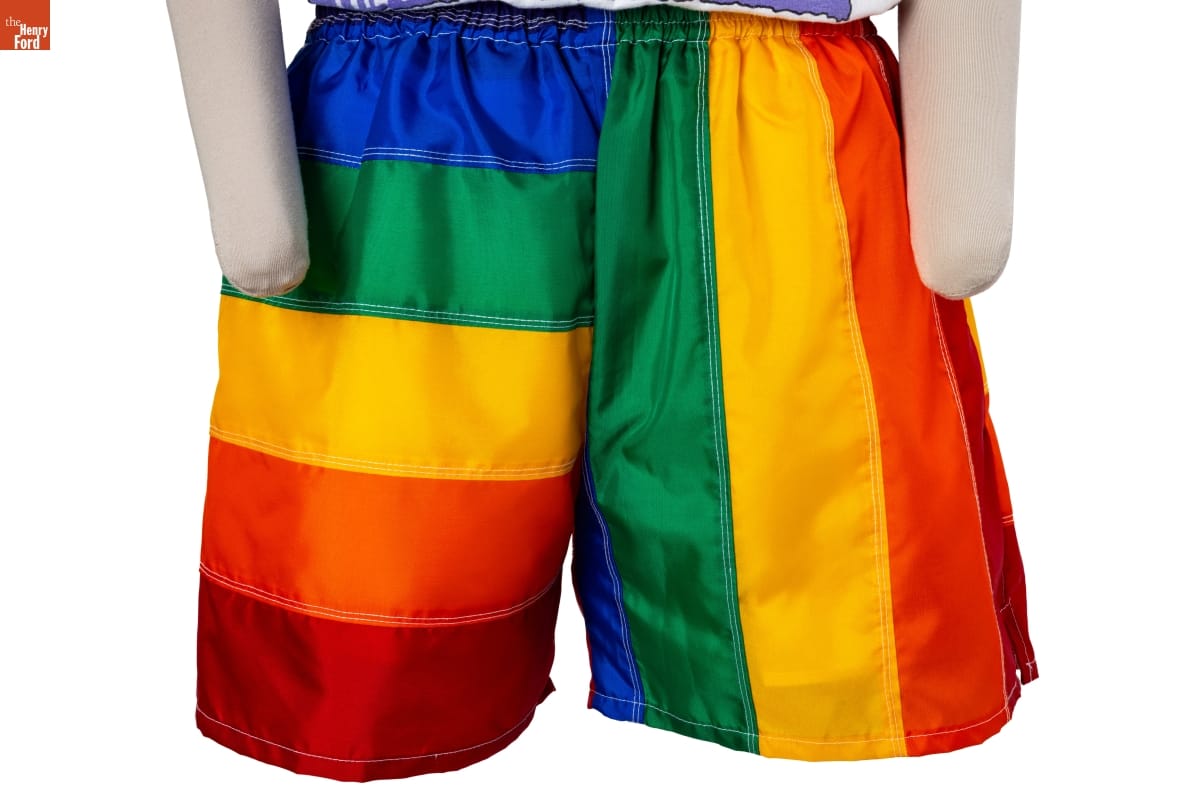
- Pride Flag Shorts, 1993 -
- 1993
- Collections - Artifact
Pride Flag Shorts, 1993
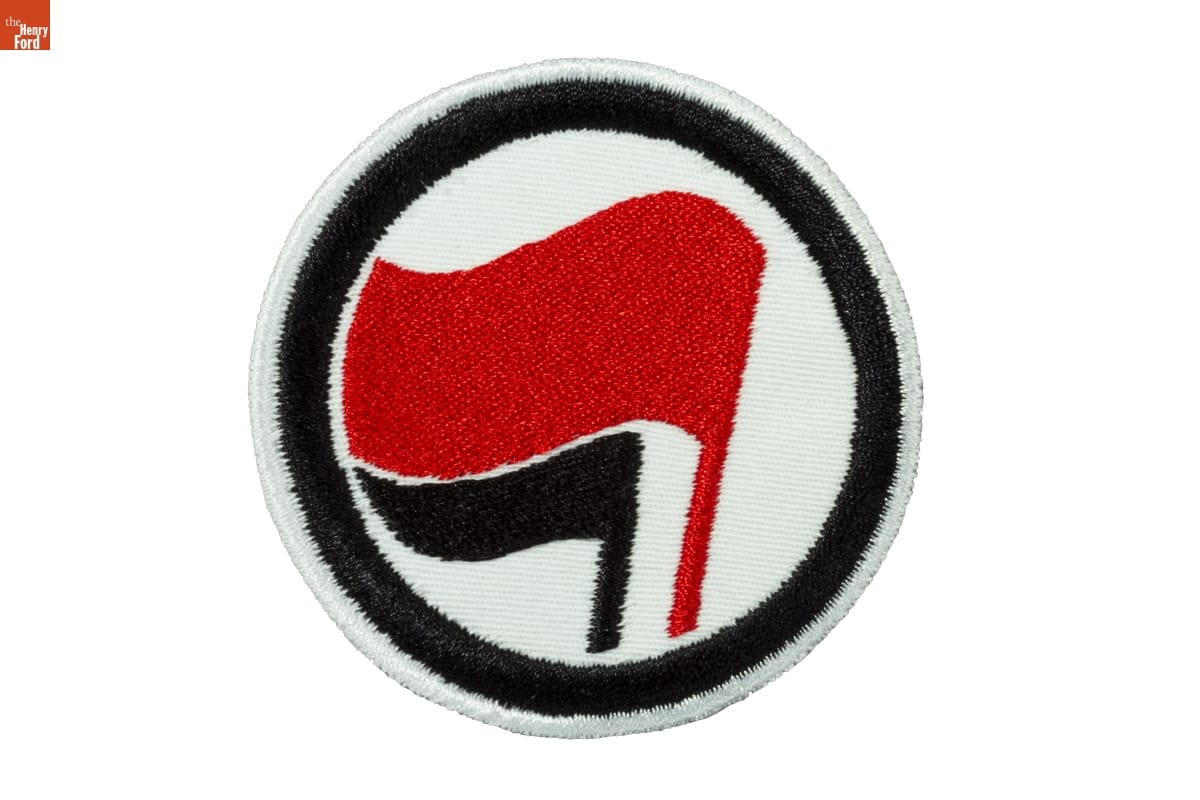
- Antifa Flag Patch, 2020 - Antifa is a political movement comprised of anti-fascist, anti-racist, leftist activists. Anti-fascist movements mobilized in the 1920s to oppose Benito Mussolini. The contemporary antifa movement is closely related to the 1970s-80s punk scene, which sought to limit the infiltration of white power groups. This patch is based on a 1932 antifa recruitment poster by Max Gebhard and Max Keilson.
- 2020
- Collections - Artifact
Antifa Flag Patch, 2020
Antifa is a political movement comprised of anti-fascist, anti-racist, leftist activists. Anti-fascist movements mobilized in the 1920s to oppose Benito Mussolini. The contemporary antifa movement is closely related to the 1970s-80s punk scene, which sought to limit the infiltration of white power groups. This patch is based on a 1932 antifa recruitment poster by Max Gebhard and Max Keilson.
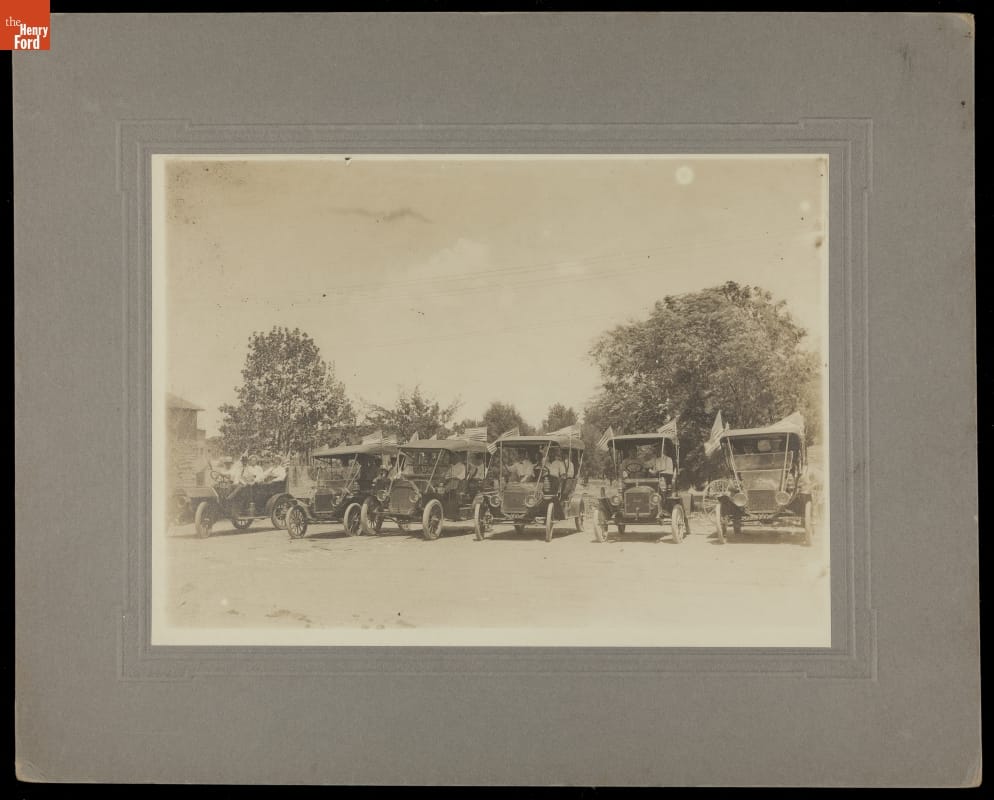
- Ford Model T Automobiles Decorated with Flags, circa 1915 - The practical and inexpensive Ford Model T was a phenomenon, appearing nearly everywhere and being used for just about everything in the 1910s and 1920s. The automobiles provided much more than a mode of transportation -- they became a part of community life. These Model Ts were the stars of a patriotic celebration around 1915.
- circa 1915
- Collections - Artifact
Ford Model T Automobiles Decorated with Flags, circa 1915
The practical and inexpensive Ford Model T was a phenomenon, appearing nearly everywhere and being used for just about everything in the 1910s and 1920s. The automobiles provided much more than a mode of transportation -- they became a part of community life. These Model Ts were the stars of a patriotic celebration around 1915.
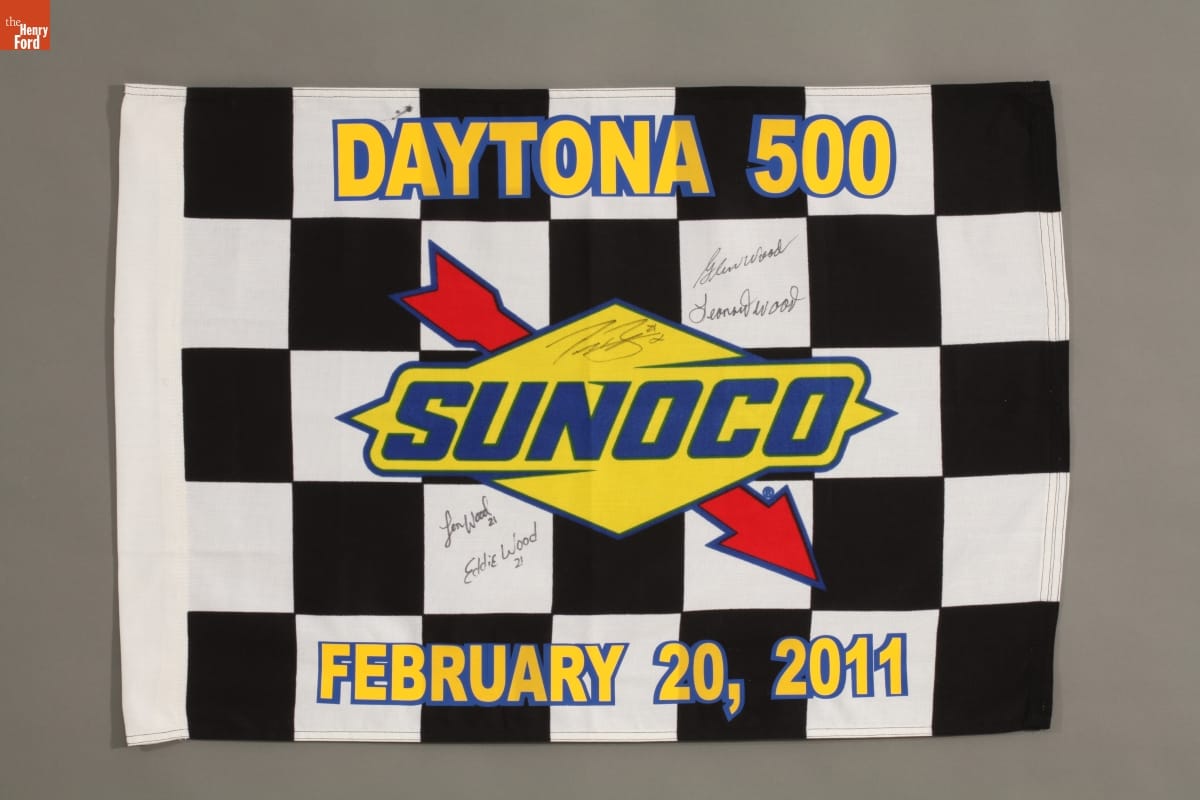
- Daytona 500 Checkered Flag, 2011 - This checkered flag ended the 2011 Daytona 500 and gave Ford's racing program its 600th NASCAR Cup Series win. Trevor Bayne drove the winning #21 Ford Fusion for Wood Brothers Racing. The team, formed in 1950, is NASCAR's oldest and uses Ford Motor Company vehicles exclusively. Bayne signed the flag, as did Glen, Leonard, Len, and Eddie Wood.
- February 20, 2011
- Collections - Artifact
Daytona 500 Checkered Flag, 2011
This checkered flag ended the 2011 Daytona 500 and gave Ford's racing program its 600th NASCAR Cup Series win. Trevor Bayne drove the winning #21 Ford Fusion for Wood Brothers Racing. The team, formed in 1950, is NASCAR's oldest and uses Ford Motor Company vehicles exclusively. Bayne signed the flag, as did Glen, Leonard, Len, and Eddie Wood.
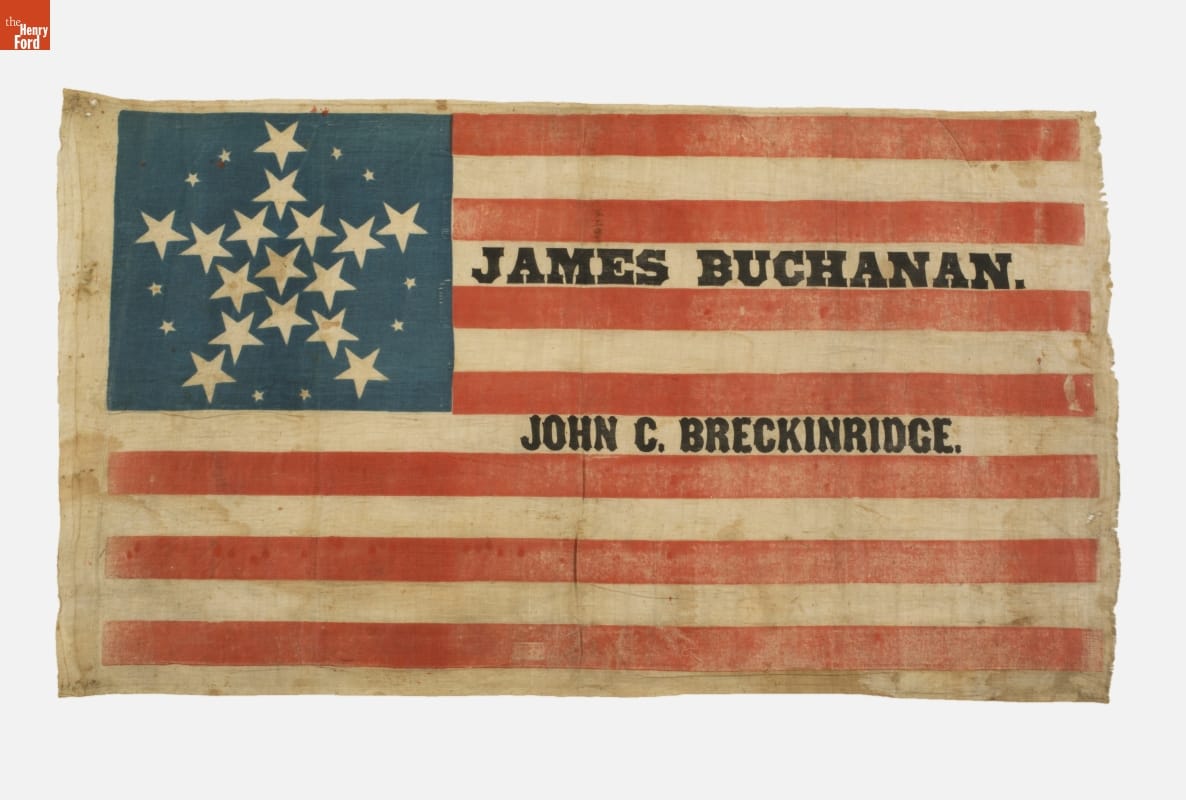
- Buchanan-Breckinridge Campaign Flag, 1856 - Democrats chose James Buchanan to head their presidential ticket in 1856. The long-serving politician seemed perfect to calm the sectional strife that gripped the nation. Buchanan hailed from non-slaveholding Pennsylvania but supported the rights of states and territories to decide whether slavery should exist within their own borders. He was elected, but divisions worsened. By the end of his presidency the country was splitting in two.
- 1856
- Collections - Artifact
Buchanan-Breckinridge Campaign Flag, 1856
Democrats chose James Buchanan to head their presidential ticket in 1856. The long-serving politician seemed perfect to calm the sectional strife that gripped the nation. Buchanan hailed from non-slaveholding Pennsylvania but supported the rights of states and territories to decide whether slavery should exist within their own borders. He was elected, but divisions worsened. By the end of his presidency the country was splitting in two.
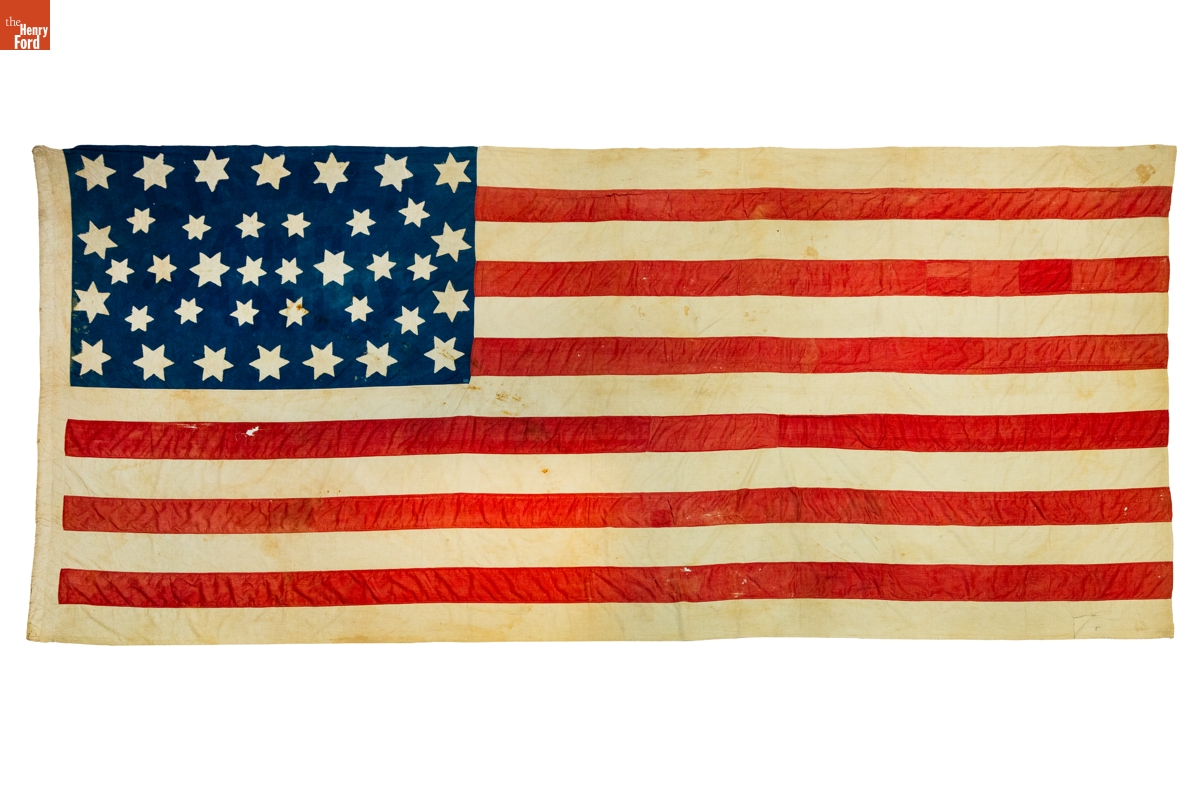
- Lincoln Campaign Flag, 1860-1865 - This flag was handmade by Lucinda McGrath of Fayette County, Indiana. Her husband, John, carried it in parades supporting Republican candidates Abraham Lincoln and Hannibal Hamlin in the 1860 presidential election. In 1865, McGrath--carrying this flag--led a group of mourners to meet Lincoln's funeral train as it passed through Indiana en route to its final stop in Springfield, Illinois.
- 1860-1865
- Collections - Artifact
Lincoln Campaign Flag, 1860-1865
This flag was handmade by Lucinda McGrath of Fayette County, Indiana. Her husband, John, carried it in parades supporting Republican candidates Abraham Lincoln and Hannibal Hamlin in the 1860 presidential election. In 1865, McGrath--carrying this flag--led a group of mourners to meet Lincoln's funeral train as it passed through Indiana en route to its final stop in Springfield, Illinois.
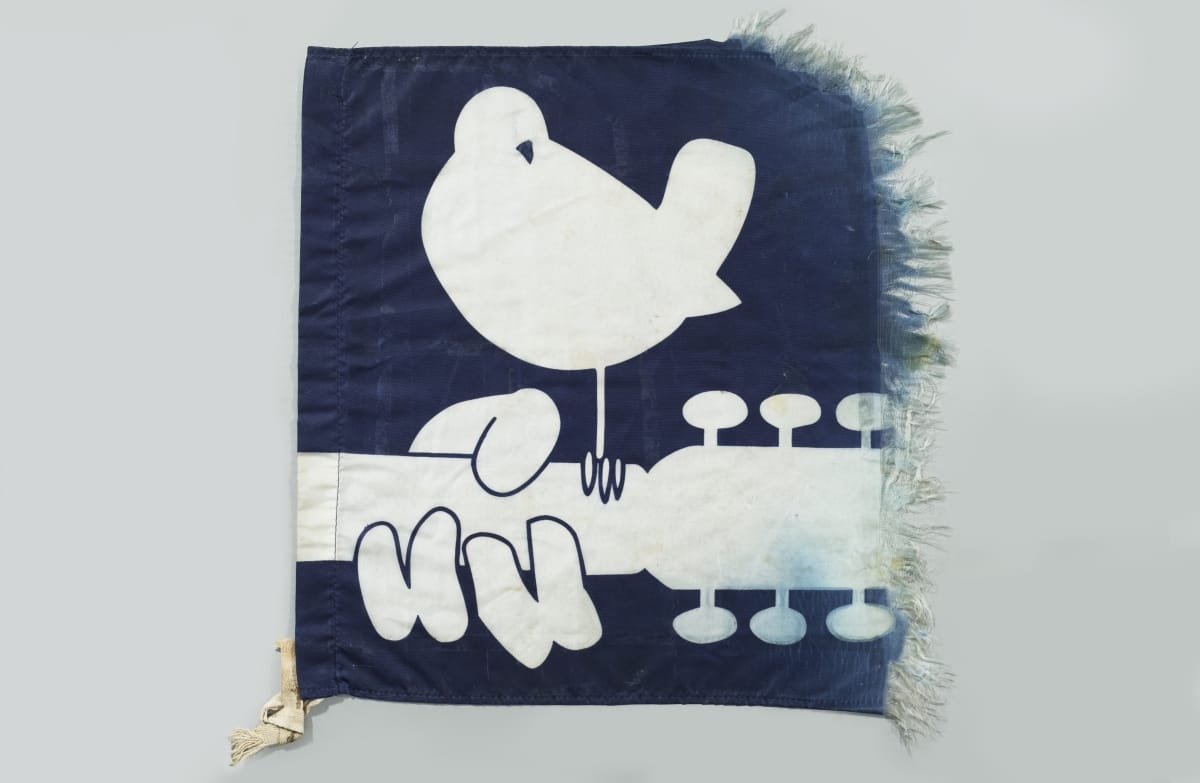
- Woodstock Music Festival Flag, 1969 - On August 15-18, 1969, over 400,000 people attended the Woodstock Music and Art Fair in Bethel, New York. Vendors, musicians, and technical crew used this flag, which features the event logo, to access the festival grounds and backstage area and to distinguish themselves from other attendees. Woodstock is often remembered as a high point of the 1960s countercultural movement.
- 1969
- Collections - Artifact
Woodstock Music Festival Flag, 1969
On August 15-18, 1969, over 400,000 people attended the Woodstock Music and Art Fair in Bethel, New York. Vendors, musicians, and technical crew used this flag, which features the event logo, to access the festival grounds and backstage area and to distinguish themselves from other attendees. Woodstock is often remembered as a high point of the 1960s countercultural movement.
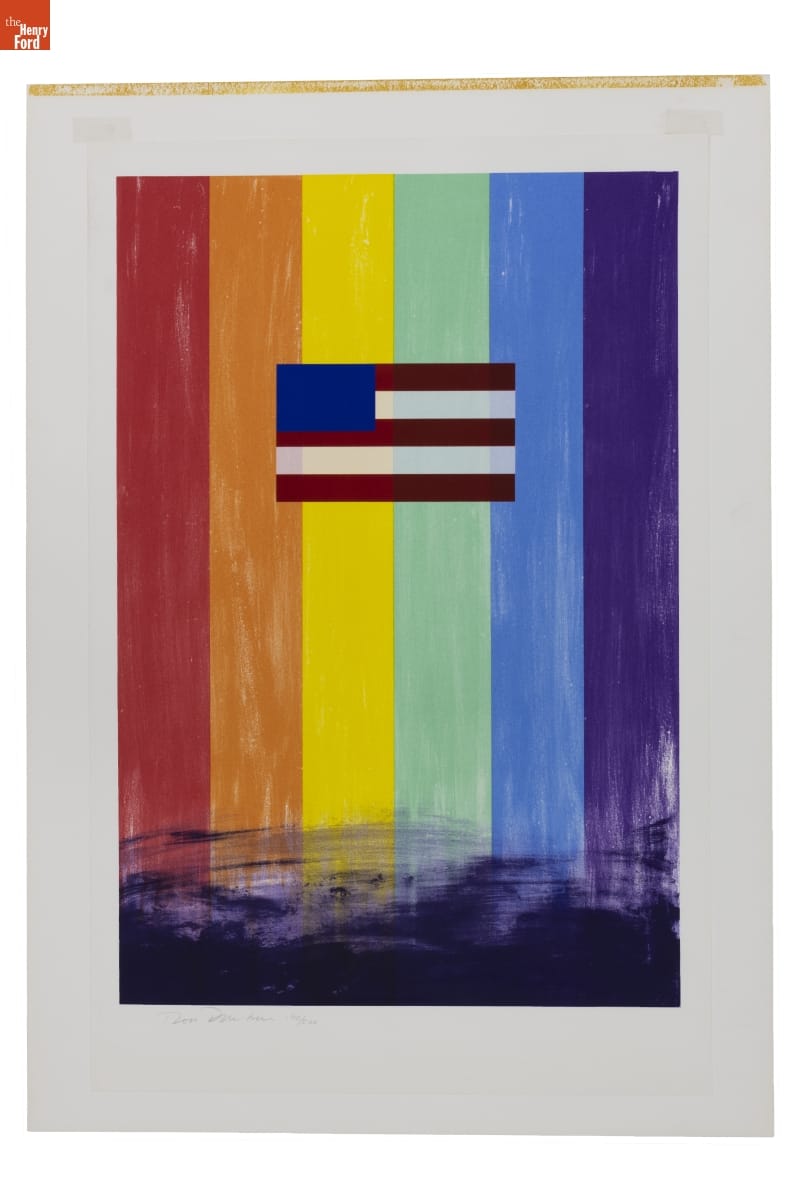
- Screen Print, "Gay Flag," 1993 - This screenprint was created by Ross Bleckner--an American artist, philanthropist, and educator who identifies as gay and Jewish. This image juxtaposes the American flag with the original 1978 Pride Flag, designed by Gilbert Baker. In the 1980s, Blecker made painting to memorialize the loss of friends and impacts to LGBTQ+ communities during the height of the AIDS crisis.
- 1993
- Collections - Artifact
Screen Print, "Gay Flag," 1993
This screenprint was created by Ross Bleckner--an American artist, philanthropist, and educator who identifies as gay and Jewish. This image juxtaposes the American flag with the original 1978 Pride Flag, designed by Gilbert Baker. In the 1980s, Blecker made painting to memorialize the loss of friends and impacts to LGBTQ+ communities during the height of the AIDS crisis.