
Search
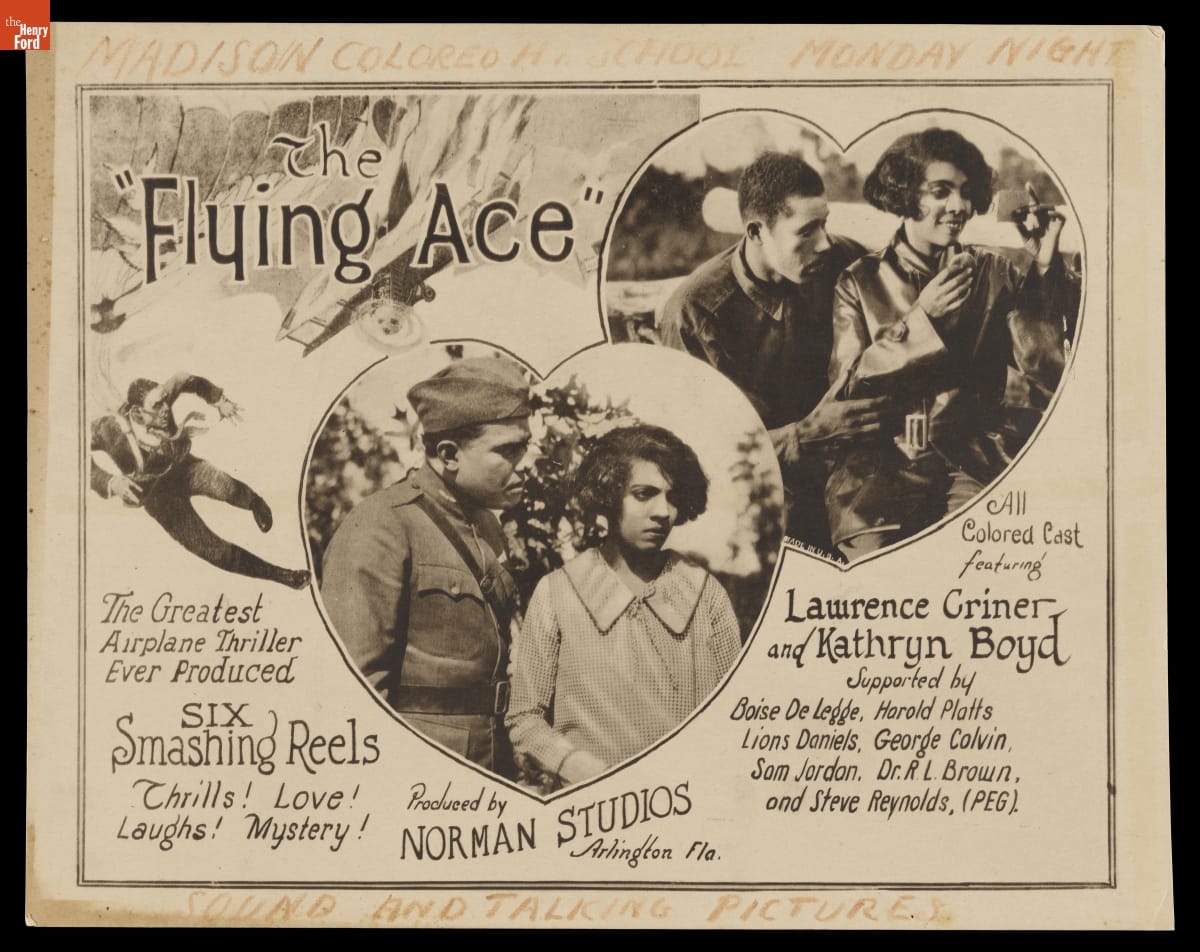
- The Flying Ace, 1926 - In the early 20th century, some independent film studios produced motion pictures for the African American market. Films made by these studios featured all-Black casts and provided actors with positive, non-stereotypical roles. Norman Studios, a white-owned company in Jacksonville, Florida, made several such films during the 1920s. This lobby card advertises its 1926 production of the film <em>The Flying Ace</em>.
- circa 1918
- Collections - Artifact
The Flying Ace, 1926
In the early 20th century, some independent film studios produced motion pictures for the African American market. Films made by these studios featured all-Black casts and provided actors with positive, non-stereotypical roles. Norman Studios, a white-owned company in Jacksonville, Florida, made several such films during the 1920s. This lobby card advertises its 1926 production of the film The Flying Ace.
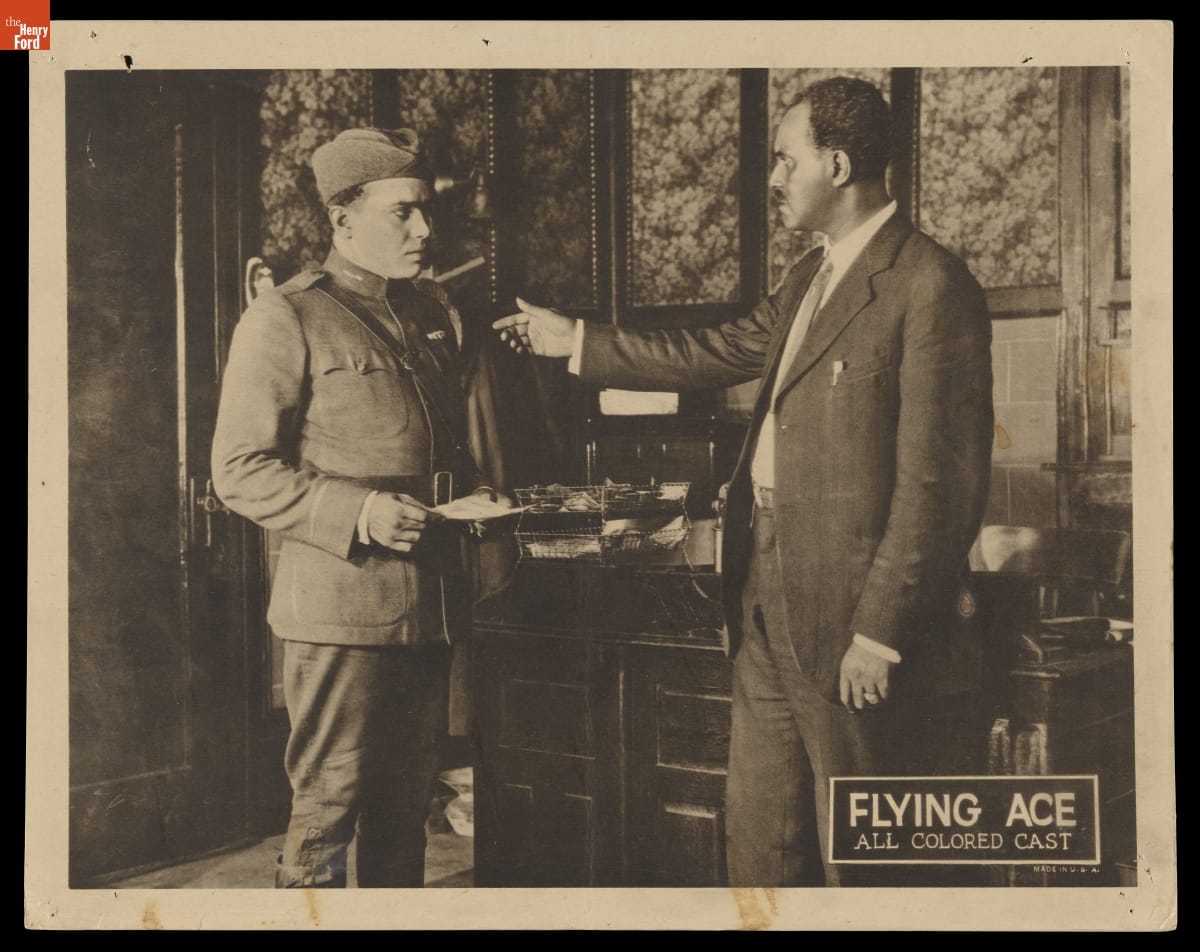
- The Flying Ace, 1926 - In the early 20th century, some independent film studios produced motion pictures for the African American market. Films made by these studios featured all-Black casts and provided actors with positive, non-stereotypical roles. Norman Studios, a white-owned company in Jacksonville, Florida, made several such films during the 1920s. This lobby card advertises its 1926 production of the film <em>The Flying Ace</em>.
- circa 1918
- Collections - Artifact
The Flying Ace, 1926
In the early 20th century, some independent film studios produced motion pictures for the African American market. Films made by these studios featured all-Black casts and provided actors with positive, non-stereotypical roles. Norman Studios, a white-owned company in Jacksonville, Florida, made several such films during the 1920s. This lobby card advertises its 1926 production of the film The Flying Ace.
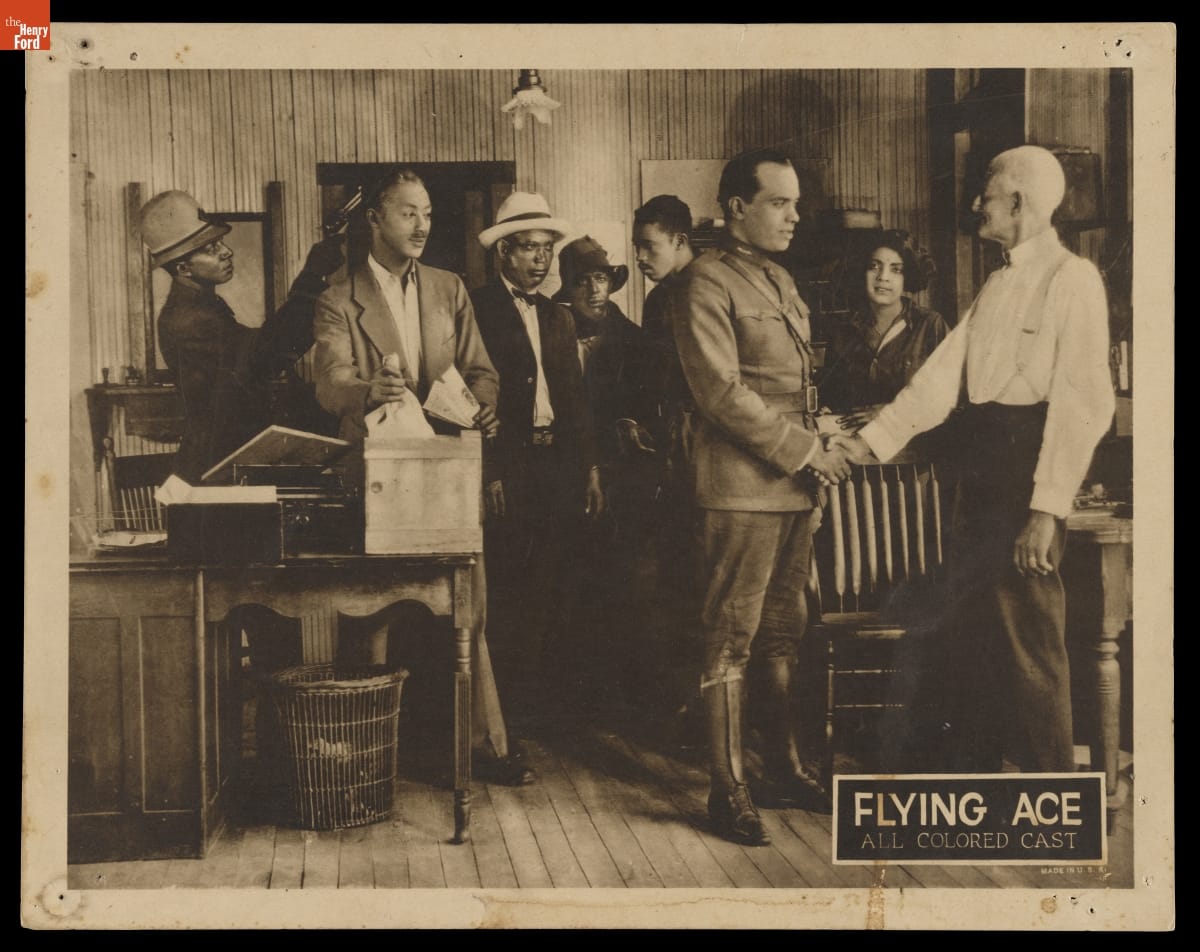
- The Flying Ace, 1926 - In the early 20th century, some independent film studios produced motion pictures for the African American market. Films made by these studios featured all-Black casts and provided actors with positive, non-stereotypical roles. Norman Studios, a white-owned company in Jacksonville, Florida, made several such films during the 1920s. This lobby card advertises its 1926 production of the film <em>The Flying Ace</em>.
- circa 1918
- Collections - Artifact
The Flying Ace, 1926
In the early 20th century, some independent film studios produced motion pictures for the African American market. Films made by these studios featured all-Black casts and provided actors with positive, non-stereotypical roles. Norman Studios, a white-owned company in Jacksonville, Florida, made several such films during the 1920s. This lobby card advertises its 1926 production of the film The Flying Ace.
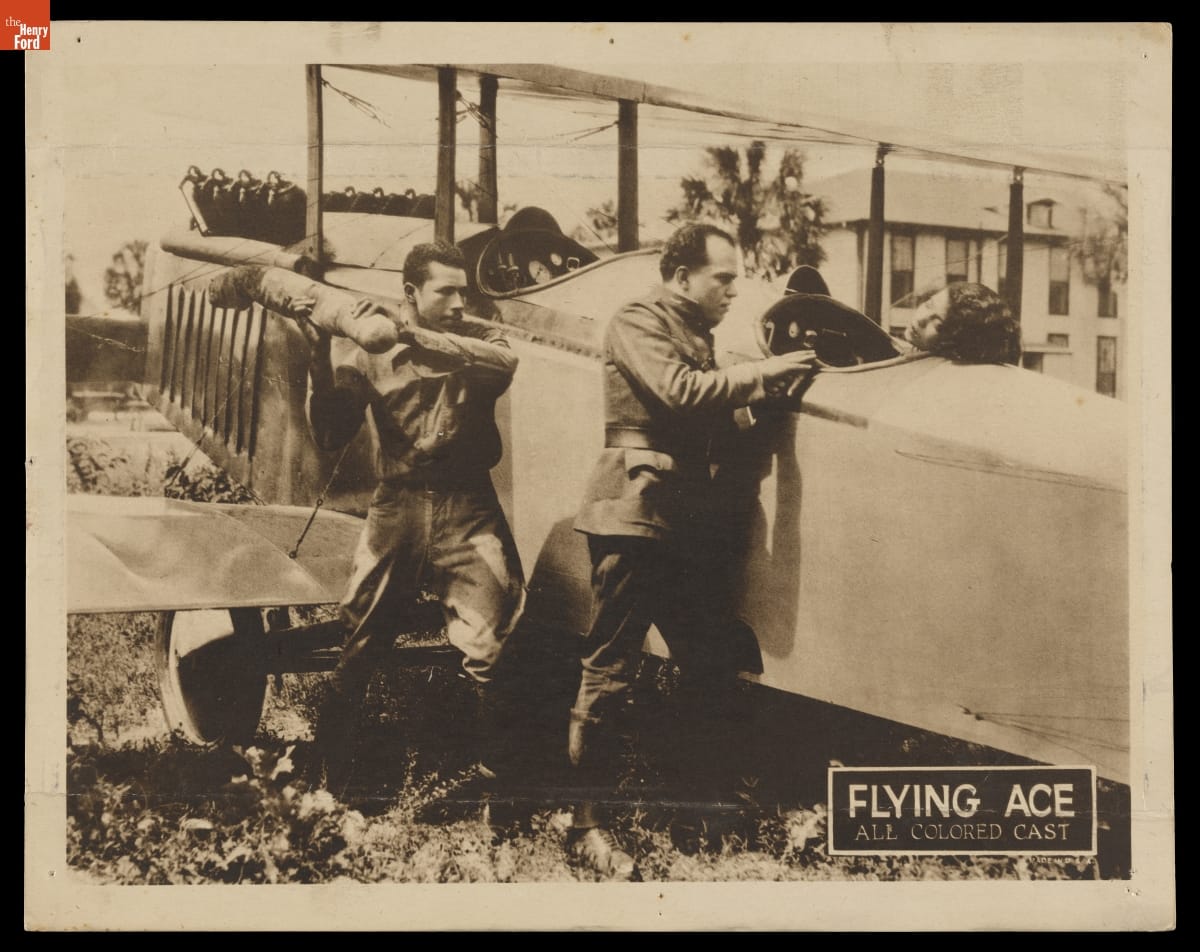
- The Flying Ace, 1926 - In the early 20th century, some independent film studios produced motion pictures for the African American market. Films made by these studios featured all-Black casts and provided actors with positive, non-stereotypical roles. Norman Studios, a white-owned company in Jacksonville, Florida, made several such films during the 1920s. This lobby card advertises its 1926 production of the film <em>The Flying Ace</em>.
- circa 1918
- Collections - Artifact
The Flying Ace, 1926
In the early 20th century, some independent film studios produced motion pictures for the African American market. Films made by these studios featured all-Black casts and provided actors with positive, non-stereotypical roles. Norman Studios, a white-owned company in Jacksonville, Florida, made several such films during the 1920s. This lobby card advertises its 1926 production of the film The Flying Ace.
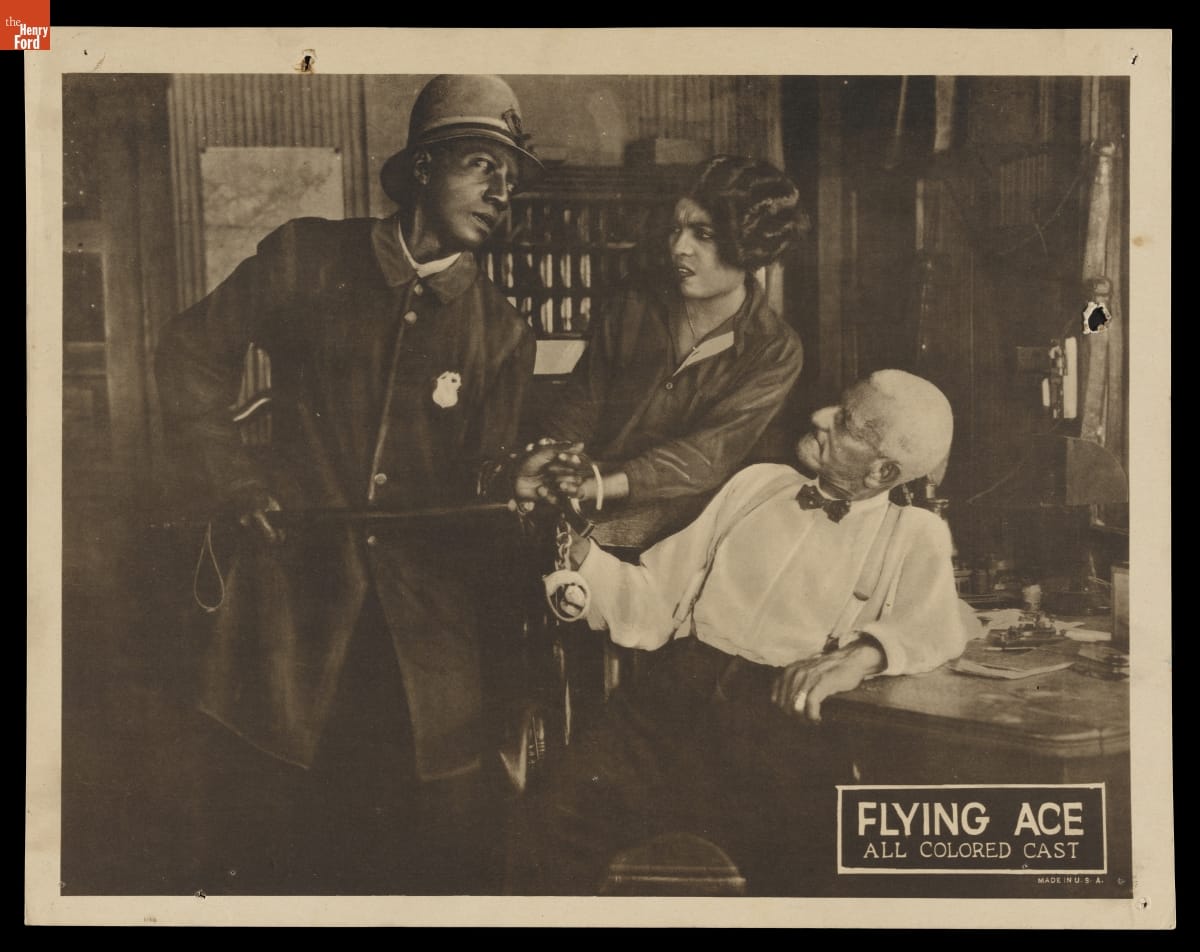
- The Flying Ace, 1926 - In the early 20th century, some independent film studios produced motion pictures for the African American market. Films made by these studios featured all-Black casts and provided actors with positive, non-stereotypical roles. Norman Studios, a white-owned company in Jacksonville, Florida, made several such films during the 1920s. This lobby card advertises its 1926 production of the film <em>The Flying Ace</em>.
- circa 1918
- Collections - Artifact
The Flying Ace, 1926
In the early 20th century, some independent film studios produced motion pictures for the African American market. Films made by these studios featured all-Black casts and provided actors with positive, non-stereotypical roles. Norman Studios, a white-owned company in Jacksonville, Florida, made several such films during the 1920s. This lobby card advertises its 1926 production of the film The Flying Ace.
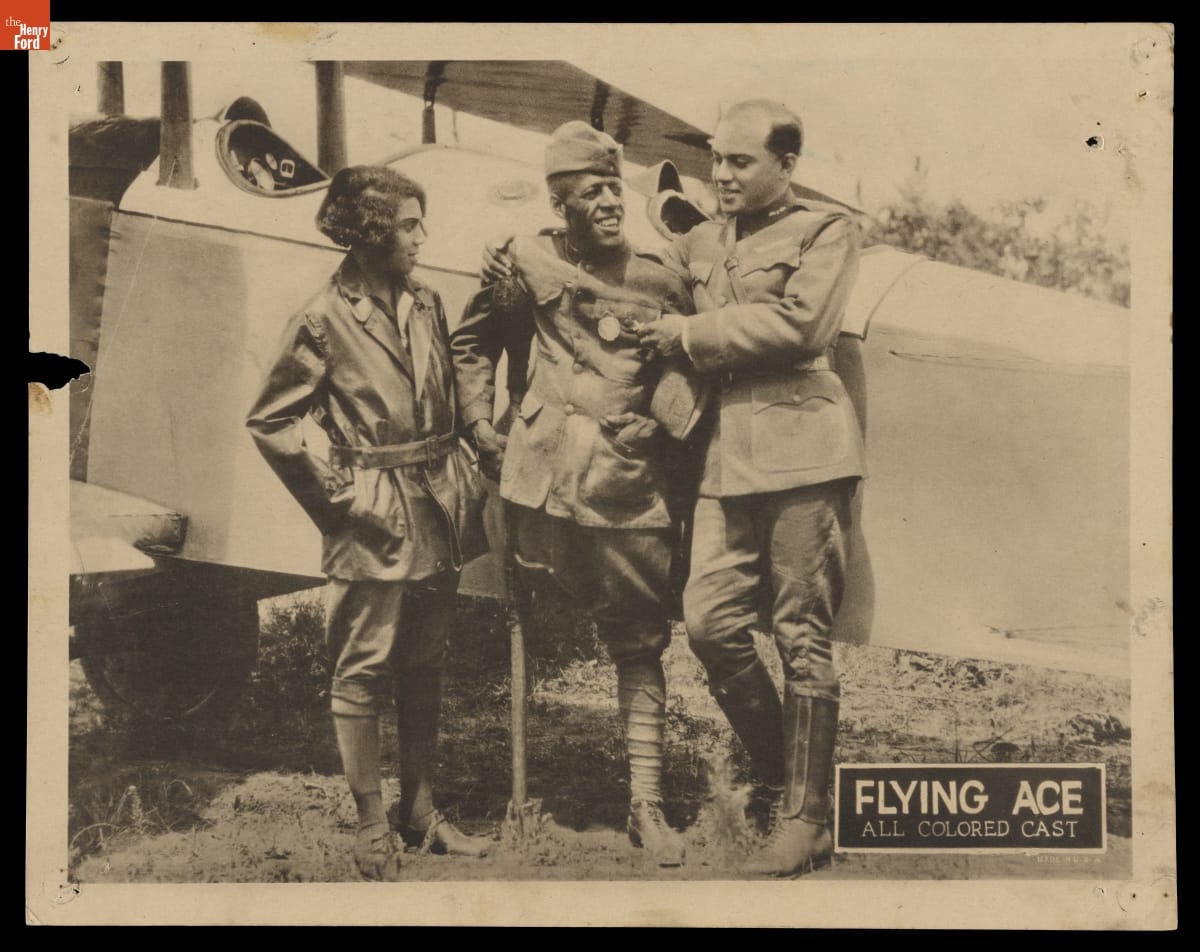
- The Flying Ace, 1926 - In the early 20th century, some independent film studios produced motion pictures for the African American market. Films made by these studios featured all-Black casts and provided actors with positive, non-stereotypical roles. Norman Studios, a white-owned company in Jacksonville, Florida, made several such films during the 1920s. This lobby card advertises its 1926 production of the film <em>The Flying Ace</em>.
- circa 1918
- Collections - Artifact
The Flying Ace, 1926
In the early 20th century, some independent film studios produced motion pictures for the African American market. Films made by these studios featured all-Black casts and provided actors with positive, non-stereotypical roles. Norman Studios, a white-owned company in Jacksonville, Florida, made several such films during the 1920s. This lobby card advertises its 1926 production of the film The Flying Ace.
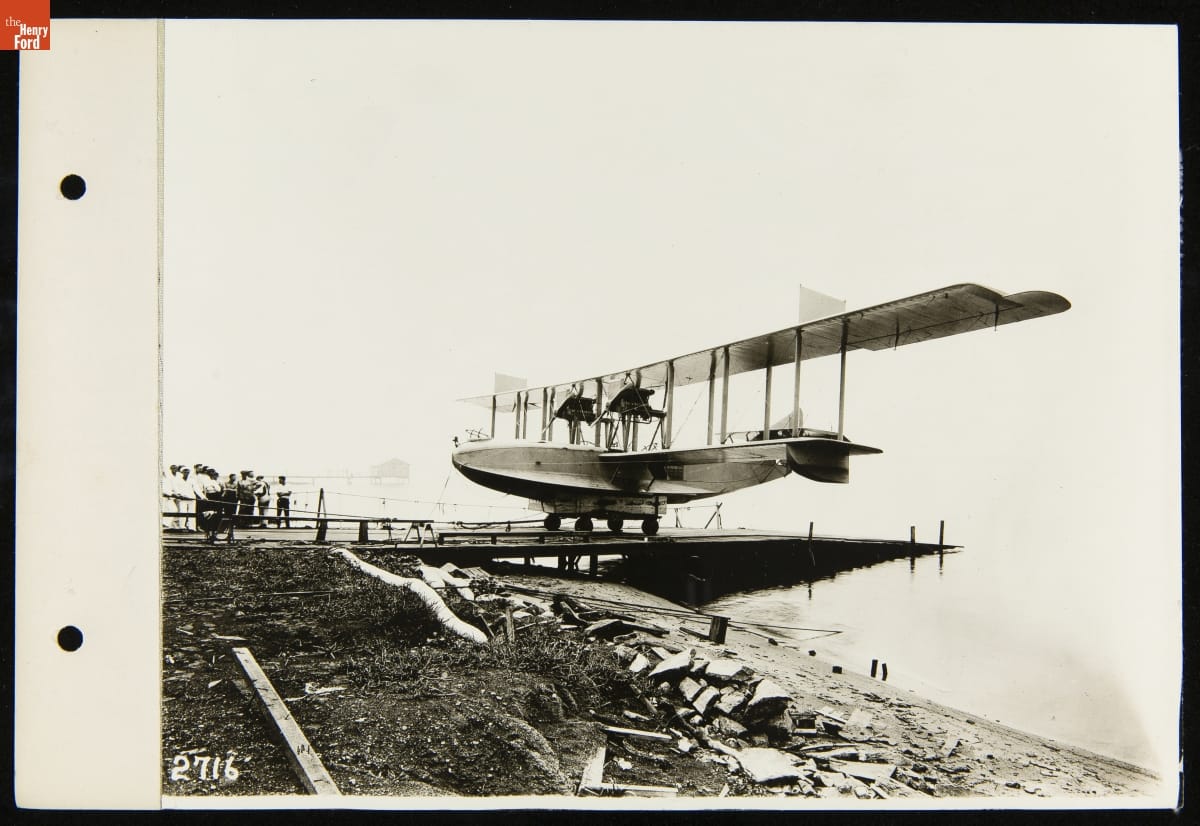
- Curtiss Flying Boat, 1920-1925 - Seaplanes were especially practical at a time when airstrips were rare and airports were all but nonexistent. By building the airplane's fuselage in the form of a boat hull or mounting a set of pontoon floats on the landing gear, any sufficiently large body of water became a runway.
- 1920-1925
- Collections - Artifact
Curtiss Flying Boat, 1920-1925
Seaplanes were especially practical at a time when airstrips were rare and airports were all but nonexistent. By building the airplane's fuselage in the form of a boat hull or mounting a set of pontoon floats on the landing gear, any sufficiently large body of water became a runway.
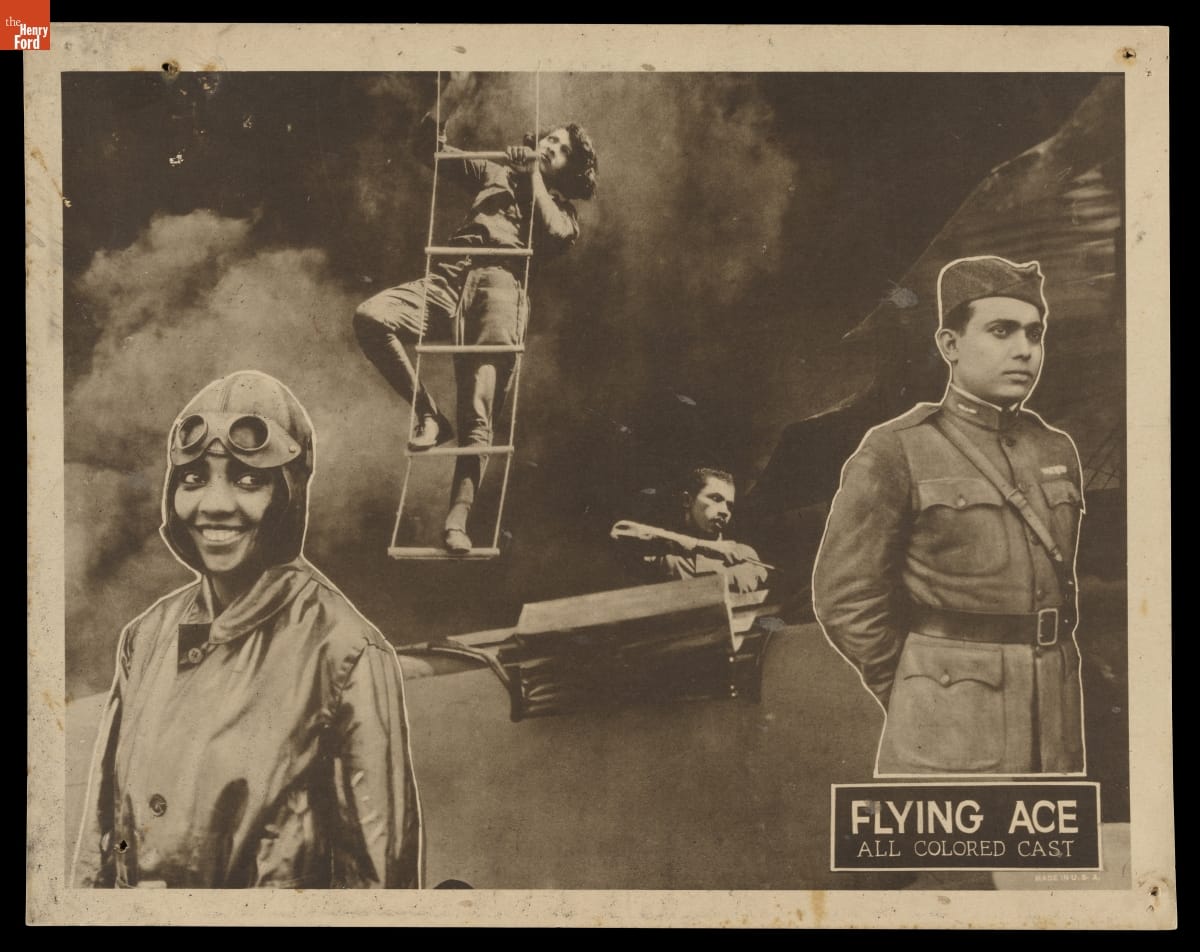
- The Flying Ace, 1926 - In the early 20th century, some independent film studios produced motion pictures for the African American market. Films made by these studios featured all-Black casts and provided actors with positive, non-stereotypical roles. Norman Studios, a white-owned company in Jacksonville, Florida, made several such films during the 1920s. This lobby card advertises its 1926 production of the film <em>The Flying Ace</em>.
- circa 1918
- Collections - Artifact
The Flying Ace, 1926
In the early 20th century, some independent film studios produced motion pictures for the African American market. Films made by these studios featured all-Black casts and provided actors with positive, non-stereotypical roles. Norman Studios, a white-owned company in Jacksonville, Florida, made several such films during the 1920s. This lobby card advertises its 1926 production of the film The Flying Ace.
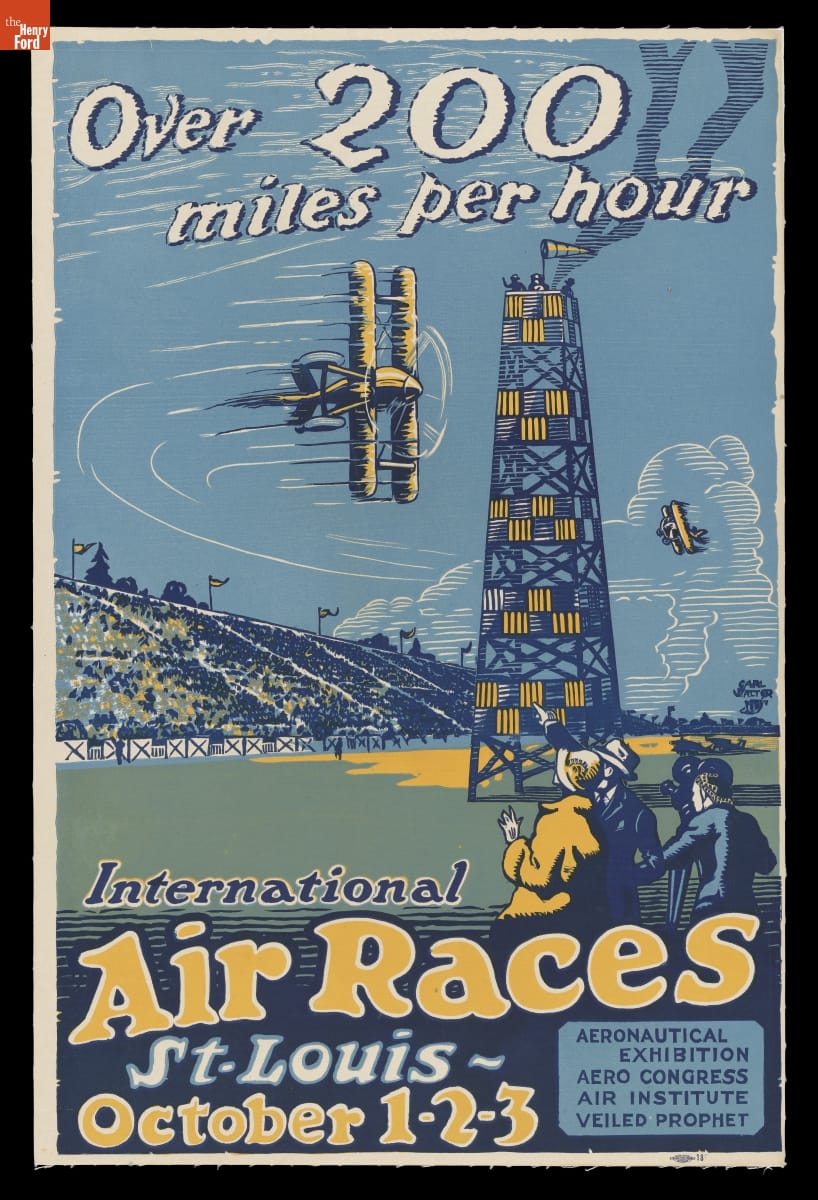
- Exhibition Flying - Part showmanship and part salesmanship, early aviation meets and air shows improved airplane technology and promoted the aviation industry. Air races celebrated speed, with pilots competing against the clock or against each other on marked courses. Reliability tours focused on stamina, with prizes awarded for dependable flying on specific schedules. Exhibition flying launched great careers for some -- and cut them short for others.
- March 02, 2022
- Collections - Set
Exhibition Flying
Part showmanship and part salesmanship, early aviation meets and air shows improved airplane technology and promoted the aviation industry. Air races celebrated speed, with pilots competing against the clock or against each other on marked courses. Reliability tours focused on stamina, with prizes awarded for dependable flying on specific schedules. Exhibition flying launched great careers for some -- and cut them short for others.
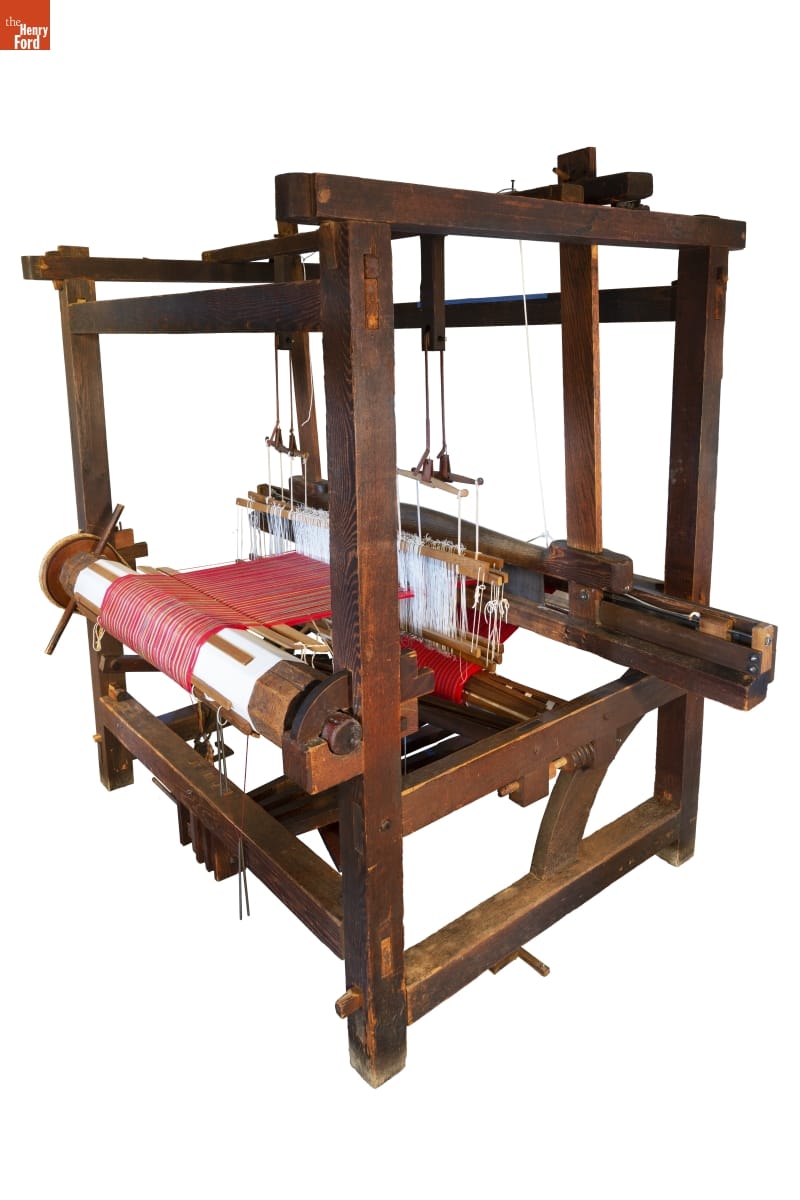
- Flying Shuttle Loom, circa 1931 - This loom, made in Greenfield Village in the early 1930s, has a special attachment--a flying shuttle. Developed in the 1730s, the flying shuttle dramatically increased weavers' output. This device allowed weavers to send the shuttle, which carries the thread, back and forth using only one hand. With a flying shuttle, weavers could produce wider, better-quality cloth more quickly and with less effort.
- circa 1931
- Collections - Artifact
Flying Shuttle Loom, circa 1931
This loom, made in Greenfield Village in the early 1930s, has a special attachment--a flying shuttle. Developed in the 1730s, the flying shuttle dramatically increased weavers' output. This device allowed weavers to send the shuttle, which carries the thread, back and forth using only one hand. With a flying shuttle, weavers could produce wider, better-quality cloth more quickly and with less effort.