
Search
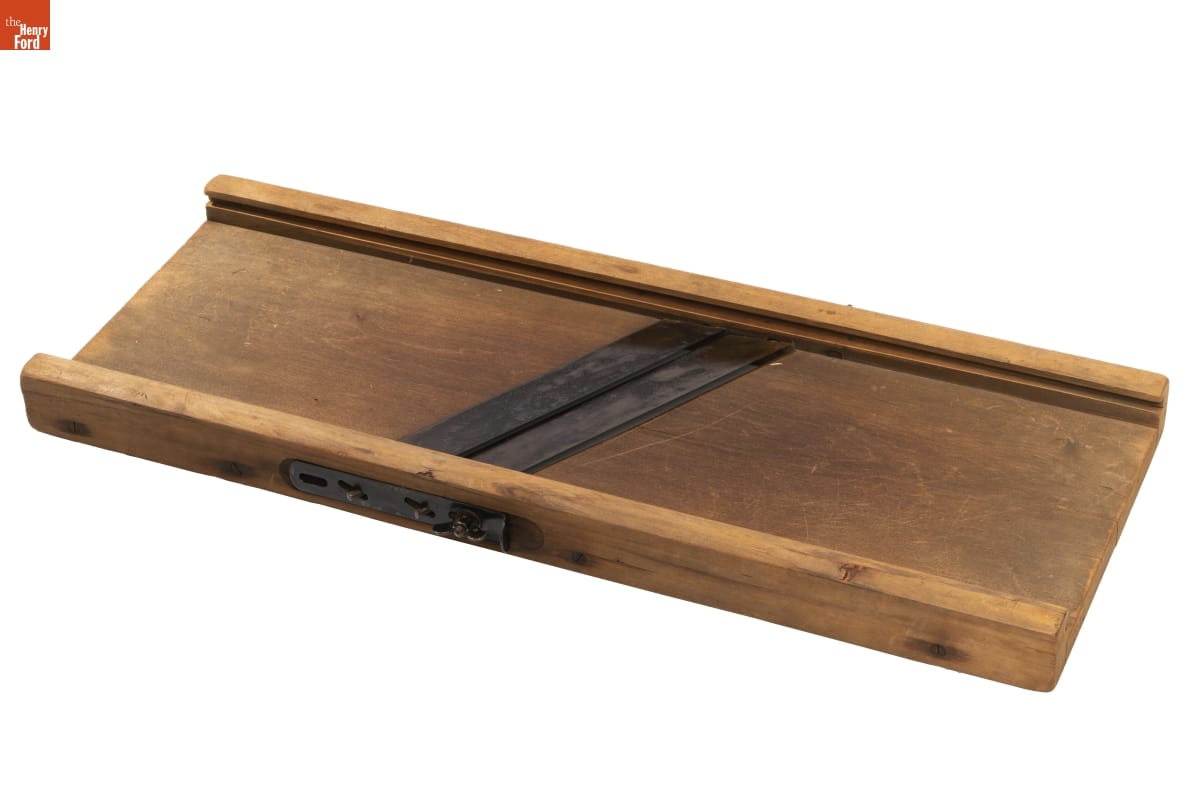
- Food Slicer -
- Collections - Artifact
Food Slicer
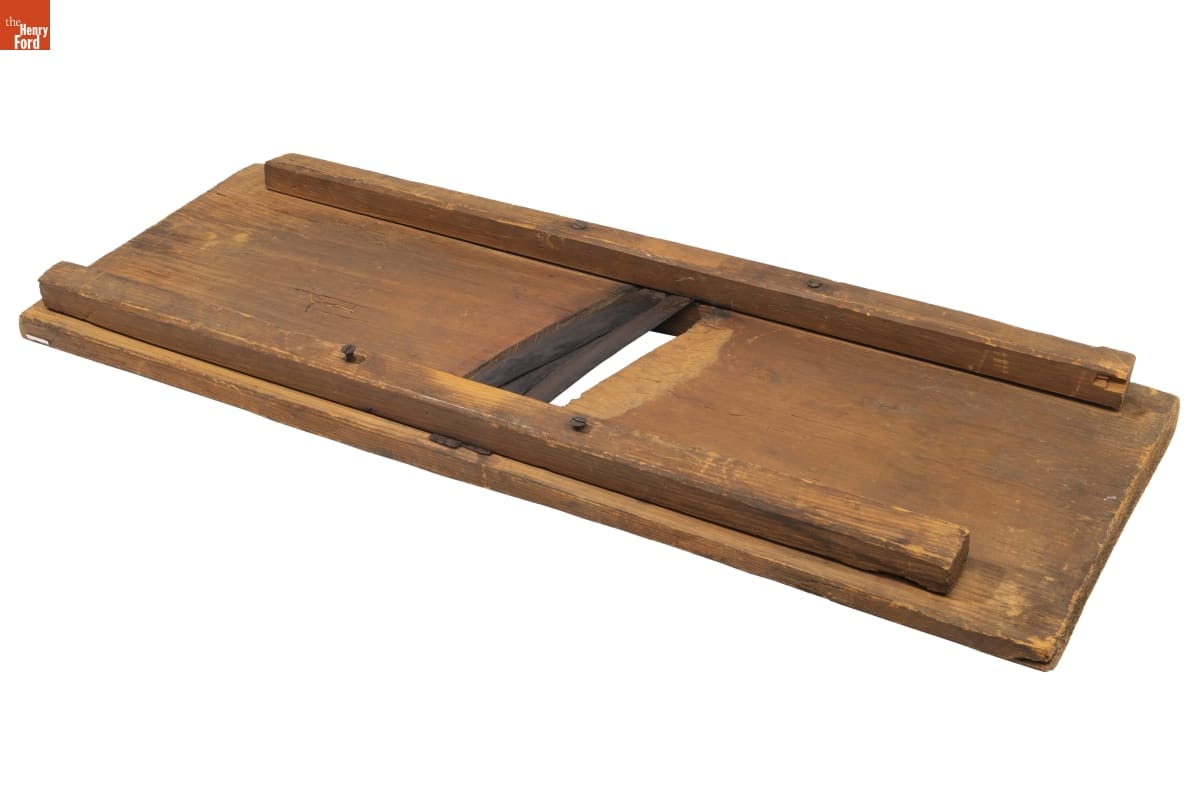
- Food Slicer -
- Collections - Artifact
Food Slicer
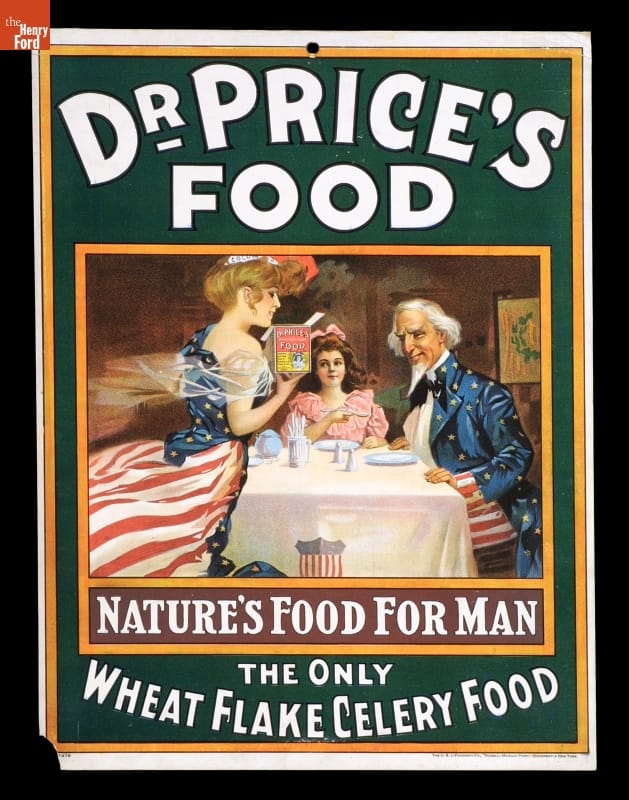
- Advertising Poster, "Dr. Price's Food, Nature's Food for Man, the Only Wheat Flake Celery Food," circa 1910 - Celery, the vegetable eaten around the world, attracted the attention of health food entrepreneurs like Dr. Vincent C. Price (1832-1914). He purchased Tryabita Celery Food Company in Battle Creek, Michigan, in 1902 and operated it as Price Cereal Food Company. He also produced and marketed Dr. Price's Wheat Flake Celery Food as essential for the health of vegetarians and the infirm.
- circa 1910
- Collections - Artifact
Advertising Poster, "Dr. Price's Food, Nature's Food for Man, the Only Wheat Flake Celery Food," circa 1910
Celery, the vegetable eaten around the world, attracted the attention of health food entrepreneurs like Dr. Vincent C. Price (1832-1914). He purchased Tryabita Celery Food Company in Battle Creek, Michigan, in 1902 and operated it as Price Cereal Food Company. He also produced and marketed Dr. Price's Wheat Flake Celery Food as essential for the health of vegetarians and the infirm.
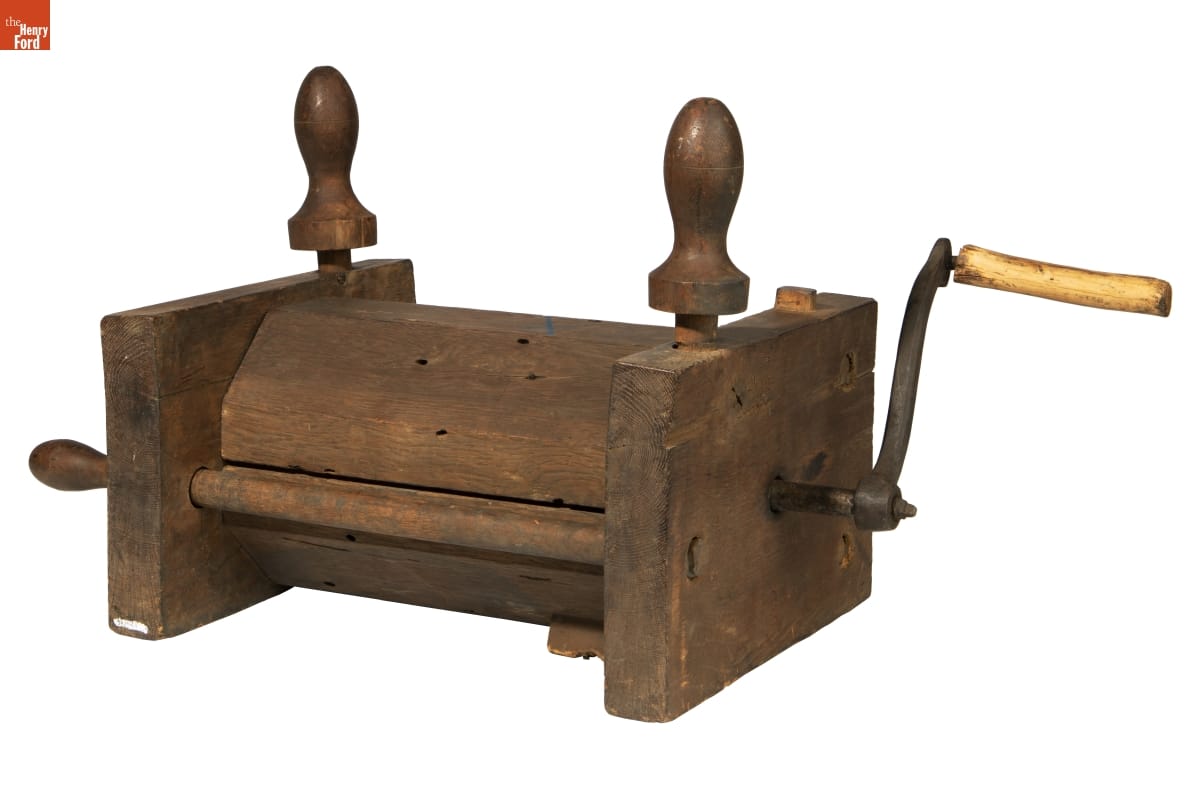
- Food Grinder, 1800-1900 - By the mid-1800s, Americans could use grinders instead of mincing knives to cut, chop, and prepare food for cooking. Grinders like this one saved time and made food processing more efficient.
- 1800-1900
- Collections - Artifact
Food Grinder, 1800-1900
By the mid-1800s, Americans could use grinders instead of mincing knives to cut, chop, and prepare food for cooking. Grinders like this one saved time and made food processing more efficient.
- Box from Food Press -
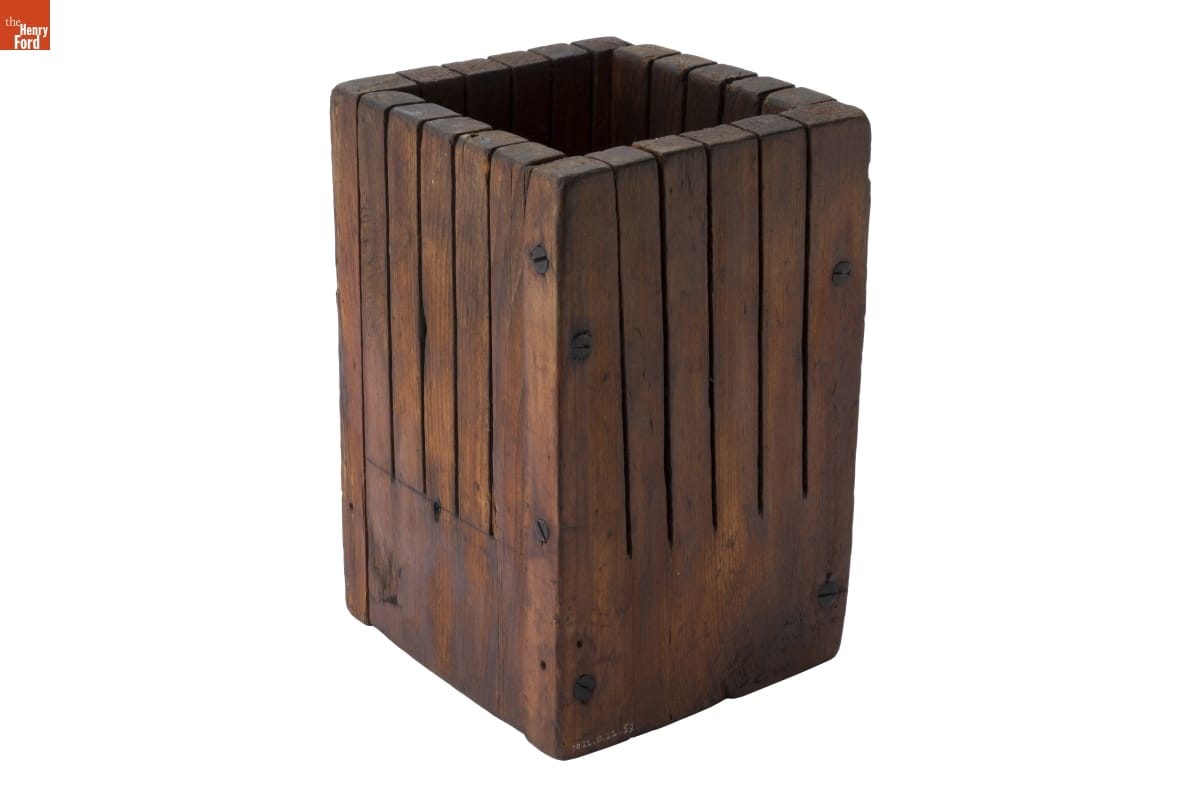
- Collections - Artifact
Box from Food Press
- Food Storage Bottle, 1875-1900 -
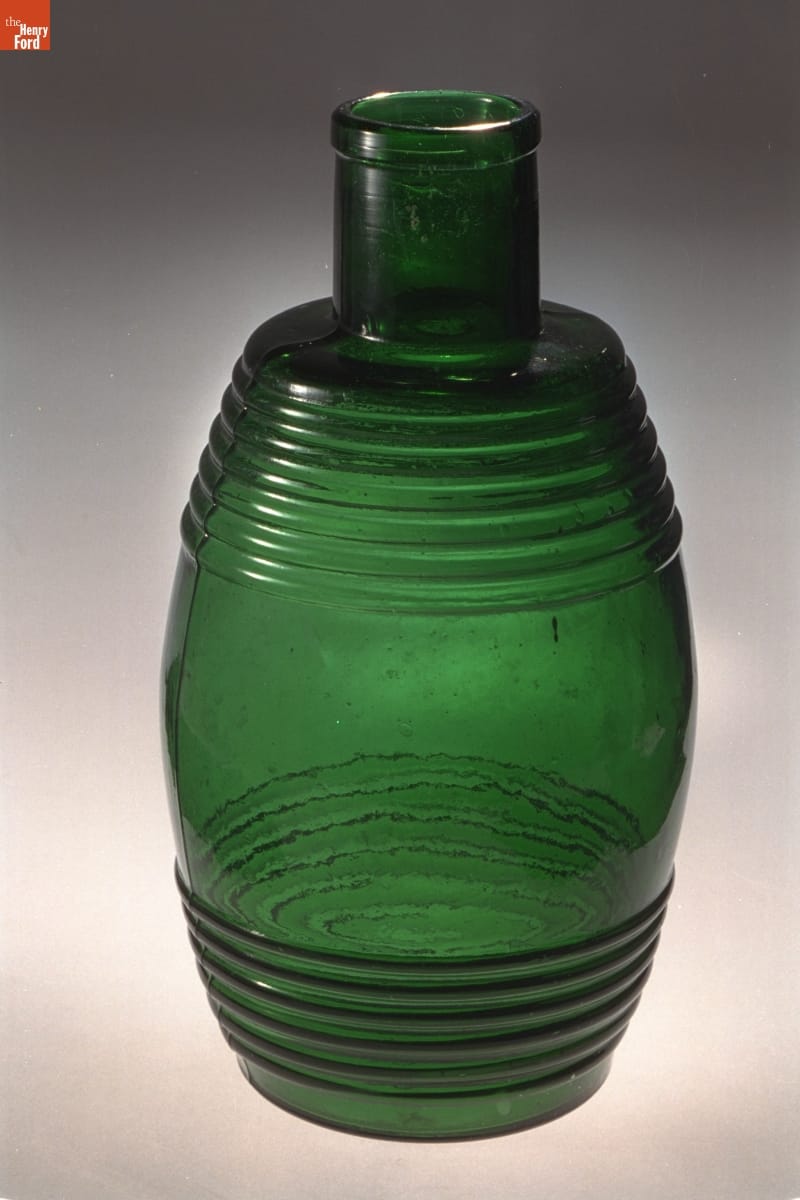
- 1875-1900
- Collections - Artifact
Food Storage Bottle, 1875-1900
- Food Preservation: Be Prepared, 1932 -
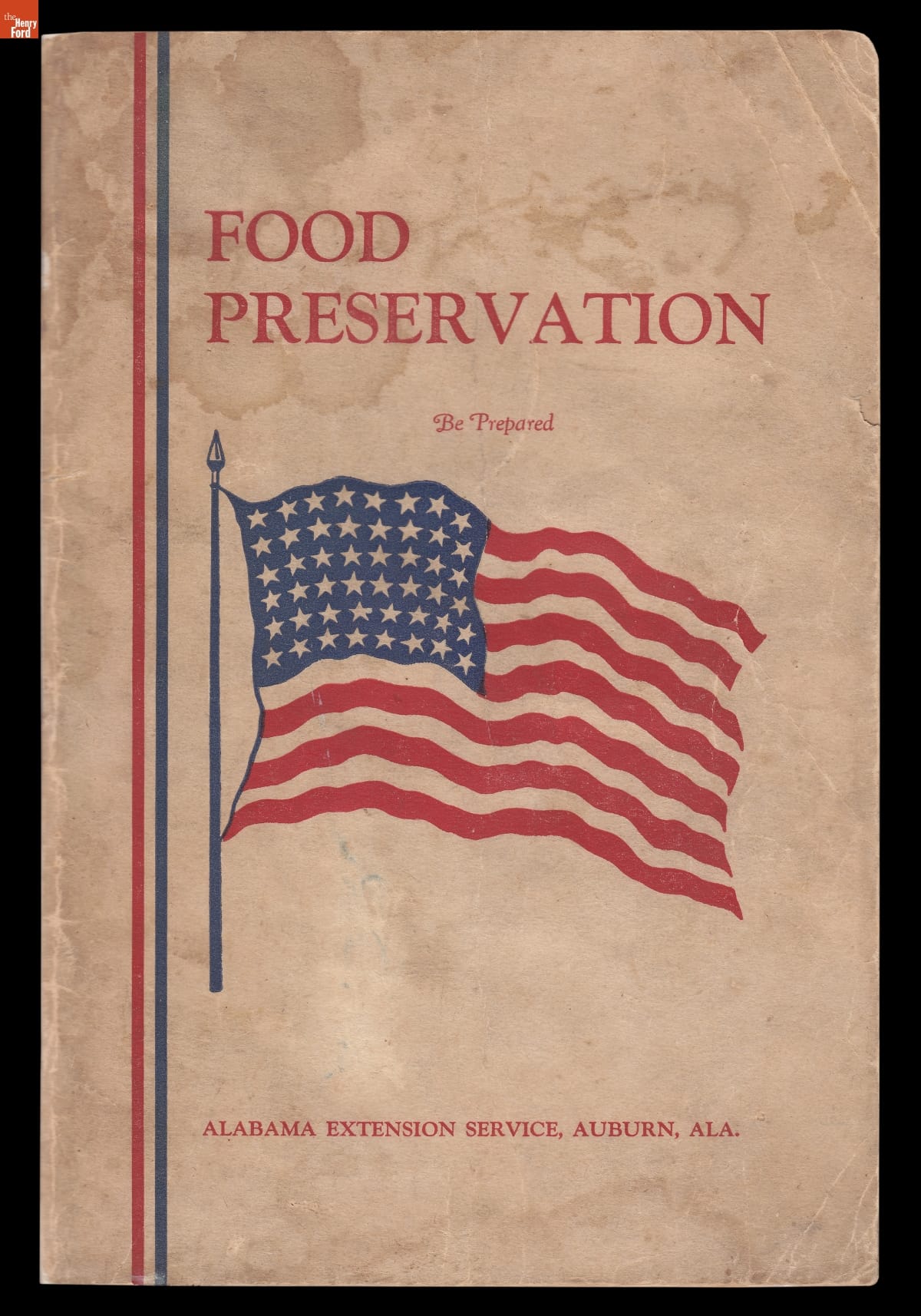
- 1932
- Collections - Artifact
Food Preservation: Be Prepared, 1932
- Food for Detroit's Hungry at the Focus: HOPE Food Prescription Center in Detroit, March 1975 -
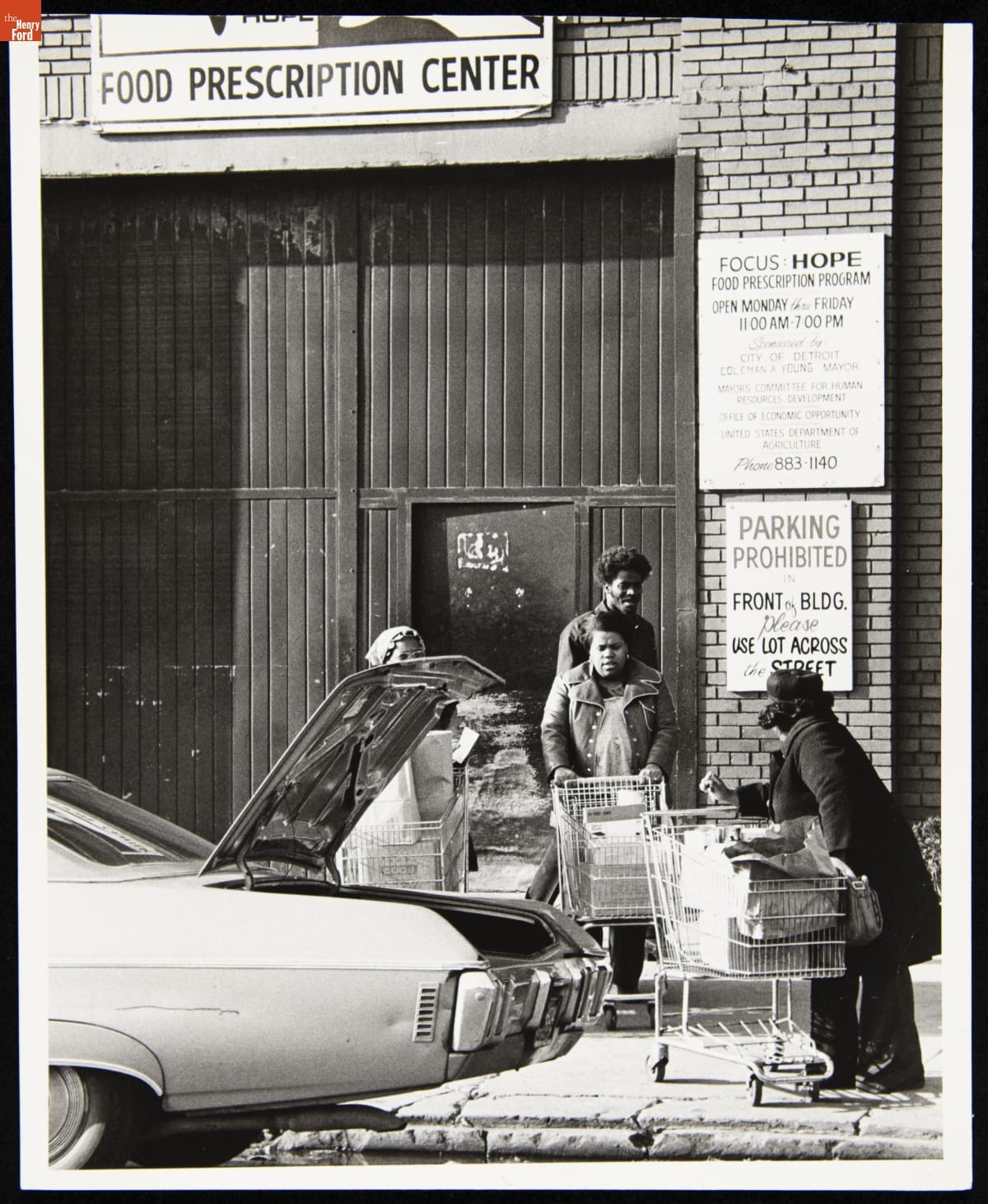
- March 01, 1975
- Collections - Artifact
Food for Detroit's Hungry at the Focus: HOPE Food Prescription Center in Detroit, March 1975
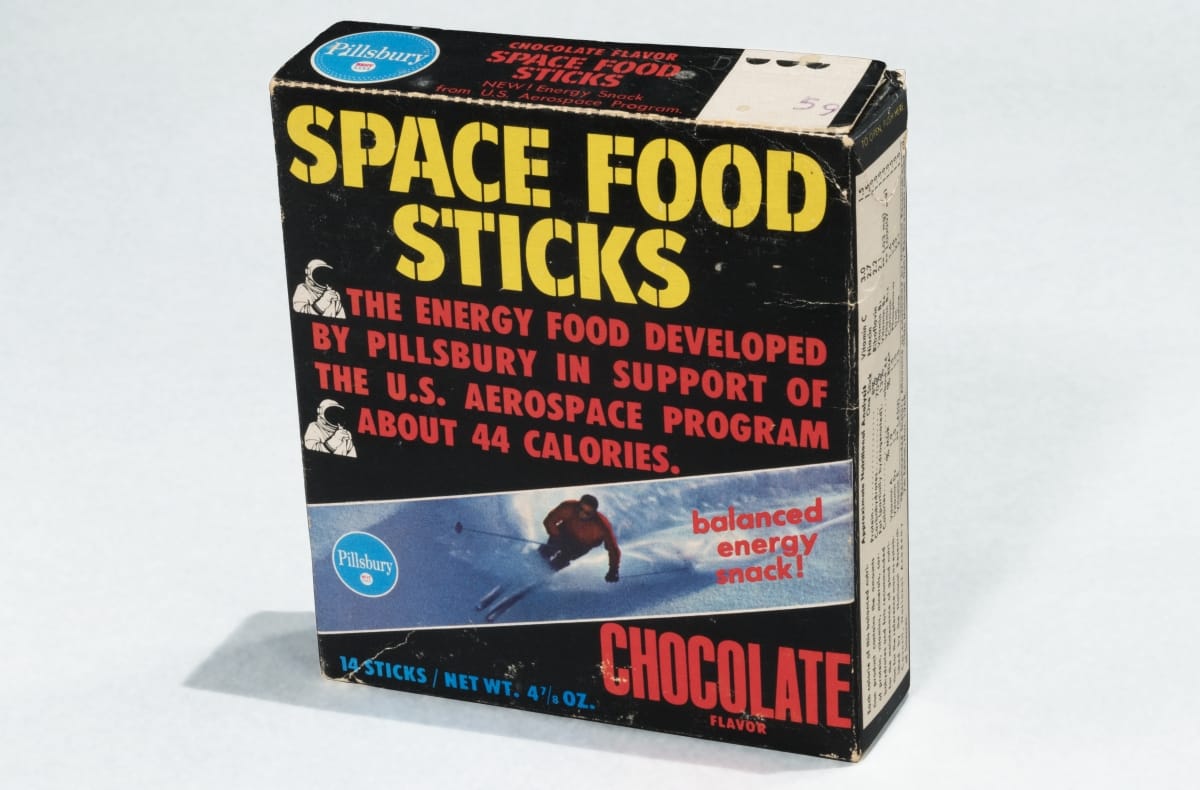
- Pillsbury Space Food Sticks, 1969-1971 - In the 1960s, NASA contracted with Pillsbury to develop a high-energy snack for American astronauts. The food would need to fit through the small, airtight opening in the astronauts' helmets. A team at Pillsbury, led by Howard Baumann, developed a rod-shaped energy bar. Capitalizing on the popularity of the Apollo space mission, Pillsbury marketed and sold Space Food Sticks to the public.
- 1969-1971
- Collections - Artifact
Pillsbury Space Food Sticks, 1969-1971
In the 1960s, NASA contracted with Pillsbury to develop a high-energy snack for American astronauts. The food would need to fit through the small, airtight opening in the astronauts' helmets. A team at Pillsbury, led by Howard Baumann, developed a rod-shaped energy bar. Capitalizing on the popularity of the Apollo space mission, Pillsbury marketed and sold Space Food Sticks to the public.
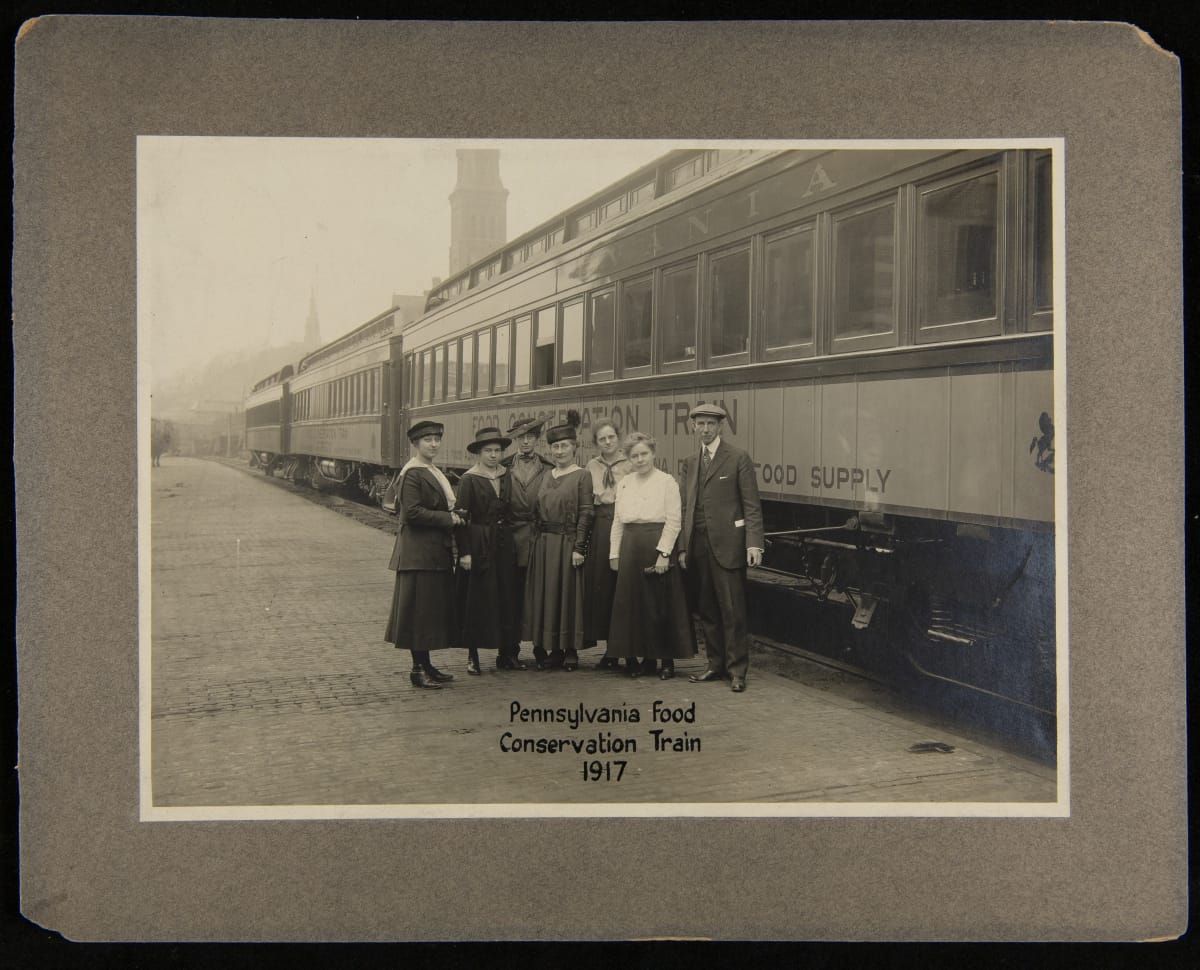
- Food Conservation Train, Pennsylvania, October 1917 - The H.J. Heinz Company had humble beginnings in 1869 and has since become one of the most recognized names in the food industry today. This artifact, from the H.J. Heinz Company Collection, is one from The Henry Ford's sizeable collection of material dedicated to telling the company's history of innovative business practices and marketing techniques.
- October 01, 1917
- Collections - Artifact
Food Conservation Train, Pennsylvania, October 1917
The H.J. Heinz Company had humble beginnings in 1869 and has since become one of the most recognized names in the food industry today. This artifact, from the H.J. Heinz Company Collection, is one from The Henry Ford's sizeable collection of material dedicated to telling the company's history of innovative business practices and marketing techniques.