
Search
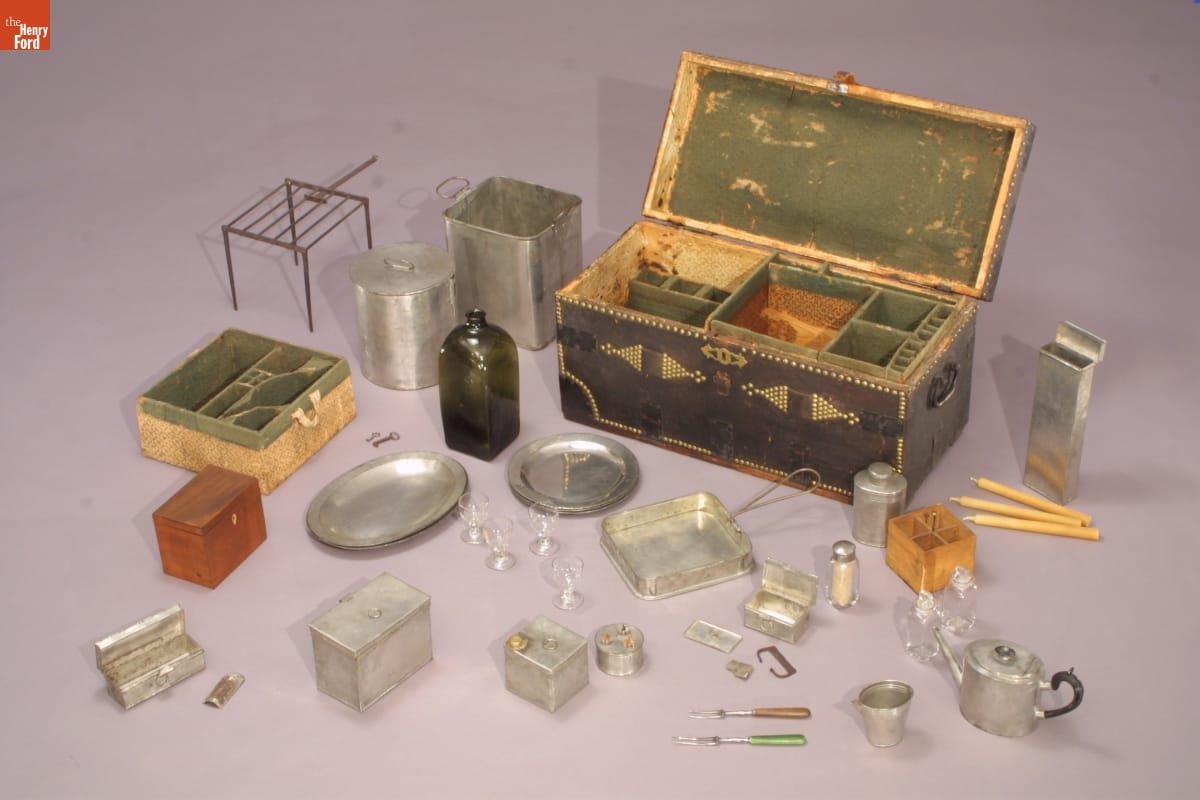
- George Washington's Camp Chest, 1783 - Many high-ranking officers of the American Revolution carried camp chests, called canteens, for dining while encamped with their armies. This canteen belonged to General George Washington. It enabled him to take meals on the battlefield in a manner befitting his rank as commander-in-chief -- with tea, liquor, freshly ground nutmeg and other spices, candles, and relatively fine tableware.
- 1783
- Collections - Artifact
George Washington's Camp Chest, 1783
Many high-ranking officers of the American Revolution carried camp chests, called canteens, for dining while encamped with their armies. This canteen belonged to General George Washington. It enabled him to take meals on the battlefield in a manner befitting his rank as commander-in-chief -- with tea, liquor, freshly ground nutmeg and other spices, candles, and relatively fine tableware.
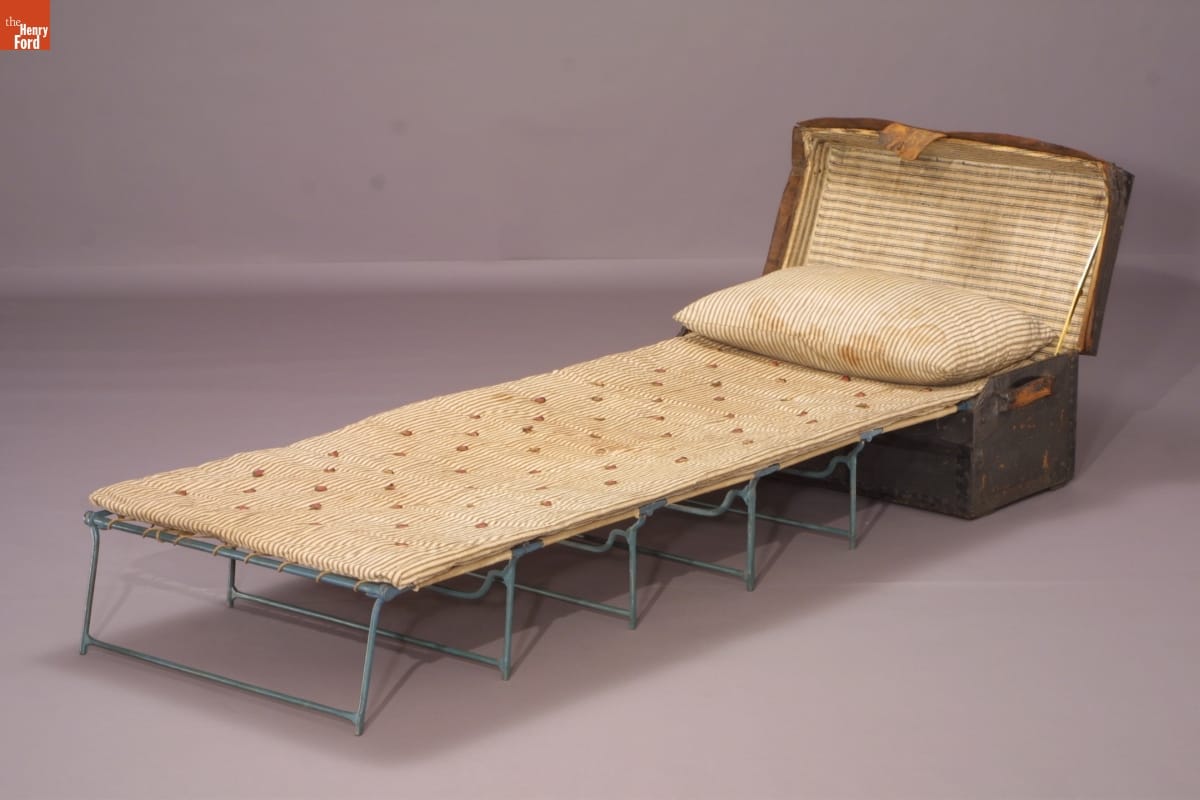
- George Washington's Camp Bed, 1775-1780 - George Washington carried folding beds, tents, eating utensils, and other equipment to use while encamped on the field with his troops during the Revolutionary War. Washington likely used this bed when he traveled from his Newburgh, New York, headquarters in July 1783 -- as the war was winding down -- to tour upstate New York and the military installations located there.
- 1775-1780
- Collections - Artifact
George Washington's Camp Bed, 1775-1780
George Washington carried folding beds, tents, eating utensils, and other equipment to use while encamped on the field with his troops during the Revolutionary War. Washington likely used this bed when he traveled from his Newburgh, New York, headquarters in July 1783 -- as the war was winding down -- to tour upstate New York and the military installations located there.
- Portrait of George Washington -
- 1796
- Collections - Artifact
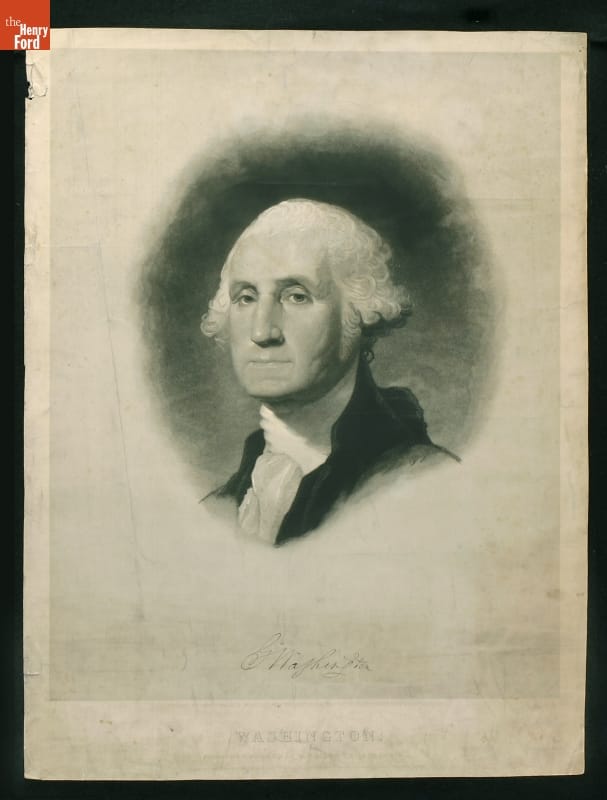
Portrait of George Washington
- George Washington, circa 1880 -
- circa 1880
- Collections - Artifact
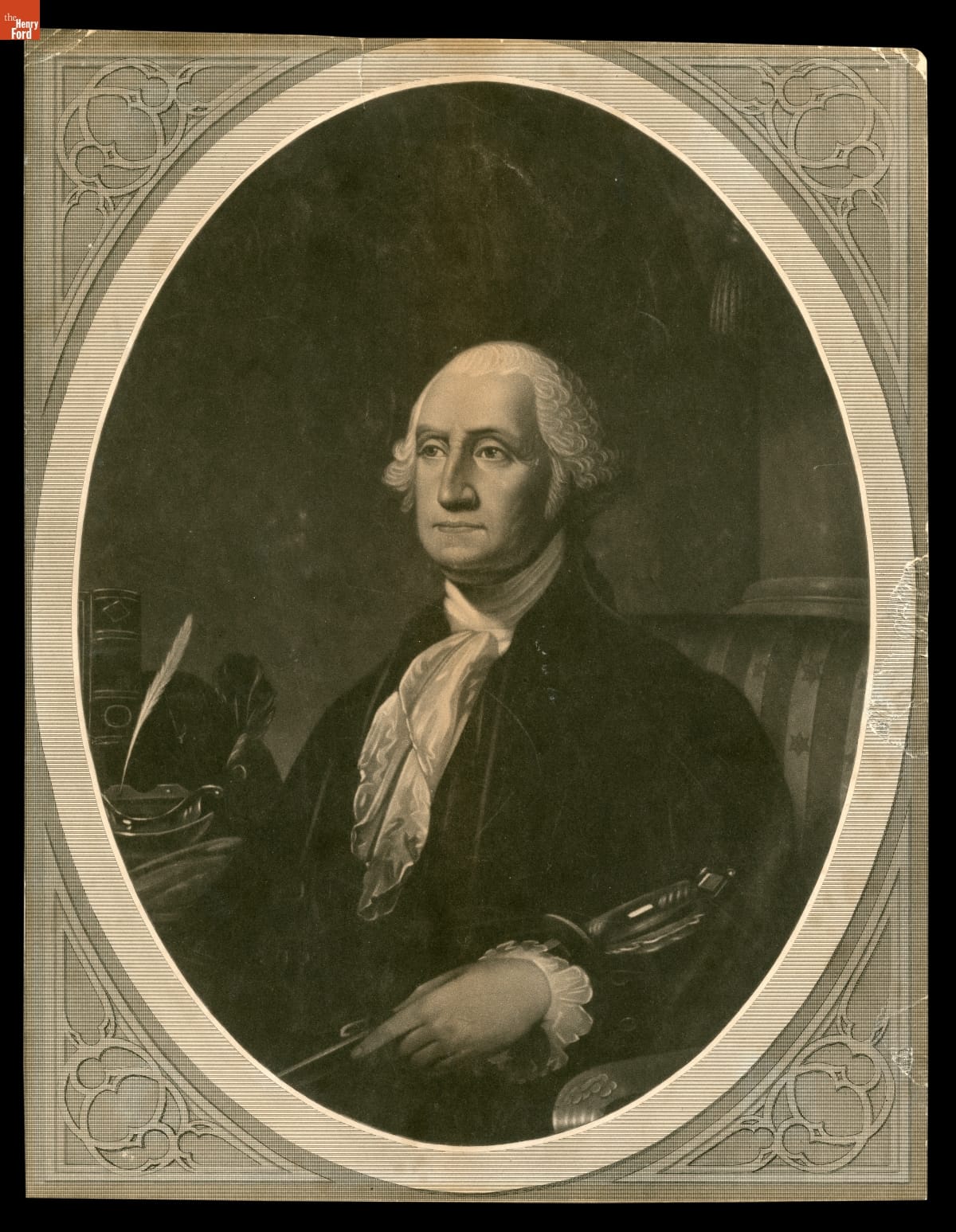
George Washington, circa 1880
- Lithograph, "George Washington," 1877 -
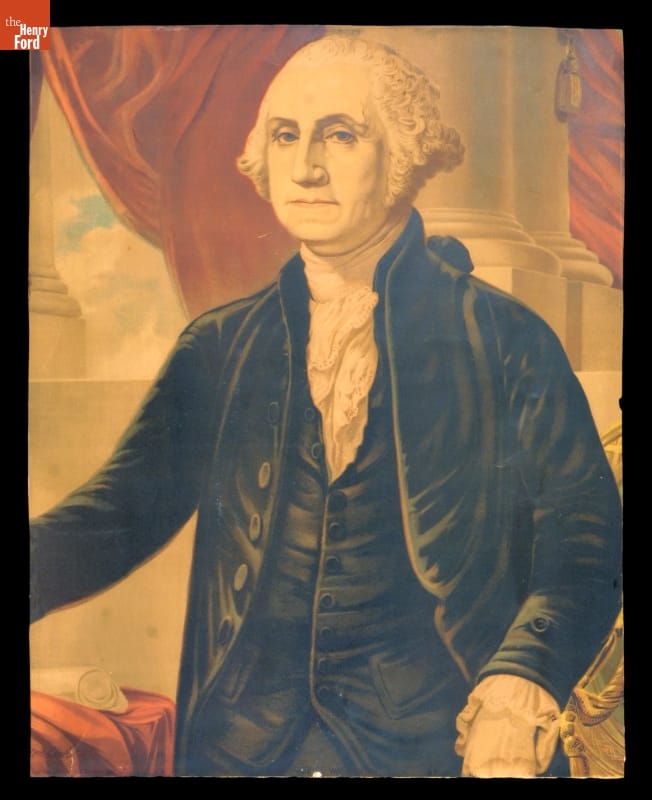
- 1877
- Collections - Artifact
Lithograph, "George Washington," 1877
- George Washington Carver Cabin - Henry Ford built this cabin in 1942 to honor his friend, agricultural scientist George Washington Carver. The cabin was based on Carver's recollections of the slave cabin in Missouri in which he was born in 1864. Carver spent his career at the Tuskegee Institute in Alabama, advocating for new crops, such as peanuts, that would enrich both Southern farmers and Southern soils.
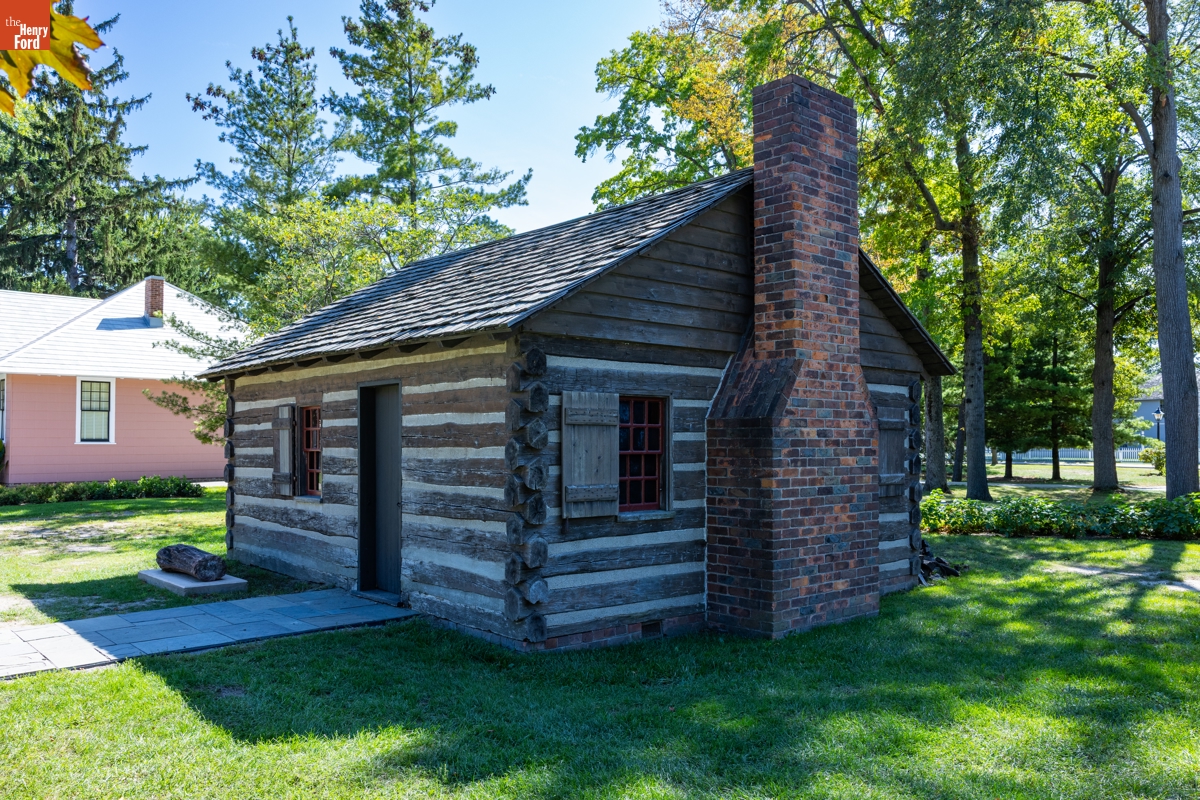
- circa 1860
- Collections - Artifact
George Washington Carver Cabin
Henry Ford built this cabin in 1942 to honor his friend, agricultural scientist George Washington Carver. The cabin was based on Carver's recollections of the slave cabin in Missouri in which he was born in 1864. Carver spent his career at the Tuskegee Institute in Alabama, advocating for new crops, such as peanuts, that would enrich both Southern farmers and Southern soils.
- Letter from George Washington to Lund Washington, 1782 -
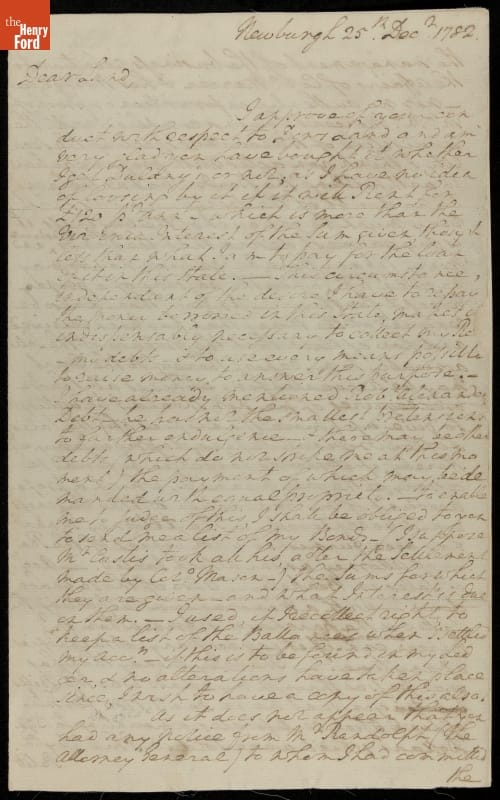
- December 25, 1782
- Collections - Artifact
Letter from George Washington to Lund Washington, 1782
- Lithograph, "George Washington," 1864-1865 -
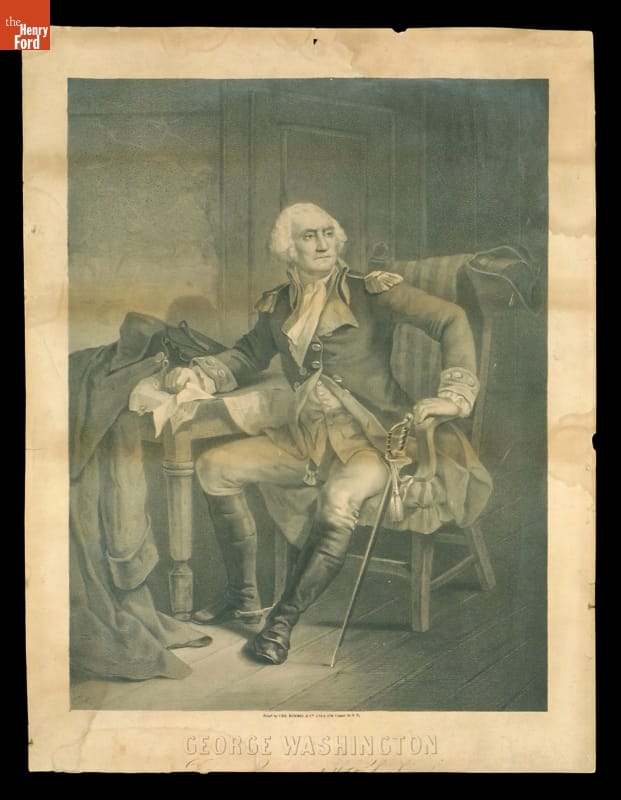
- 1864-1865
- Collections - Artifact
Lithograph, "George Washington," 1864-1865
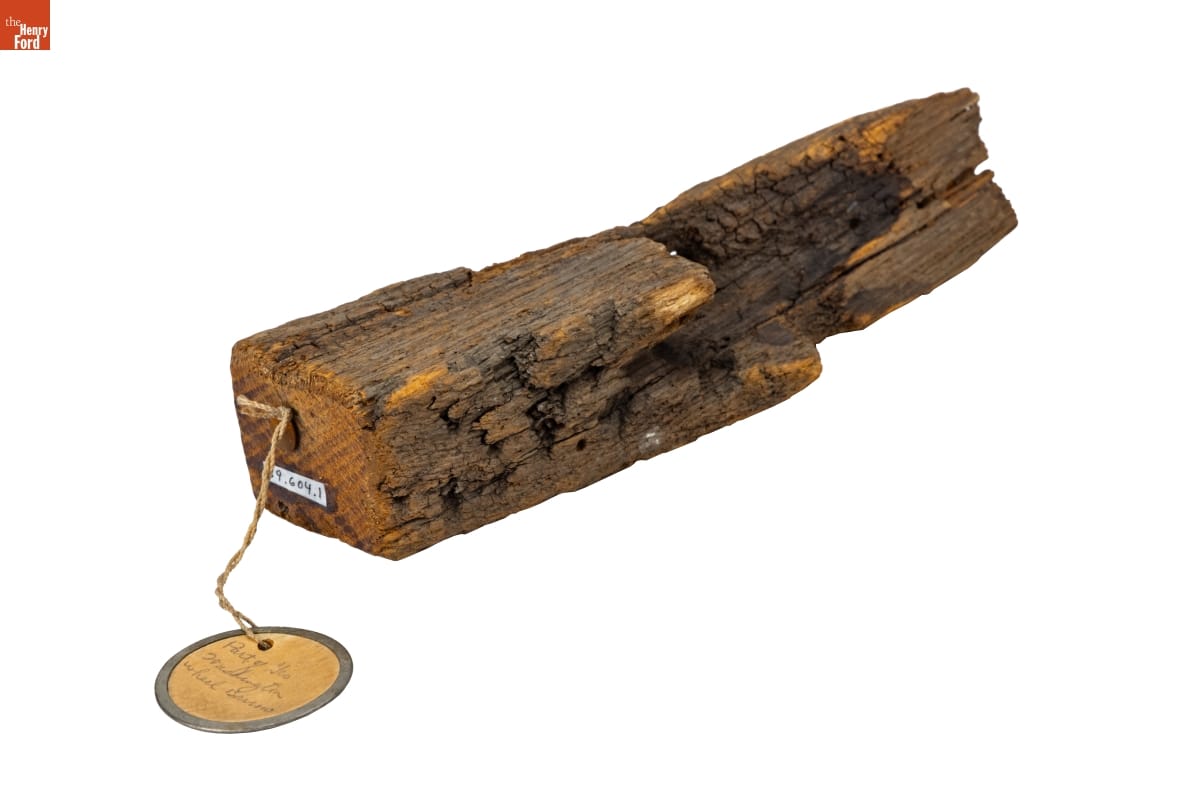
- Piece of George Washington Wheelbarrow -
- Collections - Artifact
Piece of George Washington Wheelbarrow
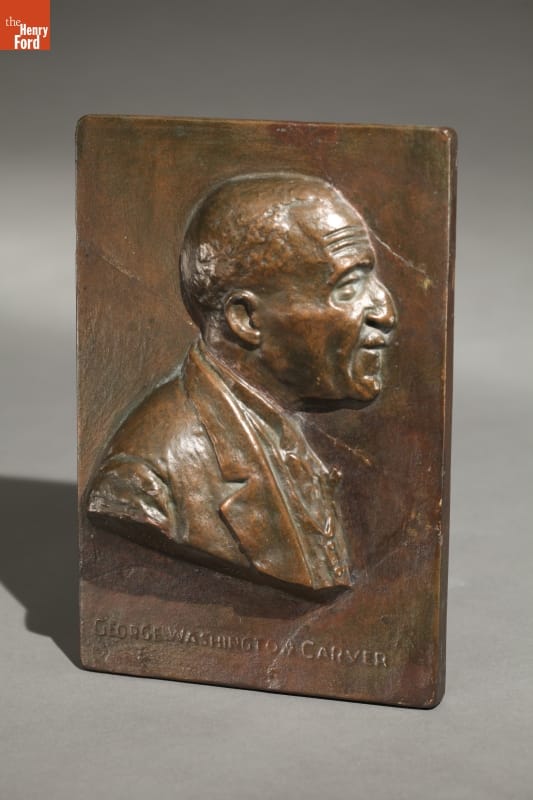
- George Washington Carver Plaque, 1945 - Environmental scientist George Washington Carver and sculptor Isaac Hathaway were colleagues at the Tuskegee Institute in Alabama. Hathaway's goal as an artist was to showcase the achievements of African Americans and make them visible. He made this plaque with a bust of George Washington Carver in 1945, after Carver's death.
- 1945
- Collections - Artifact
George Washington Carver Plaque, 1945
Environmental scientist George Washington Carver and sculptor Isaac Hathaway were colleagues at the Tuskegee Institute in Alabama. Hathaway's goal as an artist was to showcase the achievements of African Americans and make them visible. He made this plaque with a bust of George Washington Carver in 1945, after Carver's death.