
Search
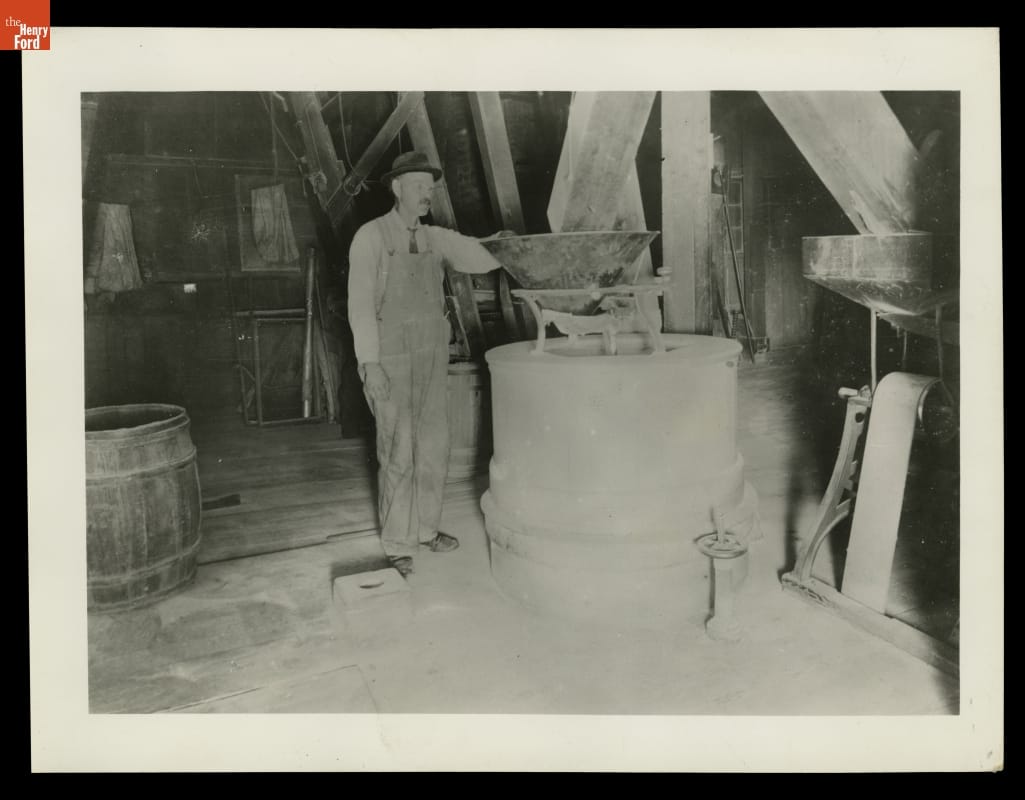
- Inside Grain Mill, Clarkston, Michigan, circa 1910 - Clarkston, Michigan, some 40 miles northwest of Detroit, was platted in 1842. One hundred years later, Henry Ford opened a modest factory there that manufactured seat covers, drill bushings, and other items. The Clarkston plant was one of Mr. Ford's Village Industries -- small-scale factories in southeast Michigan that supplied parts, tools, and equipment to Ford Motor Company.
- circa 1910
- Collections - Artifact
Inside Grain Mill, Clarkston, Michigan, circa 1910
Clarkston, Michigan, some 40 miles northwest of Detroit, was platted in 1842. One hundred years later, Henry Ford opened a modest factory there that manufactured seat covers, drill bushings, and other items. The Clarkston plant was one of Mr. Ford's Village Industries -- small-scale factories in southeast Michigan that supplied parts, tools, and equipment to Ford Motor Company.
- Farris Windmill - The Farris windmill is said to be the oldest windmill in the United States. It was built in the mid-1600s and operated in Cape Cod, Massachusetts. The Farris family ran it for three generations, starting in 1782. The wind moved the sails of this windmill to operate the grain milling machinery inside. The stone first floor was added at Greenfield Village.

- October 08, 2015
- Collections - Set
Farris Windmill
The Farris windmill is said to be the oldest windmill in the United States. It was built in the mid-1600s and operated in Cape Cod, Massachusetts. The Farris family ran it for three generations, starting in 1782. The wind moved the sails of this windmill to operate the grain milling machinery inside. The stone first floor was added at Greenfield Village.
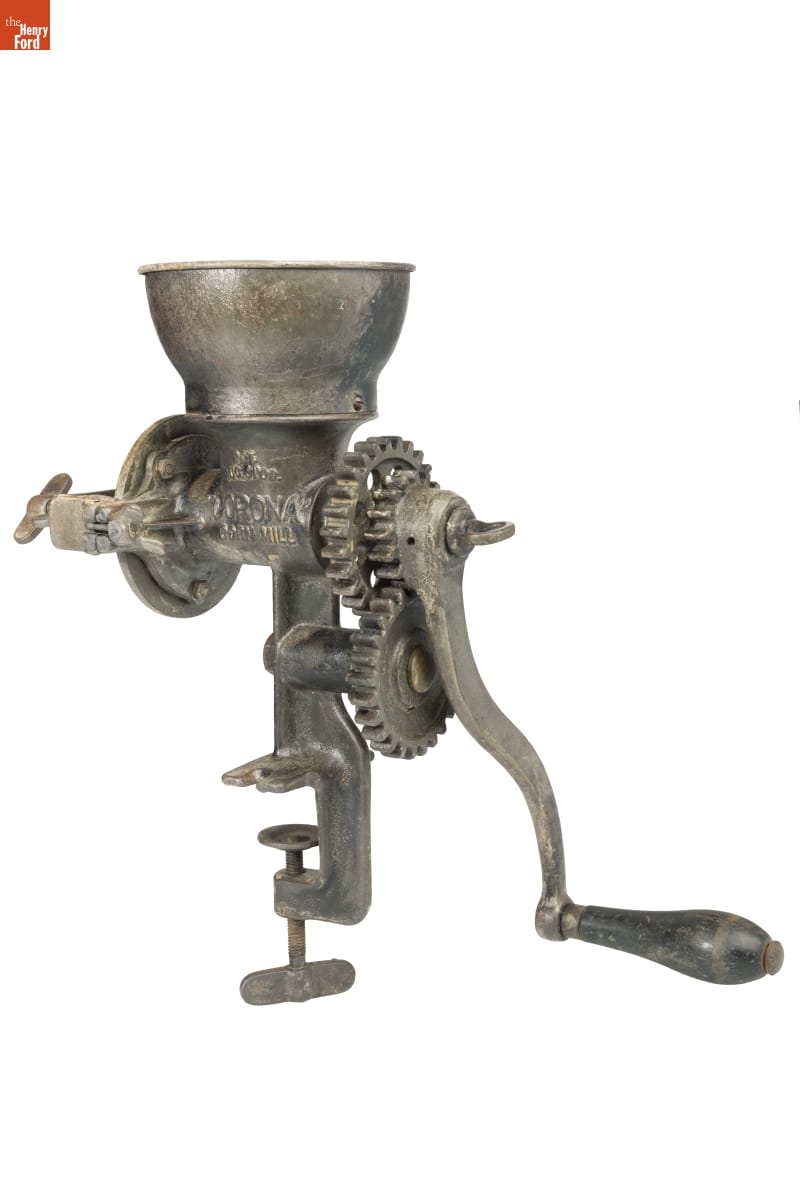
- Landers, Frary & Clark "Corona" Corn Mill, 1909-1925 - The Landers, Frary & Clark company--organized in Connecticut in 1842--manufactured a wide variety of housewares. In the early 20th century, the company sold corn mills like this one to Americans, providing an efficient way to grind corn into meal for cooking.
- 1909-1925
- Collections - Artifact
Landers, Frary & Clark "Corona" Corn Mill, 1909-1925
The Landers, Frary & Clark company--organized in Connecticut in 1842--manufactured a wide variety of housewares. In the early 20th century, the company sold corn mills like this one to Americans, providing an efficient way to grind corn into meal for cooking.
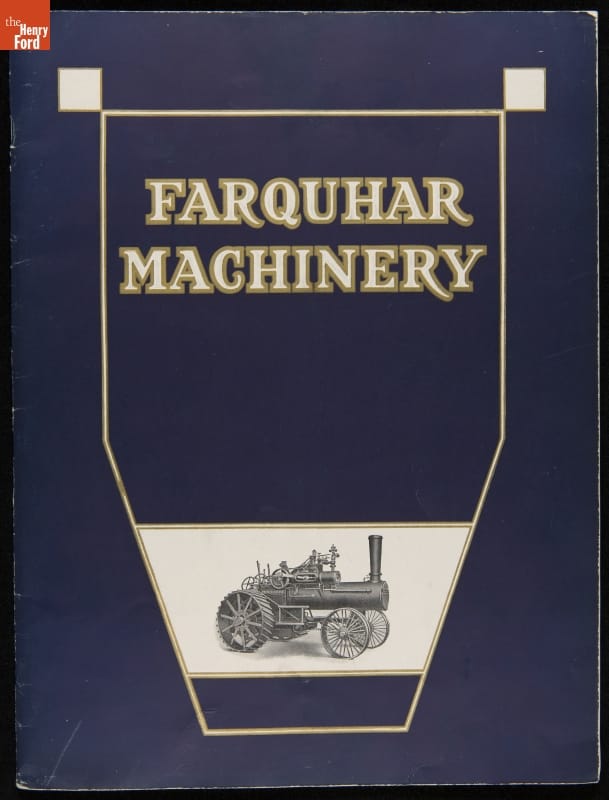
- "Farquhar Machinery: Engines, Boilers, Steam & Gas Tractors, Saw Mills, Threshers," 1914 -
- 1914
- Collections - Artifact
"Farquhar Machinery: Engines, Boilers, Steam & Gas Tractors, Saw Mills, Threshers," 1914
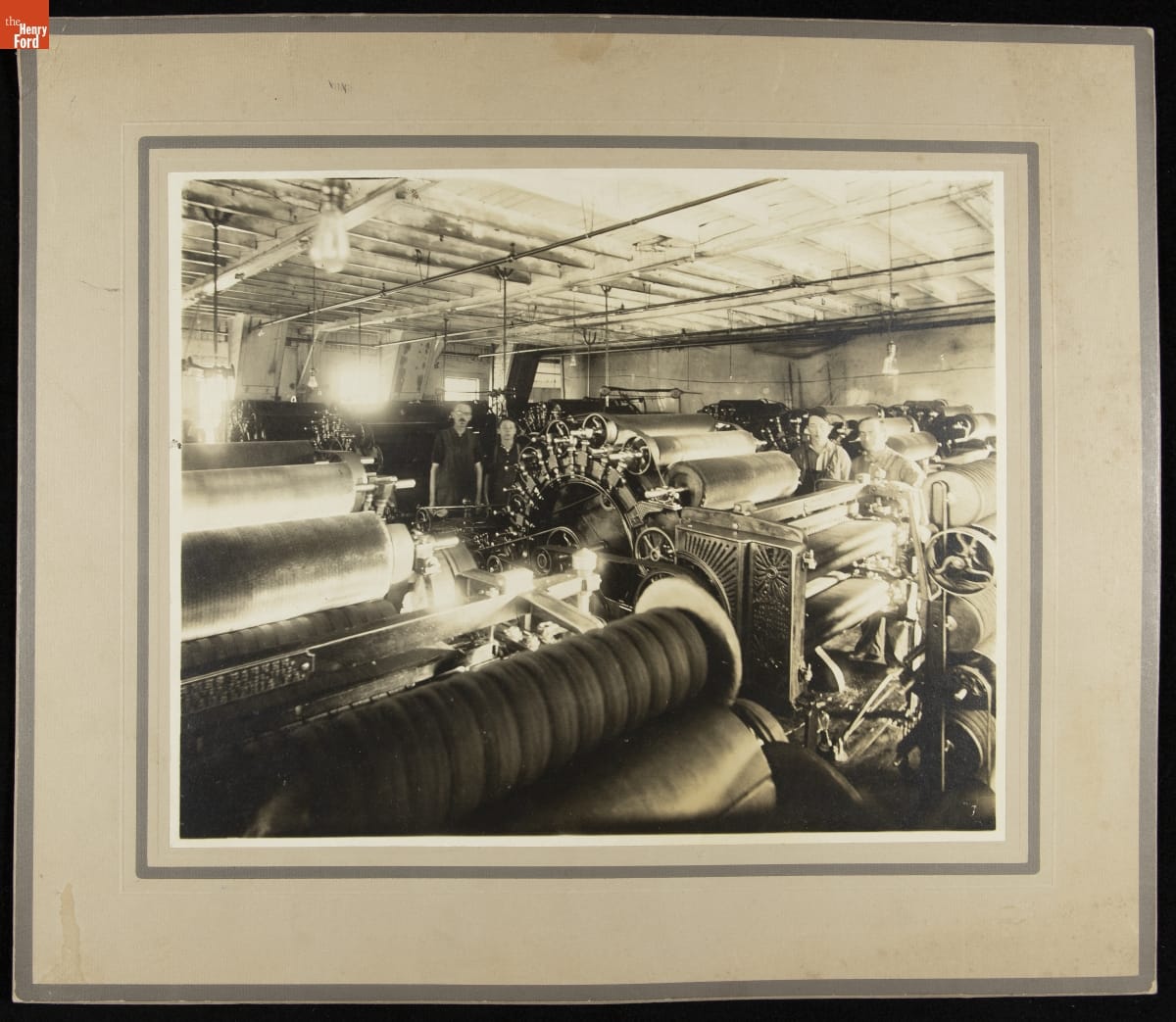
- Workers in a Textile Mill Standing next to Machinery, circa 1910 -
- circa 1910
- Collections - Artifact
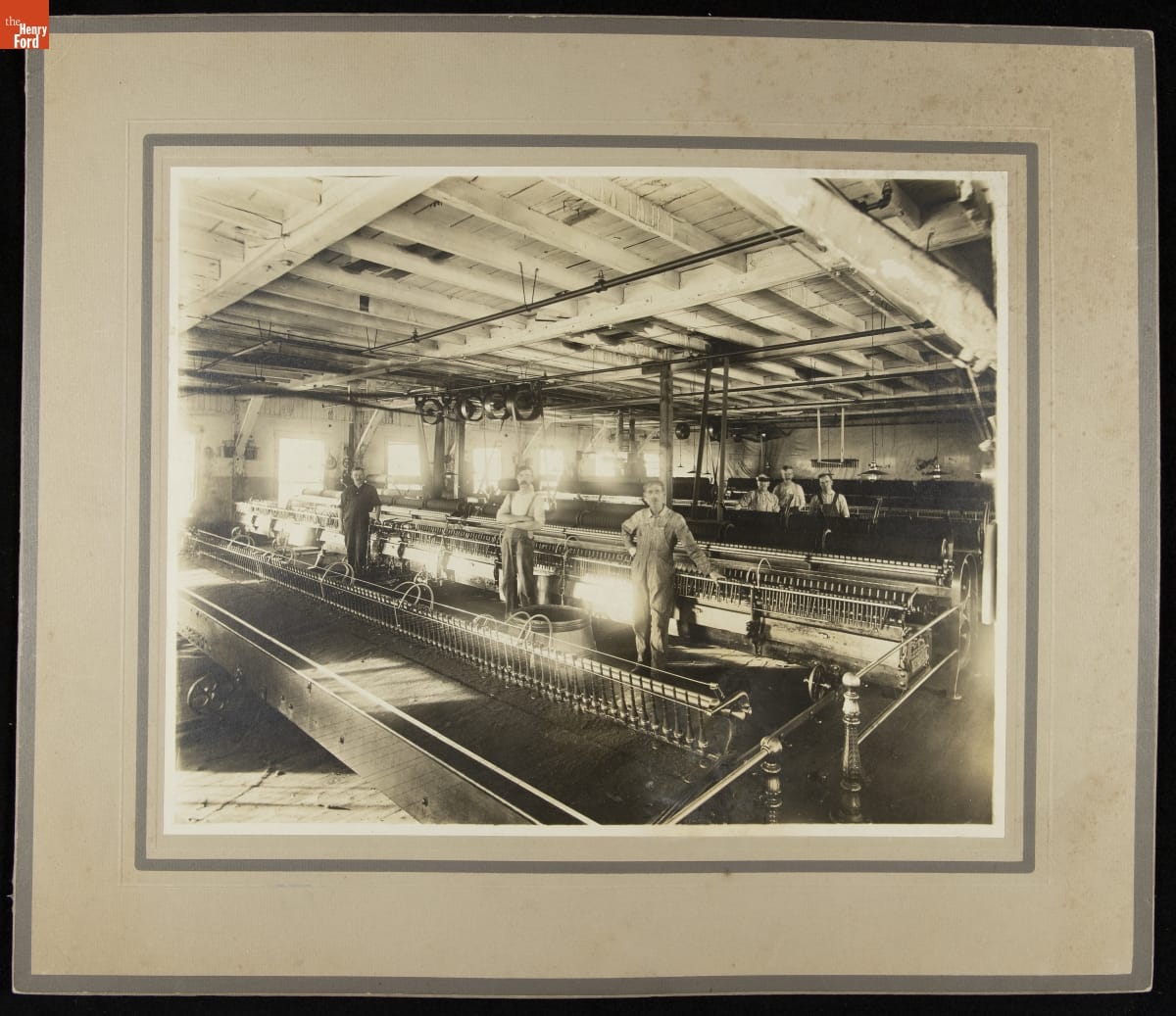
Workers in a Textile Mill Standing next to Machinery, circa 1910
- Workers at a Textile Mill Standing next to Machinery, circa 1910 -
- circa 1910
- Collections - Artifact
Workers at a Textile Mill Standing next to Machinery, circa 1910
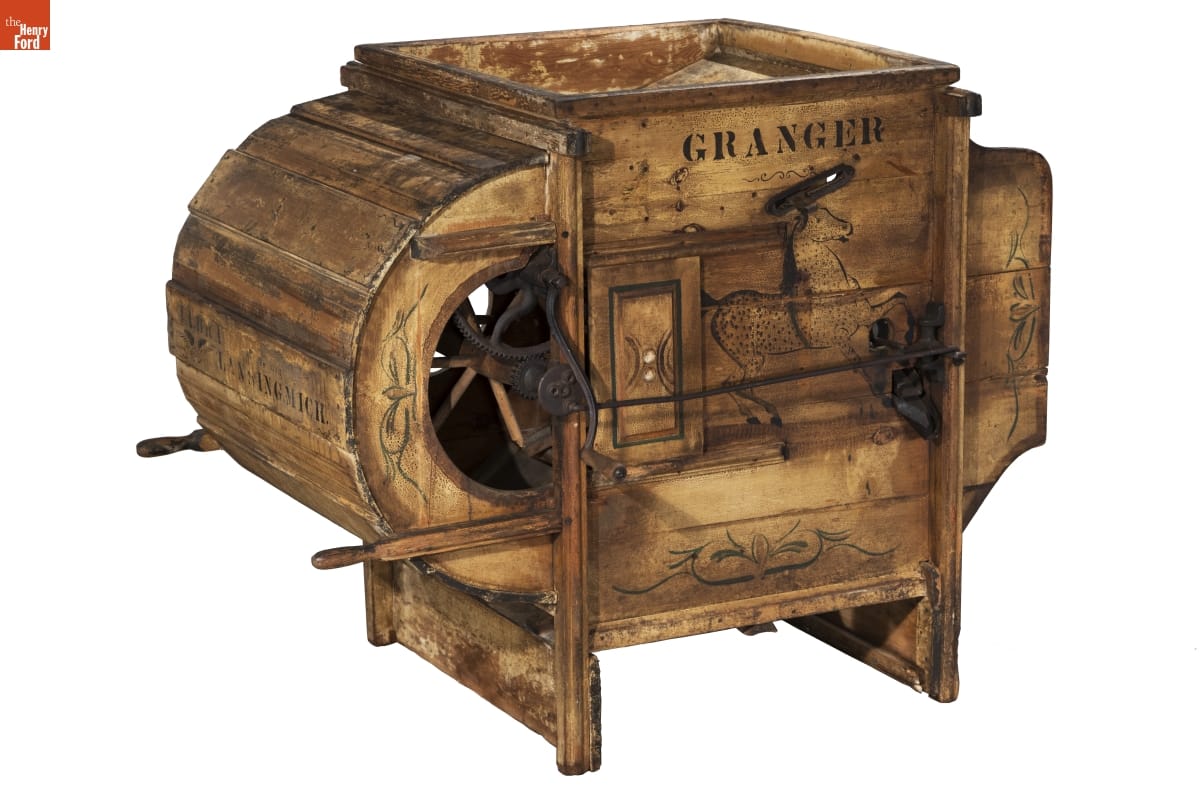
- Granger #201 Fanning Mill, 1886 - Farmers had no control over markets, but fanning mills helped them secure a higher price per bushel of clean grain. A special-interest organization, the Grange, helped farmers leverage better prices through cooperative marketing and purchasing, and by lobbying congressmen to regulate markets. J. A. Bradmon of Lansing, Michigan, made this mill distinctive by branding it "Granger" and by colorfully decorating it.
- 1886
- Collections - Artifact
Granger #201 Fanning Mill, 1886
Farmers had no control over markets, but fanning mills helped them secure a higher price per bushel of clean grain. A special-interest organization, the Grange, helped farmers leverage better prices through cooperative marketing and purchasing, and by lobbying congressmen to regulate markets. J. A. Bradmon of Lansing, Michigan, made this mill distinctive by branding it "Granger" and by colorfully decorating it.
- Windmills: Extracting Power from the Air - This engraving of Newport, Rhode Island, was published in London in 1831. The engraving features a picturesque view of the town, the shore, and a windmill. Newport was an early whaling town and played a pivotal role in the "Triangle Trade" of slaves, sugar, and rum. By the mid-19th century Newport was becoming a resort town for the wealthiest Americans.

- February 12, 2016
- Collections - Set
Windmills: Extracting Power from the Air
This engraving of Newport, Rhode Island, was published in London in 1831. The engraving features a picturesque view of the town, the shore, and a windmill. Newport was an early whaling town and played a pivotal role in the "Triangle Trade" of slaves, sugar, and rum. By the mid-19th century Newport was becoming a resort town for the wealthiest Americans.
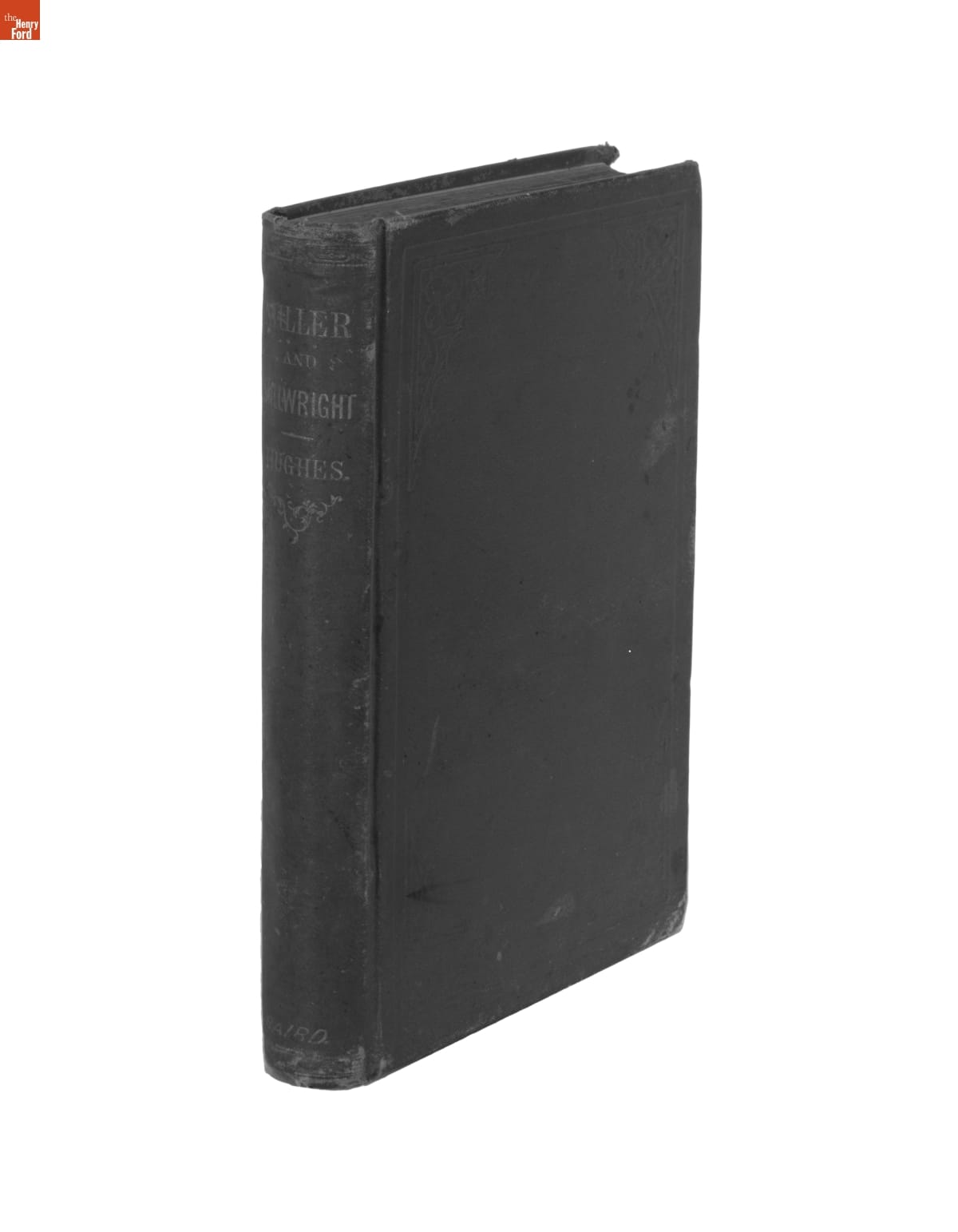
- "The American Miller, and Millwright's Assistant," 1876 -
- 1876
- Collections - Artifact
"The American Miller, and Millwright's Assistant," 1876
- Innovation Nation, Season 2 - <p>The Henry Ford's Innovation Nation, which aired for 10 seasons on CBS, showcased present-day change-makers from all over the world alongside innovators of the past whose stories are told through the archives and experiences at The Henry Ford. In Season 2, Mo Rocca explores topics on Edison versus Tesla, Punch Card Looms, Firestone Farm, and more!</p>

- November 20, 2015
- Collections - Video
Innovation Nation, Season 2
The Henry Ford's Innovation Nation, which aired for 10 seasons on CBS, showcased present-day change-makers from all over the world alongside innovators of the past whose stories are told through the archives and experiences at The Henry Ford. In Season 2, Mo Rocca explores topics on Edison versus Tesla, Punch Card Looms, Firestone Farm, and more!