
Search
- Mechanix Illustrated, December 1943 -
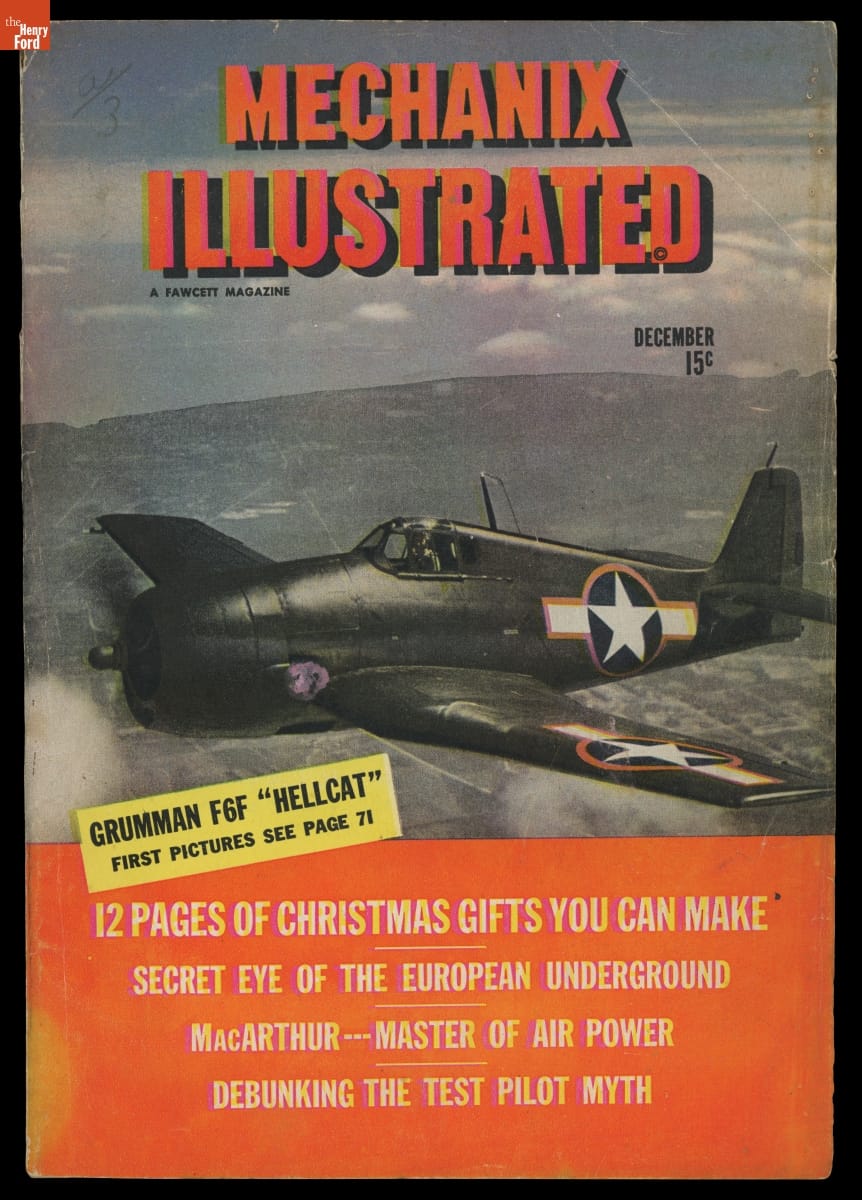
- December 01, 1943
- Collections - Artifact
Mechanix Illustrated, December 1943
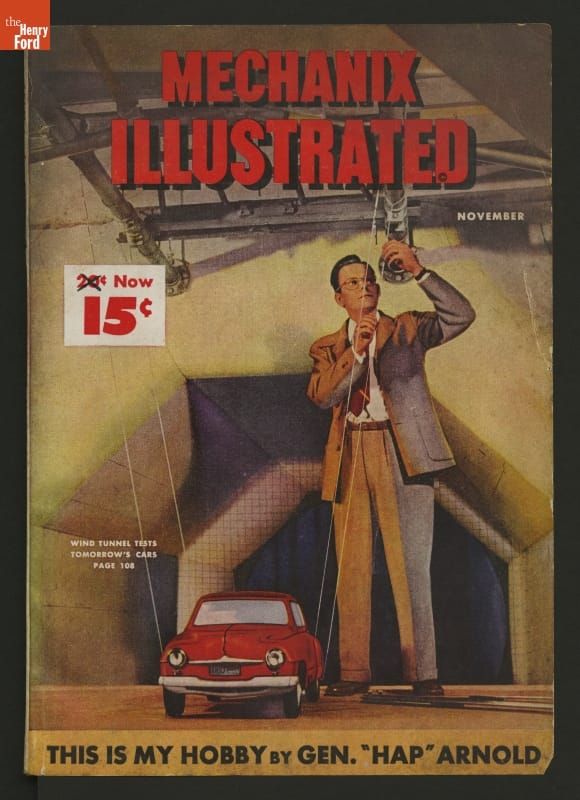
- "Mechanix Illustrated" Magazine, November 1947 - <EM>Mechanix Illustrated</EM>, like other popular how-to magazines, provided informational articles and improvement and repair advice to subscribers. This 1947 issue featured an article on automobile design miniatures. Designer Audrey Moore Hodges, perhaps one of the first full-time female automobile designers, is pictured working on a Studebaker.
- November 01, 1947
- Collections - Artifact
"Mechanix Illustrated" Magazine, November 1947
Mechanix Illustrated, like other popular how-to magazines, provided informational articles and improvement and repair advice to subscribers. This 1947 issue featured an article on automobile design miniatures. Designer Audrey Moore Hodges, perhaps one of the first full-time female automobile designers, is pictured working on a Studebaker.
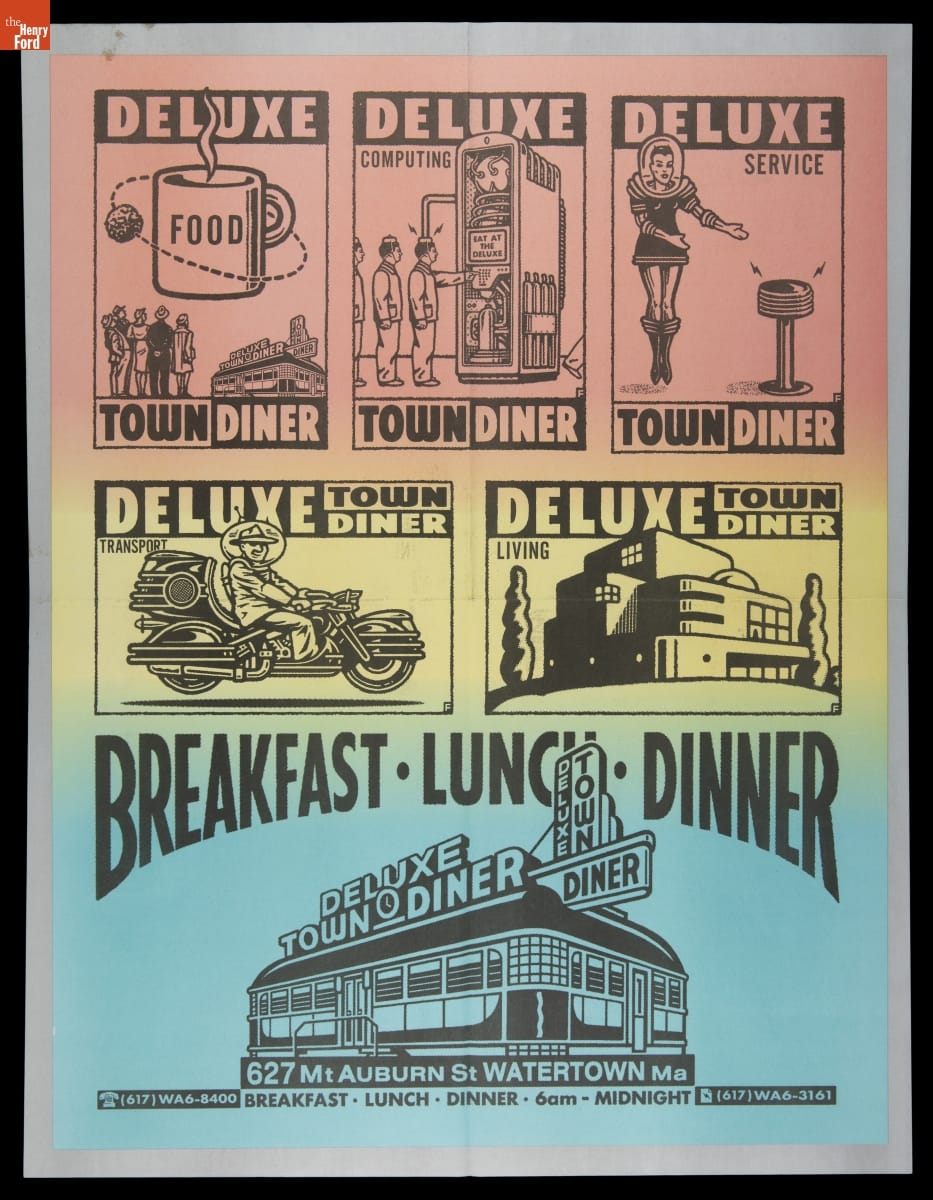
- Deluxe Town Diner Advertising Illustrations -
- circa 2000
- Collections - Artifact
Deluxe Town Diner Advertising Illustrations
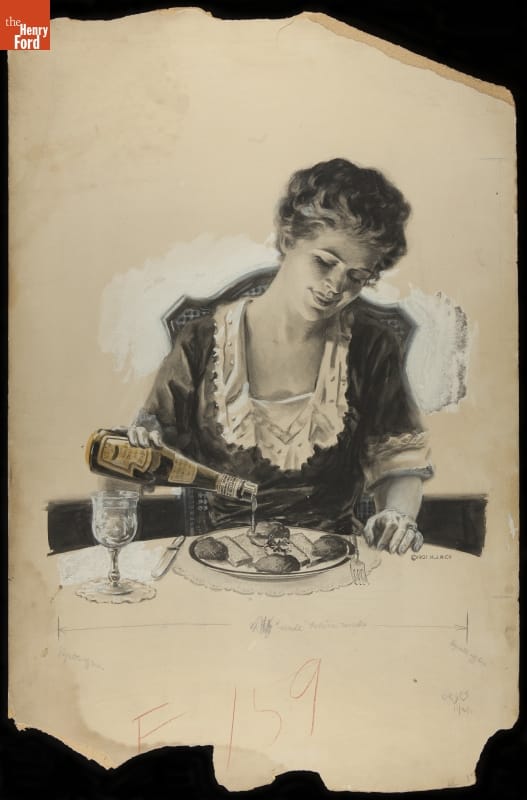
- Illustration for Heinz Product Advertising, 1921 - The H.J. Heinz Company employed ambitious and comprehensive advertising strategies to meet consumers at home, in stores, and everywhere in between. Product marketing strongly targeted housewives and women, assuring them that Heinz products were superior. These advertisements, like the one seen here, typically featured a woman purchasing, preparing, cooking, or serving Heinz products to their families.
- 1921
- Collections - Artifact
Illustration for Heinz Product Advertising, 1921
The H.J. Heinz Company employed ambitious and comprehensive advertising strategies to meet consumers at home, in stores, and everywhere in between. Product marketing strongly targeted housewives and women, assuring them that Heinz products were superior. These advertisements, like the one seen here, typically featured a woman purchasing, preparing, cooking, or serving Heinz products to their families.
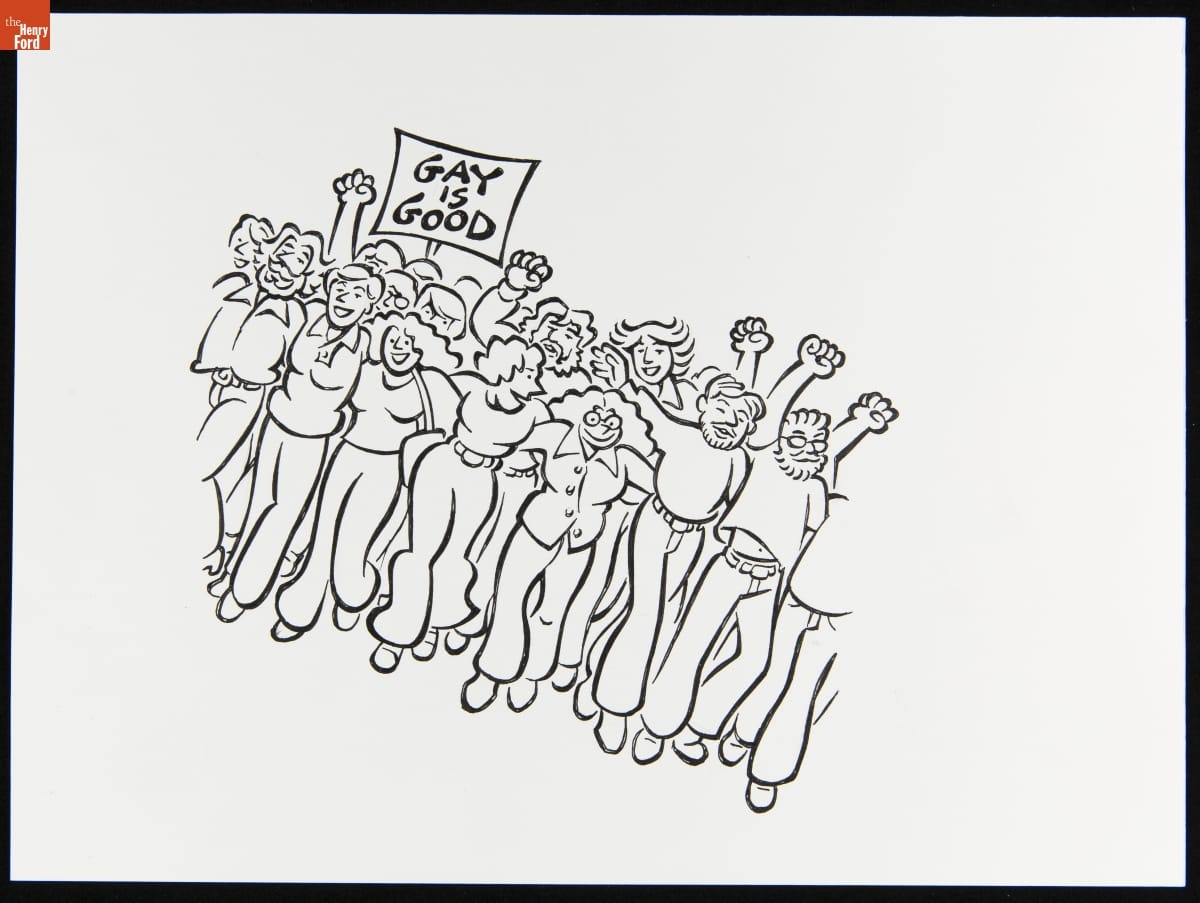
- Illustration, "Gay is Good," circa 1995 - Howard Cruse was an alternative comics artist and graphic novelist. In the 1970s, he was involved with the underground "comix" scene, which published content on topics forbidden by the mainstream comic authorities. In 1995, Cruse released his acclaimed graphic novel, Stuck Rubber Baby, which provides an account of a fictional character experiencing racism and homophobia in the American South during the 1960s Civil Rights Movement.
- circa 1995
- Collections - Artifact
Illustration, "Gay is Good," circa 1995
Howard Cruse was an alternative comics artist and graphic novelist. In the 1970s, he was involved with the underground "comix" scene, which published content on topics forbidden by the mainstream comic authorities. In 1995, Cruse released his acclaimed graphic novel, Stuck Rubber Baby, which provides an account of a fictional character experiencing racism and homophobia in the American South during the 1960s Civil Rights Movement.
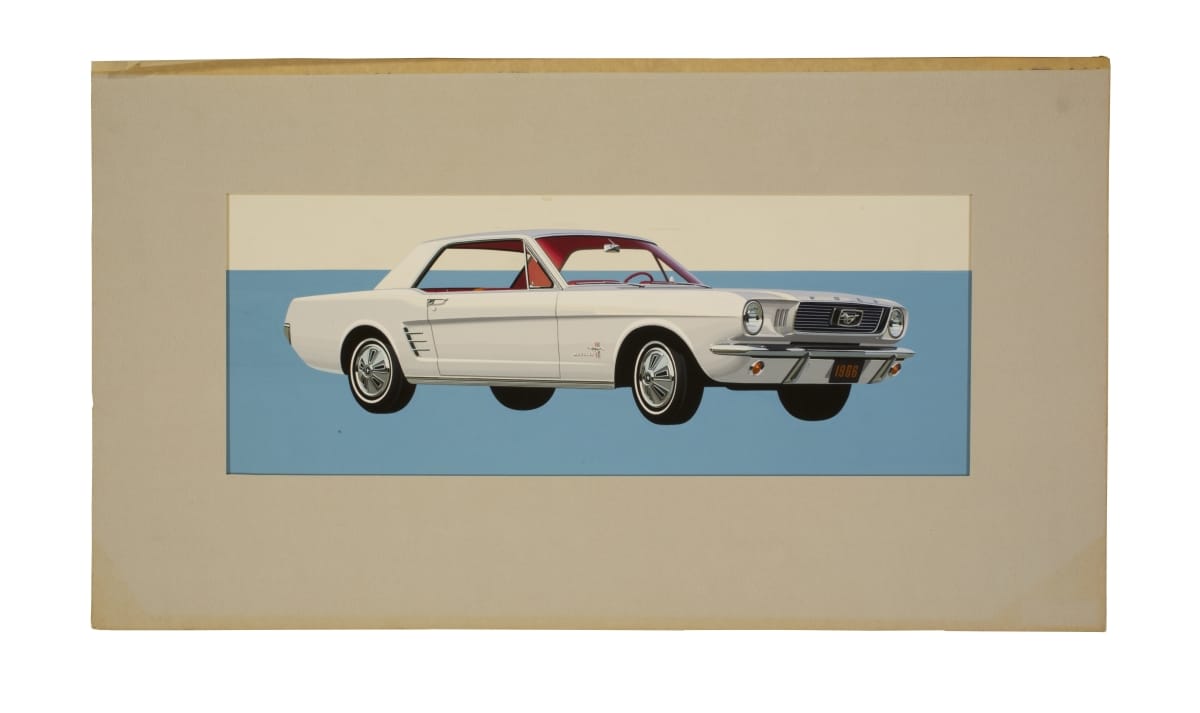
- Illustration for 1966 Ford Mustang Advertising - Ford promoted the Mustang with a series of flashy newspaper and magazine advertisements. The ads typically showed the car in exciting or glamorous situations, or attracting attention from others. Men and women, young and old, singles and families were all depicted. The message was clear: Mustang wasn't just a car, it was a vibrant lifestyle that appealed to everyone.
- 1965
- Collections - Artifact
Illustration for 1966 Ford Mustang Advertising
Ford promoted the Mustang with a series of flashy newspaper and magazine advertisements. The ads typically showed the car in exciting or glamorous situations, or attracting attention from others. Men and women, young and old, singles and families were all depicted. The message was clear: Mustang wasn't just a car, it was a vibrant lifestyle that appealed to everyone.
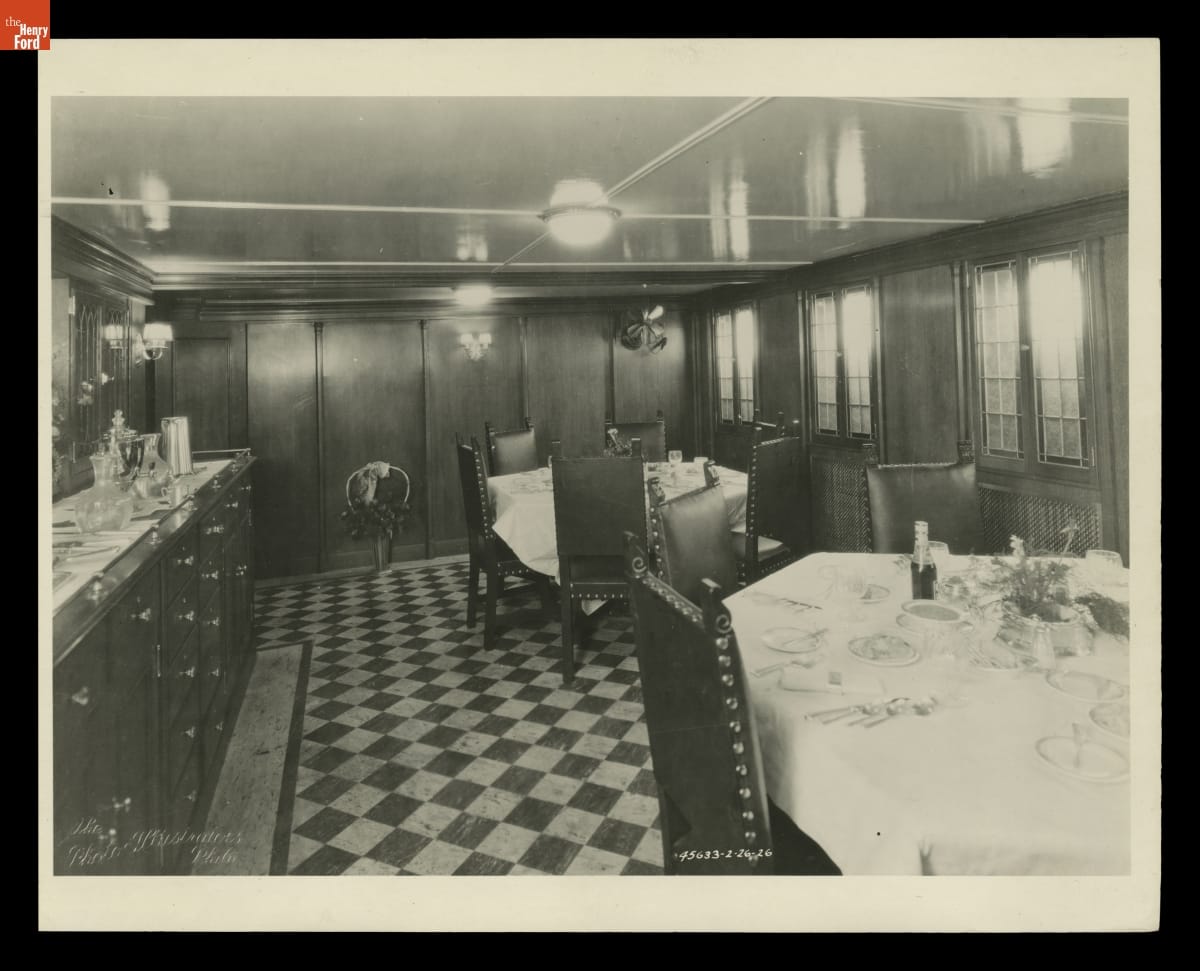
- Dining Room aboard a Ford Motor Company Ship, February 1926 -
- February 26, 1926
- Collections - Artifact
Dining Room aboard a Ford Motor Company Ship, February 1926
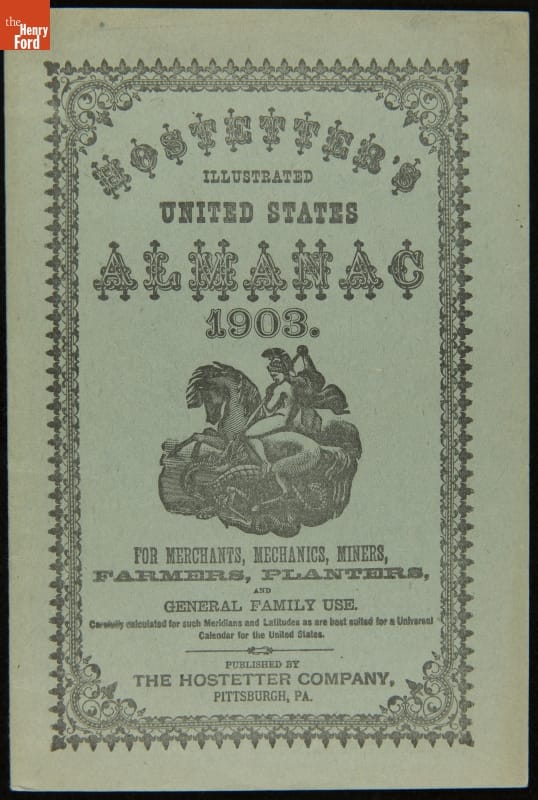
- Hostetter's Illustrated United States Almanac, 1903 - Almanacs contained practical information about the coming year. Readers normally found a calendar, weather predictions, tide schedules, and information related to astronomical events, agriculture, health, politics and other matters. Interspersed were jokes and witty sayings. Beginning in the late 1800s, makers of Hostetter's Bitters -- a self-proclaimed cure-all with high alcohol content -- published almanacs to entice the public to buy their products.
- 1903
- Collections - Artifact
Hostetter's Illustrated United States Almanac, 1903
Almanacs contained practical information about the coming year. Readers normally found a calendar, weather predictions, tide schedules, and information related to astronomical events, agriculture, health, politics and other matters. Interspersed were jokes and witty sayings. Beginning in the late 1800s, makers of Hostetter's Bitters -- a self-proclaimed cure-all with high alcohol content -- published almanacs to entice the public to buy their products.
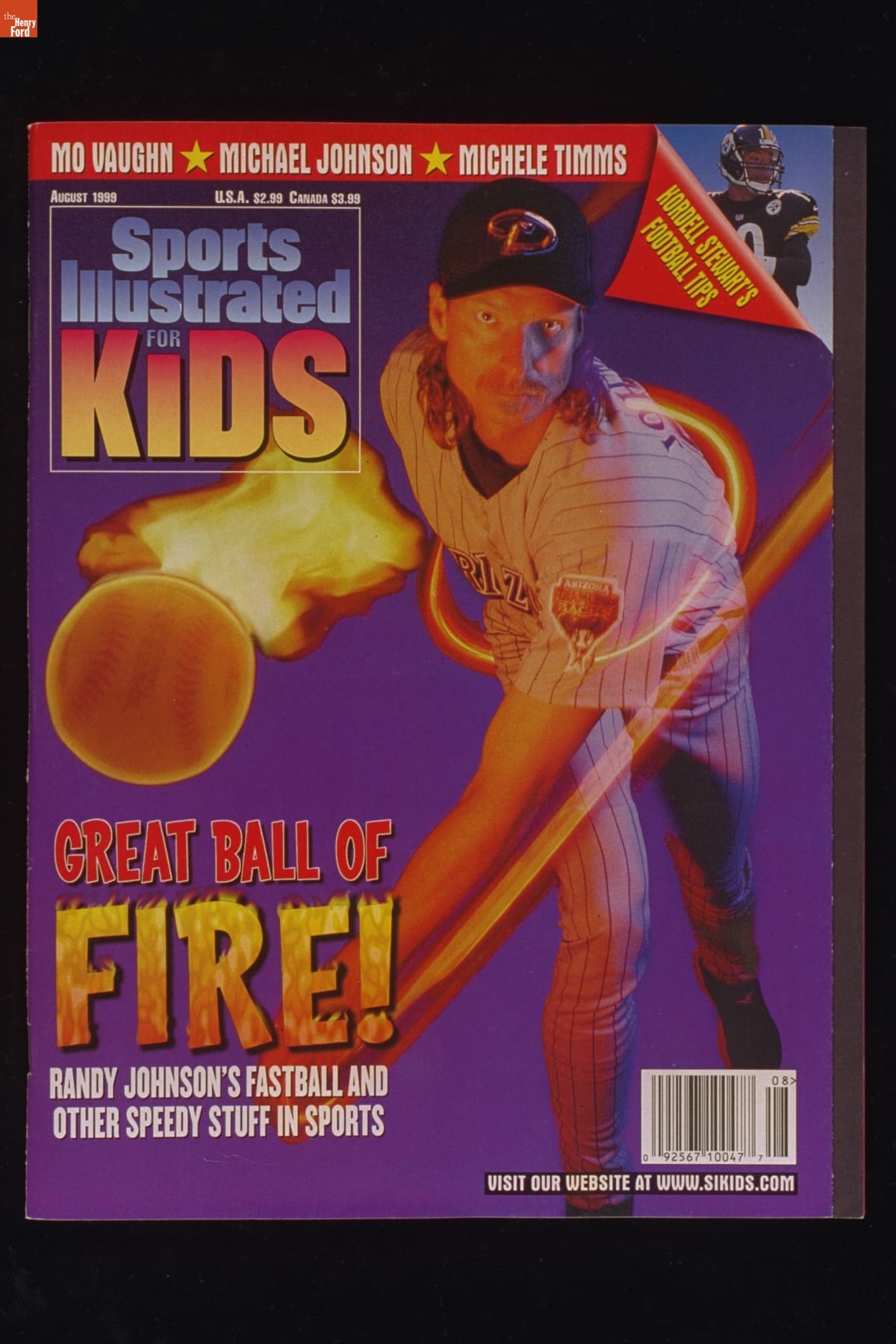
- Sports Illustrated for Kids, August 1999 -
- August 01, 1999
- Collections - Artifact
Sports Illustrated for Kids, August 1999
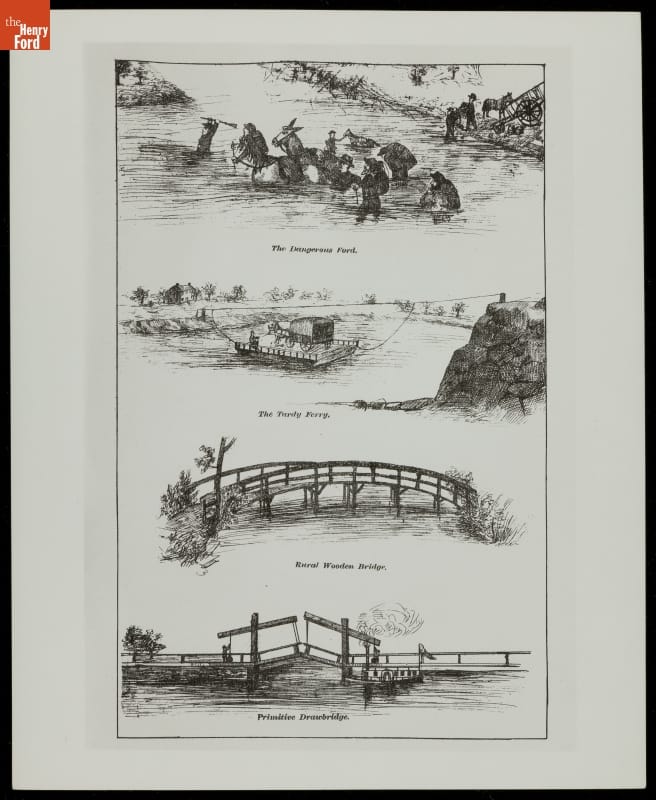
- Illustrations of River Crossing Methods, 1800-1850 -
- 1800-1850
- Collections - Artifact
Illustrations of River Crossing Methods, 1800-1850