
Search
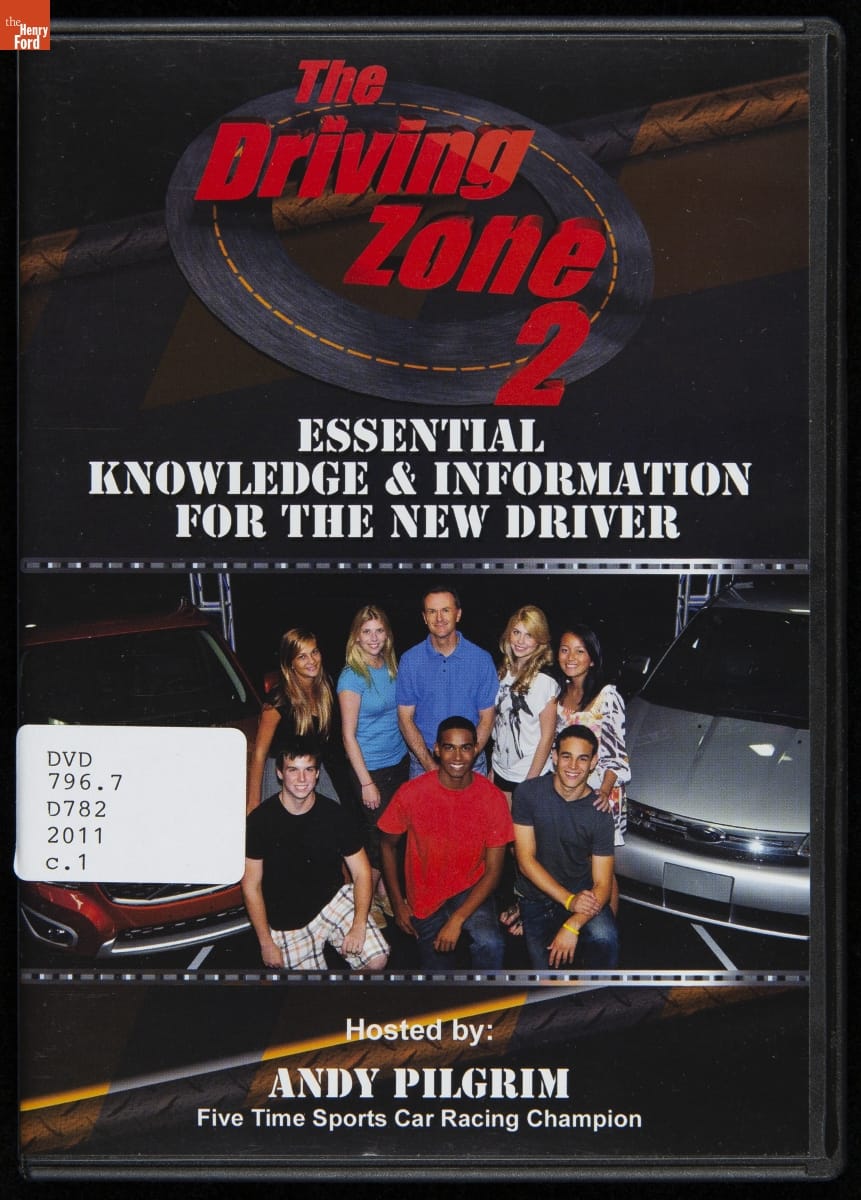
- The Driving Zone 2: Essential Knowledge & Information for the New Driver, 2011 - Andy Pilgrim earned more than 80 wins in professional racing series over a four-decade career. In the mid-1990s, he began speaking to high school students about the dangers of distracted driving. Pilgrim established the Traffic Safety Education Foundation, which encouraged safe driving through DVDs and public service announcements provided to school districts across the United States.
- 2011
- Collections - Artifact
The Driving Zone 2: Essential Knowledge & Information for the New Driver, 2011
Andy Pilgrim earned more than 80 wins in professional racing series over a four-decade career. In the mid-1990s, he began speaking to high school students about the dangers of distracted driving. Pilgrim established the Traffic Safety Education Foundation, which encouraged safe driving through DVDs and public service announcements provided to school districts across the United States.
- Carnegie Libraries: Democratizing Knowledge - Free public libraries spread during the early 20th century, coinciding with new town developments. Learn about Andrew Carnegie's contribution to the growth of these buildings across America.

- January 04, 2023
- Collections - article
Carnegie Libraries: Democratizing Knowledge
Free public libraries spread during the early 20th century, coinciding with new town developments. Learn about Andrew Carnegie's contribution to the growth of these buildings across America.
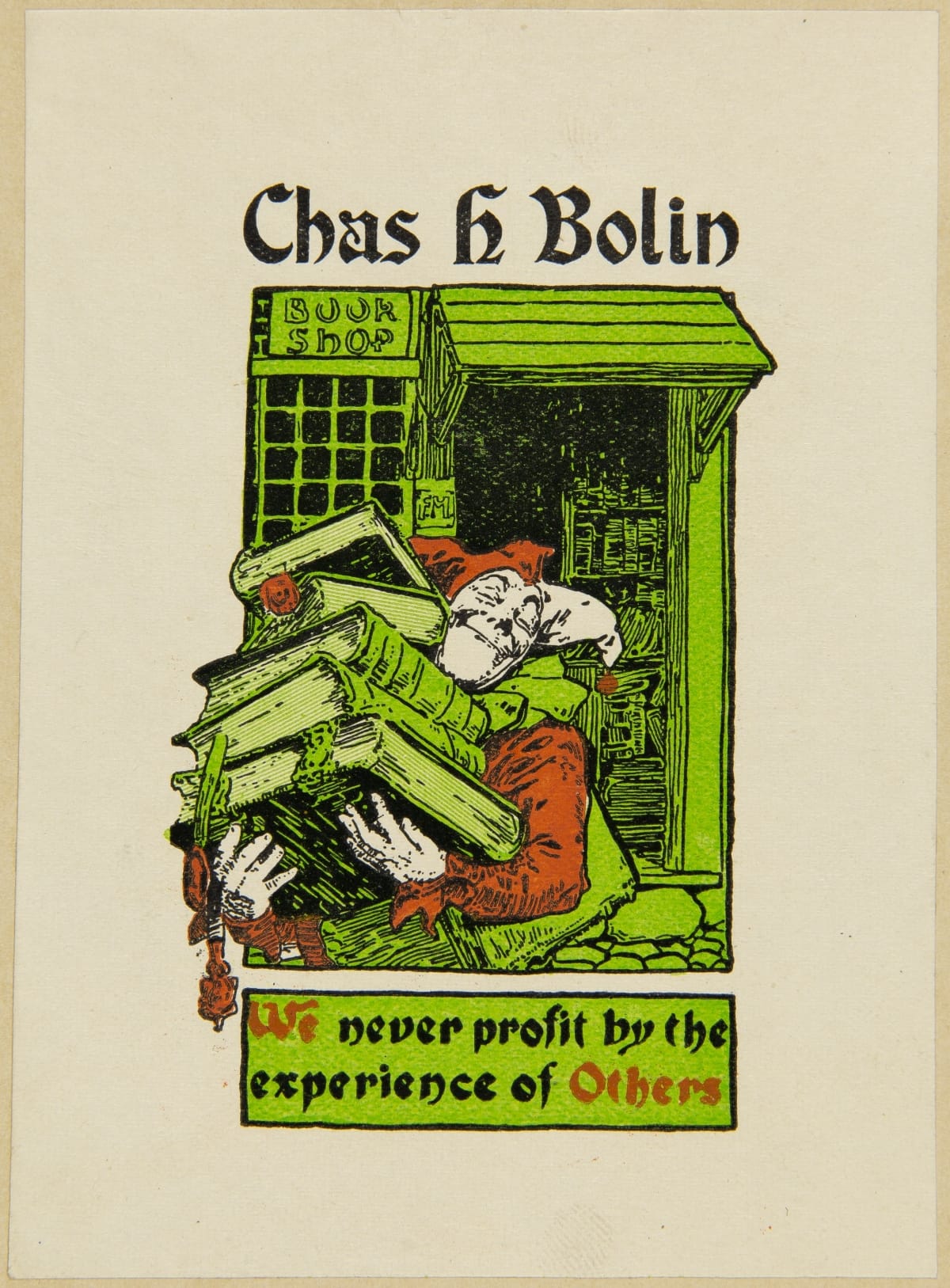
- Bookplate of Chas H. Bolin, 1900-1930 - Bookplates show ownership, but they can also tell us more. Often pasted on the inside of a book's front cover or endpaper, these printed labels contain the owner's name and sometimes the words "ex-libris" (Latin for "from the library of"). Coats of arms, crests, other decorative images, poems, mottoes, and even font type provide insight into the beliefs, passions, and interests of the book's owner.
- 1900-1930
- Collections - Artifact
Bookplate of Chas H. Bolin, 1900-1930
Bookplates show ownership, but they can also tell us more. Often pasted on the inside of a book's front cover or endpaper, these printed labels contain the owner's name and sometimes the words "ex-libris" (Latin for "from the library of"). Coats of arms, crests, other decorative images, poems, mottoes, and even font type provide insight into the beliefs, passions, and interests of the book's owner.
- The Art of Provenance Research: Playing Detective in Our Collections - Our registrar’s office sometimes “plays detective” by engaging in provenance research to determine the history of the ownership of an artifact – and to deepen our knowledge of the stories behind our artifacts. Learn more on our blog.

- November 16, 2020
- Collections - article
The Art of Provenance Research: Playing Detective in Our Collections
Our registrar’s office sometimes “plays detective” by engaging in provenance research to determine the history of the ownership of an artifact – and to deepen our knowledge of the stories behind our artifacts. Learn more on our blog.
- Information at Your Fingertips: Encyclopedias through History - Explore the history of encyclopedias through artifacts from the collections of The Henry Ford.
-600x600%2Fencyclopedia-collections.png%3Fsfvrsn%3Dd30c582e_1&w=3840&q=75)
- March 30, 2021
- Collections - article
Information at Your Fingertips: Encyclopedias through History
Explore the history of encyclopedias through artifacts from the collections of The Henry Ford.
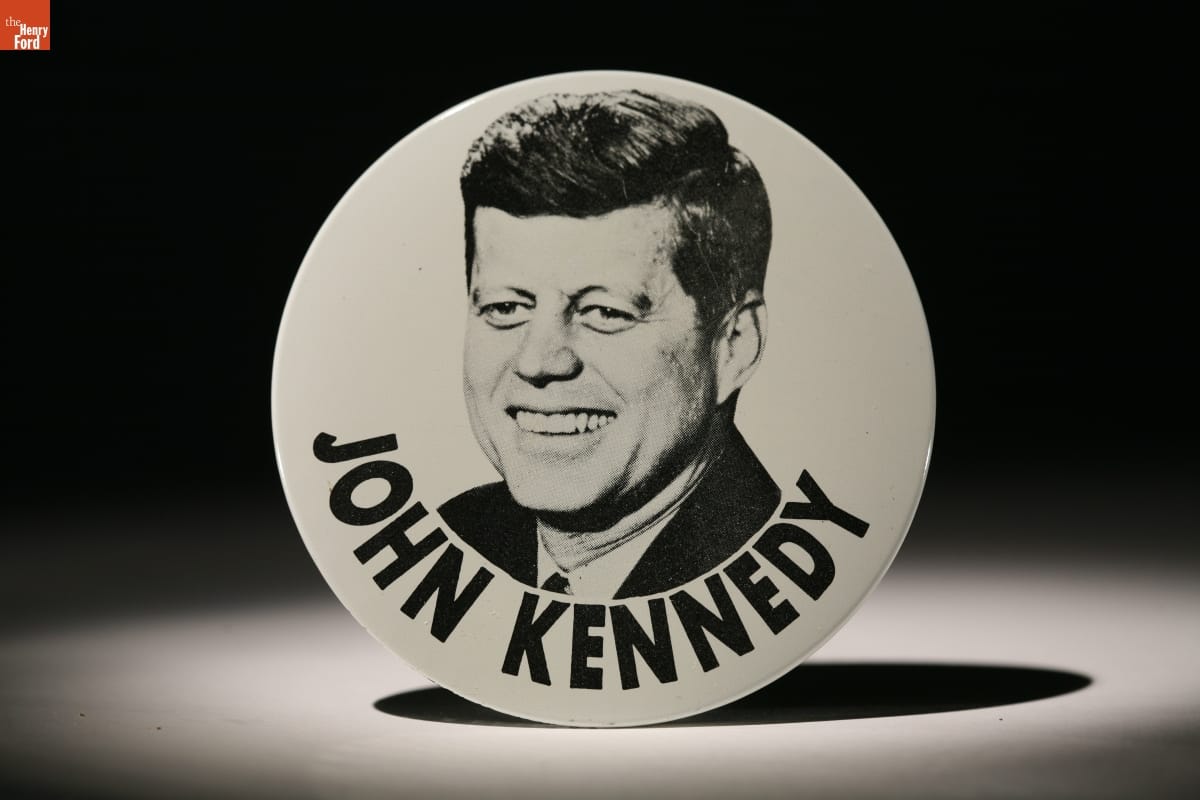
- JFK Remembered: Presidential Campaign - Using giveaways like this campaign button, Democratic presidential candidate John F. Kennedy launched an exhaustive campaign in 1960 against Republican opponent Vice President Richard M. Nixon. Despite charges that he lacked experience in foreign affairs and that his Catholic background would hurt him, Kennedy's knowledge and maturity eventually won him the very close 1960 election.
- October 22, 2013
- Collections - Set
JFK Remembered: Presidential Campaign
Using giveaways like this campaign button, Democratic presidential candidate John F. Kennedy launched an exhaustive campaign in 1960 against Republican opponent Vice President Richard M. Nixon. Despite charges that he lacked experience in foreign affairs and that his Catholic background would hurt him, Kennedy's knowledge and maturity eventually won him the very close 1960 election.
- Science and Studio Glass - From millions of artifacts in The Henry Ford’s collections, our experts choose three and reveal the surprisingly curious connections between them. In the featured video below, discover how applying scientific knowledge to technical innovations can lead to beautiful artistic expression in glass.
- February 01, 2017
- Collections - Video
Science and Studio Glass
From millions of artifacts in The Henry Ford’s collections, our experts choose three and reveal the surprisingly curious connections between them. In the featured video below, discover how applying scientific knowledge to technical innovations can lead to beautiful artistic expression in glass.
- Martha Stewart - <div><div><div><div><div><p>Martha Stewart discusses where she finds inspiration for new ideas, how she pays close attention to everyday life to identify opportunities, and how she combines these ideas with her insights to grow and manage a media empire.</p></div></div></div></div></div>

- February 24, 2012
- Collections - Video
Martha Stewart
Martha Stewart discusses where she finds inspiration for new ideas, how she pays close attention to everyday life to identify opportunities, and how she combines these ideas with her insights to grow and manage a media empire.
- Is a Conservator a Scientist? - Our conservators are responsible for the long-term preservation of our artifacts. But are they scientists? Find out what our Chief Conservator thinks.

- June 06, 2016
- Collections - article
Is a Conservator a Scientist?
Our conservators are responsible for the long-term preservation of our artifacts. But are they scientists? Find out what our Chief Conservator thinks.
- Our Collections Experts - Meet our collections experts at The Henry Ford and learn their role in helping preserve one of the greatest collections of American history artifacts.
- Collections - Page
Our Collections Experts
Meet our collections experts at The Henry Ford and learn their role in helping preserve one of the greatest collections of American history artifacts.