
Search
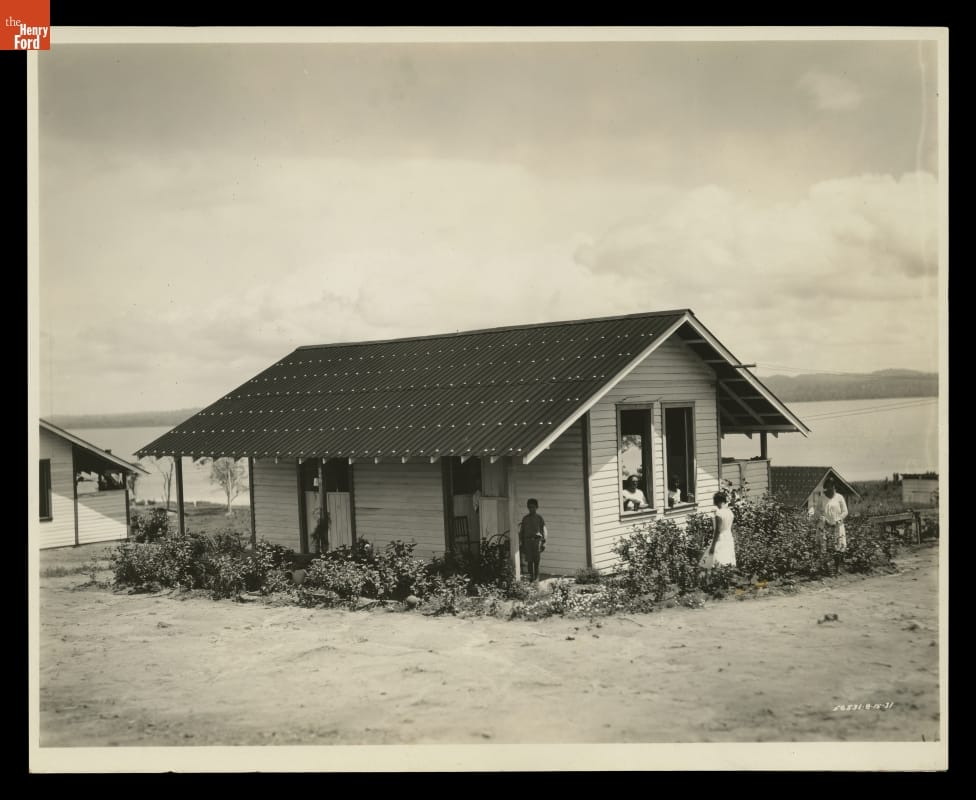
- Laborer's House at Fordlandia, Brazil, 1931 - Henry Ford established Fordlandia and Belterra in the Brazilian rainforest to supply rubber for automobile production. He began shipping machinery and supplies to the Amazon in 1928. Ford paid the indigenous workers good wages and supplied various amenities -- he also imposed foreign work traditions and behavioral restrictions which the workers resented. The plantations failed and Ford Motor Company disposed of the project in 1945.
- August 15, 1931
- Collections - Artifact
Laborer's House at Fordlandia, Brazil, 1931
Henry Ford established Fordlandia and Belterra in the Brazilian rainforest to supply rubber for automobile production. He began shipping machinery and supplies to the Amazon in 1928. Ford paid the indigenous workers good wages and supplied various amenities -- he also imposed foreign work traditions and behavioral restrictions which the workers resented. The plantations failed and Ford Motor Company disposed of the project in 1945.
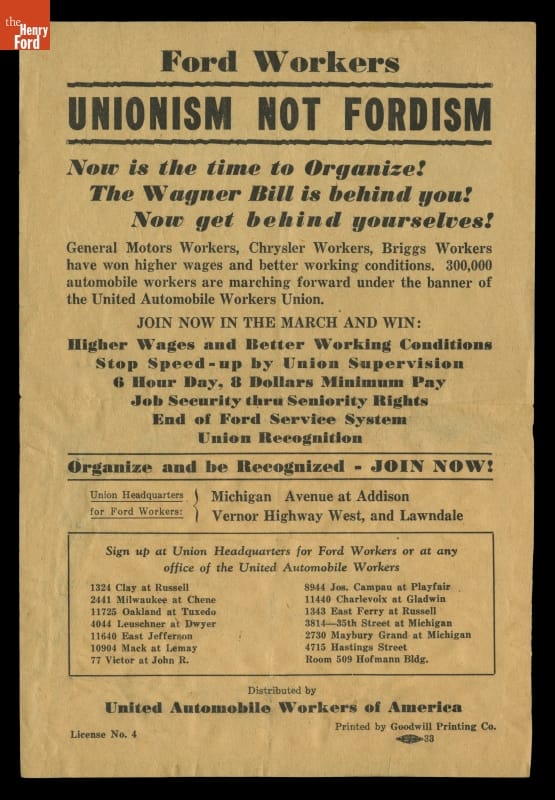
- Union Recruiting Poster, "Unionism not Fordism, Now is the Time to Organize!," 1935-1936 - This broadside refers to the 1935 Wagner Act, which guaranteed workers the right to organize unions, and to strike, boycott and picket their employers. The United Auto Workers (UAW) labor union, founded 1935, succeeded in unionizing General Motors and Chrysler within two years. The UAW's next target became Ford Motor Company, which had long resisted unionization. It ultimately succeeded in 1941.
- 1935-1936
- Collections - Artifact
Union Recruiting Poster, "Unionism not Fordism, Now is the Time to Organize!," 1935-1936
This broadside refers to the 1935 Wagner Act, which guaranteed workers the right to organize unions, and to strike, boycott and picket their employers. The United Auto Workers (UAW) labor union, founded 1935, succeeded in unionizing General Motors and Chrysler within two years. The UAW's next target became Ford Motor Company, which had long resisted unionization. It ultimately succeeded in 1941.
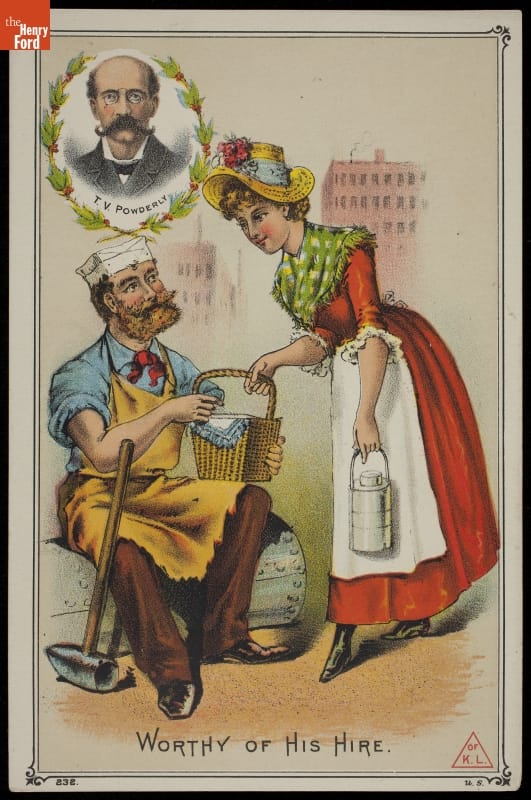
- Trade Card for the Labor Organization Knights of Labor, 1883-1887 - In the last third of the nineteenth century, an unprecedented variety of consumer goods and services flooded the American market. Advertisers, armed with new methods of color printing, bombarded potential customers with trade cards. Americans enjoyed and often saved the vibrant little advertisements found in product packages or distributed by local merchants. Many survive as historical records of commercialism in the United States.
- 1883-1887
- Collections - Artifact
Trade Card for the Labor Organization Knights of Labor, 1883-1887
In the last third of the nineteenth century, an unprecedented variety of consumer goods and services flooded the American market. Advertisers, armed with new methods of color printing, bombarded potential customers with trade cards. Americans enjoyed and often saved the vibrant little advertisements found in product packages or distributed by local merchants. Many survive as historical records of commercialism in the United States.
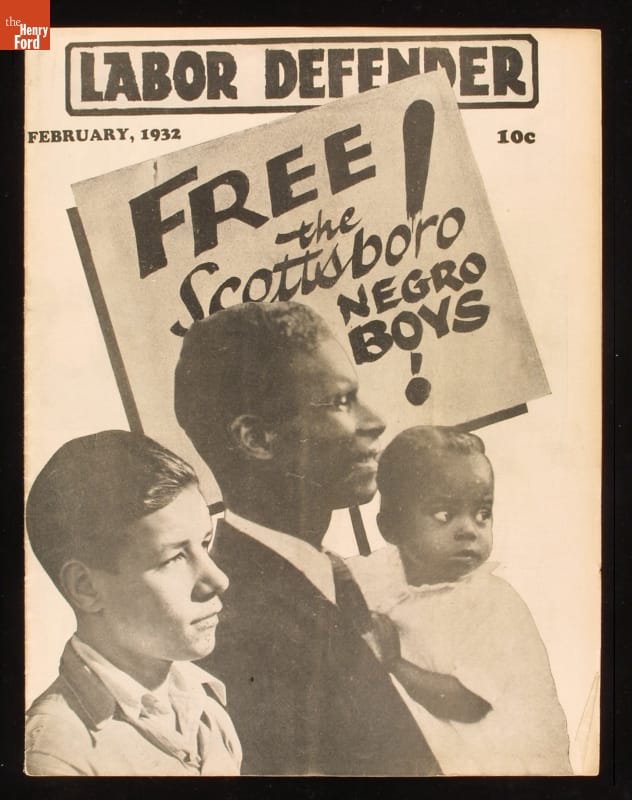
- "Labor Defender," February 1932 - In 1931, nine black youths were unjustly accused of raping two white women in Alabama. White juries quickly convicted and sentenced eight of the defendants to death. This 1932 issue of the Labor Defender urged readers to support the efforts by the International Labor Defense, the legal arm of the Communist Party of the United States, to free the "Scottsboro Boys."
- February 01, 1932
- Collections - Artifact
"Labor Defender," February 1932
In 1931, nine black youths were unjustly accused of raping two white women in Alabama. White juries quickly convicted and sentenced eight of the defendants to death. This 1932 issue of the Labor Defender urged readers to support the efforts by the International Labor Defense, the legal arm of the Communist Party of the United States, to free the "Scottsboro Boys."
- Paul Padgett, Witness at NLRB Hearing, Federal Building, April 1941 -
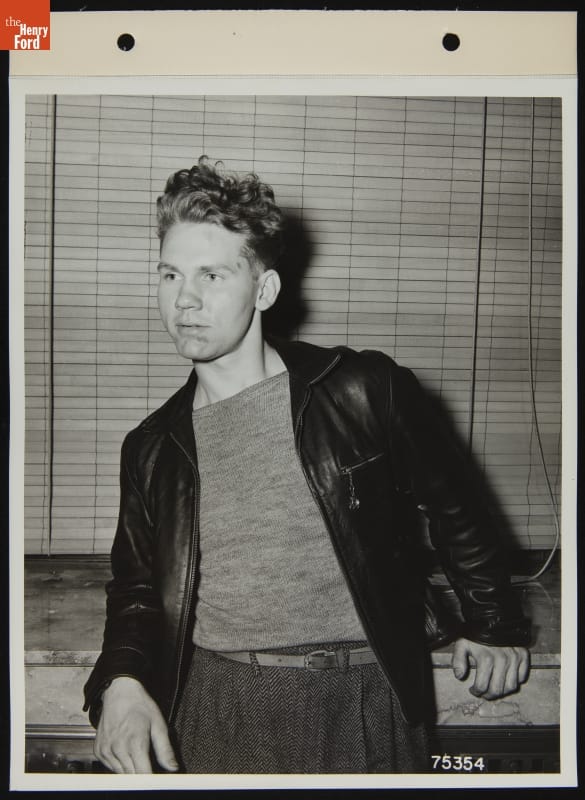
- April 10, 1941
- Collections - Artifact
Paul Padgett, Witness at NLRB Hearing, Federal Building, April 1941
- Laborers at Belterra Plantation, Brazil, 1934 -
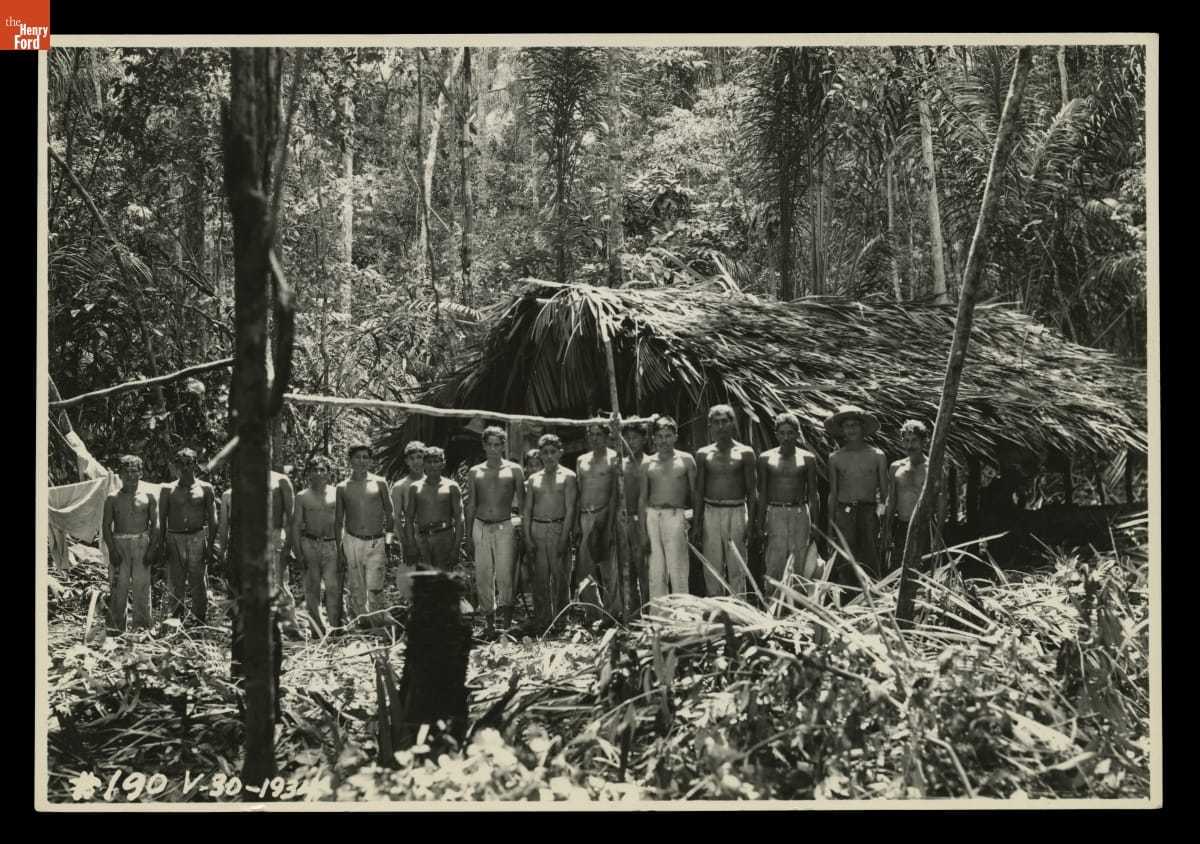
- 1934
- Collections - Artifact
Laborers at Belterra Plantation, Brazil, 1934
- Greenback Labor Party Buttons, 1868-1888 -
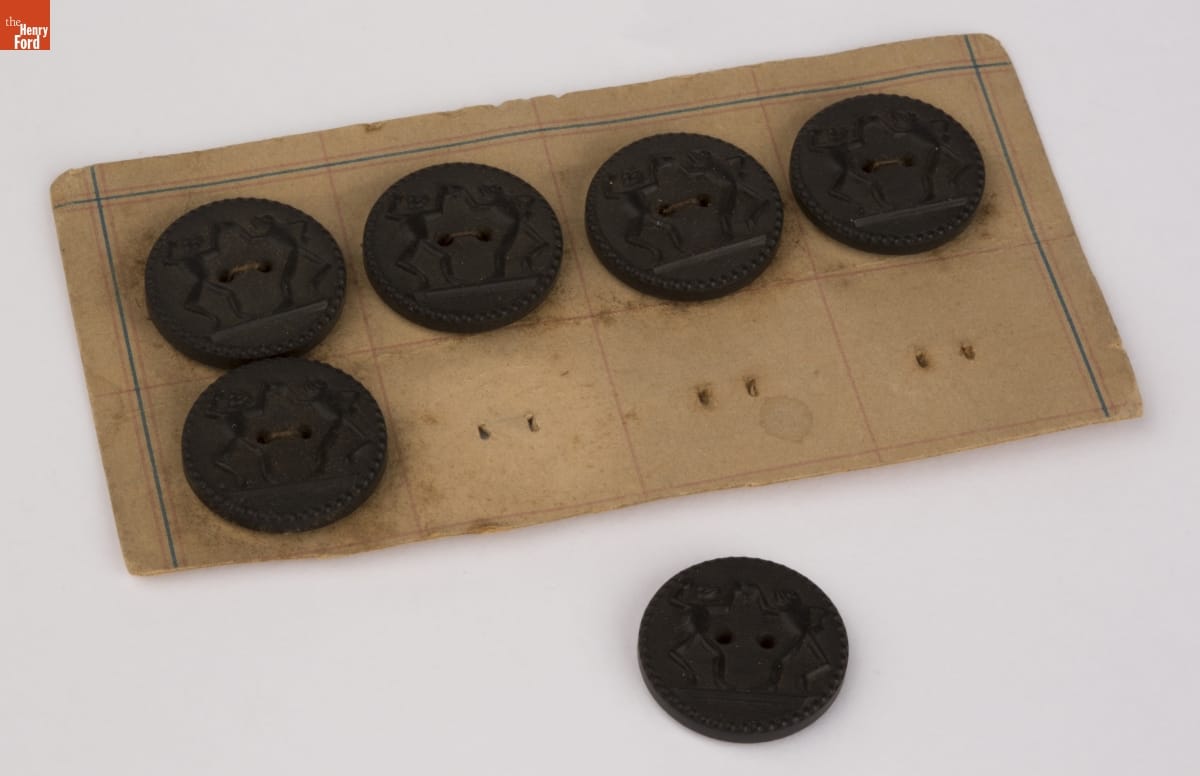
- 1868-1888
- Collections - Artifact
Greenback Labor Party Buttons, 1868-1888
- Labor Mondale Ferraro Illinois AFL-CIO Button, 1984 - Organized labor leaders strongly backed Walter Mondale's presidential run in 1984. The AFL-CIO endorsed Mondale before the primaries began, and Mondale eventually won the Democratic nomination. In the general election, Mondale won the votes of a majority of union members, but his Republican opponent, incumbent President Ronald Reagan, chipped away many rank-and-file members on the way to a landslide victory.
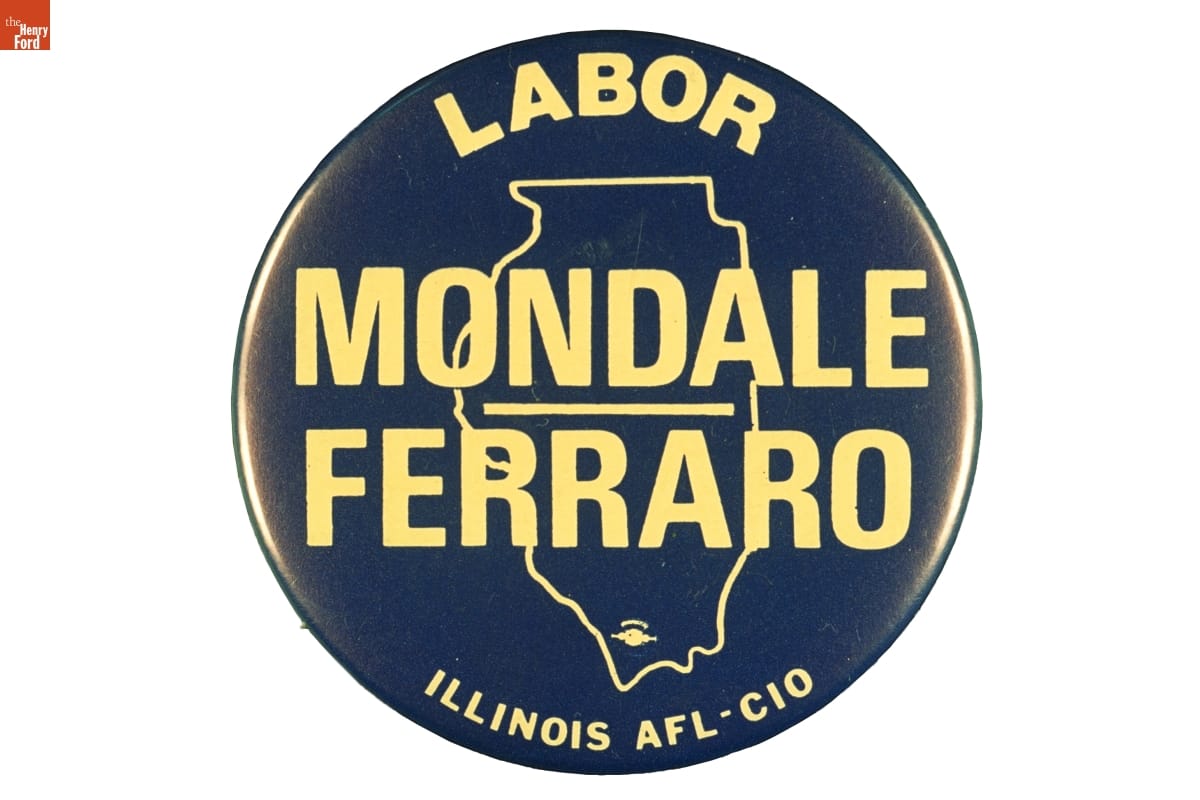
- 1984
- Collections - Artifact
Labor Mondale Ferraro Illinois AFL-CIO Button, 1984
Organized labor leaders strongly backed Walter Mondale's presidential run in 1984. The AFL-CIO endorsed Mondale before the primaries began, and Mondale eventually won the Democratic nomination. In the general election, Mondale won the votes of a majority of union members, but his Republican opponent, incumbent President Ronald Reagan, chipped away many rank-and-file members on the way to a landslide victory.
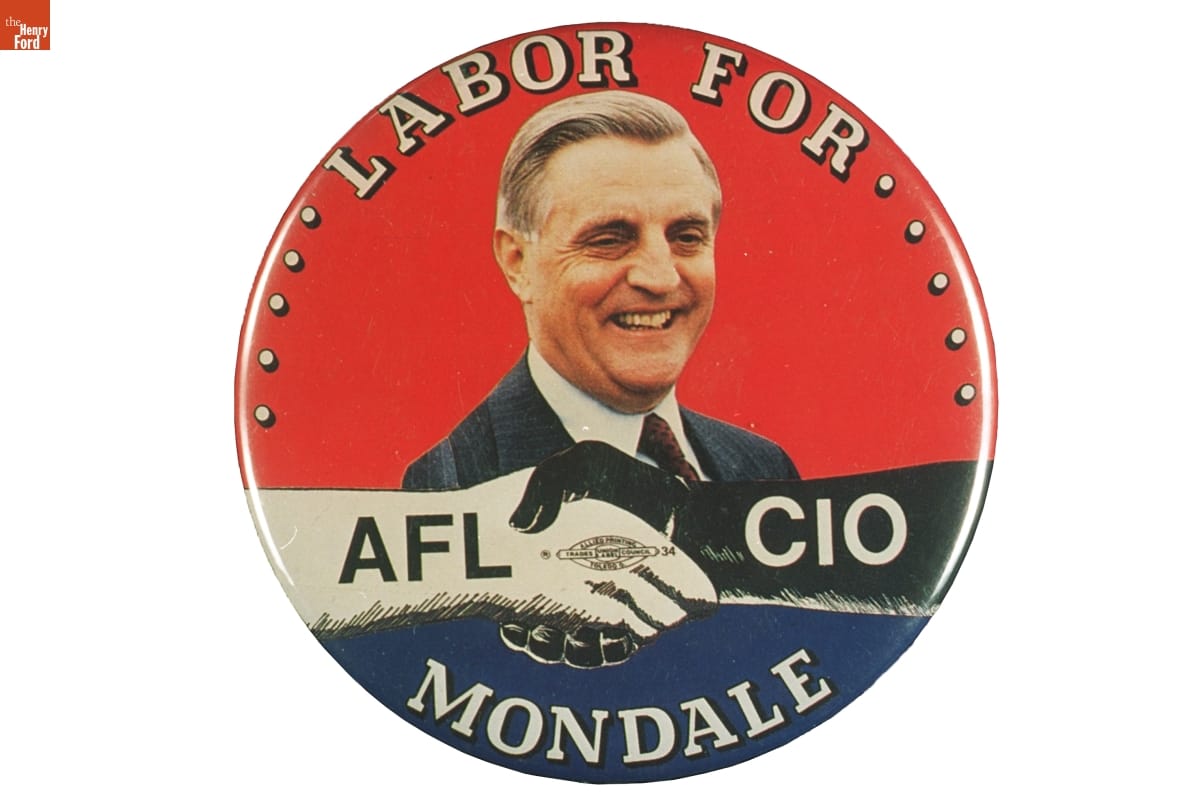
- Labor for Mondale AFL CIO Button, 1984 - Organized labor leaders strongly backed Walter Mondale's presidential run in 1984. The AFL-CIO endorsed Mondale before the primaries began, and Mondale eventually won the Democratic nomination. In the general election, Mondale won the votes of a majority of union members, but his Republican opponent, incumbent President Ronald Reagan, chipped away many rank-and-file members on the way to a landslide victory.
- 1984
- Collections - Artifact
Labor for Mondale AFL CIO Button, 1984
Organized labor leaders strongly backed Walter Mondale's presidential run in 1984. The AFL-CIO endorsed Mondale before the primaries began, and Mondale eventually won the Democratic nomination. In the general election, Mondale won the votes of a majority of union members, but his Republican opponent, incumbent President Ronald Reagan, chipped away many rank-and-file members on the way to a landslide victory.
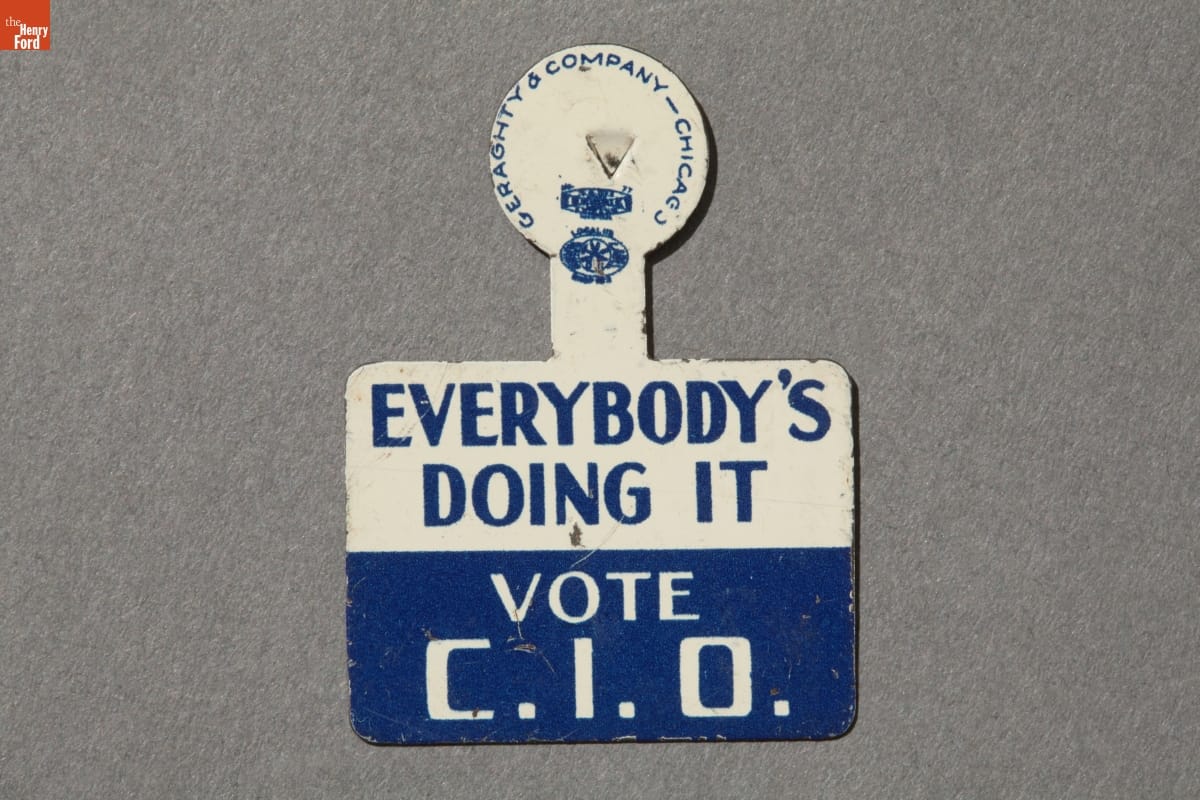
- CIO Labor Union Badge, 1932-1942 - The Congress of Industrial Organizations (CIO) was a federation of different labor unions. It had formed as an offshoot of the larger American Federation of Labor (AFL) but became independent in 1935. It attracted young left-wing activists, socialists and Communists. The United Automobile Workers (UAW) labor union, founded as part the CIO, was particularly influential during the late 1930s.
- 1932-1942
- Collections - Artifact
CIO Labor Union Badge, 1932-1942
The Congress of Industrial Organizations (CIO) was a federation of different labor unions. It had formed as an offshoot of the larger American Federation of Labor (AFL) but became independent in 1935. It attracted young left-wing activists, socialists and Communists. The United Automobile Workers (UAW) labor union, founded as part the CIO, was particularly influential during the late 1930s.