
Search
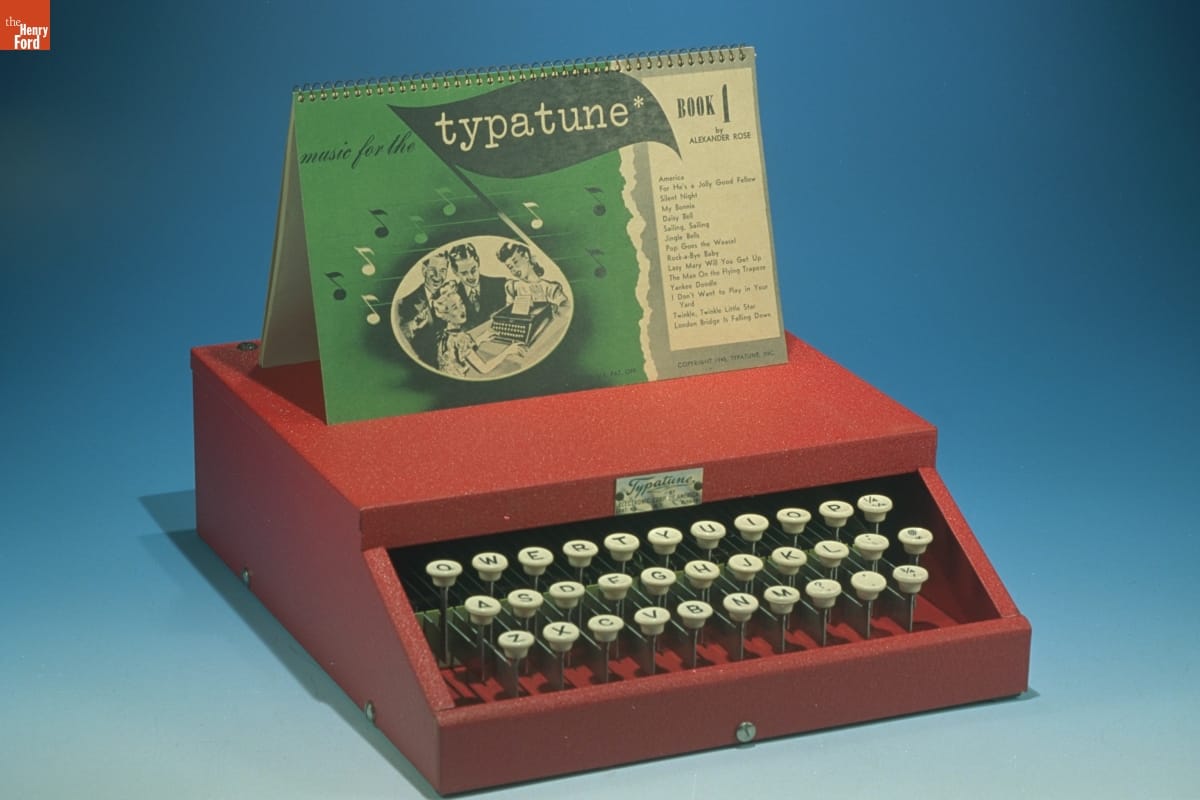
- Typatune Musical Typewriter, 1945 - This instructional toy was developed in the 1930s to help children learn to type. Each key plays a different note. An included book of songs gives students typing practice while they make music; songs include old favorites such as "Pop Goes the Weasel" and "Yankee Doodle." Note that the Typatune did not actually print letters on paper: it was strictly for practice.
- 1945
- Collections - Artifact
Typatune Musical Typewriter, 1945
This instructional toy was developed in the 1930s to help children learn to type. Each key plays a different note. An included book of songs gives students typing practice while they make music; songs include old favorites such as "Pop Goes the Weasel" and "Yankee Doodle." Note that the Typatune did not actually print letters on paper: it was strictly for practice.
- Disc Music Box, 1903 -
- 1903
- Collections - Artifact
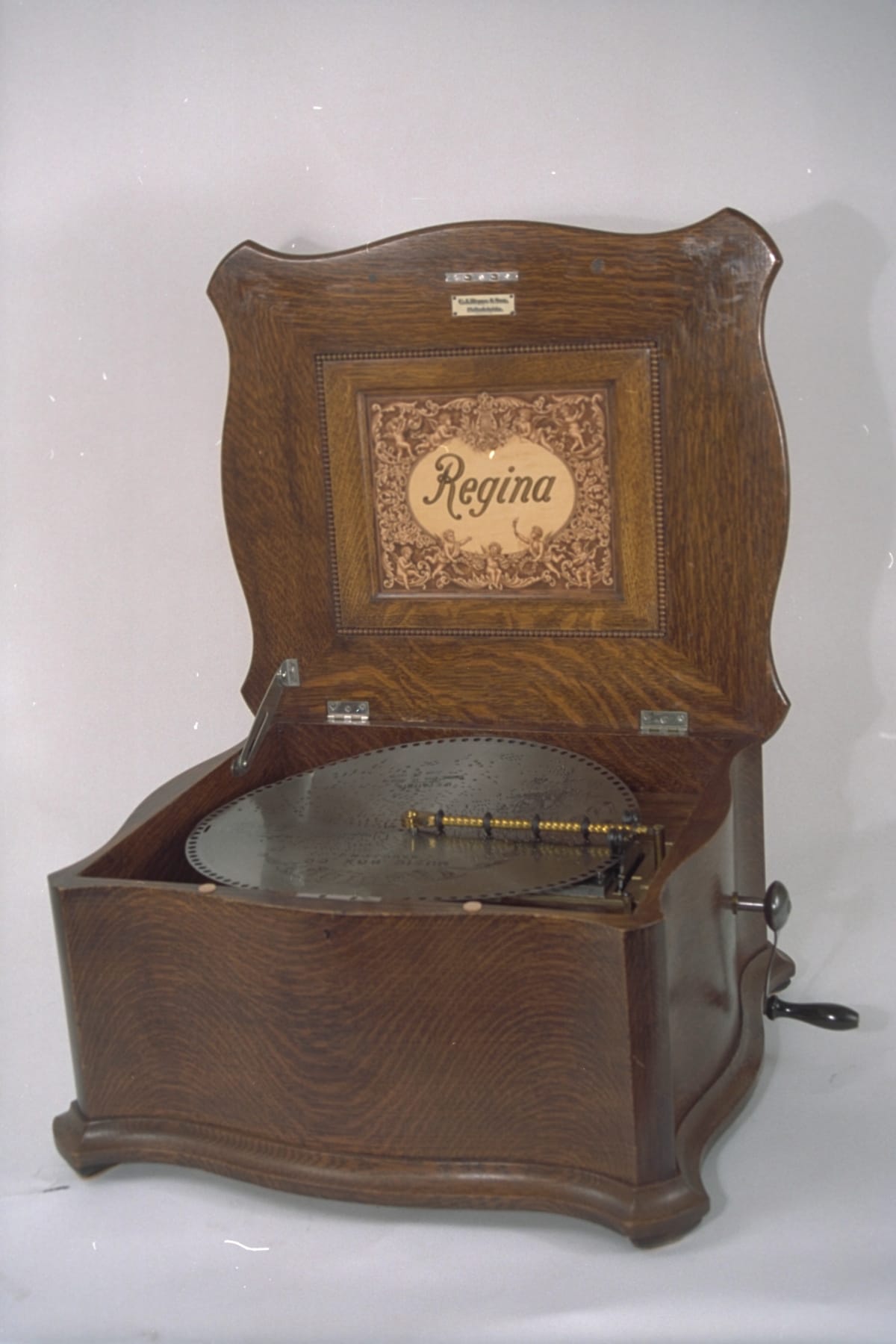
Disc Music Box, 1903
- Making Music Your Own, 1965 -
- 1965
- Collections - Artifact
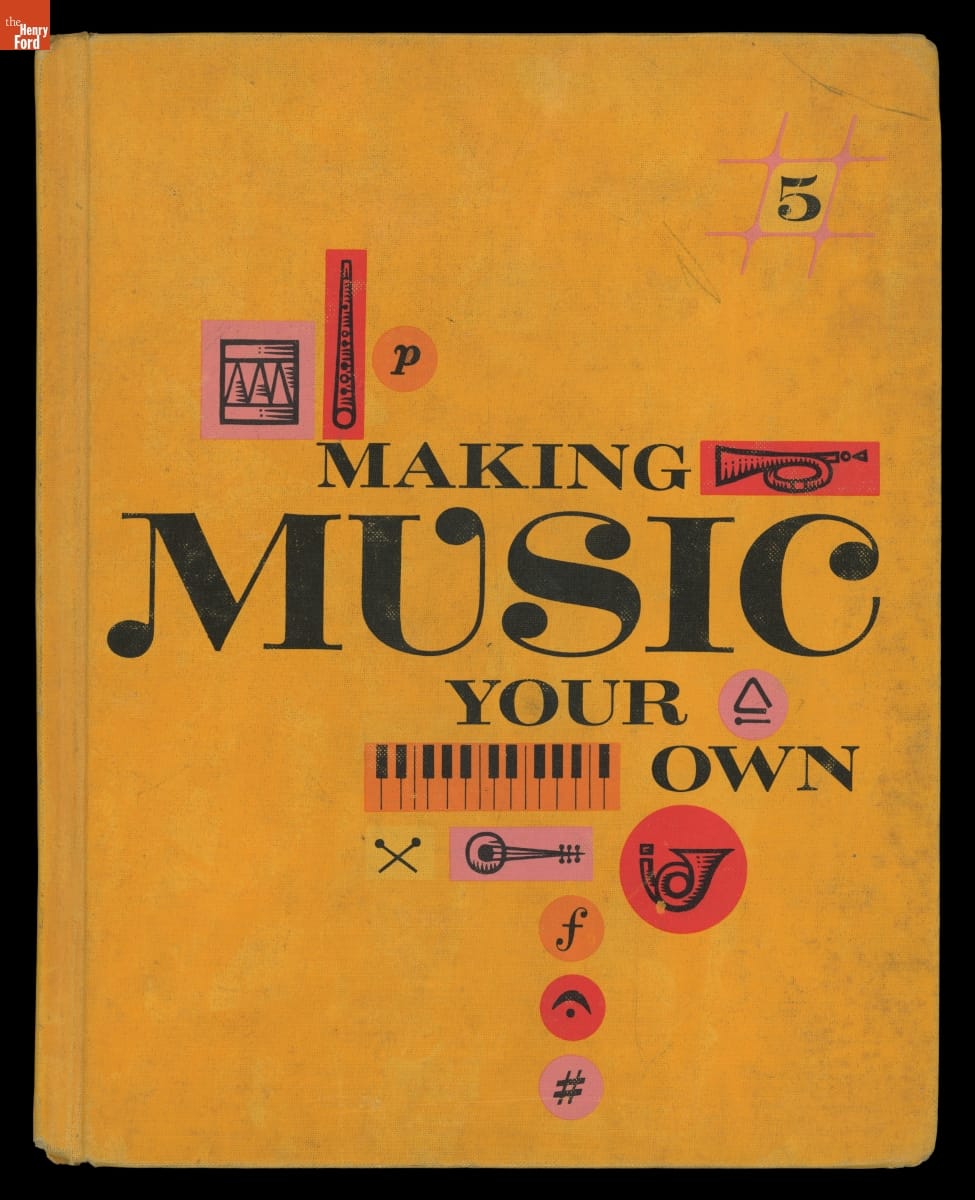
Making Music Your Own, 1965
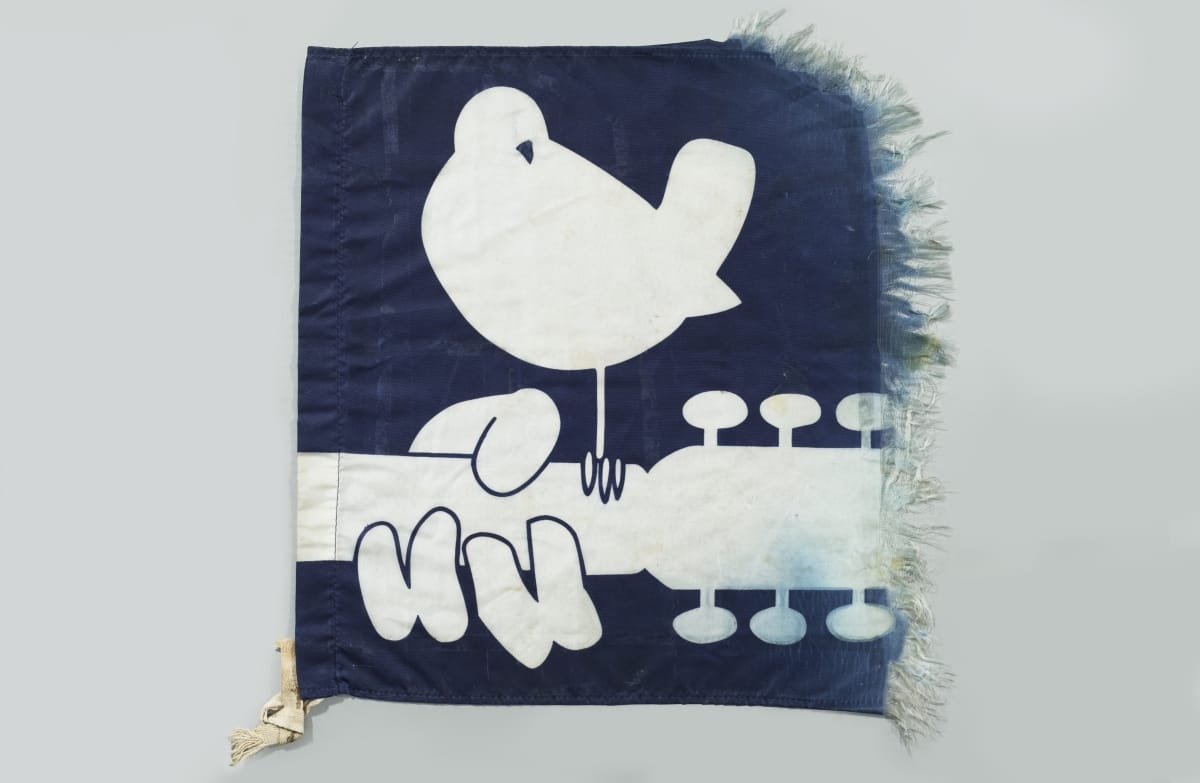
- Woodstock Music Festival Flag, 1969 - On August 15-18, 1969, over 400,000 people attended the Woodstock Music and Art Fair in Bethel, New York. Vendors, musicians, and technical crew used this flag, which features the event logo, to access the festival grounds and backstage area and to distinguish themselves from other attendees. Woodstock is often remembered as a high point of the 1960s countercultural movement.
- 1969
- Collections - Artifact
Woodstock Music Festival Flag, 1969
On August 15-18, 1969, over 400,000 people attended the Woodstock Music and Art Fair in Bethel, New York. Vendors, musicians, and technical crew used this flag, which features the event logo, to access the festival grounds and backstage area and to distinguish themselves from other attendees. Woodstock is often remembered as a high point of the 1960s countercultural movement.
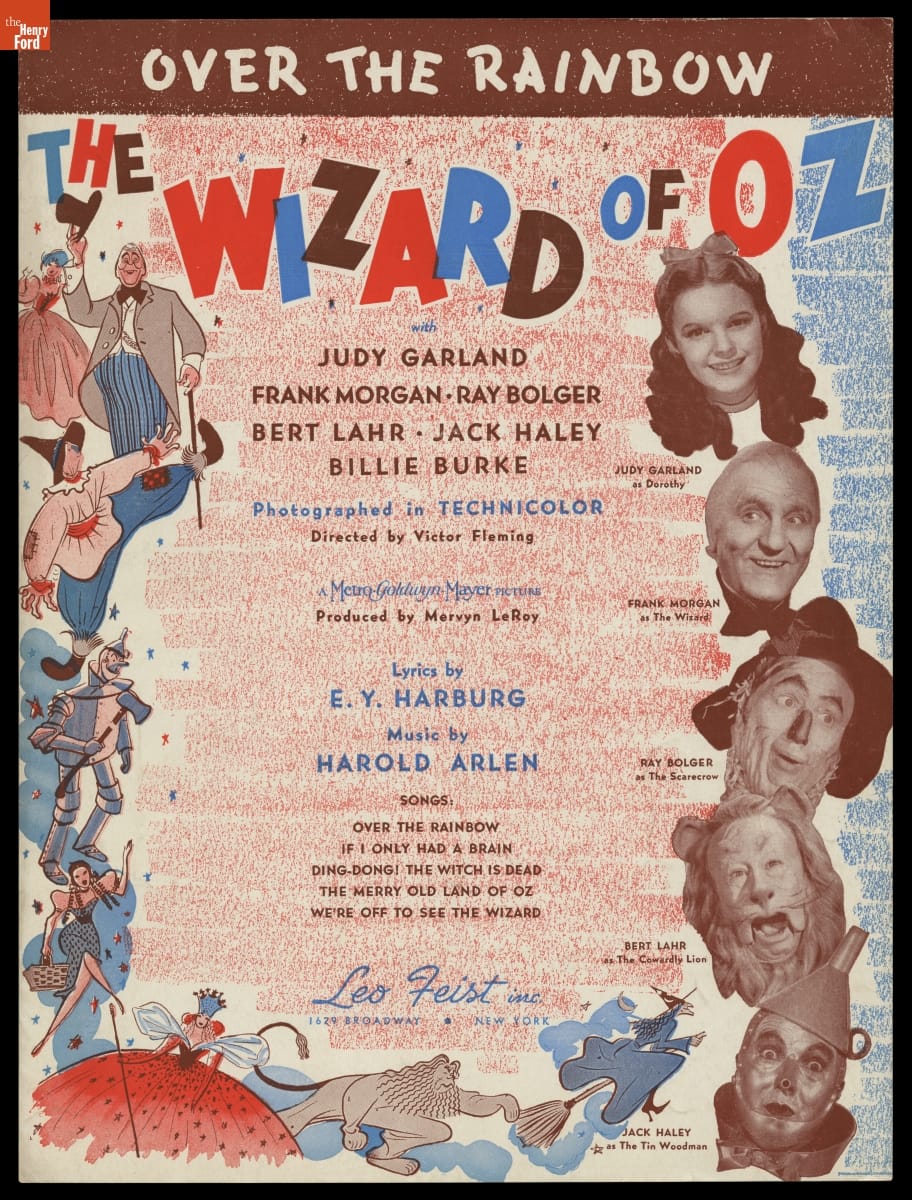
- Sheet Music, "Over the Rainbow," 1939 - The 1939 MGM film, <EM>The Wizard of Oz</EM>, is the most famous and successful adaptation of L. Frank Baum's <EM>The Wonderful Wizard of Oz</EM>. The film starred Judy Garland as Dorothy, and Jack Haley, Ray Bolger, and Bert Lahr as her intelligent, compassionate and courageous companions. The film was televised annually beginning in 1959, attracting a new generation of viewers.
- 1939
- Collections - Artifact
Sheet Music, "Over the Rainbow," 1939
The 1939 MGM film, The Wizard of Oz, is the most famous and successful adaptation of L. Frank Baum's The Wonderful Wizard of Oz. The film starred Judy Garland as Dorothy, and Jack Haley, Ray Bolger, and Bert Lahr as her intelligent, compassionate and courageous companions. The film was televised annually beginning in 1959, attracting a new generation of viewers.
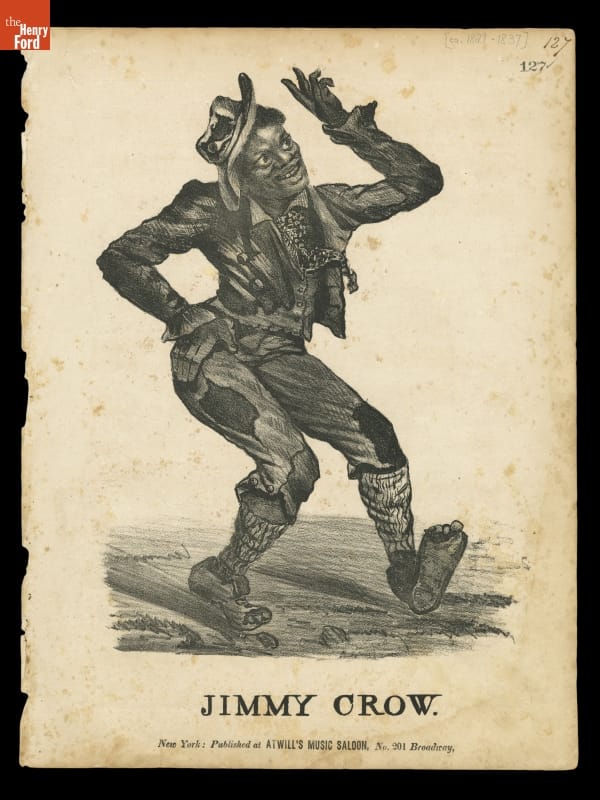
- Music Sheet, "Jimmy Crow," 1834-1837 - This sheet music includes the music and lyrics for a minstrel show and the image of a blackface character. Minstrel shows generally featured white actors wearing black makeup (known as blackface) who portrayed racist stereotypes of African Americans through singing and dancing. American audiences considered these shows comical and attended minstrel shows for over a century, from the live theater of the early 1800s to the films of the early-20th century. They even appeared in mid-20th century children's cartoons. The lyrics on this sheet are attributed to Thomas Dartmouth Rice (1808-1860), who introduced the character "Jim Crow", a stereotypical African American, in 1832. The cover image may also depict Rice, an American singer, dancer, and composer, one of the first well-known blackface performers. The "Jimmy Crow" song made Rice internationally famous. The song's popularity first brought the term into the American language as derogatory slang referring to African Americans. "Jim Crow" eventually referred to the two separate societies - one black, one white - followed throughout the United States. This system was formalized in the South by state laws passed in the late-19th century. Blacks and whites could not sit in the same waiting rooms, use the same bathrooms or eat in the same restaurants, for example. Not until the Civil Rights movement of the 1950s and 1960s was segregation outlawed.
- 1834-1837
- Collections - Artifact
Music Sheet, "Jimmy Crow," 1834-1837
This sheet music includes the music and lyrics for a minstrel show and the image of a blackface character. Minstrel shows generally featured white actors wearing black makeup (known as blackface) who portrayed racist stereotypes of African Americans through singing and dancing. American audiences considered these shows comical and attended minstrel shows for over a century, from the live theater of the early 1800s to the films of the early-20th century. They even appeared in mid-20th century children's cartoons. The lyrics on this sheet are attributed to Thomas Dartmouth Rice (1808-1860), who introduced the character "Jim Crow", a stereotypical African American, in 1832. The cover image may also depict Rice, an American singer, dancer, and composer, one of the first well-known blackface performers. The "Jimmy Crow" song made Rice internationally famous. The song's popularity first brought the term into the American language as derogatory slang referring to African Americans. "Jim Crow" eventually referred to the two separate societies - one black, one white - followed throughout the United States. This system was formalized in the South by state laws passed in the late-19th century. Blacks and whites could not sit in the same waiting rooms, use the same bathrooms or eat in the same restaurants, for example. Not until the Civil Rights movement of the 1950s and 1960s was segregation outlawed.
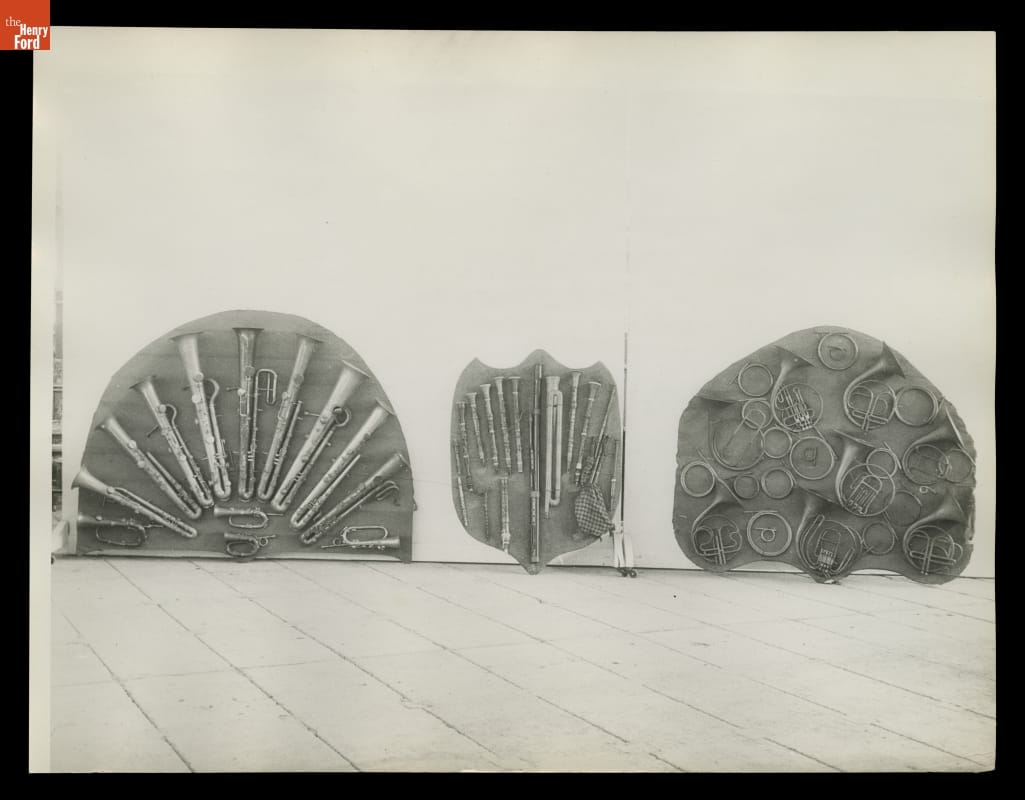
- Display of Musical Instruments, 1932 -
- May 02, 1932
- Collections - Artifact
Display of Musical Instruments, 1932
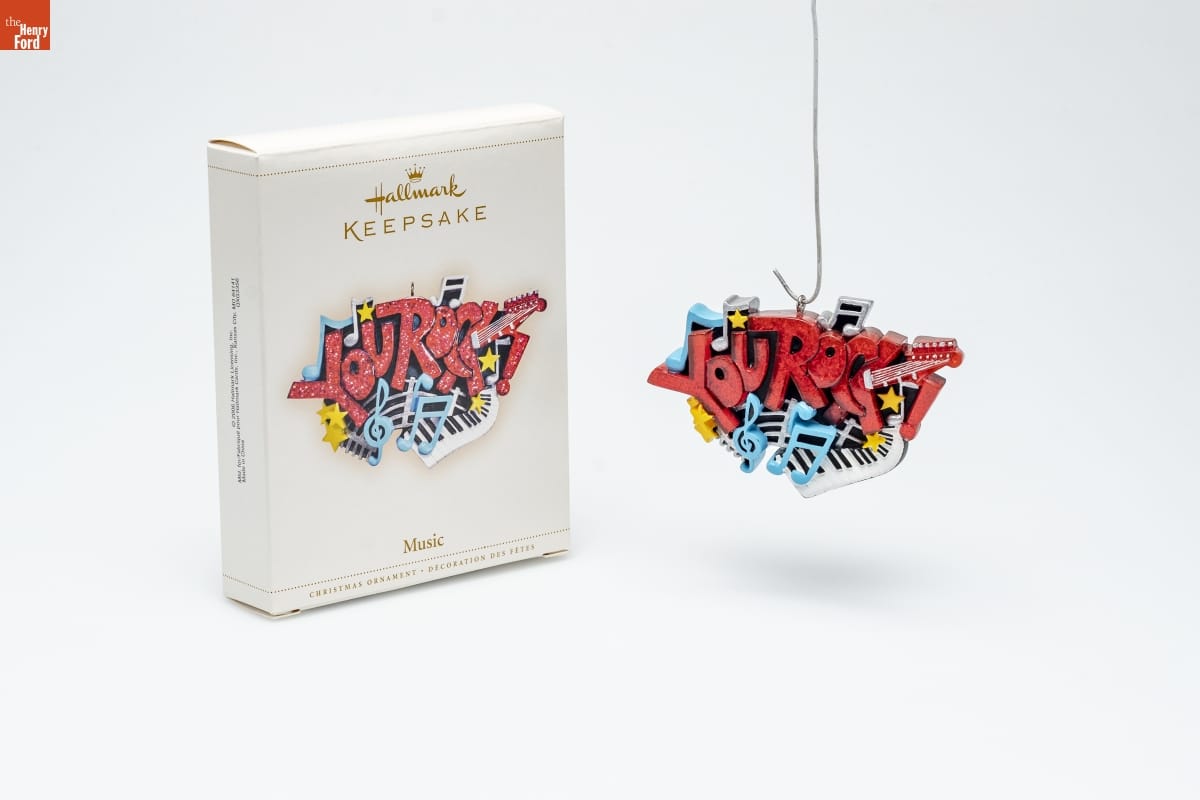
- Hallmark "Music" Christmas Ornament, 2006 - Already known for greeting cards, Hallmark introduced a line of Christmas ornaments in 1973. The company's annual release of an increasing array of ornaments revolutionized Christmas decorating, appealing to customers' interest in marking memories and milestones as well as expressing one's personality and unique tastes.
- 2006
- Collections - Artifact
Hallmark "Music" Christmas Ornament, 2006
Already known for greeting cards, Hallmark introduced a line of Christmas ornaments in 1973. The company's annual release of an increasing array of ornaments revolutionized Christmas decorating, appealing to customers' interest in marking memories and milestones as well as expressing one's personality and unique tastes.
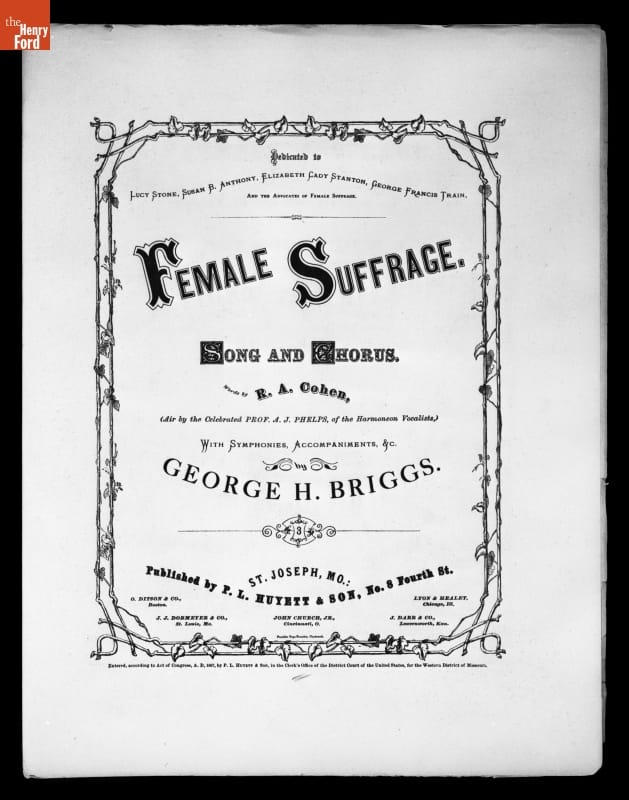
- Music Sheet, "Female Suffrage," 1867 - Music rallied support around the long fight for women's suffrage, or equal voting rights. This piece of sheet music was dedicated to four early suffragists: Elizabeth Cady Stanton and Susan B. Anthony, who formed the National Woman Suffrage Association; George Francis Train, who financed the group's monthly publication, <EM>The Revolution</EM>; and Lucy Stone, who launched the <EM>Woman's Journal</EM>, another women's rights newspaper.
- 1867
- Collections - Artifact
Music Sheet, "Female Suffrage," 1867
Music rallied support around the long fight for women's suffrage, or equal voting rights. This piece of sheet music was dedicated to four early suffragists: Elizabeth Cady Stanton and Susan B. Anthony, who formed the National Woman Suffrage Association; George Francis Train, who financed the group's monthly publication, The Revolution; and Lucy Stone, who launched the Woman's Journal, another women's rights newspaper.
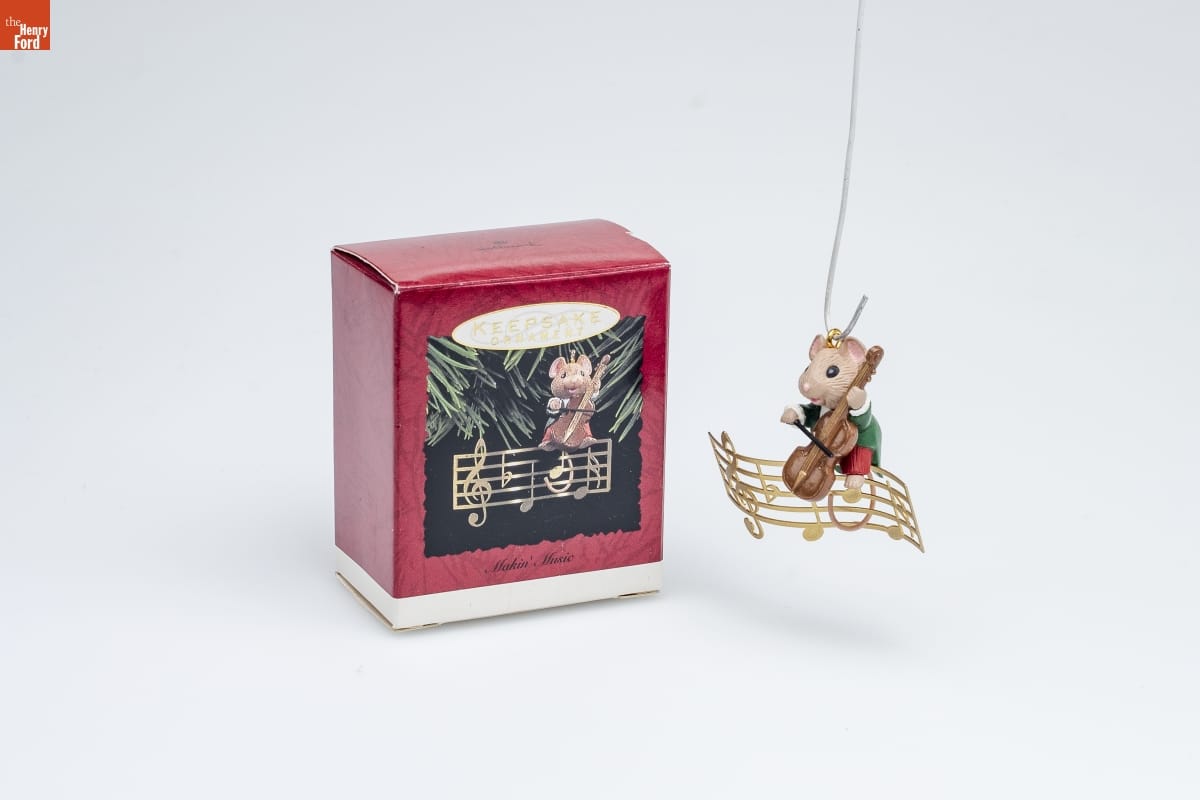
- Hallmark "Makin' Music" Christmas Ornament, 1993 - Already known for greeting cards, Hallmark introduced a line of Christmas ornaments in 1973. The company's annual release of an increasing array of ornaments revolutionized Christmas decorating, appealing to customers' interest in marking memories and milestones as well as expressing one's personality and unique tastes.
- 1993
- Collections - Artifact
Hallmark "Makin' Music" Christmas Ornament, 1993
Already known for greeting cards, Hallmark introduced a line of Christmas ornaments in 1973. The company's annual release of an increasing array of ornaments revolutionized Christmas decorating, appealing to customers' interest in marking memories and milestones as well as expressing one's personality and unique tastes.