
Search
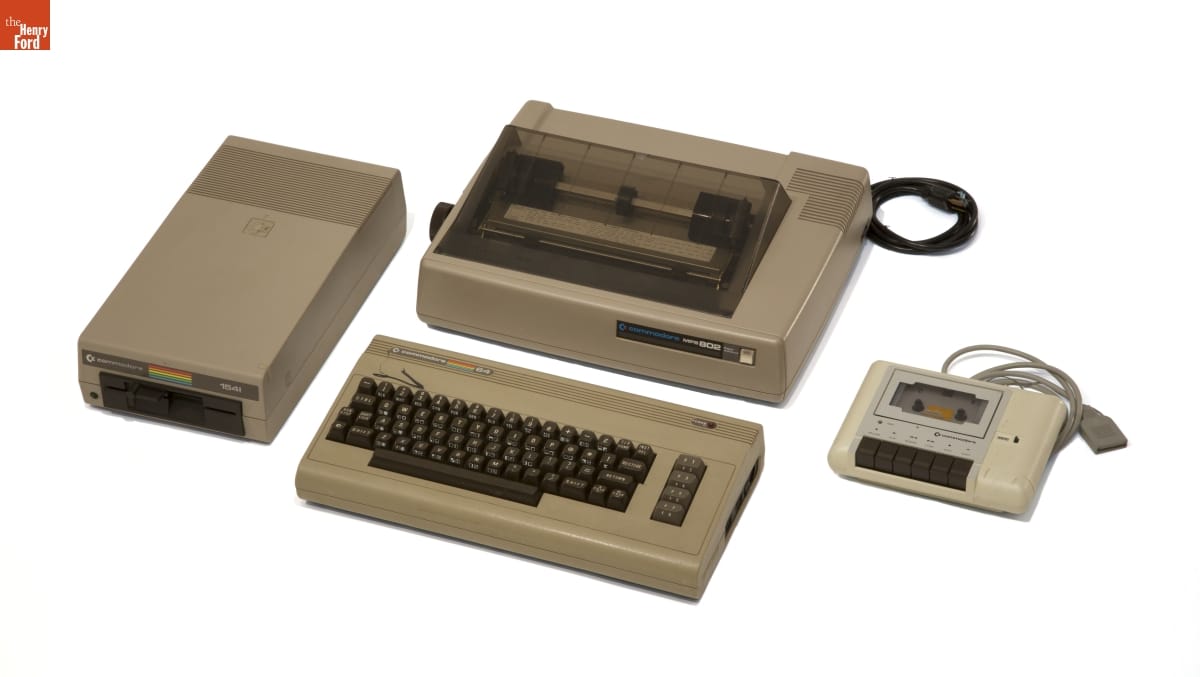
- Commodore 64 Personal Computer, 1985 - The Commodore 64 made home computing accessible to a broad public in the 1980s. Released in 1982 as a successor to the VIC-20, the C64 was priced cheaply and was essential in establishing the home computing market. As an early platform for growing consumer-friendly software and game industries, it remains one of the top-selling personal computers of all time.
- 1985
- Collections - Artifact
Commodore 64 Personal Computer, 1985
The Commodore 64 made home computing accessible to a broad public in the 1980s. Released in 1982 as a successor to the VIC-20, the C64 was priced cheaply and was essential in establishing the home computing market. As an early platform for growing consumer-friendly software and game industries, it remains one of the top-selling personal computers of all time.
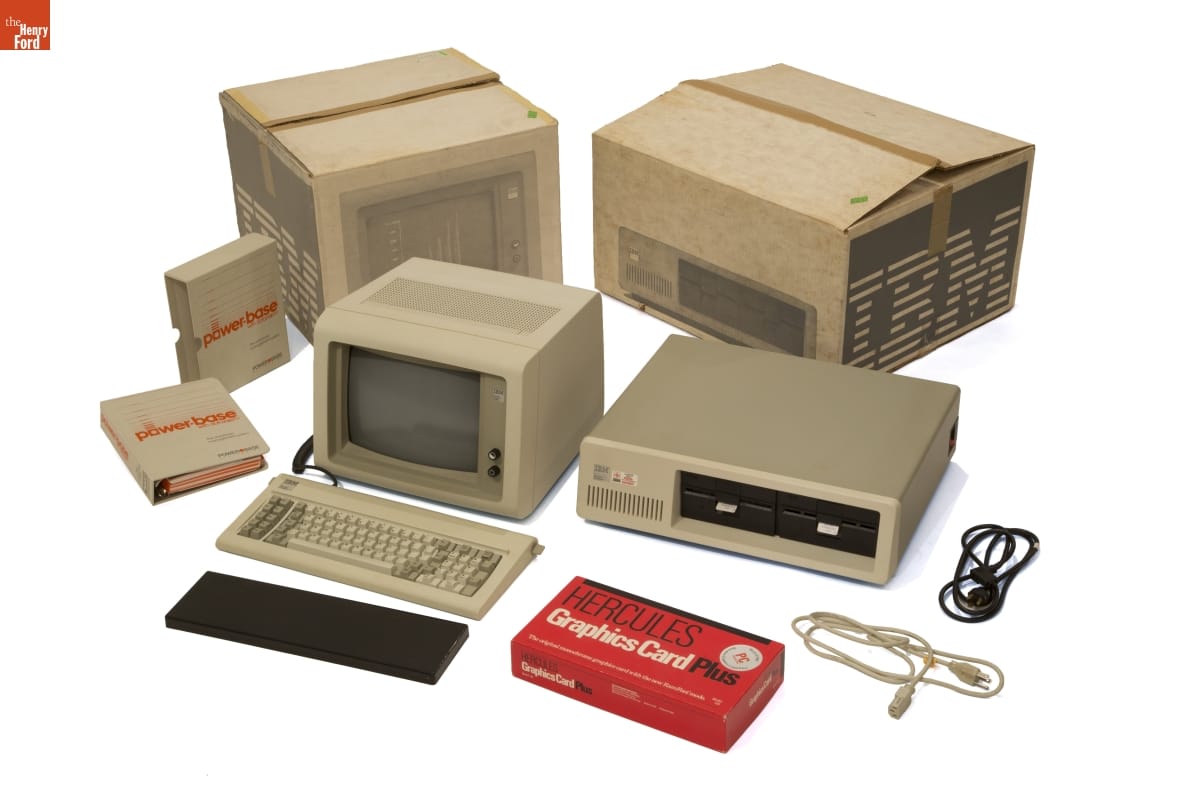
- IBM Personal Computer, Model 5150, 1984 -
- 1984
- Collections - Artifact
IBM Personal Computer, Model 5150, 1984
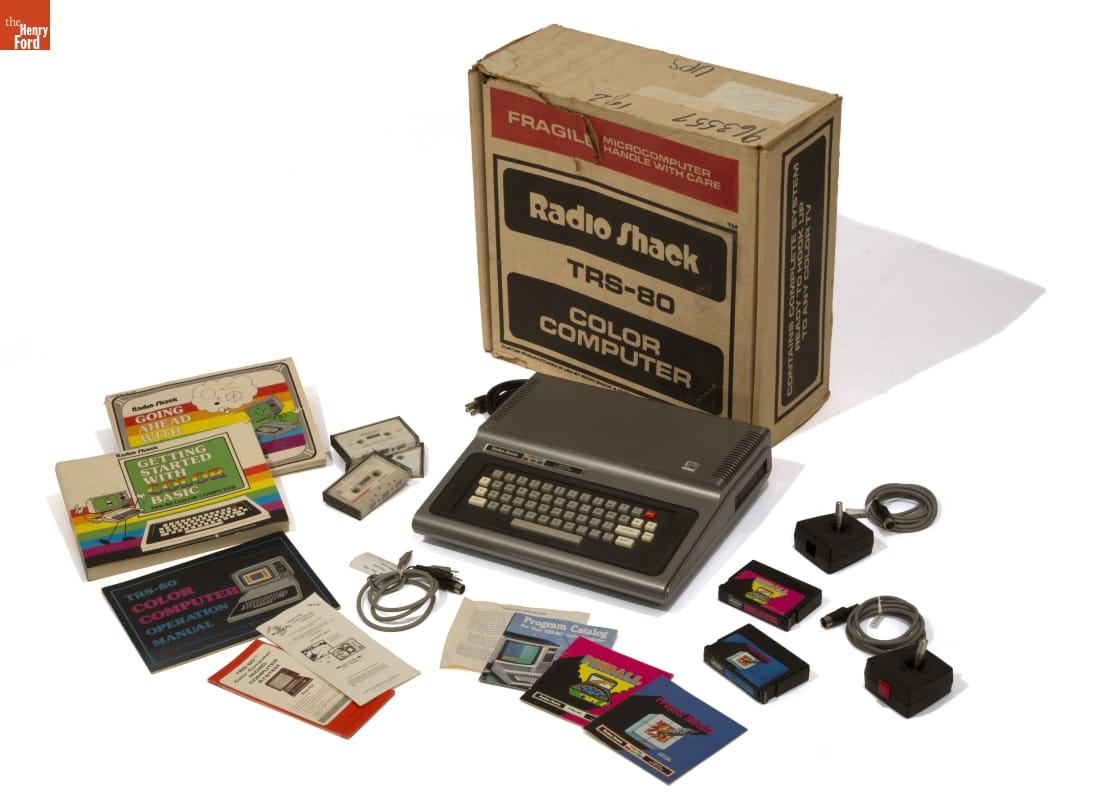
- TRS-80 Personal Computer, circa 1980 -
- 1978
- Collections - Artifact
TRS-80 Personal Computer, circa 1980
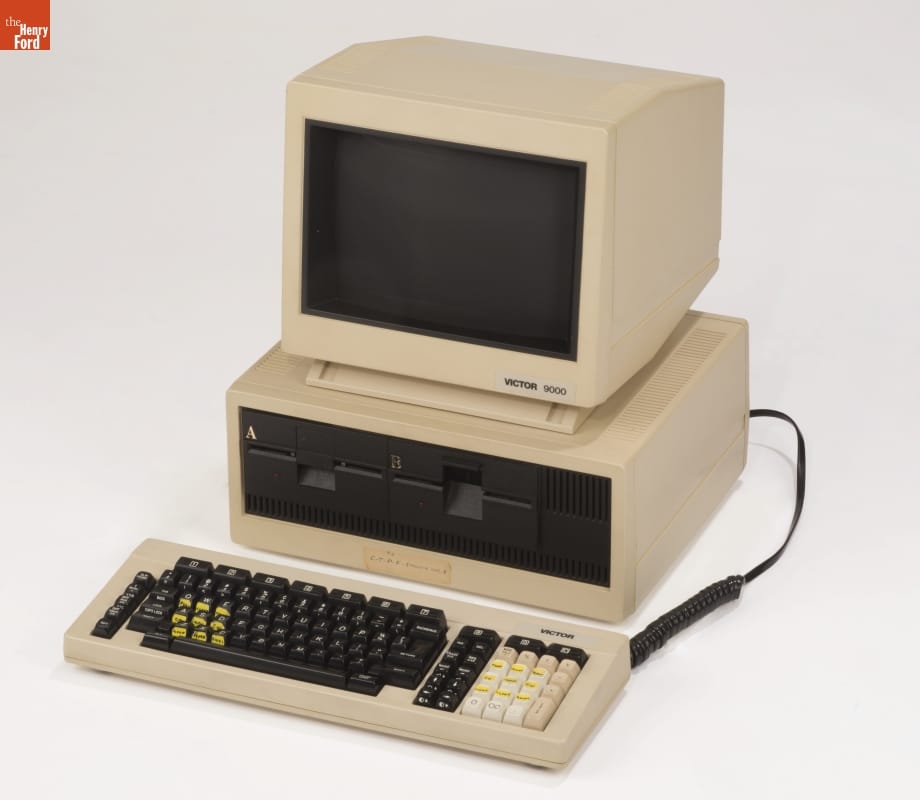
- Victor 9000 Personal Computer, 1982 - The Victor 9000 (sold as the Sirius 1 in Europe), introduced in 1981, was a direct competitor of IBM's Personal Computer. It was created by Chuck Peddle, lead designer of the MOS 6502 microprocessor and Commodore PET. Upon boot-up, the computer's sound hardware was designed to say: "I am the Victor 9000, the number one choice in business computers."
- 1982
- Collections - Artifact
Victor 9000 Personal Computer, 1982
The Victor 9000 (sold as the Sirius 1 in Europe), introduced in 1981, was a direct competitor of IBM's Personal Computer. It was created by Chuck Peddle, lead designer of the MOS 6502 microprocessor and Commodore PET. Upon boot-up, the computer's sound hardware was designed to say: "I am the Victor 9000, the number one choice in business computers."
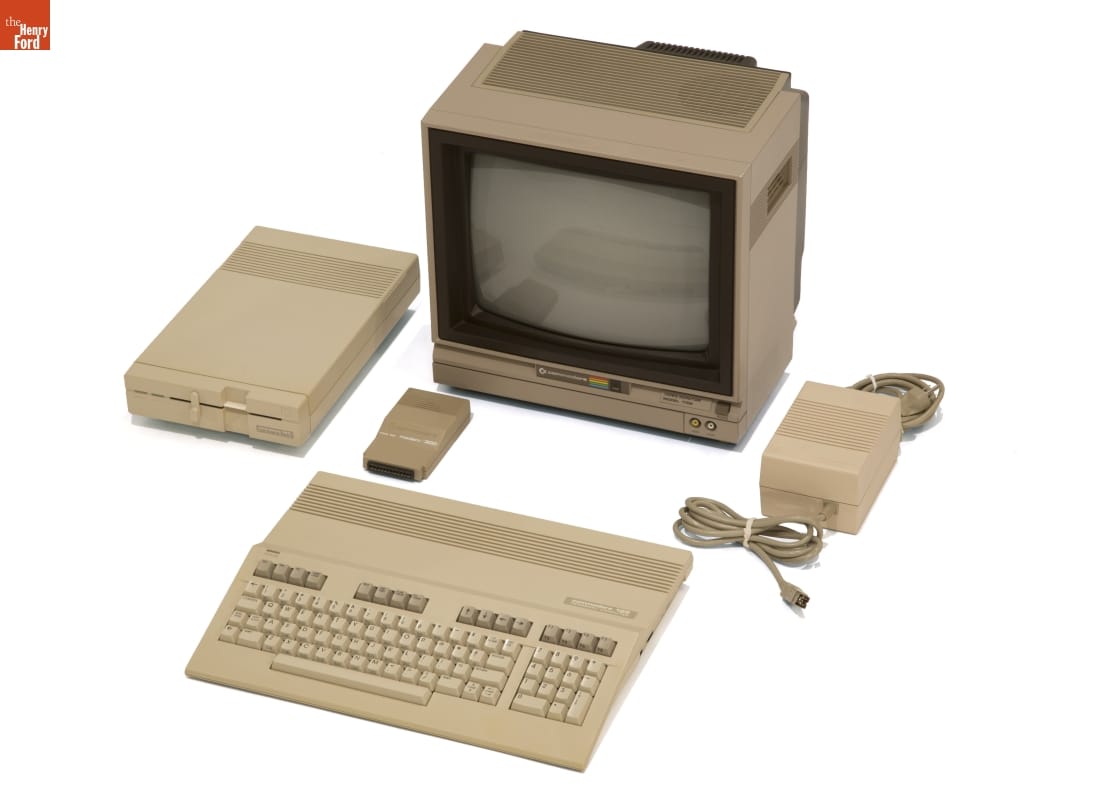
- Commodore Personal Computer, Model 128, 1985 -
- 1985
- Collections - Artifact
Commodore Personal Computer, Model 128, 1985
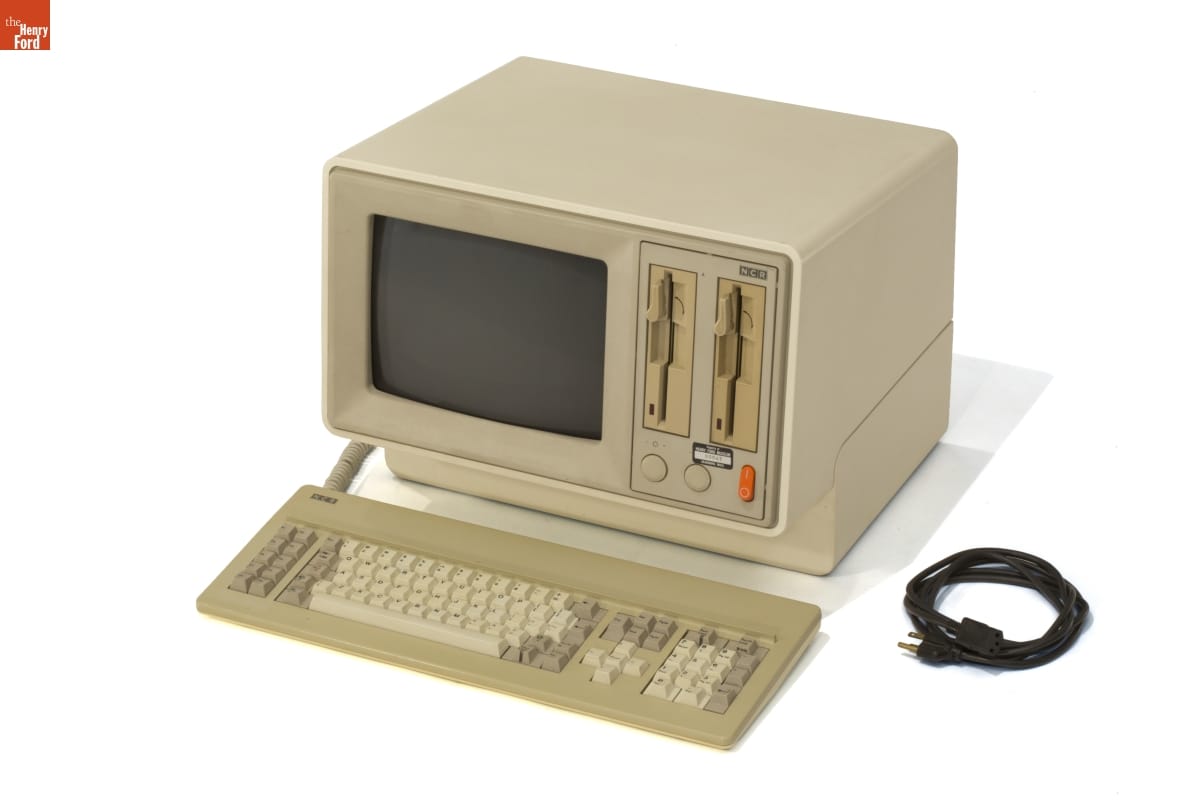
- NCR PC4 Personal Computer, circa 1985 - In the mid-1980s, the IBM PC dominated the personal computer market. A variety of "clones" like the PC-4 competed with IBM products, offering highly compatible software and peripheral hardware at a lower cost to the consumer. NCR's legacy is not in its cost, however, but in its interest to create an aesthetically and ergonomically distinguished clone system.
- circa 1985
- Collections - Artifact
NCR PC4 Personal Computer, circa 1985
In the mid-1980s, the IBM PC dominated the personal computer market. A variety of "clones" like the PC-4 competed with IBM products, offering highly compatible software and peripheral hardware at a lower cost to the consumer. NCR's legacy is not in its cost, however, but in its interest to create an aesthetically and ergonomically distinguished clone system.
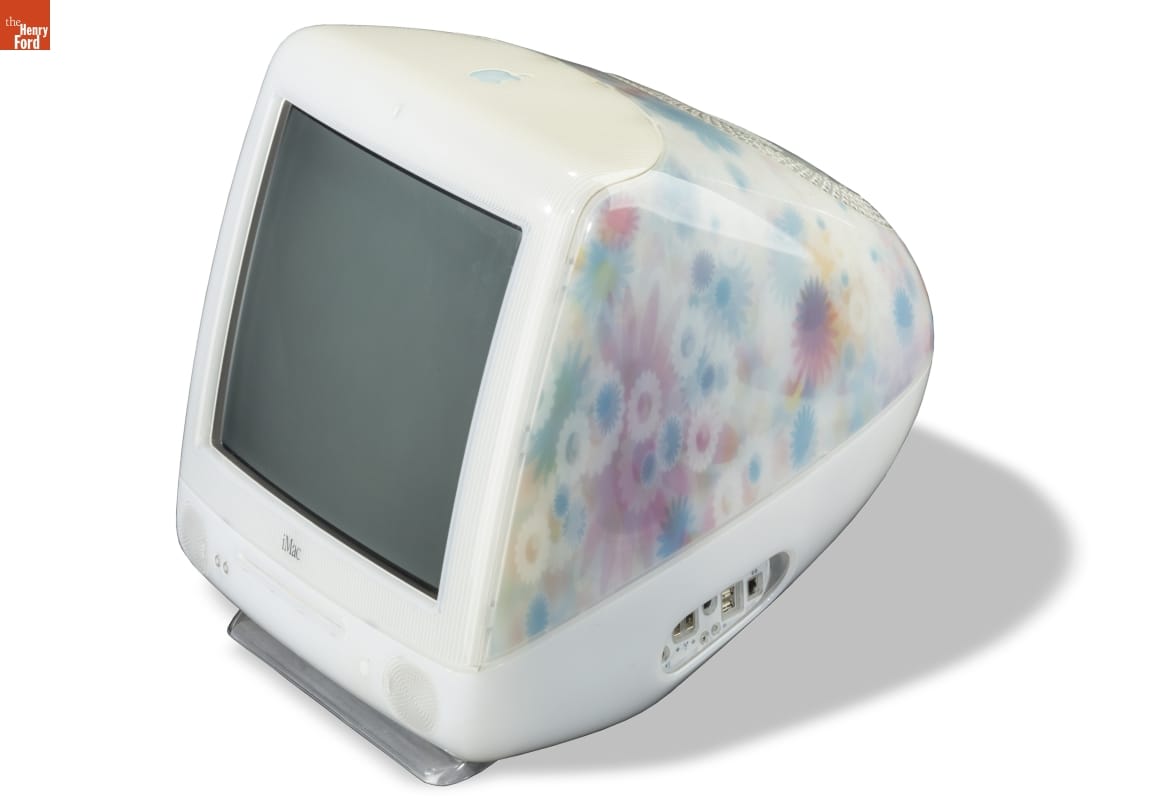
- Apple iMac G3 Personal Computer, 2001 - The iMac G3 was "the computer that saved Apple." This highly successful computer was optimized for education and web-surfing. Steve Jobs declared it married "the excitement of the Internet with the simplicity of a Macintosh." Available in 13 colors, Jonathan Ive designed its distinctive translucent case. Ive's design challenged the notion that computers had to be encased in opaque beige boxes.
- 2001
- Collections - Artifact
Apple iMac G3 Personal Computer, 2001
The iMac G3 was "the computer that saved Apple." This highly successful computer was optimized for education and web-surfing. Steve Jobs declared it married "the excitement of the Internet with the simplicity of a Macintosh." Available in 13 colors, Jonathan Ive designed its distinctive translucent case. Ive's design challenged the notion that computers had to be encased in opaque beige boxes.
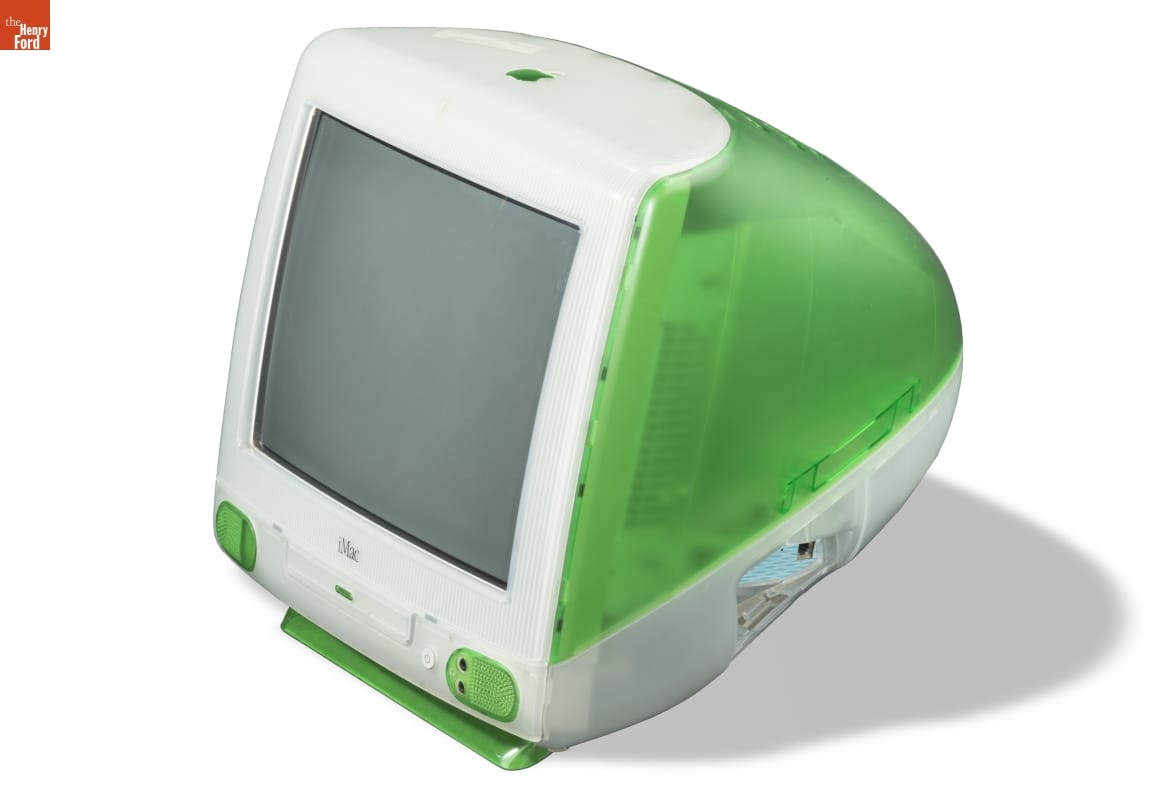
- Apple iMac G3 Personal Computer, 1999 - The iMac G3 was "the computer that saved Apple." This highly successful computer was optimized for education and web-surfing. Steve Jobs declared it married "the excitement of the Internet with the simplicity of a Macintosh." Available in 13 colors, Jonathan Ive designed its distinctive translucent case. Ive's design challenged the notion that computers had to be encased in opaque beige boxes.
- 1999
- Collections - Artifact
Apple iMac G3 Personal Computer, 1999
The iMac G3 was "the computer that saved Apple." This highly successful computer was optimized for education and web-surfing. Steve Jobs declared it married "the excitement of the Internet with the simplicity of a Macintosh." Available in 13 colors, Jonathan Ive designed its distinctive translucent case. Ive's design challenged the notion that computers had to be encased in opaque beige boxes.
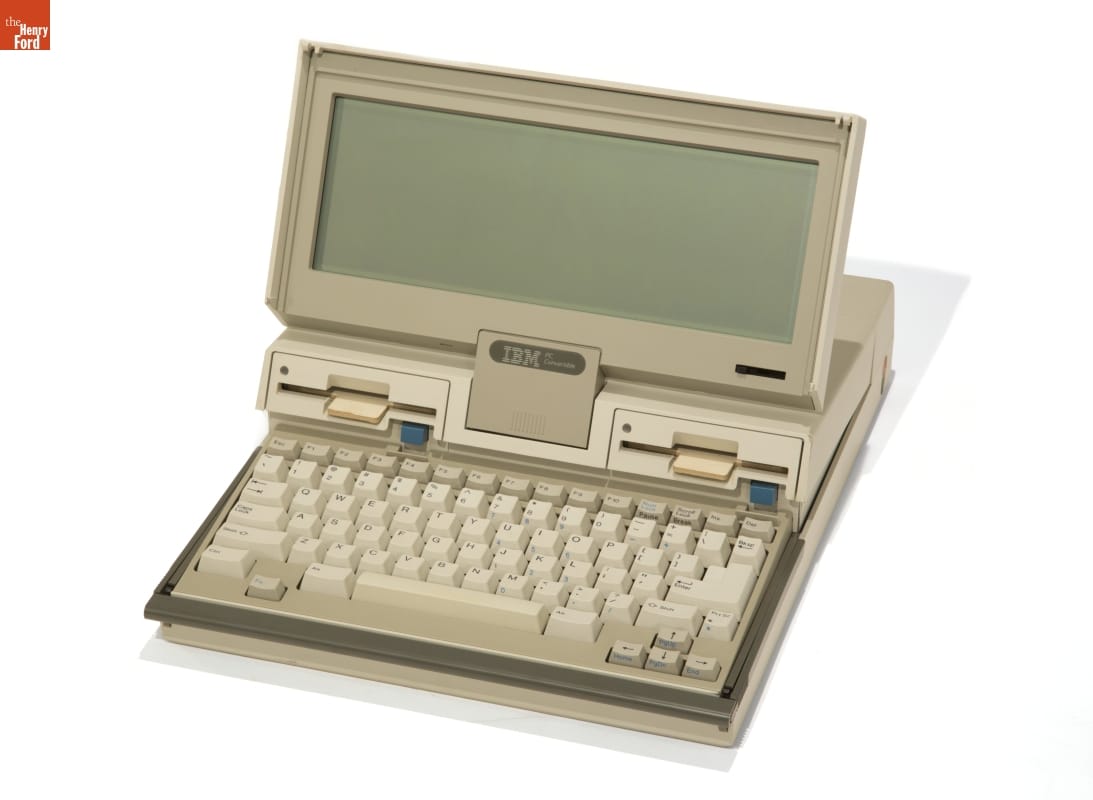
- IBM Personal Computer, Model 5140, 1985 - IBM, the dominant business machine company in the world, did not initially jump into the computer field. When it did announce its first personal computer in 1981, it also published the technical specifications allowing competitors to build compatible computers. This 1985 IBM 5140 Laptop was ivory in color and came with a canvas carrying bag.
- 1985
- Collections - Artifact
IBM Personal Computer, Model 5140, 1985
IBM, the dominant business machine company in the world, did not initially jump into the computer field. When it did announce its first personal computer in 1981, it also published the technical specifications allowing competitors to build compatible computers. This 1985 IBM 5140 Laptop was ivory in color and came with a canvas carrying bag.
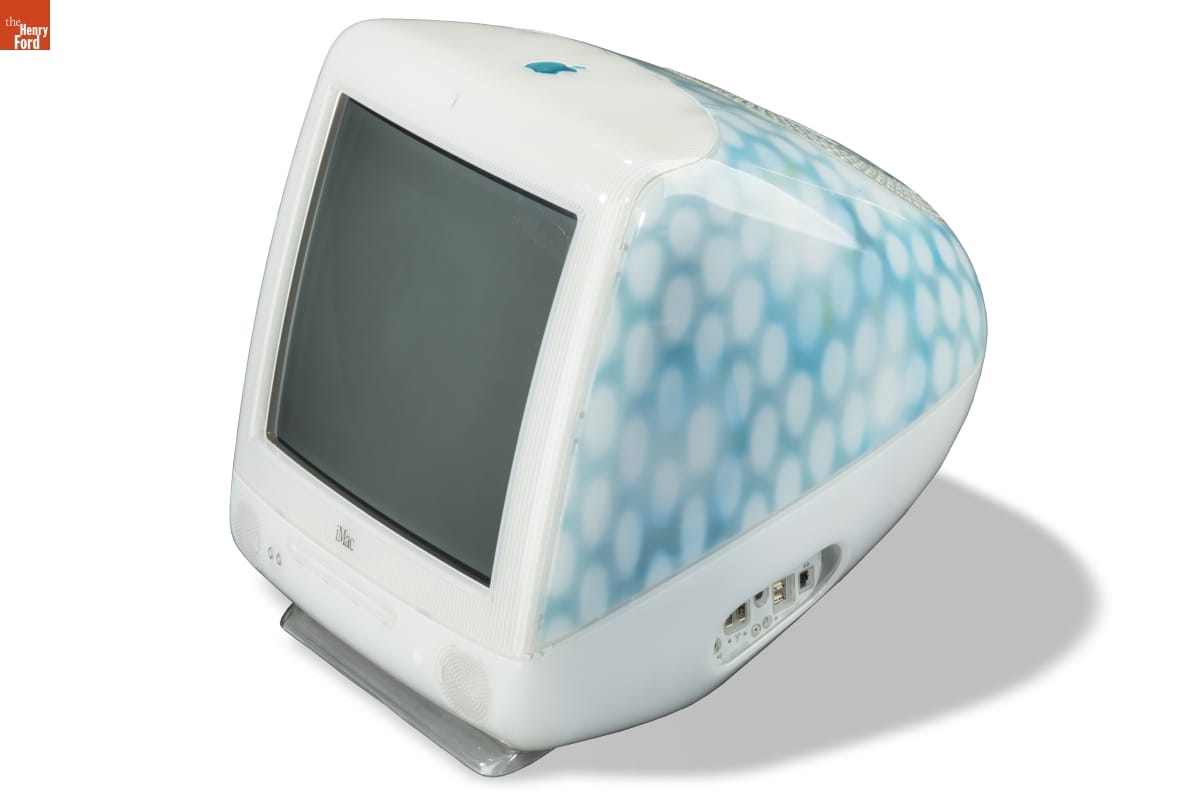
- Apple iMac G3 Personal Computer, 2001 - The iMac G3 was "the computer that saved Apple." This highly successful computer was optimized for education and web-surfing. Steve Jobs declared it married "the excitement of the Internet with the simplicity of a Macintosh." Available in 13 colors, Jonathan Ive designed its distinctive translucent case. Ive's design challenged the notion that computers had to be encased in opaque beige boxes.
- 2001
- Collections - Artifact
Apple iMac G3 Personal Computer, 2001
The iMac G3 was "the computer that saved Apple." This highly successful computer was optimized for education and web-surfing. Steve Jobs declared it married "the excitement of the Internet with the simplicity of a Macintosh." Available in 13 colors, Jonathan Ive designed its distinctive translucent case. Ive's design challenged the notion that computers had to be encased in opaque beige boxes.