
Search
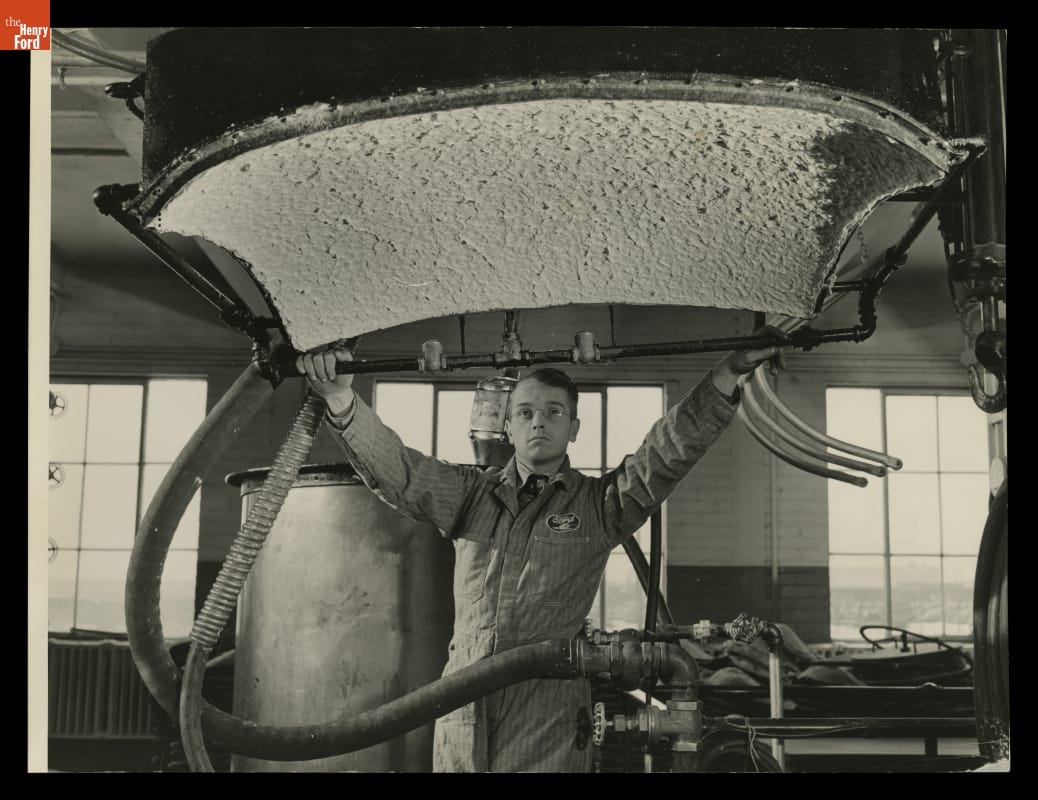
- Soybean Plastic Car Research, 1940 - In the 1930s, chemists doing research at Ford's Greenfield Village laboratory discovered that soy-based plastics could be molded into thick, hard sheets. The scientists created prototypes of automobile body parts, like trunk lids. Soon, they envisioned a car with a complete soy-plastic body. Henry Ford unveiled this experimental vehicle in 1941. The "Soybean Car" was abandoned with the U.S. entry into World War II.
- November 29, 1940
- Collections - Artifact
Soybean Plastic Car Research, 1940
In the 1930s, chemists doing research at Ford's Greenfield Village laboratory discovered that soy-based plastics could be molded into thick, hard sheets. The scientists created prototypes of automobile body parts, like trunk lids. Soon, they envisioned a car with a complete soy-plastic body. Henry Ford unveiled this experimental vehicle in 1941. The "Soybean Car" was abandoned with the U.S. entry into World War II.
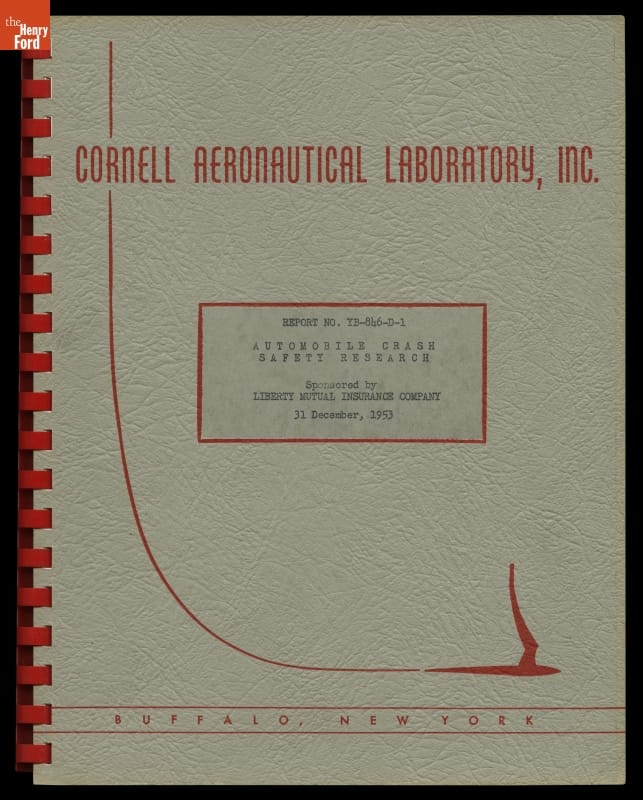
- "Automobile Crash Safety Research," 1953 - The Cornell Aeronautical Laboratory did some of the earliest crash testing in the country -- first with airplanes during World War II, then cars. It collected data using electronic instruments and high-speed movie cameras and analyzed the crashes in slow motion. This 1953 report sponsored by Liberty Mutual Insurance Company illustrates some of their findings.
- December 31, 1953
- Collections - Artifact
"Automobile Crash Safety Research," 1953
The Cornell Aeronautical Laboratory did some of the earliest crash testing in the country -- first with airplanes during World War II, then cars. It collected data using electronic instruments and high-speed movie cameras and analyzed the crashes in slow motion. This 1953 report sponsored by Liberty Mutual Insurance Company illustrates some of their findings.
- "Researching the Commonplace," November 1993 -
- November 16, 1993
- Collections - Artifact
"Researching the Commonplace," November 1993
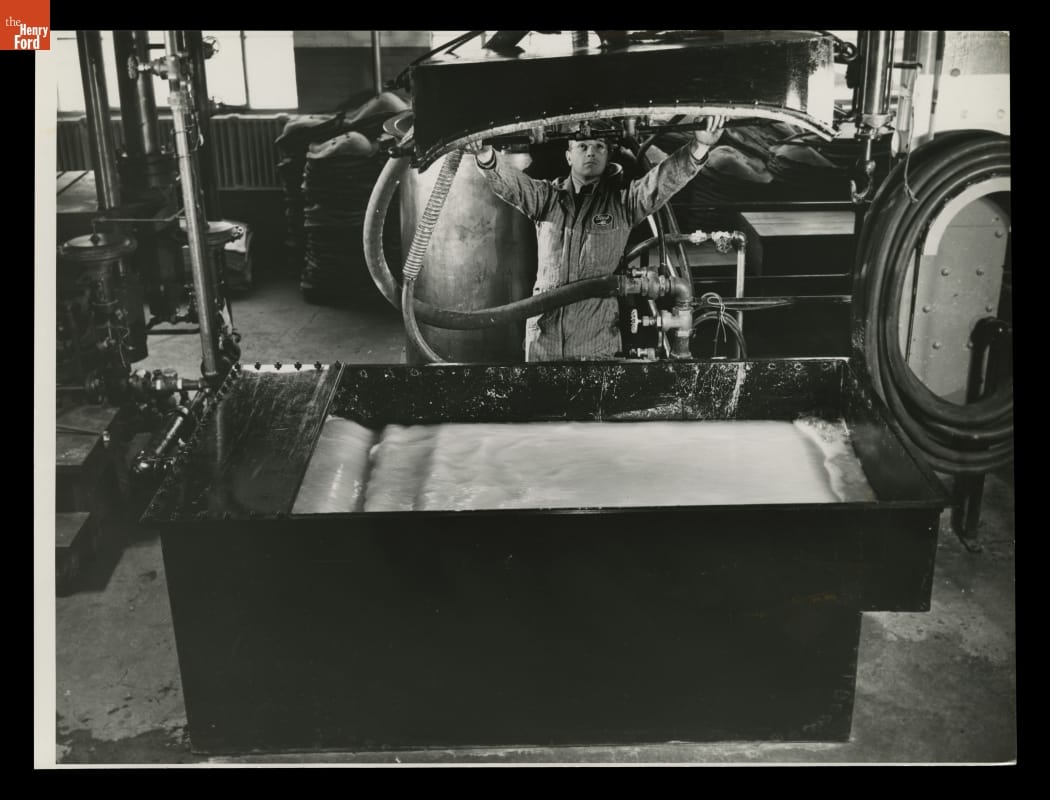
- Soybean Plastic Car Research, 1940 - In the 1930s, chemists doing research at Ford's Greenfield Village laboratory discovered that soy-based plastics could be molded into thick, hard sheets. The scientists created prototypes of automobile body parts, like trunk lids. Soon, they envisioned a car with a complete soy-plastic body. Henry Ford unveiled this experimental vehicle in 1941. The "Soybean Car" was abandoned with the U.S. entry into World War II.
- November 29, 1940
- Collections - Artifact
Soybean Plastic Car Research, 1940
In the 1930s, chemists doing research at Ford's Greenfield Village laboratory discovered that soy-based plastics could be molded into thick, hard sheets. The scientists created prototypes of automobile body parts, like trunk lids. Soon, they envisioned a car with a complete soy-plastic body. Henry Ford unveiled this experimental vehicle in 1941. The "Soybean Car" was abandoned with the U.S. entry into World War II.
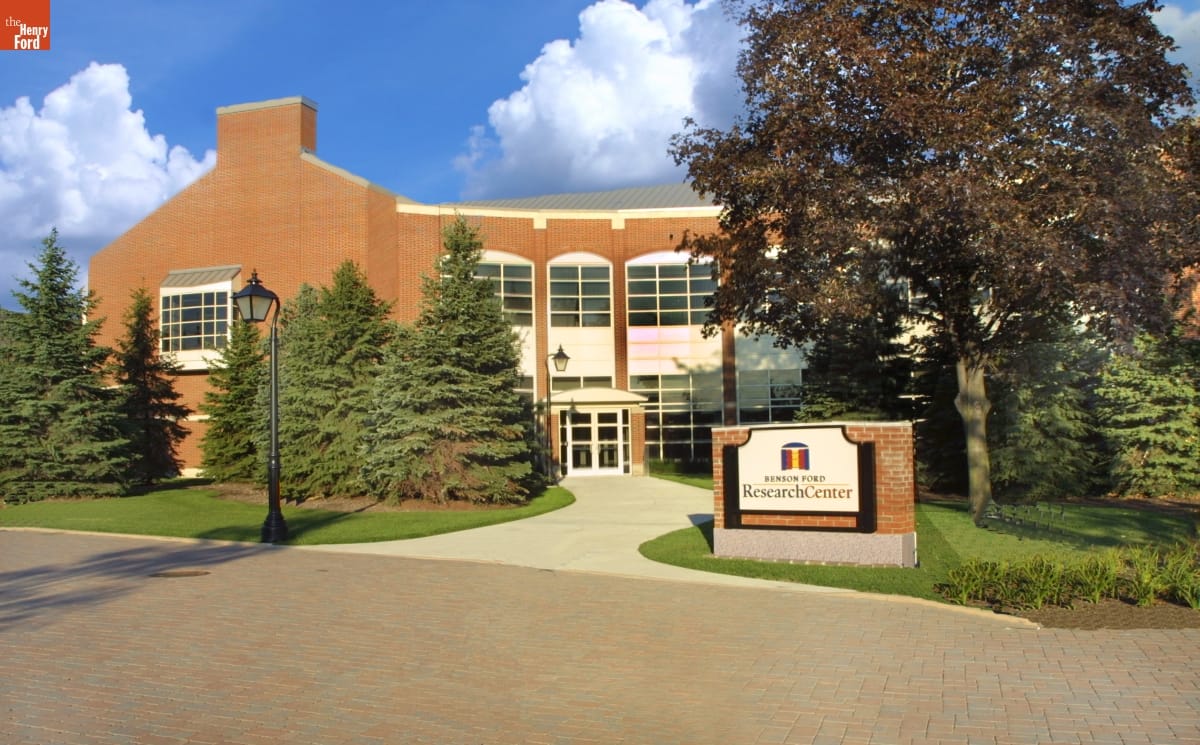
- Benson Ford Research Center, August 2003 - The holdings of The Henry Ford Archive of American Innovation are wide-ranging. Along with early corporate records of the Ford Motor Company and the Edison Institute, other collections consist of material related to the institution's mission and defined collecting topics. The Benson Ford Research Center, named for the second son of Edsel and Eleanor Ford, houses much of the collection.
- August 01, 2003
- Collections - Artifact
Benson Ford Research Center, August 2003
The holdings of The Henry Ford Archive of American Innovation are wide-ranging. Along with early corporate records of the Ford Motor Company and the Edison Institute, other collections consist of material related to the institution's mission and defined collecting topics. The Benson Ford Research Center, named for the second son of Edsel and Eleanor Ford, houses much of the collection.
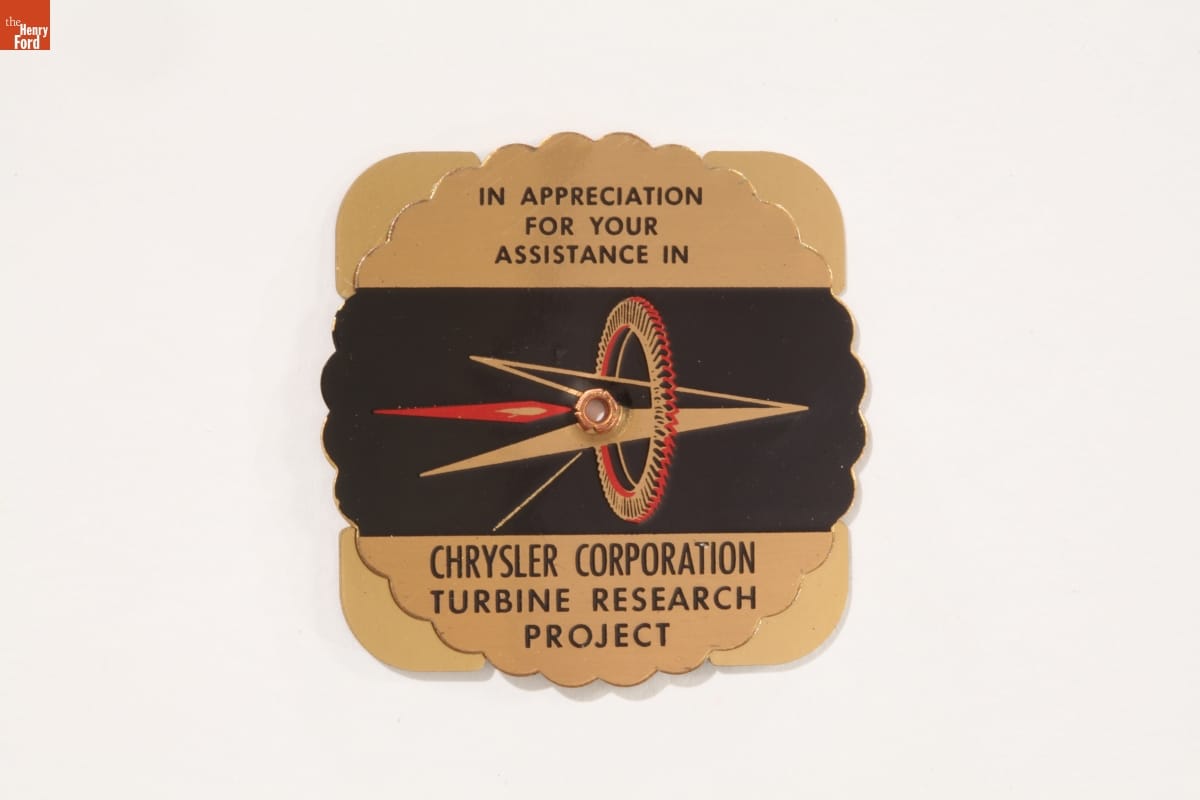
- Chrysler Turbine Research Project Perpetual Calendar, 1962 - Promotional giveaways can place advertising messages deeper into people's lives than billboards or magazine ads. The power of branding -- coupled with consumer brand loyalty -- has also led to the creation of promotional items designed for sale to the public. Some giveaway's usefulness outlived the product. This perpetual calendar gave dates to 1989, long after Chrysler's Turbine experiment ended.
- 1962
- Collections - Artifact
Chrysler Turbine Research Project Perpetual Calendar, 1962
Promotional giveaways can place advertising messages deeper into people's lives than billboards or magazine ads. The power of branding -- coupled with consumer brand loyalty -- has also led to the creation of promotional items designed for sale to the public. Some giveaway's usefulness outlived the product. This perpetual calendar gave dates to 1989, long after Chrysler's Turbine experiment ended.
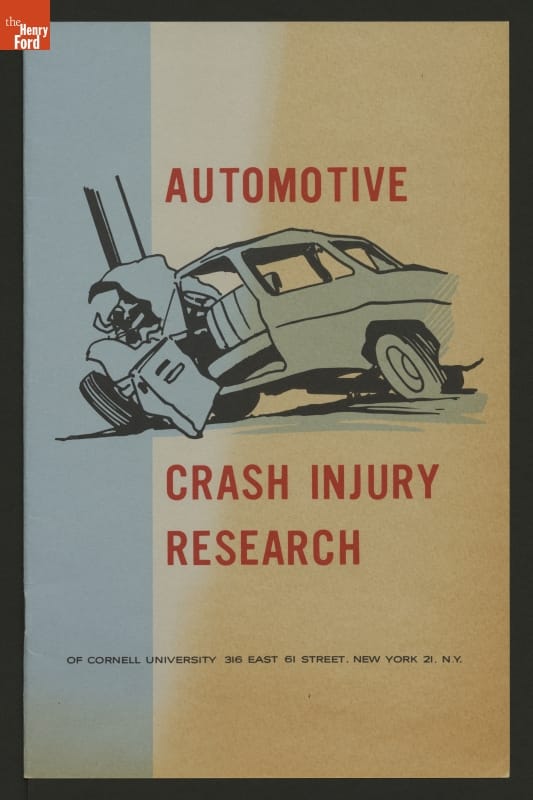
- "Automotive Crash Injury Research," Cornell University, 1961 - Cornell University's Automotive Crash Injury Research (ACIR) gathered information from throughout the country about automobile-related accidents and injuries. ACIR hoped that identifying crash injury causes with the aid of statistical analysis would lead to corrective measures. This 1961 booklet provided readers with basic information about the ACIR, its history, and its research methods.
- 1961
- Collections - Artifact
"Automotive Crash Injury Research," Cornell University, 1961
Cornell University's Automotive Crash Injury Research (ACIR) gathered information from throughout the country about automobile-related accidents and injuries. ACIR hoped that identifying crash injury causes with the aid of statistical analysis would lead to corrective measures. This 1961 booklet provided readers with basic information about the ACIR, its history, and its research methods.
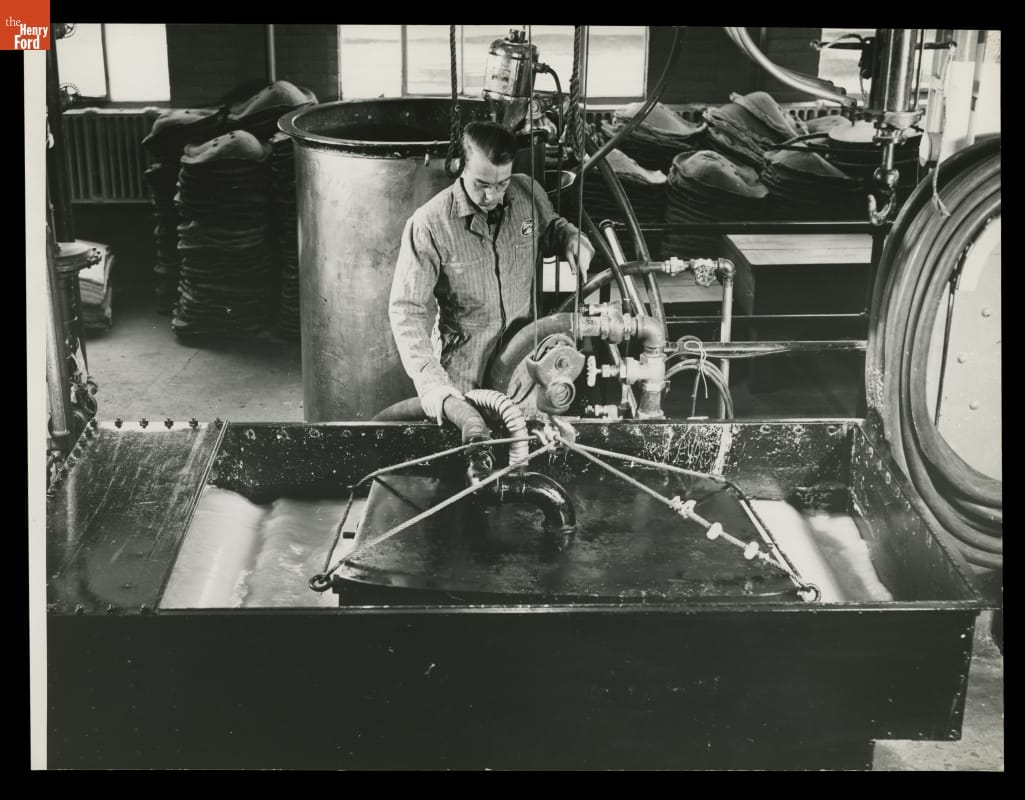
- Ford Motor Company Soybean Products Research, 1940 - In the 1930s, chemists doing research at Ford's Greenfield Village laboratory discovered that soy-based plastics could be molded into thick, hard sheets. The scientists created prototypes of automobile body parts, like trunk lids. Soon, they envisioned a car with a complete soy-plastic body. Henry Ford unveiled this experimental vehicle in 1941. The "Soybean Car" was abandoned with the U.S. entry into World War II.
- November 29, 1940
- Collections - Artifact
Ford Motor Company Soybean Products Research, 1940
In the 1930s, chemists doing research at Ford's Greenfield Village laboratory discovered that soy-based plastics could be molded into thick, hard sheets. The scientists created prototypes of automobile body parts, like trunk lids. Soon, they envisioned a car with a complete soy-plastic body. Henry Ford unveiled this experimental vehicle in 1941. The "Soybean Car" was abandoned with the U.S. entry into World War II.
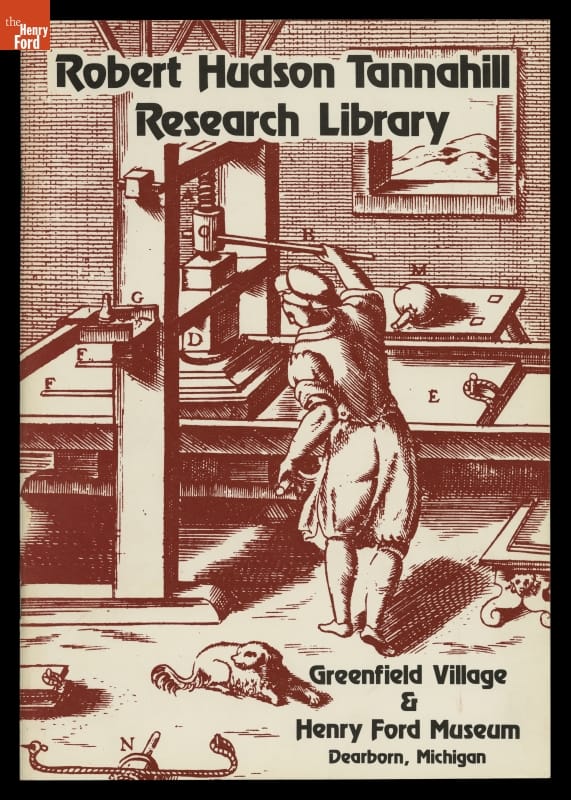
- Robert Hudson Tannahill Research Library, 1974 - Greenfield Village and Henry Ford Museum opened the Robert Hudson Tannahill Research Library in 1973. Named for a prominent benefactor and trustee, the library brought together and made available to the public the institution's diverse collection of documents, publications, graphics, and photographs. The library was incorporated into the Benson Ford Research Center in 2002.
- 1974
- Collections - Artifact
Robert Hudson Tannahill Research Library, 1974
Greenfield Village and Henry Ford Museum opened the Robert Hudson Tannahill Research Library in 1973. Named for a prominent benefactor and trustee, the library brought together and made available to the public the institution's diverse collection of documents, publications, graphics, and photographs. The library was incorporated into the Benson Ford Research Center in 2002.
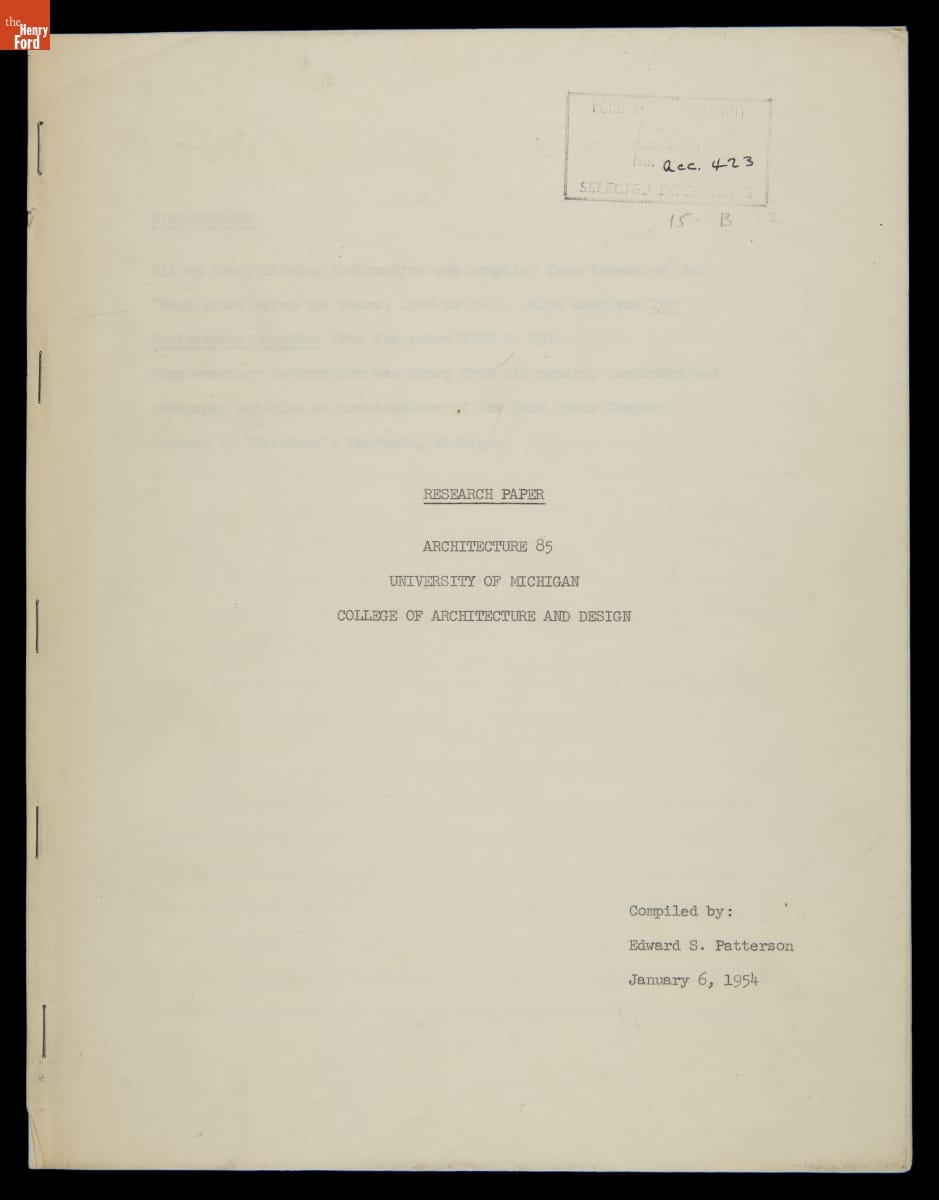
- "The Highland Park Plant" Research Paper, January 1954 - Edward S. Patterson, an architecture student at the University of Michigan, completed this research paper in 1954. His study focused on Ford Motor Company's Highland Park plant, where Ford developed its system of moving assembly and manufactured millions of Model T automobiles from 1910 to 1927. The factory's influence was enormous throughout the 20th century.
- January 06, 1954
- Collections - Artifact
"The Highland Park Plant" Research Paper, January 1954
Edward S. Patterson, an architecture student at the University of Michigan, completed this research paper in 1954. His study focused on Ford Motor Company's Highland Park plant, where Ford developed its system of moving assembly and manufactured millions of Model T automobiles from 1910 to 1927. The factory's influence was enormous throughout the 20th century.