
Search
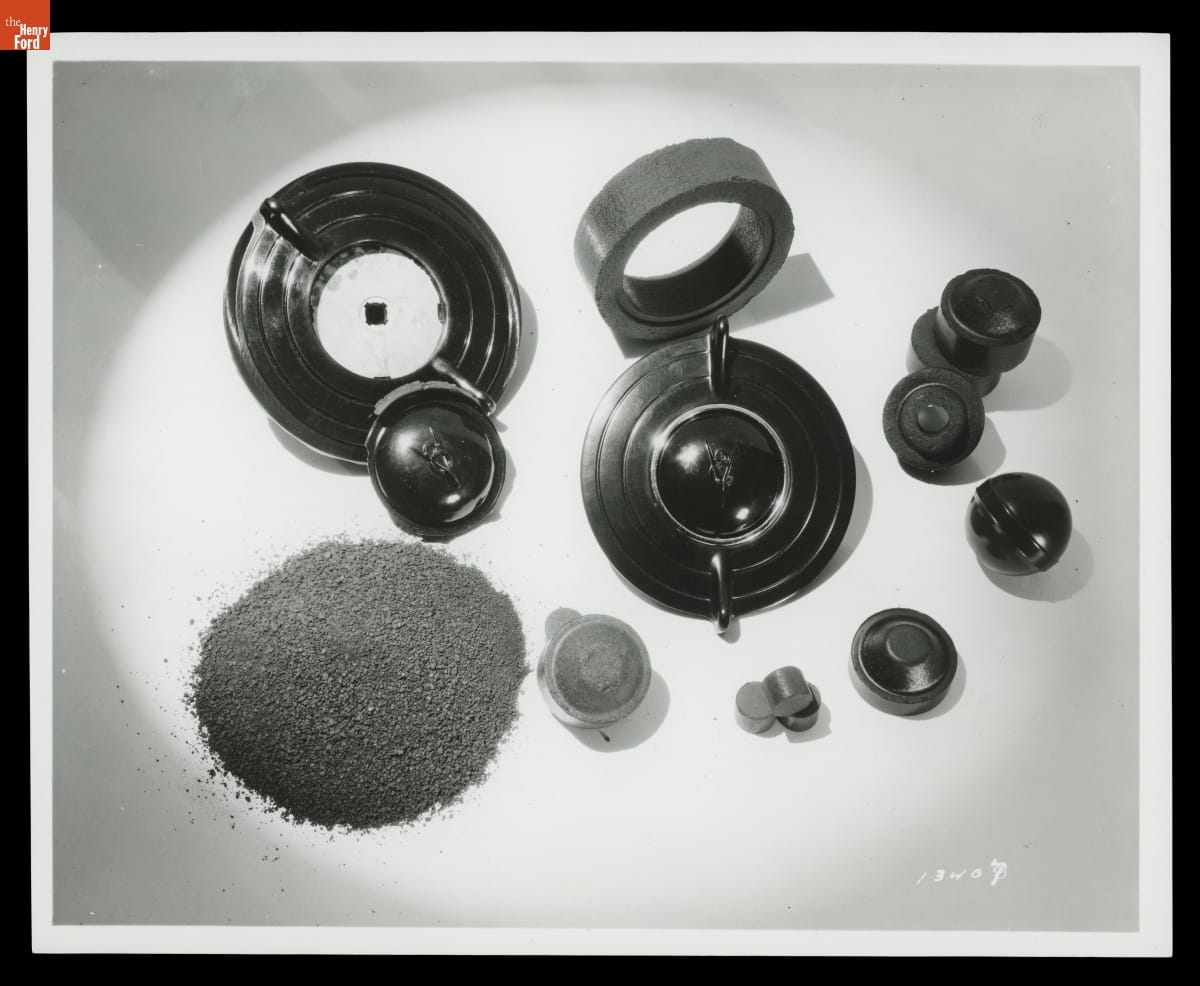
- Plastic Automobile Parts Made from Soybeans, 1935 -
- 1935
- Collections - Artifact
Plastic Automobile Parts Made from Soybeans, 1935
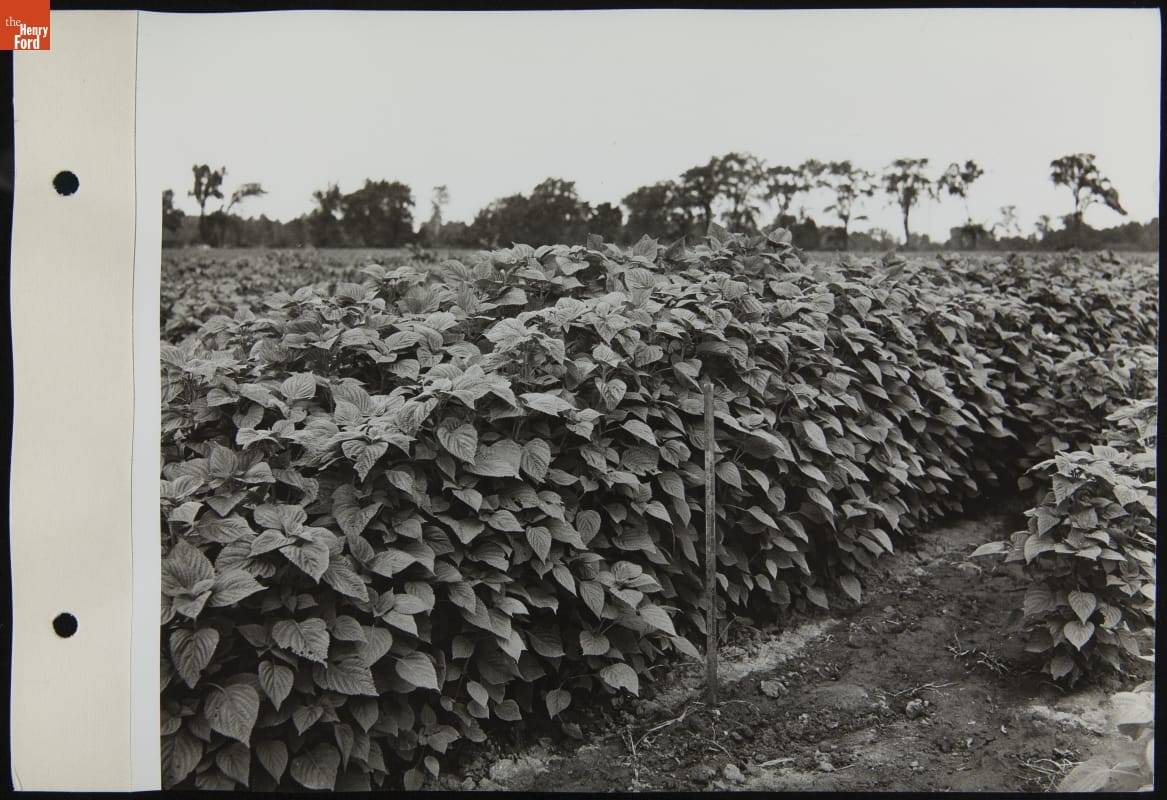
- Soybeans in Experimental Farm, September 1942 -
- September 04, 1942
- Collections - Artifact
Soybeans in Experimental Farm, September 1942
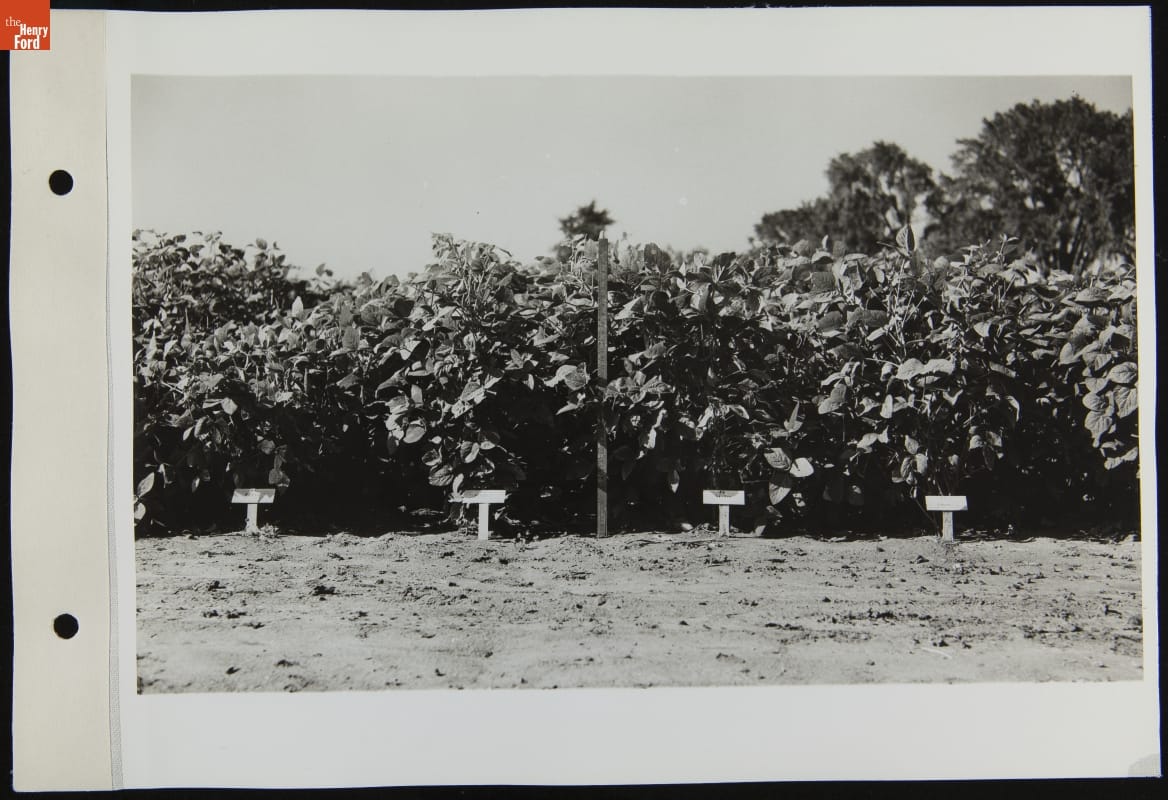
- Soybeans in Experimental Farm, September 1942 -
- September 04, 1942
- Collections - Artifact
Soybeans in Experimental Farm, September 1942
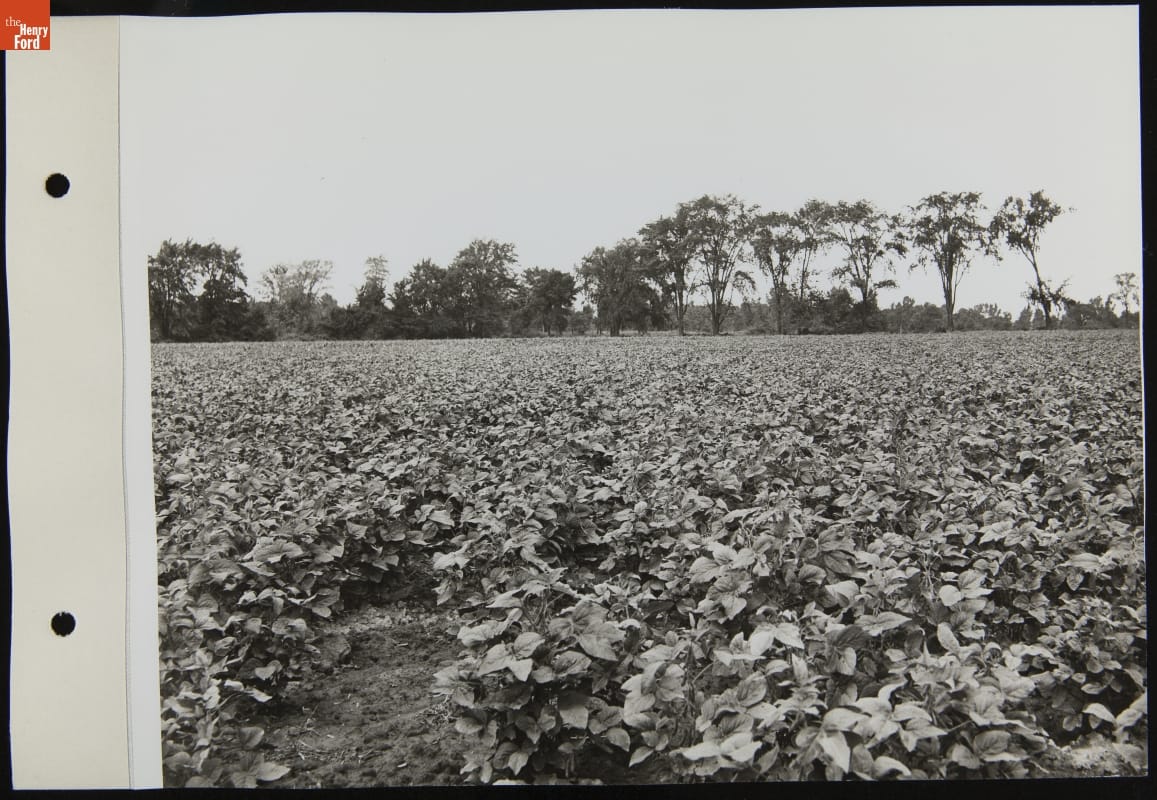
- Soybeans in Experimental Farm, September 1942 -
- September 04, 1942
- Collections - Artifact
Soybeans in Experimental Farm, September 1942
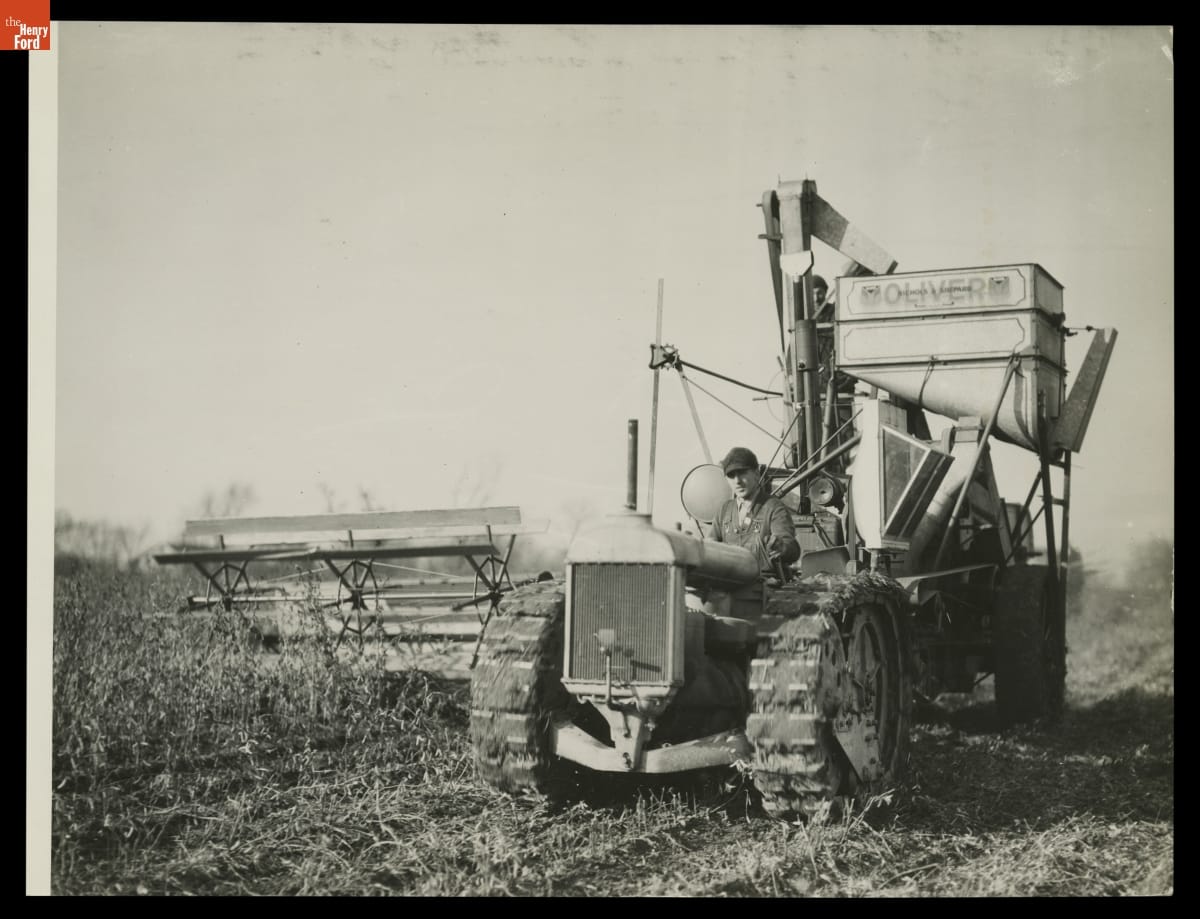
- Harvesting Soybeans at Ford Farms, Southeast Michigan, circa 1932 - Henry Ford acquired thousands of acres of farmland in southeast Michigan, collectively known as the Ford Farms. Much of the Farms' acreage was dedicated to one of Ford's agricultural interests at that time: soybeans. This image shows a tractor-drawn combine harvesting soybeans at the Ford Farms around 1932.
- circa 1932
- Collections - Artifact
Harvesting Soybeans at Ford Farms, Southeast Michigan, circa 1932
Henry Ford acquired thousands of acres of farmland in southeast Michigan, collectively known as the Ford Farms. Much of the Farms' acreage was dedicated to one of Ford's agricultural interests at that time: soybeans. This image shows a tractor-drawn combine harvesting soybeans at the Ford Farms around 1932.
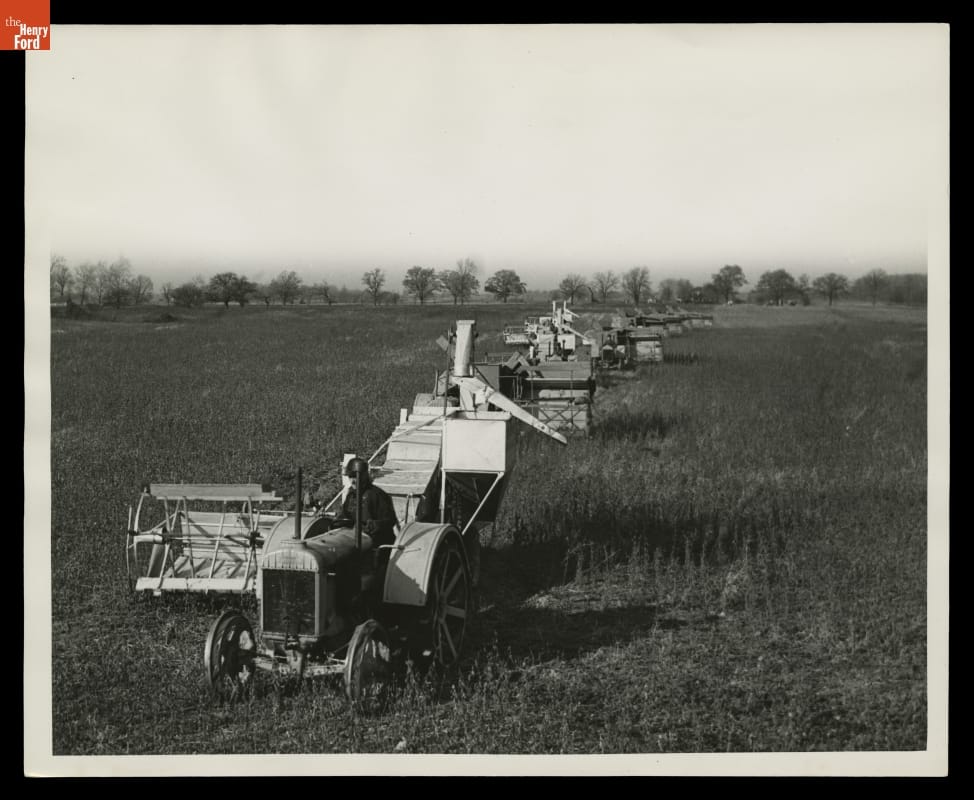
- Combines Harvesting Soybeans on Ford Farm, Macon, Michigan, November 1936 - Henry Ford acquired many thousands of acres of farmland in southeast Michigan, collectively known as the Ford Farms. As Ford's interest in soybeans expanded, much of the Farms' acreage was dedicated to soybeans. This 1936 image shows a team of combines, pulled by Fordson tractors, harvesting soybeans in Macon, Michigan.
- November 12, 1936
- Collections - Artifact
Combines Harvesting Soybeans on Ford Farm, Macon, Michigan, November 1936
Henry Ford acquired many thousands of acres of farmland in southeast Michigan, collectively known as the Ford Farms. As Ford's interest in soybeans expanded, much of the Farms' acreage was dedicated to soybeans. This 1936 image shows a team of combines, pulled by Fordson tractors, harvesting soybeans in Macon, Michigan.
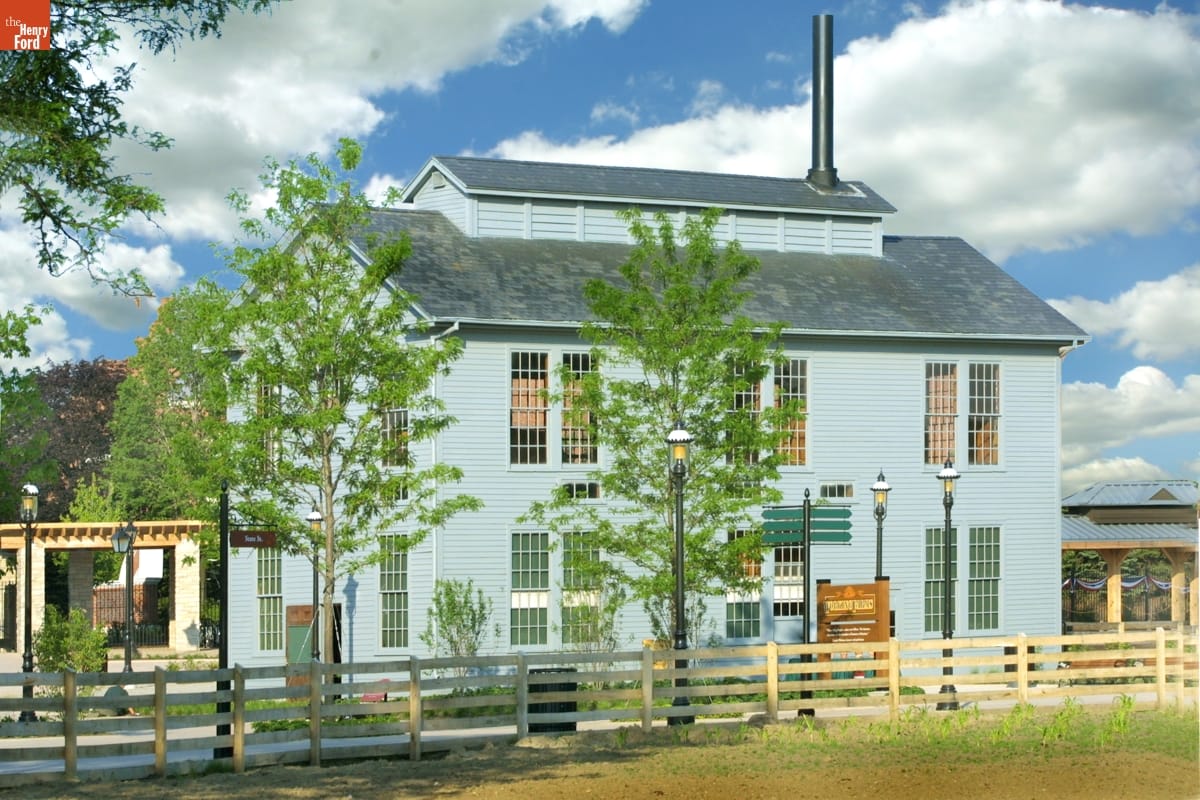
- Henry Ford: Soybeans - Henry Ford believed that industry and agriculture should complement one another. In the 1930s, he pursued soybeans as a crop that might unite the two. Ford built a soybean laboratory in Greenfield Village. Experiments there led to the use of some soy-based oils and plastics in Ford Motor Company vehicles.
- March 22, 2013
- Collections - Set
Henry Ford: Soybeans
Henry Ford believed that industry and agriculture should complement one another. In the 1930s, he pursued soybeans as a crop that might unite the two. Ford built a soybean laboratory in Greenfield Village. Experiments there led to the use of some soy-based oils and plastics in Ford Motor Company vehicles.
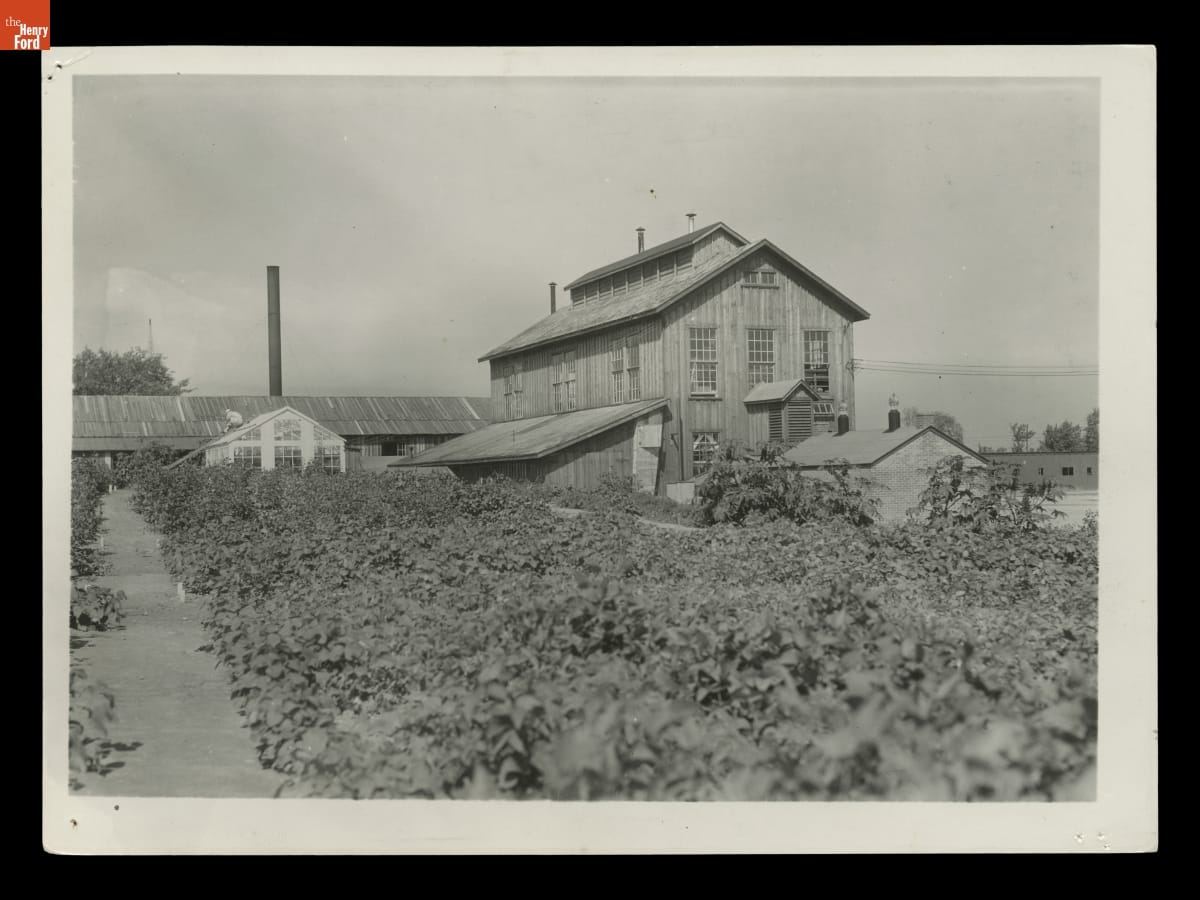
- Soybean Lab Agricultural Gallery - Constructed in Greenfield Village, this building was an experimental soybean research laboratory during the 1930s. Henry Ford was looking for ways that farmers could use crops for industrial purposes, especially in the manufacture of car parts. Special equipment was designed here to process soybeans into oil and meal. Today, this building houses agricultural implements from the museum's collections.
- 1929
- Collections - Artifact
Soybean Lab Agricultural Gallery
Constructed in Greenfield Village, this building was an experimental soybean research laboratory during the 1930s. Henry Ford was looking for ways that farmers could use crops for industrial purposes, especially in the manufacture of car parts. Special equipment was designed here to process soybeans into oil and meal. Today, this building houses agricultural implements from the museum's collections.
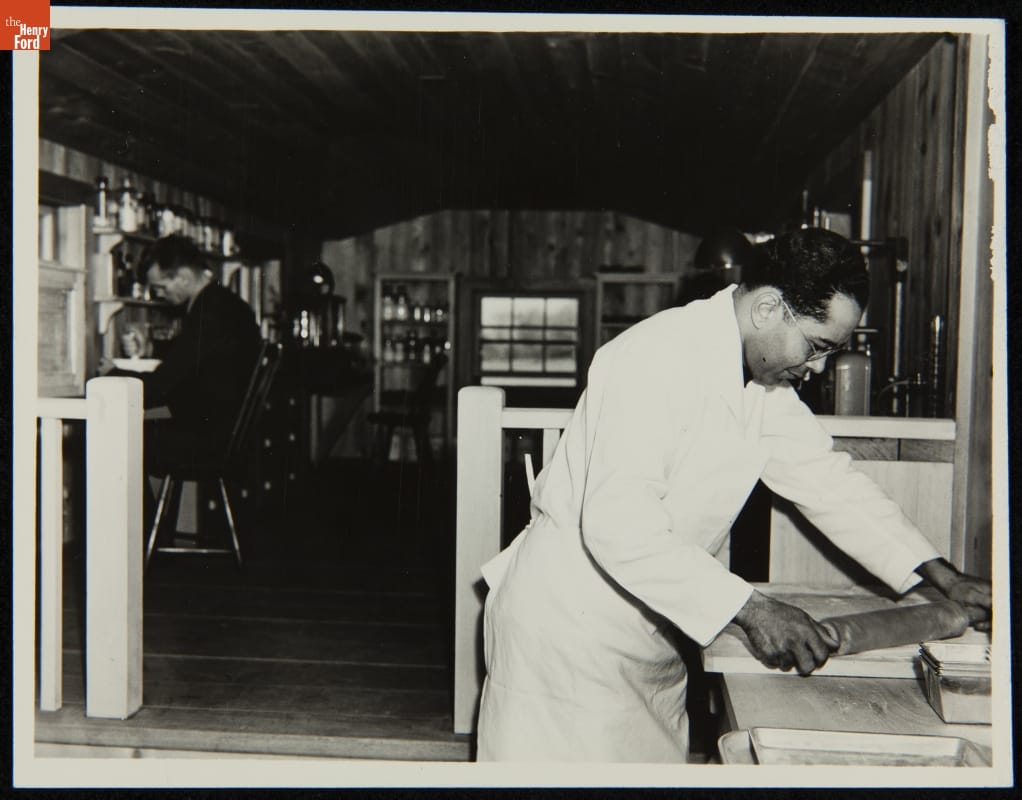
- Worker Making Soybean Bread inside the Soybean Laboratory in Greenfield Village, circa 1935 - Henry Ford believed farmers would prosper if they could produce crops for industry. In 1929, Ford had a research laboratory constructed in Greenfield Village to explore the value of various agricultural products. Soybeans proved promising. In the 1930s, researchers produced soy-based oils and plastics for use in vehicles, created fiber to weave cloth, and experimented with the protein-rich legume to make nutritional food products.
- circa 1935
- Collections - Artifact
Worker Making Soybean Bread inside the Soybean Laboratory in Greenfield Village, circa 1935
Henry Ford believed farmers would prosper if they could produce crops for industry. In 1929, Ford had a research laboratory constructed in Greenfield Village to explore the value of various agricultural products. Soybeans proved promising. In the 1930s, researchers produced soy-based oils and plastics for use in vehicles, created fiber to weave cloth, and experimented with the protein-rich legume to make nutritional food products.
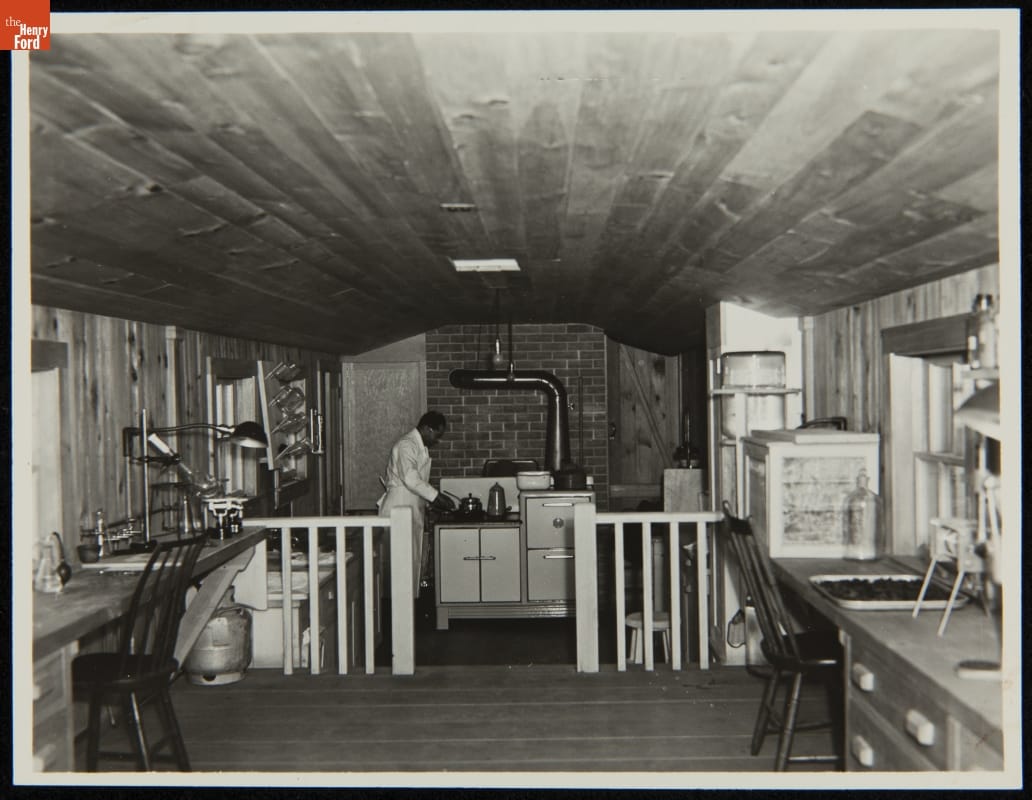
- Making Soybean Bread in the Soybean Laboratory in Greenfield Village, circa 1935 - Henry Ford believed farmers would prosper if they could produce crops for industry. In 1929, Ford had a research laboratory constructed in Greenfield Village to explore the value of various agricultural products. Soybeans proved promising. In the 1930s, researchers produced soy-based oils and plastics for use in vehicles, created fiber to weave cloth, and experimented with the protein-rich legume to make nutritional food products.
- circa 1935
- Collections - Artifact
Making Soybean Bread in the Soybean Laboratory in Greenfield Village, circa 1935
Henry Ford believed farmers would prosper if they could produce crops for industry. In 1929, Ford had a research laboratory constructed in Greenfield Village to explore the value of various agricultural products. Soybeans proved promising. In the 1930s, researchers produced soy-based oils and plastics for use in vehicles, created fiber to weave cloth, and experimented with the protein-rich legume to make nutritional food products.