
Search
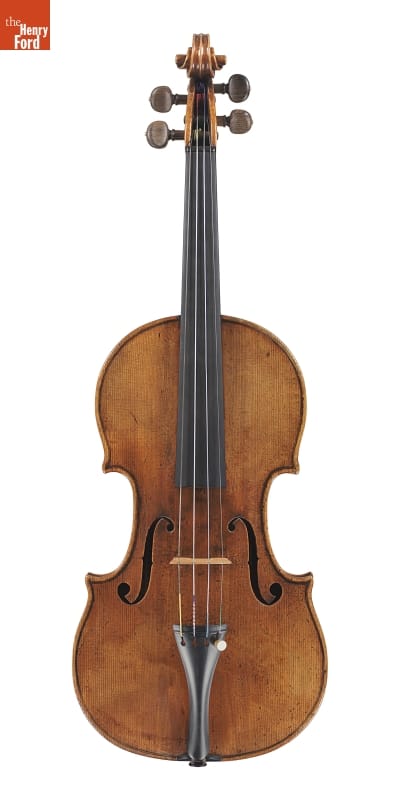
- Violin by Carlo Bergonzi, 1740 - In the 1920s, Henry Ford purchased several exquisite Italian violins, including this one by Carlo Bergonzi. Bergonzi's violins are prized for their powerful, yet sweet tone. This 1740 violin--one of the finest examples of Bergonzi's work--was owned by William Ackroyd from 1915 to about 1922. Ackroyd was the violin master at the Harrow School, a renowned school for boys located in London.
- 1740
- Collections - Artifact
Violin by Carlo Bergonzi, 1740
In the 1920s, Henry Ford purchased several exquisite Italian violins, including this one by Carlo Bergonzi. Bergonzi's violins are prized for their powerful, yet sweet tone. This 1740 violin--one of the finest examples of Bergonzi's work--was owned by William Ackroyd from 1915 to about 1922. Ackroyd was the violin master at the Harrow School, a renowned school for boys located in London.
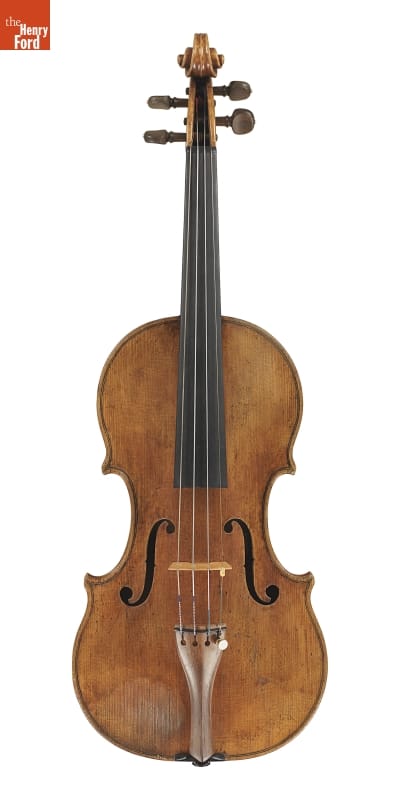
- Violin by Nicolo Amati, 1647 - In the 1920s, Henry Ford purchased several exquisite Italian violins, including this one by Nicolo Amati. Amati's grandfather Andrea founded the Cremona school of violinmaking in the 16th century. During Nicolo Amati's working life, the Amati workshop produced some of the finest violins in Europe and trained many apprentices, possibly including the young Antonio Stradivari.
- 1647
- Collections - Artifact
Violin by Nicolo Amati, 1647
In the 1920s, Henry Ford purchased several exquisite Italian violins, including this one by Nicolo Amati. Amati's grandfather Andrea founded the Cremona school of violinmaking in the 16th century. During Nicolo Amati's working life, the Amati workshop produced some of the finest violins in Europe and trained many apprentices, possibly including the young Antonio Stradivari.
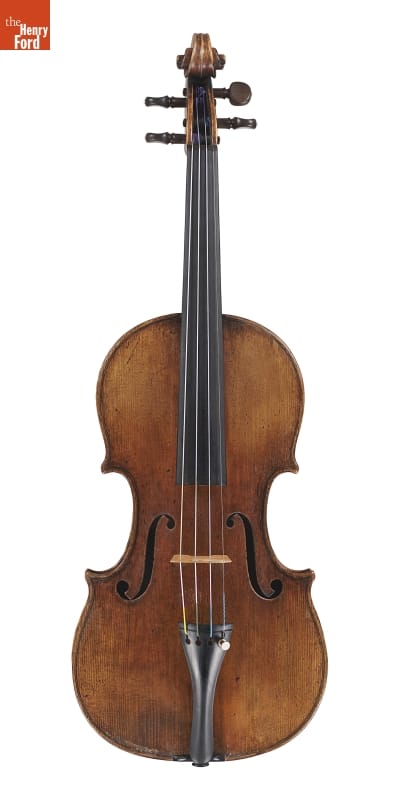
- Violin, "The Siberian," by Antonio Stradivari, 1709 - In the 1920s, Henry Ford purchased several exquisite Italian violins, including this 1709 Stradivari. From the 1680s until the 1730s, Antonio Stradivari was the leading stringed-instrument maker in Cremona, Italy--an important center of stringed instrument production. Ford's 1709 violin was made during Stradivari's "golden era." It got its name--"the Siberian"--because it was once owned by a Russian amateur violinist who lived in Siberia.
- 1709
- Collections - Artifact
Violin, "The Siberian," by Antonio Stradivari, 1709
In the 1920s, Henry Ford purchased several exquisite Italian violins, including this 1709 Stradivari. From the 1680s until the 1730s, Antonio Stradivari was the leading stringed-instrument maker in Cremona, Italy--an important center of stringed instrument production. Ford's 1709 violin was made during Stradivari's "golden era." It got its name--"the Siberian"--because it was once owned by a Russian amateur violinist who lived in Siberia.
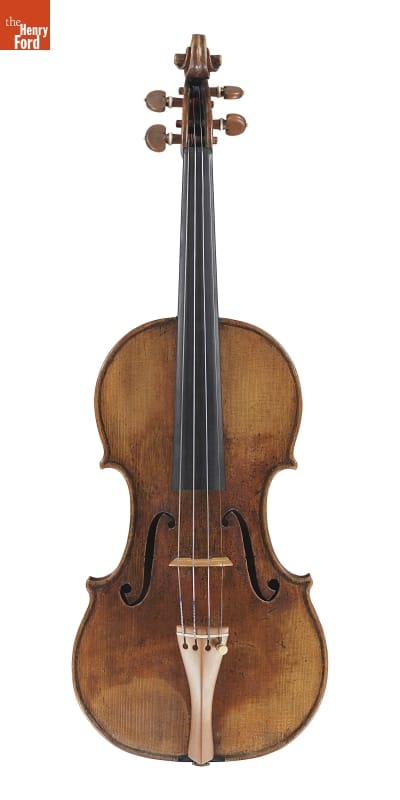
- Violin, "The Doyen," by Giuseppe Guarneri del Gesu, 1744 - In the 1920s, Henry Ford purchased several exquisite Italian violins. This Giuseppe Guarneri del Gesu violin is the finest among them. The craft of violinmaking reached artistic heights during the 17th and 18th centuries in the workshops of Guarneri and Antonio Stradivari of Cremona, Italy. Ford's Guarneri is called "The Doyen" because it was once owned by M. Louis Doyen, a French amateur violinist.
- 1744
- Collections - Artifact
Violin, "The Doyen," by Giuseppe Guarneri del Gesu, 1744
In the 1920s, Henry Ford purchased several exquisite Italian violins. This Giuseppe Guarneri del Gesu violin is the finest among them. The craft of violinmaking reached artistic heights during the 17th and 18th centuries in the workshops of Guarneri and Antonio Stradivari of Cremona, Italy. Ford's Guarneri is called "The Doyen" because it was once owned by M. Louis Doyen, a French amateur violinist.
- Violin, "The Rougemont," by Antonio Stradivari, 1703 - In the 1920s, Henry Ford purchased several exquisite Italian violins, including this 1703 Stradivari. From the 1680s until the 1730s, Antonio Stradivari was the leading stringed-instrument maker in Cremona, Italy--an important center of stringed instrument production. Henry Ford's 1703 Stradivari violin was made during Stradivari's "golden era." It is known as the "Rougemont" because it was thought to have been owned by a family of that name.
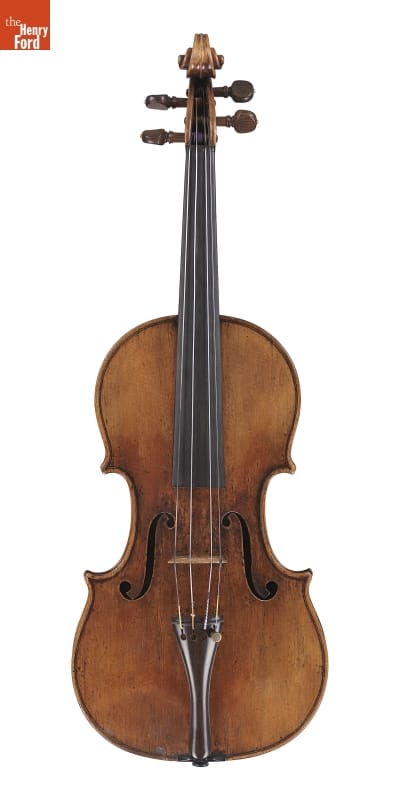
- 1703
- Collections - Artifact
Violin, "The Rougemont," by Antonio Stradivari, 1703
In the 1920s, Henry Ford purchased several exquisite Italian violins, including this 1703 Stradivari. From the 1680s until the 1730s, Antonio Stradivari was the leading stringed-instrument maker in Cremona, Italy--an important center of stringed instrument production. Henry Ford's 1703 Stradivari violin was made during Stradivari's "golden era." It is known as the "Rougemont" because it was thought to have been owned by a family of that name.