
Search
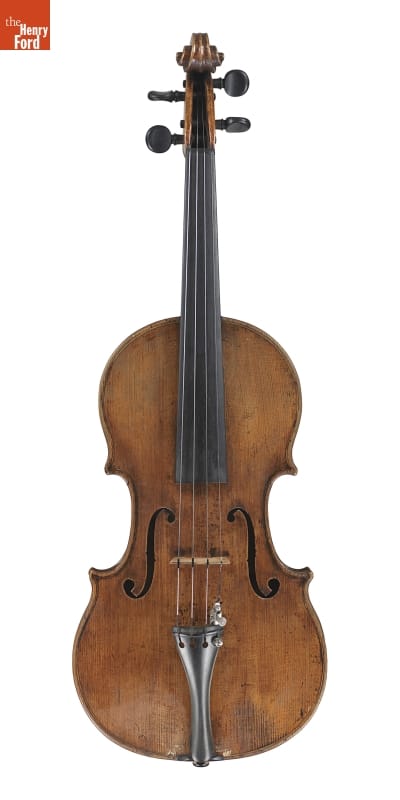
- Violin by Nicola Gagliano, 1735 - Nicola Gagliano's violins were inspired by the work of his father Alessandro Gagliano and master violinmaker Antonio Stradivari. Henry Ford purchased this Gagliano violin in the 1920s through Ole H. Bryant, a Boston violinmaker who served as principal repairer for the Boston Symphony Orchestra. This violin is said to have been once owned by a young Arthur Fielder, later conductor of the Boston Pops Orchestra.
- 1735
- Collections - Artifact
Violin by Nicola Gagliano, 1735
Nicola Gagliano's violins were inspired by the work of his father Alessandro Gagliano and master violinmaker Antonio Stradivari. Henry Ford purchased this Gagliano violin in the 1920s through Ole H. Bryant, a Boston violinmaker who served as principal repairer for the Boston Symphony Orchestra. This violin is said to have been once owned by a young Arthur Fielder, later conductor of the Boston Pops Orchestra.
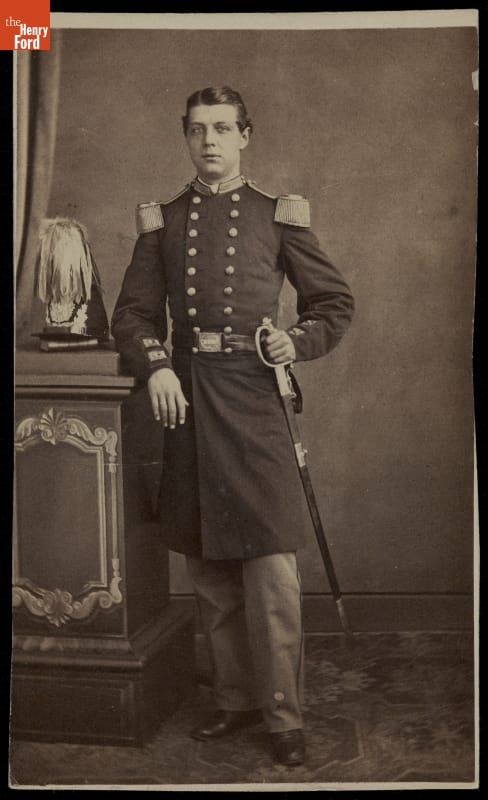
- Portrait of Robert O'Neill Ford, a U. S. Marine Corps 2nd Lieutenant, 1862-1864 - This carte-de-visite portrait shows a Union Marine Officer, Lieutenant Robert O'Neill Ford, who served on the USS <EM>Constellation</EM> in the Mediterranean Sea. Carte-de-visite was a small photographic print on cardboard stock made by professional photographers. Popular in the United States from the Civil War in the 1860s through the 1880s, people exchanged and collected CdVs to help them remember family and celebrities.
- 1862-1864
- Collections - Artifact
Portrait of Robert O'Neill Ford, a U. S. Marine Corps 2nd Lieutenant, 1862-1864
This carte-de-visite portrait shows a Union Marine Officer, Lieutenant Robert O'Neill Ford, who served on the USS Constellation in the Mediterranean Sea. Carte-de-visite was a small photographic print on cardboard stock made by professional photographers. Popular in the United States from the Civil War in the 1860s through the 1880s, people exchanged and collected CdVs to help them remember family and celebrities.
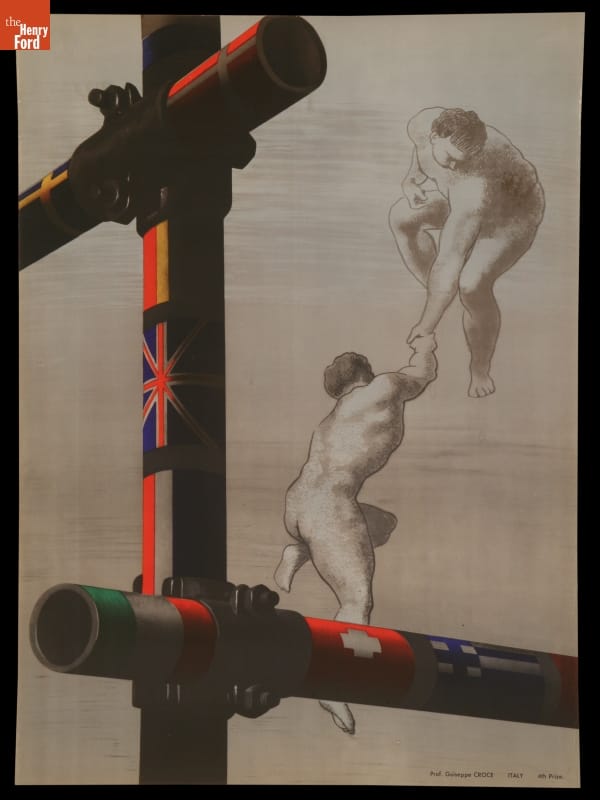
- European Recovery Program Poster, circa 1950 -
- circa 1950
- Collections - Artifact
European Recovery Program Poster, circa 1950
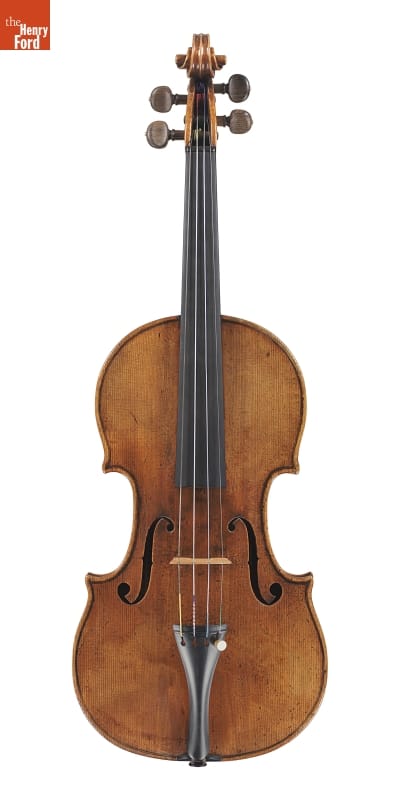
- Violin by Carlo Bergonzi, 1740 - In the 1920s, Henry Ford purchased several exquisite Italian violins, including this one by Carlo Bergonzi. Bergonzi's violins are prized for their powerful, yet sweet tone. This 1740 violin--one of the finest examples of Bergonzi's work--was owned by William Ackroyd from 1915 to about 1922. Ackroyd was the violin master at the Harrow School, a renowned school for boys located in London.
- 1740
- Collections - Artifact
Violin by Carlo Bergonzi, 1740
In the 1920s, Henry Ford purchased several exquisite Italian violins, including this one by Carlo Bergonzi. Bergonzi's violins are prized for their powerful, yet sweet tone. This 1740 violin--one of the finest examples of Bergonzi's work--was owned by William Ackroyd from 1915 to about 1922. Ackroyd was the violin master at the Harrow School, a renowned school for boys located in London.
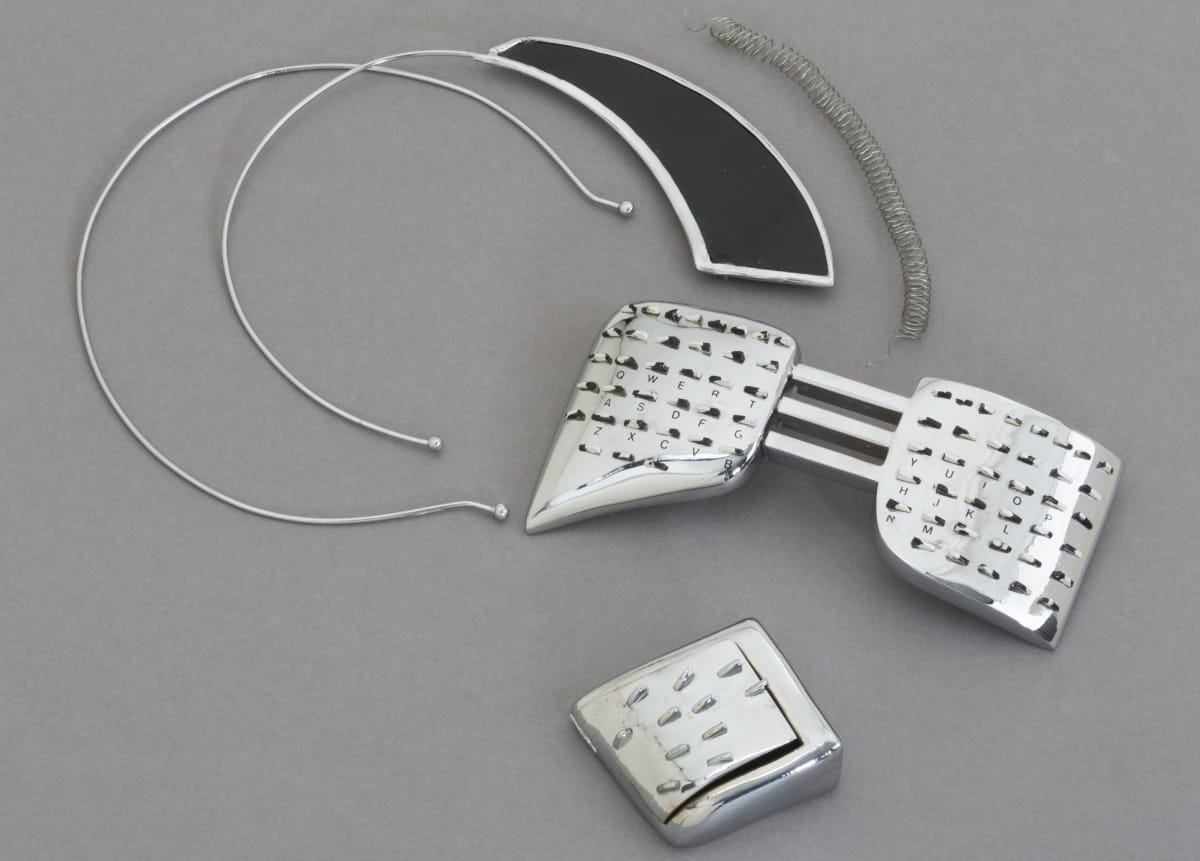
- "The Walking Office" Wearable Computer Prototype, 1984 - The Walking Office Wearable Computer is a prototype model created by the design group Salotto Dinamico. This proposed device subverted where (and when) the office could be, turning the human body into a mobile workstation. A keyboard, display arc, and cassette recorder became personal adornment--also capable of pairing with an acoustic modem to exchange data through telephone lines.
- 1984
- Collections - Artifact
"The Walking Office" Wearable Computer Prototype, 1984
The Walking Office Wearable Computer is a prototype model created by the design group Salotto Dinamico. This proposed device subverted where (and when) the office could be, turning the human body into a mobile workstation. A keyboard, display arc, and cassette recorder became personal adornment--also capable of pairing with an acoustic modem to exchange data through telephone lines.
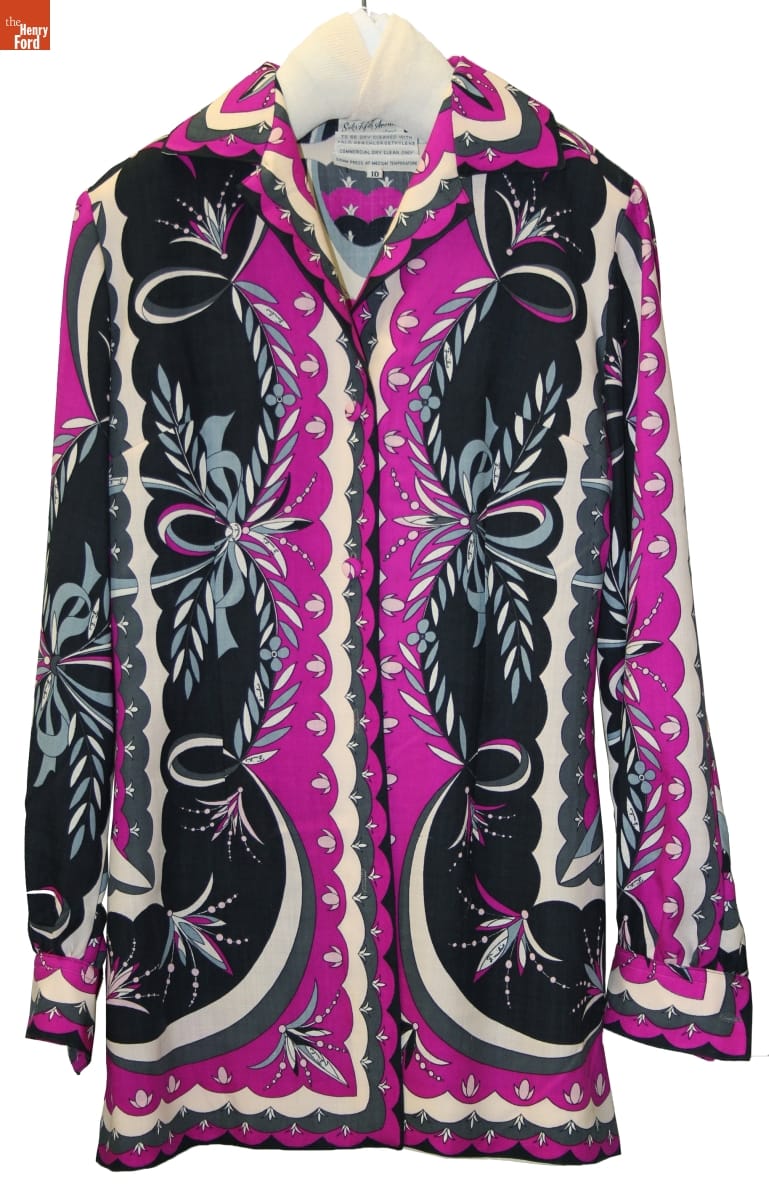
- Blouse Worn by Sophia Caffray, 1960-1969 -
- 1960-1969
- Collections - Artifact
Blouse Worn by Sophia Caffray, 1960-1969
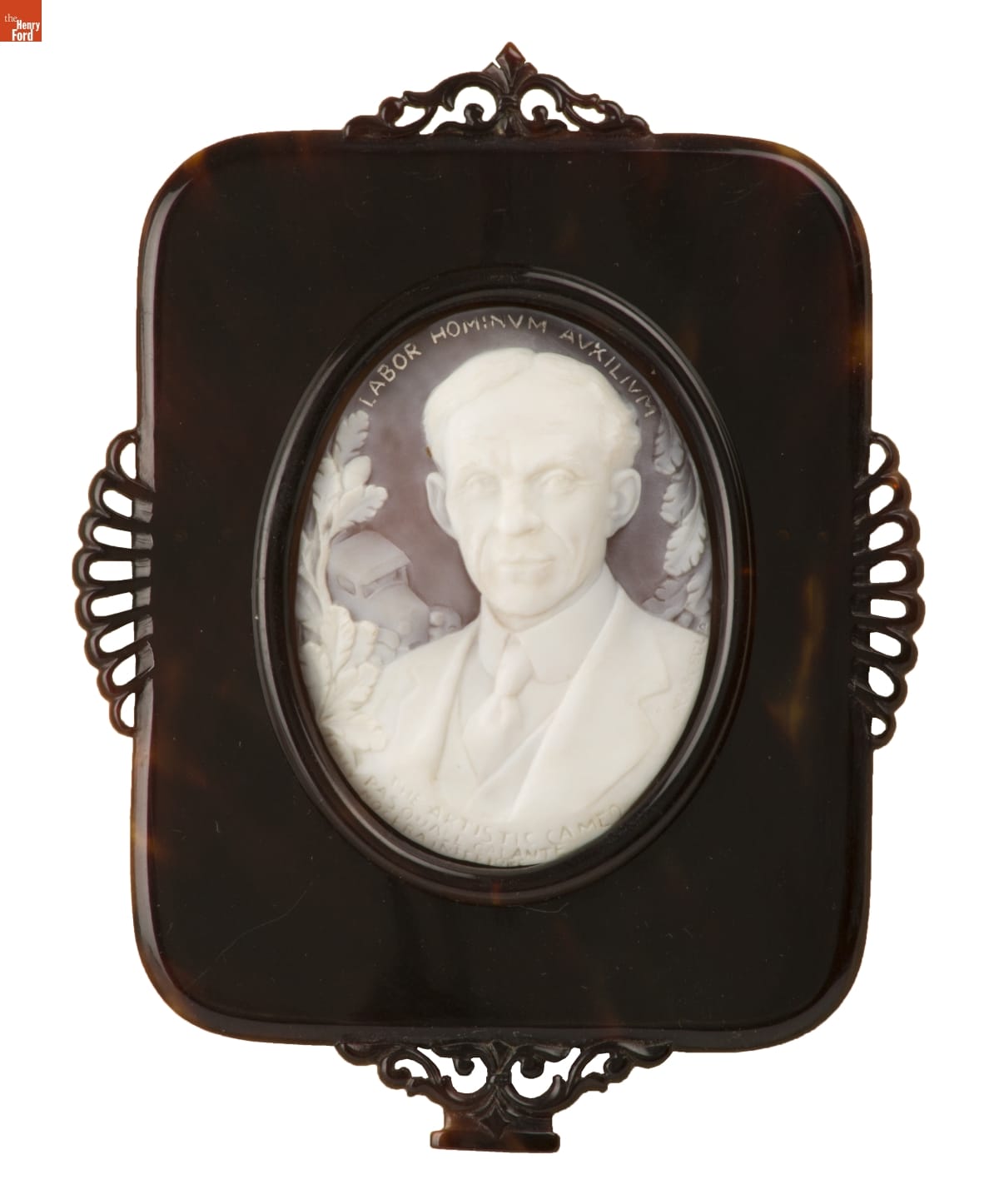
- Cameo Portrait of Henry Ford in Presentation Case, 1920-1940 - Acknowledging Henry Ford's innovative spirit, individuals employing their own original and imaginative efforts bestowed hundreds of handmade gifts upon him. Like many of the gifts to Henry Ford that found their way to Fair Lane, little is known about the Italian artist who created this. But the exquisite workmanship of this artifact speaks for itself.
- 1920-1940
- Collections - Artifact
Cameo Portrait of Henry Ford in Presentation Case, 1920-1940
Acknowledging Henry Ford's innovative spirit, individuals employing their own original and imaginative efforts bestowed hundreds of handmade gifts upon him. Like many of the gifts to Henry Ford that found their way to Fair Lane, little is known about the Italian artist who created this. But the exquisite workmanship of this artifact speaks for itself.
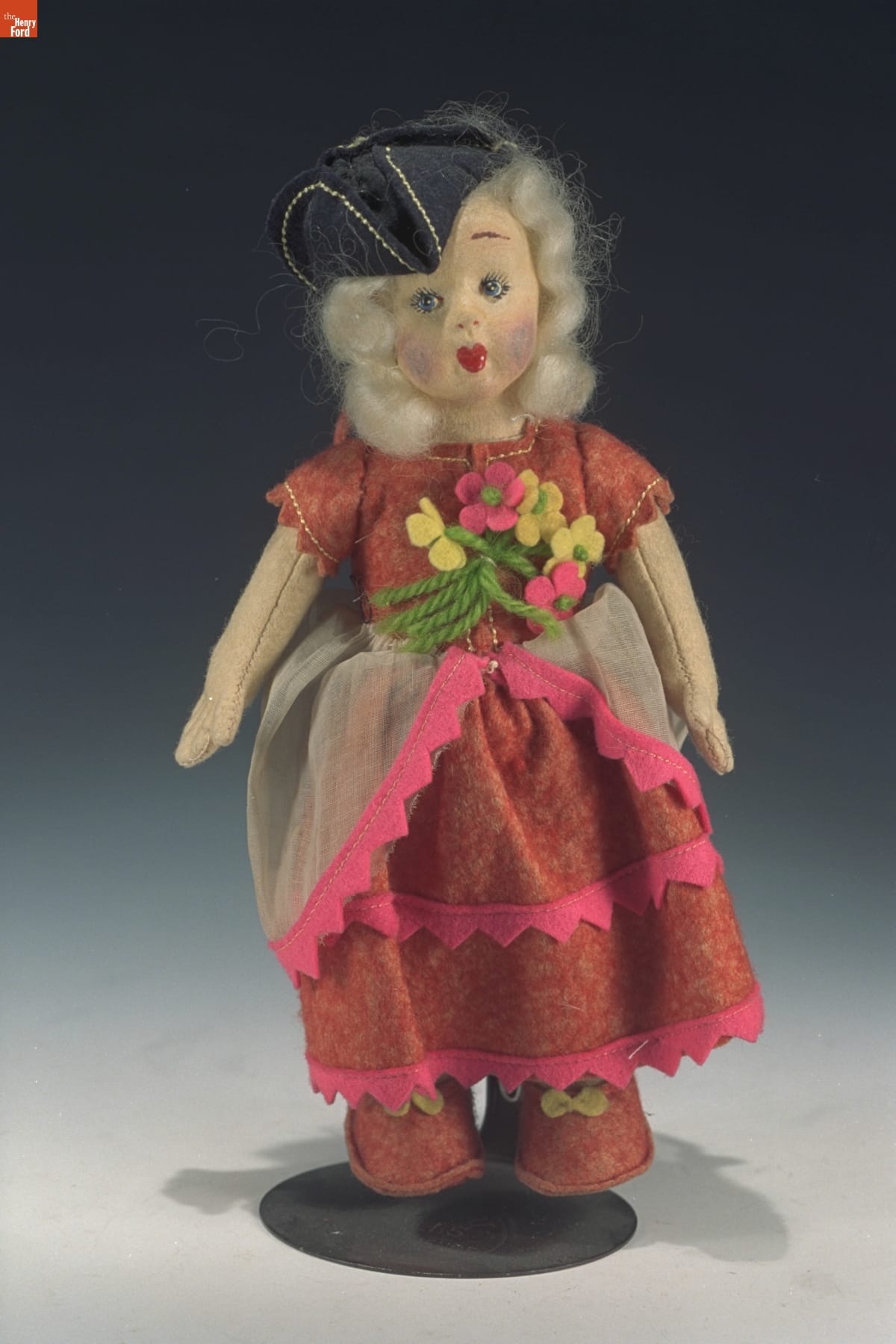
- Character Doll, Martha Washington, 1920-1940 -
- 1920-1940
- Collections - Artifact
Character Doll, Martha Washington, 1920-1940
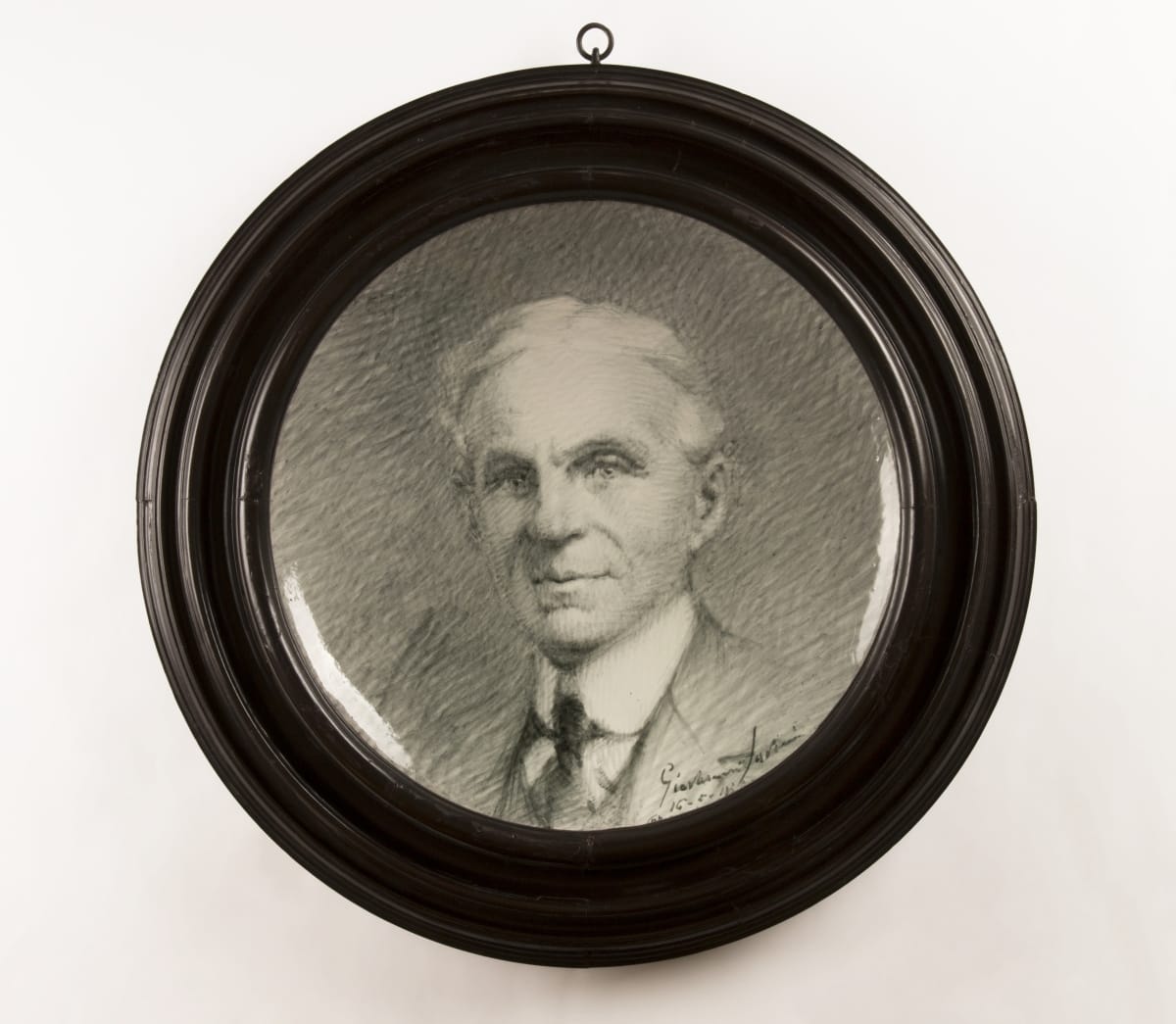
- Portrait Plate, Presented to Henry Ford, 1930 - Henry Ford's corporate family was generous when it came to acknowledging their leader's enterprising and innovative strides forward. This portrait plate was commissioned by an Italian Ford dealer; all he asked for in exchange for this amazing piece of ceramic art was that an autographed photograph of Henry Ford be sent to the artist.
- 1930
- Collections - Artifact
Portrait Plate, Presented to Henry Ford, 1930
Henry Ford's corporate family was generous when it came to acknowledging their leader's enterprising and innovative strides forward. This portrait plate was commissioned by an Italian Ford dealer; all he asked for in exchange for this amazing piece of ceramic art was that an autographed photograph of Henry Ford be sent to the artist.
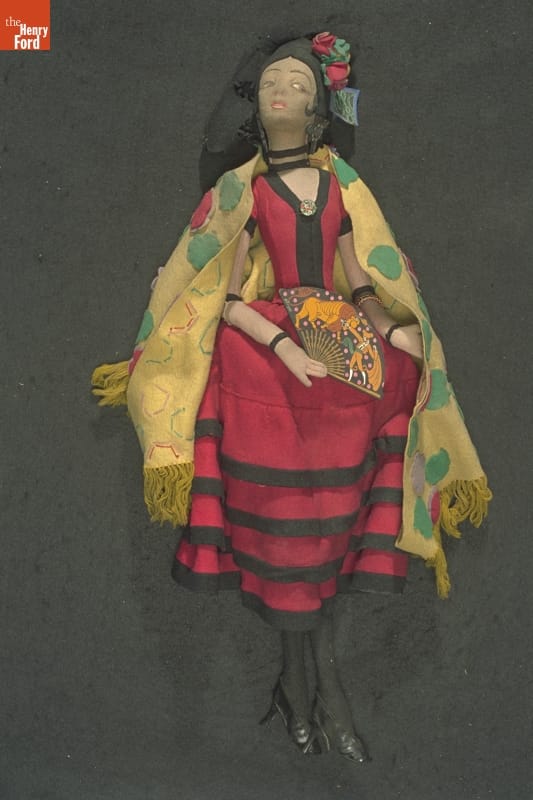
- Spanish Dancer Cloth Doll, 1920-1935 -
- 1920-1935
- Collections - Artifact
Spanish Dancer Cloth Doll, 1920-1935