
Search
- Dooling "Mercury Second Series" Gas-Powered Racing Tether Car, 1940-1941 - Tether cars, gas-powered model race cars, were popular in the 1930s and 1940s. They were raced individually while tethered to a central pivot, or against each other on a scaled-down board track. This second series "Mercury" from Dooling Brothers features a cast aluminum body and frame. Its front-wheel-drive layout is somewhat unusual for a tether car.
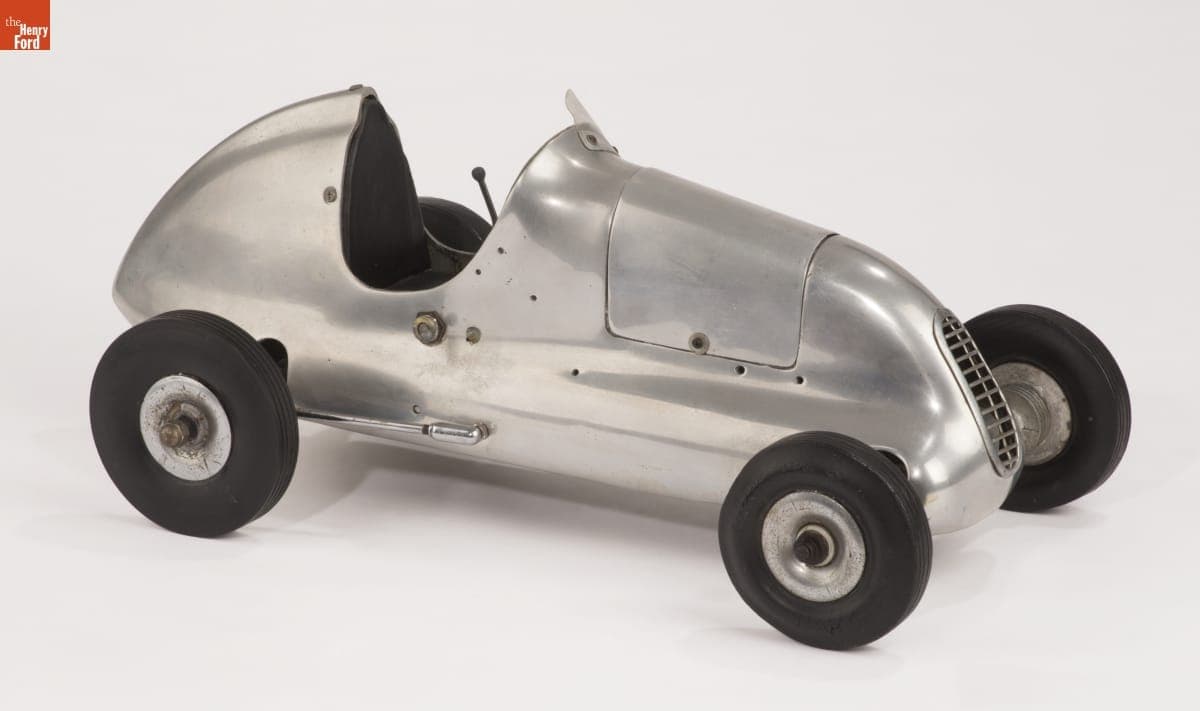
- 1940-1941
- Collections - Artifact
Dooling "Mercury Second Series" Gas-Powered Racing Tether Car, 1940-1941
Tether cars, gas-powered model race cars, were popular in the 1930s and 1940s. They were raced individually while tethered to a central pivot, or against each other on a scaled-down board track. This second series "Mercury" from Dooling Brothers features a cast aluminum body and frame. Its front-wheel-drive layout is somewhat unusual for a tether car.
- Portrait of Booker T. Washington, 1906 -
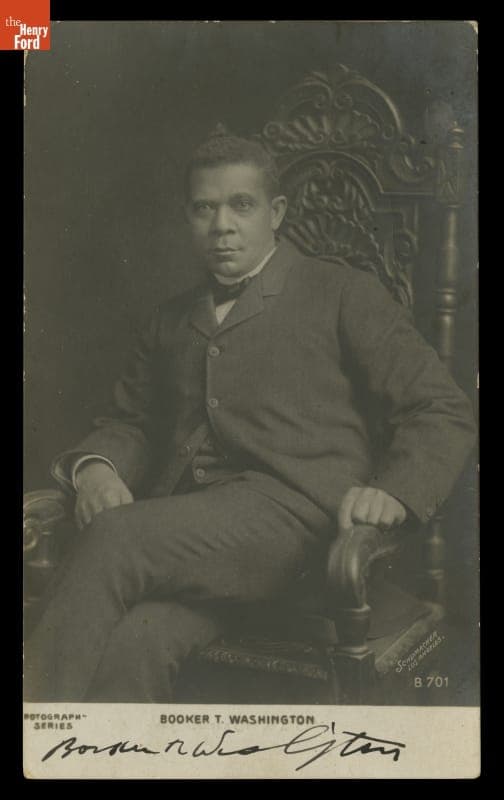
- 1906
- Collections - Artifact
Portrait of Booker T. Washington, 1906
- Korn "Indianapolis 29" Gas-Powered Racing Tether Car, 1948 - Tether cars, gasoline-powered model race cars, were popular in the 1930s and 1940s. They were raced individually while tethered to a central pivot, or against each other on a scaled-down board track. This model of an Indianapolis-style car was built by Barney (B.B.) Korn. It used a .29-cubic-inch engine. While Korn's models weren't particularly fast, they showed exceptional craftsmanship.
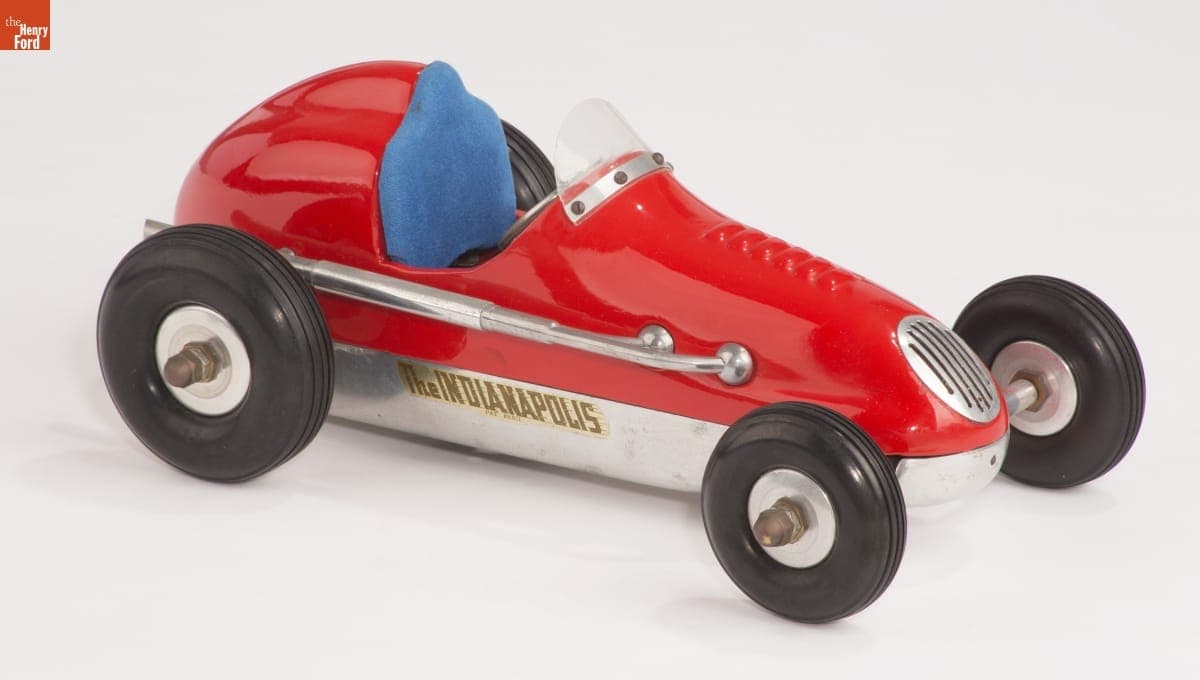
- 1948
- Collections - Artifact
Korn "Indianapolis 29" Gas-Powered Racing Tether Car, 1948
Tether cars, gasoline-powered model race cars, were popular in the 1930s and 1940s. They were raced individually while tethered to a central pivot, or against each other on a scaled-down board track. This model of an Indianapolis-style car was built by Barney (B.B.) Korn. It used a .29-cubic-inch engine. While Korn's models weren't particularly fast, they showed exceptional craftsmanship.
- Korn "Indianapolis" Gas-Powered Racing Tether Car, 1940-1941 - Tether cars, gas-powered model race cars, were popular in the 1930s and 1940s. They were raced individually while tethered to a central pivot, or against each other on a scaled-down board track. This magnesium-bodied model of an Indianapolis-style racer was built by Barney (B.B.) Korn. While Korn's models weren't particularly fast, they were exceptional in their fine detail and craftsmanship.
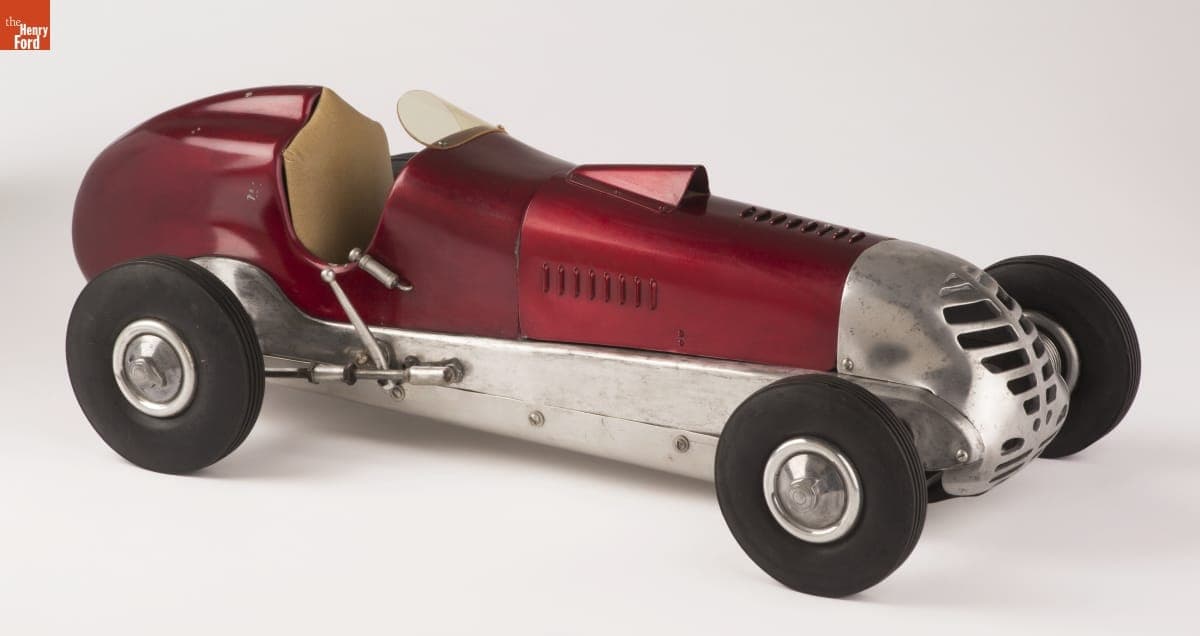
- 1940-1941
- Collections - Artifact
Korn "Indianapolis" Gas-Powered Racing Tether Car, 1940-1941
Tether cars, gas-powered model race cars, were popular in the 1930s and 1940s. They were raced individually while tethered to a central pivot, or against each other on a scaled-down board track. This magnesium-bodied model of an Indianapolis-style racer was built by Barney (B.B.) Korn. While Korn's models weren't particularly fast, they were exceptional in their fine detail and craftsmanship.
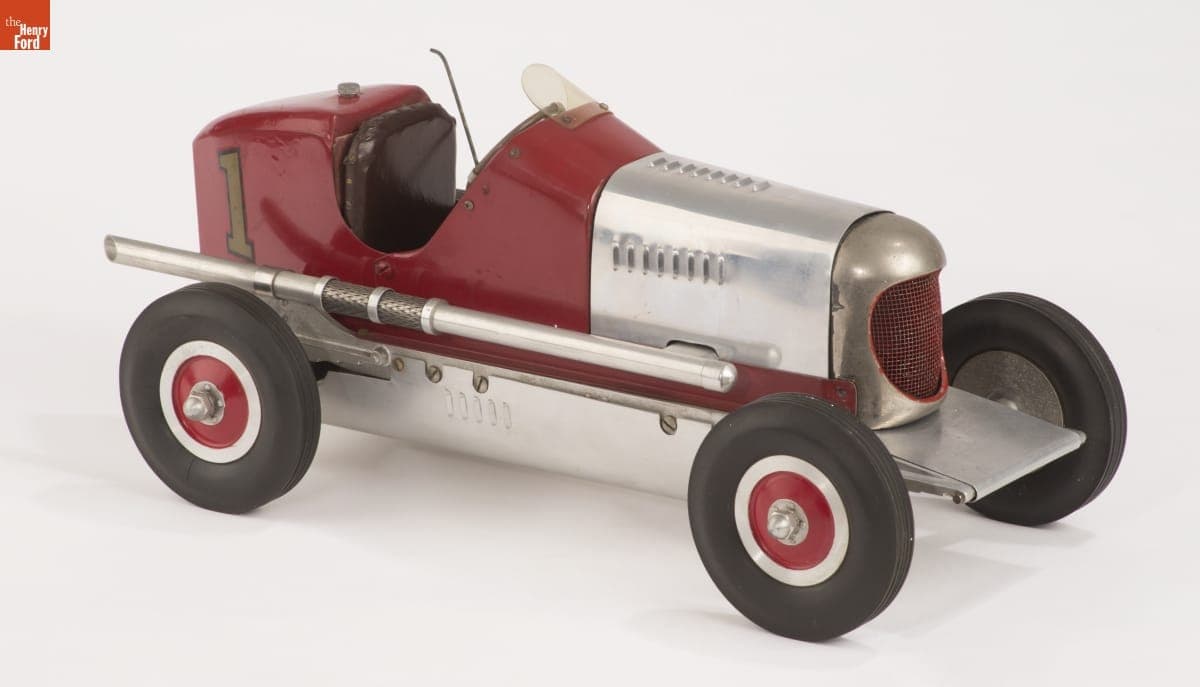
- Korn "Meteor" Gas-Powered Racing Tether Car, 1939-1940 - Tether cars, gas-powered model race cars, were popular in the 1930s and 1940s. They were raced individually while tethered to a central pivot, or against each other on a scaled-down board track. B.B. Korn's models were some of the most detailed tether cars on the market. Cars like this "Meteor" were sold fully assembled.
- 1939-1940
- Collections - Artifact
Korn "Meteor" Gas-Powered Racing Tether Car, 1939-1940
Tether cars, gas-powered model race cars, were popular in the 1930s and 1940s. They were raced individually while tethered to a central pivot, or against each other on a scaled-down board track. B.B. Korn's models were some of the most detailed tether cars on the market. Cars like this "Meteor" were sold fully assembled.
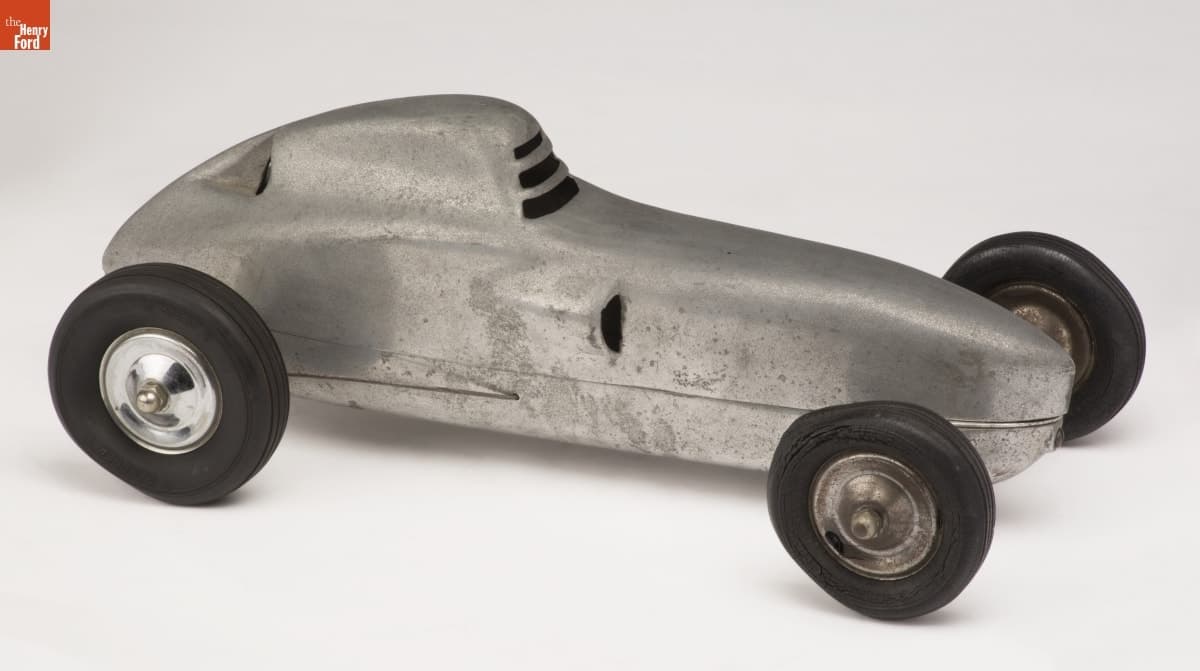
- Champion Products "Atwood" Gas-Powered Racing Tether Car, 1940 - Tether cars, gas-powered model race cars, were popular in the 1930s and 1940s. They were raced individually while tethered to a central pivot, or against each other on a scaled-down board track. This model was built by Champion Products of Los Angeles. Scoops on the sides and slats in the "windshield" allowed air to reach the engine inside.
- 1940
- Collections - Artifact
Champion Products "Atwood" Gas-Powered Racing Tether Car, 1940
Tether cars, gas-powered model race cars, were popular in the 1930s and 1940s. They were raced individually while tethered to a central pivot, or against each other on a scaled-down board track. This model was built by Champion Products of Los Angeles. Scoops on the sides and slats in the "windshield" allowed air to reach the engine inside.
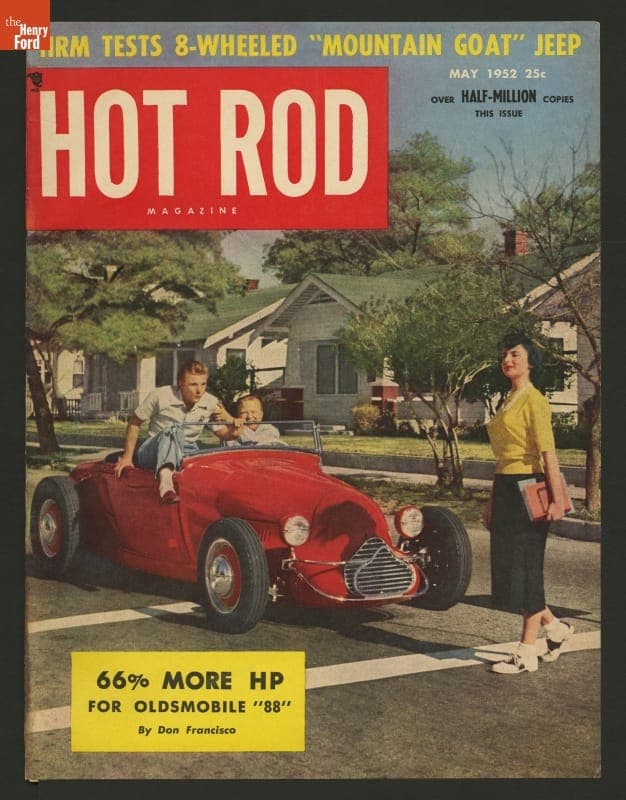
- "Hot Rod" Magazine for May 1952 - This was the first <em>Hot Rod</em> issue to sell over half a million copies. Was it because of the classic teenage scenario being played out on the cover or the true star of the scene -- Dick Flint's red A-V/8 "Hot Rod of the Month"?
- May 01, 1952
- Collections - Artifact
"Hot Rod" Magazine for May 1952
This was the first Hot Rod issue to sell over half a million copies. Was it because of the classic teenage scenario being played out on the cover or the true star of the scene -- Dick Flint's red A-V/8 "Hot Rod of the Month"?
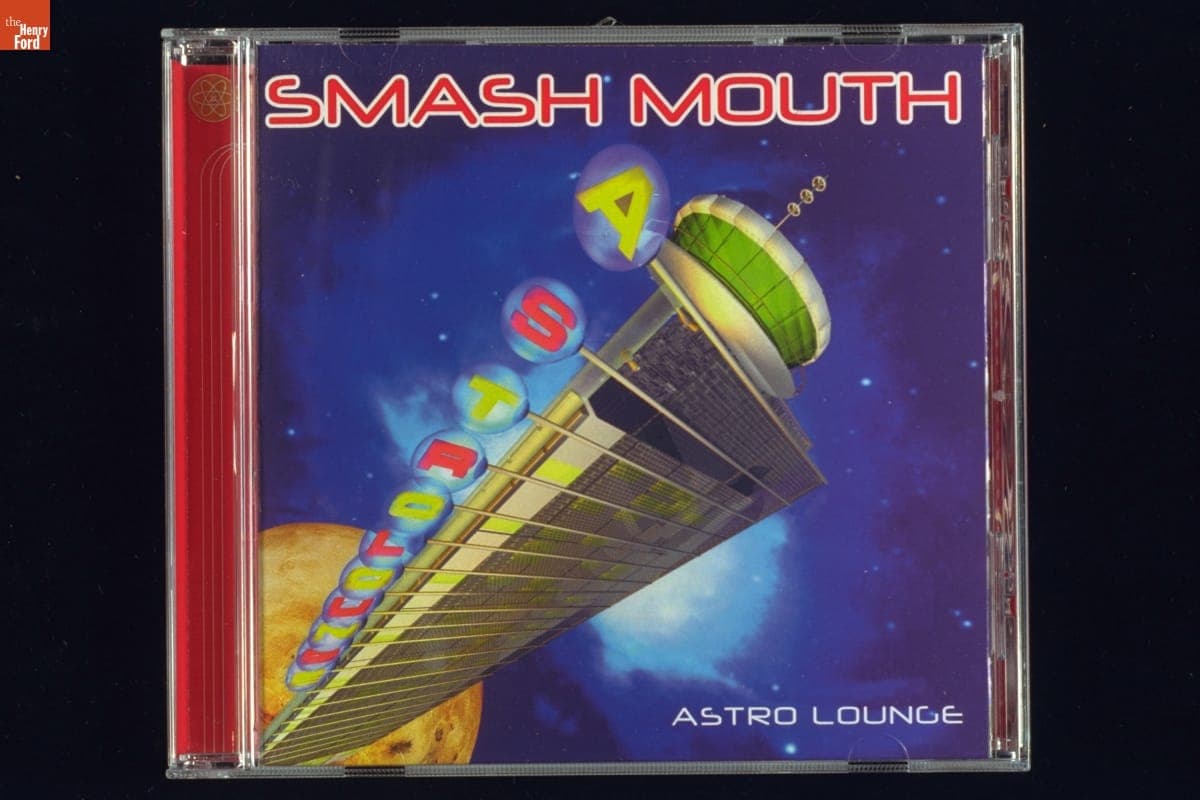
- Smash Mouth "Astro Lounge" Compact Disc, 1999 -
- 1999
- Collections - Artifact
Smash Mouth "Astro Lounge" Compact Disc, 1999
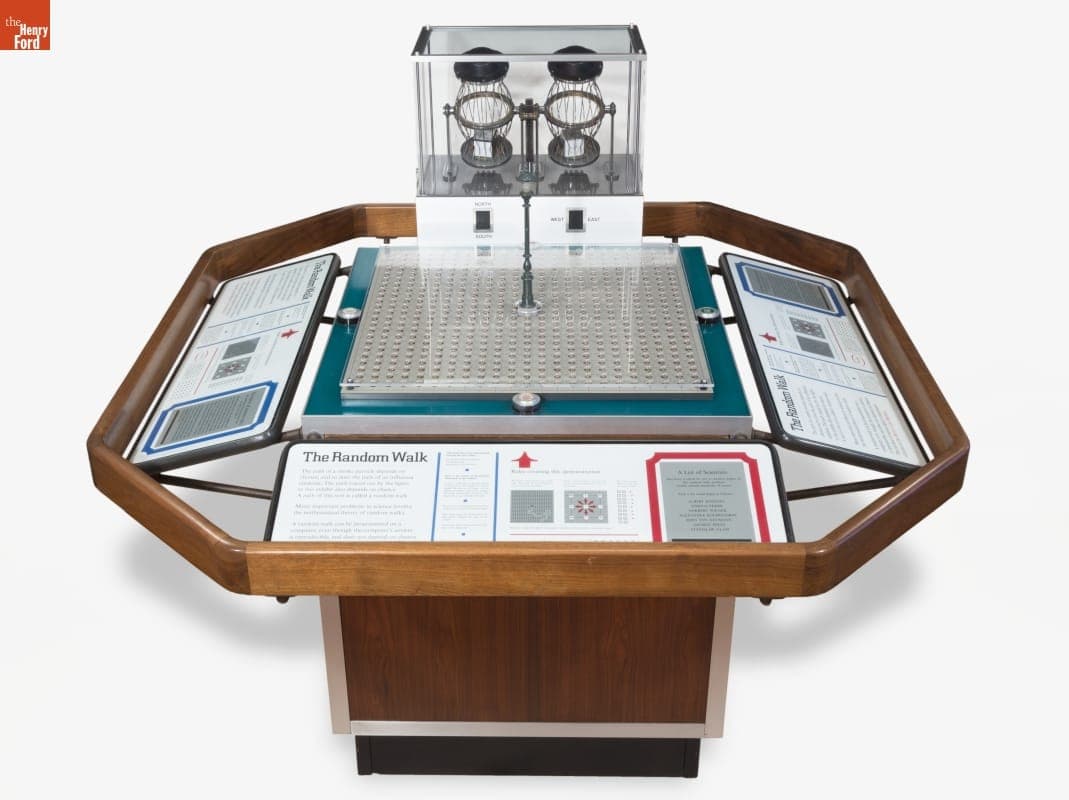
- "The Random Walk" from Mathematica: A World of Numbers and Beyond Exhibition, 1960-1961 -
- 1960-1961
- Collections - Artifact
"The Random Walk" from Mathematica: A World of Numbers and Beyond Exhibition, 1960-1961
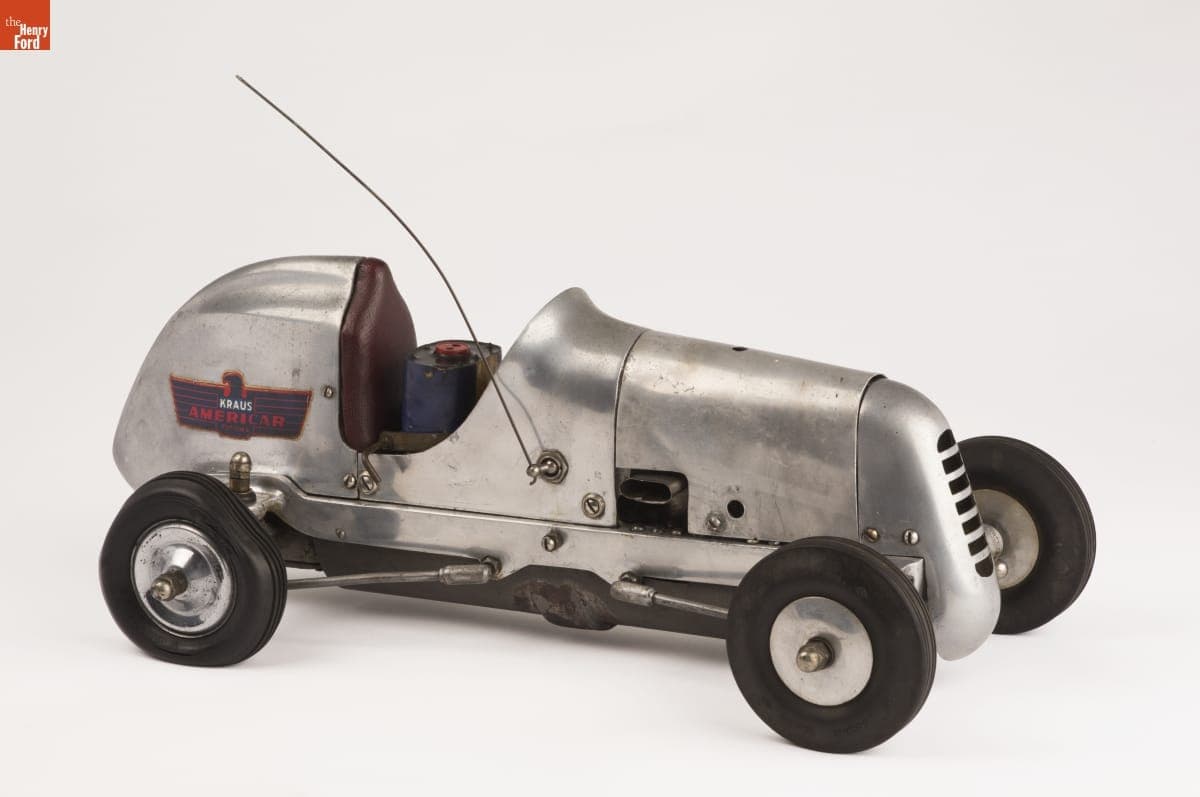
- Dooling "Mercury Deluxe" Gas-Powered Racing Tether Car, 1939-1940 - Tether cars, gas-powered model race cars, were popular in the 1930s and 1940s. They were raced individually while tethered to a central pivot, or against each other on a scaled-down board track. Dooling Brothers, of Los Angeles, California, manufactured a complete line of open-cockpit and streamliner models. Company owners Tom, Harris and Russell Dooling were successful tether car racers themselves.
- 1939-1940
- Collections - Artifact
Dooling "Mercury Deluxe" Gas-Powered Racing Tether Car, 1939-1940
Tether cars, gas-powered model race cars, were popular in the 1930s and 1940s. They were raced individually while tethered to a central pivot, or against each other on a scaled-down board track. Dooling Brothers, of Los Angeles, California, manufactured a complete line of open-cockpit and streamliner models. Company owners Tom, Harris and Russell Dooling were successful tether car racers themselves.