
Search
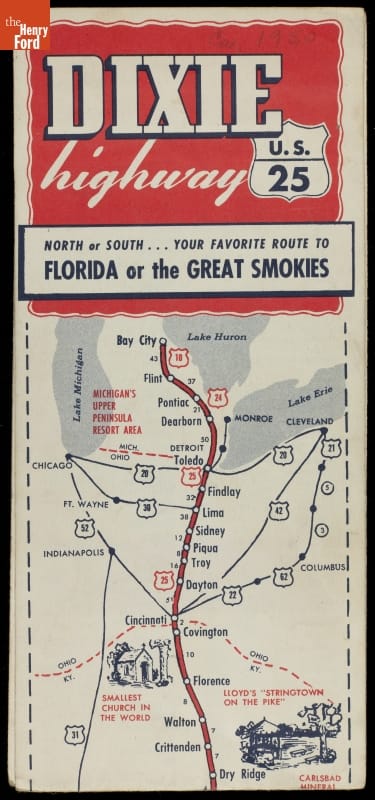
- "Dixie Highway, U.S. 25," circa 1950 - This brochure from about 1950 uses the more familiar trail name for Route 25 from Michigan to Florida -- the Dixie Highway.
- circa 1950
- Collections - Artifact
"Dixie Highway, U.S. 25," circa 1950
This brochure from about 1950 uses the more familiar trail name for Route 25 from Michigan to Florida -- the Dixie Highway.
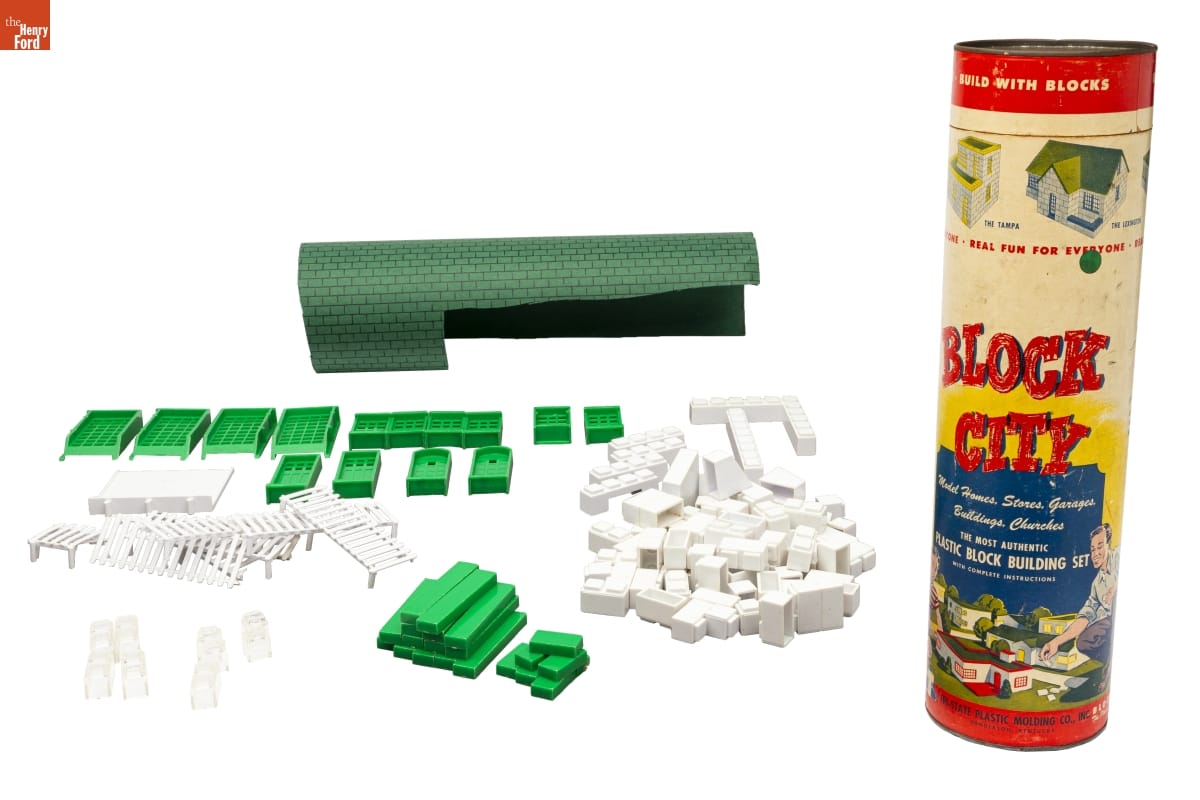
- Block City Building Blocks, 1955-1960 - Children love to build things--whether they create imaginative worlds or smaller versions of the real one. Construction toys are quite literally and figuratively "the building blocks of childhood." Playing with them builds physical and intellectual skills--and encourages creativity. Post-World War II Baby Boomers could recreate their neighborhood homes, stores, and offices with this set of plastic building blocks.
- 1955-1960
- Collections - Artifact
Block City Building Blocks, 1955-1960
Children love to build things--whether they create imaginative worlds or smaller versions of the real one. Construction toys are quite literally and figuratively "the building blocks of childhood." Playing with them builds physical and intellectual skills--and encourages creativity. Post-World War II Baby Boomers could recreate their neighborhood homes, stores, and offices with this set of plastic building blocks.
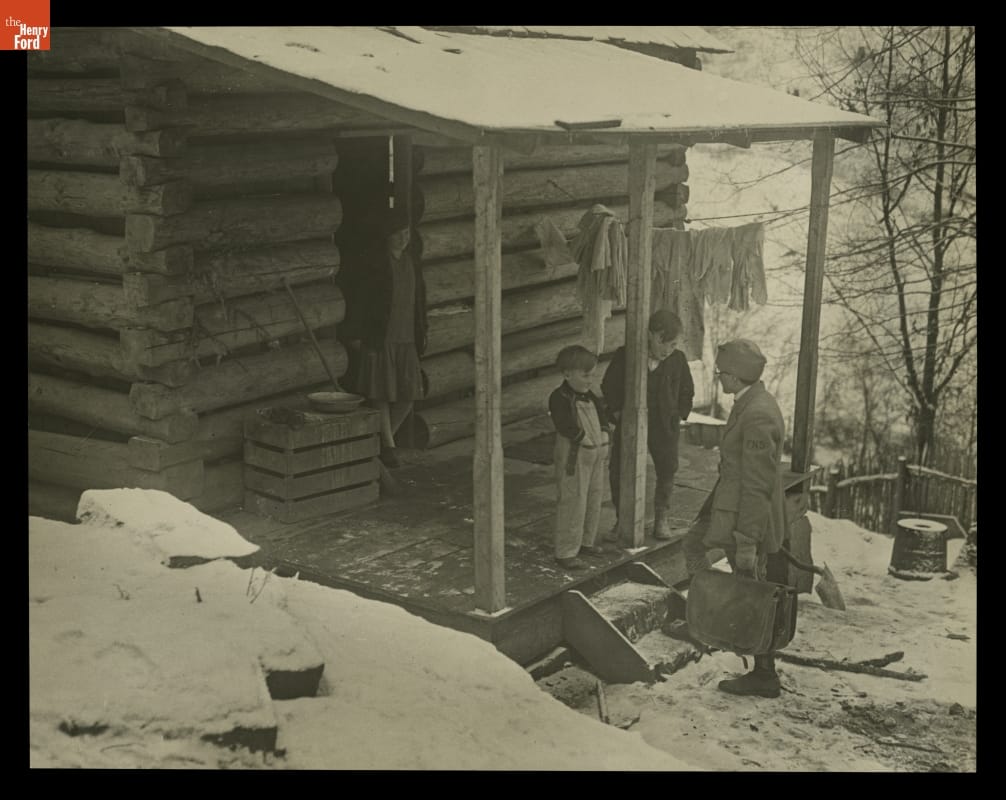
- Frontier Nursing Service, "The Nurse on Her Rounds," 1931 - Mary Breckinridge, the daughter of a prominent Southern family, established the Frontier Nursing Service (FNS) in 1925. Breckinridge initially backed the enterprise with her own money, but soon cultivated wealthy individuals, including Clara Ford and her son Edsel, to help support the FNS. Through her philanthropic efforts, Breckinridge brought qualified nurse-midwives and modern, life-saving healthcare to many inaccessible areas of eastern Kentucky.
- 1931
- Collections - Artifact
Frontier Nursing Service, "The Nurse on Her Rounds," 1931
Mary Breckinridge, the daughter of a prominent Southern family, established the Frontier Nursing Service (FNS) in 1925. Breckinridge initially backed the enterprise with her own money, but soon cultivated wealthy individuals, including Clara Ford and her son Edsel, to help support the FNS. Through her philanthropic efforts, Breckinridge brought qualified nurse-midwives and modern, life-saving healthcare to many inaccessible areas of eastern Kentucky.
- Queen Bee Box, circa 1961 -
- circa 1961
- Collections - Artifact
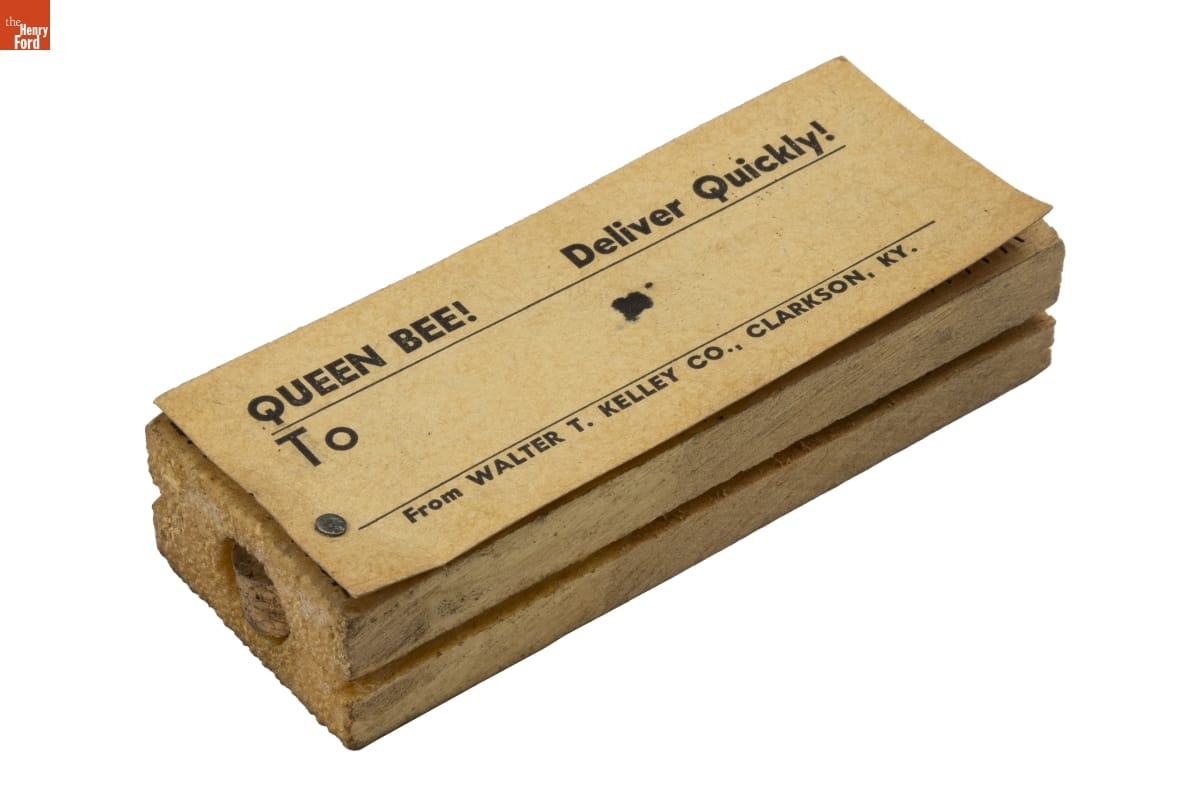
Queen Bee Box, circa 1961
- Fundraising Letter from Anna L. Smith, Berea College, to Eleanor Ford, April 2, 1937 -
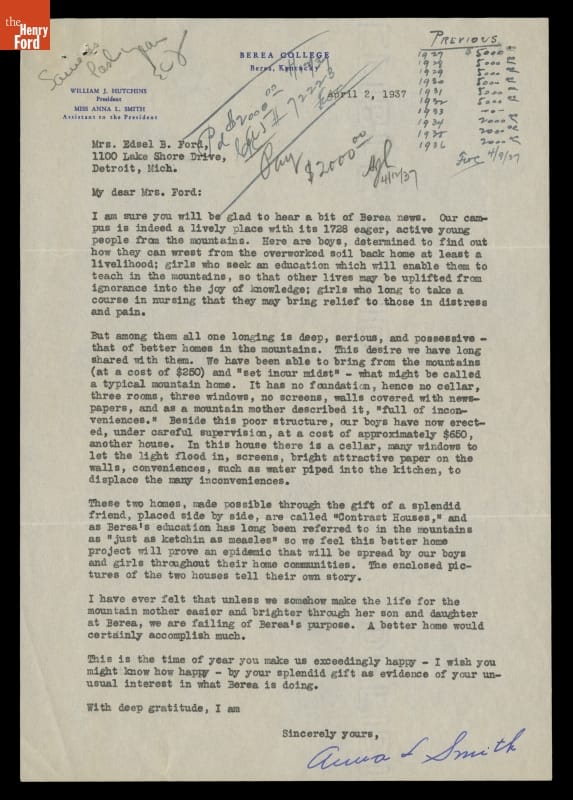
- April 02, 1937
- Collections - Artifact
Fundraising Letter from Anna L. Smith, Berea College, to Eleanor Ford, April 2, 1937
- Kentucky Fried Chicken Spork, 1978-1990 -
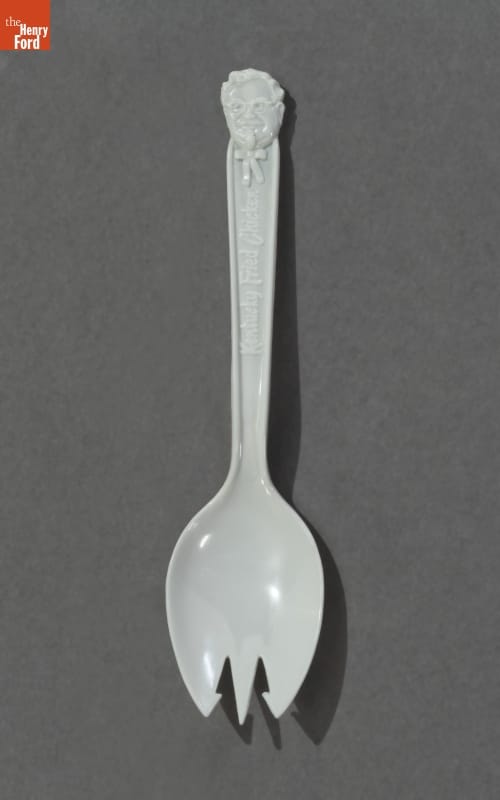
- 1978-1990
- Collections - Artifact
Kentucky Fried Chicken Spork, 1978-1990
- Women's Oxfords, 1900-1922 - Low-cut shoes that lace up the front became fashionable in the United States in the late 1800s. These easy-to-put-on shoes were a comfortable alternative to boots and button-fastened shoes. The style has remained popular ever since -- especially with men, but women wear them too. This pair belonged to the mother of Ann Davis who lived in Louisville, Kentucky.
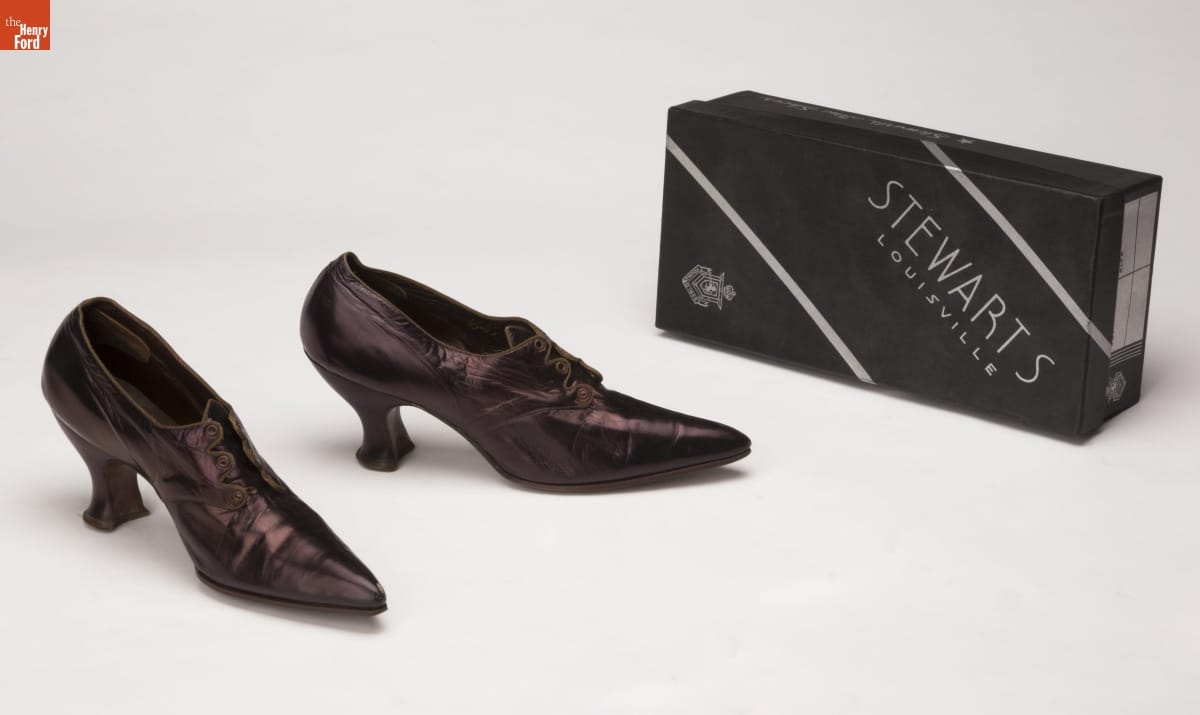
- 1900-1922
- Collections - Artifact
Women's Oxfords, 1900-1922
Low-cut shoes that lace up the front became fashionable in the United States in the late 1800s. These easy-to-put-on shoes were a comfortable alternative to boots and button-fastened shoes. The style has remained popular ever since -- especially with men, but women wear them too. This pair belonged to the mother of Ann Davis who lived in Louisville, Kentucky.
- Eskimo Pie Dispenser, circa 1930 -
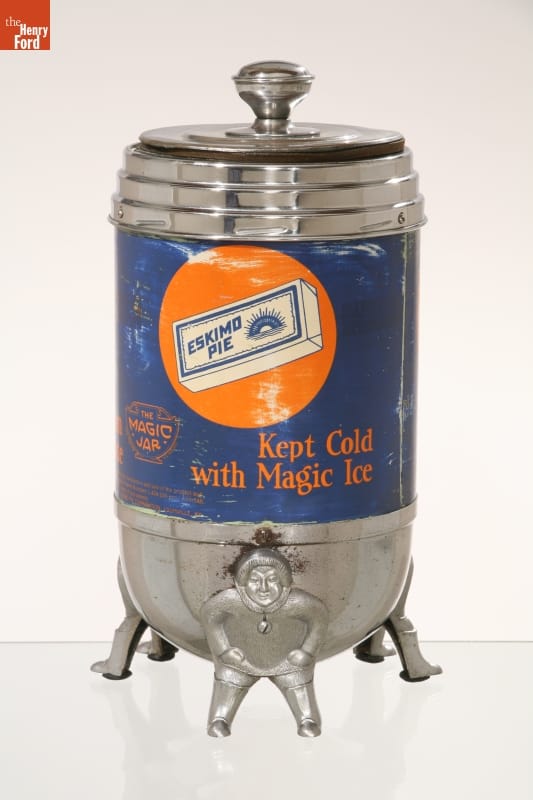
- circa 1930
- Collections - Artifact
Eskimo Pie Dispenser, circa 1930
- "Maker's Mark" Single Bottle Paper Bag -
- Collections - Artifact
"Maker's Mark" Single Bottle Paper Bag
- Star Hill Provisions Menu, 2024 -
- 2024
- Collections - Artifact
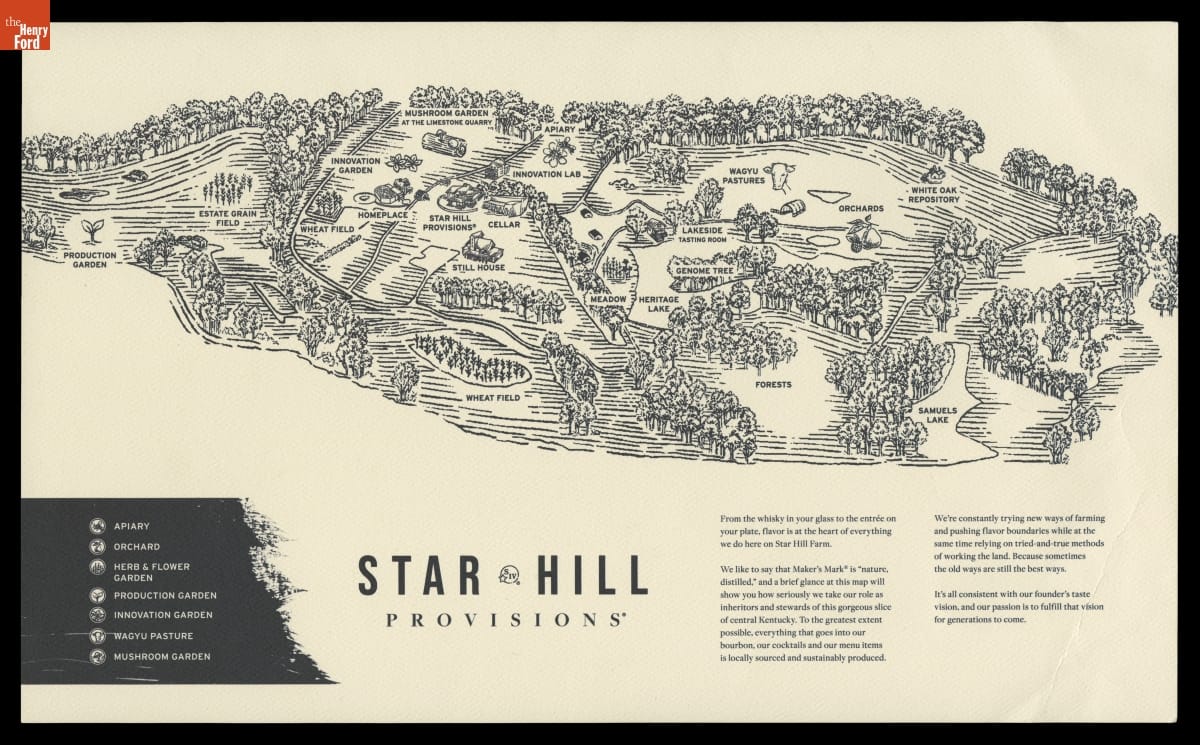
Star Hill Provisions Menu, 2024