
Search
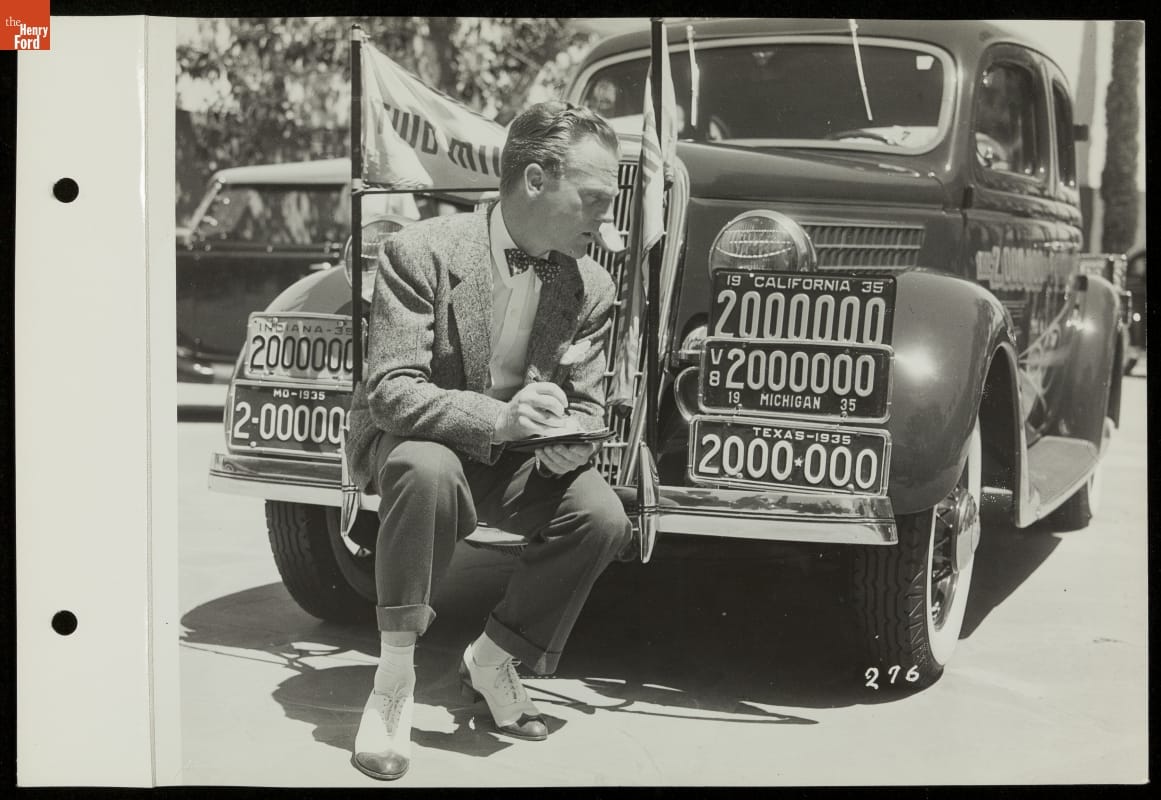
- James Cagney with Two-Millionth Ford V-8, Courtyard of Ford Building, California Pacific International Exposition, San Diego, 1935 - In June 1935, the two-millionth Ford V-8 automobile rolled off the Rouge Plant assembly line. Driven by Jimmy Rooney, a goodwill ambassador for Ford, the sedan embarked on a public relations tour from Dearborn, Michigan, to San Diego, California. Visitors, including some famous actors, welcomed the famous V-8 with fanfare when it finally arrived at the California Pacific International Exposition.
- 1935
- Collections - Artifact
James Cagney with Two-Millionth Ford V-8, Courtyard of Ford Building, California Pacific International Exposition, San Diego, 1935
In June 1935, the two-millionth Ford V-8 automobile rolled off the Rouge Plant assembly line. Driven by Jimmy Rooney, a goodwill ambassador for Ford, the sedan embarked on a public relations tour from Dearborn, Michigan, to San Diego, California. Visitors, including some famous actors, welcomed the famous V-8 with fanfare when it finally arrived at the California Pacific International Exposition.
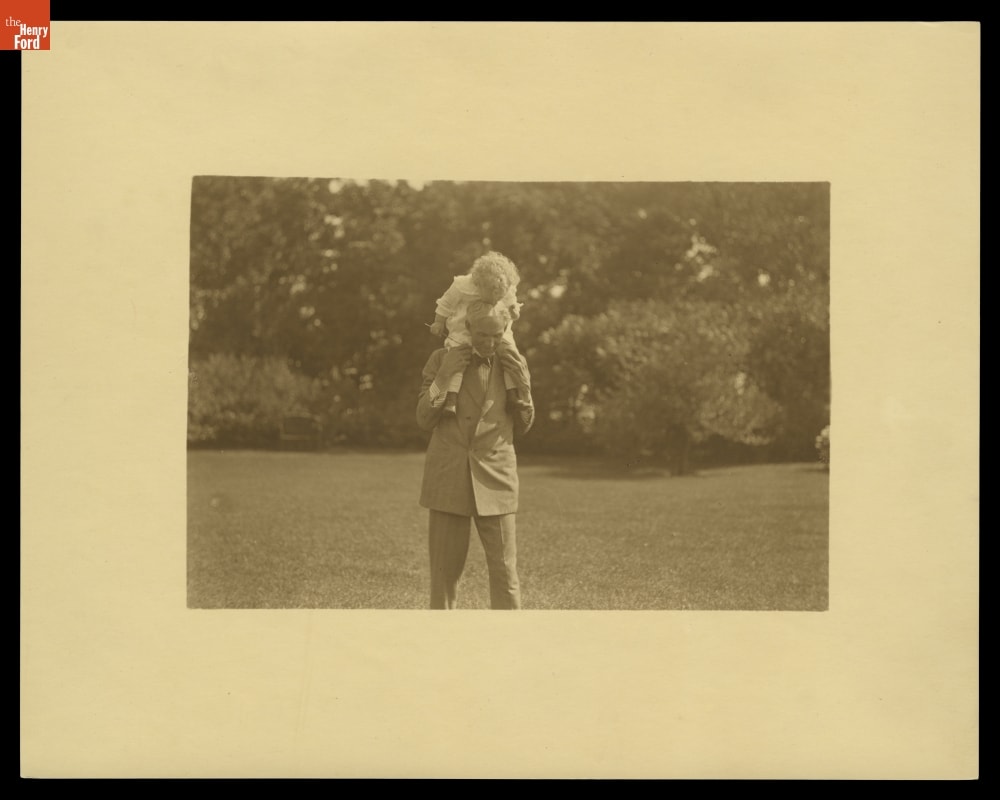
- Henry Ford Carrying Grandson Henry Ford II at Fair Lane, Dearborn, Michigan, 1919 - In the early 1910s, Henry and Clara Ford selected 1300 acres of farmland in Dearborn, Michigan, as the site for a new home. They called the estate Fair Lane. Surrounded by woods, meadows, gardens, and the nature they loved, Henry and Clara found this home a peaceful respite. Here they could wander the landscaped grounds, entertain guests, and play with grandchildren.
- 1919
- Collections - Artifact
Henry Ford Carrying Grandson Henry Ford II at Fair Lane, Dearborn, Michigan, 1919
In the early 1910s, Henry and Clara Ford selected 1300 acres of farmland in Dearborn, Michigan, as the site for a new home. They called the estate Fair Lane. Surrounded by woods, meadows, gardens, and the nature they loved, Henry and Clara found this home a peaceful respite. Here they could wander the landscaped grounds, entertain guests, and play with grandchildren.
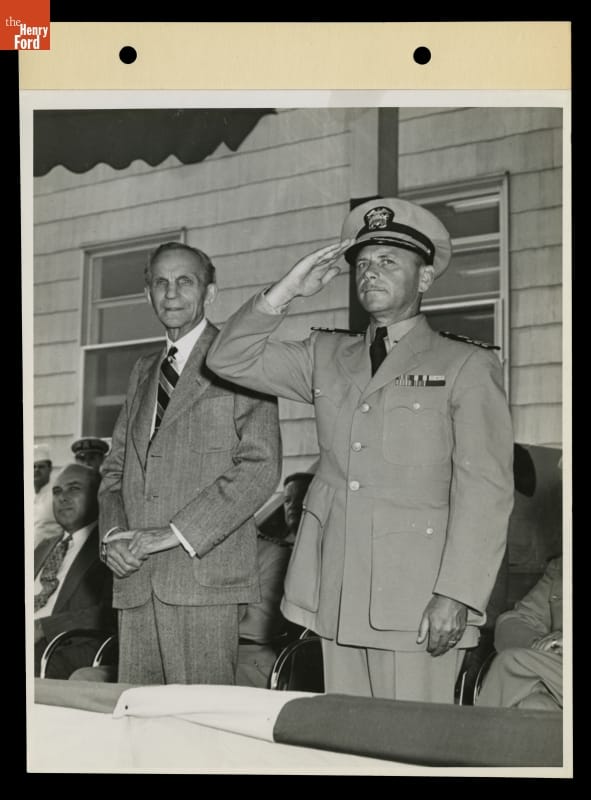
- Henry Ford on His 80th Birthday, U. S. Naval Training School at the Ford Rouge Plant, July 1943 - Personnel at the United States Naval Training School in Dearborn, Michigan, invited Henry Ford to celebrate his 80th birthday at the base. Ford was feted with gifts, a military drill, and a large cake modeled after the school buildings. The school -- built on land at Ford's Rouge Plant and leased to the Navy -- trained thousands of recruits in various skilled trades during World War II.
- July 28, 1943
- Collections - Artifact
Henry Ford on His 80th Birthday, U. S. Naval Training School at the Ford Rouge Plant, July 1943
Personnel at the United States Naval Training School in Dearborn, Michigan, invited Henry Ford to celebrate his 80th birthday at the base. Ford was feted with gifts, a military drill, and a large cake modeled after the school buildings. The school -- built on land at Ford's Rouge Plant and leased to the Navy -- trained thousands of recruits in various skilled trades during World War II.
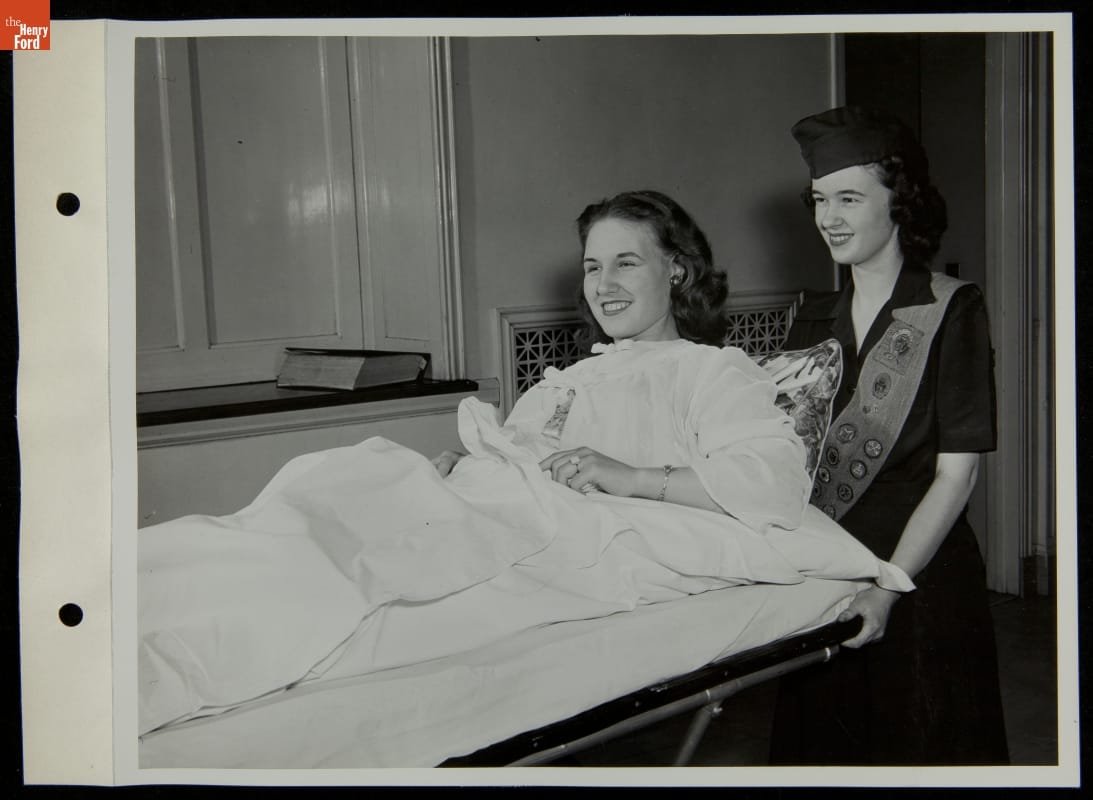
- Girl Scout Aiding a Patient While Doing Community Service at Henry Ford Hospital, Detroit, Michigan, 1946 - Since their organization was founded in 1912, American Girl Scouts have volunteered in local communities. A group of Senior Girl Scouts (ages 14-17) donated service in 1946 at Henry Ford Hospital in Detroit, Michigan. Here, a Girl Scout wearing a sash displaying official patches and badges transports a hospital patient on a gurney.
- February 28, 1946
- Collections - Artifact
Girl Scout Aiding a Patient While Doing Community Service at Henry Ford Hospital, Detroit, Michigan, 1946
Since their organization was founded in 1912, American Girl Scouts have volunteered in local communities. A group of Senior Girl Scouts (ages 14-17) donated service in 1946 at Henry Ford Hospital in Detroit, Michigan. Here, a Girl Scout wearing a sash displaying official patches and badges transports a hospital patient on a gurney.
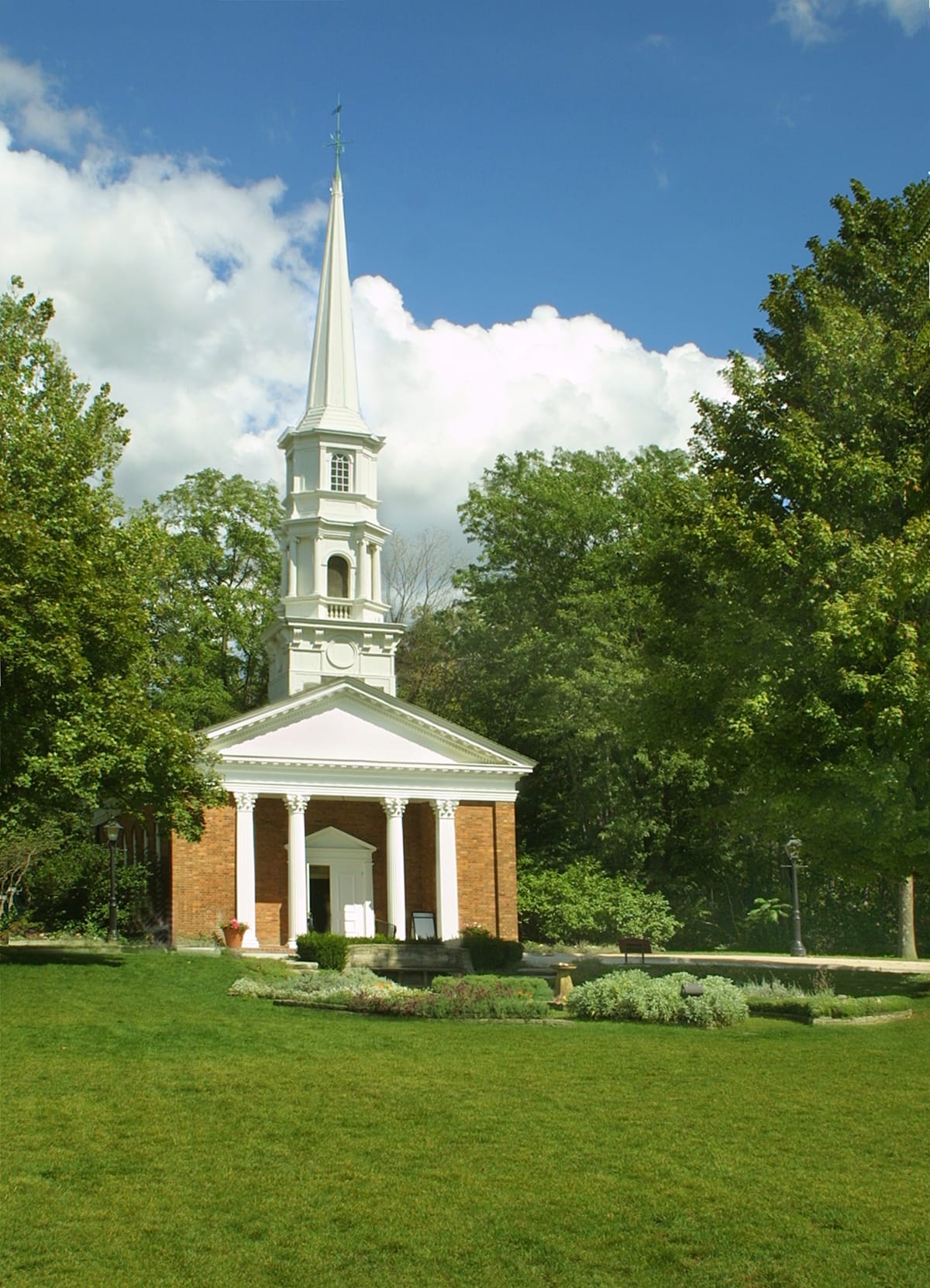
- Martha-Mary Chapel - Churches were a center of community life in the 1700s, a place where townspeople came together to attend services and socialize. The Martha-Mary Chapel, with its architecture inspired by New England's colonial-era churches, was built in Greenfield Village in 1929. This chapel was named after Henry Ford's mother, Mary Litogot Ford, and his mother-in-law, Martha Bench Bryant.
- 1929
- Collections - Artifact
Martha-Mary Chapel
Churches were a center of community life in the 1700s, a place where townspeople came together to attend services and socialize. The Martha-Mary Chapel, with its architecture inspired by New England's colonial-era churches, was built in Greenfield Village in 1929. This chapel was named after Henry Ford's mother, Mary Litogot Ford, and his mother-in-law, Martha Bench Bryant.
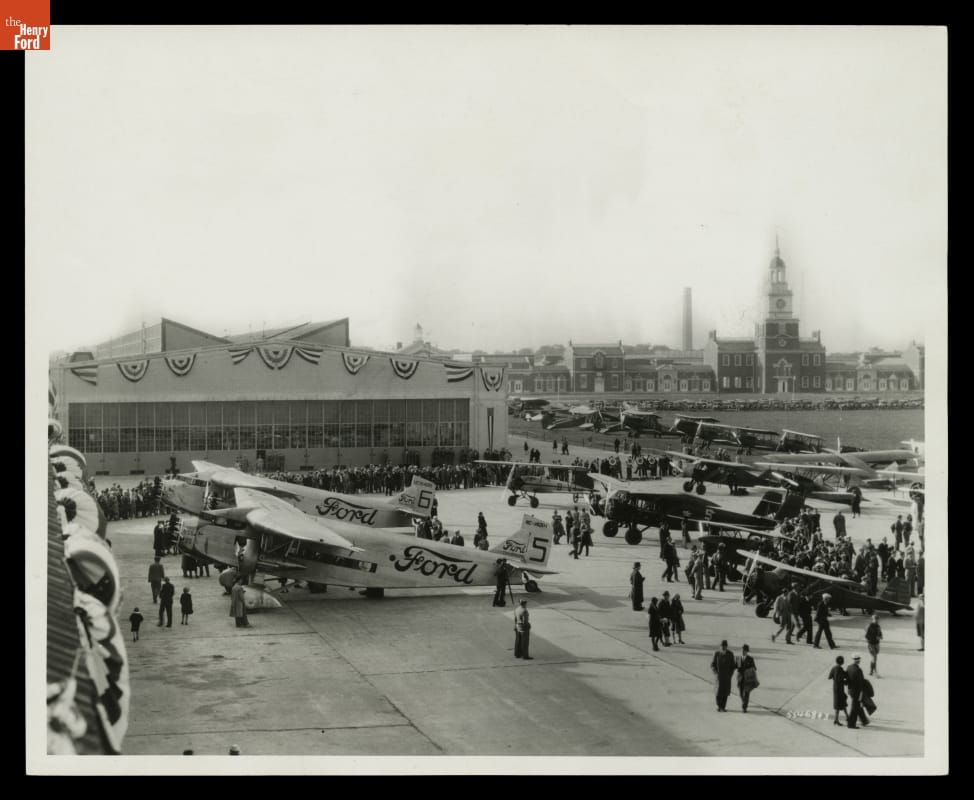
- Ford Reliability Tour at Ford Airport, Dearborn, Michigan, 1930 - From 1925-1931, Ford Motor Company sponsored annual air tours to promote reliability and safety in commercial aircraft. Pilots flew to pre-determined cities, and their airplanes were rated on the ability to take off and land quickly and maintain consistent speeds. The 1930 tour included 18 entries and visited 29 cities in the United States and Canada.
- September 27, 1930
- Collections - Artifact
Ford Reliability Tour at Ford Airport, Dearborn, Michigan, 1930
From 1925-1931, Ford Motor Company sponsored annual air tours to promote reliability and safety in commercial aircraft. Pilots flew to pre-determined cities, and their airplanes were rated on the ability to take off and land quickly and maintain consistent speeds. The 1930 tour included 18 entries and visited 29 cities in the United States and Canada.
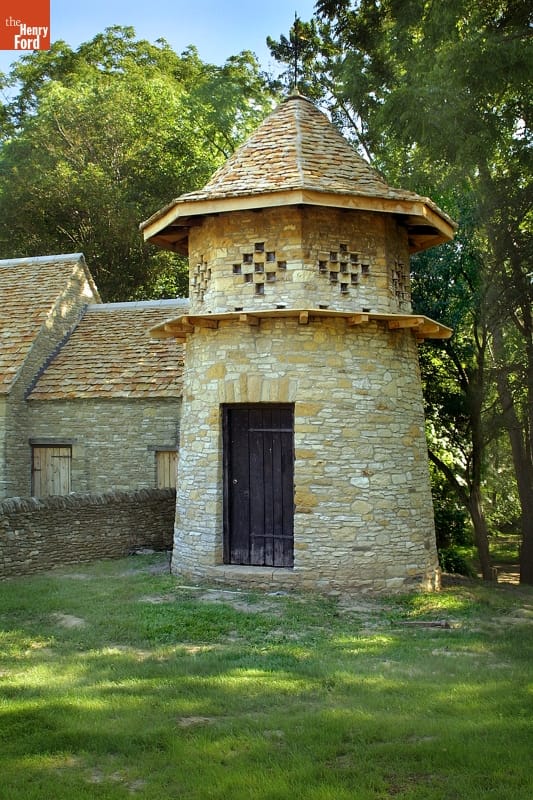
- Cotswold Dovecote - Henry and Clara Ford were avid birders and built this dovecote, modeled on one in Chesham, England. Dovecotes, which could only be owned by privileged landlords, were built to attract roosting birds, which helped control insects and provided manure for fertilizer. The nests could be reached from inside the dovecote where the eggs could be gathered, or birds trapped for food.
- circa 1935
- Collections - Artifact
Cotswold Dovecote
Henry and Clara Ford were avid birders and built this dovecote, modeled on one in Chesham, England. Dovecotes, which could only be owned by privileged landlords, were built to attract roosting birds, which helped control insects and provided manure for fertilizer. The nests could be reached from inside the dovecote where the eggs could be gathered, or birds trapped for food.
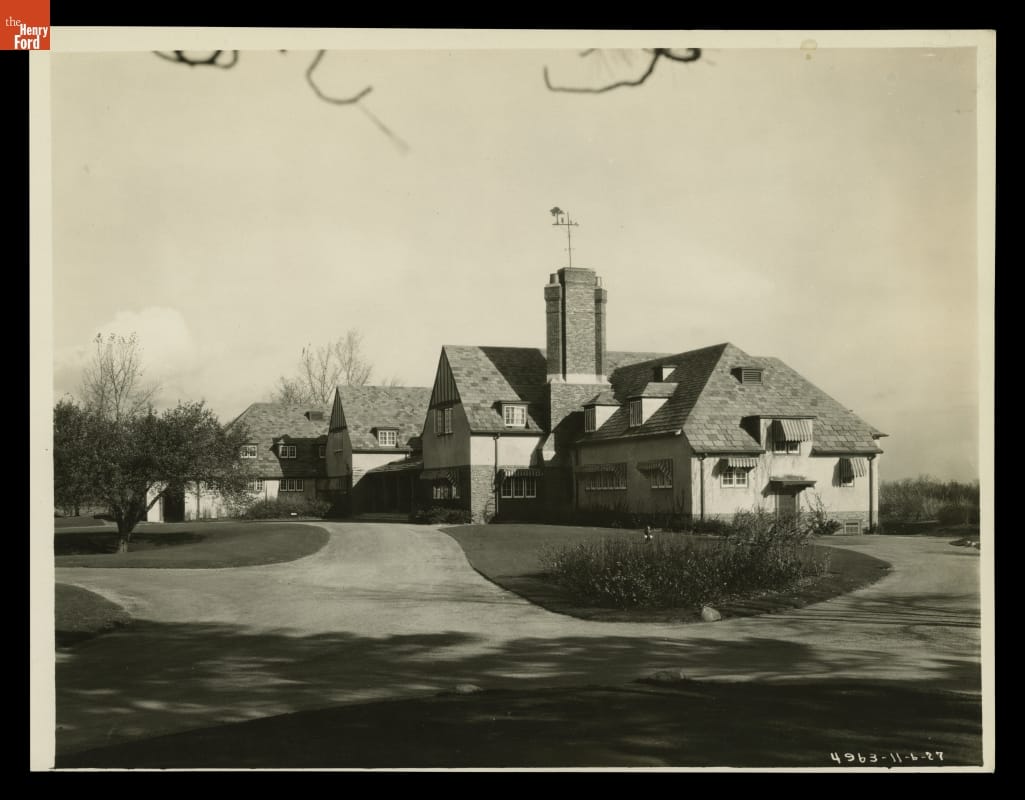
- Dearborn Country Club, Dearborn, Michigan, 1927 - Henry Ford established the Dearborn Country Club, with an 18-hole golf course and a clubhouse designed by Albert Kahn, in 1925. Ford himself was not a golfer, but the club helped attract and keep executive talent at Ford Motor Company's Dearborn, Michigan, offices. Club members purchased the facility from Ford interests in 1952.
- November 06, 1927
- Collections - Artifact
Dearborn Country Club, Dearborn, Michigan, 1927
Henry Ford established the Dearborn Country Club, with an 18-hole golf course and a clubhouse designed by Albert Kahn, in 1925. Ford himself was not a golfer, but the club helped attract and keep executive talent at Ford Motor Company's Dearborn, Michigan, offices. Club members purchased the facility from Ford interests in 1952.
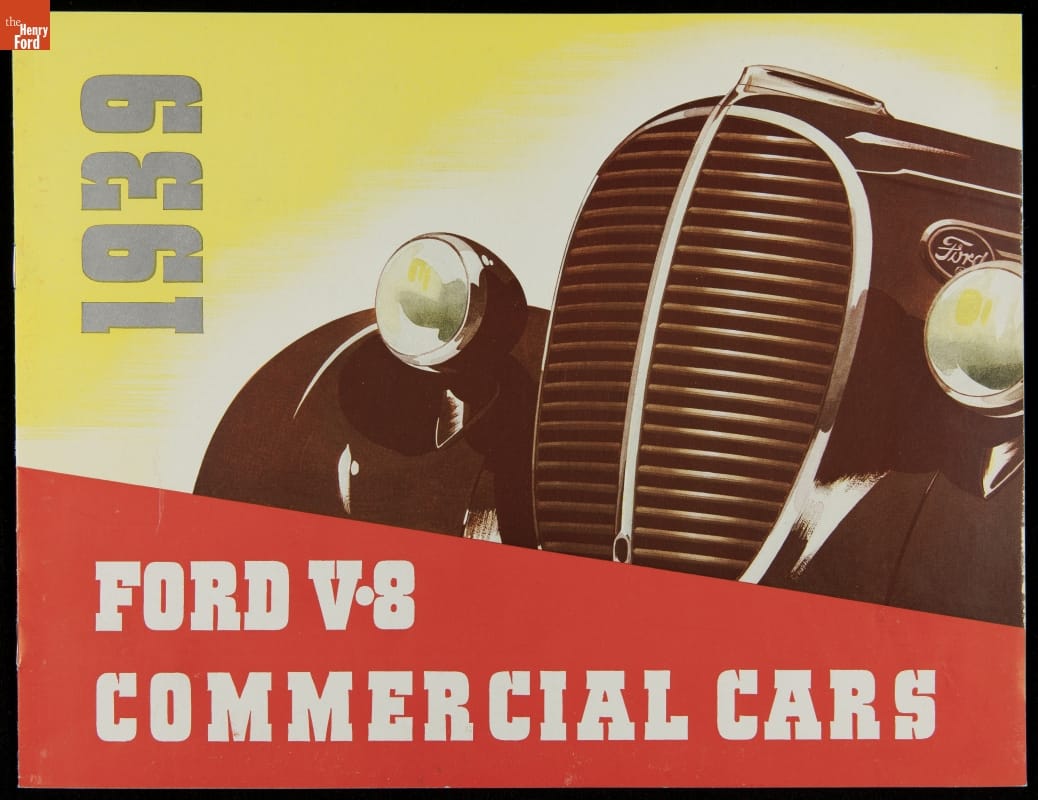
- Sales Brochure, "1939 Ford V-8 Commercial Cars" - Ford Motor Company's truck lineup for 1939 included pickups, panel trucks, stake body and platform models, and sedan delivery vehicles. Larger commercial models were available in dump truck and cab-over-engine configurations. Power came from V-8 engines available with displacements of 136 or 221 cubic inches.
- 1939
- Collections - Artifact
Sales Brochure, "1939 Ford V-8 Commercial Cars"
Ford Motor Company's truck lineup for 1939 included pickups, panel trucks, stake body and platform models, and sedan delivery vehicles. Larger commercial models were available in dump truck and cab-over-engine configurations. Power came from V-8 engines available with displacements of 136 or 221 cubic inches.
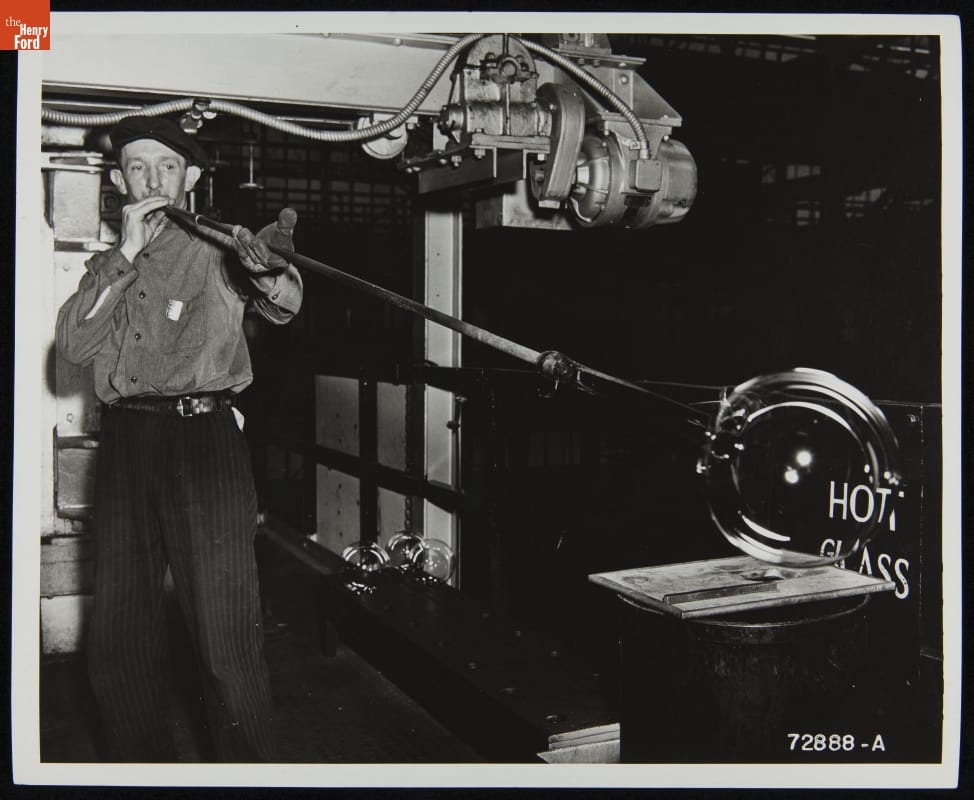
- Testing Batches of Glass at the Ford Rouge Glass Plant, 1940 - Unsatisfied with glass from outside suppliers, Ford Motor Company established its own glass plant at the Rouge in 1923. Furnaces produced molten glass, while overhead grinders and polishers worked the material to a perfectly smooth and clear finish. Two other Ford glass plants, in Pennsylvania and Minnesota, combined with the Rouge to manufacture 20 million feet of glass each year.
- January 03, 1940
- Collections - Artifact
Testing Batches of Glass at the Ford Rouge Glass Plant, 1940
Unsatisfied with glass from outside suppliers, Ford Motor Company established its own glass plant at the Rouge in 1923. Furnaces produced molten glass, while overhead grinders and polishers worked the material to a perfectly smooth and clear finish. Two other Ford glass plants, in Pennsylvania and Minnesota, combined with the Rouge to manufacture 20 million feet of glass each year.