
Search
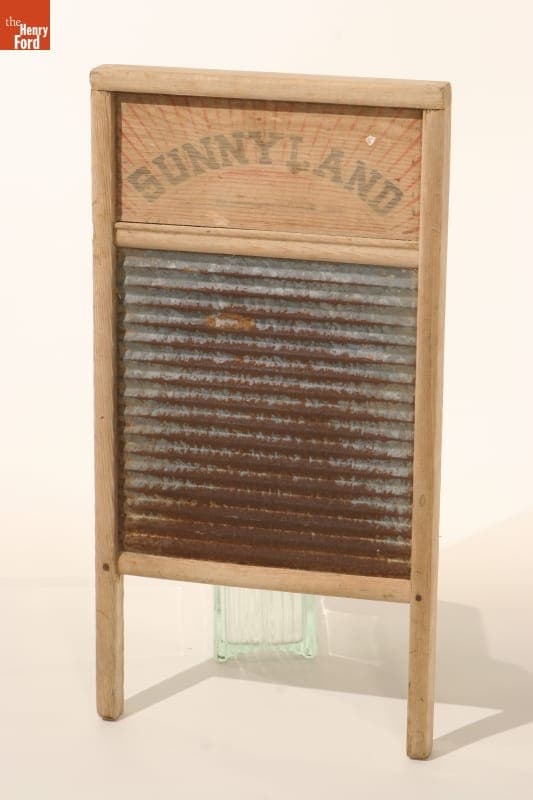
- Washboard Used by Susana Allen Hunter and Family -
- 1940-1970
- Collections - Artifact
Washboard Used by Susana Allen Hunter and Family
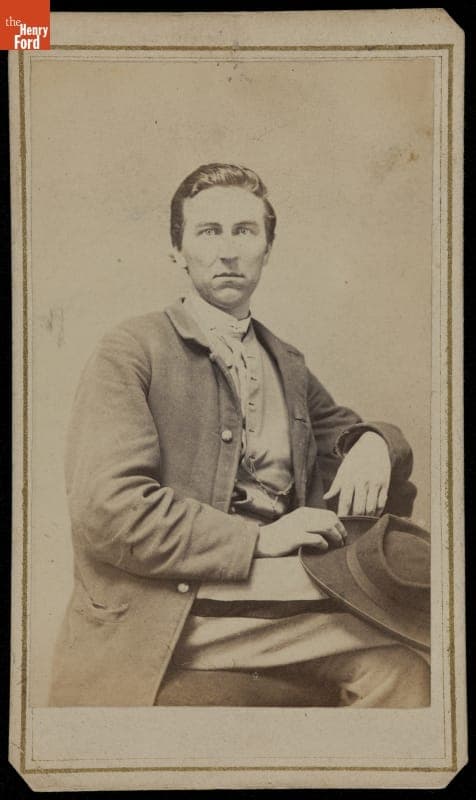
- Union Army Soldier, 1861-1865 - This carte-de-visite made by A. S. Baldwin, Columbus, Ohio, shows an unknown Union Army soldier. Carte-de-visite was a small photographic print on cardboard stock made by professional photographers. Popular in the United States during the Civil War, soldiers often sent these inexpensive images back home as a reminder to friends and family members of their loved ones in service.
- 1861-1865
- Collections - Artifact
Union Army Soldier, 1861-1865
This carte-de-visite made by A. S. Baldwin, Columbus, Ohio, shows an unknown Union Army soldier. Carte-de-visite was a small photographic print on cardboard stock made by professional photographers. Popular in the United States during the Civil War, soldiers often sent these inexpensive images back home as a reminder to friends and family members of their loved ones in service.
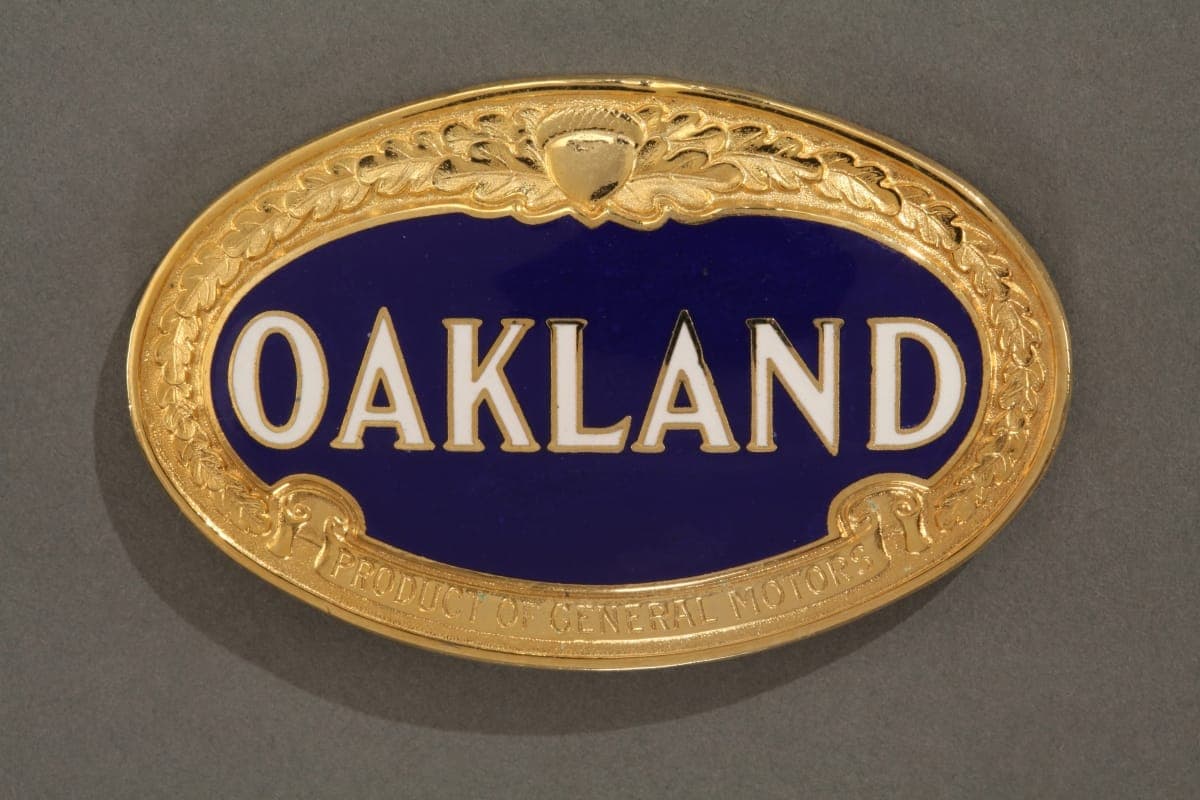
- Oakland Radiator Emblem, circa 1925 - This oval emblem consists of the company name surrounded by an oak leaf wreath topped with an acorn. The inscription in the banner states that Oakland is a product of General Motors. Oakland began as an independent company in 1907, but in 1909 became part of the newly formed General Motors Corporation. The Oakland brand name lasted until 1931.
- circa 1925
- Collections - Artifact
Oakland Radiator Emblem, circa 1925
This oval emblem consists of the company name surrounded by an oak leaf wreath topped with an acorn. The inscription in the banner states that Oakland is a product of General Motors. Oakland began as an independent company in 1907, but in 1909 became part of the newly formed General Motors Corporation. The Oakland brand name lasted until 1931.
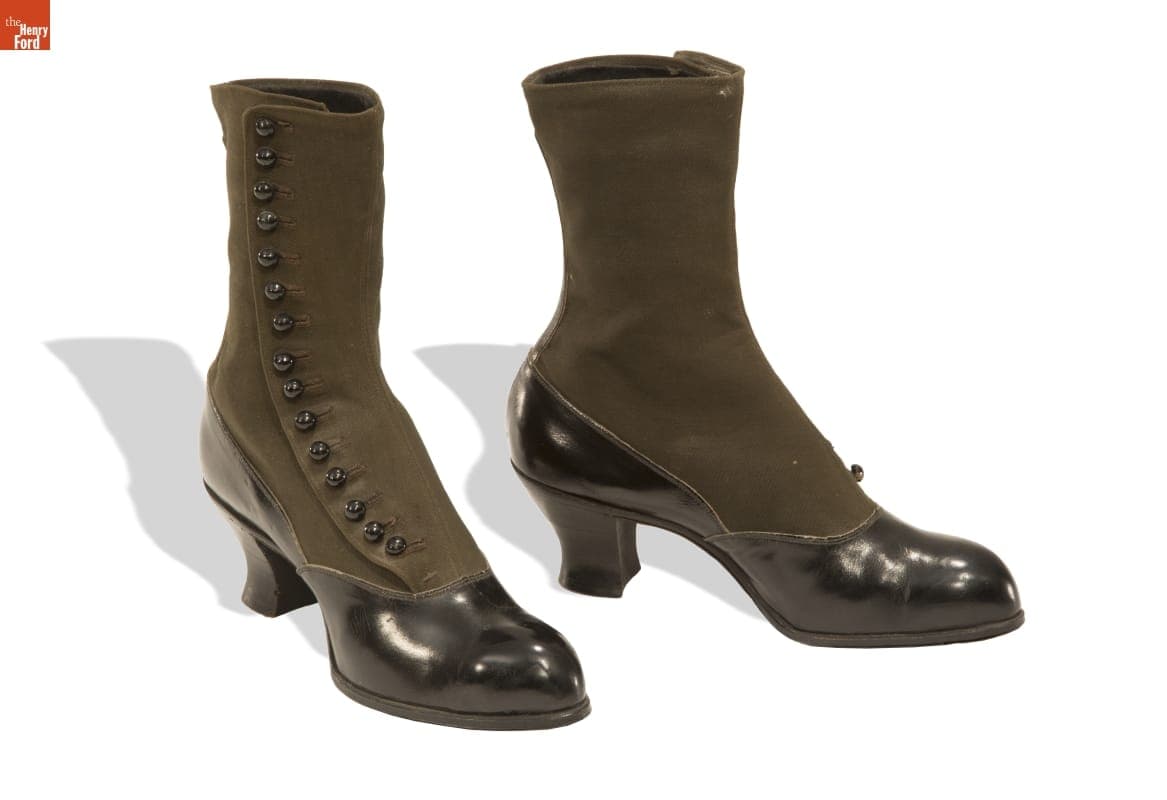
- Women's Boots, circa 1910 -
- circa 1910
- Collections - Artifact
Women's Boots, circa 1910
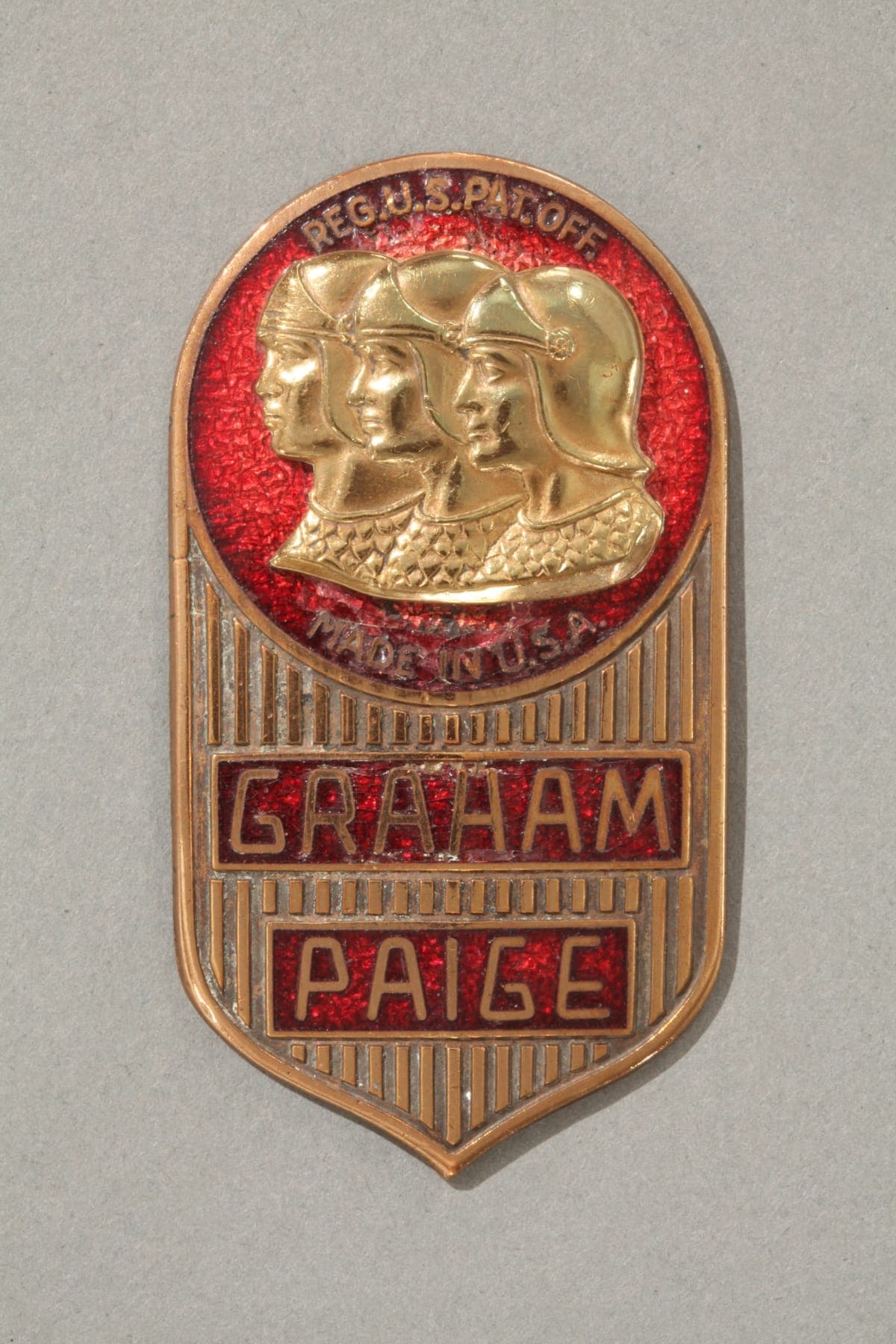
- Graham-Paige Automobile Emblem, 1930 - Truck-building brothers Joseph, Robert and Ray Graham purchased Paige-Detroit Motor Car Company in 1927 and rebranded it Graham-Paige. The brothers' new automobile, introduced in January 1928, sold more than 73,000 units in its first year. But the Great Depression devastated Graham-Paige. The company's last cars appeared in 1940, and its assets went to Kaiser-Frazer in 1947.
- 1930
- Collections - Artifact
Graham-Paige Automobile Emblem, 1930
Truck-building brothers Joseph, Robert and Ray Graham purchased Paige-Detroit Motor Car Company in 1927 and rebranded it Graham-Paige. The brothers' new automobile, introduced in January 1928, sold more than 73,000 units in its first year. But the Great Depression devastated Graham-Paige. The company's last cars appeared in 1940, and its assets went to Kaiser-Frazer in 1947.
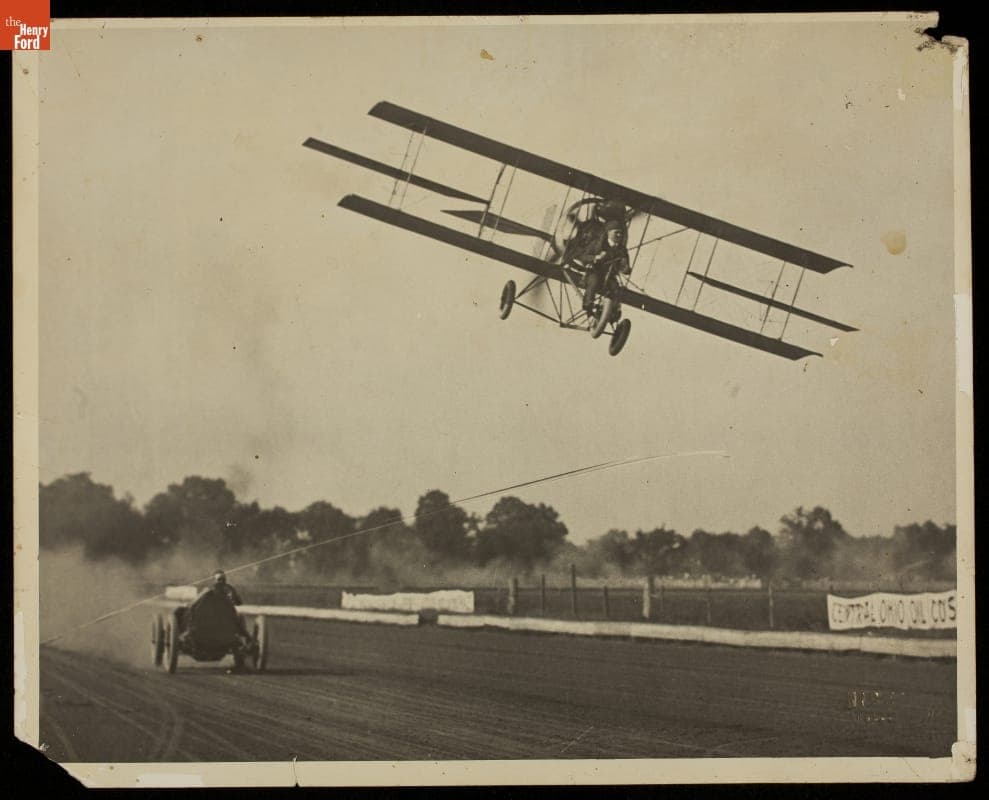
- Barney Oldfield and Lincoln Beachey Racing, Columbus, Ohio, 1914 - In this photograph from 1914 Barney Oldfield races his car against an airplane flown by Lincoln Beachey. Each man was renowned for either his racing or flying skill. Oldfield and Beachey partnered to perform daring feats throughout the country, selling tickets to eager spectators wanting to see these modern machines and to be entertained.
- 1914
- Collections - Artifact
Barney Oldfield and Lincoln Beachey Racing, Columbus, Ohio, 1914
In this photograph from 1914 Barney Oldfield races his car against an airplane flown by Lincoln Beachey. Each man was renowned for either his racing or flying skill. Oldfield and Beachey partnered to perform daring feats throughout the country, selling tickets to eager spectators wanting to see these modern machines and to be entertained.
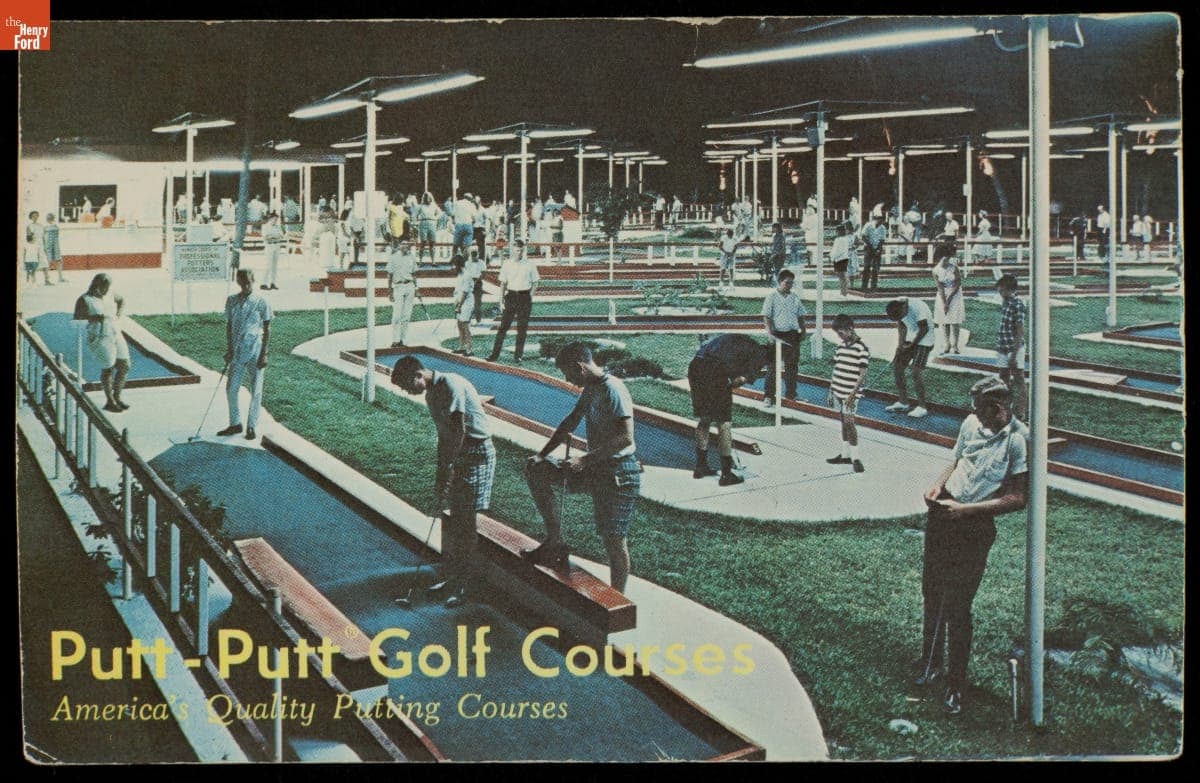
- "Putt-Putt Golf Courses, America's Quality Putting Courses," Columbus Ohio, circa 1963 -
- circa 1963
- Collections - Artifact
"Putt-Putt Golf Courses, America's Quality Putting Courses," Columbus Ohio, circa 1963
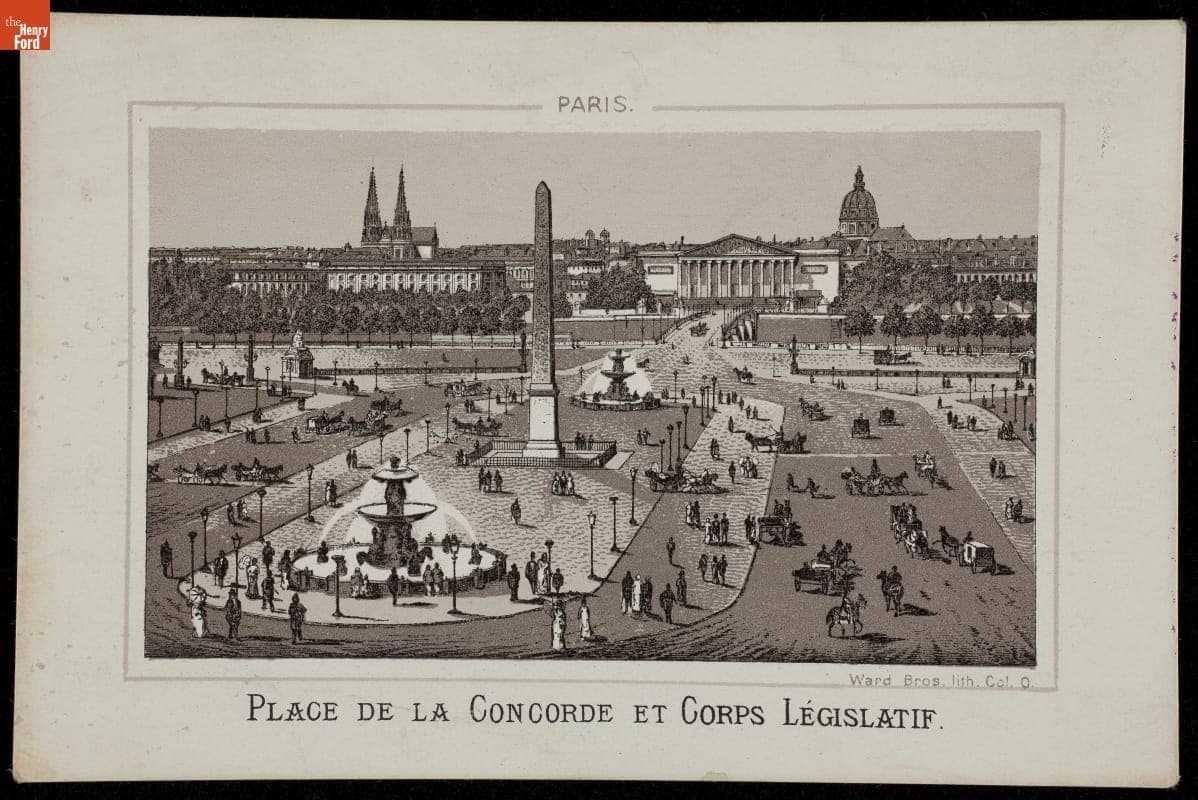
- Trade Card for J. F. Stein, Optician, "Paris," circa 1890 - In the last third of the nineteenth century, an unprecedented variety of consumer goods and services flooded the American market. Advertisers bombarded potential customers with trade cards. Americans enjoyed and saved the often illustrated little advertisements found in product packages or distributed by local merchants. Many survive as historical records of commercialism in the United States.
- circa 1890
- Collections - Artifact
Trade Card for J. F. Stein, Optician, "Paris," circa 1890
In the last third of the nineteenth century, an unprecedented variety of consumer goods and services flooded the American market. Advertisers bombarded potential customers with trade cards. Americans enjoyed and saved the often illustrated little advertisements found in product packages or distributed by local merchants. Many survive as historical records of commercialism in the United States.
- Paper Hat Used at the F & T Diner, "For Food at Its Best," 1940-1950 -
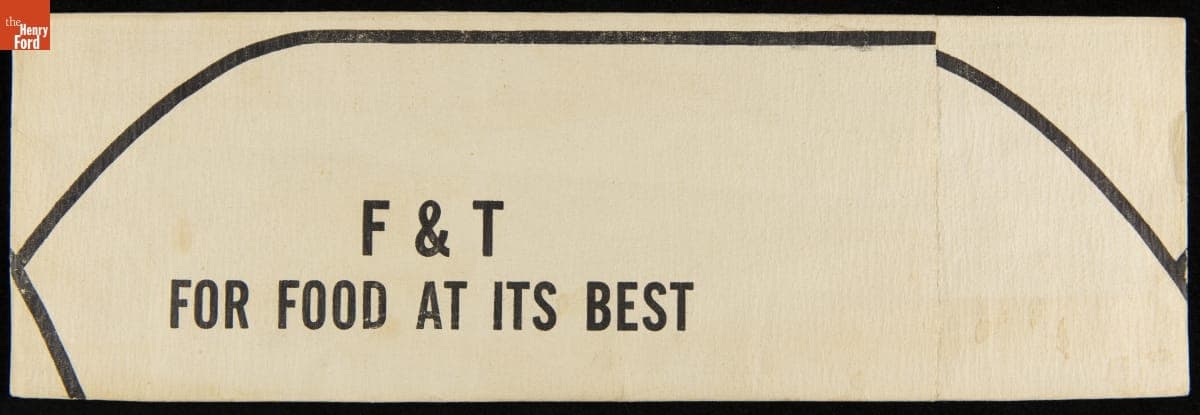
- 1940-1950
- Collections - Artifact
Paper Hat Used at the F & T Diner, "For Food at Its Best," 1940-1950
- Cord Automobile Emblem, 1937 - Errett Lobban Cord became general manager of the Auburn Automobile Company in 1924. He hired imaginative designers, purchased Duesenberg, and began a line of front-wheel-drive Cord automobiles named for himself. Though stylish and well engineered, Cord's cars were expensive. The company did not survive the Great Depression. Cord used this family crest logo -- invented by an advertising firm to create prestige.
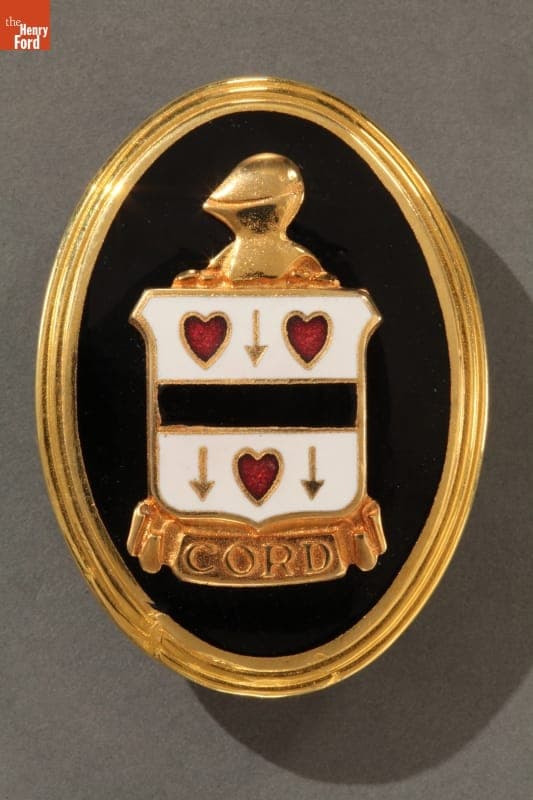
- 1937
- Collections - Artifact
Cord Automobile Emblem, 1937
Errett Lobban Cord became general manager of the Auburn Automobile Company in 1924. He hired imaginative designers, purchased Duesenberg, and began a line of front-wheel-drive Cord automobiles named for himself. Though stylish and well engineered, Cord's cars were expensive. The company did not survive the Great Depression. Cord used this family crest logo -- invented by an advertising firm to create prestige.