
Search
- Fixed Condenser, Used in the Hammond Radio Research Laboratory, circa 1911 - John Hays Hammond, Jr., was largely responsible for launching the field of radio control. In 1926, he built a medieval-inspired castle in Gloucester, Massachusetts. This site served as his home and research laboratory. With over 400 patents to his name, Hammond developed ideas for radio control, autopilot function, and targeted missile detonation. This device was used in Hammond's laboratory.
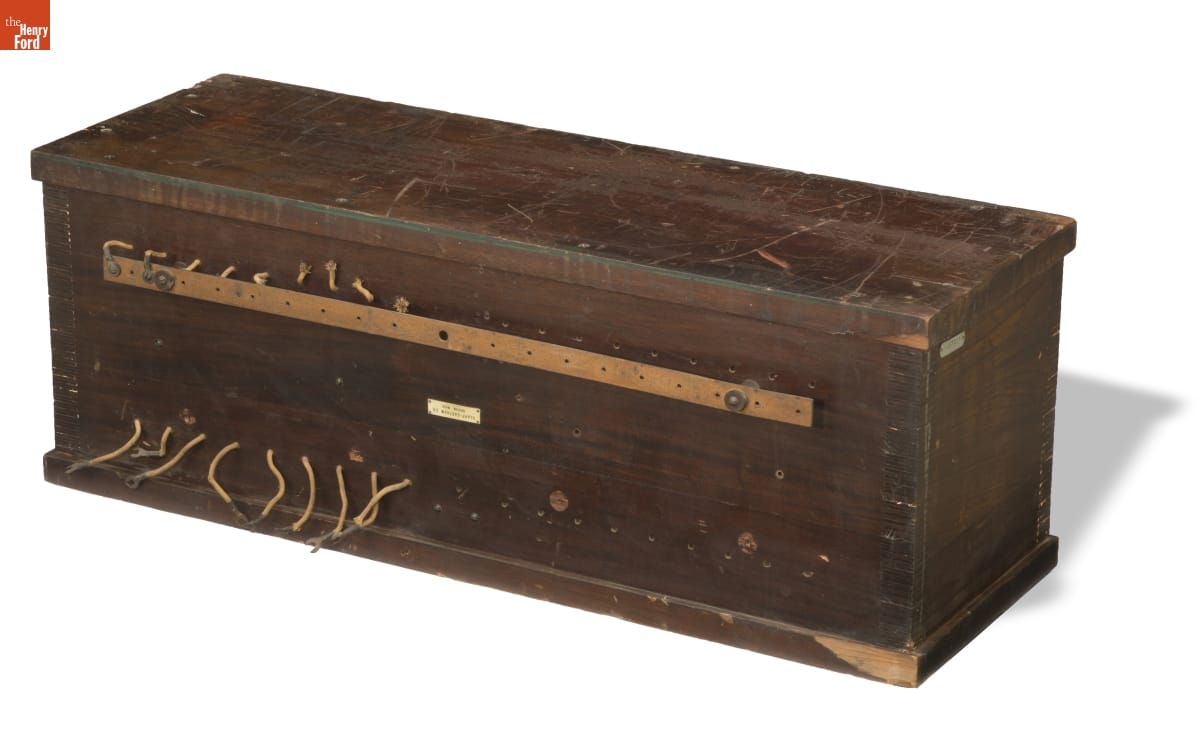
- circa 1911
- Collections - Artifact
Fixed Condenser, Used in the Hammond Radio Research Laboratory, circa 1911
John Hays Hammond, Jr., was largely responsible for launching the field of radio control. In 1926, he built a medieval-inspired castle in Gloucester, Massachusetts. This site served as his home and research laboratory. With over 400 patents to his name, Hammond developed ideas for radio control, autopilot function, and targeted missile detonation. This device was used in Hammond's laboratory.
- Fixed Condenser, Used in the Hammond Radio Research Laboratory, circa 1911 - John Hays Hammond, Jr., was largely responsible for launching the field of radio control. In 1926, he built a medieval-inspired castle in Gloucester, Massachusetts. This site served as his home and research laboratory. With over 400 patents to his name, Hammond developed ideas for radio control, autopilot function, and targeted missile detonation. This device was used in Hammond's laboratory.
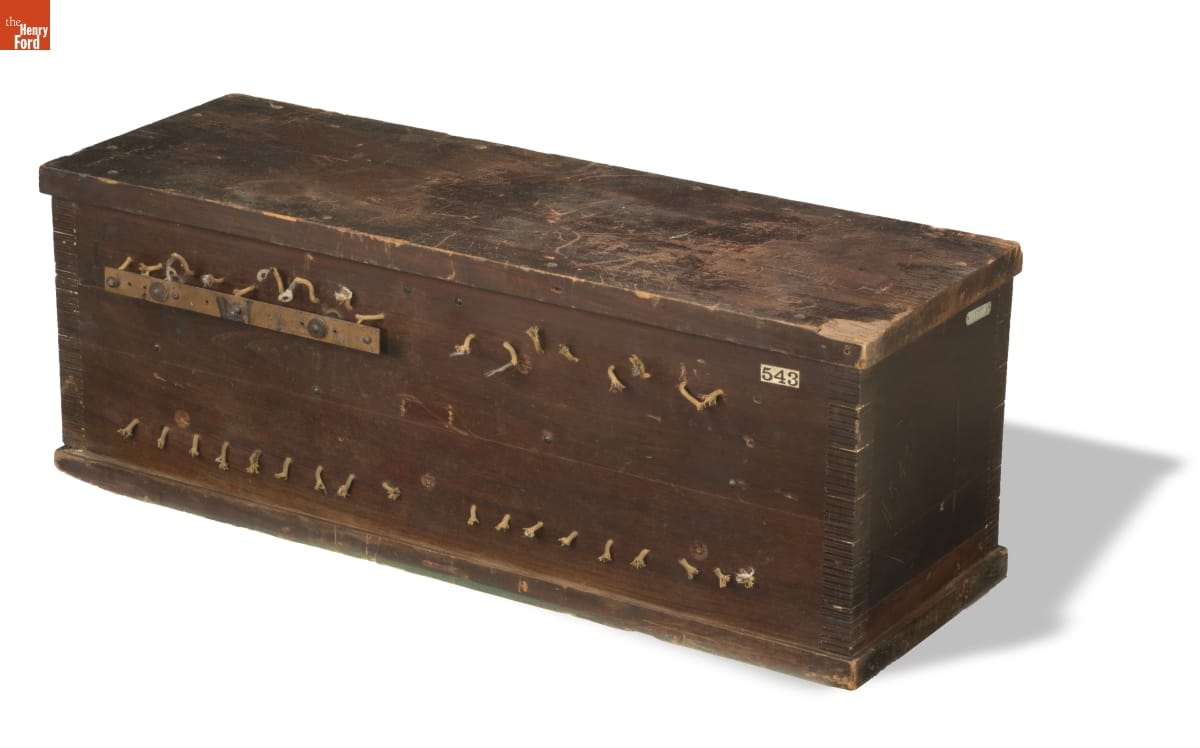
- circa 1911
- Collections - Artifact
Fixed Condenser, Used in the Hammond Radio Research Laboratory, circa 1911
John Hays Hammond, Jr., was largely responsible for launching the field of radio control. In 1926, he built a medieval-inspired castle in Gloucester, Massachusetts. This site served as his home and research laboratory. With over 400 patents to his name, Hammond developed ideas for radio control, autopilot function, and targeted missile detonation. This device was used in Hammond's laboratory.
- Oil Painting, Fort Ticonderoga by George Washington Mark, circa 1845 - George Washington Mark was a successful house, sign, and furniture painter in Greenfield, Massachusetts, in the early 1800s. Sometime in the 1830s and 40s, he tried his hand at more artistic endeavors creating paintings of local interest -- generally landscapes and historic subjects. Around 1845, Mark painted this work depicting the ruins of New York's historic Fort Ticonderoga.
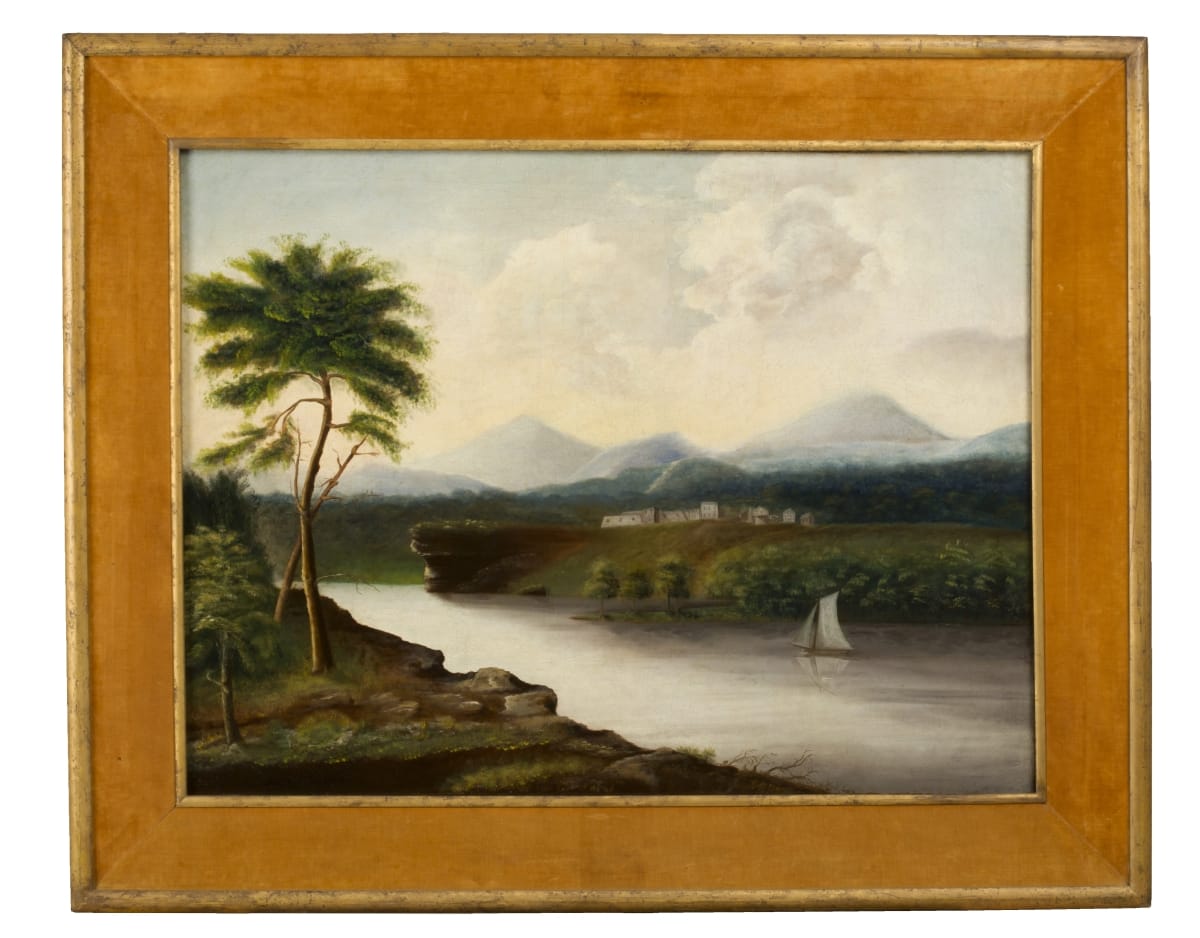
- circa 1845
- Collections - Artifact
Oil Painting, Fort Ticonderoga by George Washington Mark, circa 1845
George Washington Mark was a successful house, sign, and furniture painter in Greenfield, Massachusetts, in the early 1800s. Sometime in the 1830s and 40s, he tried his hand at more artistic endeavors creating paintings of local interest -- generally landscapes and historic subjects. Around 1845, Mark painted this work depicting the ruins of New York's historic Fort Ticonderoga.
- Henry Ford Carrying Grandson Henry Ford II at Fair Lane, Dearborn, Michigan, 1919 - In the early 1910s, Henry and Clara Ford selected 1300 acres of farmland in Dearborn, Michigan, as the site for a new home. They called the estate Fair Lane. Surrounded by woods, meadows, gardens, and the nature they loved, Henry and Clara found this home a peaceful respite. Here they could wander the landscaped grounds, entertain guests, and play with grandchildren.
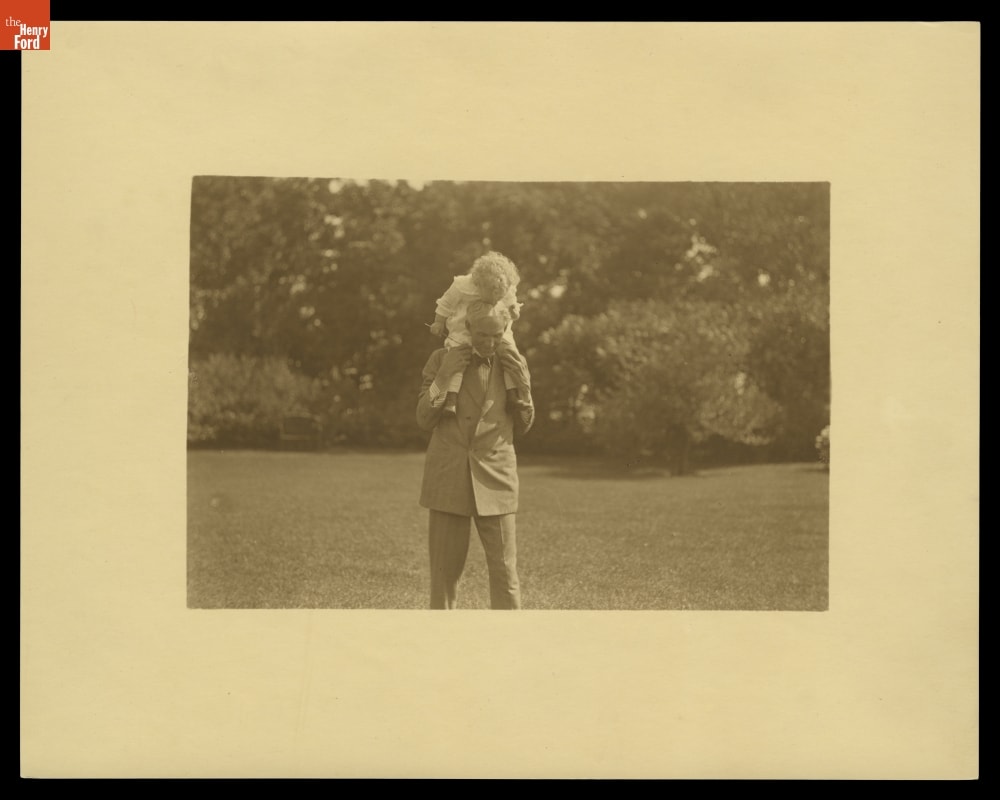
- 1919
- Collections - Artifact
Henry Ford Carrying Grandson Henry Ford II at Fair Lane, Dearborn, Michigan, 1919
In the early 1910s, Henry and Clara Ford selected 1300 acres of farmland in Dearborn, Michigan, as the site for a new home. They called the estate Fair Lane. Surrounded by woods, meadows, gardens, and the nature they loved, Henry and Clara found this home a peaceful respite. Here they could wander the landscaped grounds, entertain guests, and play with grandchildren.
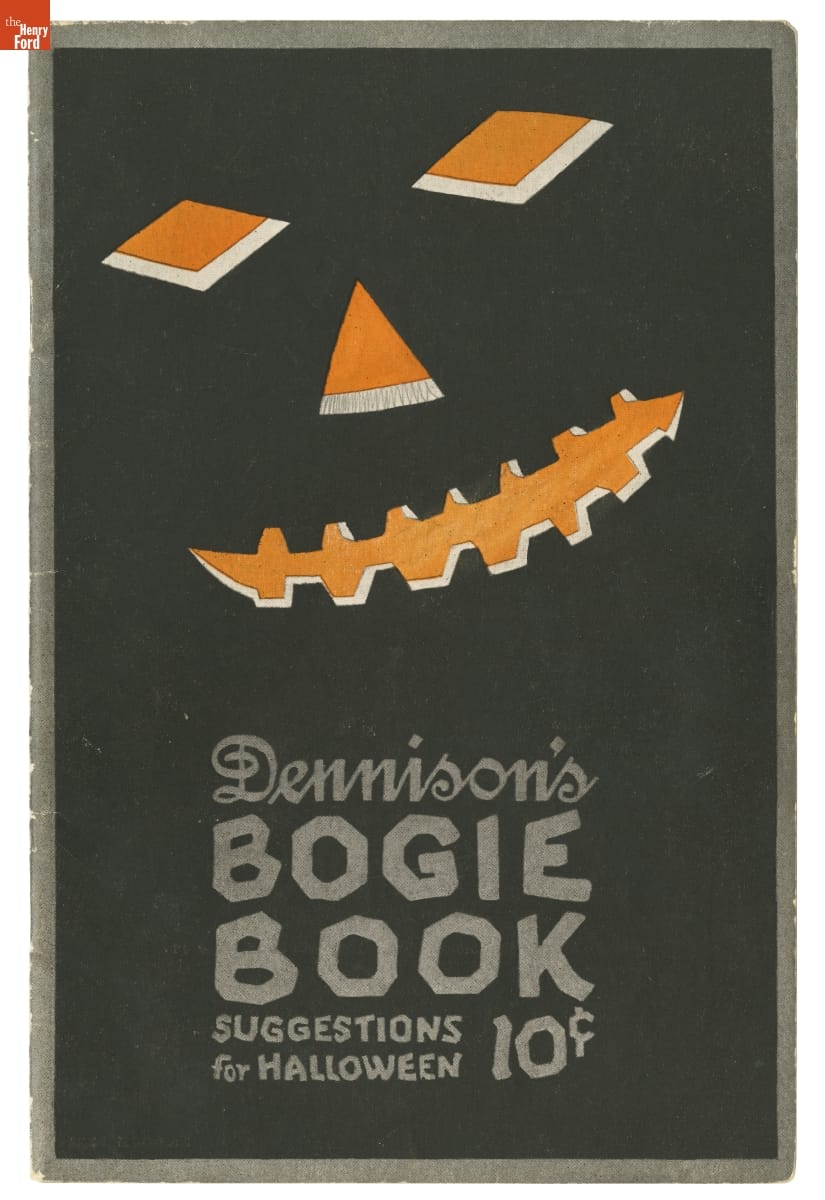
- Dennison's Bogie Book: Suggestions for Halloween, 1922 - While Halloween's origins were rooted in superstition and fortune telling, by the 1910s, Americans of all ages celebrated the holiday as a night of innocent fun. The Dennison Manufacturing Co. of Framingham, Massachusetts, published Halloween "Bogie" books from 1912 to 1935. Halloween revelers could find an array of ideas for party activities, costumes, and decorations using the company's paper products.
- 1922
- Collections - Artifact
Dennison's Bogie Book: Suggestions for Halloween, 1922
While Halloween's origins were rooted in superstition and fortune telling, by the 1910s, Americans of all ages celebrated the holiday as a night of innocent fun. The Dennison Manufacturing Co. of Framingham, Massachusetts, published Halloween "Bogie" books from 1912 to 1935. Halloween revelers could find an array of ideas for party activities, costumes, and decorations using the company's paper products.
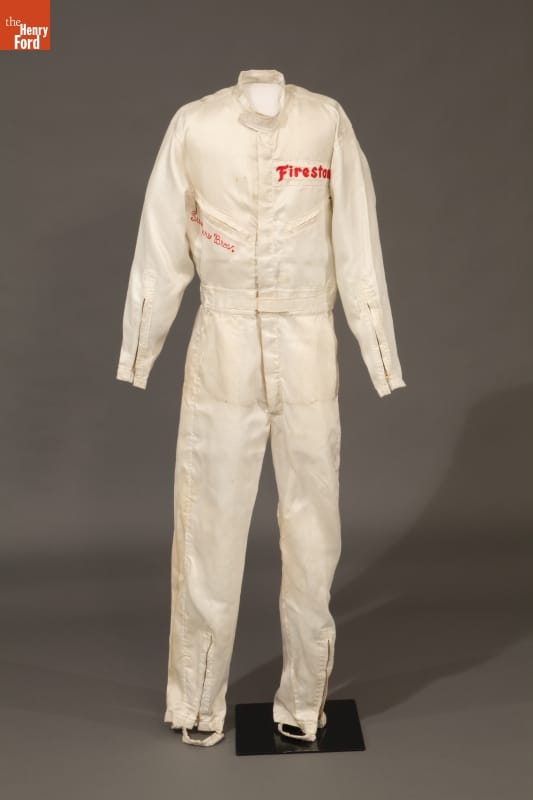
- Racing Suit Worn by Bob Summers While Winning New Land Speed Record, 1965 - Bob Summers of Ontario, California, wore this racing suit when he achieved a new wheel-driven land speed record of 409.277 miles per hour on November 12, 1965. Summers was in Goldenrod, the sleek four-engine car he built with his brother Bill. The Summers brothers' record stood until 1991.
- November 12, 1965
- Collections - Artifact
Racing Suit Worn by Bob Summers While Winning New Land Speed Record, 1965
Bob Summers of Ontario, California, wore this racing suit when he achieved a new wheel-driven land speed record of 409.277 miles per hour on November 12, 1965. Summers was in Goldenrod, the sleek four-engine car he built with his brother Bill. The Summers brothers' record stood until 1991.
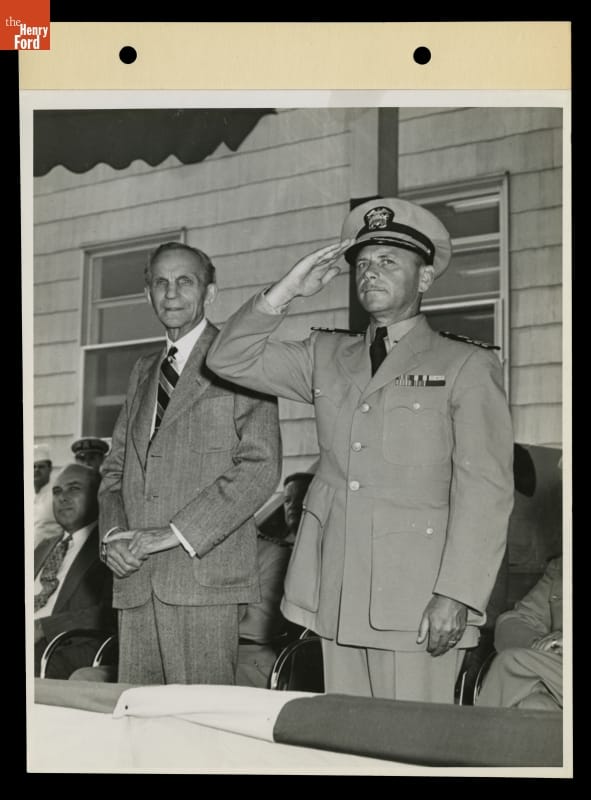
- Henry Ford on His 80th Birthday, U. S. Naval Training School at the Ford Rouge Plant, July 1943 - Personnel at the United States Naval Training School in Dearborn, Michigan, invited Henry Ford to celebrate his 80th birthday at the base. Ford was feted with gifts, a military drill, and a large cake modeled after the school buildings. The school -- built on land at Ford's Rouge Plant and leased to the Navy -- trained thousands of recruits in various skilled trades during World War II.
- July 28, 1943
- Collections - Artifact
Henry Ford on His 80th Birthday, U. S. Naval Training School at the Ford Rouge Plant, July 1943
Personnel at the United States Naval Training School in Dearborn, Michigan, invited Henry Ford to celebrate his 80th birthday at the base. Ford was feted with gifts, a military drill, and a large cake modeled after the school buildings. The school -- built on land at Ford's Rouge Plant and leased to the Navy -- trained thousands of recruits in various skilled trades during World War II.
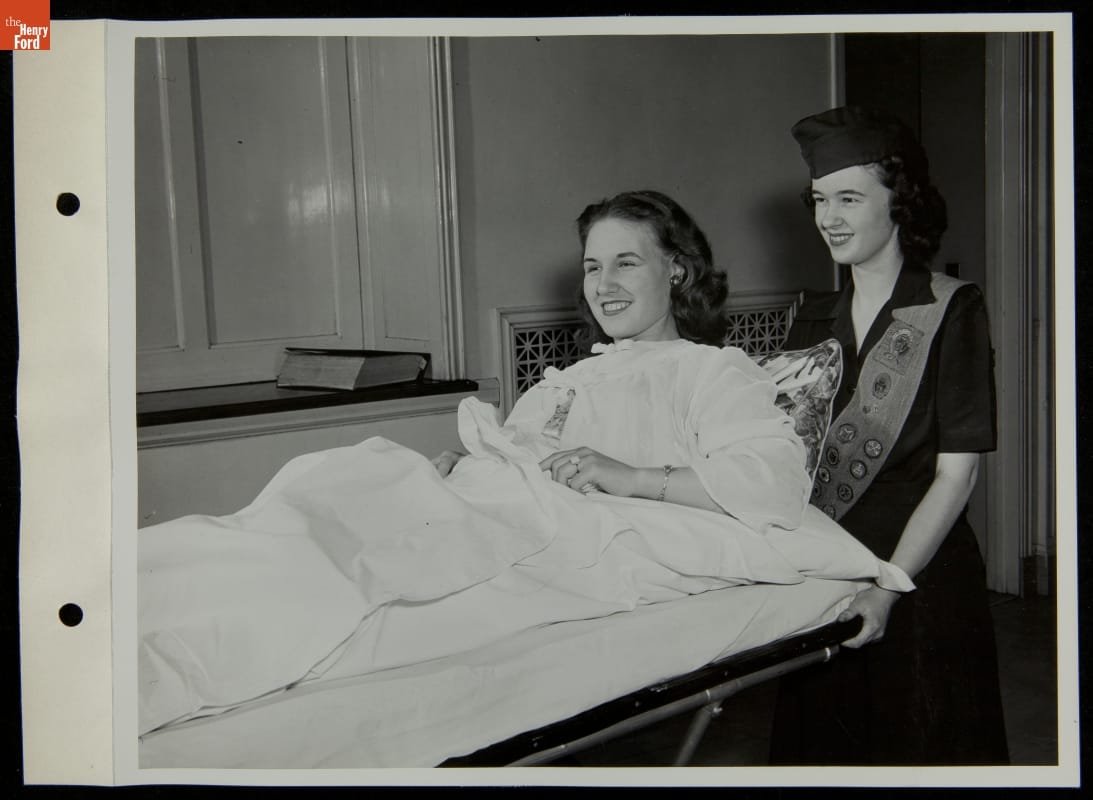
- Girl Scout Aiding a Patient While Doing Community Service at Henry Ford Hospital, Detroit, Michigan, 1946 - Since their organization was founded in 1912, American Girl Scouts have volunteered in local communities. A group of Senior Girl Scouts (ages 14-17) donated service in 1946 at Henry Ford Hospital in Detroit, Michigan. Here, a Girl Scout wearing a sash displaying official patches and badges transports a hospital patient on a gurney.
- February 28, 1946
- Collections - Artifact
Girl Scout Aiding a Patient While Doing Community Service at Henry Ford Hospital, Detroit, Michigan, 1946
Since their organization was founded in 1912, American Girl Scouts have volunteered in local communities. A group of Senior Girl Scouts (ages 14-17) donated service in 1946 at Henry Ford Hospital in Detroit, Michigan. Here, a Girl Scout wearing a sash displaying official patches and badges transports a hospital patient on a gurney.
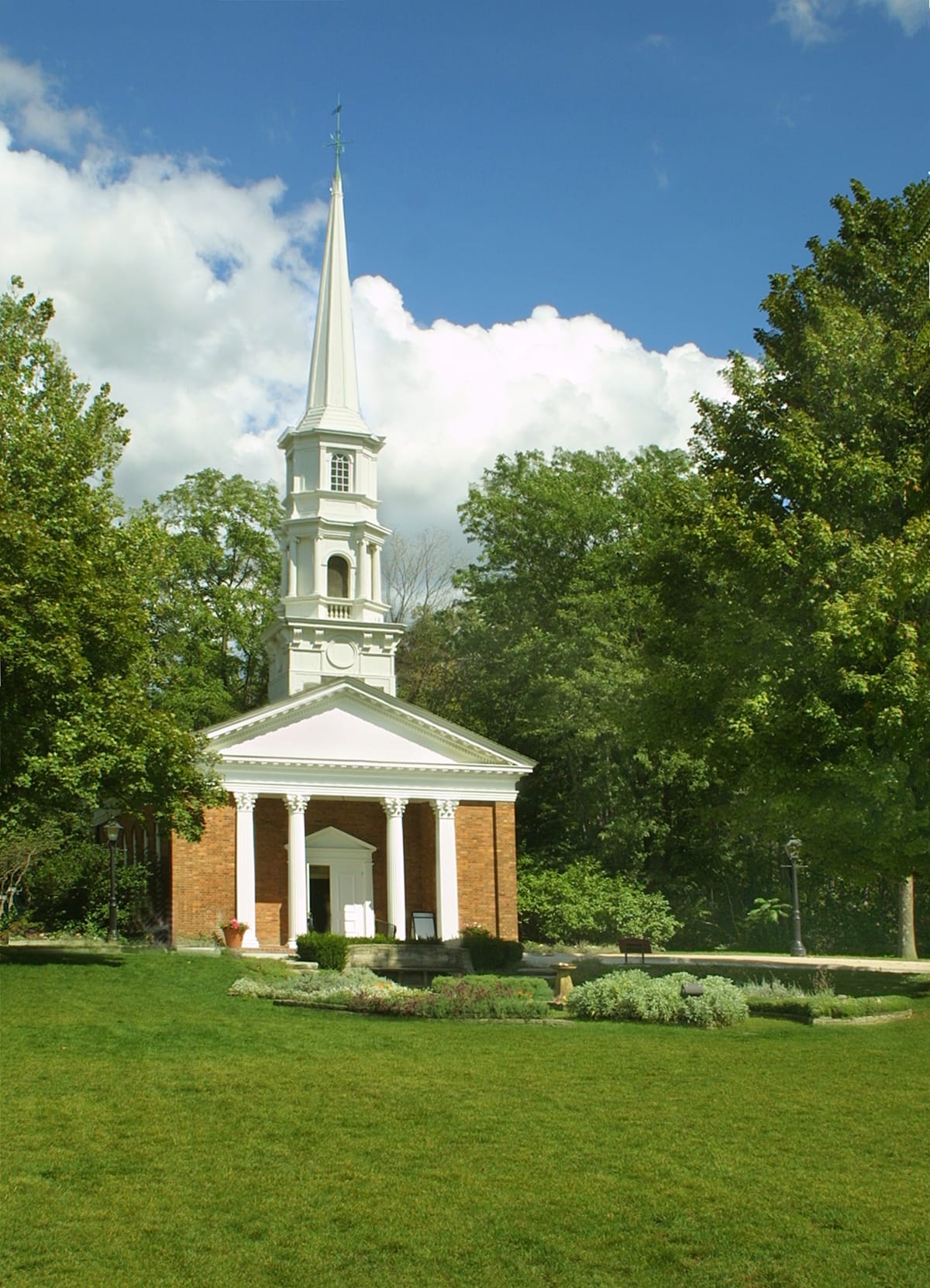
- Martha-Mary Chapel - Churches were a center of community life in the 1700s, a place where townspeople came together to attend services and socialize. The Martha-Mary Chapel, with its architecture inspired by New England's colonial-era churches, was built in Greenfield Village in 1929. This chapel was named after Henry Ford's mother, Mary Litogot Ford, and his mother-in-law, Martha Bench Bryant.
- 1929
- Collections - Artifact
Martha-Mary Chapel
Churches were a center of community life in the 1700s, a place where townspeople came together to attend services and socialize. The Martha-Mary Chapel, with its architecture inspired by New England's colonial-era churches, was built in Greenfield Village in 1929. This chapel was named after Henry Ford's mother, Mary Litogot Ford, and his mother-in-law, Martha Bench Bryant.
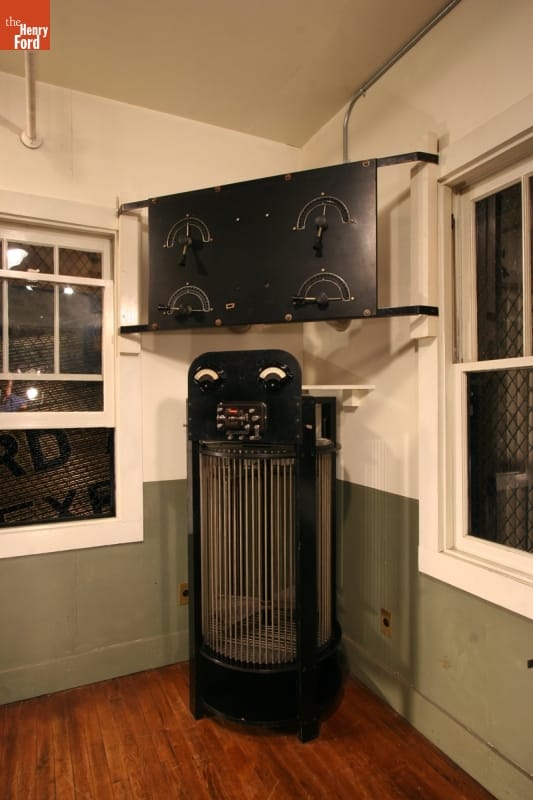
- Radio Goniometer Used at Ford Airport, circa 1927 - The radio beacon may be Henry Ford's most important contribution to aviation. Early pilots depended on landmarks, preventing reliable navigation in bad weather. Ford's engineers developed a radio beacon that simultaneously transmitted the Morse code letter "A" (dot-dash) in one direction and the letter "N" (dash-dot) in another. The pilot steered until the separate signals merged into a steady hum.
- circa 1927
- Collections - Artifact
Radio Goniometer Used at Ford Airport, circa 1927
The radio beacon may be Henry Ford's most important contribution to aviation. Early pilots depended on landmarks, preventing reliable navigation in bad weather. Ford's engineers developed a radio beacon that simultaneously transmitted the Morse code letter "A" (dot-dash) in one direction and the letter "N" (dash-dot) in another. The pilot steered until the separate signals merged into a steady hum.