
Search
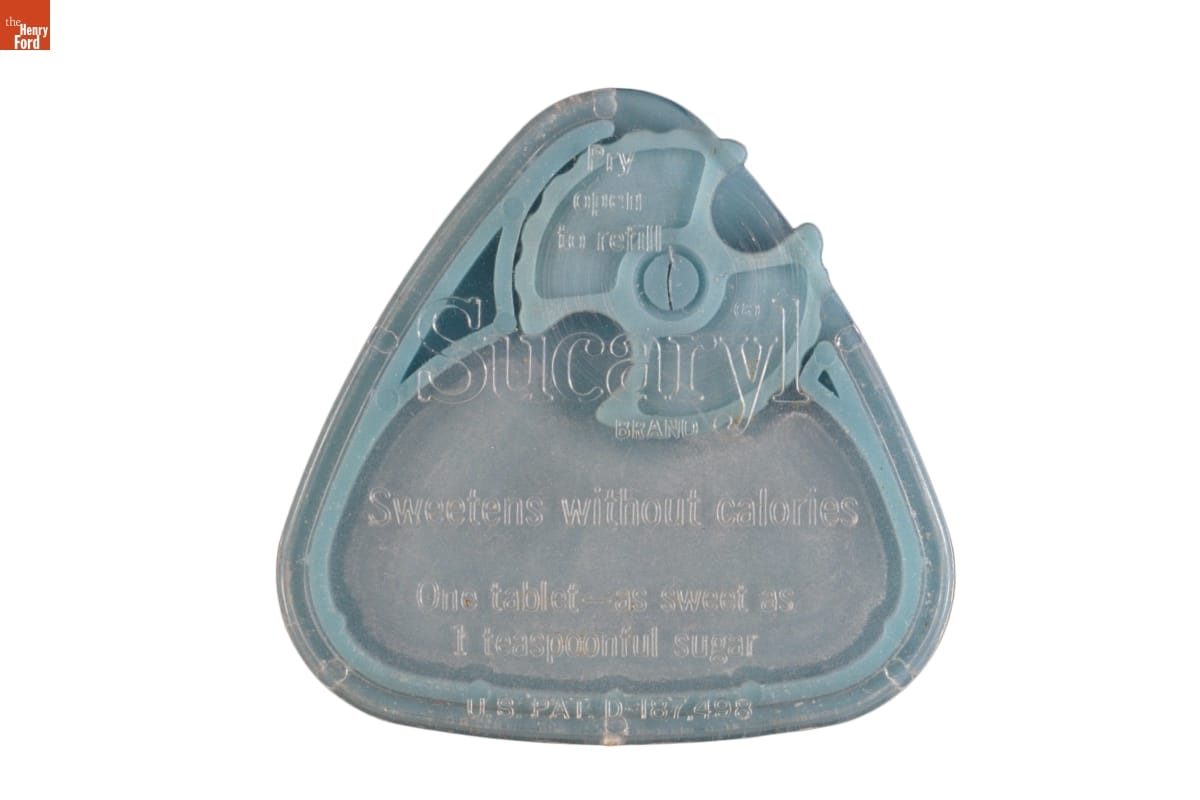
- Sucaryl Artificial Sweetener Dispenser, circa 1967 - Artificial sweeteners provide dieters and people with diabetes or other metabolic disorders with a sugar substitute. Sucaryl, a cyclamate-based sweetener, was first marketed to the public in 1951. Though Sucaryl promised sweet-tasting foods without adding calories, links to possible increased cancers risks spurred the Food and Drug Administration to ban cyclamates in 1969.
- circa 1967
- Collections - Artifact
Sucaryl Artificial Sweetener Dispenser, circa 1967
Artificial sweeteners provide dieters and people with diabetes or other metabolic disorders with a sugar substitute. Sucaryl, a cyclamate-based sweetener, was first marketed to the public in 1951. Though Sucaryl promised sweet-tasting foods without adding calories, links to possible increased cancers risks spurred the Food and Drug Administration to ban cyclamates in 1969.
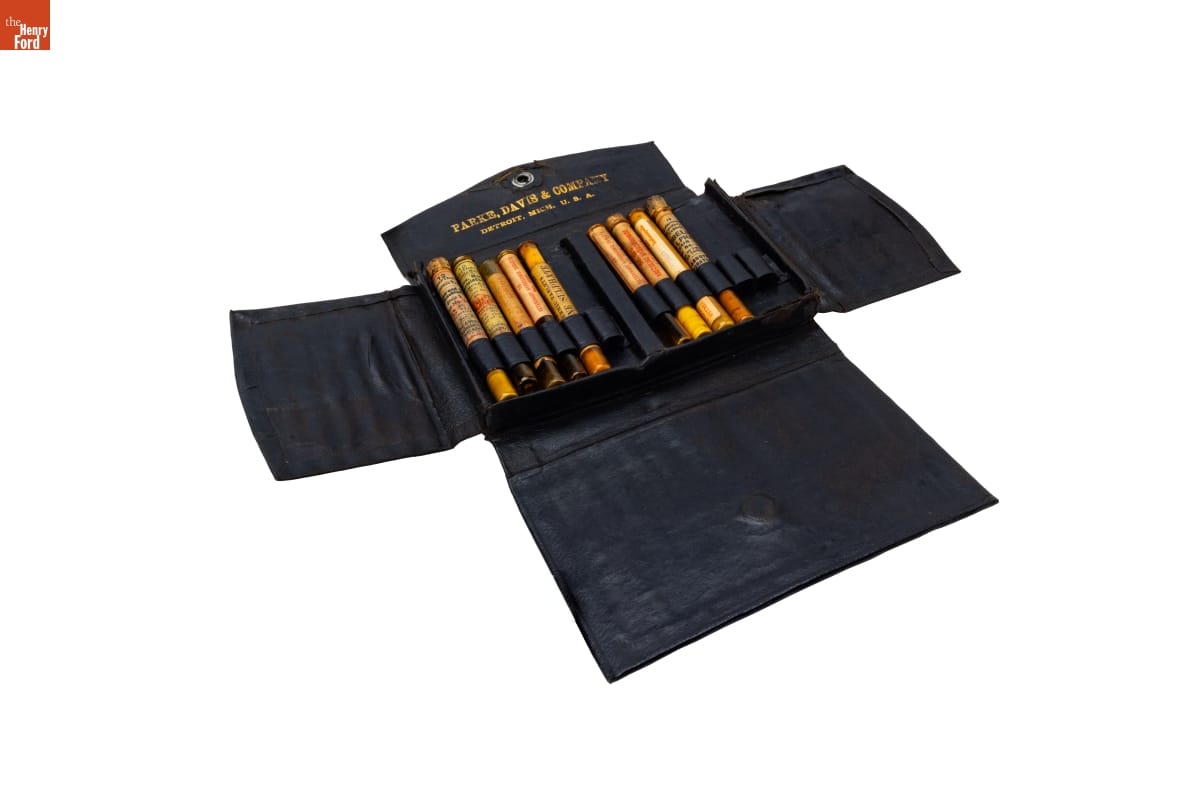
- Veterinary Pharmaceutical Kit, 1910-1920 - Veterinarians carried medicines and drugs in kits like this as they traveled to care for animals. This case, emblazoned with the name of Parke, Davis and Company, a large pharmaceutical firm that manufactured high-quality drugs, contained medicines they might need to do their work. Dr. F. Eugene Eads, who once headed the veterinary department at Parke-Davis, owned this case.
- 1910-1920
- Collections - Artifact
Veterinary Pharmaceutical Kit, 1910-1920
Veterinarians carried medicines and drugs in kits like this as they traveled to care for animals. This case, emblazoned with the name of Parke, Davis and Company, a large pharmaceutical firm that manufactured high-quality drugs, contained medicines they might need to do their work. Dr. F. Eugene Eads, who once headed the veterinary department at Parke-Davis, owned this case.
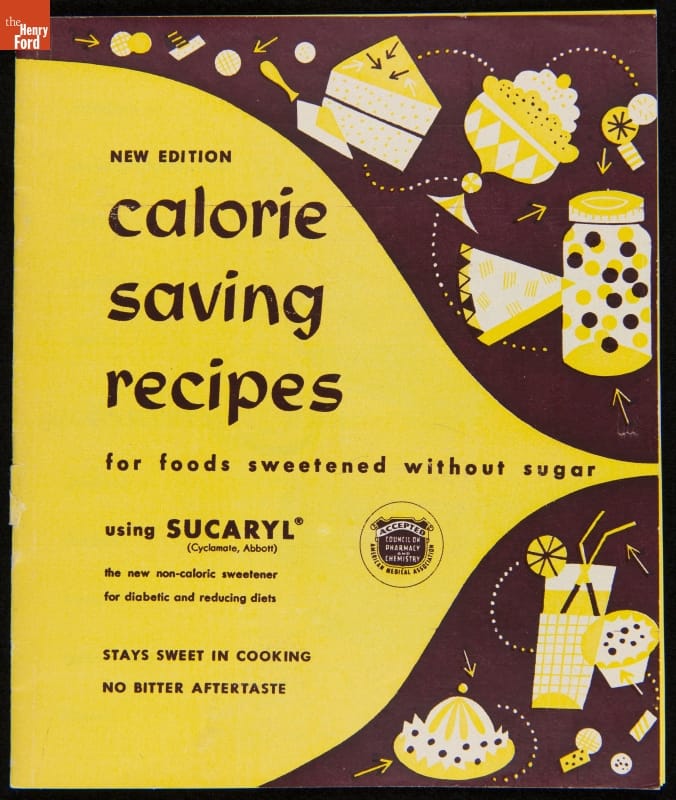
- "New Edition, Calorie Saving Recipes for Foods Sweetened without Sugar Using Sucaryl," 1952 - Artificial sweeteners provide dieters and people with diabetes or other metabolic disorders with a sugar substitute. Sucaryl, a cyclamate-based sweetener, was first marketed to the public in 1951. Though Sucaryl promised sweet-tasting foods without adding calories, links to possible increased cancers risks spurred the Food and Drug Administration to ban cyclamates in 1969.
- 1952
- Collections - Artifact
"New Edition, Calorie Saving Recipes for Foods Sweetened without Sugar Using Sucaryl," 1952
Artificial sweeteners provide dieters and people with diabetes or other metabolic disorders with a sugar substitute. Sucaryl, a cyclamate-based sweetener, was first marketed to the public in 1951. Though Sucaryl promised sweet-tasting foods without adding calories, links to possible increased cancers risks spurred the Food and Drug Administration to ban cyclamates in 1969.
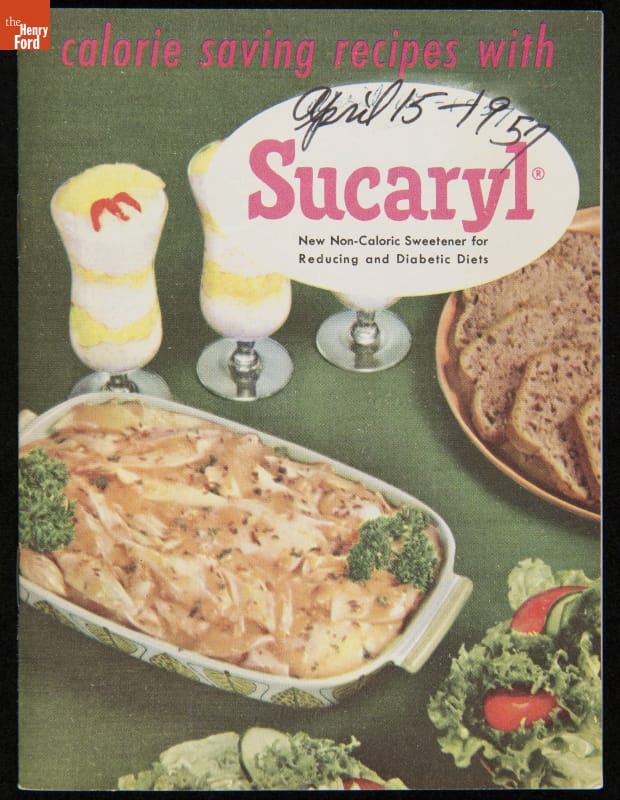
- Recipe Booklet, "Calorie Saving Recipes with Sucaryl," 1955 - Artificial sweeteners provide dieters and people with diabetes or other metabolic disorders with a sugar substitute. Sucaryl, a cyclamate-based sweetener, was first marketed to the public in 1951. Though Sucaryl promised sweet-tasting foods without adding calories, links to possible increased cancers risks spurred the Food and Drug Administration to ban cyclamates in 1969.
- 1955
- Collections - Artifact
Recipe Booklet, "Calorie Saving Recipes with Sucaryl," 1955
Artificial sweeteners provide dieters and people with diabetes or other metabolic disorders with a sugar substitute. Sucaryl, a cyclamate-based sweetener, was first marketed to the public in 1951. Though Sucaryl promised sweet-tasting foods without adding calories, links to possible increased cancers risks spurred the Food and Drug Administration to ban cyclamates in 1969.
- Veterinary Pharmaceutical Kit, 1910-1920 - Veterinarians carried medicines and drugs in kits like this as they traveled to care for animals. This case, emblazoned with the name of Parke, Davis and Company, a large pharmaceutical firm that manufactured high-quality drugs, contained medicines they might need to do their work. Dr. F. Eugene Eads, who once headed the veterinary department at Parke-Davis, owned this case.
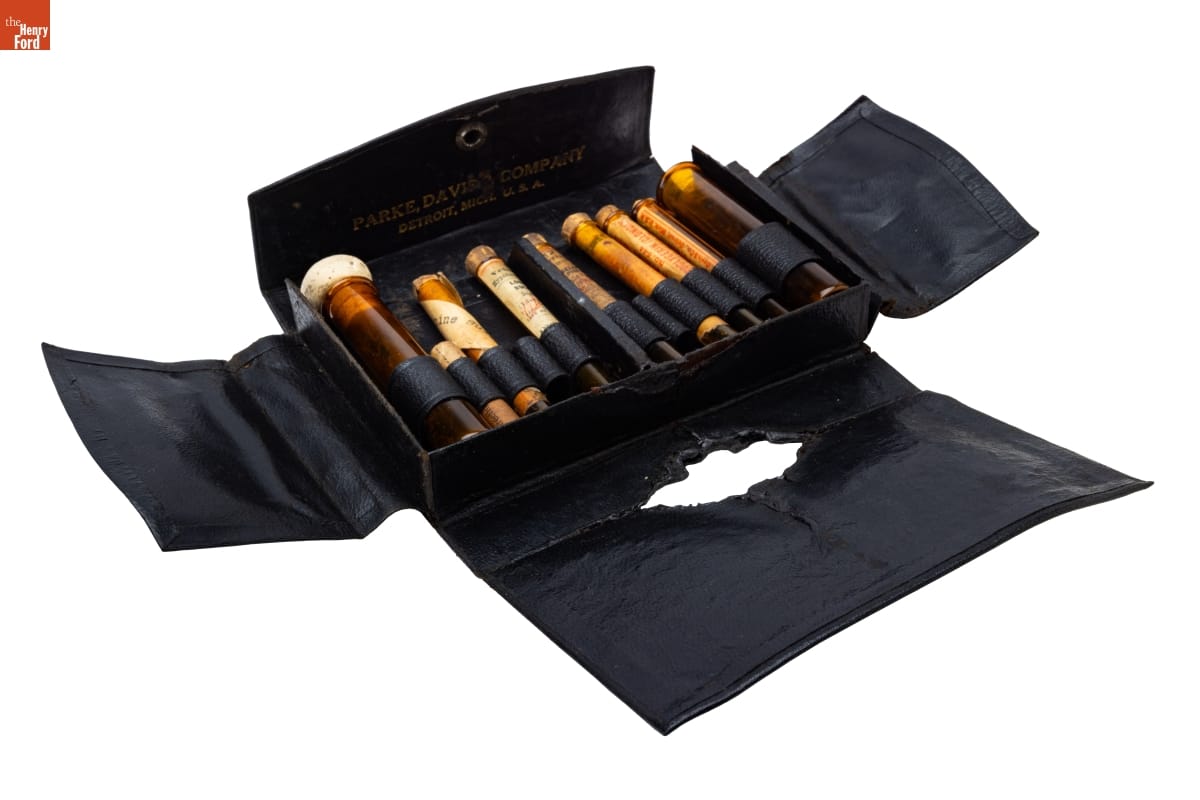
- 1910-1920
- Collections - Artifact
Veterinary Pharmaceutical Kit, 1910-1920
Veterinarians carried medicines and drugs in kits like this as they traveled to care for animals. This case, emblazoned with the name of Parke, Davis and Company, a large pharmaceutical firm that manufactured high-quality drugs, contained medicines they might need to do their work. Dr. F. Eugene Eads, who once headed the veterinary department at Parke-Davis, owned this case.