
Search
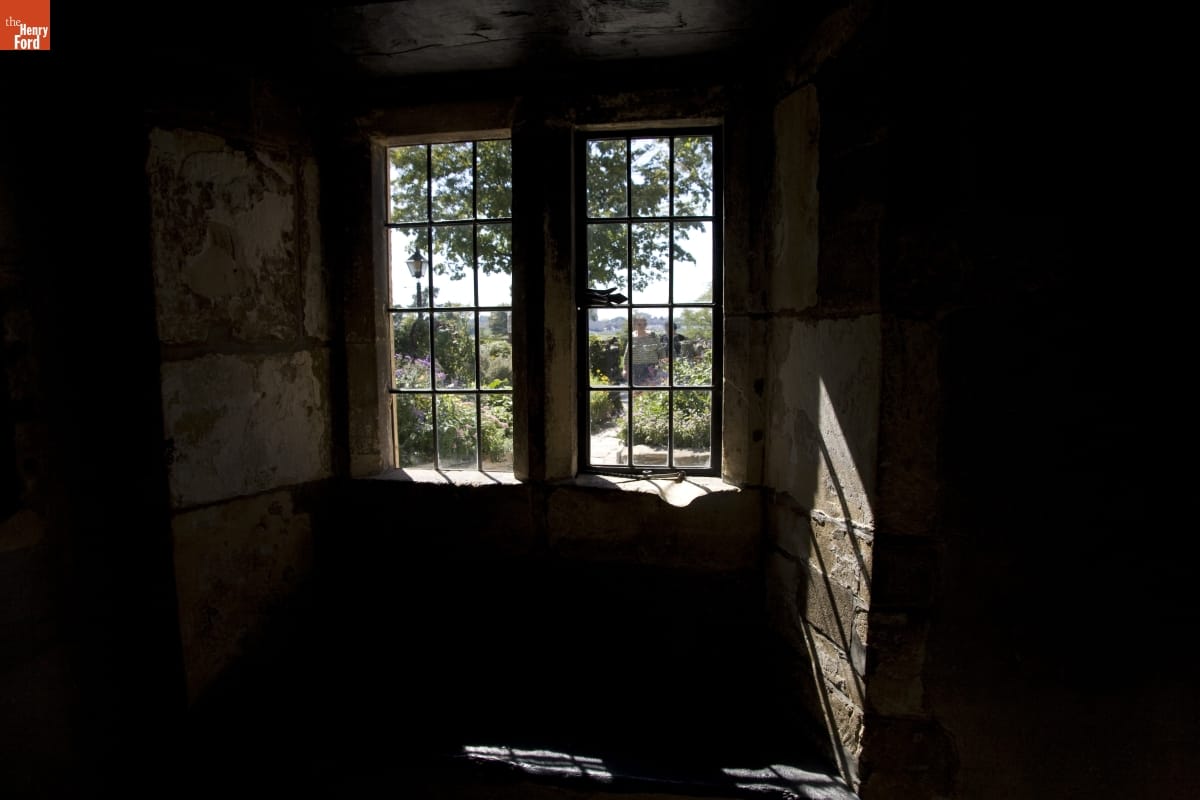
- Cotswold Cottage in Greenfield Village, September 2007 -
- September 01, 2007
- Collections - Artifact
Cotswold Cottage in Greenfield Village, September 2007
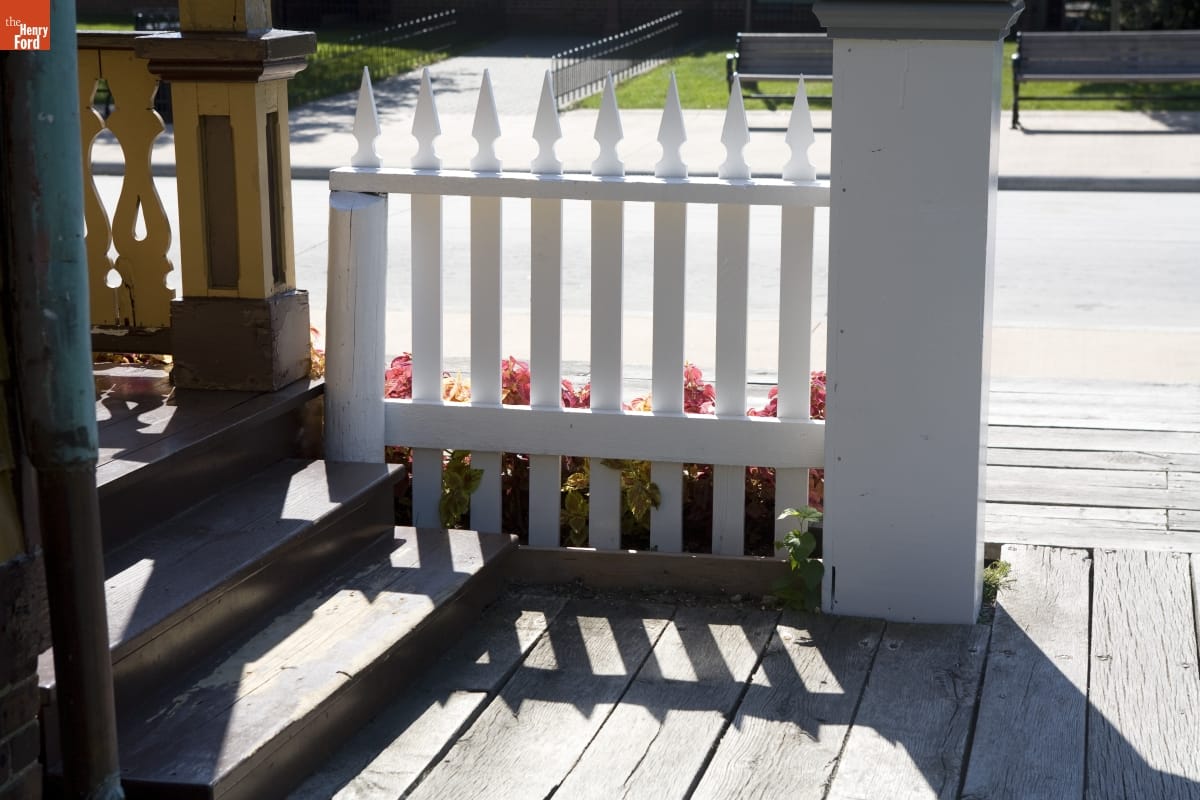
- Sarah Jordan Boarding House in Greenfield Village, September 2007 - In 1879, Sarah Jordan ran a boarding house a short walk from Thomas Edison's Menlo Park Laboratory in New Jersey. Her boarding house was home to more than a dozen unmarried men working at the laboratory. Today, this house and other Menlo Park Complex buildings in Greenfield Village offer visitors a glimpse into the lives of those who developed and witnessed the first successful incandescent lamp.
- September 01, 2007
- Collections - Artifact
Sarah Jordan Boarding House in Greenfield Village, September 2007
In 1879, Sarah Jordan ran a boarding house a short walk from Thomas Edison's Menlo Park Laboratory in New Jersey. Her boarding house was home to more than a dozen unmarried men working at the laboratory. Today, this house and other Menlo Park Complex buildings in Greenfield Village offer visitors a glimpse into the lives of those who developed and witnessed the first successful incandescent lamp.
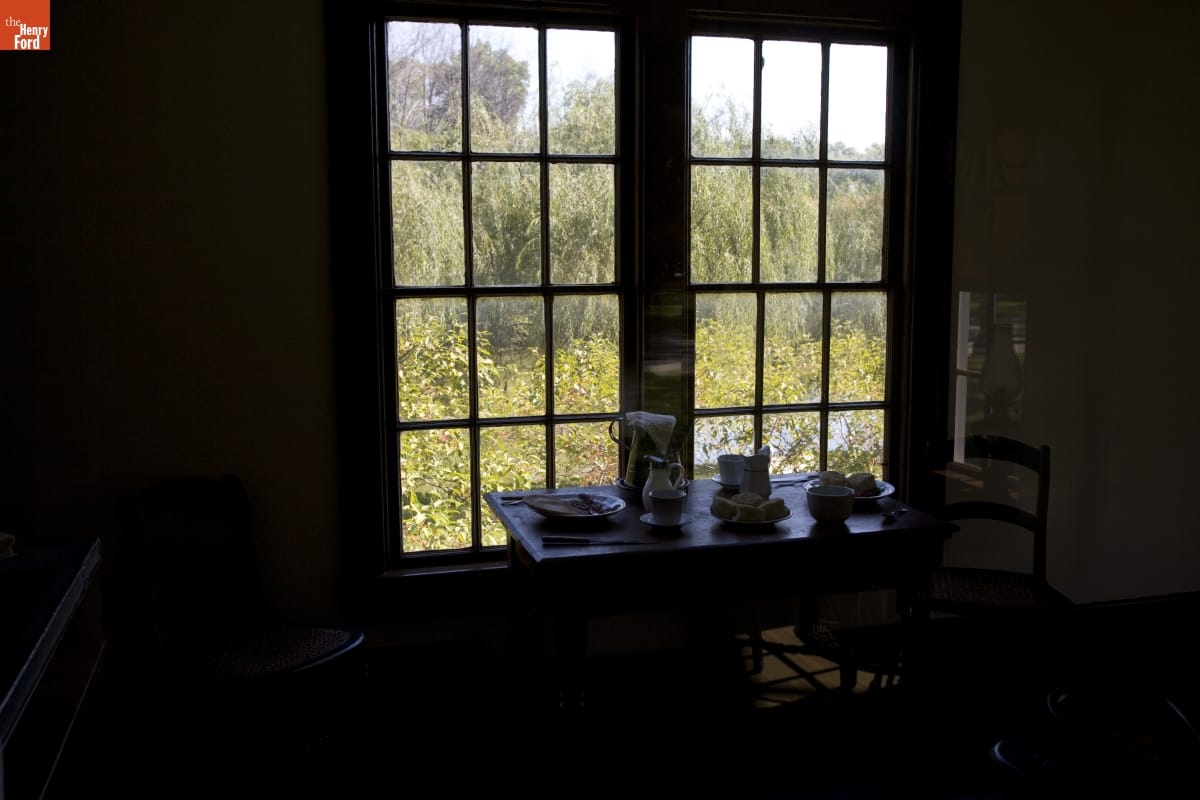
- Chapman Family Home in Greenfield Village, September 2007 - During the 1870s, John B. Chapman and his wife Susie lived in a simple farmhouse. Chapman taught several terms in the one-room schools of his southeast Michigan rural community. Young Henry Ford was one of his pupils. Ford later purchased the home for his outdoor museum in Dearborn, Michigan. This image shows the building's interior as it looked in 2007.
- September 01, 2007
- Collections - Artifact
Chapman Family Home in Greenfield Village, September 2007
During the 1870s, John B. Chapman and his wife Susie lived in a simple farmhouse. Chapman taught several terms in the one-room schools of his southeast Michigan rural community. Young Henry Ford was one of his pupils. Ford later purchased the home for his outdoor museum in Dearborn, Michigan. This image shows the building's interior as it looked in 2007.
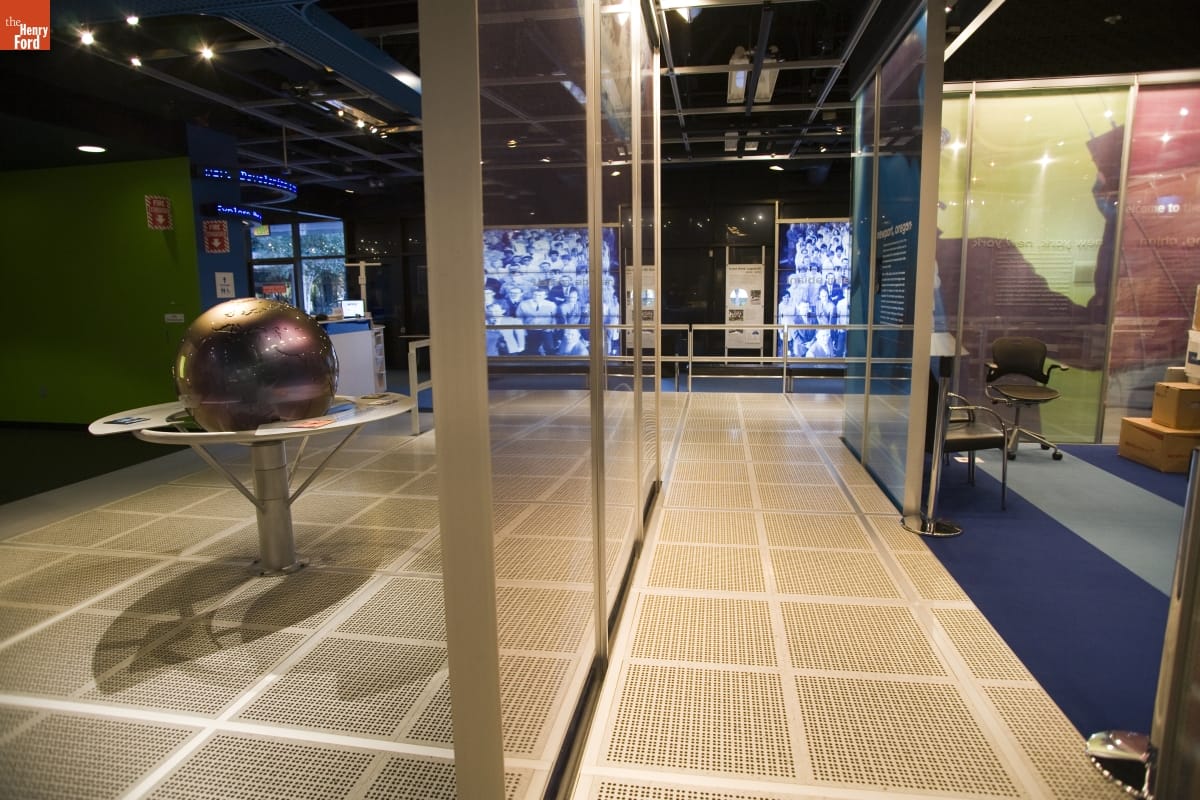
- Oral History Interview with Gordon Moore, September 24, 2008--Photographs--Digital Images--Item 37 - Gordon Moore is one of Silicon Valley's founding fathers. In 1968, Moore and Bob Noyce founded Intel Corporation. Intel produced the world's first microprocessor and became the world's largest producer of computer microchips. In 2008, staff from The Henry Ford interviewed Moore at Intel Corporation offices in Santa Clara, California, as part of the Collecting Innovation Today Oral History Project.
- September 24, 2008
- Collections - Artifact
Oral History Interview with Gordon Moore, September 24, 2008--Photographs--Digital Images--Item 37
Gordon Moore is one of Silicon Valley's founding fathers. In 1968, Moore and Bob Noyce founded Intel Corporation. Intel produced the world's first microprocessor and became the world's largest producer of computer microchips. In 2008, staff from The Henry Ford interviewed Moore at Intel Corporation offices in Santa Clara, California, as part of the Collecting Innovation Today Oral History Project.
- Oral History Interview with Mitchell Baker, September, 2008--Photographs--Digital Images--Item 40 - Mitchell Baker, chair of the Mozilla Foundation, envisions building internet resources that are open and accessible to all. In 2005, her efforts led to the release of the Firefox browser. Staff from The Henry Ford interviewed Baker in 2008 at the offices of Mozilla Foundation in Mountain View, California, as part of the Collecting Innovation Today Oral History Project.
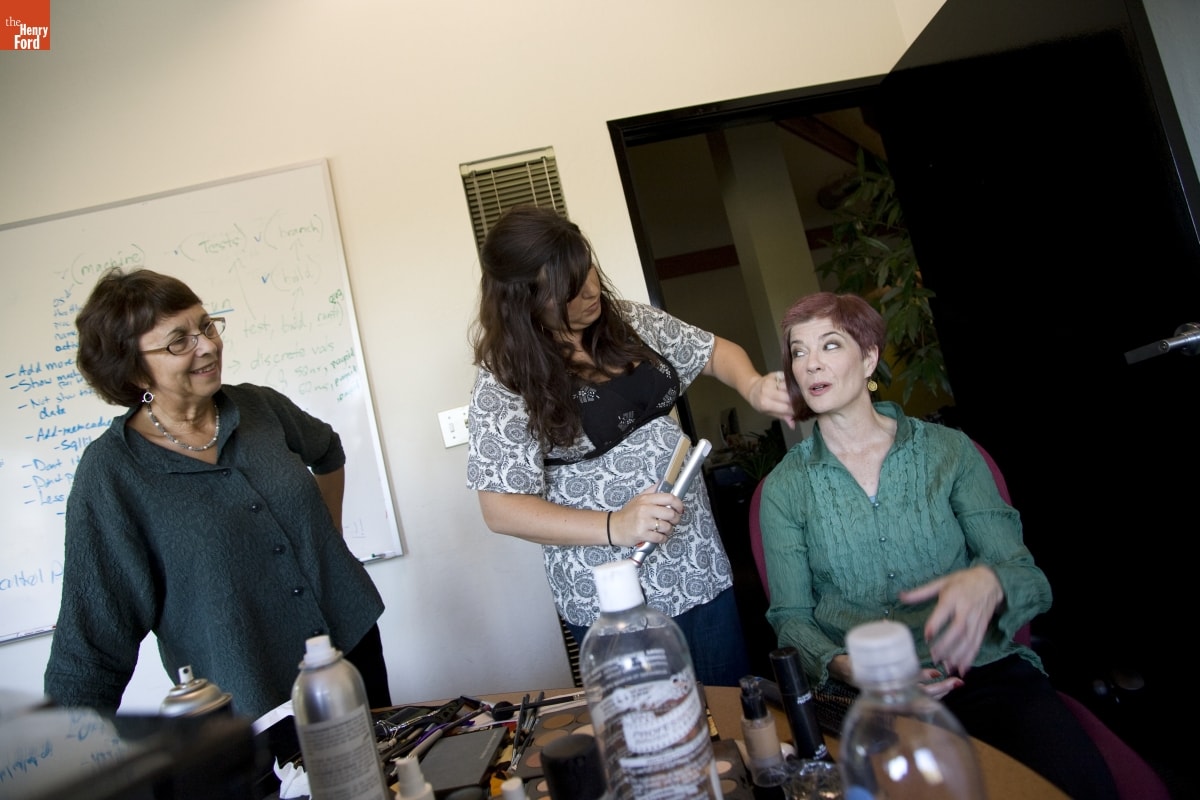
- September 22, 2008
- Collections - Artifact
Oral History Interview with Mitchell Baker, September, 2008--Photographs--Digital Images--Item 40
Mitchell Baker, chair of the Mozilla Foundation, envisions building internet resources that are open and accessible to all. In 2005, her efforts led to the release of the Firefox browser. Staff from The Henry Ford interviewed Baker in 2008 at the offices of Mozilla Foundation in Mountain View, California, as part of the Collecting Innovation Today Oral History Project.
- Oral History Interview with Mitchell Baker, September, 2008--Photographs--Digital Images--Item 60 - Mitchell Baker, chair of the Mozilla Foundation, envisions building internet resources that are open and accessible to all. In 2005, her efforts led to the release of the Firefox browser. Staff from The Henry Ford interviewed Baker in 2008 at the offices of Mozilla Foundation in Mountain View, California, as part of the Collecting Innovation Today Oral History Project.

- September 22, 2008
- Collections - Artifact
Oral History Interview with Mitchell Baker, September, 2008--Photographs--Digital Images--Item 60
Mitchell Baker, chair of the Mozilla Foundation, envisions building internet resources that are open and accessible to all. In 2005, her efforts led to the release of the Firefox browser. Staff from The Henry Ford interviewed Baker in 2008 at the offices of Mozilla Foundation in Mountain View, California, as part of the Collecting Innovation Today Oral History Project.
- Henry Ford Academy Students in Lamy's Diner in Henry Ford Museum, October 2007 - Henry Ford Academy, a charter high school on the campus of The Henry Ford, opened in 1997. These students were photographed having a lesson in Lamy's Diner, inside Henry Ford Museum, in October 2007.
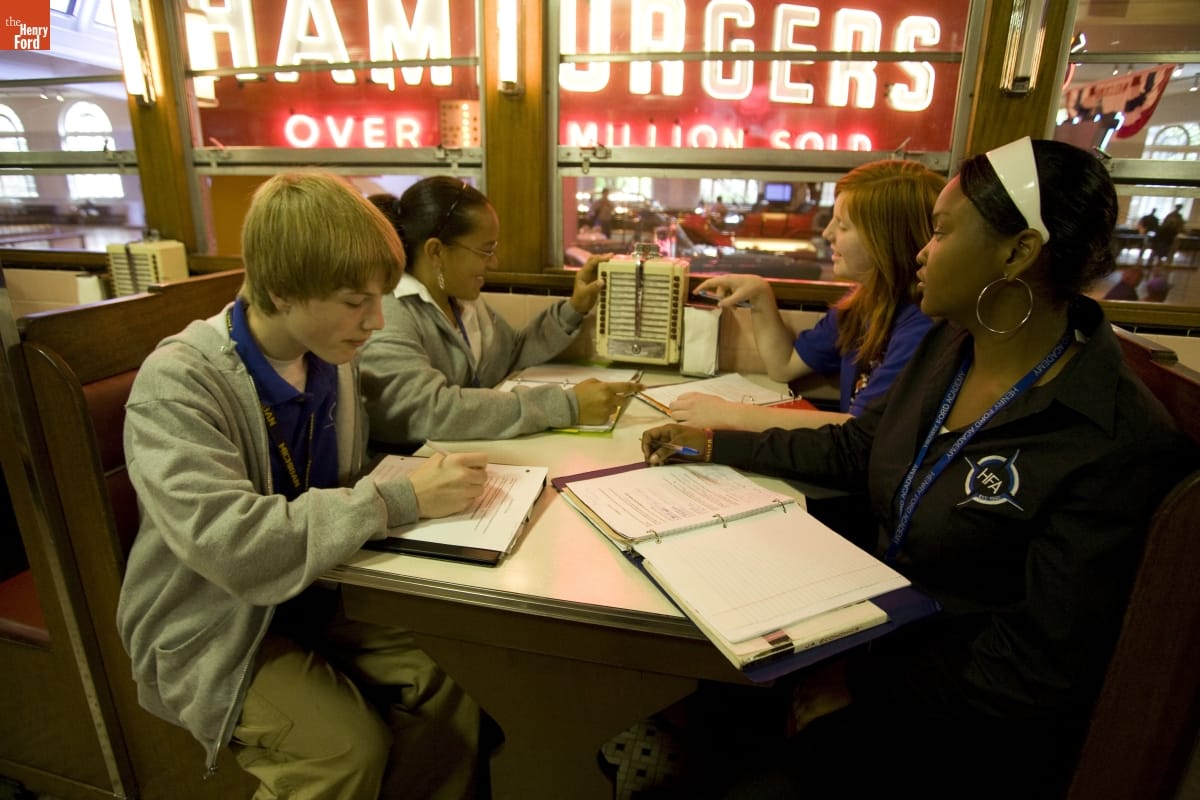
- October 01, 2007
- Collections - Artifact
Henry Ford Academy Students in Lamy's Diner in Henry Ford Museum, October 2007
Henry Ford Academy, a charter high school on the campus of The Henry Ford, opened in 1997. These students were photographed having a lesson in Lamy's Diner, inside Henry Ford Museum, in October 2007.
- Smiths Creek Depot in Greenfield Village, September 2007 - Henry Ford purchased Smiths Creek Depot from the Grand Trunk Western Railway in 1929. Thomas Edison passed the building often while working as a railroad newsboy. Originally located about nine miles southwest of Port Huron, Michigan, the depot was moved to Ford's museum complex in Dearborn, Michigan. This photo shows Smiths Creek Depot at Greenfield Village in 2007.
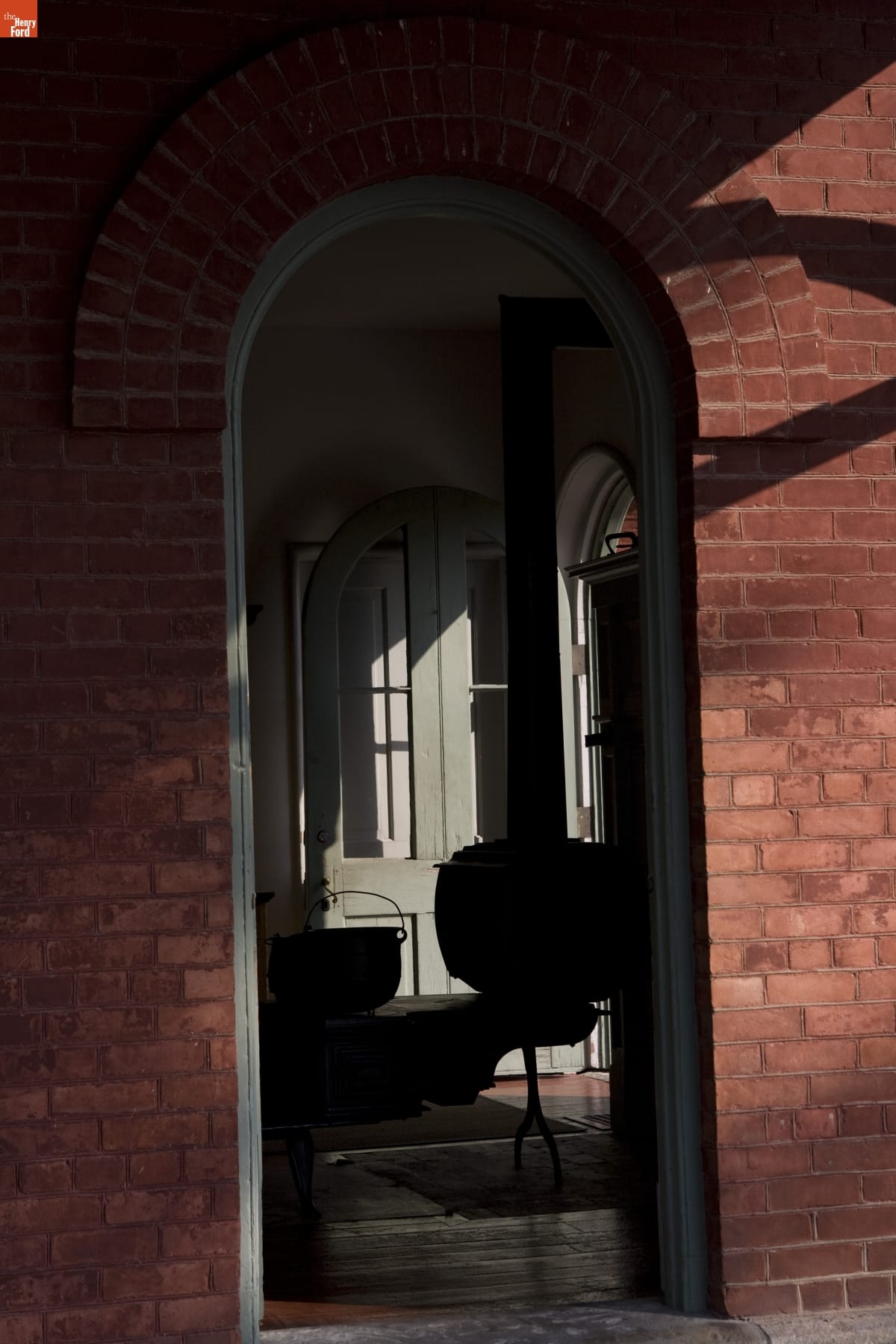
- September 01, 2007
- Collections - Artifact
Smiths Creek Depot in Greenfield Village, September 2007
Henry Ford purchased Smiths Creek Depot from the Grand Trunk Western Railway in 1929. Thomas Edison passed the building often while working as a railroad newsboy. Originally located about nine miles southwest of Port Huron, Michigan, the depot was moved to Ford's museum complex in Dearborn, Michigan. This photo shows Smiths Creek Depot at Greenfield Village in 2007.
- Smiths Creek Depot in Greenfield Village, September 2007 - Henry Ford purchased Smiths Creek Depot from the Grand Trunk Western Railway in 1929. Thomas Edison passed the building often while working as a railroad newsboy. Originally located about nine miles southwest of Port Huron, Michigan, the depot was moved to Ford's museum complex in Dearborn, Michigan. This photo shows Smiths Creek Depot at Greenfield Village in 2007.
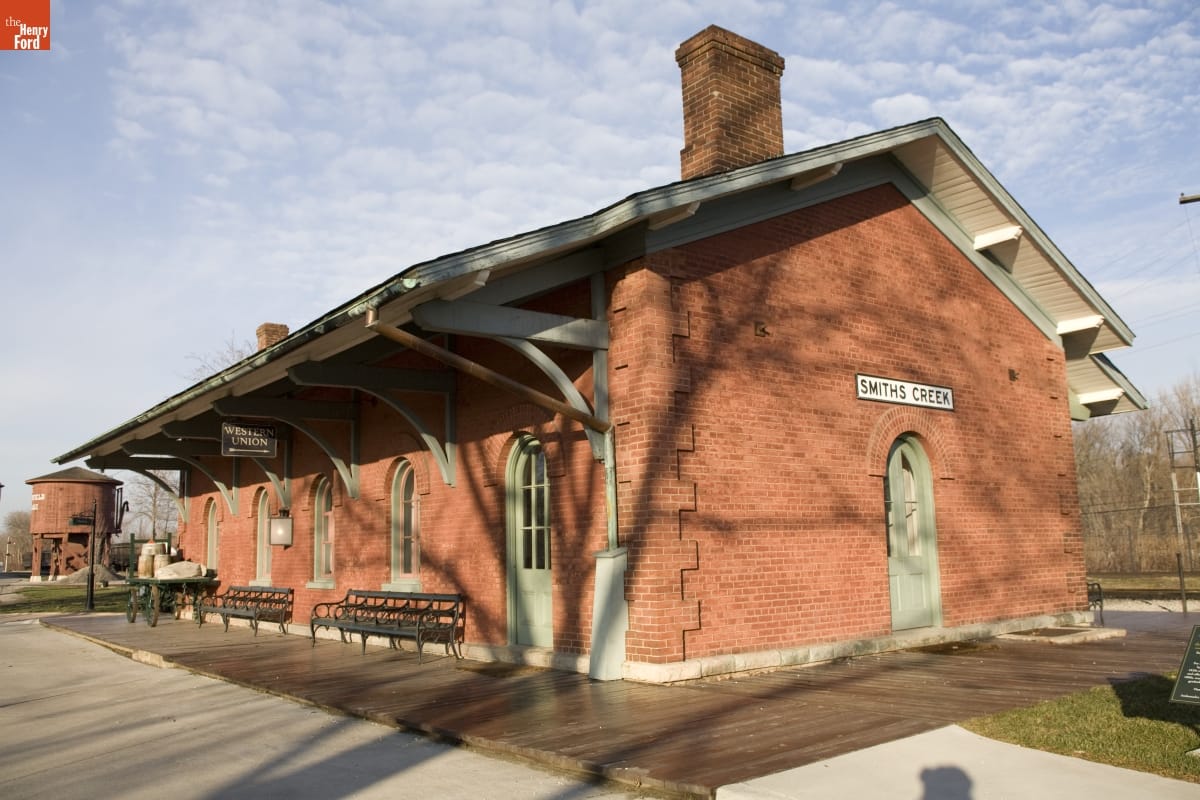
- September 01, 2007
- Collections - Artifact
Smiths Creek Depot in Greenfield Village, September 2007
Henry Ford purchased Smiths Creek Depot from the Grand Trunk Western Railway in 1929. Thomas Edison passed the building often while working as a railroad newsboy. Originally located about nine miles southwest of Port Huron, Michigan, the depot was moved to Ford's museum complex in Dearborn, Michigan. This photo shows Smiths Creek Depot at Greenfield Village in 2007.
- Oral History Interview with William McDonough, Sustainable Design Architect, September 2008--Photographs--Digital Images--Item 52 - A leader in the field of sustainable design, William McDonough creates strategies for "environmentally intelligent" buildings. His constructions incorporate nature into design and feature daylight, fresh air, diversity, life, and creativity. In 2008, staff from The Henry Ford interviewed McDonough at his office in Charlottesville, Virginia, as part of the Collecting Innovation Today Oral History Project.
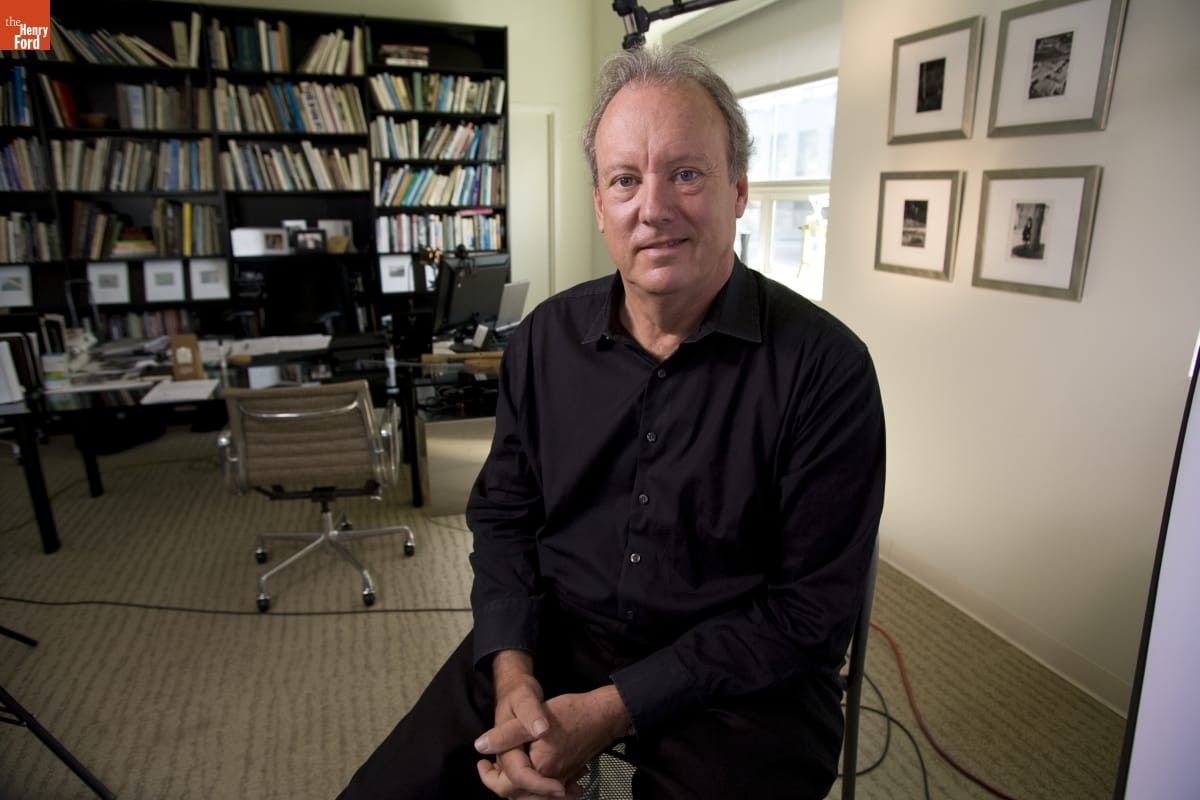
- September 08, 2008
- Collections - Artifact
Oral History Interview with William McDonough, Sustainable Design Architect, September 2008--Photographs--Digital Images--Item 52
A leader in the field of sustainable design, William McDonough creates strategies for "environmentally intelligent" buildings. His constructions incorporate nature into design and feature daylight, fresh air, diversity, life, and creativity. In 2008, staff from The Henry Ford interviewed McDonough at his office in Charlottesville, Virginia, as part of the Collecting Innovation Today Oral History Project.