
Search
- Music Sheet Cover, "Arouse Ye, Patriot Whigs!," 1840 -

- 1840
- Collections - Artifact
Music Sheet Cover, "Arouse Ye, Patriot Whigs!," 1840
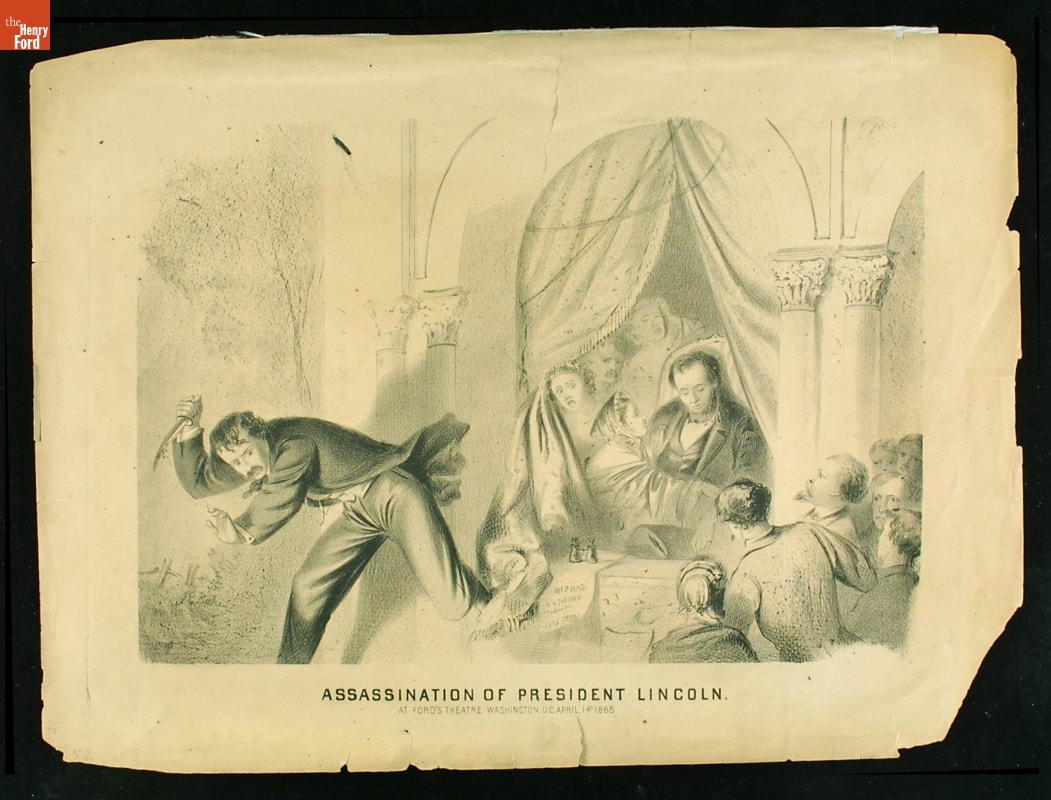
- Print, Assassination of President LIncoln, 1865-1870 - Before the existence of newspaper photos and television, lithographs helped people to understand the tragic event of President Abraham Lincoln's death in April 1865. This shows the assassin escaping after shooting President Lincoln at Ford's Theatre in Washington, D.C., on April 14, 1865. Printmakers produced various versions of this event, based on verbal reports.
- April 14, 1865
- Collections - Artifact
Print, Assassination of President LIncoln, 1865-1870
Before the existence of newspaper photos and television, lithographs helped people to understand the tragic event of President Abraham Lincoln's death in April 1865. This shows the assassin escaping after shooting President Lincoln at Ford's Theatre in Washington, D.C., on April 14, 1865. Printmakers produced various versions of this event, based on verbal reports.
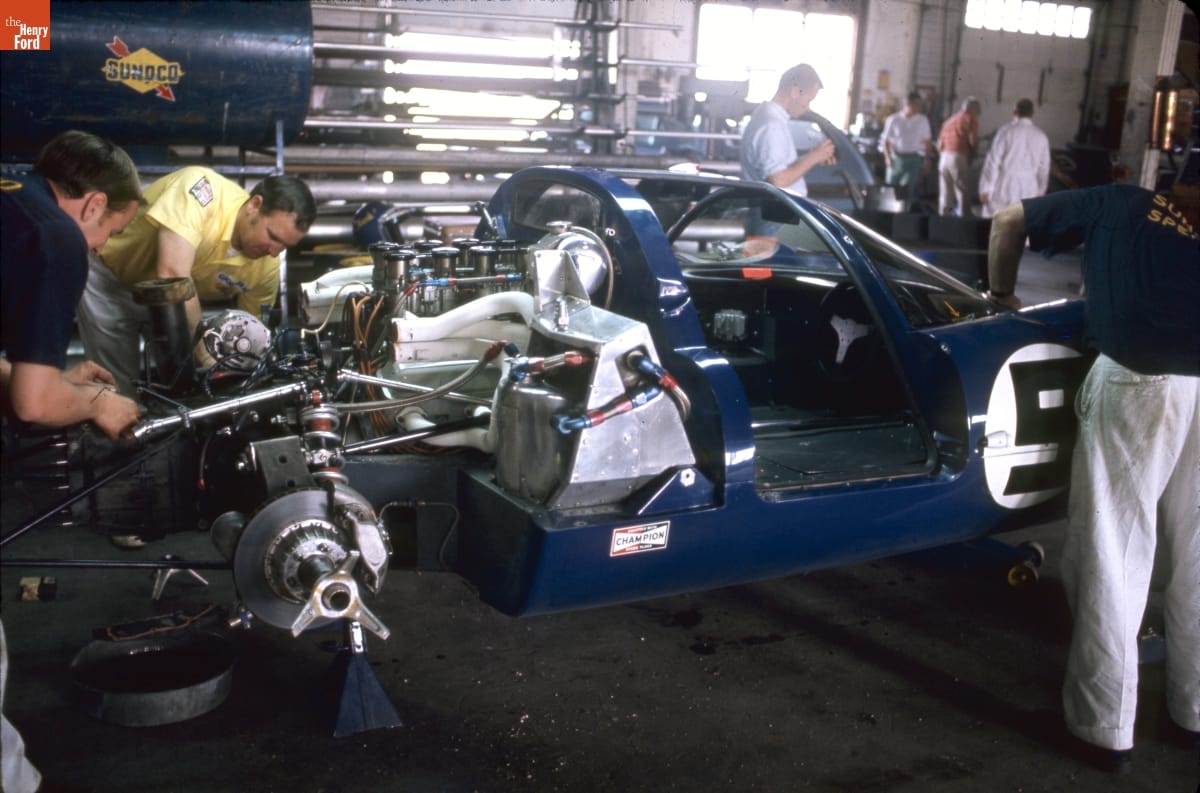
- 1969 24 Hours of Daytona - Dave Friedman has captured and preserved auto racing history through his own photography and his collection of works by other photographers. This image documents the race-day atmosphere surrounding the 1969 24 Hours of Daytona endurance race. An expected Porsche sweep vanished when all their factory cars failed to finish. A Roger Penske backed Lola, driven by Mark Donohue and Chuck Parsons, finished first.
- February 01, 1969
- Collections - Artifact
1969 24 Hours of Daytona
Dave Friedman has captured and preserved auto racing history through his own photography and his collection of works by other photographers. This image documents the race-day atmosphere surrounding the 1969 24 Hours of Daytona endurance race. An expected Porsche sweep vanished when all their factory cars failed to finish. A Roger Penske backed Lola, driven by Mark Donohue and Chuck Parsons, finished first.
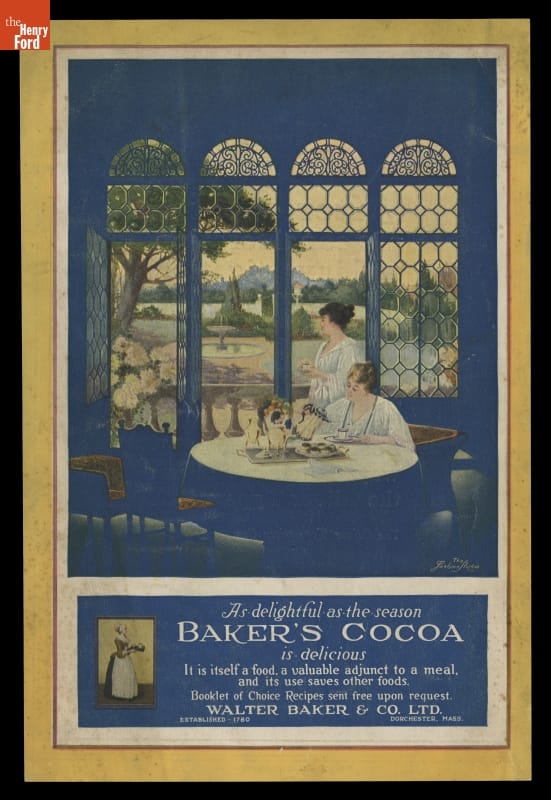
- Baker's Cocoa Advertisement, 1918, "As Delightful as the Season" - Baker's Chocolate Company is the oldest manufacturer of chocolate in the United States, dating back to 1780. It remained within the Baker family for over a century before being purchased by the Forbes Syndicate in 1896. Through advertisements, like this one, found in local and national newspapers as well as magazines, the company became a household name.
- 1918
- Collections - Artifact
Baker's Cocoa Advertisement, 1918, "As Delightful as the Season"
Baker's Chocolate Company is the oldest manufacturer of chocolate in the United States, dating back to 1780. It remained within the Baker family for over a century before being purchased by the Forbes Syndicate in 1896. Through advertisements, like this one, found in local and national newspapers as well as magazines, the company became a household name.
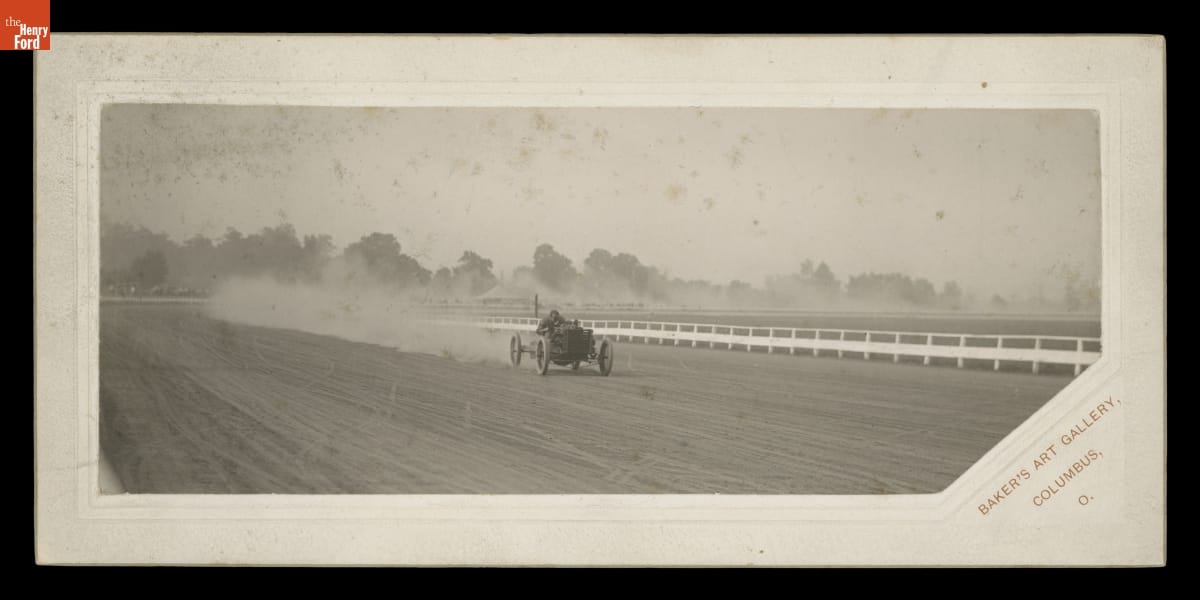
- Barney Oldfield Driving a Ford Race Car, 1902-1904 - After building this massive racing car in 1902, Henry Ford was reluctant to drive it. He hired a bicycle racer named Barney Oldfield, who would win many races at the controls of the Ford "999." Both men built careers on the car's success--Oldfield became America's first nationally famous race driver and Ford gained support for his next venture: Ford Motor Company.
- 1902 - 1904
- Collections - Artifact
Barney Oldfield Driving a Ford Race Car, 1902-1904
After building this massive racing car in 1902, Henry Ford was reluctant to drive it. He hired a bicycle racer named Barney Oldfield, who would win many races at the controls of the Ford "999." Both men built careers on the car's success--Oldfield became America's first nationally famous race driver and Ford gained support for his next venture: Ford Motor Company.
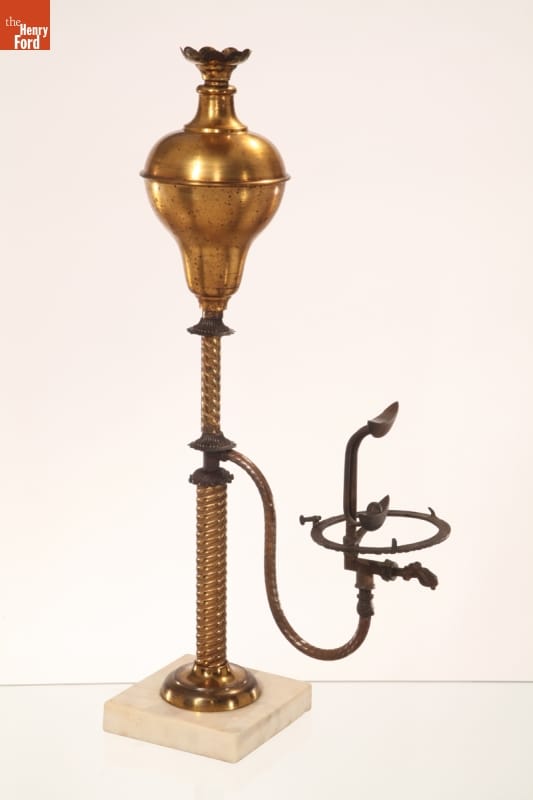
- Vapor Lamp, circa 1860 - Vapor lamps burned naphtha, a substance similar to gasoline, which burned brightly under pressure and contact with air. Used for general illumination, this stylish lamp would have been used in a public space or sat on a mantle in a home.
- circa 1860
- Collections - Artifact
Vapor Lamp, circa 1860
Vapor lamps burned naphtha, a substance similar to gasoline, which burned brightly under pressure and contact with air. Used for general illumination, this stylish lamp would have been used in a public space or sat on a mantle in a home.
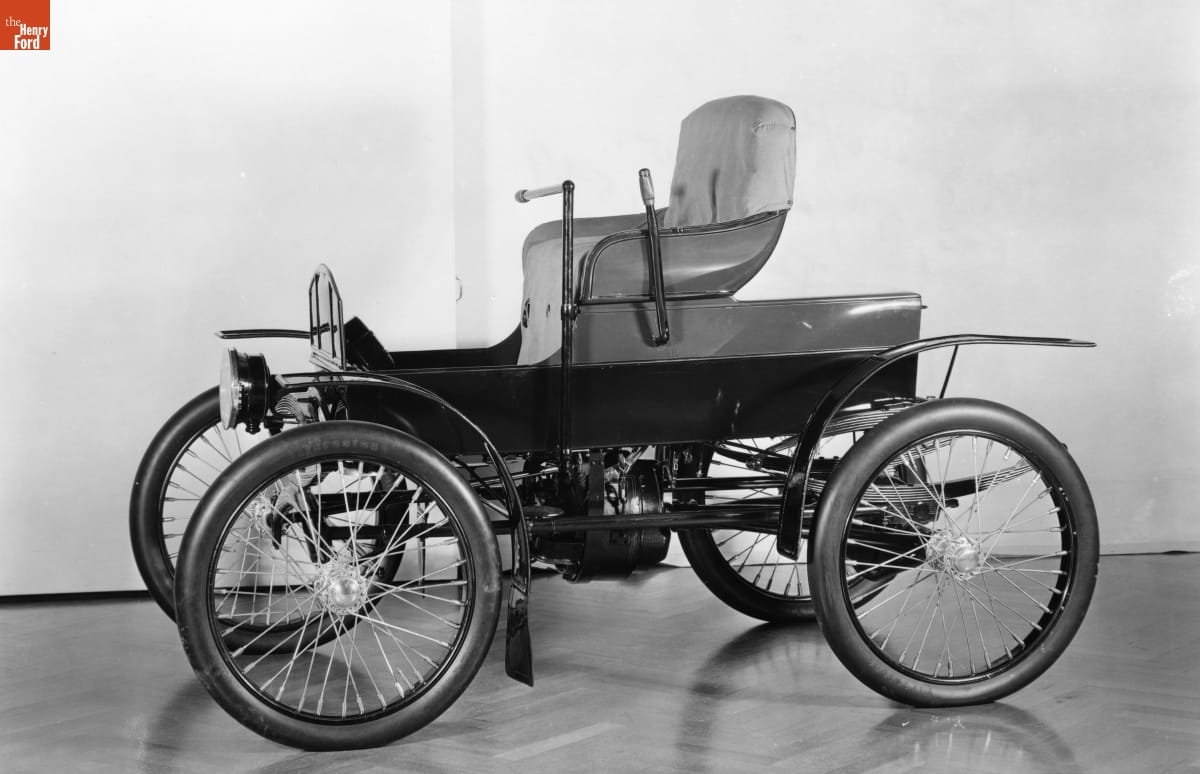
- 1901 Baker Electric Runabout - Walter C. Baker, an engineer from Cleveland, Ohio, partnered with F. Philip Dorn to build an electrically powered automobile in 1897. They organized the Baker Motor Vehicle Company in 1899. The company specialized in electric vehicles and, by 1905, its annual production was approximately 400 cars. Electricity competed against gasoline and steam as a popular power option for early automobiles.
- 1901
- Collections - Artifact
1901 Baker Electric Runabout
Walter C. Baker, an engineer from Cleveland, Ohio, partnered with F. Philip Dorn to build an electrically powered automobile in 1897. They organized the Baker Motor Vehicle Company in 1899. The company specialized in electric vehicles and, by 1905, its annual production was approximately 400 cars. Electricity competed against gasoline and steam as a popular power option for early automobiles.
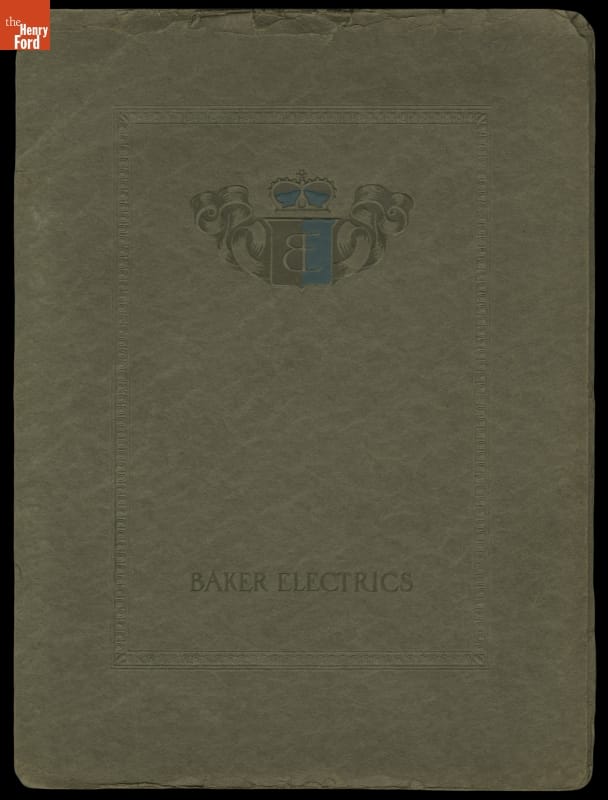
- Sales Catalog for Baker Electric Shaft Driven Automobiles, 1911 - The Baker Motor Vehicle Company produced this elaborately folded catalog to tout the quality of its electric vehicles. The company praised their automobile's modern shaft drive, its all-around efficiency, and its safety, comfort and low cost of operation. By mid-decade, however, sales of "electrics" were in decline. Gasoline-powered vehicles with internal combustion engines were dominating the market.
- 1911
- Collections - Artifact
Sales Catalog for Baker Electric Shaft Driven Automobiles, 1911
The Baker Motor Vehicle Company produced this elaborately folded catalog to tout the quality of its electric vehicles. The company praised their automobile's modern shaft drive, its all-around efficiency, and its safety, comfort and low cost of operation. By mid-decade, however, sales of "electrics" were in decline. Gasoline-powered vehicles with internal combustion engines were dominating the market.
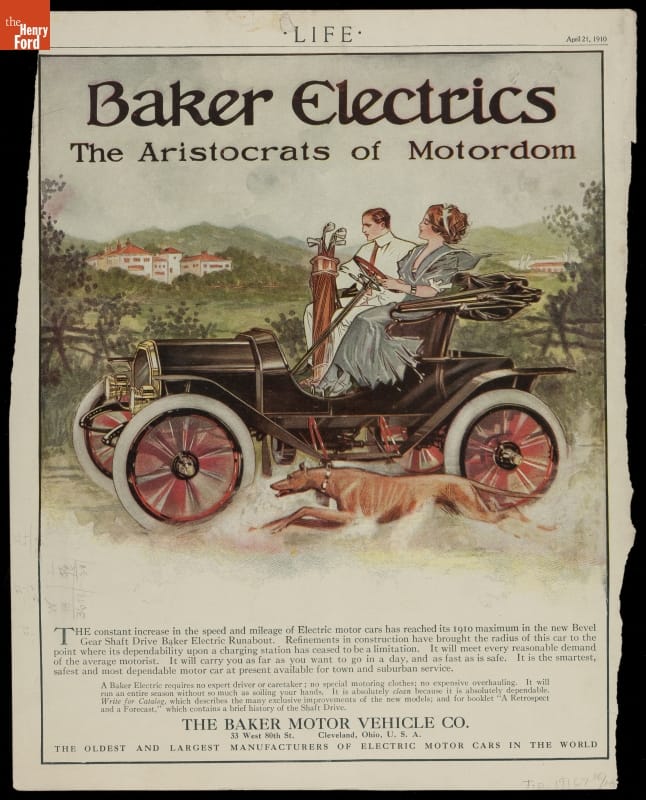
- 1910 Baker Electrics Advertisement, "The Aristocrats of Motordom" - This 1910 advertisement praised the Baker Motor Vehicle Company's electric cars as the "Aristocrats of Motordom." The ad touted the advantages of Baker electrics. Their vehicles were simple to use, reliable, safe, clean, and elegantly styled -- qualities apparently desired by many well-to-do customers.
- April 21, 1910
- Collections - Artifact
1910 Baker Electrics Advertisement, "The Aristocrats of Motordom"
This 1910 advertisement praised the Baker Motor Vehicle Company's electric cars as the "Aristocrats of Motordom." The ad touted the advantages of Baker electrics. Their vehicles were simple to use, reliable, safe, clean, and elegantly styled -- qualities apparently desired by many well-to-do customers.
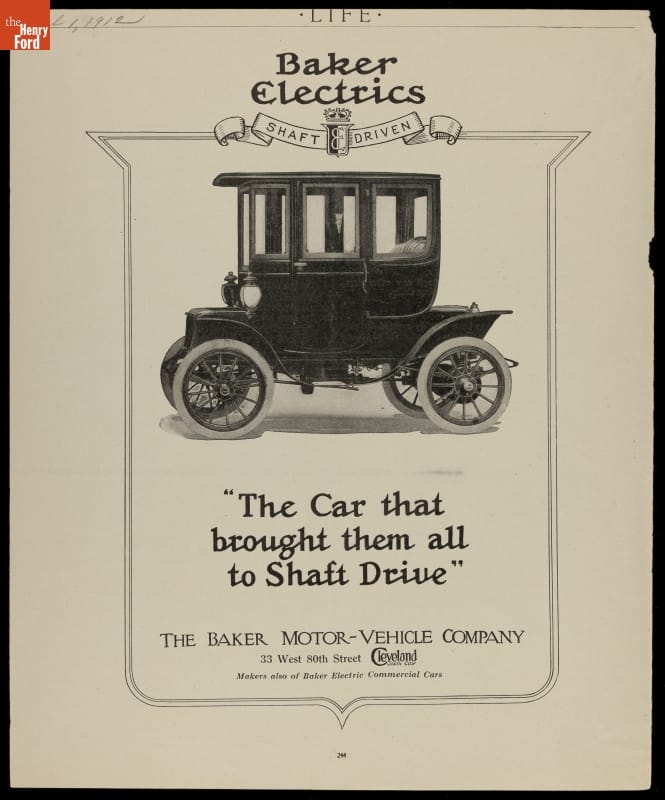
- 1912 Baker Electrics Advertisement, "The Car that Brought Them All to Shaft Drive" - This 1912 advertisement praised the Baker Motor Vehicle Company's engineering achievements as an electric car manufacturer. Similar ads touted the Baker electric vehicles as simple to use, reliable, safe, clean, and elegantly styled. Sales of "electrics," however, were beginning to decline. Gasoline-powered vehicles with internal combustion engines were beginning to dominate the market.
- February 01, 1912
- Collections - Artifact
1912 Baker Electrics Advertisement, "The Car that Brought Them All to Shaft Drive"
This 1912 advertisement praised the Baker Motor Vehicle Company's engineering achievements as an electric car manufacturer. Similar ads touted the Baker electric vehicles as simple to use, reliable, safe, clean, and elegantly styled. Sales of "electrics," however, were beginning to decline. Gasoline-powered vehicles with internal combustion engines were beginning to dominate the market.