
Search
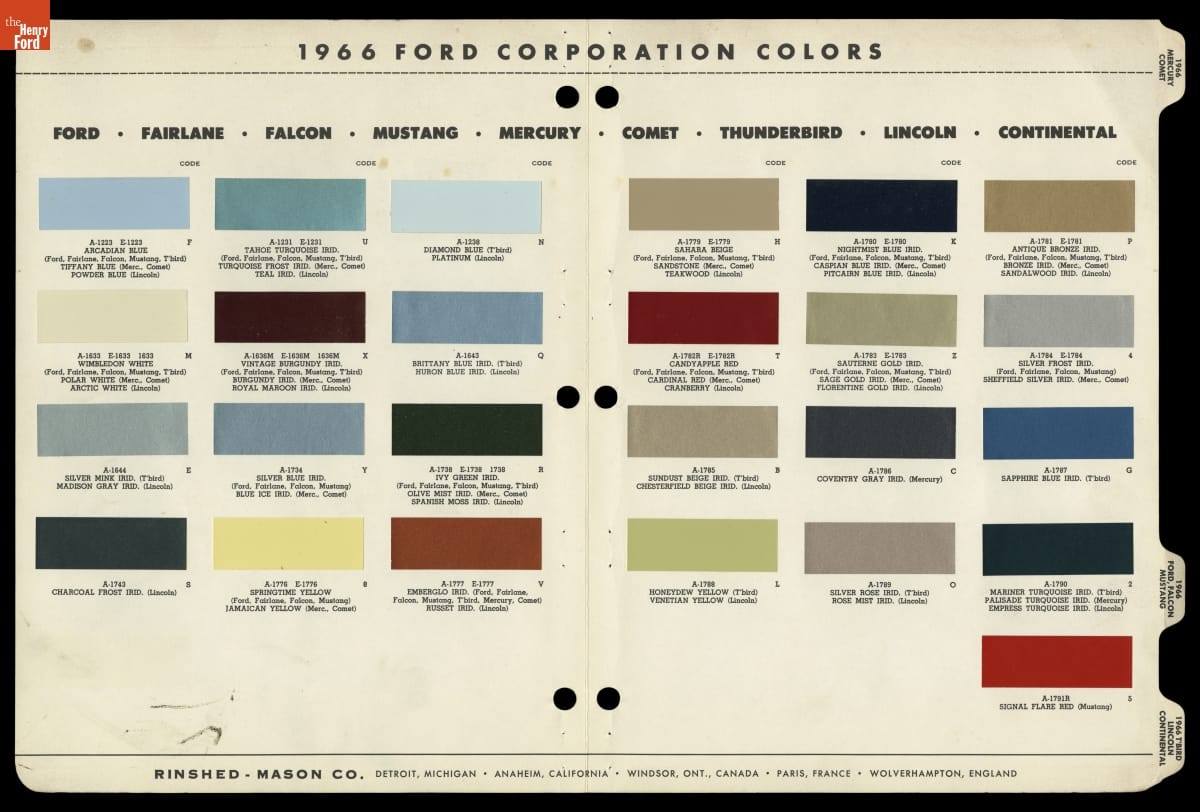
- Paint Color Sample Card for Ford, Lincoln and Mercury Cars, "1966 Ford Corporate Colors" - Fred Rinshed and Herbert Mason formed Rinshed-Mason Company in Detroit, Michigan, in 1919. Mr. Mason previously made hunting decoys, and his decoys had developed a reputation for long-lasting paint finishes. Rinshed-Mason soon became the largest paint supplier to Detroit's booming automotive industry. In 1931, the company introduced the first metallic finish for automobiles.
- 1966
- Collections - Artifact
Paint Color Sample Card for Ford, Lincoln and Mercury Cars, "1966 Ford Corporate Colors"
Fred Rinshed and Herbert Mason formed Rinshed-Mason Company in Detroit, Michigan, in 1919. Mr. Mason previously made hunting decoys, and his decoys had developed a reputation for long-lasting paint finishes. Rinshed-Mason soon became the largest paint supplier to Detroit's booming automotive industry. In 1931, the company introduced the first metallic finish for automobiles.
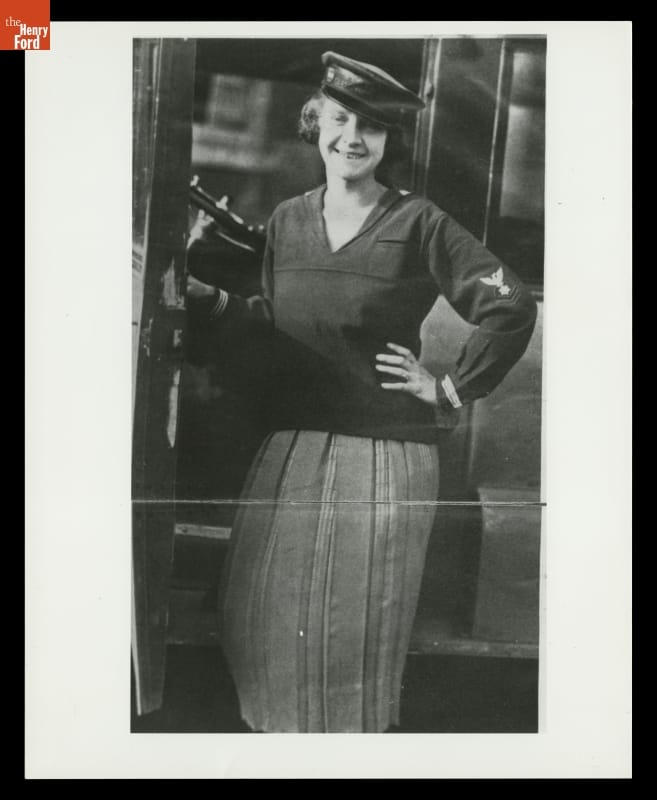
- Helen M. Schultz Brewer, Owner of Red Ball Bus Company, Iowa, circa 1924 - Helen M. Schultz started the Red Ball Transportation Company in 1922 with buses running from Waterloo to Des Moines, Iowa. Schultz met many challenges while establishing her business, including competition from rival bus lines and the railroad, government regulations, and poor highway conditions. She sold Red Ball to the Jefferson Highway Transportation Company in 1930.
- circa 1924
- Collections - Artifact
Helen M. Schultz Brewer, Owner of Red Ball Bus Company, Iowa, circa 1924
Helen M. Schultz started the Red Ball Transportation Company in 1922 with buses running from Waterloo to Des Moines, Iowa. Schultz met many challenges while establishing her business, including competition from rival bus lines and the railroad, government regulations, and poor highway conditions. She sold Red Ball to the Jefferson Highway Transportation Company in 1930.
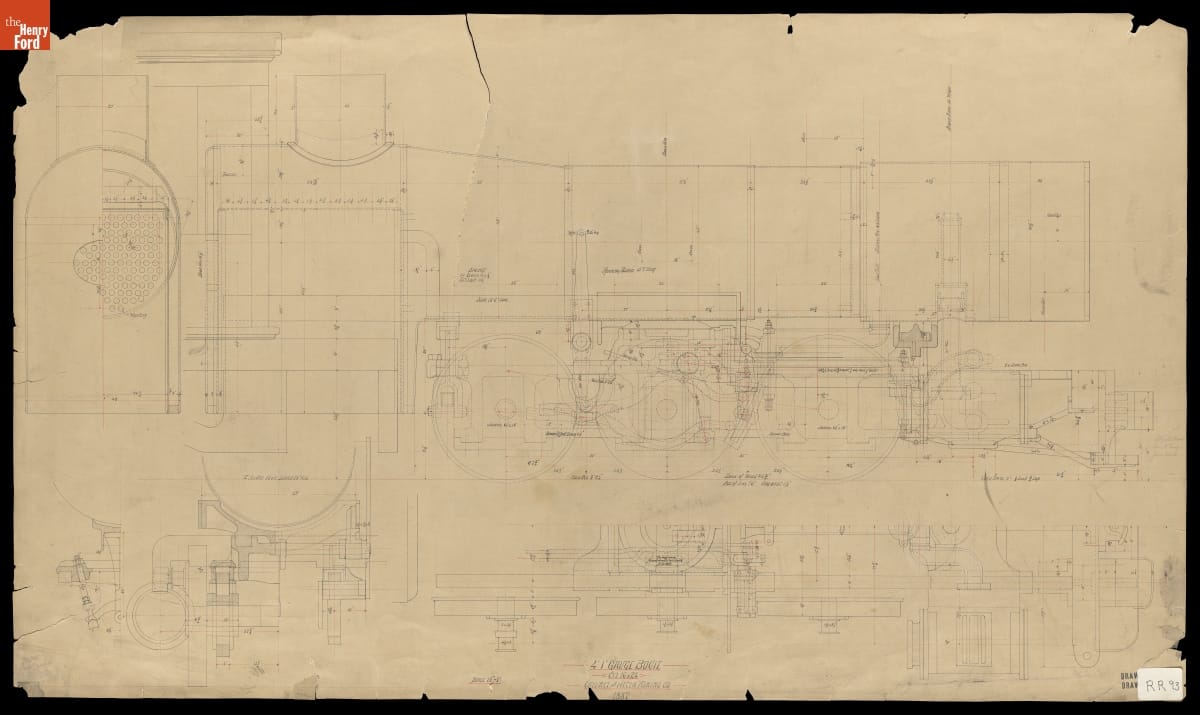
- Drawing, 4'1" Gauge Bogie, CYL 16 x 24, Calumet & Hecla Mining Co., 1887 - Born in Mystic, Connecticut, in 1808, William Mason designed and built machines for New England's thriving textile industry before joining the locomotive business in 1852. His Mason Machine Works factory in Taunton, Massachusetts, turned out quality locomotives in a variety of gauges for both mainline and industrial railroads. The company ended locomotive production after Mason's death in 1883.
- 1887
- Collections - Artifact
Drawing, 4'1" Gauge Bogie, CYL 16 x 24, Calumet & Hecla Mining Co., 1887
Born in Mystic, Connecticut, in 1808, William Mason designed and built machines for New England's thriving textile industry before joining the locomotive business in 1852. His Mason Machine Works factory in Taunton, Massachusetts, turned out quality locomotives in a variety of gauges for both mainline and industrial railroads. The company ended locomotive production after Mason's death in 1883.
- Long-Tailed Duck Decoy, 1896-1924 -
- 1896-1924
- Collections - Artifact
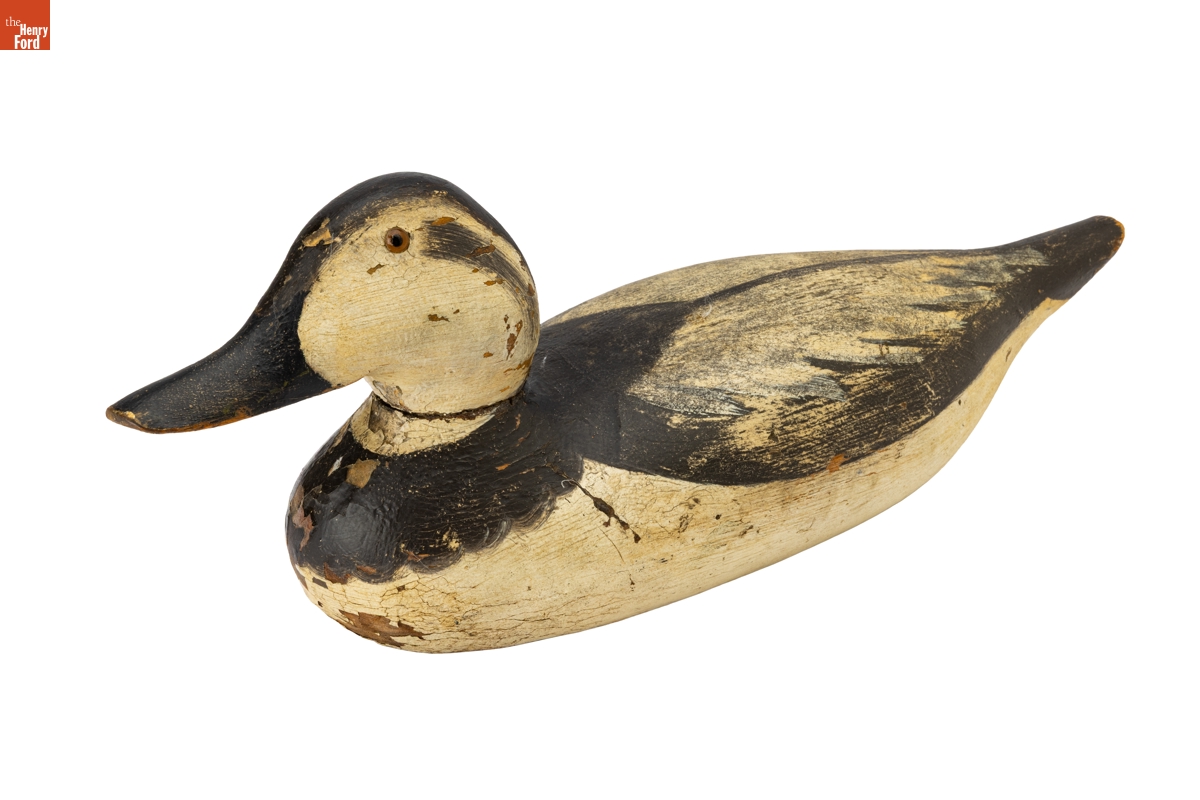
Long-Tailed Duck Decoy, 1896-1924
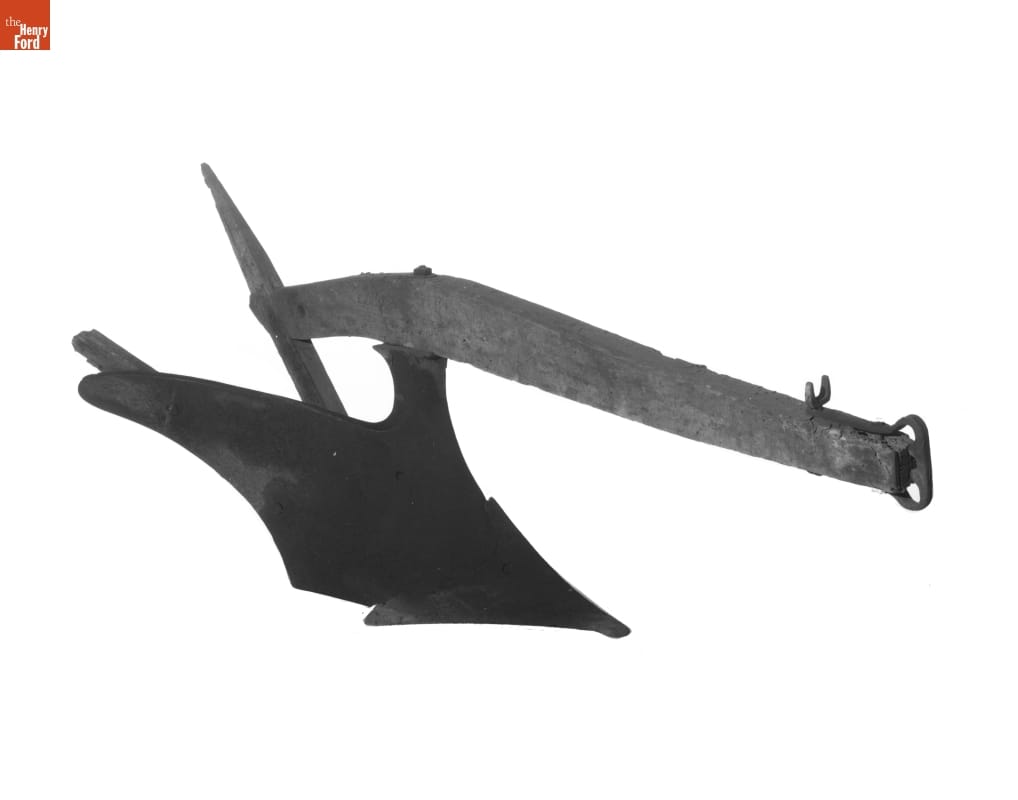
- Ruggles, Nourse & Mason Plow, circa 1850 -
- circa 1850
- Collections - Artifact
Ruggles, Nourse & Mason Plow, circa 1850
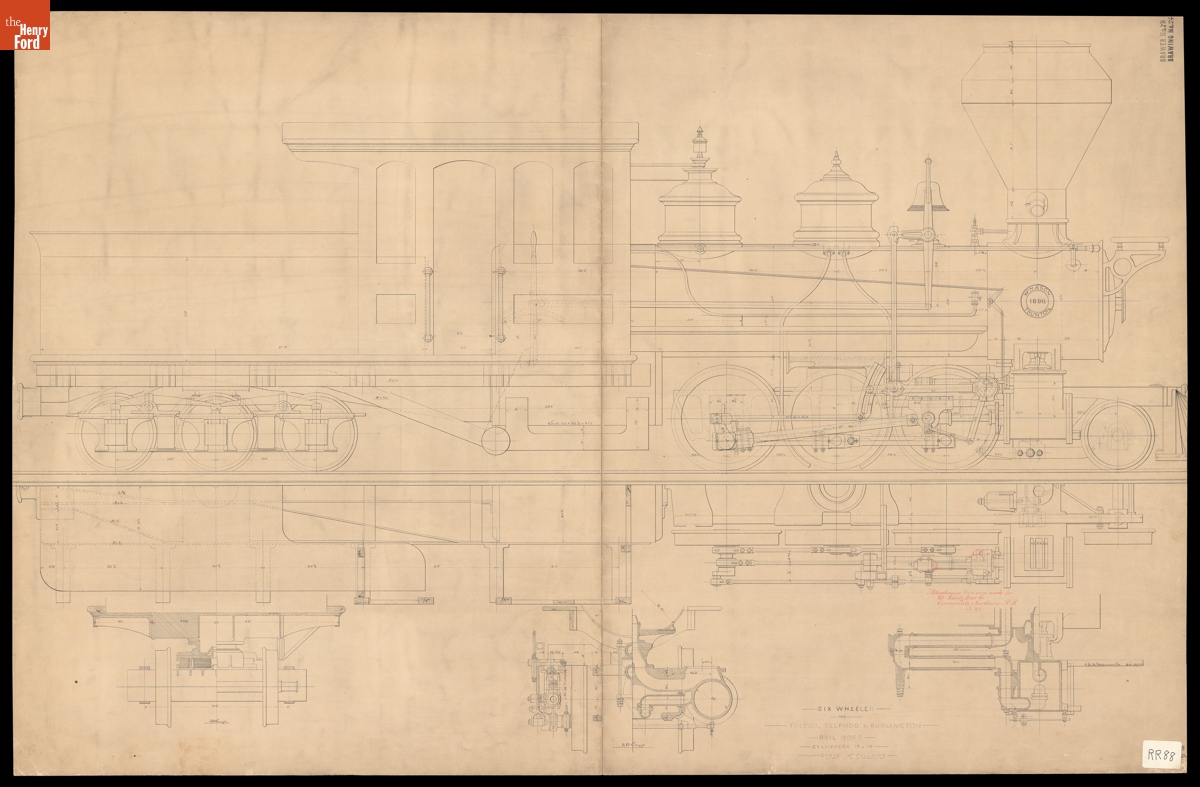
- Six Wheeler, Toledo, Delphos & Burlington Railroad -
- Collections - Artifact
Six Wheeler, Toledo, Delphos & Burlington Railroad
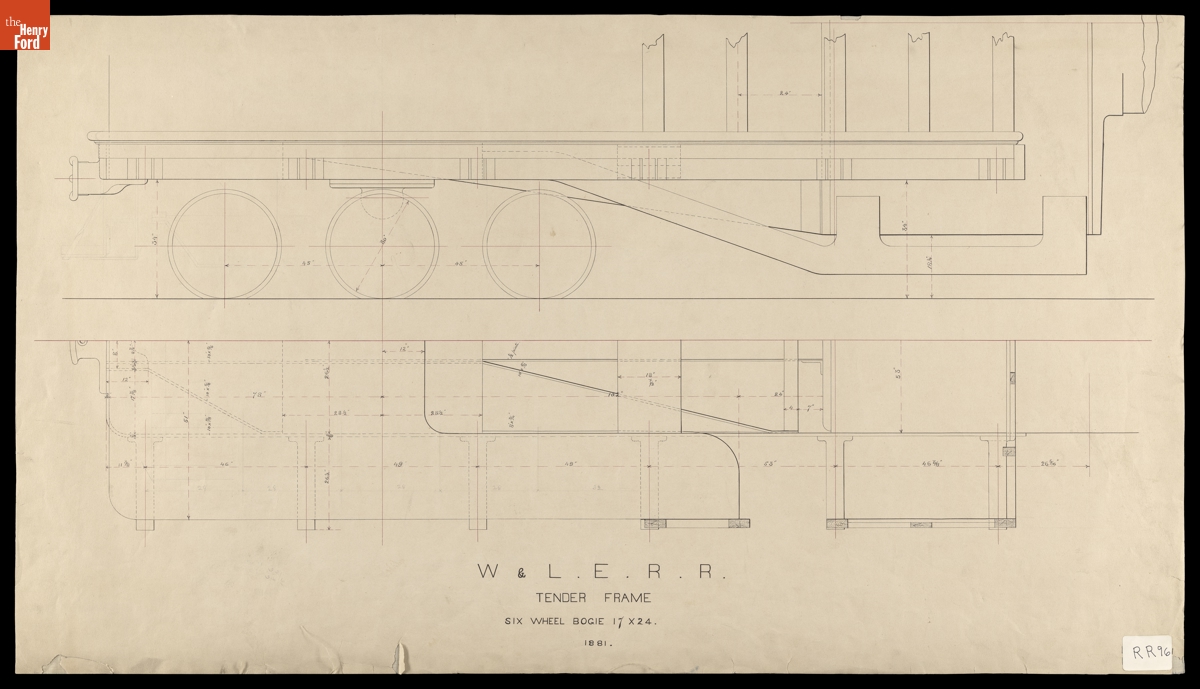
- Tender Frame, 17 x 24 Six Wheel Bogie, Wheeling & Lake Erie Railroad, 1881 -
- 1881
- Collections - Artifact
Tender Frame, 17 x 24 Six Wheel Bogie, Wheeling & Lake Erie Railroad, 1881
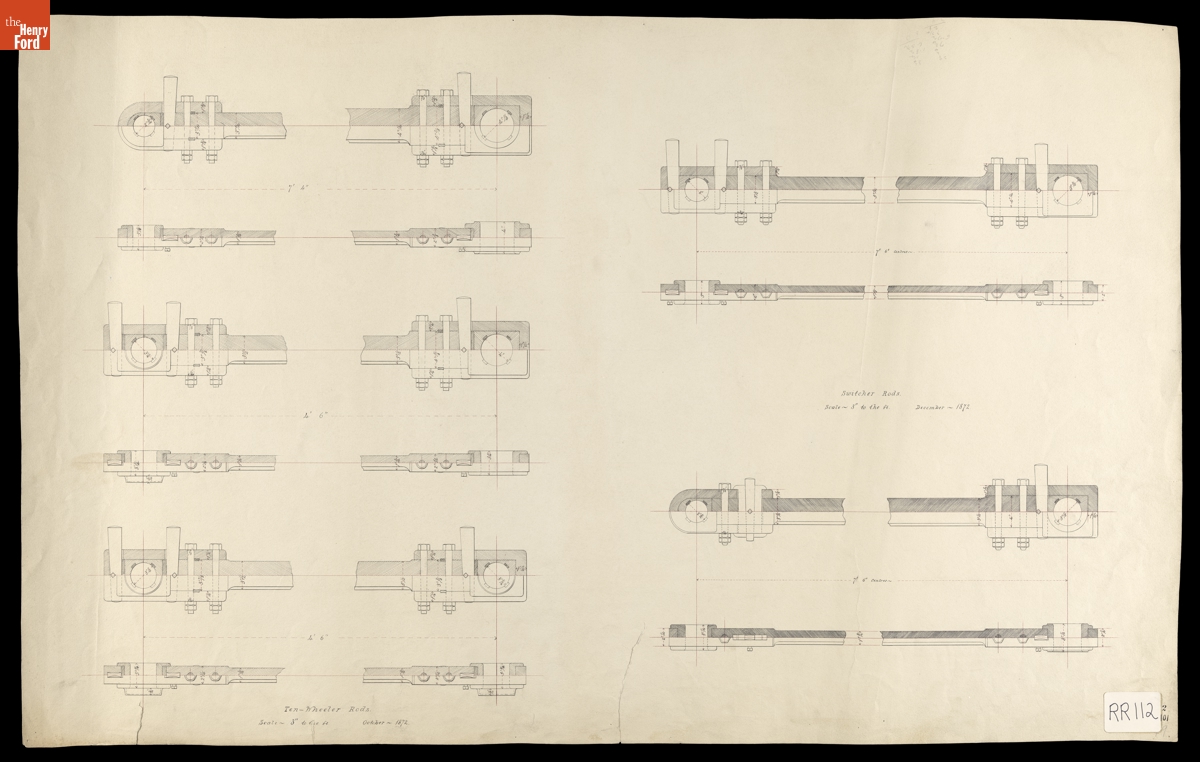
- Ten-Wheeler Rods, October 1872 -
- October 01, 1872
- Collections - Artifact
Ten-Wheeler Rods, October 1872
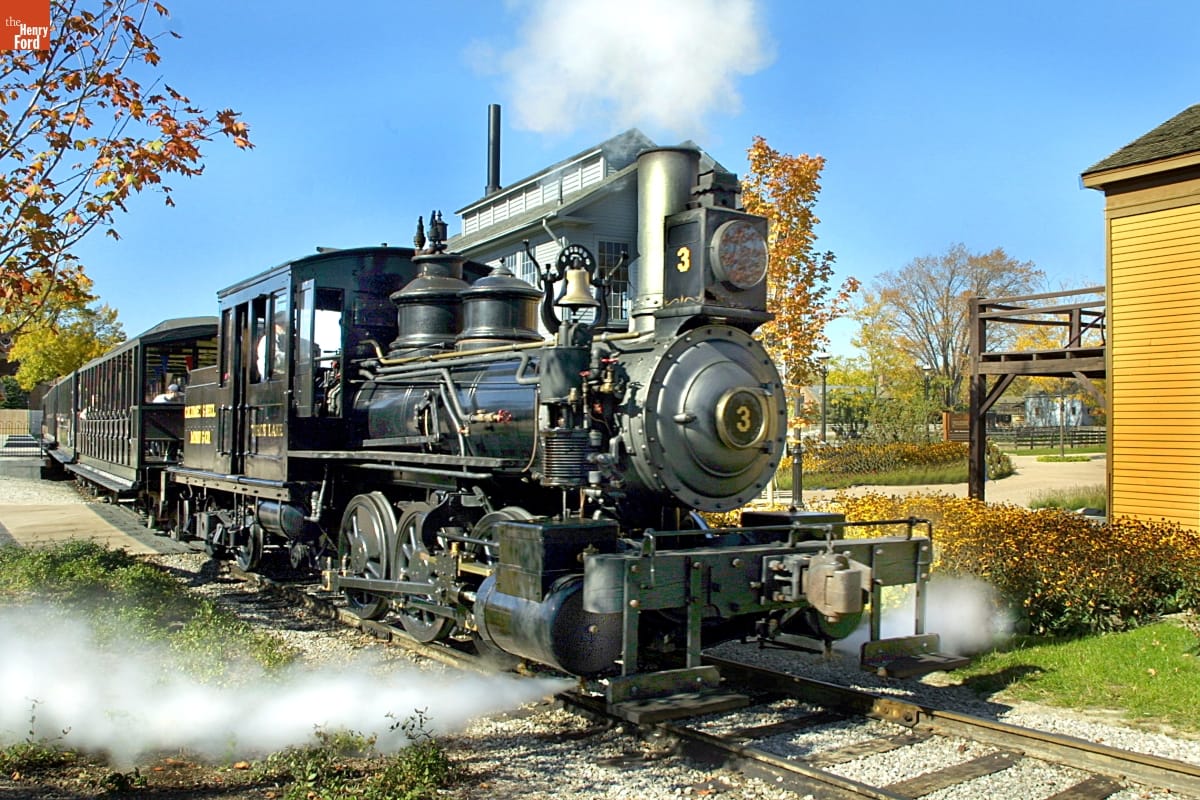
- Torch Lake Steam Locomotive, 1873 - <EM>Torch Lake</EM>, built by Mason Machine Works in 1873, hauled ore for the Calumet and Hecla Mining Company on Michigan's Keweenaw Peninsula. The engine is an articulated design. The driving wheels pivot under the boiler, allowing the locomotive to handle sharp curves. <EM>Torch Lake</EM> joined The Henry Ford's collection in 1969.
- 1873
- Collections - Artifact
Torch Lake Steam Locomotive, 1873
Torch Lake, built by Mason Machine Works in 1873, hauled ore for the Calumet and Hecla Mining Company on Michigan's Keweenaw Peninsula. The engine is an articulated design. The driving wheels pivot under the boiler, allowing the locomotive to handle sharp curves. Torch Lake joined The Henry Ford's collection in 1969.
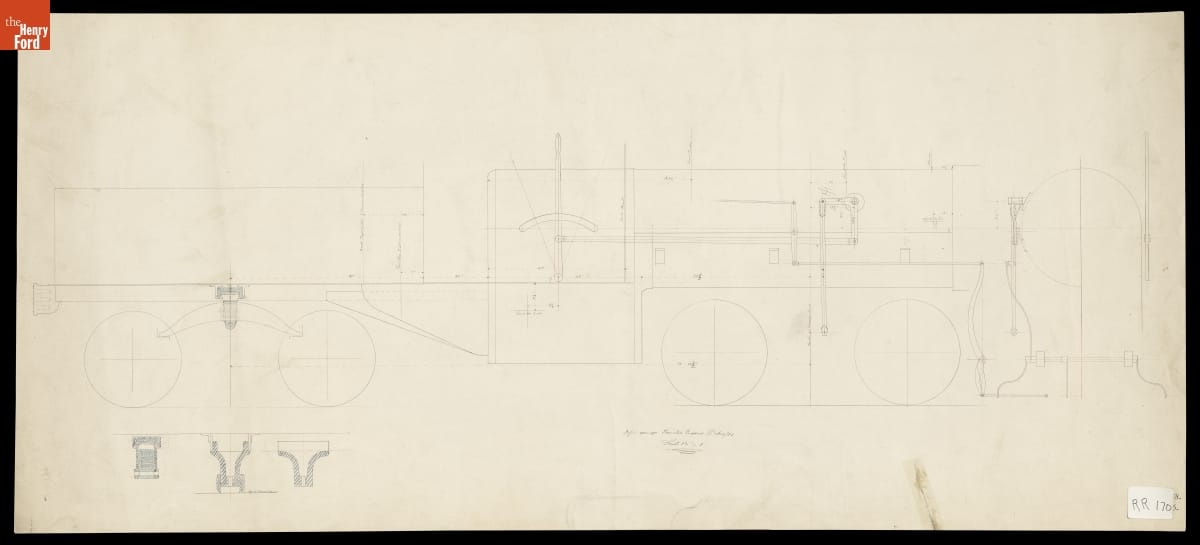
- "3 ft gauge Fairlie Engine Dec/71" - Born in Mystic, Connecticut, in 1808, William Mason designed and built machines for New England's thriving textile industry before joining the locomotive business in 1852. His Mason Machine Works factory in Taunton, Massachusetts, turned out quality locomotives in a variety of gauges for both mainline and industrial railroads. The company ended locomotive production after Mason's death in 1883.
- 1871
- Collections - Artifact
"3 ft gauge Fairlie Engine Dec/71"
Born in Mystic, Connecticut, in 1808, William Mason designed and built machines for New England's thriving textile industry before joining the locomotive business in 1852. His Mason Machine Works factory in Taunton, Massachusetts, turned out quality locomotives in a variety of gauges for both mainline and industrial railroads. The company ended locomotive production after Mason's death in 1883.