
Search
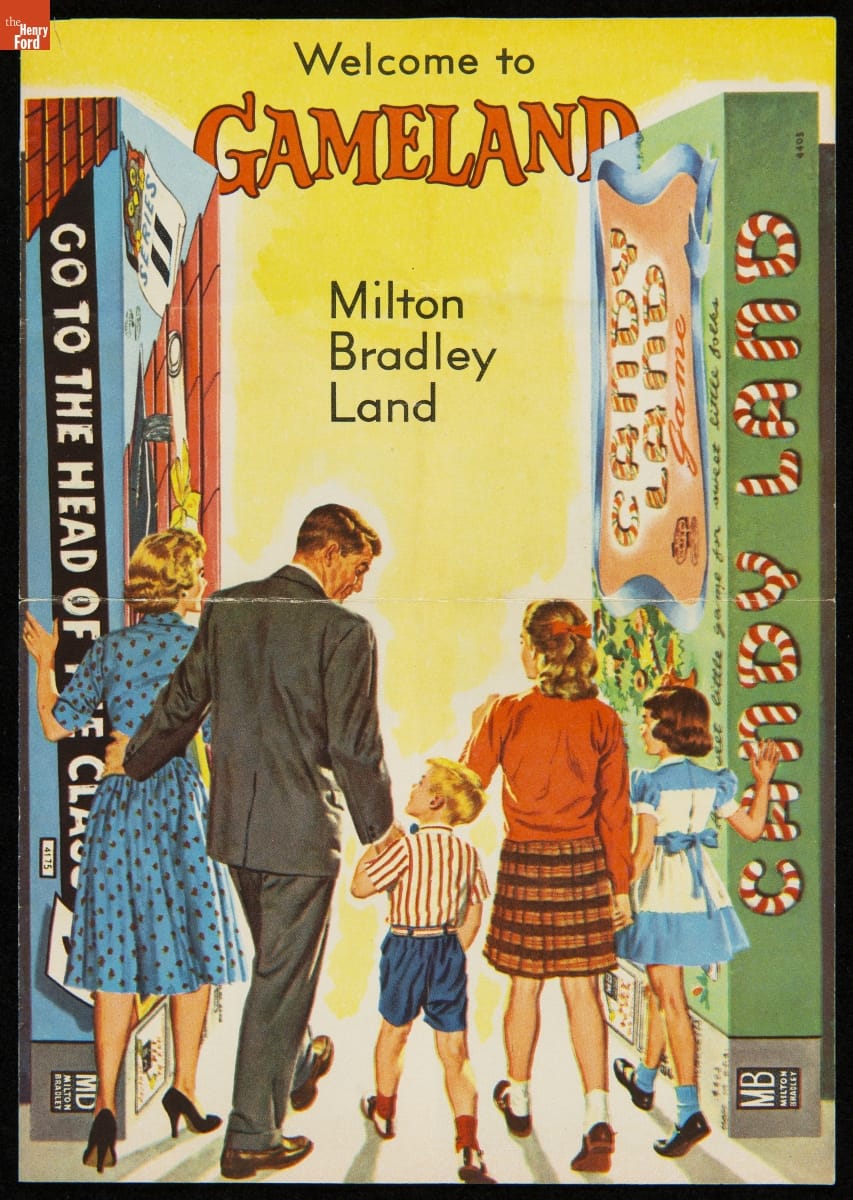
- Milton Bradley Company Catalog, "Welcome to Gameland," 1964 - Milton Bradley, a Springfield, Massachusetts, lithographer, published his first board game in 1860. It was a hit, and Bradley soon became a leader in the growing American game business. By his death in 1911, Bradley's company was one of the nation's best known and most prolific game and toy manufacturers. Milton Bradley products remained popular even after the company's 1984 acquisition by Hasbro, Inc.
- 1964
- Collections - Artifact
Milton Bradley Company Catalog, "Welcome to Gameland," 1964
Milton Bradley, a Springfield, Massachusetts, lithographer, published his first board game in 1860. It was a hit, and Bradley soon became a leader in the growing American game business. By his death in 1911, Bradley's company was one of the nation's best known and most prolific game and toy manufacturers. Milton Bradley products remained popular even after the company's 1984 acquisition by Hasbro, Inc.
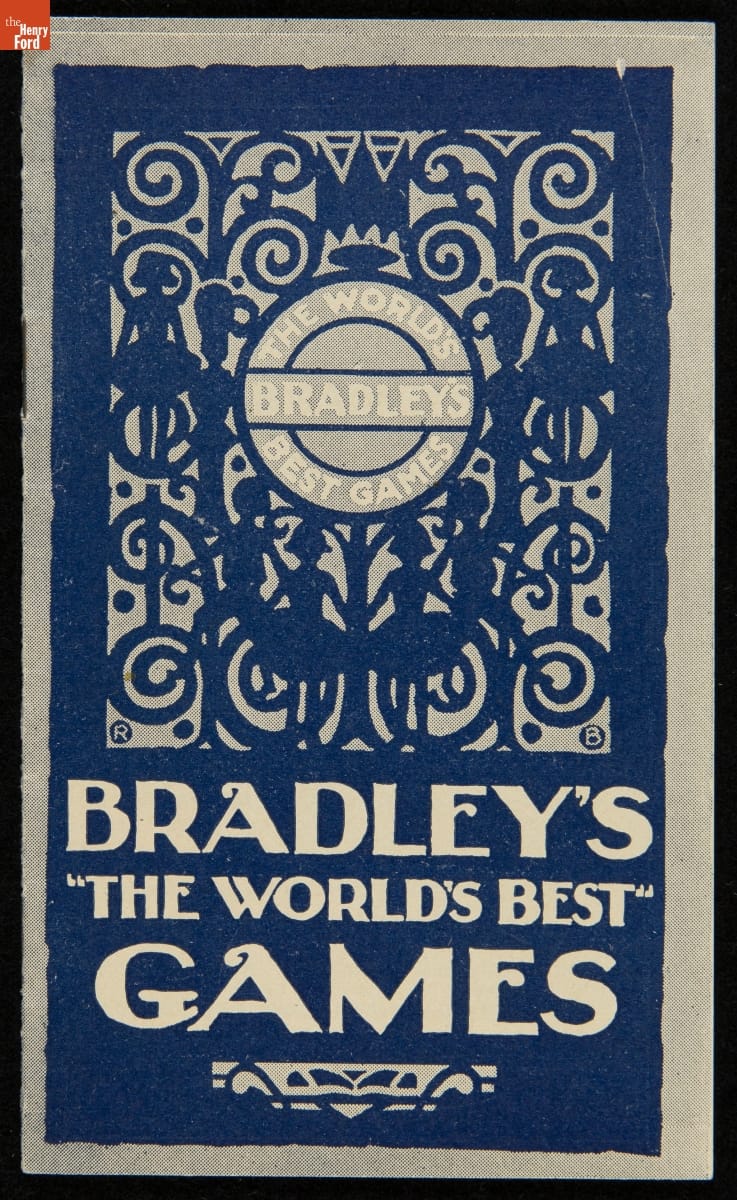
- Milton Bradley Company Trade Catalog, "Bradley's The World's Best Games," 1919-1920 - Milton Bradley, a Springfield, Massachusetts, lithographer, published his first board game in 1860. It was a hit, and Bradley soon became a leader in the growing American game business. By his death in 1911, Bradley's company was one of the nation's best known and most prolific game and toy manufacturers. Milton Bradley products remained popular even after the company's 1984 acquisition by Hasbro, Inc.
- 1919-1920
- Collections - Artifact
Milton Bradley Company Trade Catalog, "Bradley's The World's Best Games," 1919-1920
Milton Bradley, a Springfield, Massachusetts, lithographer, published his first board game in 1860. It was a hit, and Bradley soon became a leader in the growing American game business. By his death in 1911, Bradley's company was one of the nation's best known and most prolific game and toy manufacturers. Milton Bradley products remained popular even after the company's 1984 acquisition by Hasbro, Inc.
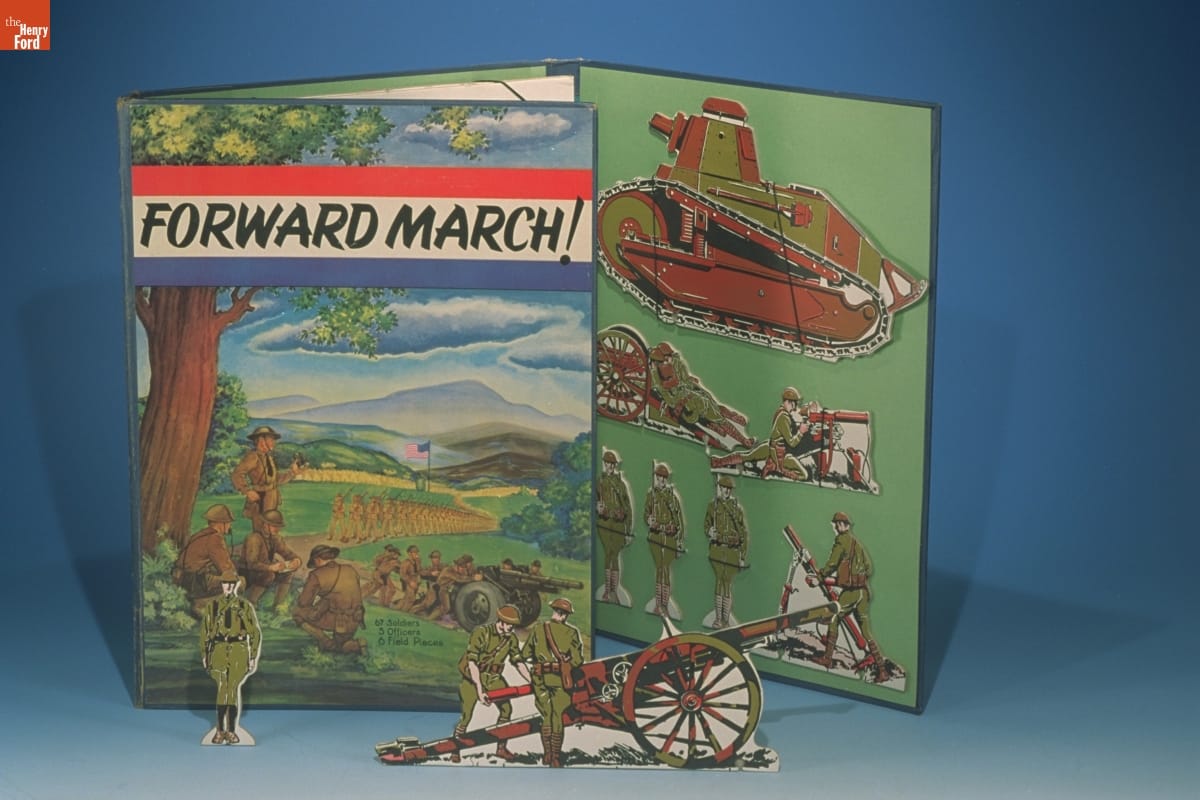
- "Forward March!" Military Play Set, 1941-1945 - Leading game manufacturer Milton Bradley acquired the McLoughlin Bros. publishing firm, known for its pioneering use of color printing technologies, in 1920. The company continued publishing books and other products through its McLoughlin division into the 1940s. This McLoughlin-branded playset included World War I-era soldiers and military equipment.
- 1941-1945
- Collections - Artifact
"Forward March!" Military Play Set, 1941-1945
Leading game manufacturer Milton Bradley acquired the McLoughlin Bros. publishing firm, known for its pioneering use of color printing technologies, in 1920. The company continued publishing books and other products through its McLoughlin division into the 1940s. This McLoughlin-branded playset included World War I-era soldiers and military equipment.
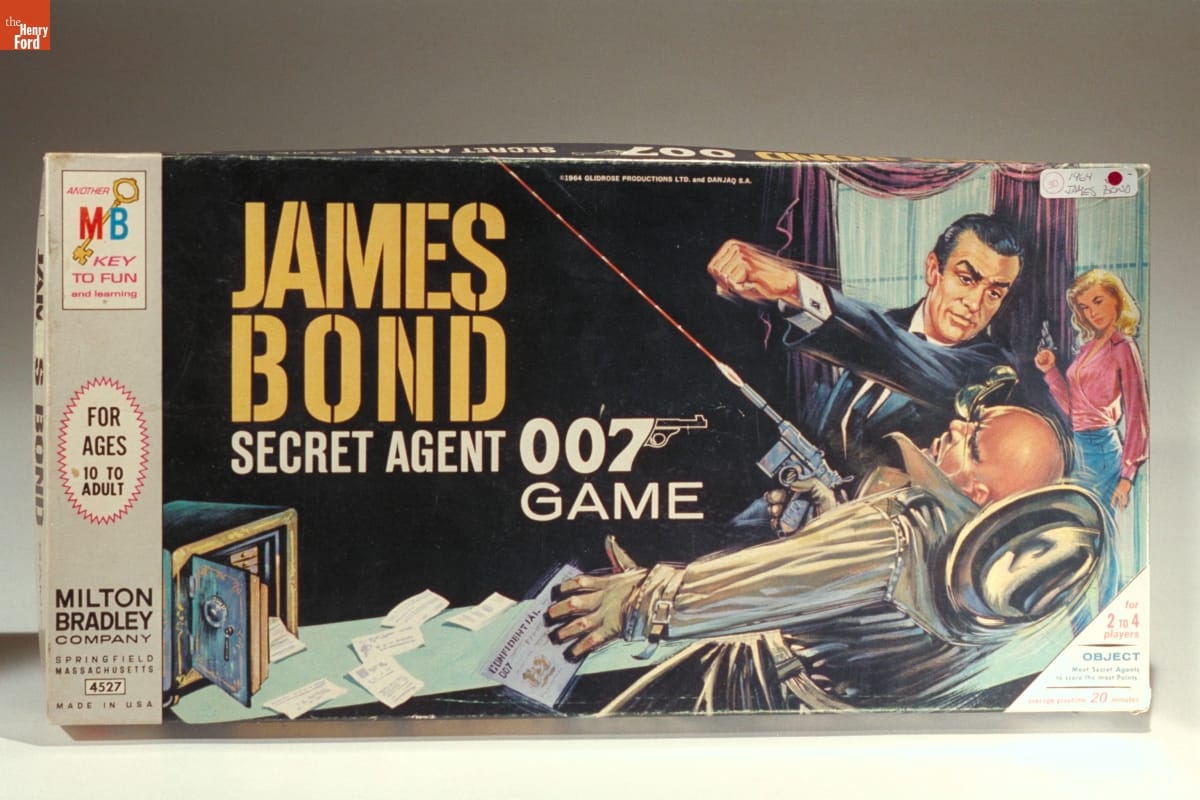
- James Bond: Secret Agent 007 Game, 1964-1970 - In 1953, author Ian Fleming created the fictional character James Bond -- an agent in the British Secret Service code-named 007. The success of the Bond films in the early 1960s led Milton Bradley to capitalize on this popular-culture icon. Players maneuver their spies around the board to gain points and win the game.
- 1964-1970
- Collections - Artifact
James Bond: Secret Agent 007 Game, 1964-1970
In 1953, author Ian Fleming created the fictional character James Bond -- an agent in the British Secret Service code-named 007. The success of the Bond films in the early 1960s led Milton Bradley to capitalize on this popular-culture icon. Players maneuver their spies around the board to gain points and win the game.
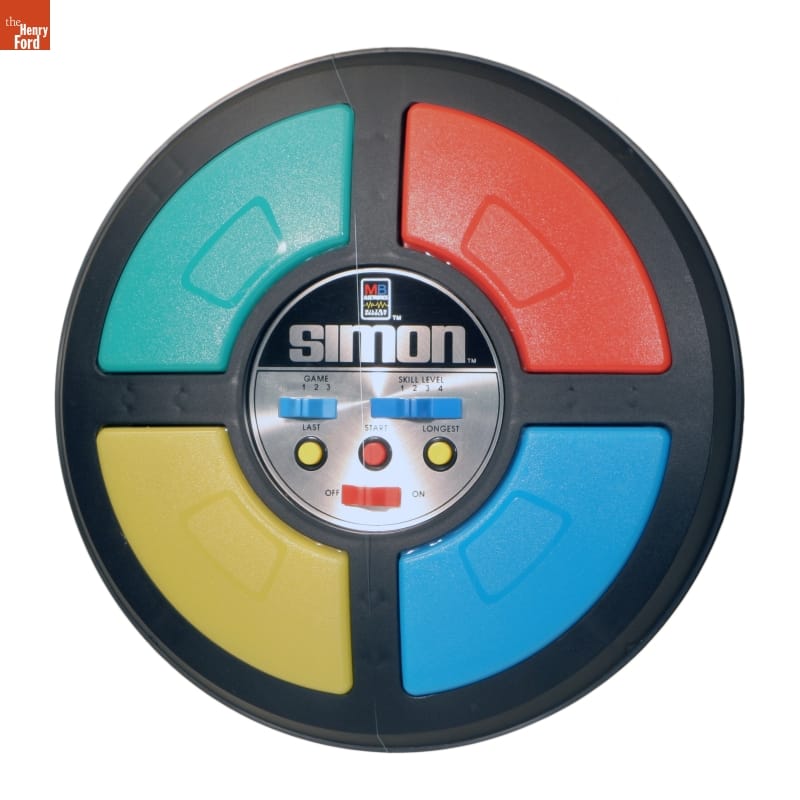
- Simon Game, 1978-1983 - Milton Bradley introduced Simon in 1978. An electronic version of "Simon Says," the game challenged players to repeat a simple sequence by pressing large, colored buttons. Simon flashed and beeped its way into becoming one of the most popular electronic games of the 1970s and early 1980s. It also eased the way for public acceptance of computer-generated play.
- 1978-1983
- Collections - Artifact
Simon Game, 1978-1983
Milton Bradley introduced Simon in 1978. An electronic version of "Simon Says," the game challenged players to repeat a simple sequence by pressing large, colored buttons. Simon flashed and beeped its way into becoming one of the most popular electronic games of the 1970s and early 1980s. It also eased the way for public acceptance of computer-generated play.
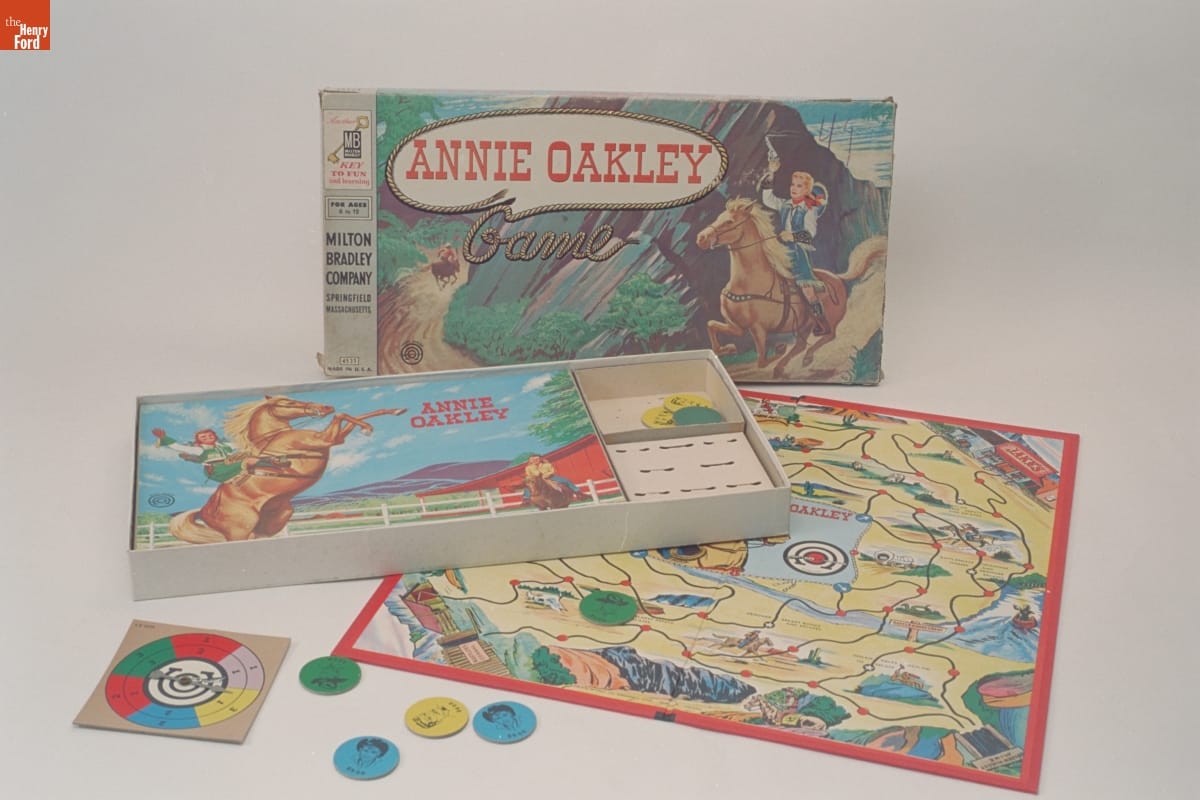
- Annie Oakley Game, 1955-1965 - After World War II, large game companies sought to obtain rights to manufacture games based on television shows. The Annie Oakley Show, which ran from 1954 to 1957, told fictional stories about the late-nineteenth-century, real-life female sharpshooter. Milton Bradley made this simple children's game to capitalize on the show.
- 1955-1965
- Collections - Artifact
Annie Oakley Game, 1955-1965
After World War II, large game companies sought to obtain rights to manufacture games based on television shows. The Annie Oakley Show, which ran from 1954 to 1957, told fictional stories about the late-nineteenth-century, real-life female sharpshooter. Milton Bradley made this simple children's game to capitalize on the show.
- Battleship Game, 1985-1991 - Battleship by Milton Bradley has been produced since 1967 -- the game's concept however is older. Players hide their ships on separate grids, then alternate firing shots at the opposing player trying to find and sink their fleet. This 1980s version used black cases, red and white markers and plastic ships; earlier ship target games used only pencil and paper.

- 1985-1991
- Collections - Artifact
Battleship Game, 1985-1991
Battleship by Milton Bradley has been produced since 1967 -- the game's concept however is older. Players hide their ships on separate grids, then alternate firing shots at the opposing player trying to find and sink their fleet. This 1980s version used black cases, red and white markers and plastic ships; earlier ship target games used only pencil and paper.
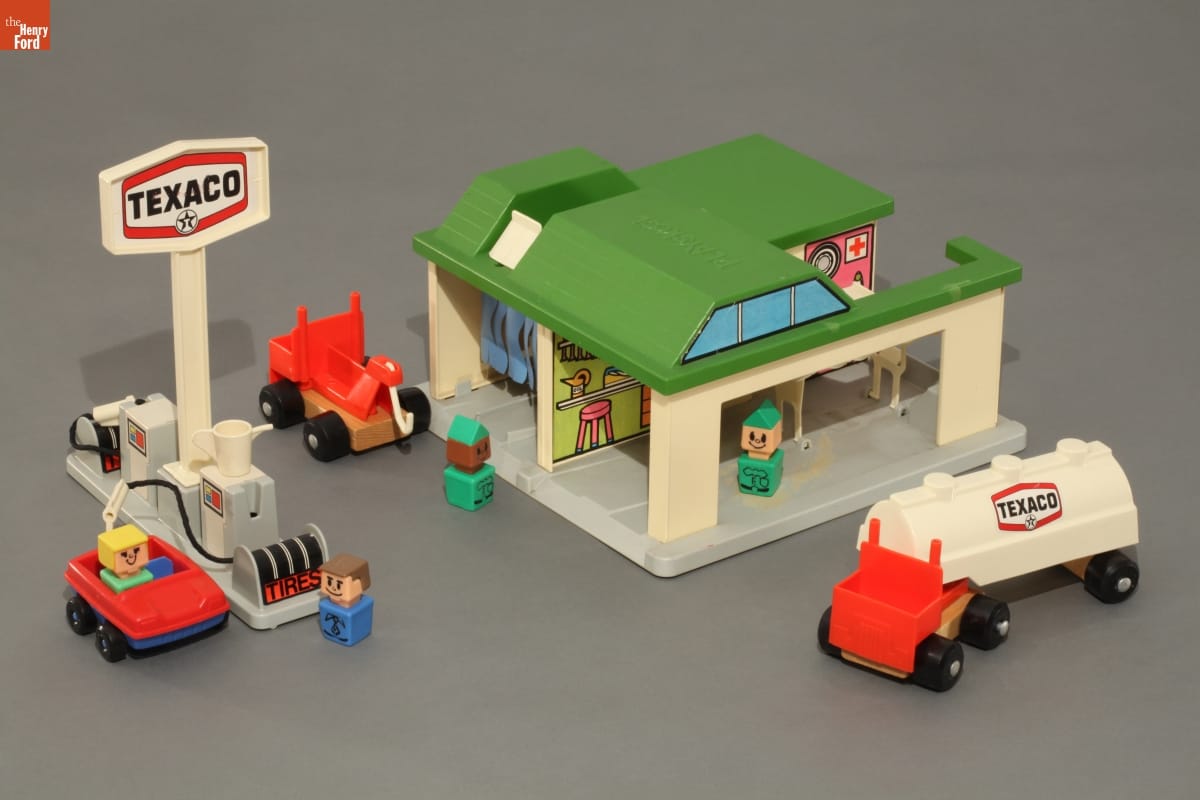
- Playskool Texaco Station Play Set, 1975 -
- 1975-1979
- Collections - Artifact
Playskool Texaco Station Play Set, 1975
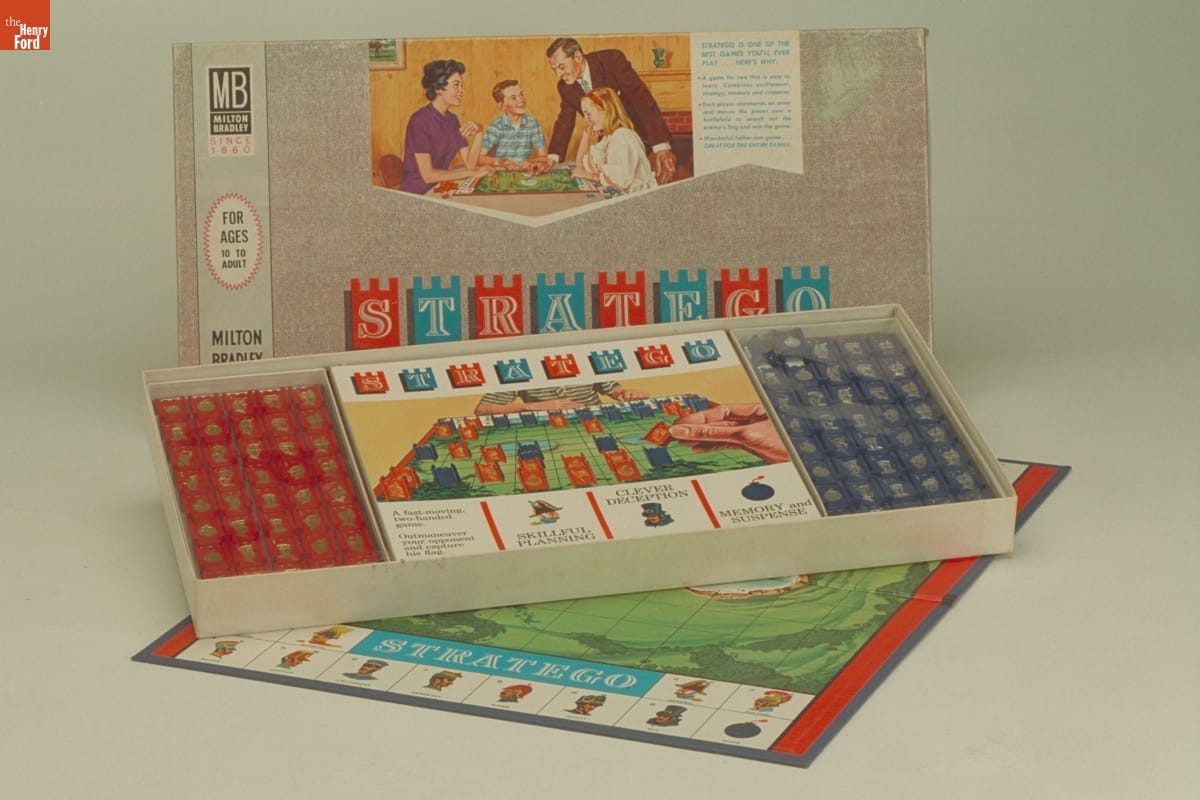
- Stratego Game, 1962-1965 - Players strategically place their flag and playing pieces to win Stratego, a favorite board game from Milton Bradley. Military ranked pieces (Marshall, General, Colonel, etc.) are used to search for the enemy's flag. However, the enemy can capture your soldier with their higher ranked pieces. And beware of bombs! Milton Bradley bought the rights to the game in 1961.
- 1962-1965
- Collections - Artifact
Stratego Game, 1962-1965
Players strategically place their flag and playing pieces to win Stratego, a favorite board game from Milton Bradley. Military ranked pieces (Marshall, General, Colonel, etc.) are used to search for the enemy's flag. However, the enemy can capture your soldier with their higher ranked pieces. And beware of bombs! Milton Bradley bought the rights to the game in 1961.
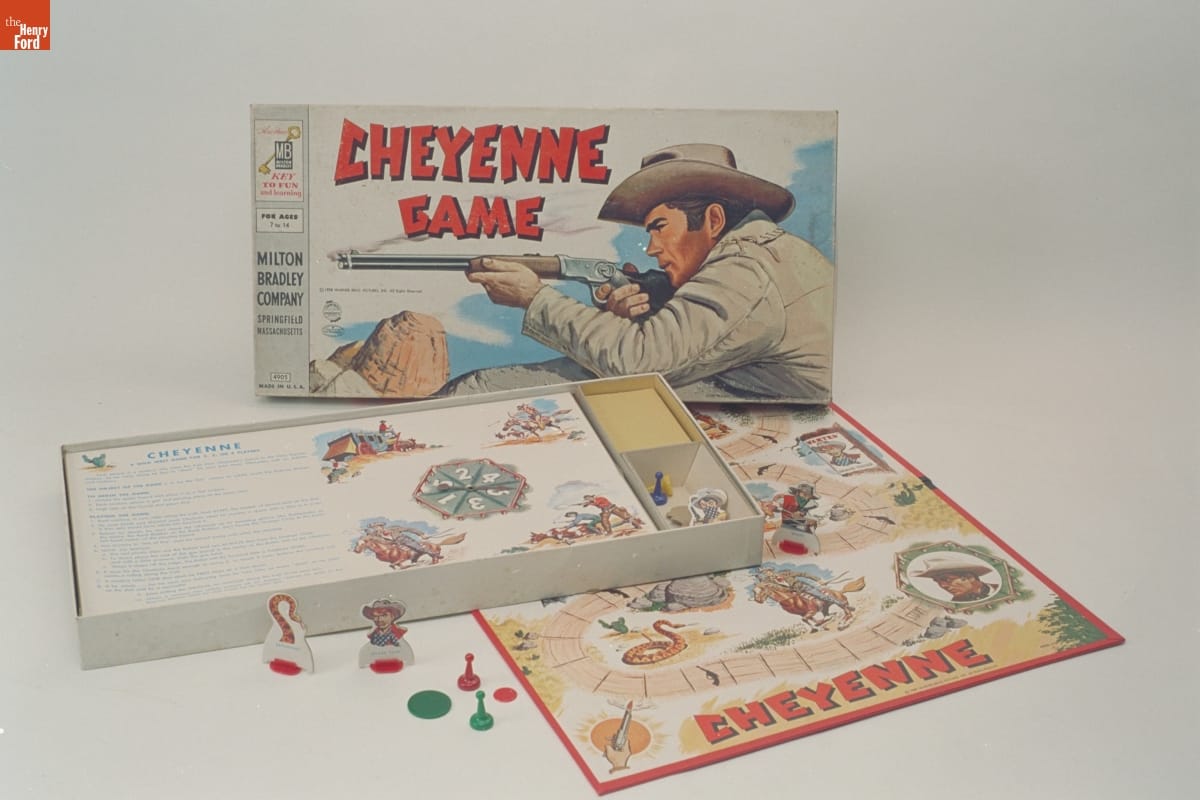
- Cheyenne Game, 1958-1965 - This game was named after the ABC television series Cheyenne (1955 -1962) -- one of the many westerns that graced American TV sets during the late 1950s. The object of the game was to get from the corral to the Pony Express station, defeating bandits, rustlers, robbers, rattlesnakes, and other obstacles along the way.
- 1958-1965
- Collections - Artifact
Cheyenne Game, 1958-1965
This game was named after the ABC television series Cheyenne (1955 -1962) -- one of the many westerns that graced American TV sets during the late 1950s. The object of the game was to get from the corral to the Pony Express station, defeating bandits, rustlers, robbers, rattlesnakes, and other obstacles along the way.