
Search
- Five Confederate Generals in Mexico, 1865 -
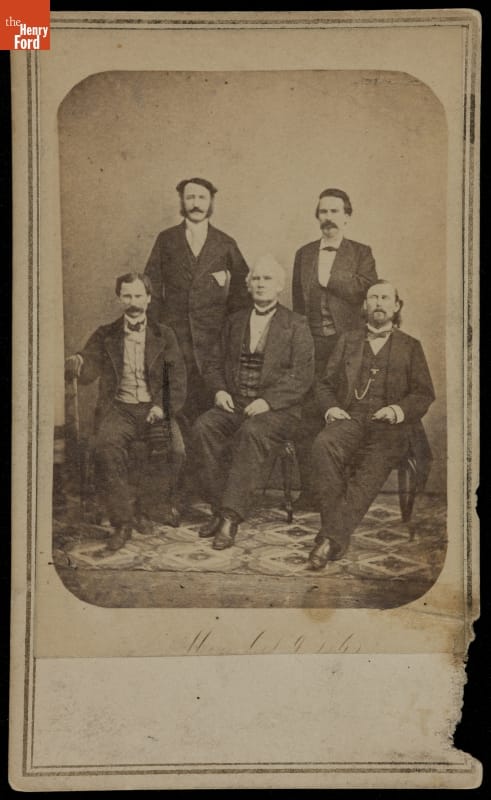
- October 09, 1865
- Collections - Artifact
Five Confederate Generals in Mexico, 1865
- Presto Model A409A Pressure Cooker, circa 1968 - The National Pressure Cooker Company introduced the first saucepan-style pressure cooker under the brand name "Presto" in 1939. Fueled by its popularity, the company -- eventually renamed National Presto Industries -- expanded and diversified while continuing to produce an ever-improving line of pressure cookers. In the 1960s and 1970s, distinctive styling by Mel Boldt and Associates helped set Presto pressure cookers apart from the competition.
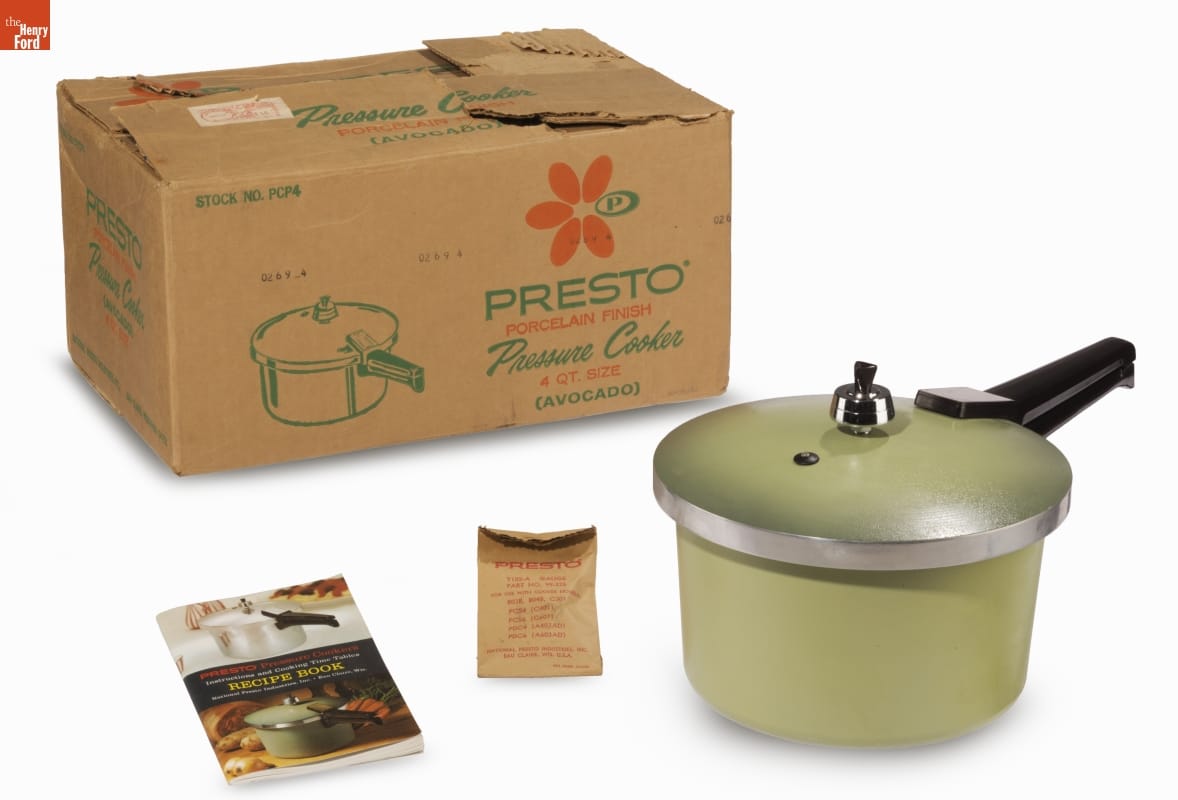
- circa 1968
- Collections - Artifact
Presto Model A409A Pressure Cooker, circa 1968
The National Pressure Cooker Company introduced the first saucepan-style pressure cooker under the brand name "Presto" in 1939. Fueled by its popularity, the company -- eventually renamed National Presto Industries -- expanded and diversified while continuing to produce an ever-improving line of pressure cookers. In the 1960s and 1970s, distinctive styling by Mel Boldt and Associates helped set Presto pressure cookers apart from the competition.
- Western Electric No. 2 Portable Sewing Machine, circa 1920 -
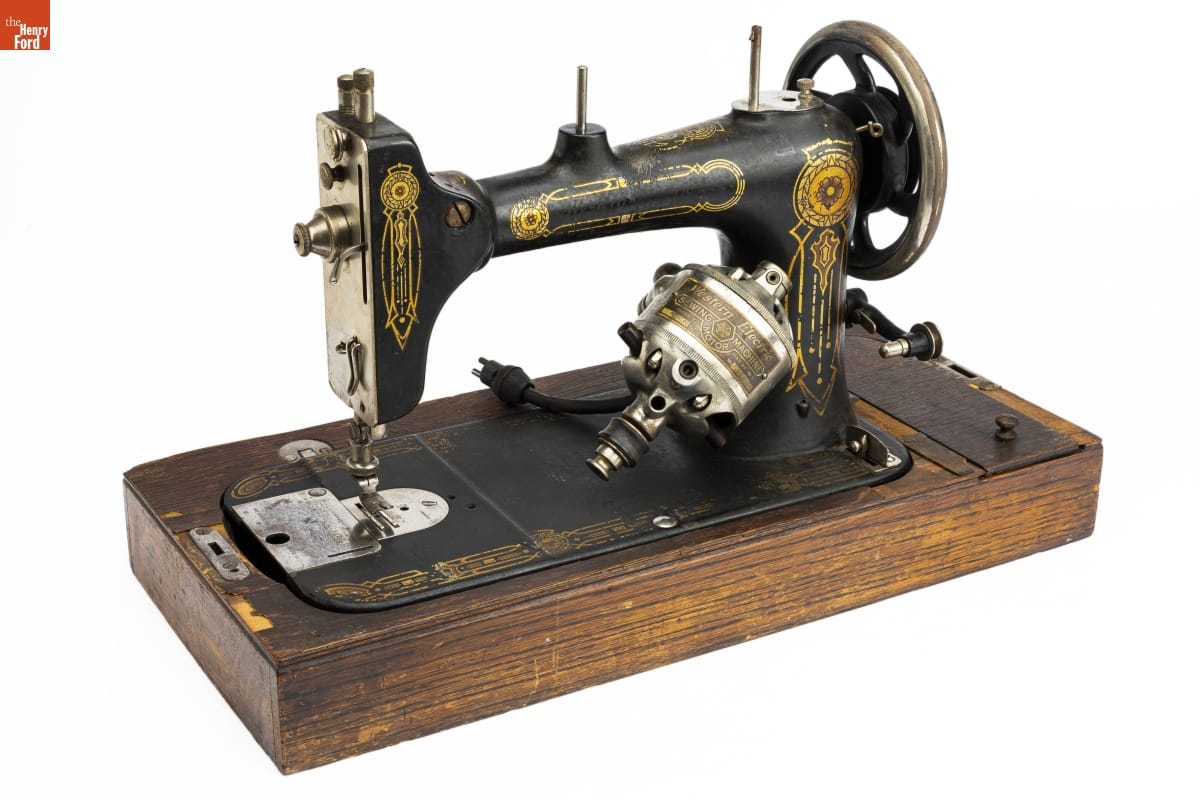
- circa 1920
- Collections - Artifact
Western Electric No. 2 Portable Sewing Machine, circa 1920
- General William Starke Rosecrans, circa 1861-1865 - Cartes-de-visite, small, professionally made photographs on cardboard stock, remained popular in the United States from the Civil War in the 1860s through the 1880s. Many were given to friends and loved ones, but enterprising photographers also produced images of famous individuals to sell to the collecting-crazed public. Admired politicians or military officers, such as General William Rosencrans, were popular subjects.
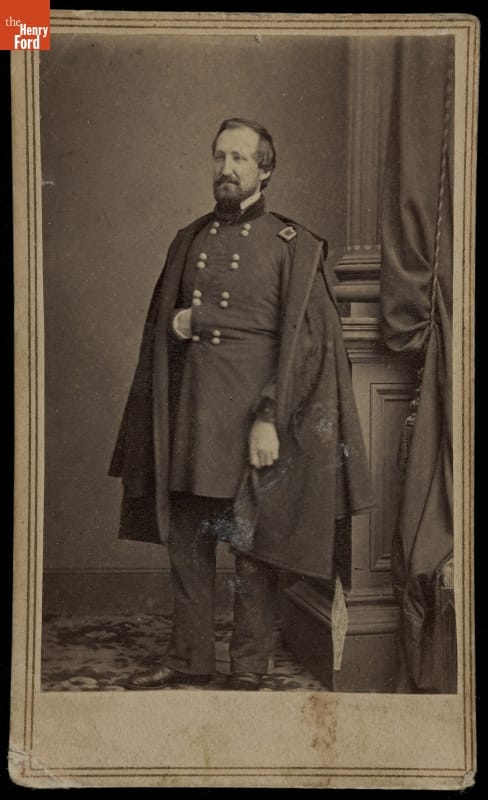
- 1861-1865
- Collections - Artifact
General William Starke Rosecrans, circa 1861-1865
Cartes-de-visite, small, professionally made photographs on cardboard stock, remained popular in the United States from the Civil War in the 1860s through the 1880s. Many were given to friends and loved ones, but enterprising photographers also produced images of famous individuals to sell to the collecting-crazed public. Admired politicians or military officers, such as General William Rosencrans, were popular subjects.
- Union Army Major General John Alexander McClernand, 1862 - Cartes-de-visite, small, professionally made photographs on cardboard stock, remained popular in the United States from the Civil War in the 1860s through the 1880s. Many were given to friends and loved ones, but enterprising photographers also produced images of famous individuals to sell to the collecting-crazed public. Admired politicians or military officers, such as General John Alexander McClernand, were popular subjects.
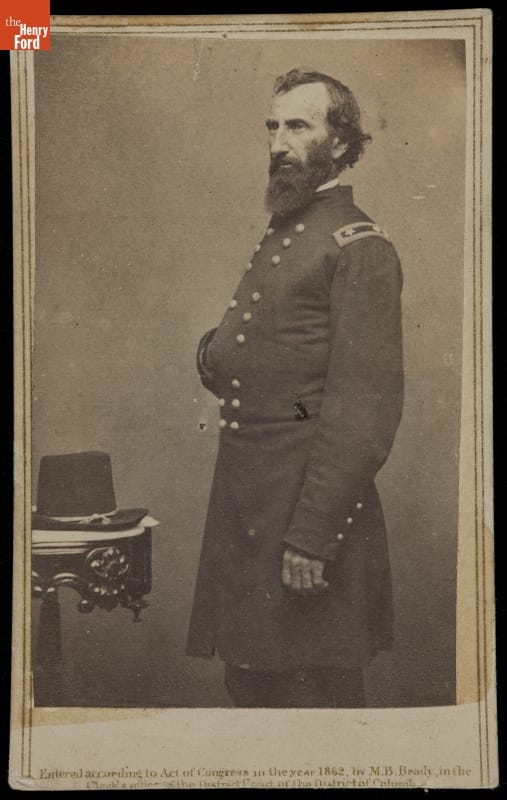
- 1862
- Collections - Artifact
Union Army Major General John Alexander McClernand, 1862
Cartes-de-visite, small, professionally made photographs on cardboard stock, remained popular in the United States from the Civil War in the 1860s through the 1880s. Many were given to friends and loved ones, but enterprising photographers also produced images of famous individuals to sell to the collecting-crazed public. Admired politicians or military officers, such as General John Alexander McClernand, were popular subjects.
- Union Army 1st Lieutenant, 1861-1865 - This carte-de-visite taken at Brady's National Photographic Portrait Galleries in Washington, D.C., shows an unidentified Union Army officer. Carte-de-visite was a small photographic print on cardboard stock made by professional photographers. Popular in the United States during the Civil War, soldiers often gave these inexpensive images to friends and family members as a reminder of their loved ones in service.
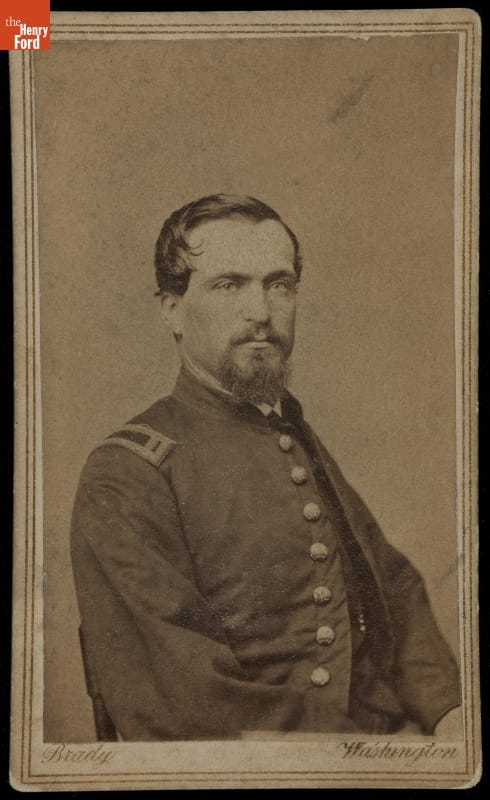
- 1861-1865
- Collections - Artifact
Union Army 1st Lieutenant, 1861-1865
This carte-de-visite taken at Brady's National Photographic Portrait Galleries in Washington, D.C., shows an unidentified Union Army officer. Carte-de-visite was a small photographic print on cardboard stock made by professional photographers. Popular in the United States during the Civil War, soldiers often gave these inexpensive images to friends and family members as a reminder of their loved ones in service.
- "Here's the Tally Sheet Pick the Winner," 1916 Presidential Election - In 1916, Republicans nominated Charles Evans Hughes for president. Hughes, an Associate Justice of the Supreme Court, appealed to Republican leaders looking to unite the party after its conservative-progressive split in 1912. This brochure touted Hughes' progressive labor record--a tactic to lure voters away from Democrat Woodrow Wilson, the equally progressive incumbent president. It almost worked--Hughes narrowly lost.
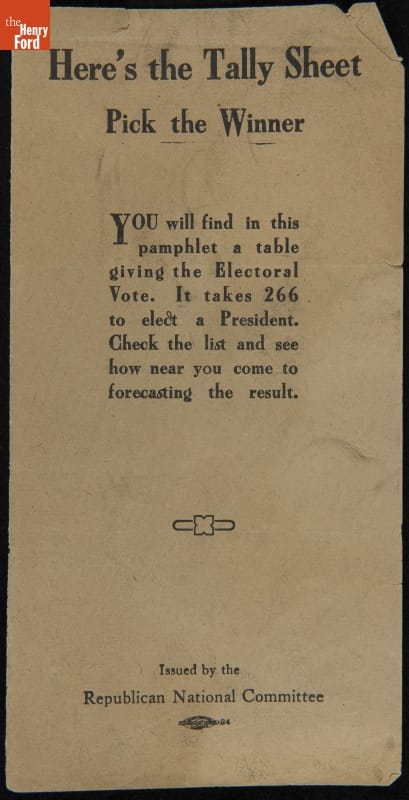
- 1916
- Collections - Artifact
"Here's the Tally Sheet Pick the Winner," 1916 Presidential Election
In 1916, Republicans nominated Charles Evans Hughes for president. Hughes, an Associate Justice of the Supreme Court, appealed to Republican leaders looking to unite the party after its conservative-progressive split in 1912. This brochure touted Hughes' progressive labor record--a tactic to lure voters away from Democrat Woodrow Wilson, the equally progressive incumbent president. It almost worked--Hughes narrowly lost.
- NASA Crawler-Transporter #1, Used to Carry Apollo/Saturn V Launch Vehicle -
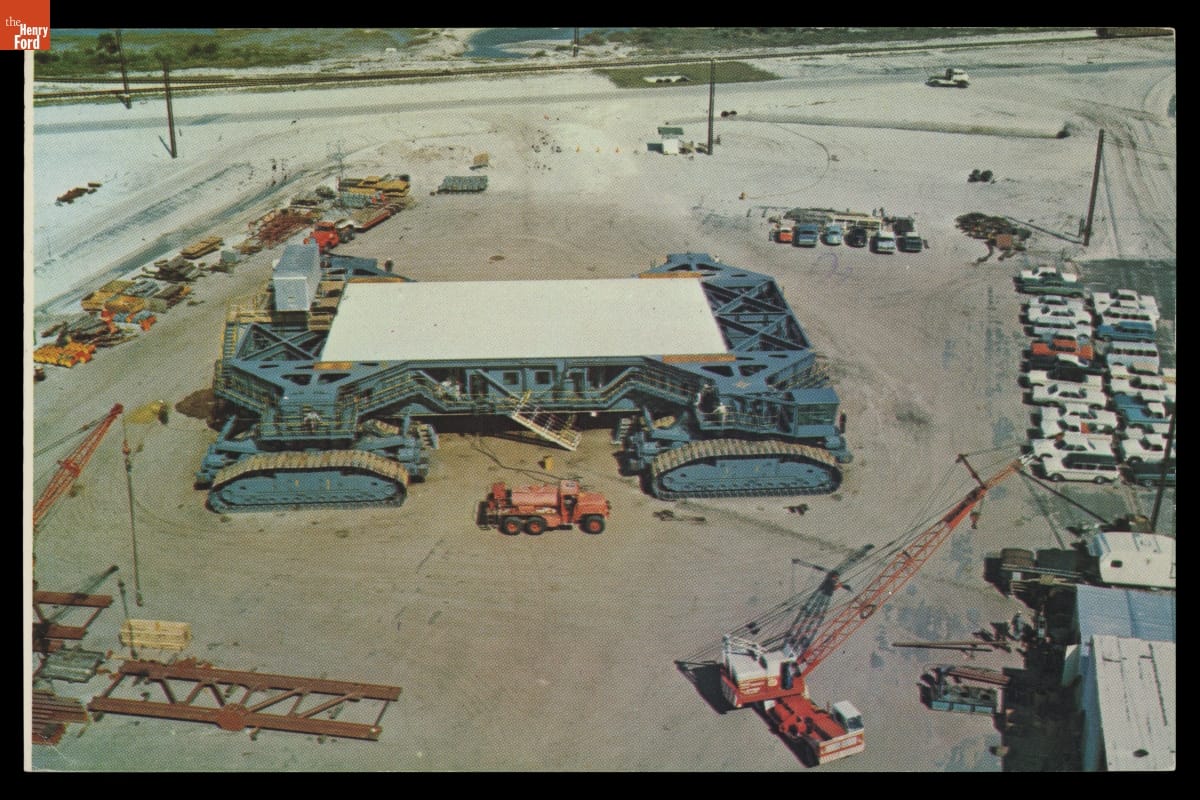
- 1967-1973
- Collections - Artifact
NASA Crawler-Transporter #1, Used to Carry Apollo/Saturn V Launch Vehicle
- Postcard, NASA Mercury-Atlas 2 (MA-2) Using the Atlas Launch Vehicle 67-D, 1961 -
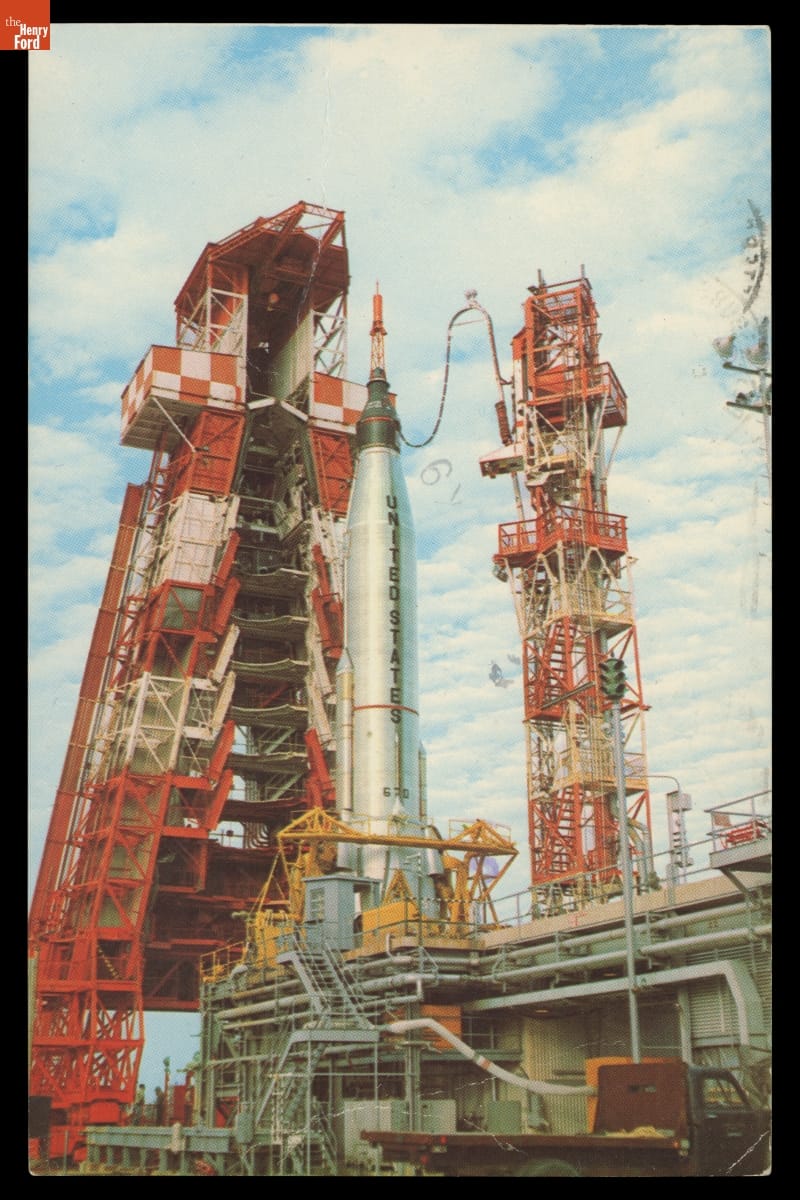
- February 21, 1961
- Collections - Artifact
Postcard, NASA Mercury-Atlas 2 (MA-2) Using the Atlas Launch Vehicle 67-D, 1961
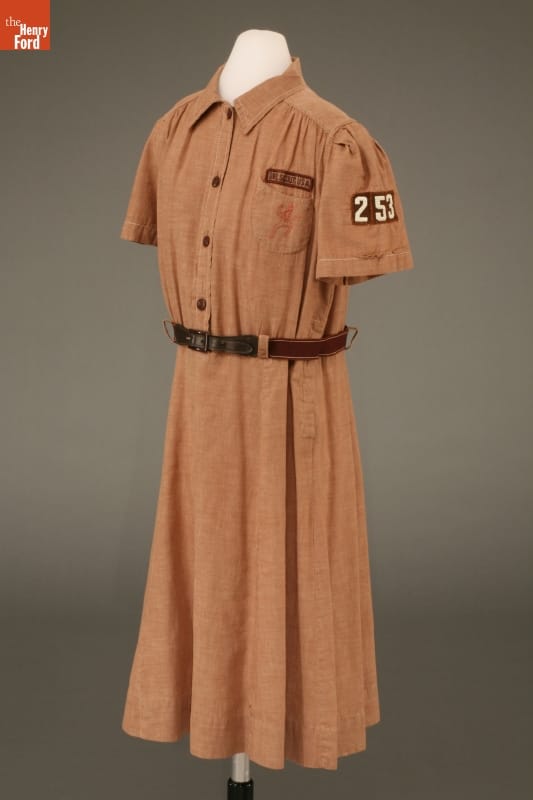
- Brownie Uniform, 1956-1963 - American Girl Scouts have worn specialized uniforms since their organization was founded in 1912. In the 1950s, Brownie scouts (ages 7 to 9) could make or purchase practical brown dresses with short sleeves. A Girl Scout in Royal Oak, Michigan, wore an official elastic belt and beanie with this uniform, which features a tangerine-colored Brownie emblem on the breast pocket.
- 1956-1963
- Collections - Artifact
Brownie Uniform, 1956-1963
American Girl Scouts have worn specialized uniforms since their organization was founded in 1912. In the 1950s, Brownie scouts (ages 7 to 9) could make or purchase practical brown dresses with short sleeves. A Girl Scout in Royal Oak, Michigan, wore an official elastic belt and beanie with this uniform, which features a tangerine-colored Brownie emblem on the breast pocket.