
Search
- Radio Wavemeter, Type SCR-95, 1918 - This wavemeter was likely developed by the US Army Signal Corp for military use. Its purpose is twofold: to detect the frequency of an incoming signal, and to check the frequency and harmonics of an outgoing signal. Early radio operators, working with multiple and specialized technical components, used wavemeters to determine the clarity and strength of their transmitters.
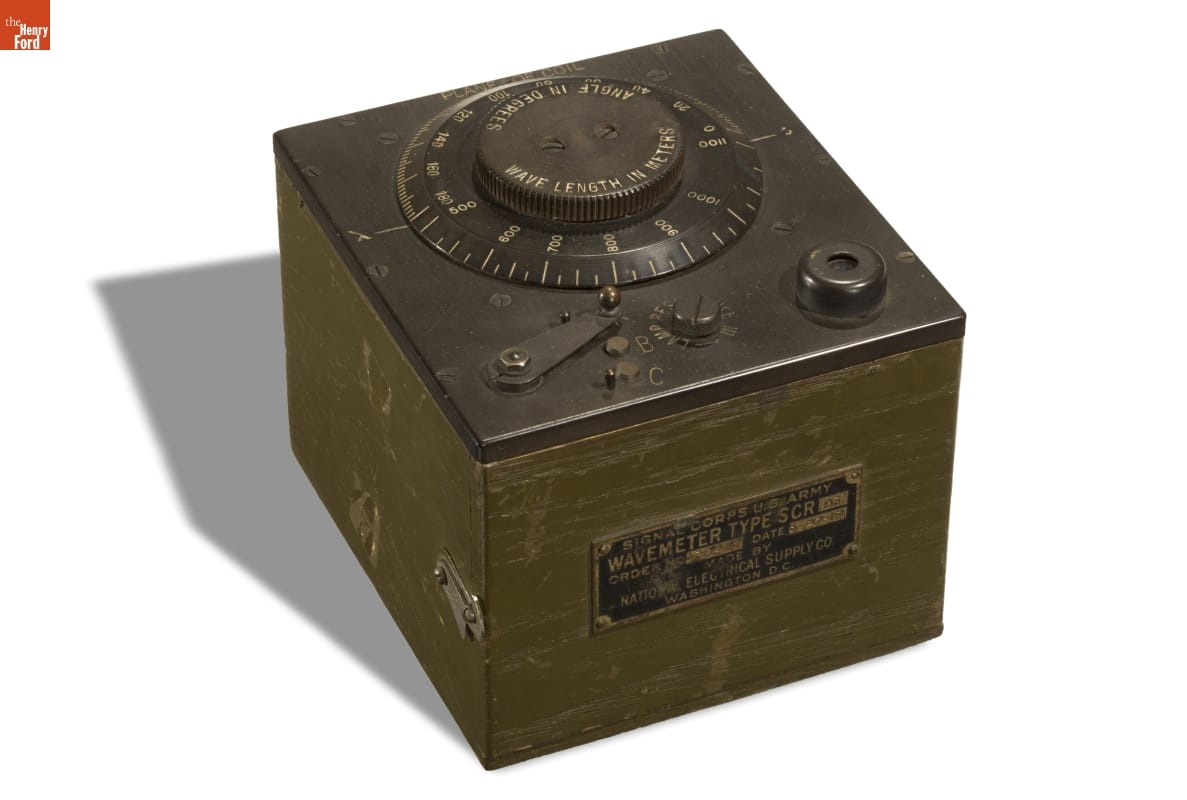
- August 27, 1918
- Collections - Artifact
Radio Wavemeter, Type SCR-95, 1918
This wavemeter was likely developed by the US Army Signal Corp for military use. Its purpose is twofold: to detect the frequency of an incoming signal, and to check the frequency and harmonics of an outgoing signal. Early radio operators, working with multiple and specialized technical components, used wavemeters to determine the clarity and strength of their transmitters.
- Radio Wavemeter, Type SCR-61, 1918 - This wavemeter was likely developed by the US Army Signal Corp for military use. Its purpose is twofold: to detect the frequency of an incoming signal, and to check the frequency and harmonics of an outgoing signal. Early radio operators, working with multiple and specialized technical components, used wavemeters to determine the clarity and strength of their transmitters.
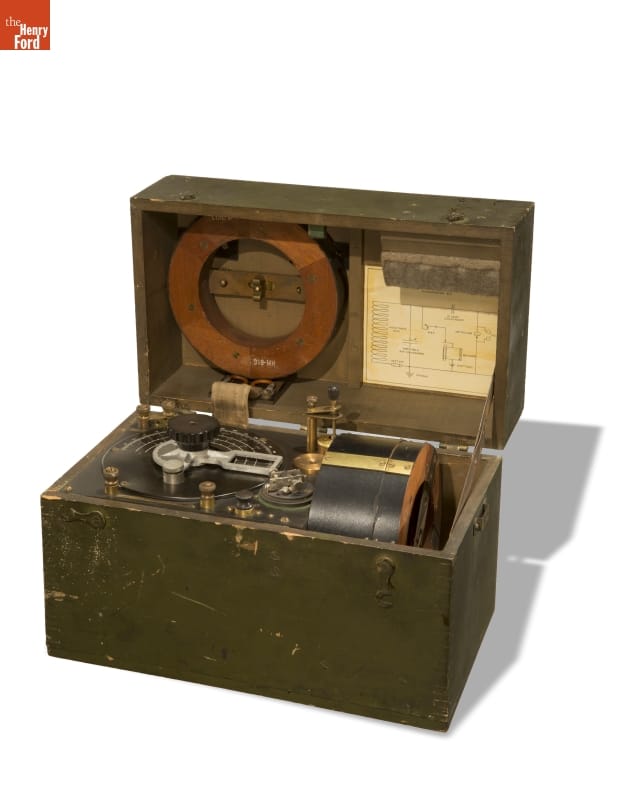
- August 27, 1918
- Collections - Artifact
Radio Wavemeter, Type SCR-61, 1918
This wavemeter was likely developed by the US Army Signal Corp for military use. Its purpose is twofold: to detect the frequency of an incoming signal, and to check the frequency and harmonics of an outgoing signal. Early radio operators, working with multiple and specialized technical components, used wavemeters to determine the clarity and strength of their transmitters.
- National Electric Supply Co. No. 6 Dry Cell Battery, 1918 -
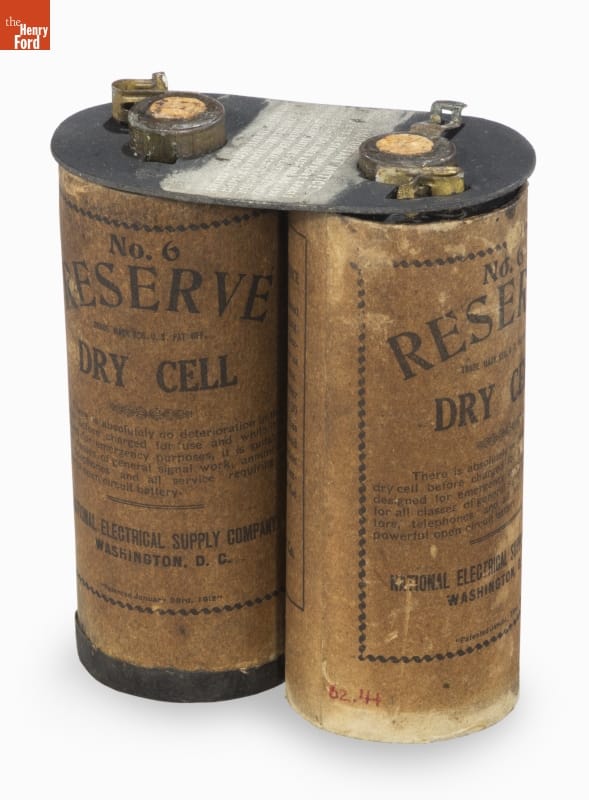
- 1918
- Collections - Artifact
National Electric Supply Co. No. 6 Dry Cell Battery, 1918
- Power Source for Navy Radio Transmitter, 1918 -
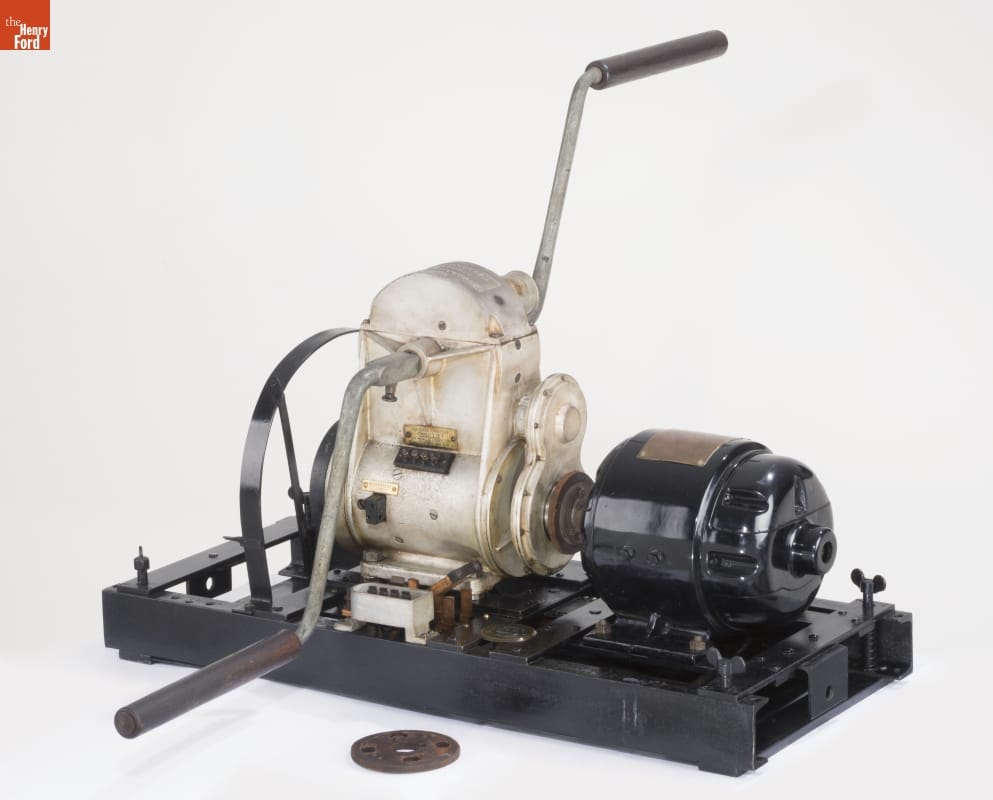
- October 01, 1918
- Collections - Artifact
Power Source for Navy Radio Transmitter, 1918
- Radio Wavemeter, Type SCR-61, 1918 - This wavemeter was likely developed by the US Army Signal Corp for military use. Its purpose is twofold: to detect the frequency of an incoming signal, and to check the frequency and harmonics of an outgoing signal. Early radio operators, working with multiple and specialized technical components, used wavemeters to determine the clarity and strength of their transmitters.
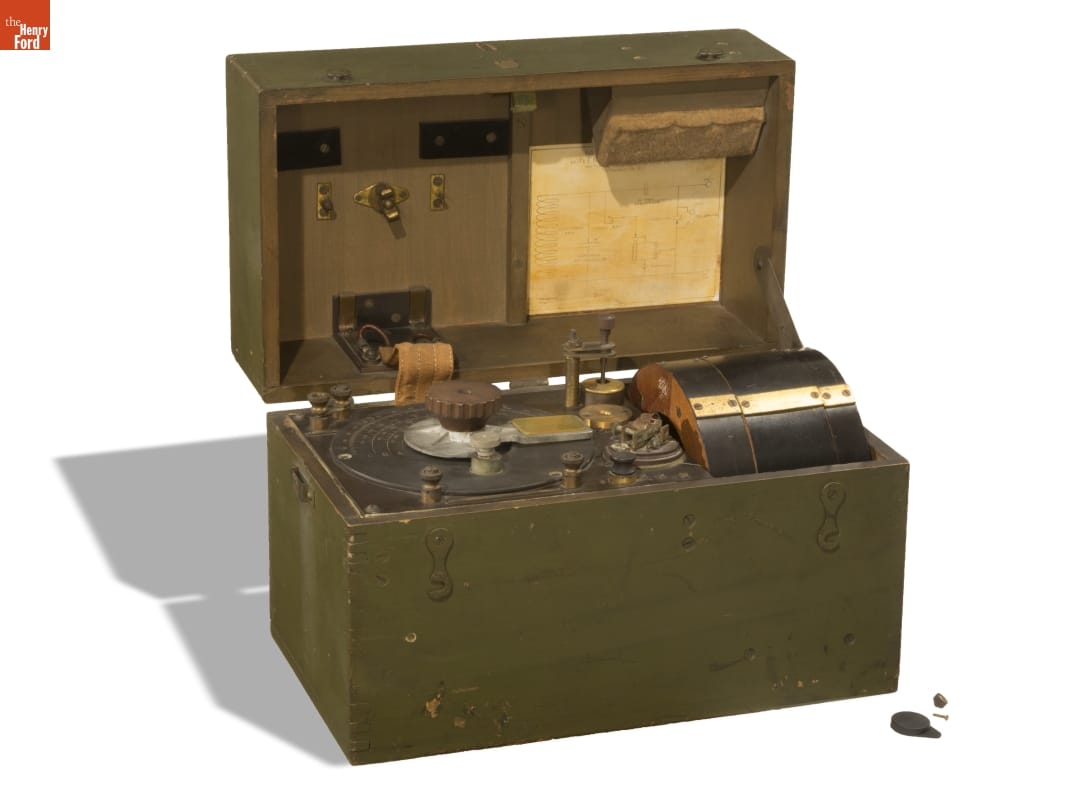
- circa 1918
- Collections - Artifact
Radio Wavemeter, Type SCR-61, 1918
This wavemeter was likely developed by the US Army Signal Corp for military use. Its purpose is twofold: to detect the frequency of an incoming signal, and to check the frequency and harmonics of an outgoing signal. Early radio operators, working with multiple and specialized technical components, used wavemeters to determine the clarity and strength of their transmitters.
- Kolster Decremeter, Model C, 1912-1920 -
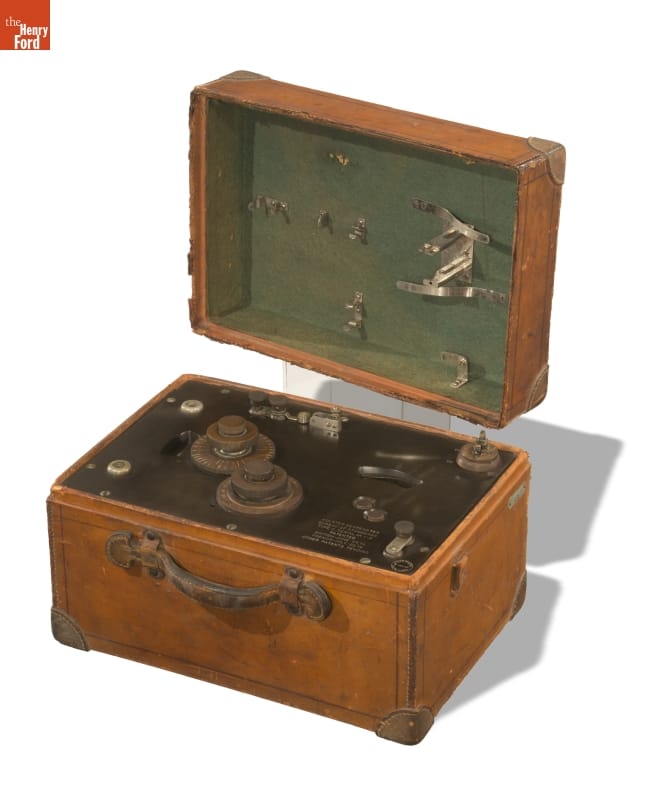
- 1912-1920
- Collections - Artifact
Kolster Decremeter, Model C, 1912-1920
- Spark Gap Tester, Type CN 239, 1916-1920 -
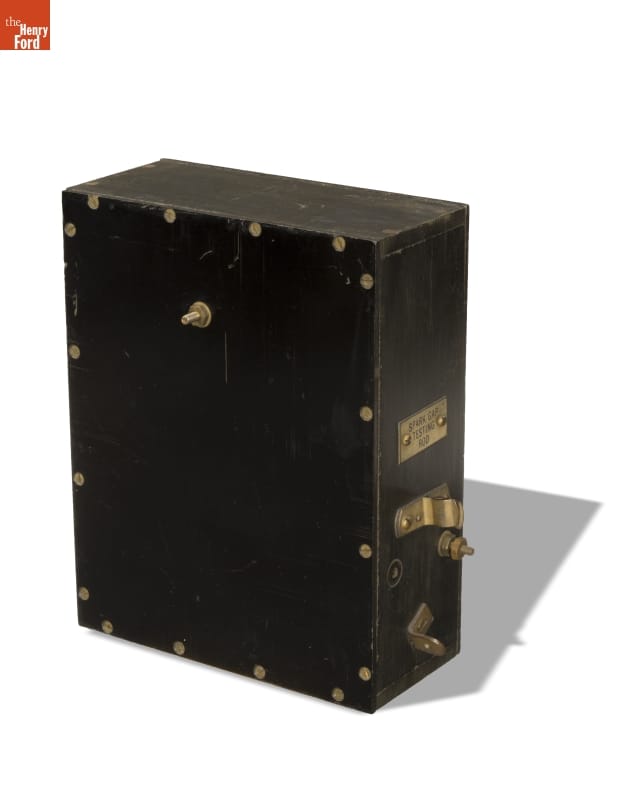
- 1916-1920
- Collections - Artifact
Spark Gap Tester, Type CN 239, 1916-1920
- Radio Receiver, Type SE-950, Used by Charles Francis Jenkins in Experiment Detecting Radio Signals from Mars - The SE950 was produced commercially during WWI as a rugged field radio; its versatile nature allowed it to remain useful in Charles Francis Jenkins' laboratory. The radio was used in a curious 1924 experiment as Mars drew near Earth's orbit. The SE950 was connected to a device capable of photographically recording any "alien communication" broadcast during military-imposed radio silence.
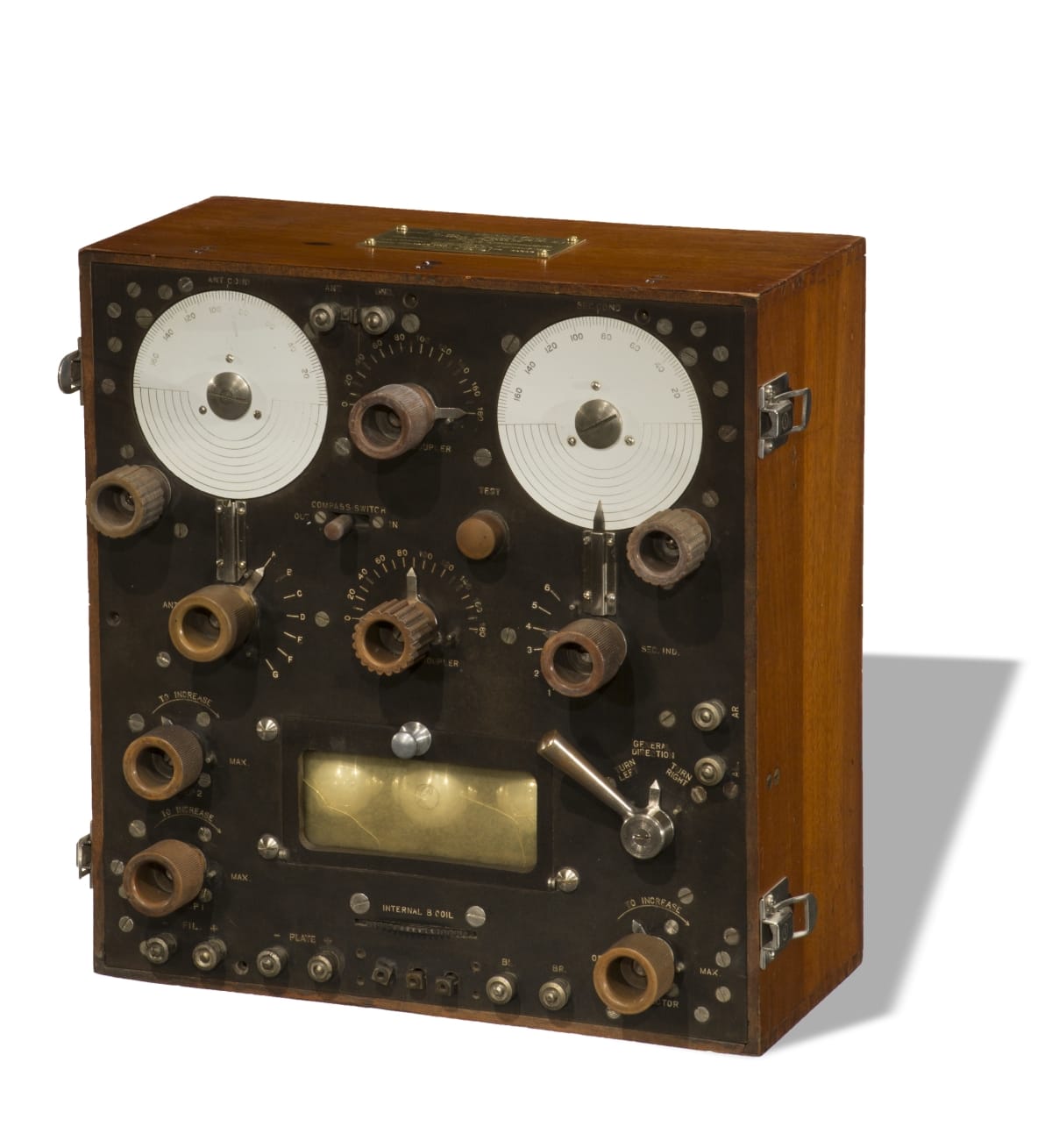
- August 01, 1924
- Collections - Artifact
Radio Receiver, Type SE-950, Used by Charles Francis Jenkins in Experiment Detecting Radio Signals from Mars
The SE950 was produced commercially during WWI as a rugged field radio; its versatile nature allowed it to remain useful in Charles Francis Jenkins' laboratory. The radio was used in a curious 1924 experiment as Mars drew near Earth's orbit. The SE950 was connected to a device capable of photographically recording any "alien communication" broadcast during military-imposed radio silence.
- Oscillator, Type BC-104, 1920 -
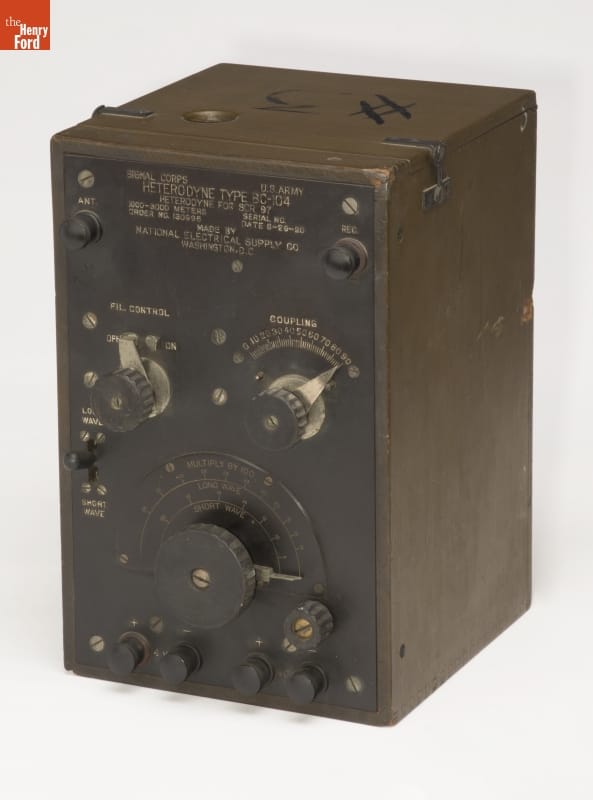
- 1920
- Collections - Artifact
Oscillator, Type BC-104, 1920
- Radio Receiver, Type SE-950, 1918 -
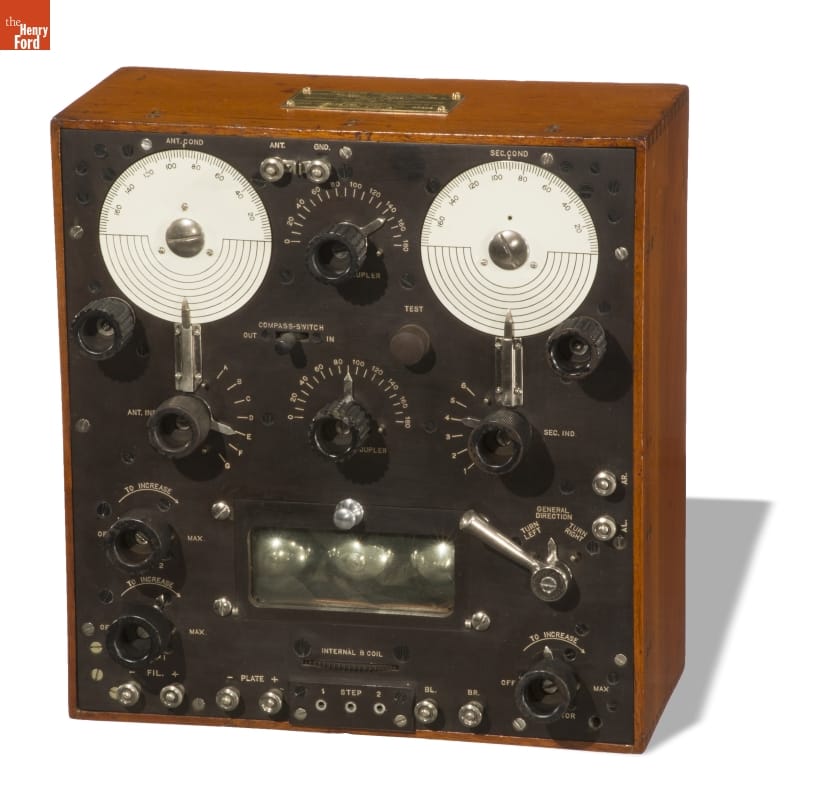
- March 26, 1918
- Collections - Artifact
Radio Receiver, Type SE-950, 1918