
Radio Receiver, Type SE-950, Used by Charles Francis Jenkins in Experiment Detecting Radio Signals from Mars
THF156814 / Radio Receiver, Type SE-950, Used by Charles Francis Jenkins in Experiment Detecting Radio Signals from Mars
01
Artifact Overview
The SE950 was produced commercially during WWI as a rugged field radio; its versatile nature allowed it to remain useful in Charles Francis Jenkins' laboratory. The radio was used in a curious 1924 experiment as Mars drew near Earth's orbit. The SE950 was connected to a device capable of photographically recording any "alien communication" broadcast during military-imposed radio silence.
Artifact Details
Artifact
Radio receiver
Date Made
26 March 1918
Subject Date
August 1924
Creators
Place of Creation
Location
Not on exhibit to the public.
Object ID
40.567.33
Credit
From the Collections of The Henry Ford. Gift of Grace Jenkins.
Material
Brass (Alloy)
Nickel (Metal)
Plastic
Steel (Alloy)
Wood (Plant material)
Dimensions
Height: 13.625 in
Width: 8 in
Length: 14 in
Inscriptions
plaque:
Radio Receiver
Type SE950 Serial No. 161N
Made for
Bureau of Steam Engineering
by
National Electrical Supply Co.
Washington, D.C.
- - -
Date: 3-26-18
Keywords |
|---|
02
Related Content
 Set
SetFeatured on The Henry Ford's Innovation Nation: Season 3
- 26 Artifacts
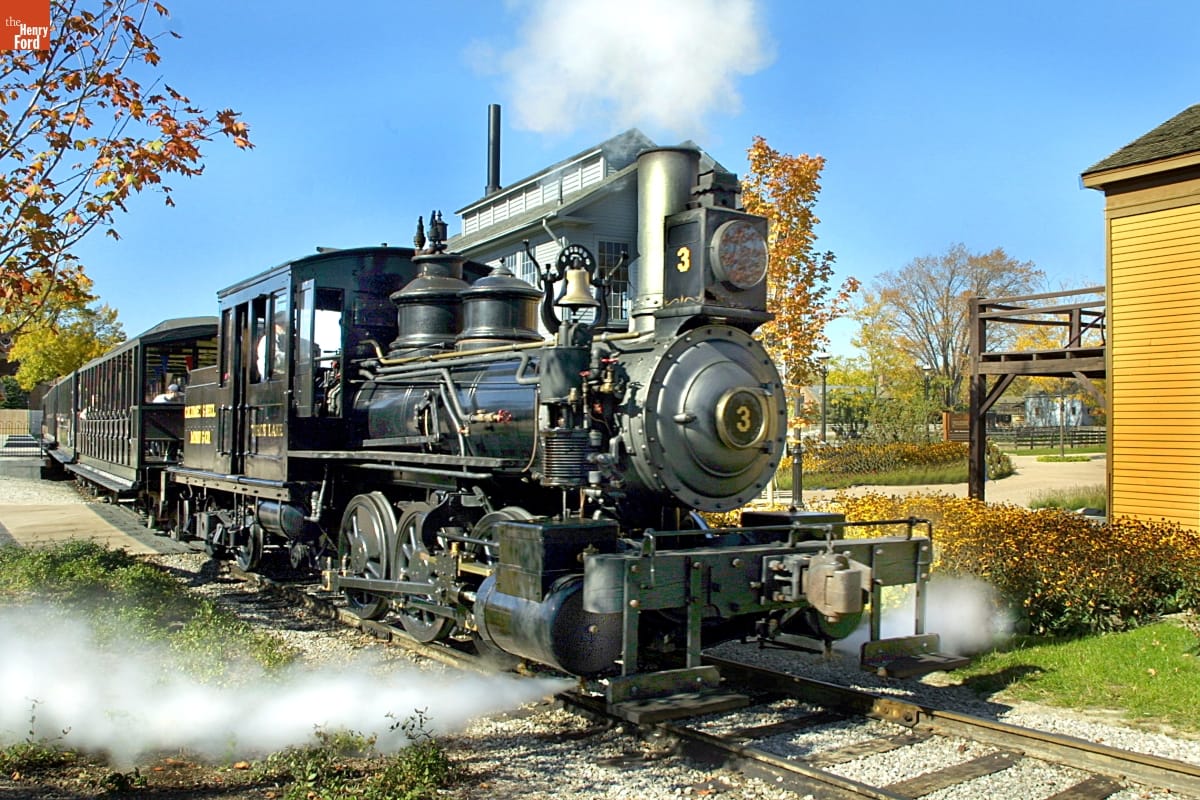
Torch Lake, built by Mason Machine Works in 1873, hauled ore for the Calumet and Hecla Mining Company on Michigan's Keweenaw Peninsula. The engine is an articulated design. The driving wheels pivot under the boiler, allowing the locomotive to handle sharp curves. Torch Lake joined The Henry Ford's collection in 1969.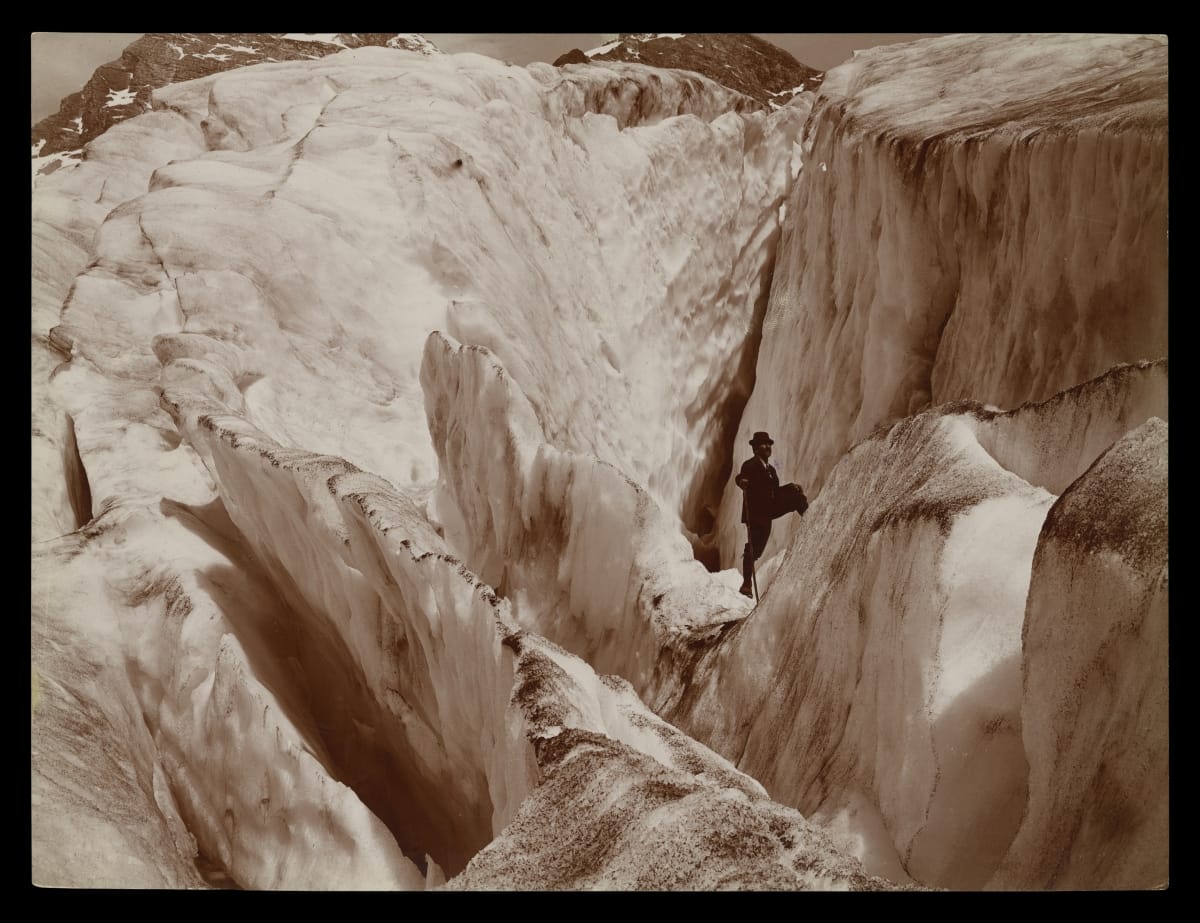 Set
SetExploration
- 9 Artifacts
The word "exploration" may make us think of a physical journey into unknown places--but it can also mean studying, documenting, and deepening our knowledge. In this set, staff from The Henry Ford suggest favorite artifacts from our collection related to both these senses of exploration. Set
SetTop Twenty: IMLS Communications Grant
- 20 Artifacts
A group of exceptional communications artifacts, conserved and digitized through a 2013-2015 grant from the Institute of Museum and Library Services.