
Search
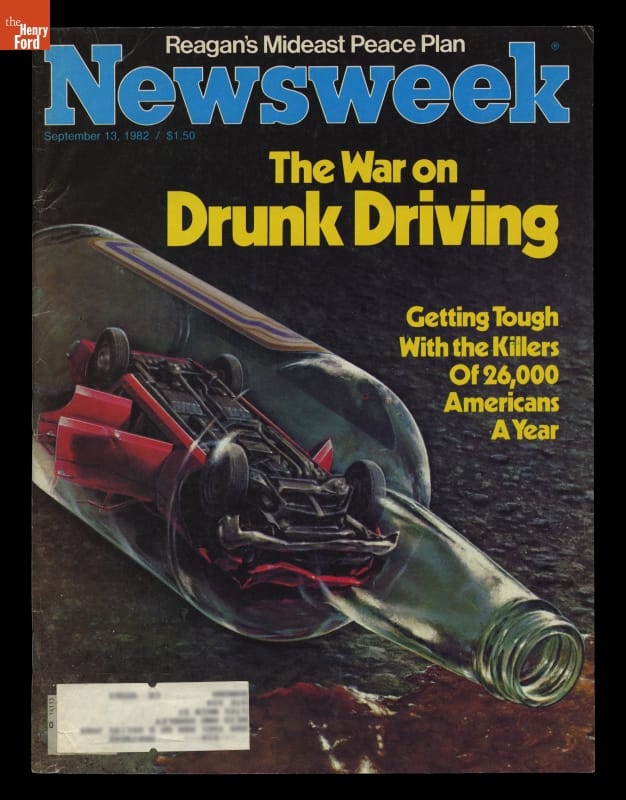
- "Newsweek," September 13, 1982 - In the 1980s, efforts by organizations, such as Mothers Against Drunk Driving (MADD), focused attention on the human cost of drunk driving. Drunk driving and the loss of life could no longer be tolerated. This shift in American attitudes was highlighted on the cover of this September 13, 1982 issue of <EM>Newsweek</EM>.
- September 13, 1982
- Collections - Artifact
"Newsweek," September 13, 1982
In the 1980s, efforts by organizations, such as Mothers Against Drunk Driving (MADD), focused attention on the human cost of drunk driving. Drunk driving and the loss of life could no longer be tolerated. This shift in American attitudes was highlighted on the cover of this September 13, 1982 issue of Newsweek.
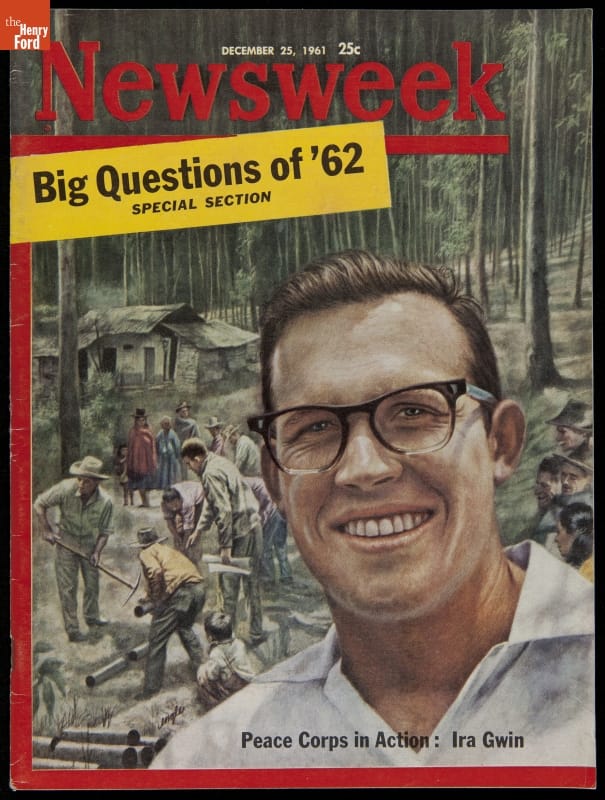
- Newsweek Magazine for December 25, 1961, "Peace Corps in Action: Ira Gwin" - President John F. Kennedy recognized the Peace Corps as an opportunity to spread goodwill and as a positive weapon against the Cold War. Established March 1, 1961, at the end of the program's second year, <EM>Newsweek</EM> magazine reported on the work of the volunteers. Their cover illustration featured Peace Corps volunteer Ira Gwin, from Barstow, California, serving in Tunía, Columbia.
- December 25, 1961
- Collections - Artifact
Newsweek Magazine for December 25, 1961, "Peace Corps in Action: Ira Gwin"
President John F. Kennedy recognized the Peace Corps as an opportunity to spread goodwill and as a positive weapon against the Cold War. Established March 1, 1961, at the end of the program's second year, Newsweek magazine reported on the work of the volunteers. Their cover illustration featured Peace Corps volunteer Ira Gwin, from Barstow, California, serving in Tunía, Columbia.
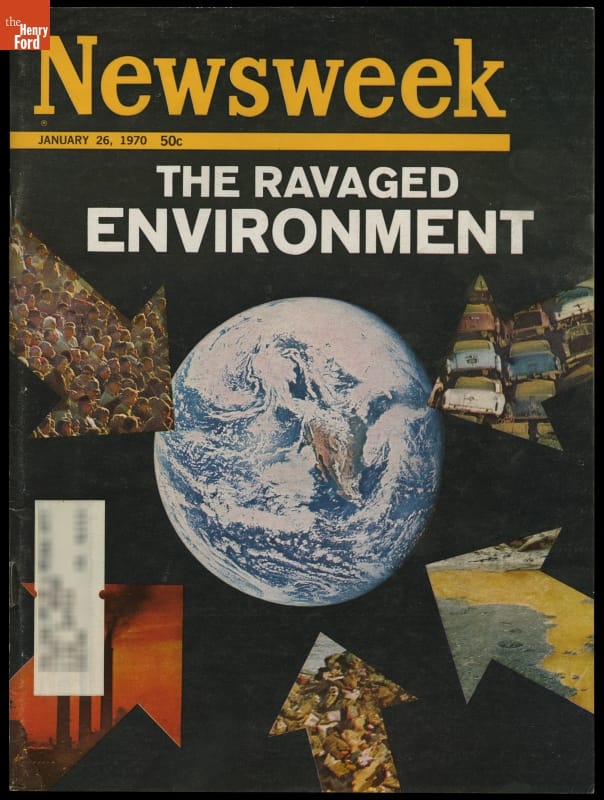
- Newsweek Magazine for January 26, 1970, "The Ravaged Environment" - Popular news magazines consolidated reports on environmental degradation and informed the general public about the need for the environmental movement. <em>Newsweek</em> became the first to dedicate an issue to the problem on January 26, 1970. It described the greatest test of human innovation -- an environment at risk of collapse -- and shared possible solutions with curious readers.
- January 26, 1970
- Collections - Artifact
Newsweek Magazine for January 26, 1970, "The Ravaged Environment"
Popular news magazines consolidated reports on environmental degradation and informed the general public about the need for the environmental movement. Newsweek became the first to dedicate an issue to the problem on January 26, 1970. It described the greatest test of human innovation -- an environment at risk of collapse -- and shared possible solutions with curious readers.
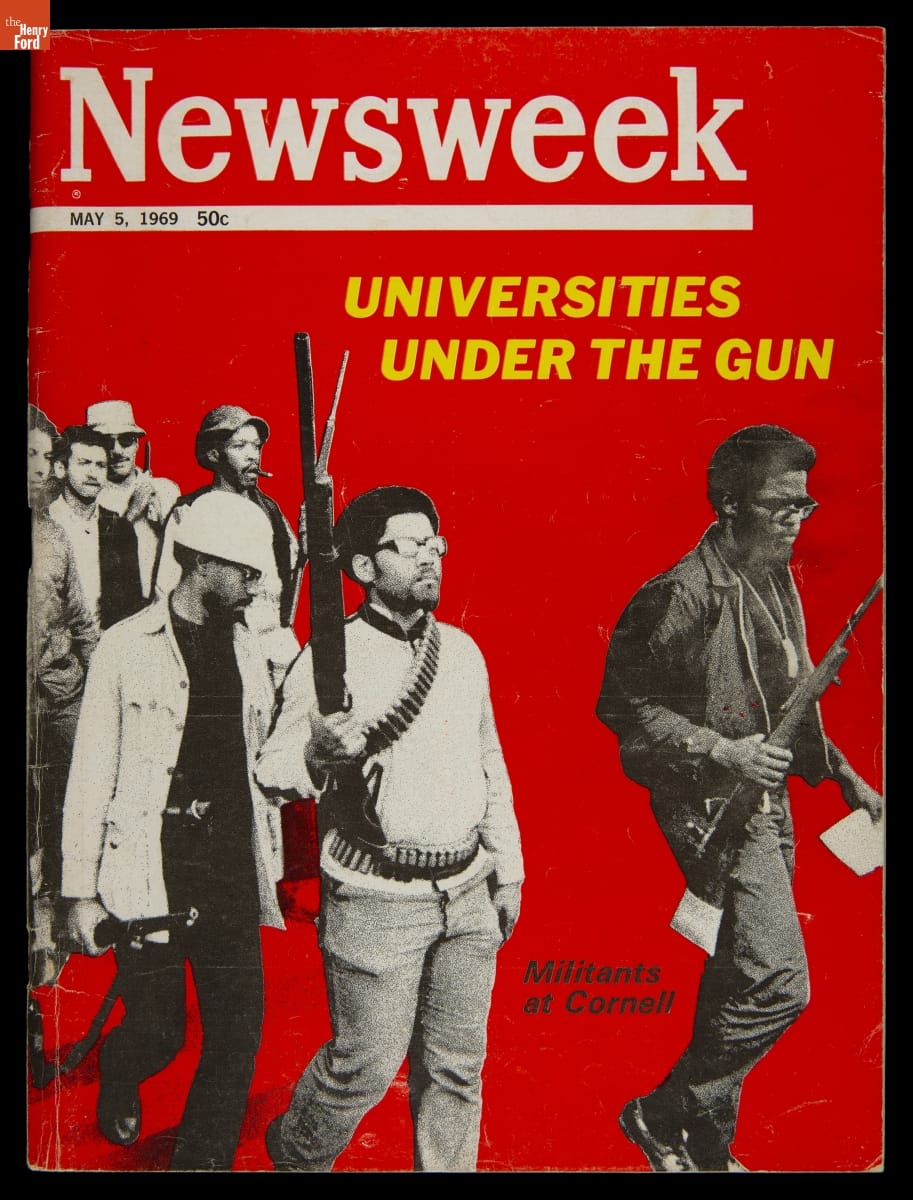
- Newsweek Magazine, "Universities Under the Gun: Militants at Cornell," May 5, 1969 -
- May 05, 1969
- Collections - Artifact
Newsweek Magazine, "Universities Under the Gun: Militants at Cornell," May 5, 1969
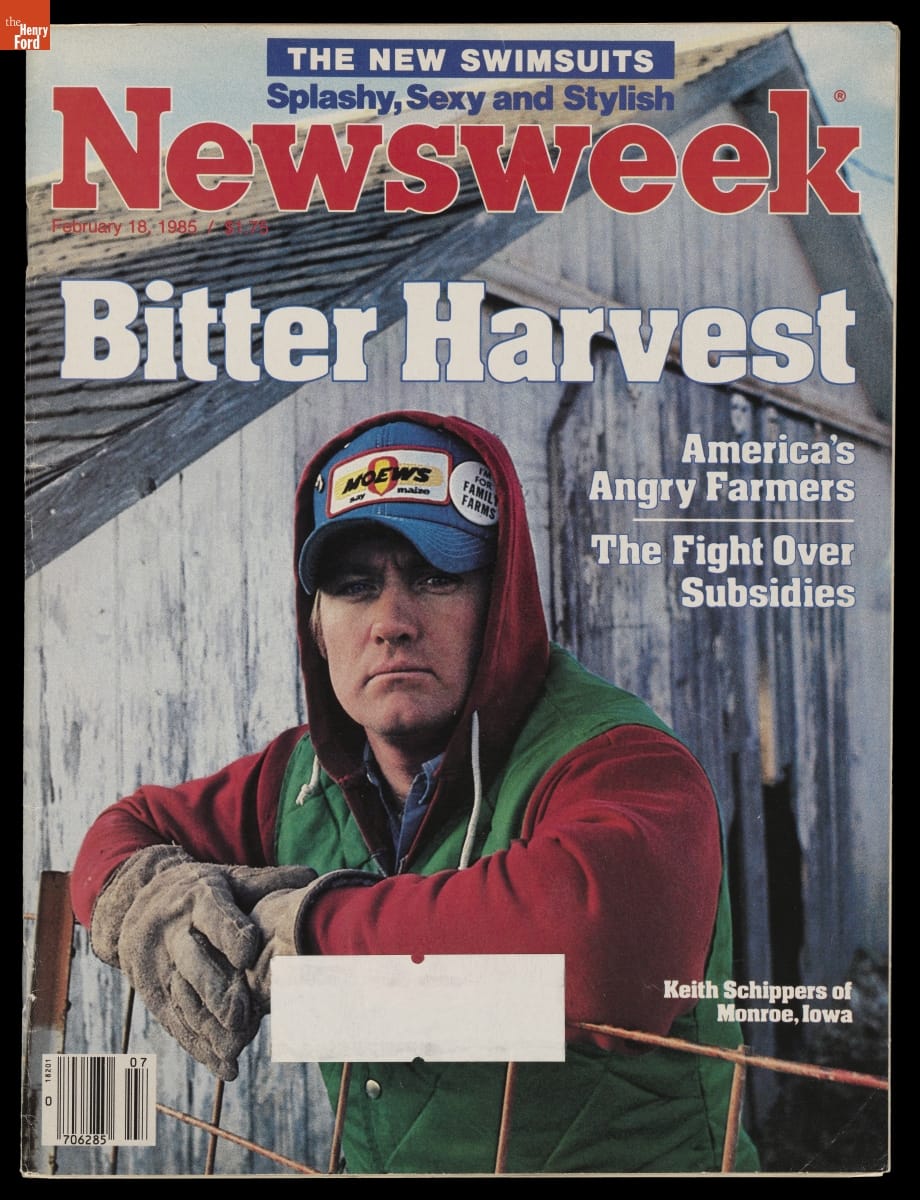
- "Newsweek," February 18, 1985 -
- February 18, 1985
- Collections - Artifact
"Newsweek," February 18, 1985
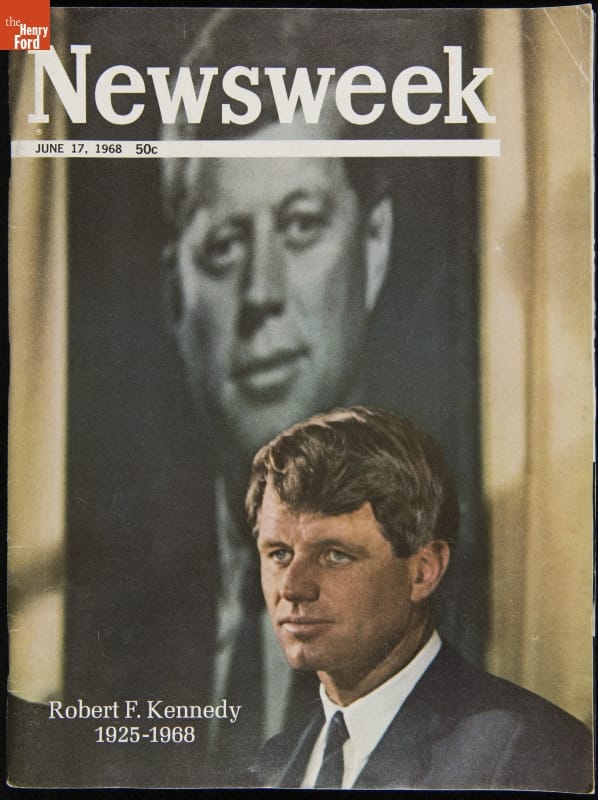
- Newsweek Magazine, Issue of June 17, 1968, "Robert F. Kennedy 1925-1968" - In early June 1968, Democratic Presidential candidate Robert "Bobby" Kennedy was shot and mortally wounded after winning the California primary. Many Americans had pinned their hopes on the brother of assassinated President John Kennedy to restore faith in a country seemingly slipping into social and political turmoil. After the tragic event, newspapers and magazines produced memorial issues documenting the life of the slain leader.
- June 17, 1968
- Collections - Artifact
Newsweek Magazine, Issue of June 17, 1968, "Robert F. Kennedy 1925-1968"
In early June 1968, Democratic Presidential candidate Robert "Bobby" Kennedy was shot and mortally wounded after winning the California primary. Many Americans had pinned their hopes on the brother of assassinated President John Kennedy to restore faith in a country seemingly slipping into social and political turmoil. After the tragic event, newspapers and magazines produced memorial issues documenting the life of the slain leader.
- "Newsweek," September 13, 1971 - Lillian Schwartz is a pioneer of computer-generated art. From 1969-2002, she was a "resident visitor" at Bell Laboratories, producing groundbreaking films, videos, and multimedia works. The Schwartz Collection spans Lillian's childhood into her late career, documenting an expansive mindset, mastery over traditional and experimental mediums alike--and above all--an ability to create inspirational connections between science, art, and technology.
- September 13, 1971
- Collections - Artifact
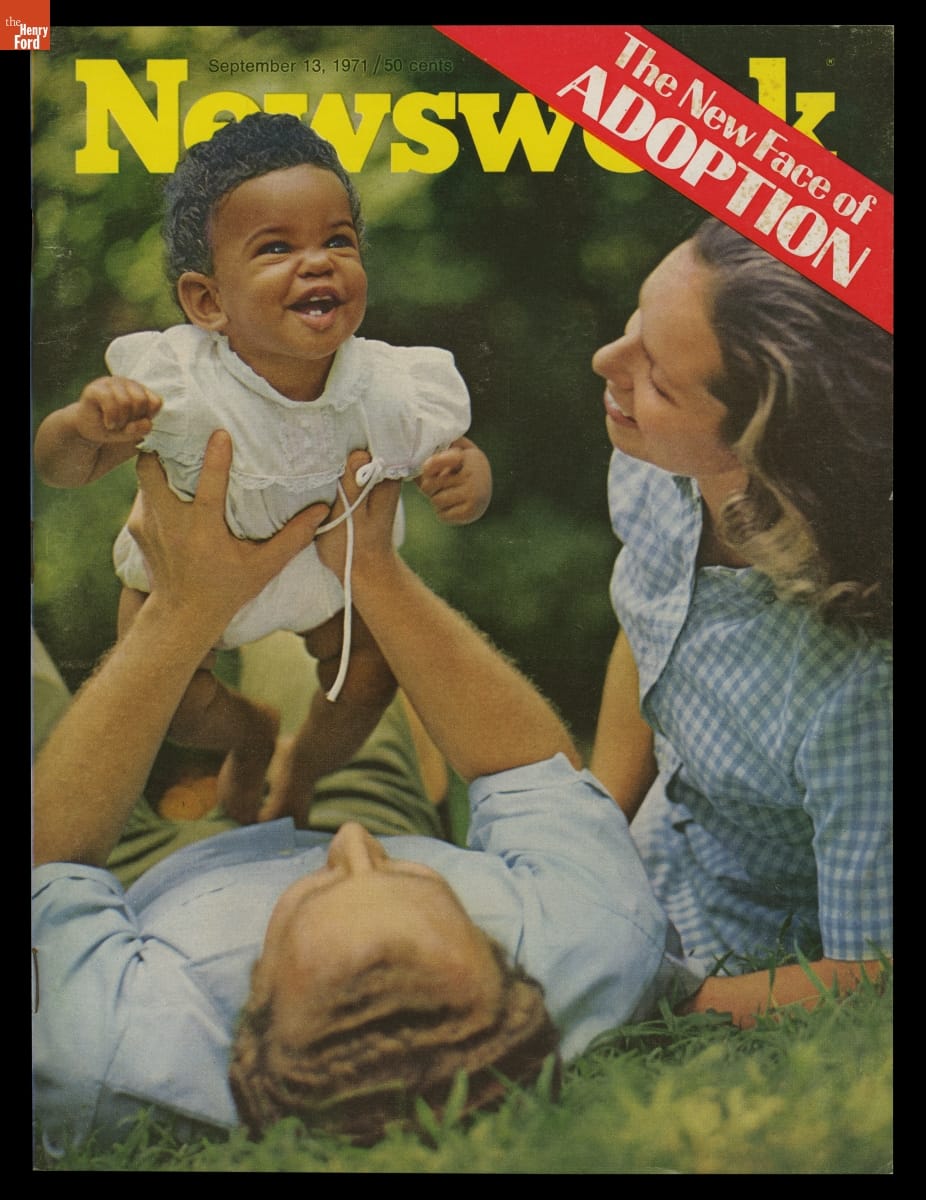
"Newsweek," September 13, 1971
Lillian Schwartz is a pioneer of computer-generated art. From 1969-2002, she was a "resident visitor" at Bell Laboratories, producing groundbreaking films, videos, and multimedia works. The Schwartz Collection spans Lillian's childhood into her late career, documenting an expansive mindset, mastery over traditional and experimental mediums alike--and above all--an ability to create inspirational connections between science, art, and technology.
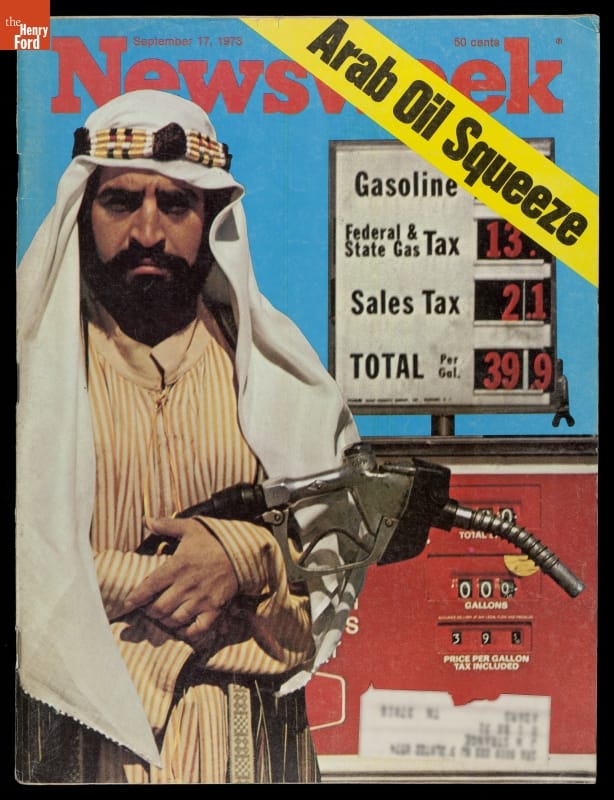
- Newsweek Magazine for September 17, 1973, "Arab Oil Squeeze" - In October 1973, the Arab nations of OPEC (Organization of Petroleum Exporting Countries) placed a five-month embargo on oil shipped to the United States -- considered an "enemy of the Arab cause" for supplying military aid to Israel during the so-called Yom Kippur War. The previous month, Libya nationalized foreign oil companies and the Arab oil squeeze was on.
- September 17, 1973
- Collections - Artifact
Newsweek Magazine for September 17, 1973, "Arab Oil Squeeze"
In October 1973, the Arab nations of OPEC (Organization of Petroleum Exporting Countries) placed a five-month embargo on oil shipped to the United States -- considered an "enemy of the Arab cause" for supplying military aid to Israel during the so-called Yom Kippur War. The previous month, Libya nationalized foreign oil companies and the Arab oil squeeze was on.