
Search
- George Washington Carver and Henry Ford at Tuskegee Institute, "Dr. Carver & Mr. Ford," 1938 - Prentice H. Polk, official photographer for Tuskegee Institute, documented renowned agricultural scientist George Washington Carver, his work, and the Institution itself, including his friendship with industrialist Henry Ford. After Carver's death, the Carver Seal Committee began selling this and other images to help build the endowment of the George Washington Carver Foundation (formed in 1940).
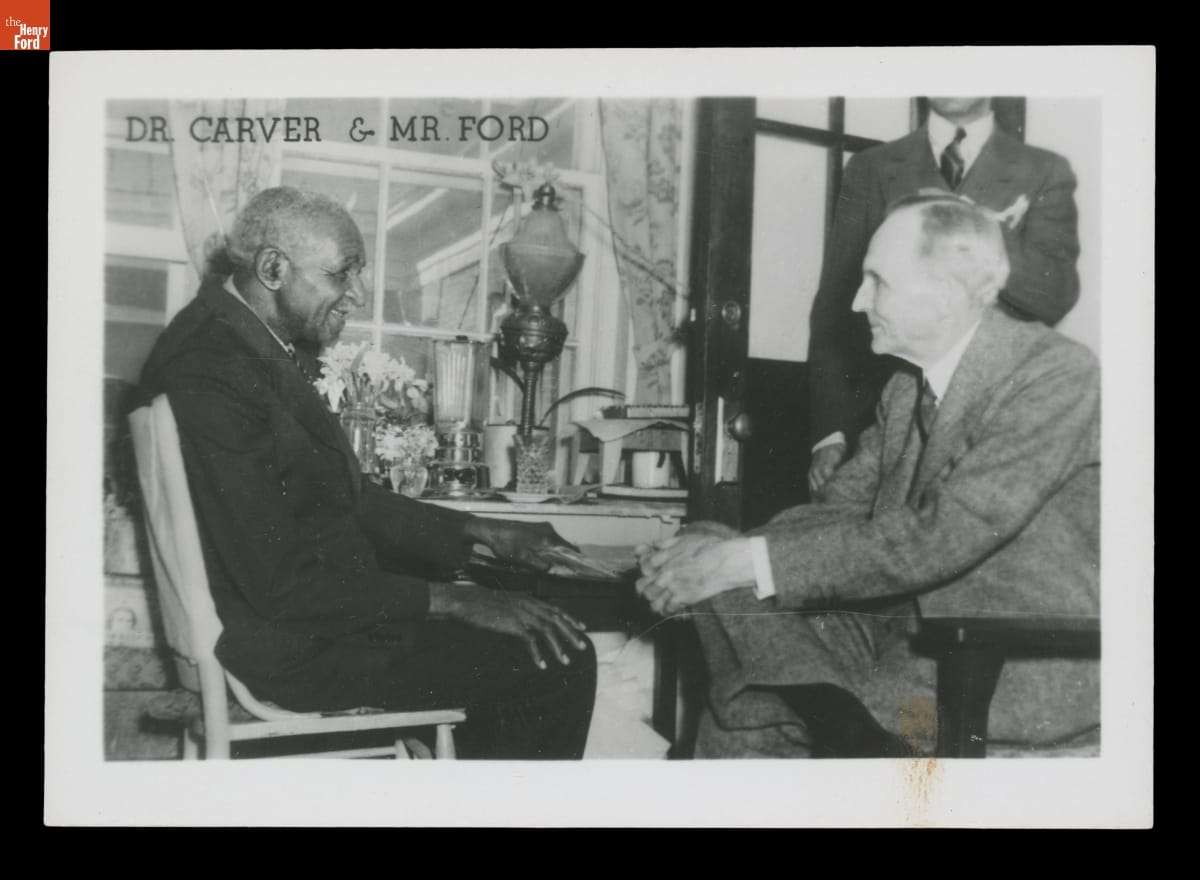
- March 01, 1938
- Collections - Artifact
George Washington Carver and Henry Ford at Tuskegee Institute, "Dr. Carver & Mr. Ford," 1938
Prentice H. Polk, official photographer for Tuskegee Institute, documented renowned agricultural scientist George Washington Carver, his work, and the Institution itself, including his friendship with industrialist Henry Ford. After Carver's death, the Carver Seal Committee began selling this and other images to help build the endowment of the George Washington Carver Foundation (formed in 1940).
- George Washington Carver Carrying Plant Stalks, "Dr. Carver Going to Work," circa 1940 - Prentice H. Polk, official photographer for Tuskegee Institute, documented renowned agricultural scientist George Washington Carver in this photograph carrying plant stalks back to his laboratory around 1940. After Carver's death, the Carver Seal Committee began selling this and other images to help build the endowment of the George Washington Carver Foundation (formed in 1940).
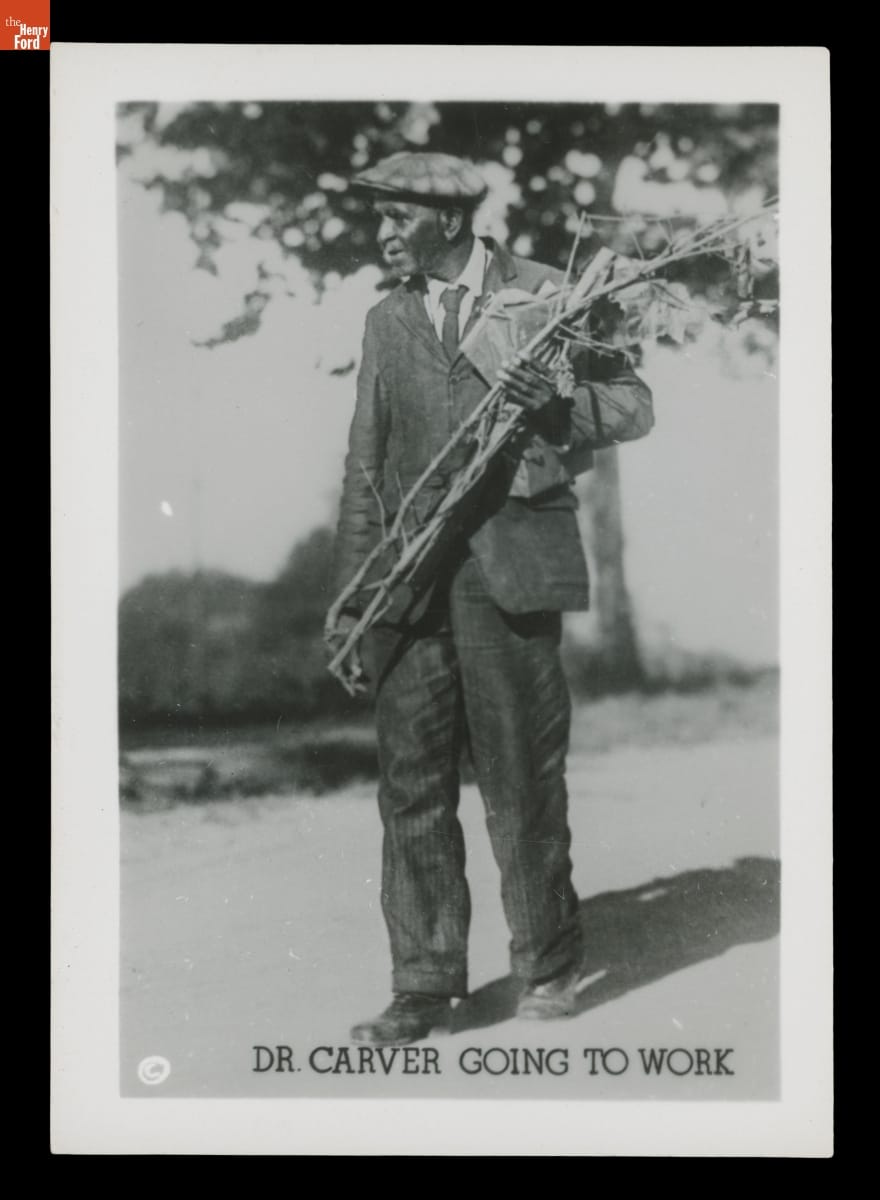
- circa 1940
- Collections - Artifact
George Washington Carver Carrying Plant Stalks, "Dr. Carver Going to Work," circa 1940
Prentice H. Polk, official photographer for Tuskegee Institute, documented renowned agricultural scientist George Washington Carver in this photograph carrying plant stalks back to his laboratory around 1940. After Carver's death, the Carver Seal Committee began selling this and other images to help build the endowment of the George Washington Carver Foundation (formed in 1940).
- George Washington Carver, "Painting by Betsy Graves," 1942 - Betsy Graves Reyneau began painting African Americans in 1942. The portrait she completed of renowned agricultural scientist George Washington Carver in 1942 became her most famous. The Smithsonian Institution acquired it in 1944. The Carver Seal Committee began selling photographs of this painting and other images to help build the endowment of the George Washington Carver Foundation (formed in 1940).
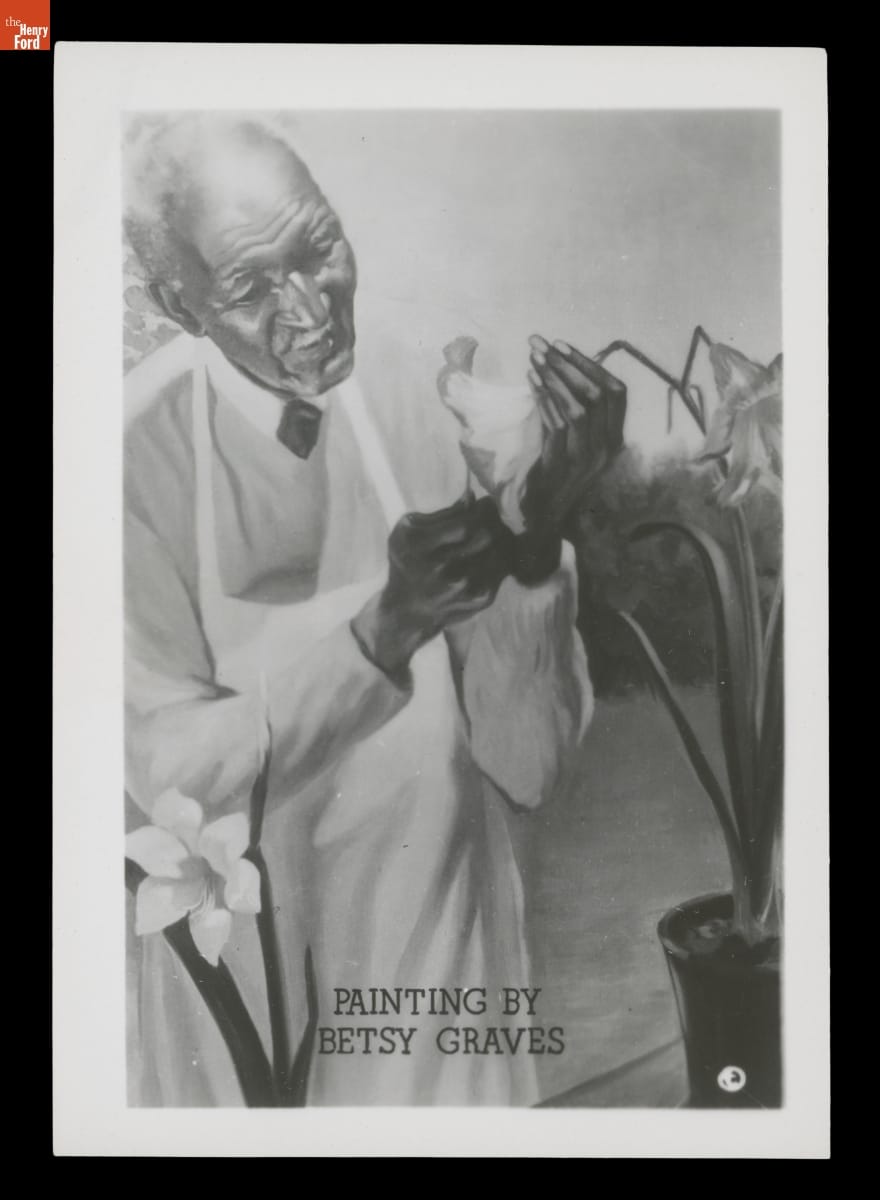
- 1942
- Collections - Artifact
George Washington Carver, "Painting by Betsy Graves," 1942
Betsy Graves Reyneau began painting African Americans in 1942. The portrait she completed of renowned agricultural scientist George Washington Carver in 1942 became her most famous. The Smithsonian Institution acquired it in 1944. The Carver Seal Committee began selling photographs of this painting and other images to help build the endowment of the George Washington Carver Foundation (formed in 1940).
- George Washington Carver and President Franklin Roosevelt, "Dr. Carver & Pres. Roosevelt," March 1939 - President Franklin Delano Roosevelt visited Tuskegee Institute in March 1939, and the renowned agricultural scientist George Washington Carver welcomed Roosevelt to campus. After Carver's death, the Carver Seal Committee began selling copies of the photograph of that meeting and other images to help build the endowment of the George Washington Carver Foundation (formed in 1940).
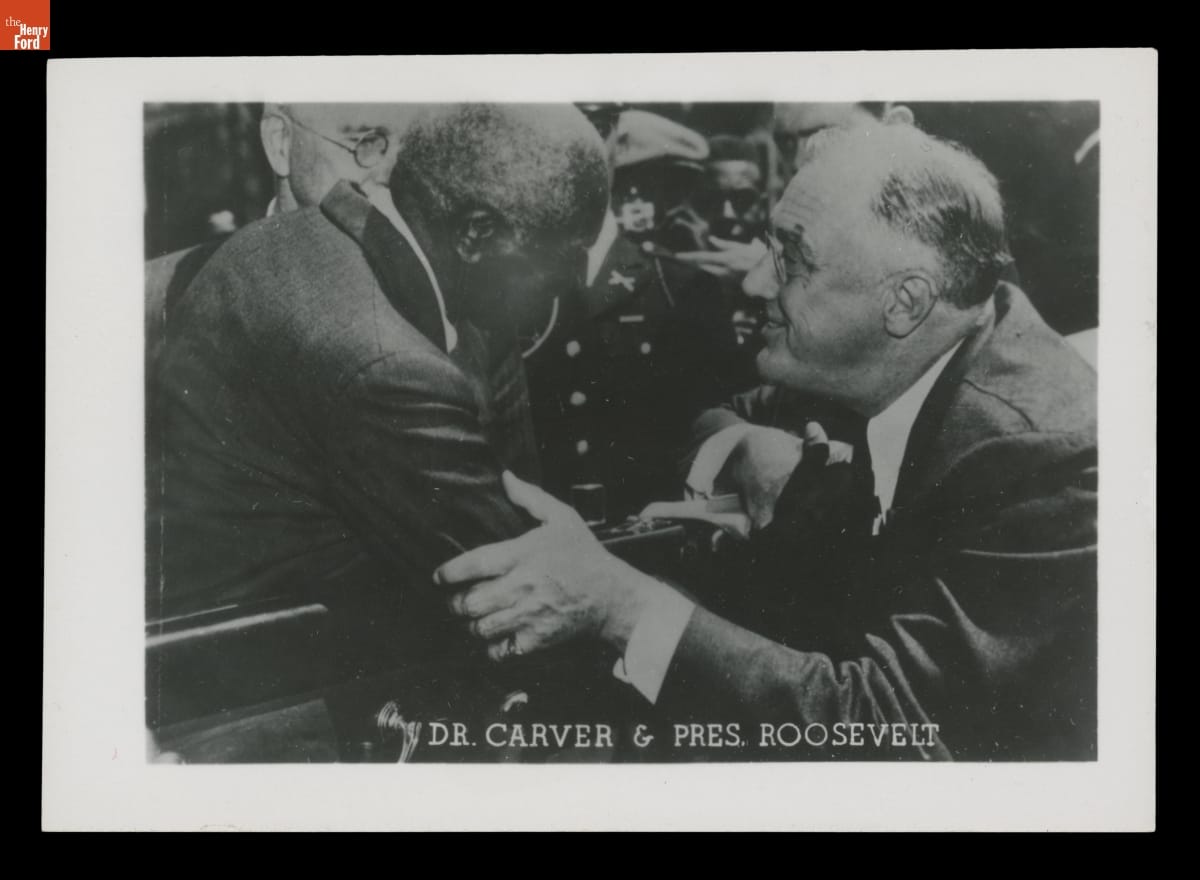
- March 01, 1939
- Collections - Artifact
George Washington Carver and President Franklin Roosevelt, "Dr. Carver & Pres. Roosevelt," March 1939
President Franklin Delano Roosevelt visited Tuskegee Institute in March 1939, and the renowned agricultural scientist George Washington Carver welcomed Roosevelt to campus. After Carver's death, the Carver Seal Committee began selling copies of the photograph of that meeting and other images to help build the endowment of the George Washington Carver Foundation (formed in 1940).
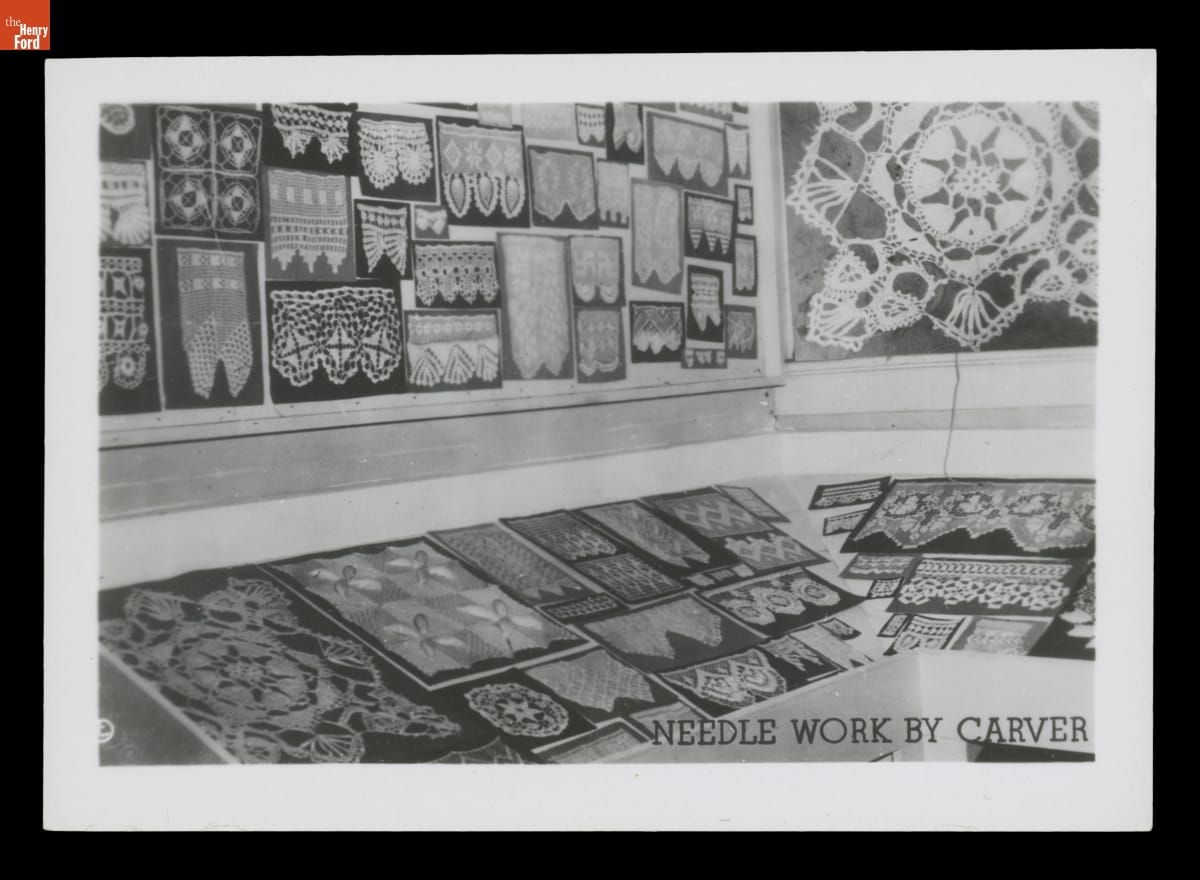
- Display of Textile Art by George Washington Carver, "Needle Work by Carver," circa 1941 - Renowned agricultural scientist George Washington Carver created many things during his career, almost all derived from plants. This included using cotton or linen fiber to make antimacassars, doilies and other decorative needle work. After Carver's death, the Carver Seal Committee began selling this image of his handiwork to help build the endowment of the George Washington Carver Foundation (formed in 1940).
- circa 1941
- Collections - Artifact
Display of Textile Art by George Washington Carver, "Needle Work by Carver," circa 1941
Renowned agricultural scientist George Washington Carver created many things during his career, almost all derived from plants. This included using cotton or linen fiber to make antimacassars, doilies and other decorative needle work. After Carver's death, the Carver Seal Committee began selling this image of his handiwork to help build the endowment of the George Washington Carver Foundation (formed in 1940).
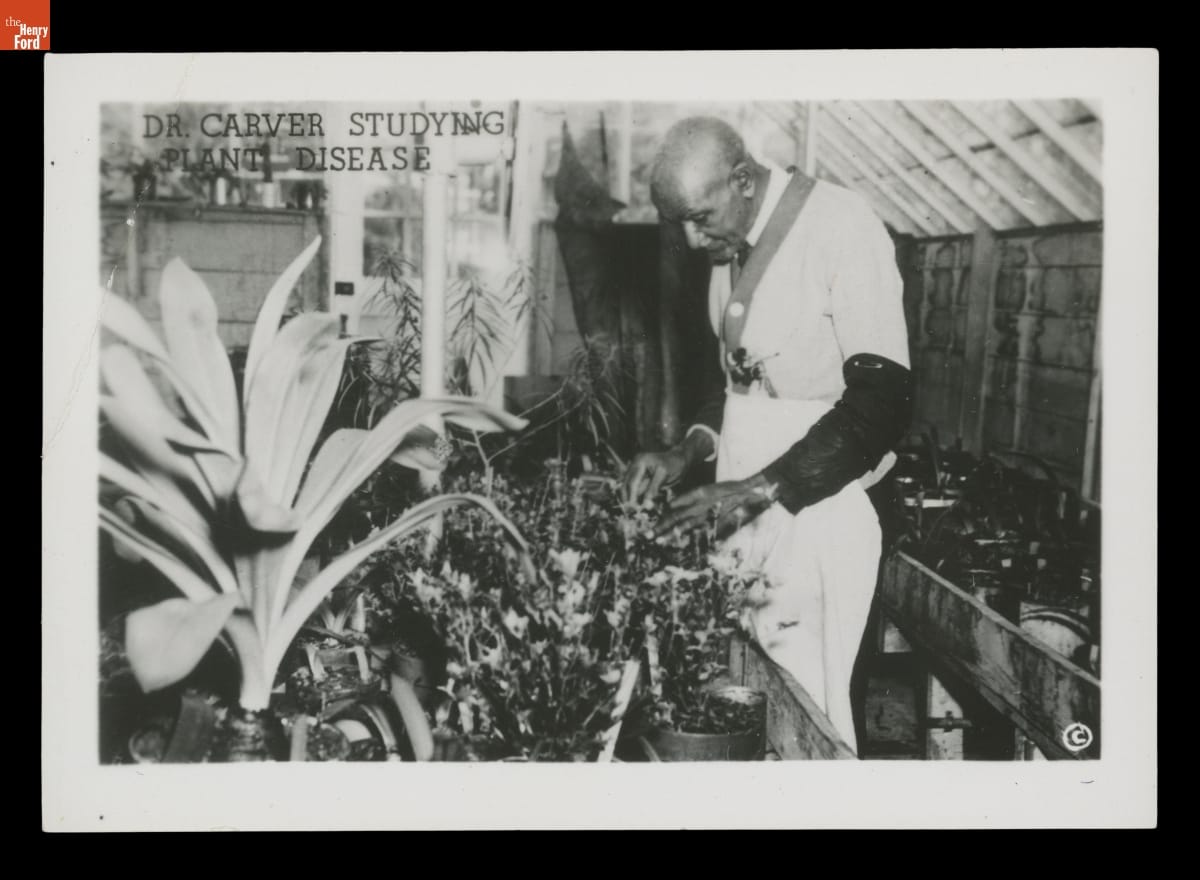
- George Washington Carver in His Laboratory at Tuskegee Institute, "Dr. Carver Studying Plant Disease," 1938 - Prentice H. Polk, official photographer for Tuskegee Institute, documented renowned agricultural scientist George Washington Carver at work in his laboratory in the 1930s. After Carver's death, the Carver Seal Committee began selling this and other images to help build the endowment of the George Washington Carver Foundation (formed in 1940).
- 1938
- Collections - Artifact
George Washington Carver in His Laboratory at Tuskegee Institute, "Dr. Carver Studying Plant Disease," 1938
Prentice H. Polk, official photographer for Tuskegee Institute, documented renowned agricultural scientist George Washington Carver at work in his laboratory in the 1930s. After Carver's death, the Carver Seal Committee began selling this and other images to help build the endowment of the George Washington Carver Foundation (formed in 1940).
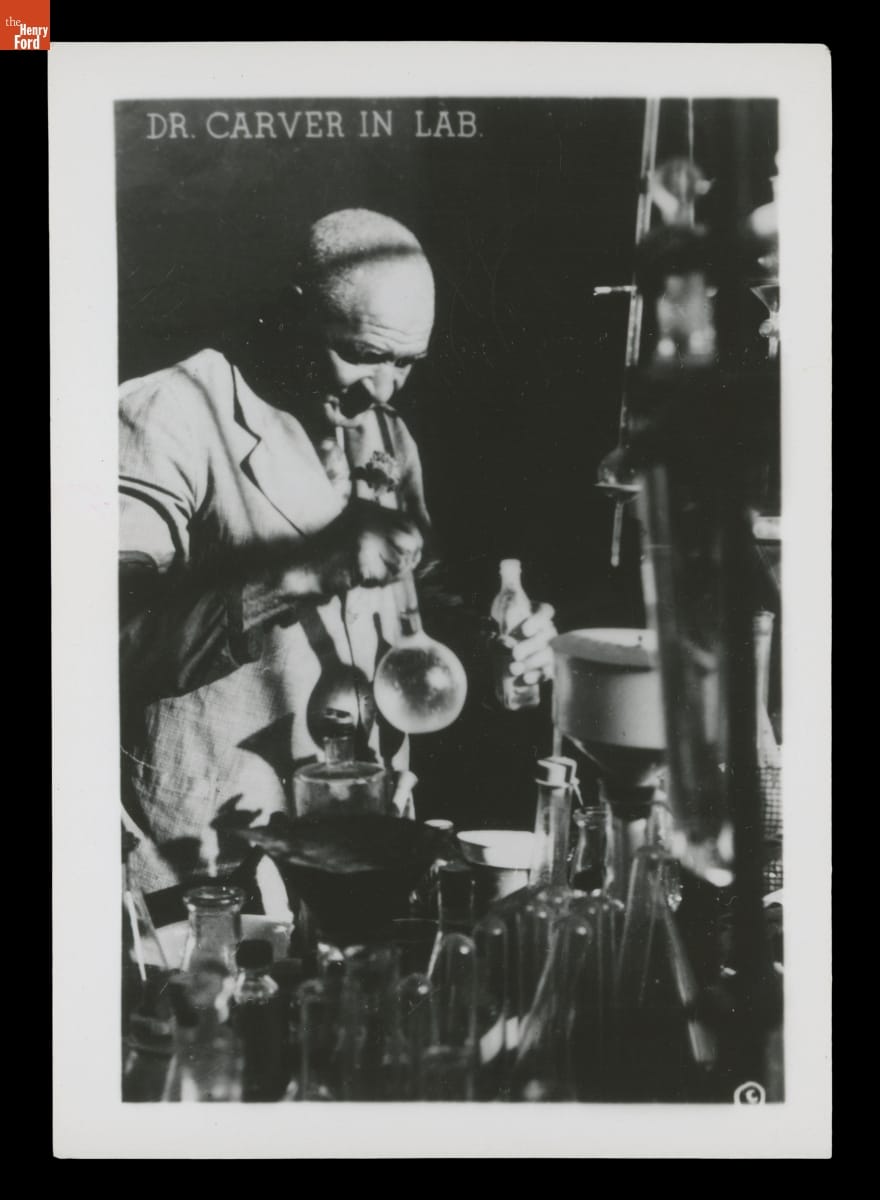
- George Washington Carver in His Laboratory at Tuskegee Institute, "Dr. Carver in Lab," circa 1930 - Prentice H. Polk, official photographer for Tuskegee Institute, documented renowned agricultural scientist George Washington Carver at work in his laboratory in the 1930s. After Carver's death, the Carver Seal Committee began selling this and other images to help build the endowment of the George Washington Carver Foundation (formed in 1940).
- circa 1930
- Collections - Artifact
George Washington Carver in His Laboratory at Tuskegee Institute, "Dr. Carver in Lab," circa 1930
Prentice H. Polk, official photographer for Tuskegee Institute, documented renowned agricultural scientist George Washington Carver at work in his laboratory in the 1930s. After Carver's death, the Carver Seal Committee began selling this and other images to help build the endowment of the George Washington Carver Foundation (formed in 1940).
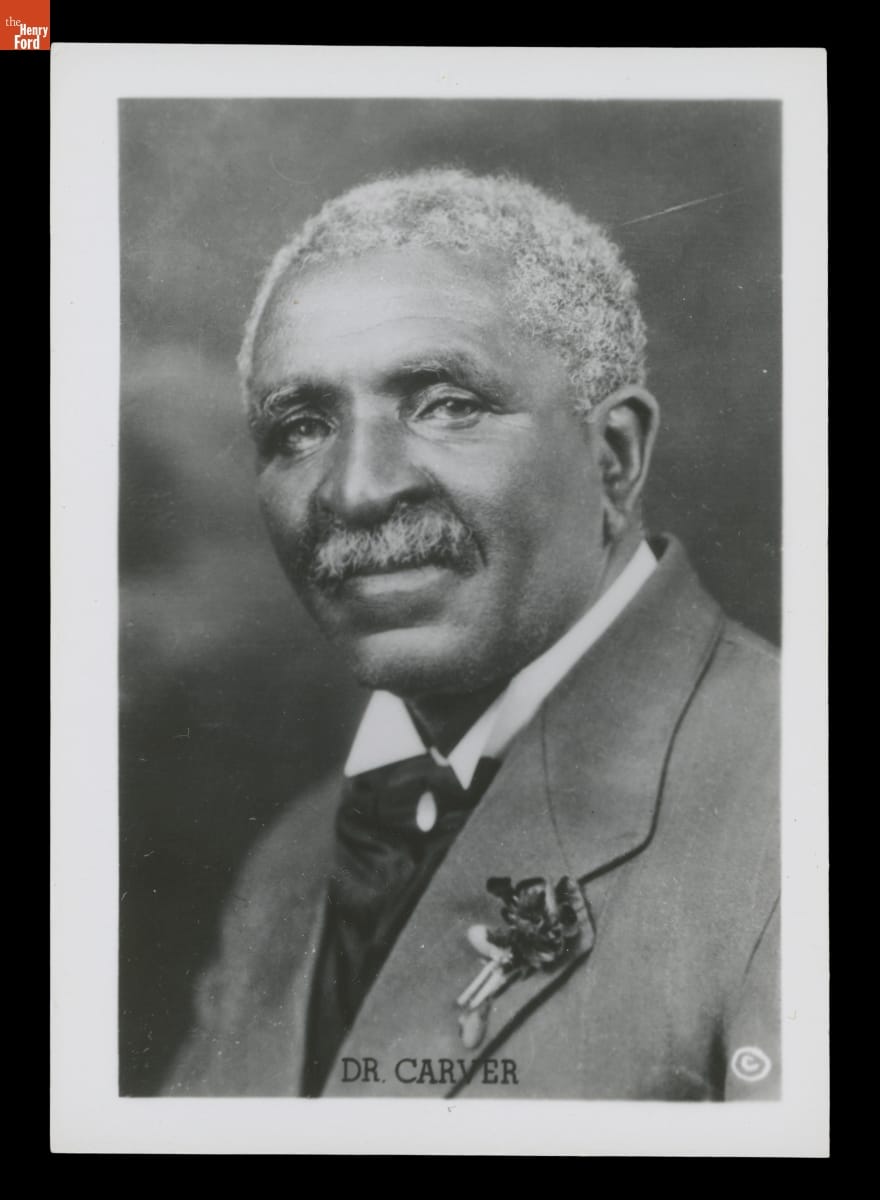
- Portrait of George Washington Carver, "Dr. Carver," circa 1925 - Prentice H. Polk, official photographer for Tuskegee Institute, documented renowned agricultural scientist George Washington Carver in this black-and-white portrait. After Carver's death, the Carver Seal Committee began selling this and other images to help build the endowment of the George Washington Carver Foundation (formed in 1940).
- circa 1925
- Collections - Artifact
Portrait of George Washington Carver, "Dr. Carver," circa 1925
Prentice H. Polk, official photographer for Tuskegee Institute, documented renowned agricultural scientist George Washington Carver in this black-and-white portrait. After Carver's death, the Carver Seal Committee began selling this and other images to help build the endowment of the George Washington Carver Foundation (formed in 1940).
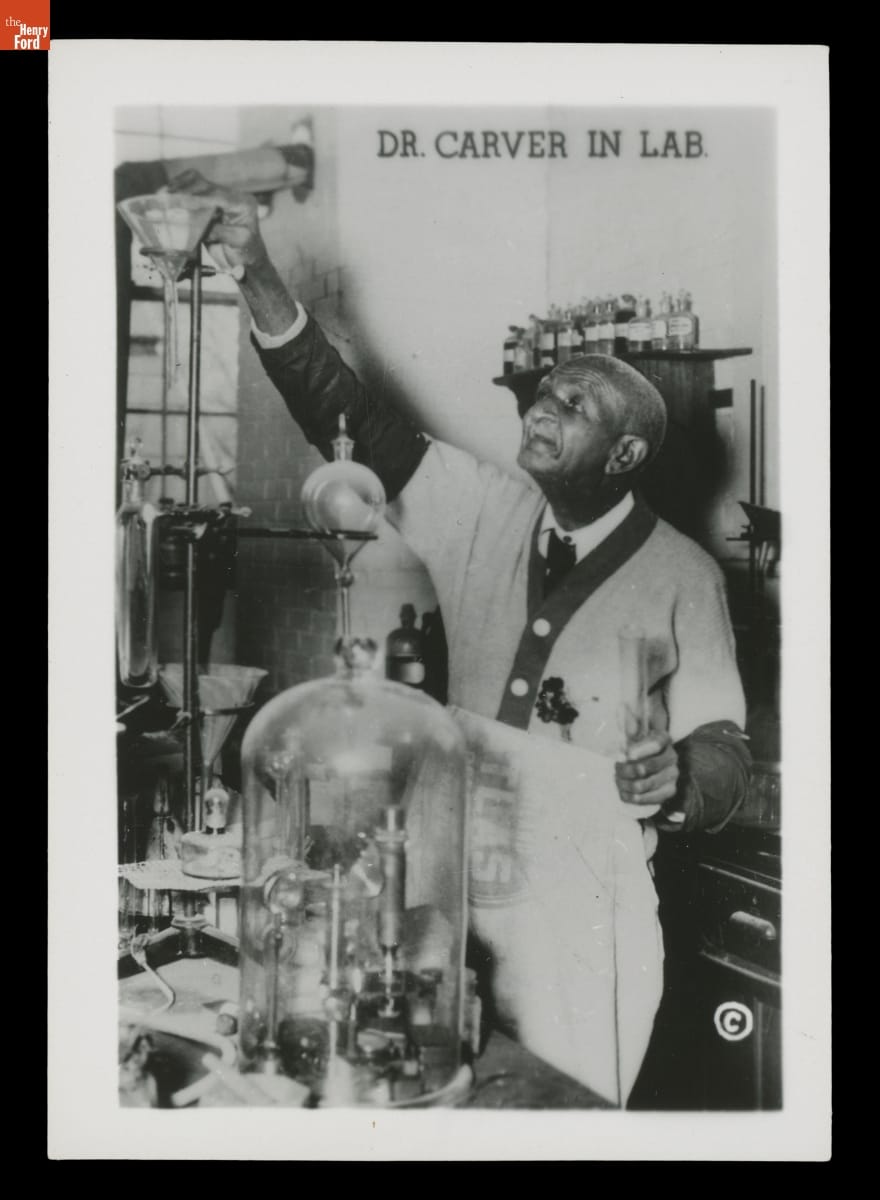
- George Washington Carver in His Laboratory at Tuskegee Institute, "Dr. Carver in Lab," 1930-1940 - Prentice H. Polk, official photographer for Tuskegee Institute, documented renowned agricultural scientist George Washington Carver at work in his laboratory in the 1930s. After Carver's death, the Carver Seal Committee began selling this and other images to help build the endowment of the George Washington Carver Foundation (formed in 1940).
- 1938-1940
- Collections - Artifact
George Washington Carver in His Laboratory at Tuskegee Institute, "Dr. Carver in Lab," 1930-1940
Prentice H. Polk, official photographer for Tuskegee Institute, documented renowned agricultural scientist George Washington Carver at work in his laboratory in the 1930s. After Carver's death, the Carver Seal Committee began selling this and other images to help build the endowment of the George Washington Carver Foundation (formed in 1940).
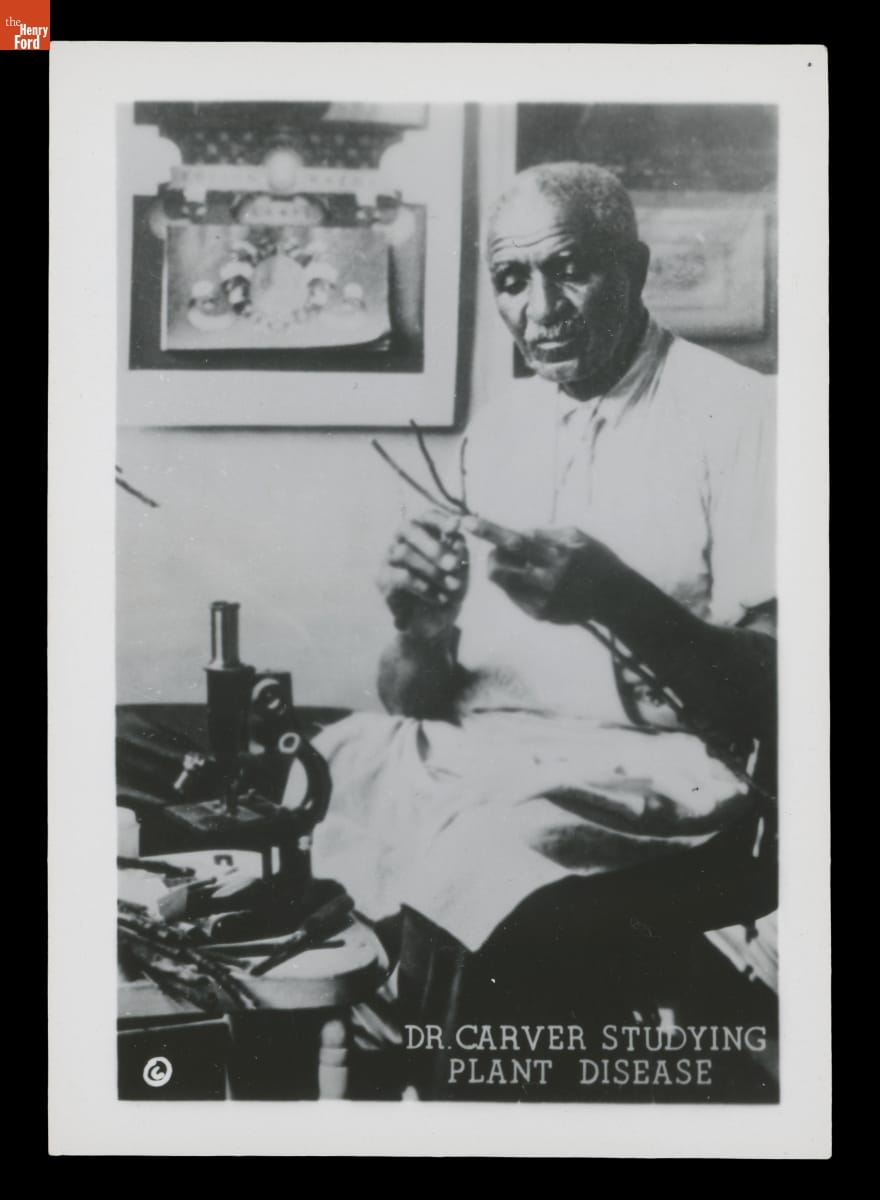
- George Washington Carver in His Laboratory at Tuskegee Institute, "Dr. Carver Studying Plant Disease," 1925-1935 - Prentice H. Polk, official photographer for Tuskegee Institute, documented renowned agricultural scientist George Washington Carver at work in his laboratory in the 1930s. After Carver's death, the Carver Seal Committee began selling this and other images to help build the endowment of the George Washington Carver Foundation (formed in 1940).
- 1925-1935
- Collections - Artifact
George Washington Carver in His Laboratory at Tuskegee Institute, "Dr. Carver Studying Plant Disease," 1925-1935
Prentice H. Polk, official photographer for Tuskegee Institute, documented renowned agricultural scientist George Washington Carver at work in his laboratory in the 1930s. After Carver's death, the Carver Seal Committee began selling this and other images to help build the endowment of the George Washington Carver Foundation (formed in 1940).