
Search
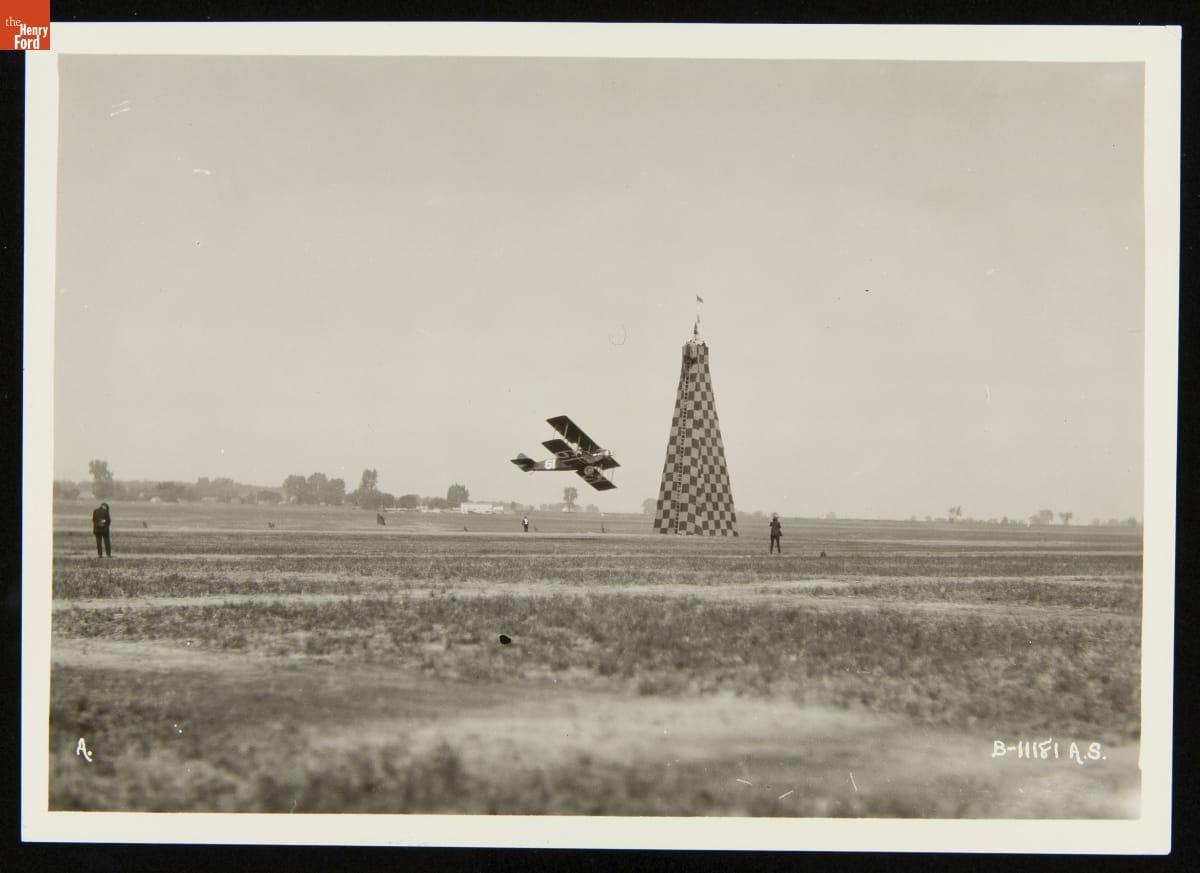
- The Aviation Country Club of Detroit Trophy Race at the National Air Races, St. Louis, Missouri, October 6, 1923 - Air races provided pilots and manufacturers with an opportunity to test new technologies and show them off to enthusiastic audiences. From the 1920s through the 1940s, the annual National Air Races were the premier competition in the United States. The 1923 event took place in St. Louis, Missouri, where pilot Al Williams won with a speed of 243.67 mph.
- October 06, 1923
- Collections - Artifact
The Aviation Country Club of Detroit Trophy Race at the National Air Races, St. Louis, Missouri, October 6, 1923
Air races provided pilots and manufacturers with an opportunity to test new technologies and show them off to enthusiastic audiences. From the 1920s through the 1940s, the annual National Air Races were the premier competition in the United States. The 1923 event took place in St. Louis, Missouri, where pilot Al Williams won with a speed of 243.67 mph.
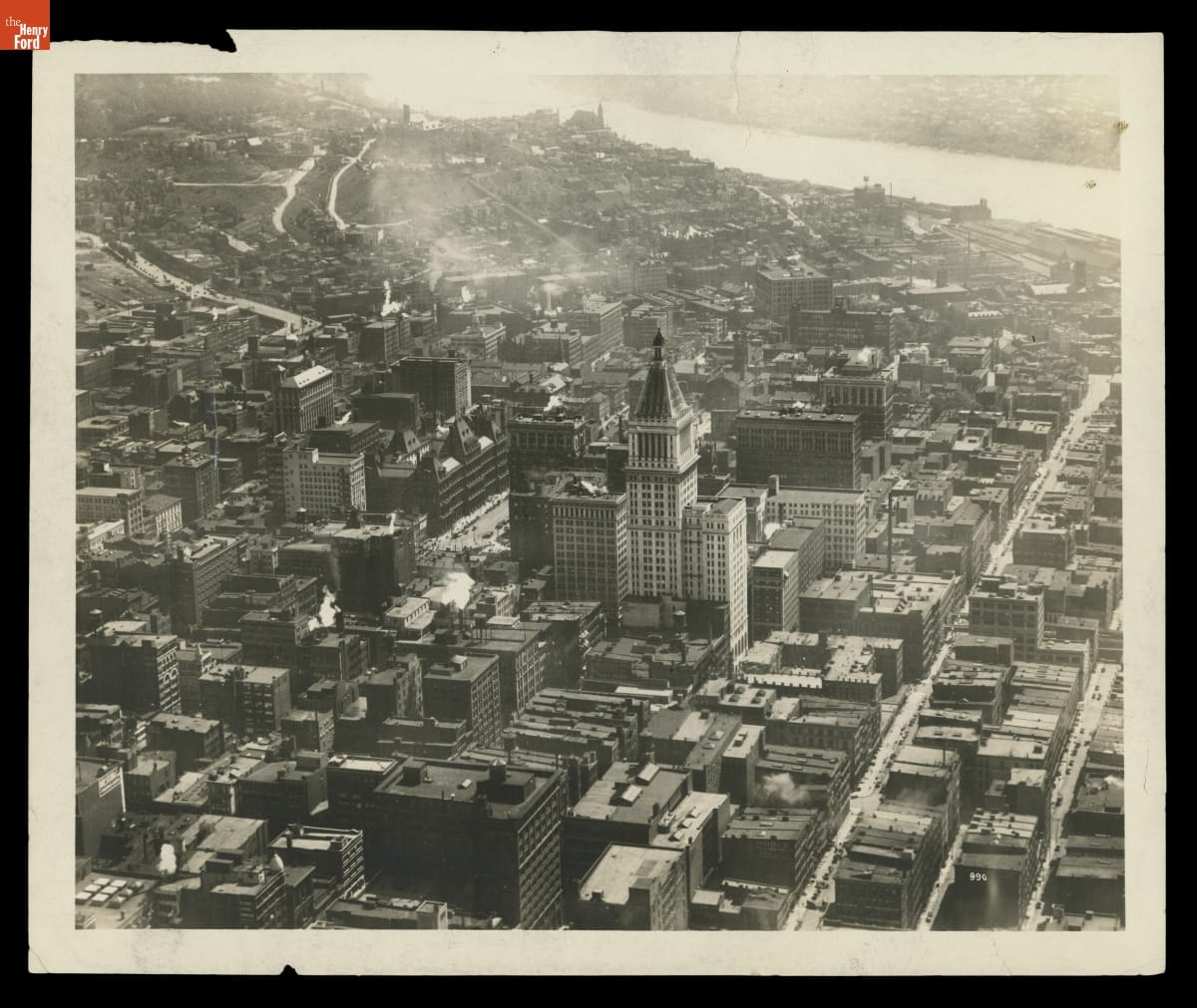
- Aerial View of Cincinnati, Ohio, circa 1923 - Military aerial reconnaissance during World War I accelerated the evolution of domestic aerial photography after the war. During the 1920s, aerial images like this one taken over Cincinnati by the U.S. Army Air Service helped document population shifts and environmental changes. They also informed urban planning, agricultural practices, and engineering projects.
- circa 1923
- Collections - Artifact
Aerial View of Cincinnati, Ohio, circa 1923
Military aerial reconnaissance during World War I accelerated the evolution of domestic aerial photography after the war. During the 1920s, aerial images like this one taken over Cincinnati by the U.S. Army Air Service helped document population shifts and environmental changes. They also informed urban planning, agricultural practices, and engineering projects.
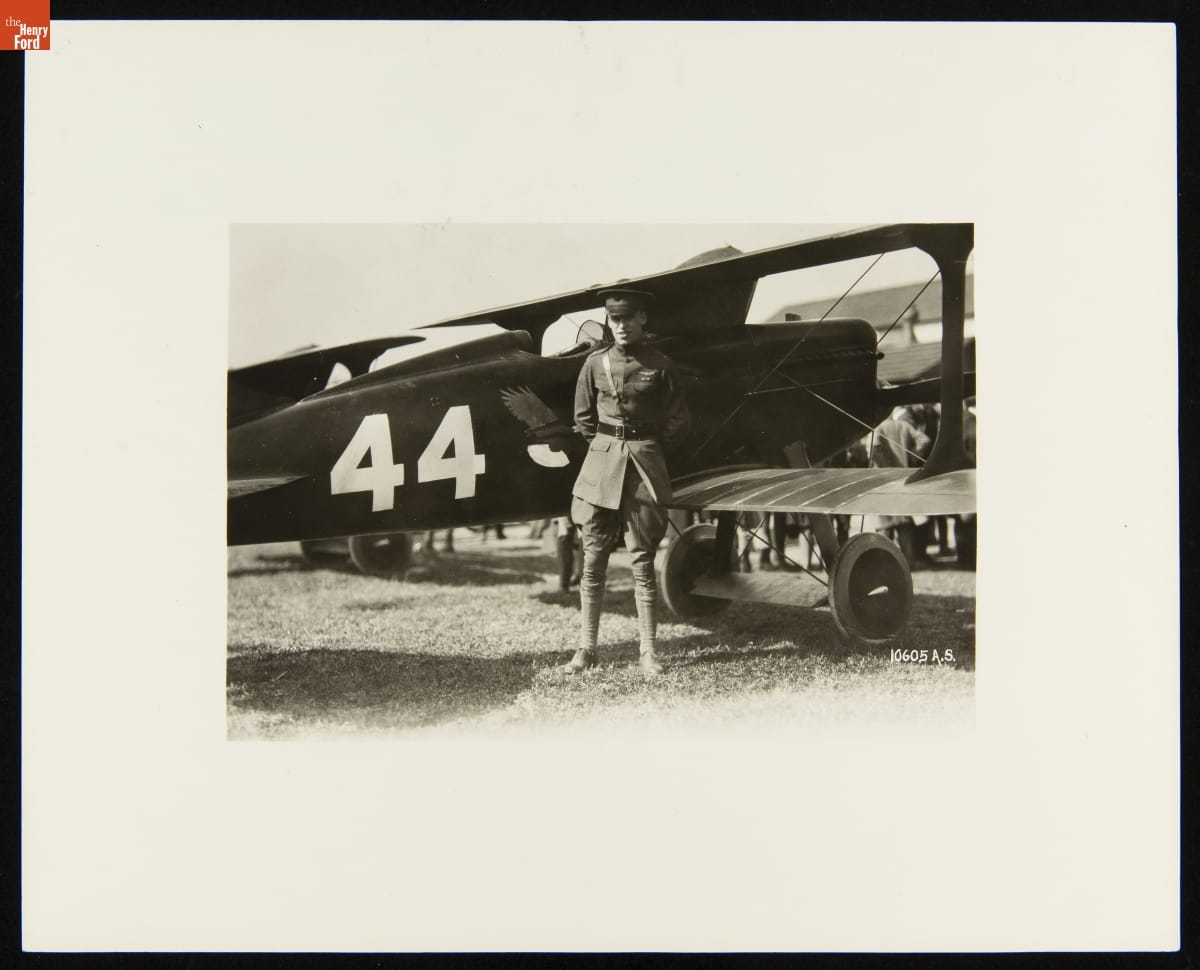
- Lieutenant Lester J. Maitland, 2nd Place Winner, Pulitzer Air Race, October 14, 1922 - Air races provided pilots and manufacturers with an opportunity to test new technologies and show them off to enthusiastic audiences. The annual National Air Races were the premier competition in the United States from the 1920s through the 1940s. Publisher Ralph Pulitzer sponsored the event's top prize. Russell Maughan won the 1922 contest held near Mount Clemens, Michigan.
- October 14, 1922
- Collections - Artifact
Lieutenant Lester J. Maitland, 2nd Place Winner, Pulitzer Air Race, October 14, 1922
Air races provided pilots and manufacturers with an opportunity to test new technologies and show them off to enthusiastic audiences. The annual National Air Races were the premier competition in the United States from the 1920s through the 1940s. Publisher Ralph Pulitzer sponsored the event's top prize. Russell Maughan won the 1922 contest held near Mount Clemens, Michigan.
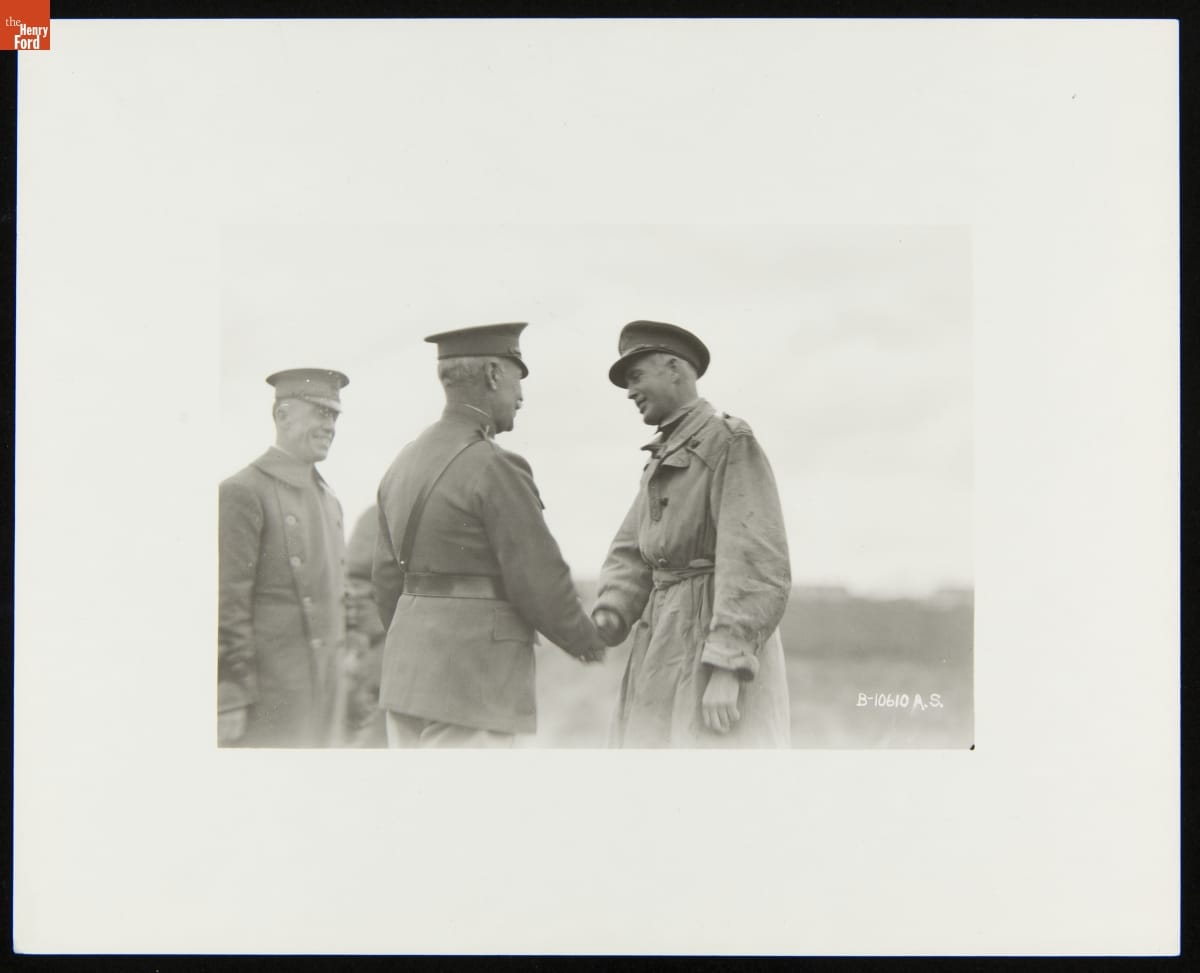
- General Mason Patrick Congratulates Lieutenant Erik Nelson, Winner of the Detroit News Air Mail Trophy Race, October 1922 - Air races provided pilots and manufacturers with an opportunity to test new technologies and show them off to enthusiastic audiences. The annual National Air Races were the premier competition in the United States from the 1920s through the 1940s. Publisher Ralph Pulitzer sponsored the event's top prize. Russell Maughan won the 1922 contest held near Mount Clemens, Michigan.
- October 01, 1922
- Collections - Artifact
General Mason Patrick Congratulates Lieutenant Erik Nelson, Winner of the Detroit News Air Mail Trophy Race, October 1922
Air races provided pilots and manufacturers with an opportunity to test new technologies and show them off to enthusiastic audiences. The annual National Air Races were the premier competition in the United States from the 1920s through the 1940s. Publisher Ralph Pulitzer sponsored the event's top prize. Russell Maughan won the 1922 contest held near Mount Clemens, Michigan.
- Lieutenant Russell L. Maughan in a Navy Aircraft, Rounding the Pylon, Pulitzer Air Race, October 14, 1922 - Air races provided pilots and manufacturers with an opportunity to test new technologies and show them off to enthusiastic audiences. The annual National Air Races were the premier competition in the United States from the 1920s through the 1940s. Publisher Ralph Pulitzer sponsored the event's top prize. Russell Maughan won the 1922 contest held near Mount Clemens, Michigan.
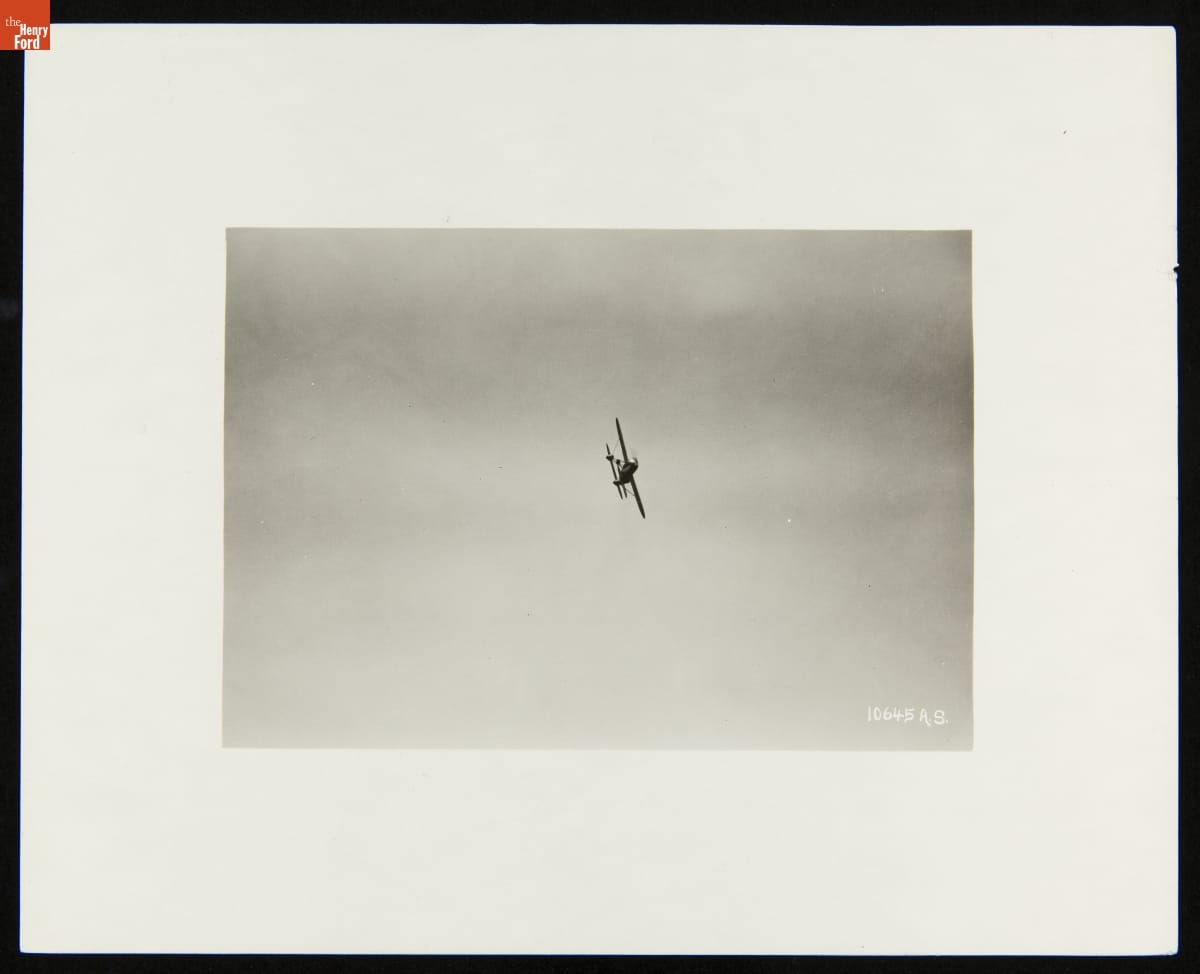
- October 14, 1922
- Collections - Artifact
Lieutenant Russell L. Maughan in a Navy Aircraft, Rounding the Pylon, Pulitzer Air Race, October 14, 1922
Air races provided pilots and manufacturers with an opportunity to test new technologies and show them off to enthusiastic audiences. The annual National Air Races were the premier competition in the United States from the 1920s through the 1940s. Publisher Ralph Pulitzer sponsored the event's top prize. Russell Maughan won the 1922 contest held near Mount Clemens, Michigan.
- Lieutenant Thomas Selfridge and Dr. Alexander Graham Bell, 1908 -
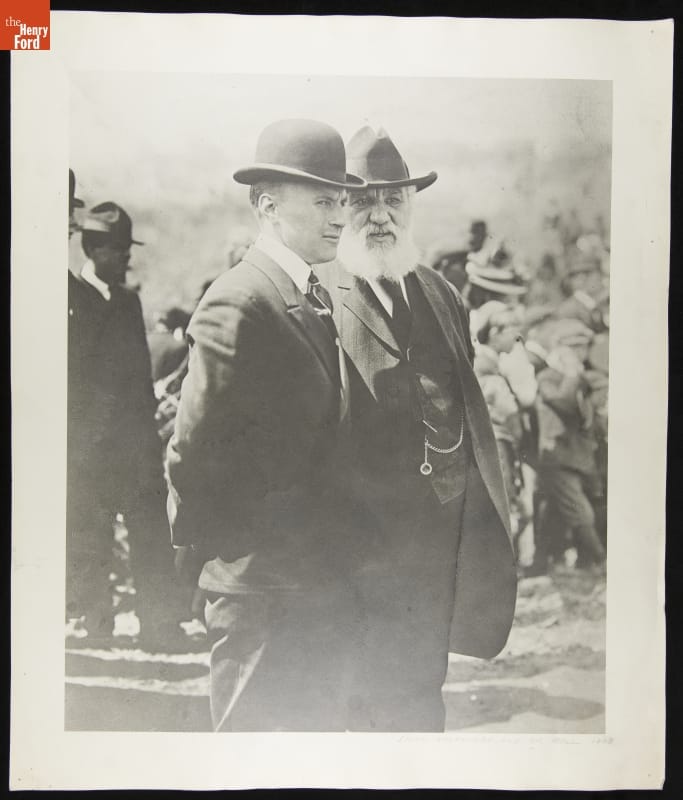
- 1910
- Collections - Artifact
Lieutenant Thomas Selfridge and Dr. Alexander Graham Bell, 1908
- First Lieutenant John D. Corkille Taking Off in a Curtiss Racer at the Pulitzer Trophy Air Race, National Air Races, St. Louis, Missouri, October 6, 1923 - Air races provided pilots and manufacturers with an opportunity to test new technologies and show them off to enthusiastic audiences. From the 1920s through the 1940s, the annual National Air Races were the premier competition in the United States. The 1923 event took place in St. Louis, Missouri, where pilot Al Williams won with a speed of 243.67 mph.
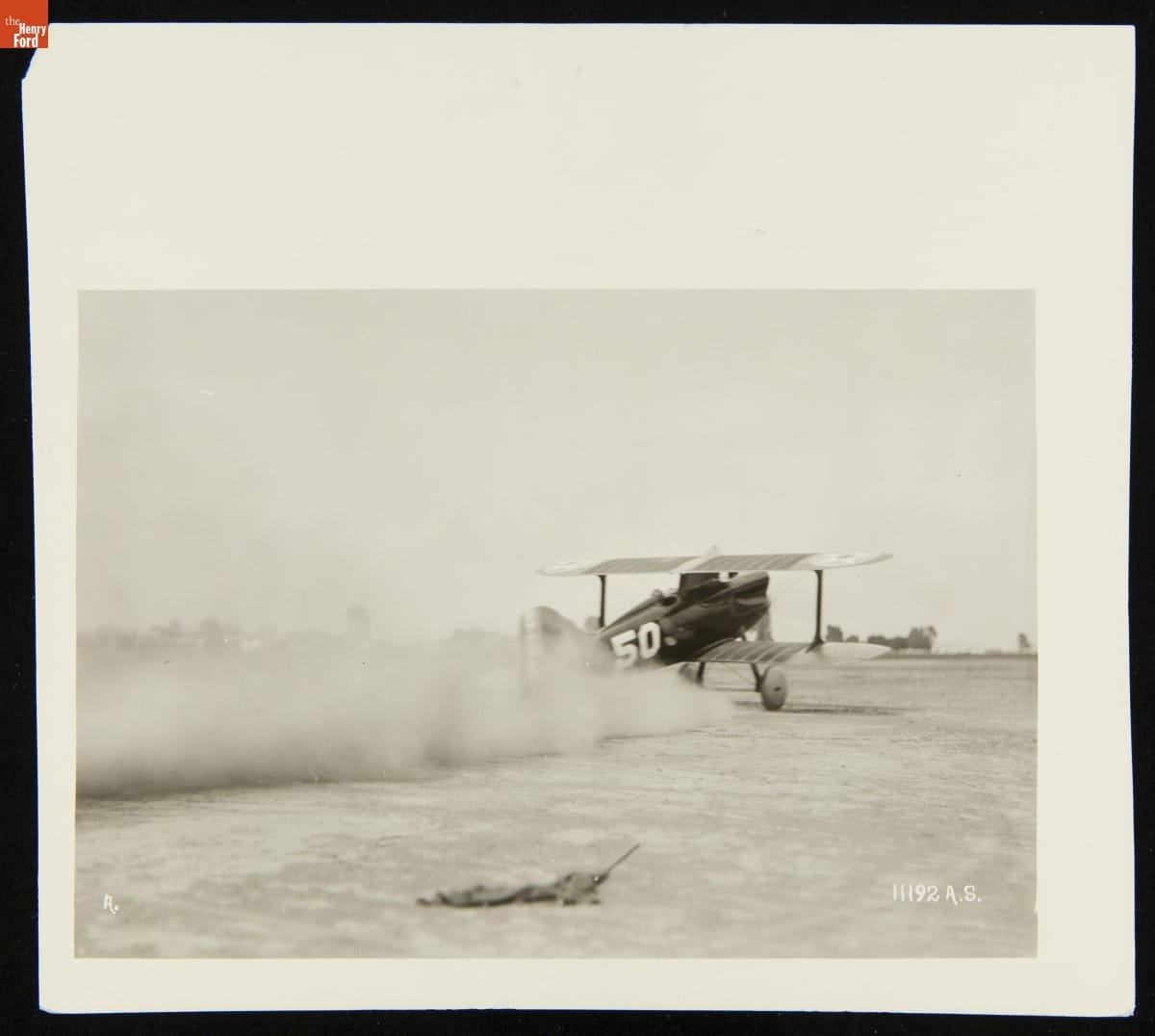
- October 06, 1923
- Collections - Artifact
First Lieutenant John D. Corkille Taking Off in a Curtiss Racer at the Pulitzer Trophy Air Race, National Air Races, St. Louis, Missouri, October 6, 1923
Air races provided pilots and manufacturers with an opportunity to test new technologies and show them off to enthusiastic audiences. From the 1920s through the 1940s, the annual National Air Races were the premier competition in the United States. The 1923 event took place in St. Louis, Missouri, where pilot Al Williams won with a speed of 243.67 mph.
- Status of Work on Aerial Navigation Strip Maps Being Published by the Army Air Service as of February 25, 1925 - Navigating in an early airplane -- without the benefit of sophisticated cockpit instruments or radio communication -- wasn't easy. The U.S. Army, in cooperation with the U.S. Post Office, established a network of flyways across the country. These routes were marked with lighted beacons, creating reliable paths that pilots could follow day and night.
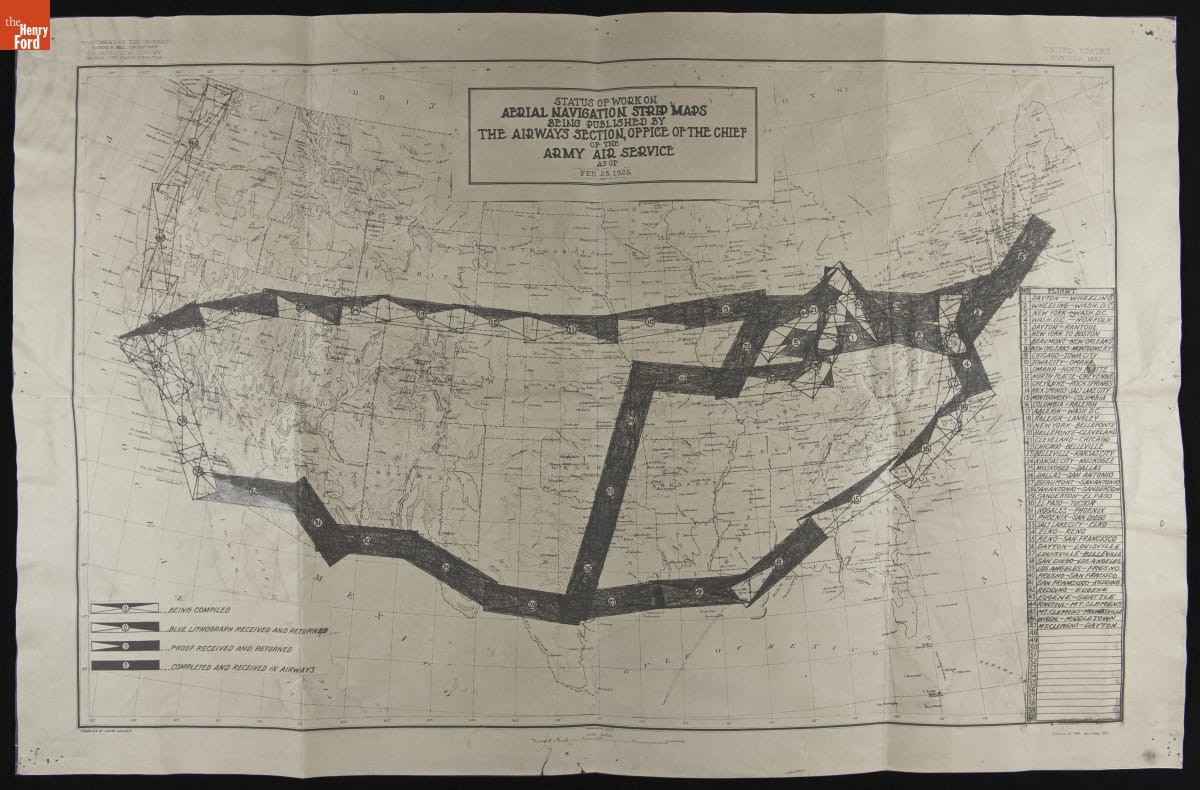
- February 25, 1925
- Collections - Artifact
Status of Work on Aerial Navigation Strip Maps Being Published by the Army Air Service as of February 25, 1925
Navigating in an early airplane -- without the benefit of sophisticated cockpit instruments or radio communication -- wasn't easy. The U.S. Army, in cooperation with the U.S. Post Office, established a network of flyways across the country. These routes were marked with lighted beacons, creating reliable paths that pilots could follow day and night.
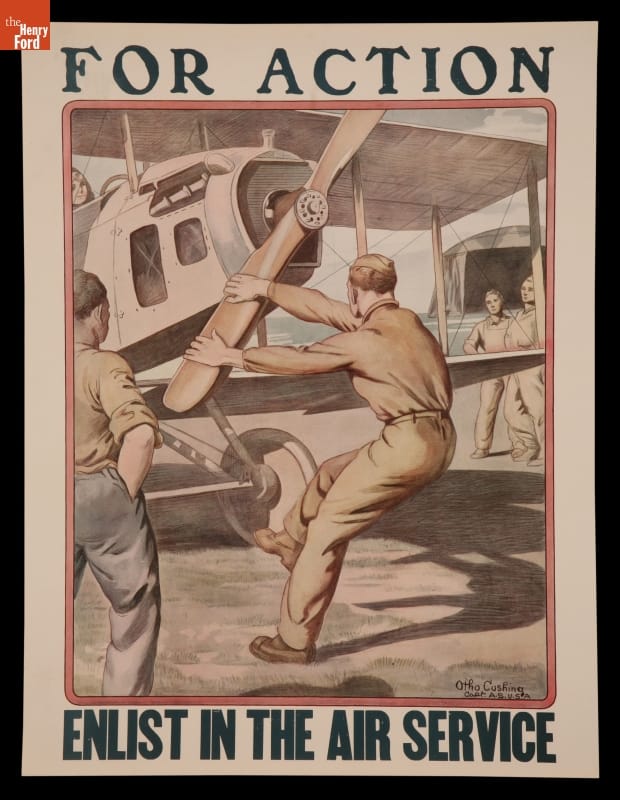
- World War I Poster, "For Action, Enlist in the Air Service," 1918-1920 -
- 1918-1920
- Collections - Artifact
World War I Poster, "For Action, Enlist in the Air Service," 1918-1920
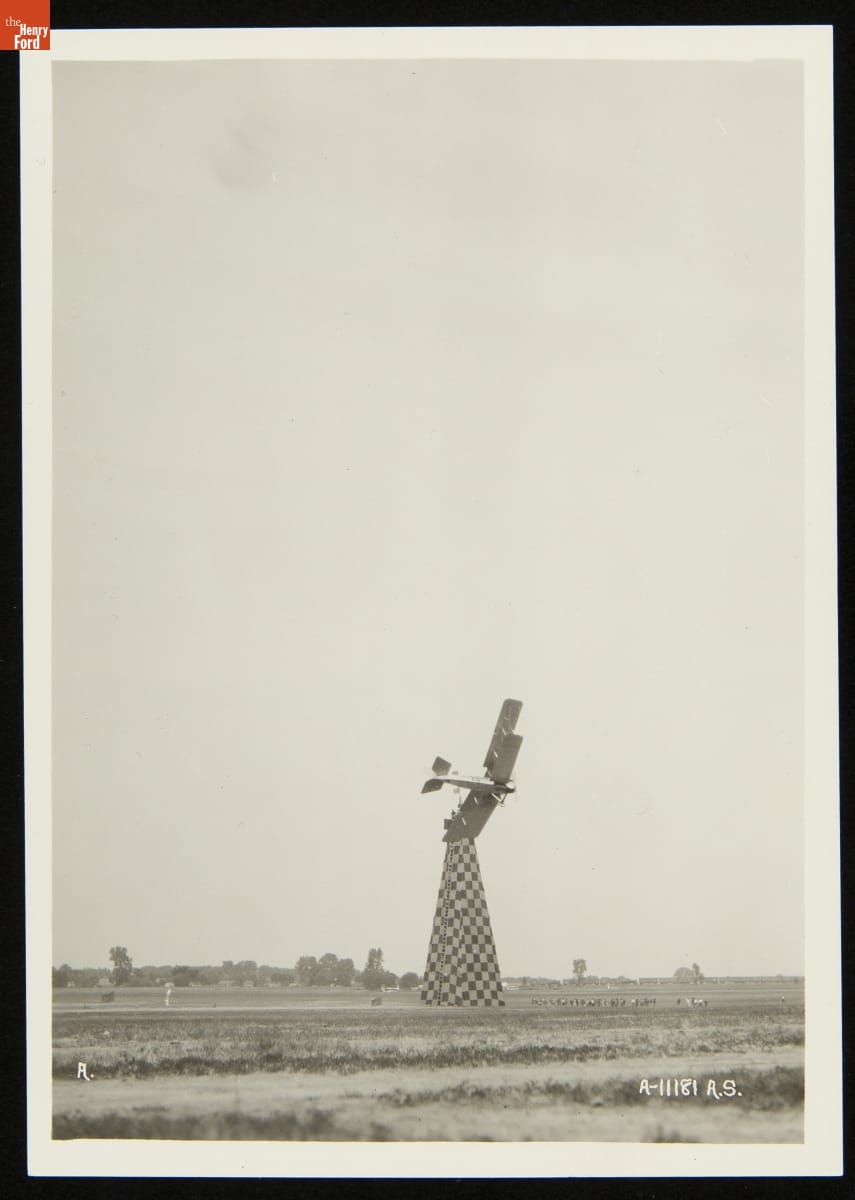
- The Aviation Country Club of Detroit Trophy Race at the Pulitzer Air Races, October 5, 1923 - Air races provided pilots and manufacturers with an opportunity to test new technologies and show them off to enthusiastic audiences. From the 1920s through the 1940s, the annual National Air Races were the premier competition in the United States. The 1923 event took place in St. Louis, Missouri, where pilot Al Williams won with a speed of 243.67 mph.
- October 05, 1923
- Collections - Artifact
The Aviation Country Club of Detroit Trophy Race at the Pulitzer Air Races, October 5, 1923
Air races provided pilots and manufacturers with an opportunity to test new technologies and show them off to enthusiastic audiences. From the 1920s through the 1940s, the annual National Air Races were the premier competition in the United States. The 1923 event took place in St. Louis, Missouri, where pilot Al Williams won with a speed of 243.67 mph.