
Search
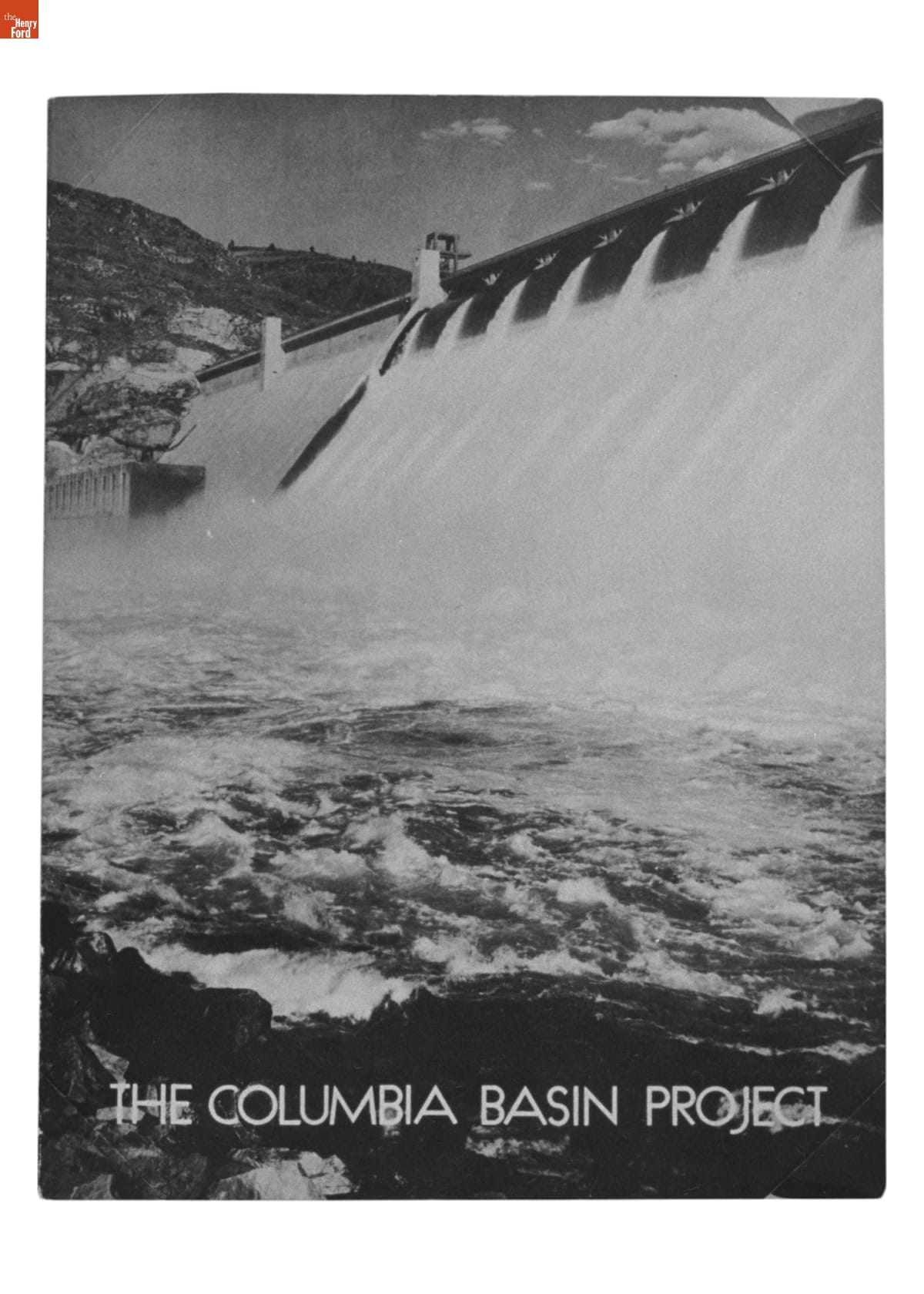
- The Columbia Basin Project, 1950 -
- 1950
- Collections - Artifact
The Columbia Basin Project, 1950
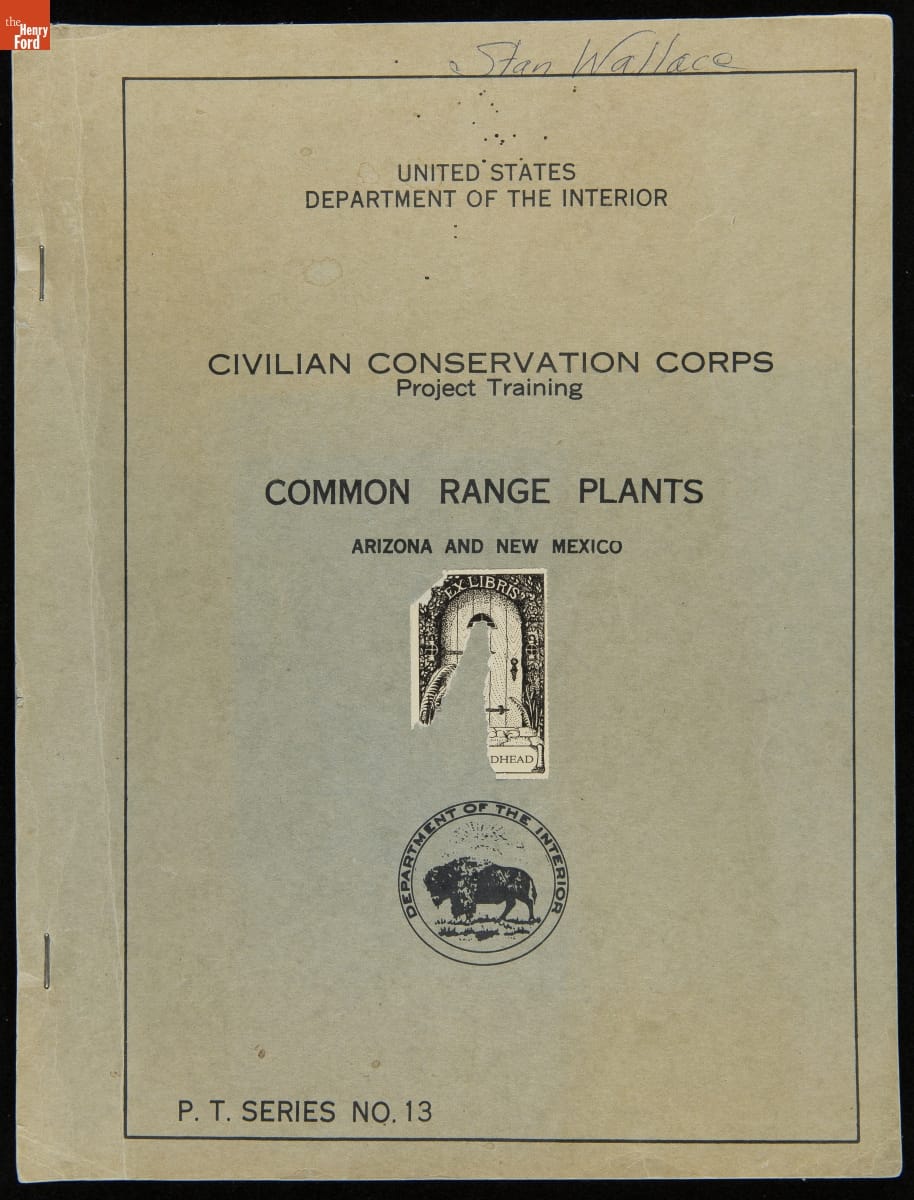
- Manual, "Civilian Conservation Corps Project Training: Common Range Plants, Arizona and New Mexico," October 1939 - President Franklin Roosevelt established the Civilian Conservation Corps (CCC) in 1933 during the early years of the Great Depression. The Corps enlisted unemployed, single young men to work in America's public lands, forests, and national parks. The men earned $30 a month and received food, clothing, and lodging. More than 2 1/2 million men served by the time the program ended in 1942.
- October 01, 1939
- Collections - Artifact
Manual, "Civilian Conservation Corps Project Training: Common Range Plants, Arizona and New Mexico," October 1939
President Franklin Roosevelt established the Civilian Conservation Corps (CCC) in 1933 during the early years of the Great Depression. The Corps enlisted unemployed, single young men to work in America's public lands, forests, and national parks. The men earned $30 a month and received food, clothing, and lodging. More than 2 1/2 million men served by the time the program ended in 1942.
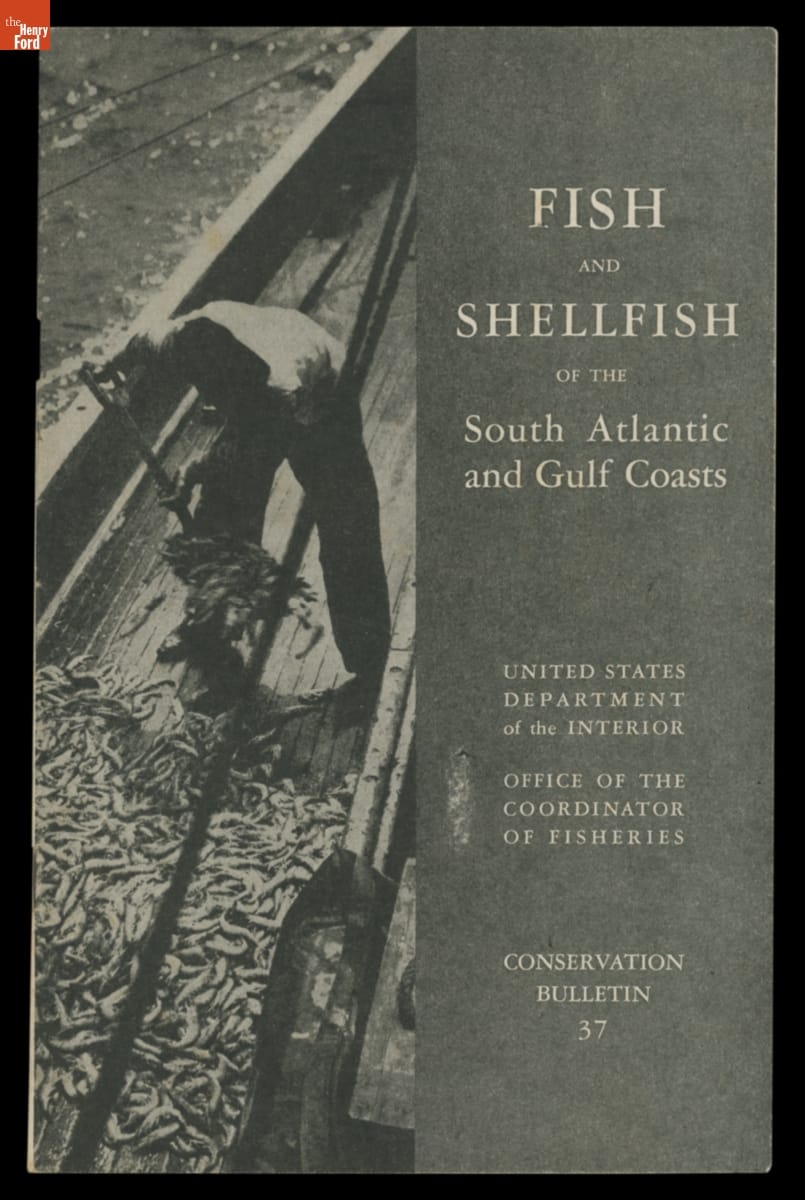
- U.S. Department of the Interior Conservation Bulletin 37: Fish and Shellfish of the South Atlantic and Gulf Coasts, 1944 - During World War II, Rachel Carson wrote four U.S. Department of Interior bulletins about fish as a food source. These bulletins helped readers identify local fish and find them in markets. Writing these bulletins added a persuasive tone to Carson's future nature literature. Her 1962 book <em>Silent Spring</em>, describing threats to nature from pesticides, sparked the environmental movements of the 1960s.
- 1944
- Collections - Artifact
U.S. Department of the Interior Conservation Bulletin 37: Fish and Shellfish of the South Atlantic and Gulf Coasts, 1944
During World War II, Rachel Carson wrote four U.S. Department of Interior bulletins about fish as a food source. These bulletins helped readers identify local fish and find them in markets. Writing these bulletins added a persuasive tone to Carson's future nature literature. Her 1962 book Silent Spring, describing threats to nature from pesticides, sparked the environmental movements of the 1960s.
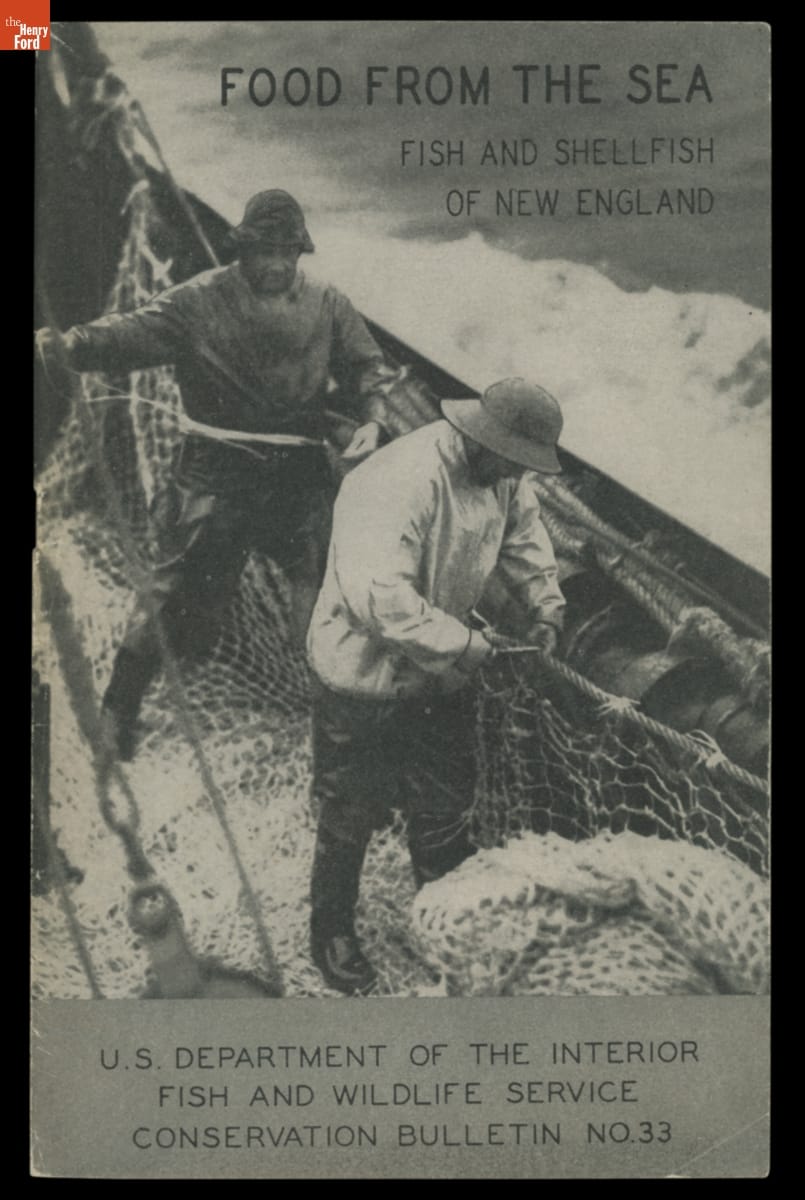
- U.S. Department of the Interior Conservation Bulletin No. 33: Food from the Sea, Fish and Shellfish of New England, 1943 - During World War II, Rachel Carson wrote four U.S. Department of Interior bulletins about fish as a food source. These bulletins helped readers identify local fish and find them in markets. Writing these bulletins added a persuasive tone to Carson's future nature literature. Her 1962 book <em>Silent Spring</em>, describing threats to nature from pesticides, sparked the environmental movements of the 1960s.
- 1943
- Collections - Artifact
U.S. Department of the Interior Conservation Bulletin No. 33: Food from the Sea, Fish and Shellfish of New England, 1943
During World War II, Rachel Carson wrote four U.S. Department of Interior bulletins about fish as a food source. These bulletins helped readers identify local fish and find them in markets. Writing these bulletins added a persuasive tone to Carson's future nature literature. Her 1962 book Silent Spring, describing threats to nature from pesticides, sparked the environmental movements of the 1960s.
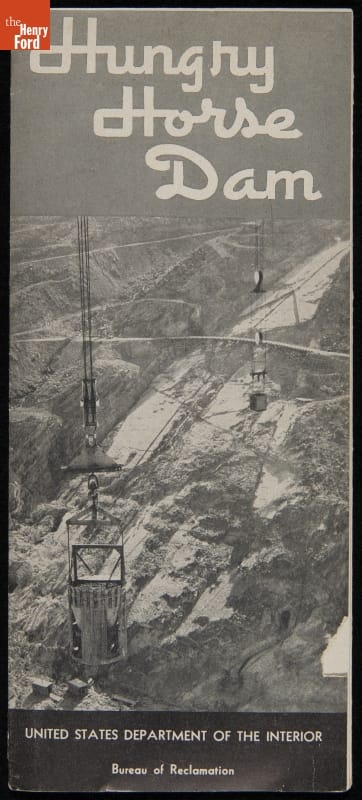
- "Hungry Horse Dam," 1950 - The Bureau of Reclamation created this brochure touting the benefits of constructing the Hungry Horse Dam on the South Fork Flathead River in northwest Montana. According to the Bureau, the dam would produce low-cost power, stimulate the area's economy, provide farm irrigation, and control potential floodwaters. Construction started in 1948, and the dam was completed five years later in 1953.
- 1950
- Collections - Artifact
"Hungry Horse Dam," 1950
The Bureau of Reclamation created this brochure touting the benefits of constructing the Hungry Horse Dam on the South Fork Flathead River in northwest Montana. According to the Bureau, the dam would produce low-cost power, stimulate the area's economy, provide farm irrigation, and control potential floodwaters. Construction started in 1948, and the dam was completed five years later in 1953.
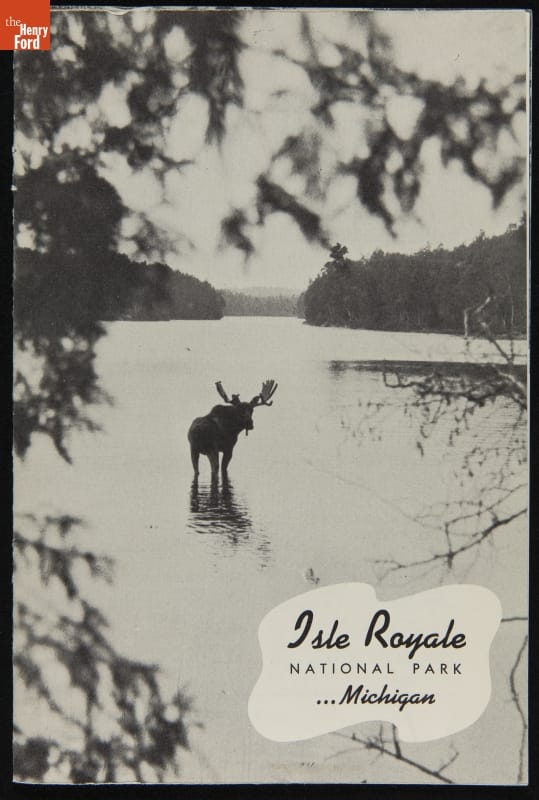
- "Isle Royale National Park...Michigan," 1941 - Congress authorized the creation of Isle Royale National Park in 1931. In order to establish the park, the Governor of Michigan appointed the Isle Royale National Park Commission, which included Edsel Ford, to handle land acquisition. By 1940, the Commission had acquired a majority of the island for the state who then transferred it over to the National Park Service.
- 1941
- Collections - Artifact
"Isle Royale National Park...Michigan," 1941
Congress authorized the creation of Isle Royale National Park in 1931. In order to establish the park, the Governor of Michigan appointed the Isle Royale National Park Commission, which included Edsel Ford, to handle land acquisition. By 1940, the Commission had acquired a majority of the island for the state who then transferred it over to the National Park Service.
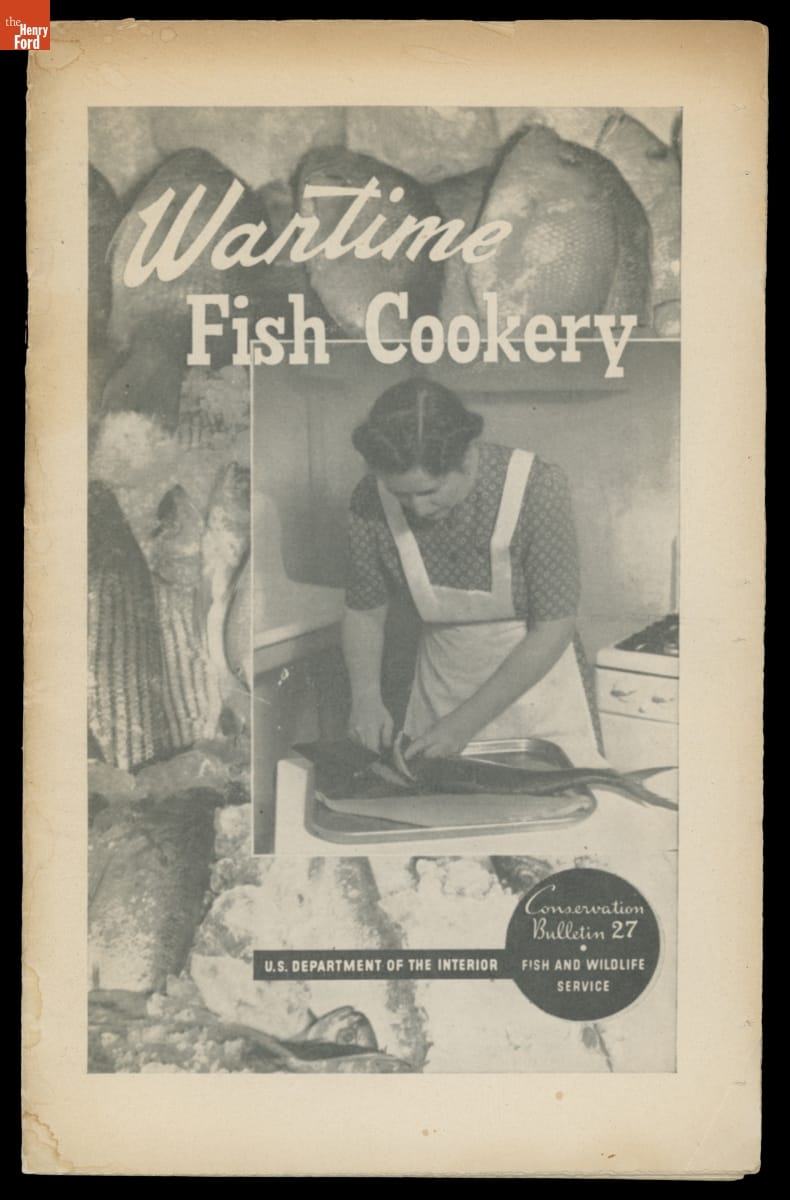
- U.S. Department of the Interior Conservation Bulletin 27: Wartime Fish Cookery, 1943 -
- 1943
- Collections - Artifact
U.S. Department of the Interior Conservation Bulletin 27: Wartime Fish Cookery, 1943