
Search
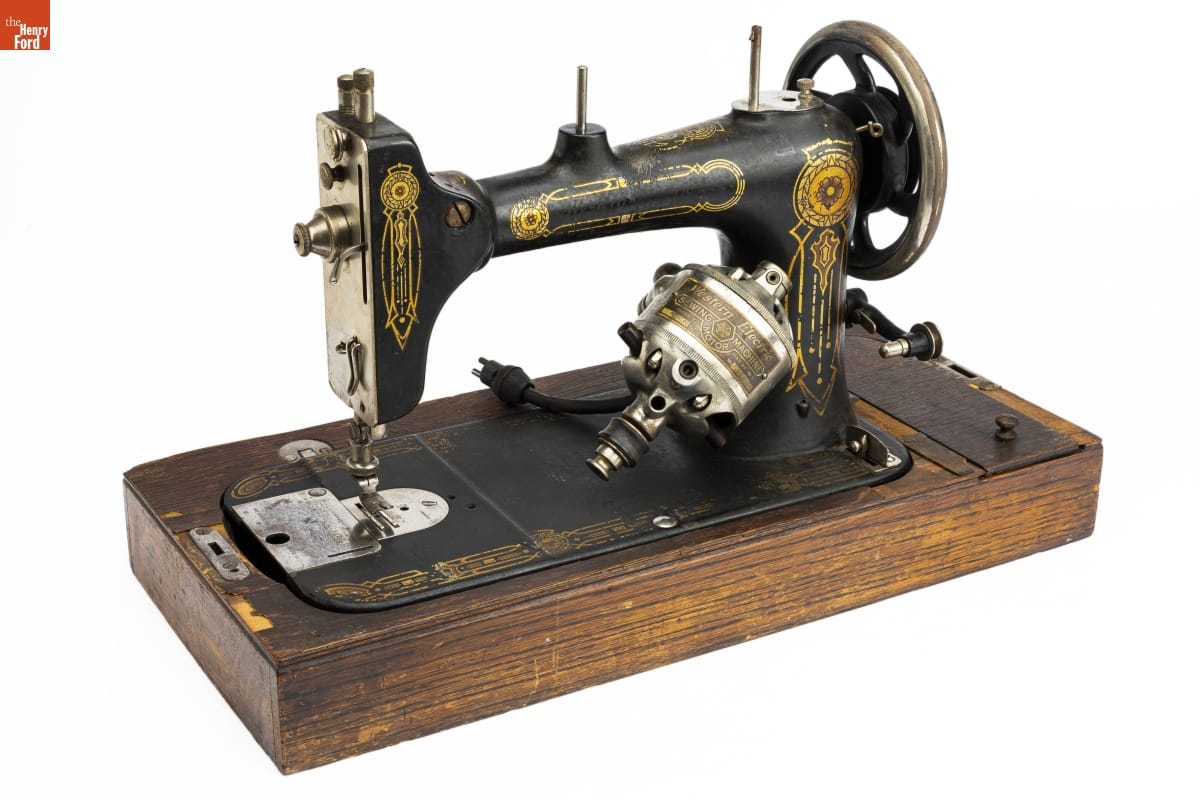
- Western Electric No. 2 Portable Sewing Machine, circa 1920 -
- circa 1920
- Collections - Artifact
Western Electric No. 2 Portable Sewing Machine, circa 1920
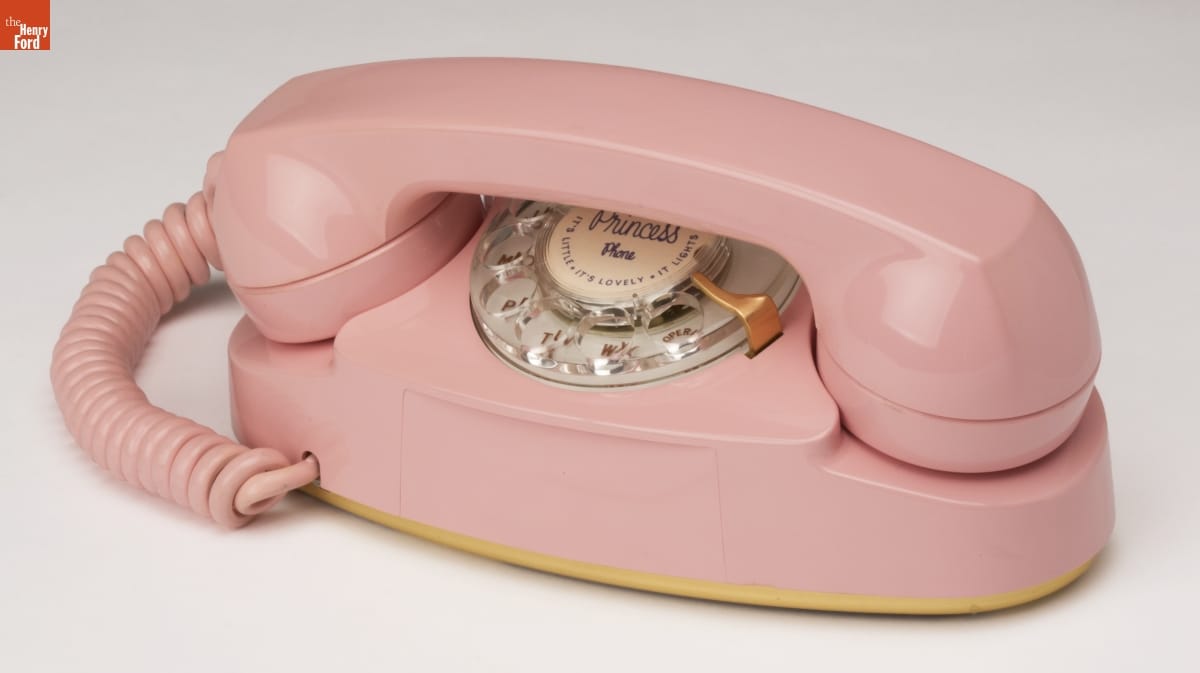
- Princess Telephone, Model 701B, 1959-1963 - The Princess telephone was designed by Henry Dreyfuss in 1959. It's a great example of the transition of the telephone from a strictly utilitarian device to a fashionable home accessory for middle class America. Compact and featuring a backlit dial, it was originally marketed to women as a bedroom phone; the slogan was, "It's little...It's lovely...It lights." It stayed in production from 1959-1994.
- 1959-1963
- Collections - Artifact
Princess Telephone, Model 701B, 1959-1963
The Princess telephone was designed by Henry Dreyfuss in 1959. It's a great example of the transition of the telephone from a strictly utilitarian device to a fashionable home accessory for middle class America. Compact and featuring a backlit dial, it was originally marketed to women as a bedroom phone; the slogan was, "It's little...It's lovely...It lights." It stayed in production from 1959-1994.
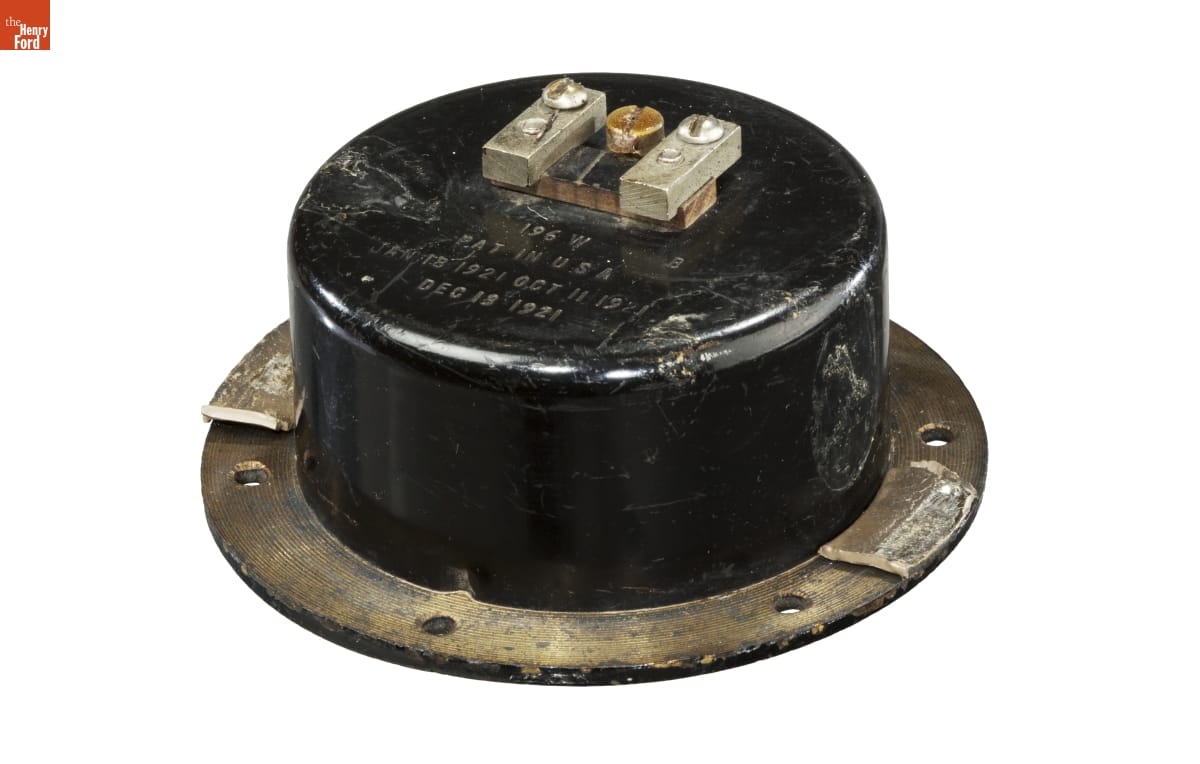
- Western Electric Model 196-W Loudspeaker Unit, 1922 -
- 1922
- Collections - Artifact
Western Electric Model 196-W Loudspeaker Unit, 1922
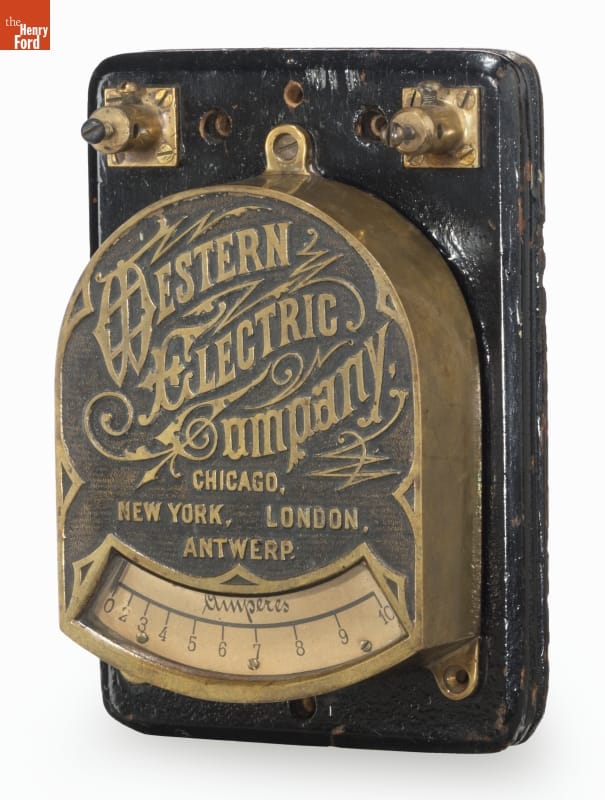
- Western Electric Ammeter, Used by the Toledo Edison Company, 1887 - In the late 1800s and early 1900s, companies that supplied electricity to consumers needed a variety of instruments to regulate and monitor electrical output. These instruments were vital to the operation of power stations and needed to be accurate and rugged. Ammeters--used to measure the current in a circuit--could be found on switchboards or connected to motors and generators.
- 1887
- Collections - Artifact
Western Electric Ammeter, Used by the Toledo Edison Company, 1887
In the late 1800s and early 1900s, companies that supplied electricity to consumers needed a variety of instruments to regulate and monitor electrical output. These instruments were vital to the operation of power stations and needed to be accurate and rugged. Ammeters--used to measure the current in a circuit--could be found on switchboards or connected to motors and generators.
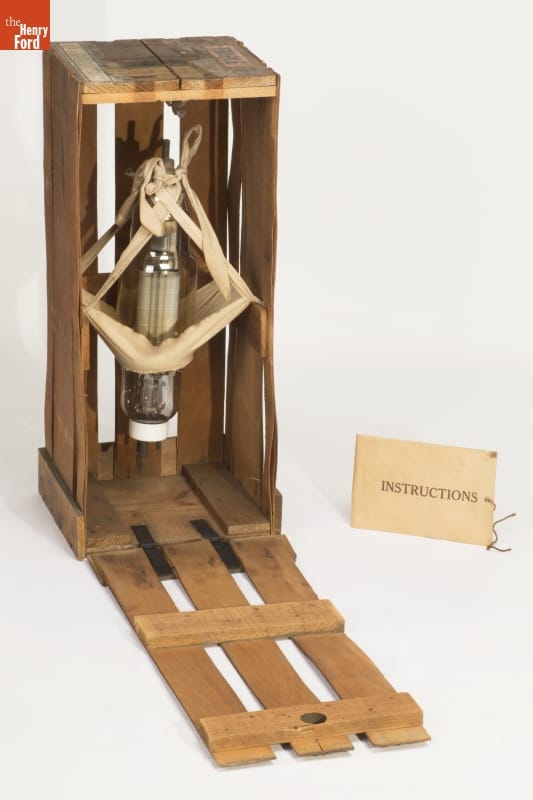
- Western Electric Transmitting Tube, Type 270-A, Used at Radio Station WWJ, Detroit, Michigan, circa 1935 - Vacuum tubes appear in older radios, televisions, amplifiers, computers, and other electronic devices. Their function: to amplify or transmit electronic signals. Typical tubes are sealed glass bulbs evacuated of gas, allowing electron flow to be influenced by an interior cathode, plate and grid. Perfected in 1906, the vacuum tube was the genesis of a communications revolution.
- 1936
- Collections - Artifact
Western Electric Transmitting Tube, Type 270-A, Used at Radio Station WWJ, Detroit, Michigan, circa 1935
Vacuum tubes appear in older radios, televisions, amplifiers, computers, and other electronic devices. Their function: to amplify or transmit electronic signals. Typical tubes are sealed glass bulbs evacuated of gas, allowing electron flow to be influenced by an interior cathode, plate and grid. Perfected in 1906, the vacuum tube was the genesis of a communications revolution.
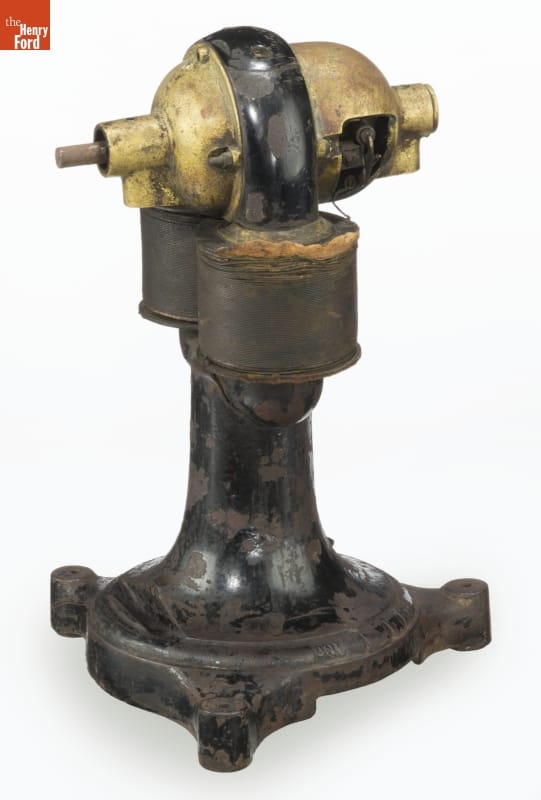
- Western Electric Fan Motor, 1895-1910 - Companies began producing small electric motors in the late 1800s to power household appliances like electric fans. The first fans, driven by direct current motors, were bulky and potentially dangerous due to exposed electrical components and blades. Advancements in motor technology--specifically the reliable, compact alternating current motor--and inexpensive electrical power made fans available to a growing number of Americans.
- 1895-1910
- Collections - Artifact
Western Electric Fan Motor, 1895-1910
Companies began producing small electric motors in the late 1800s to power household appliances like electric fans. The first fans, driven by direct current motors, were bulky and potentially dangerous due to exposed electrical components and blades. Advancements in motor technology--specifically the reliable, compact alternating current motor--and inexpensive electrical power made fans available to a growing number of Americans.
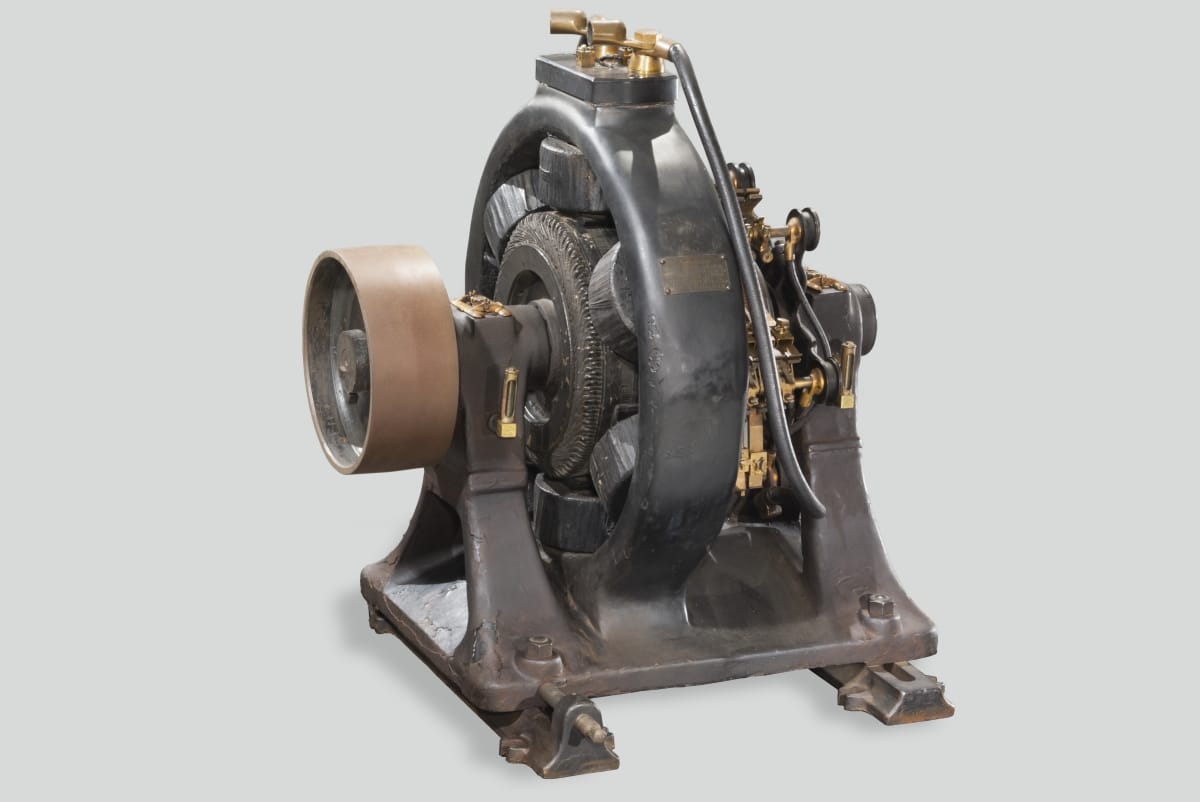
- Western Electric Company Type M5 Generator, 1905-1925 -
- 1905-1925
- Collections - Artifact
Western Electric Company Type M5 Generator, 1905-1925
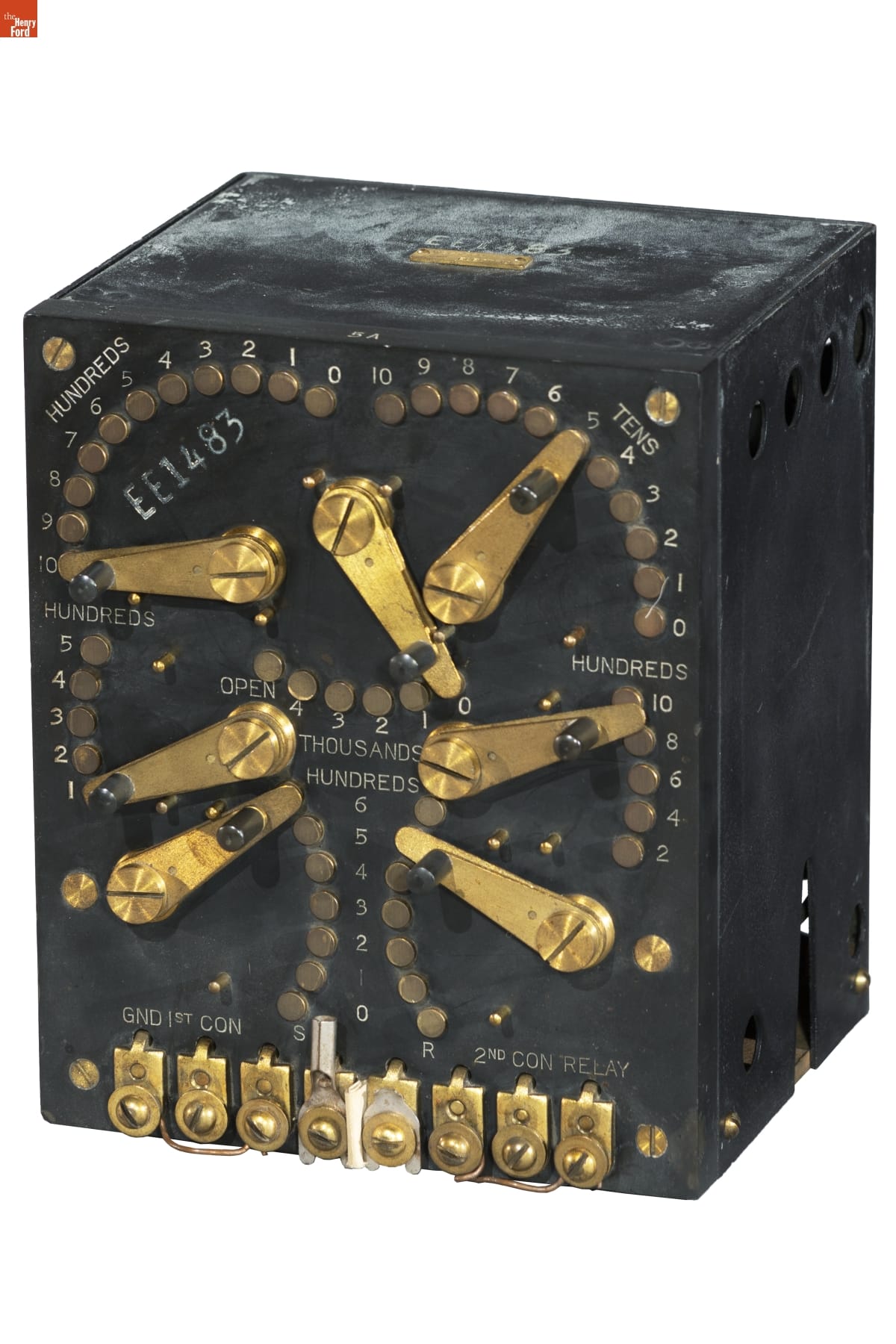
- Western Electric Company Resistance Box, circa 1910 -
- circa 1910
- Collections - Artifact
Western Electric Company Resistance Box, circa 1910
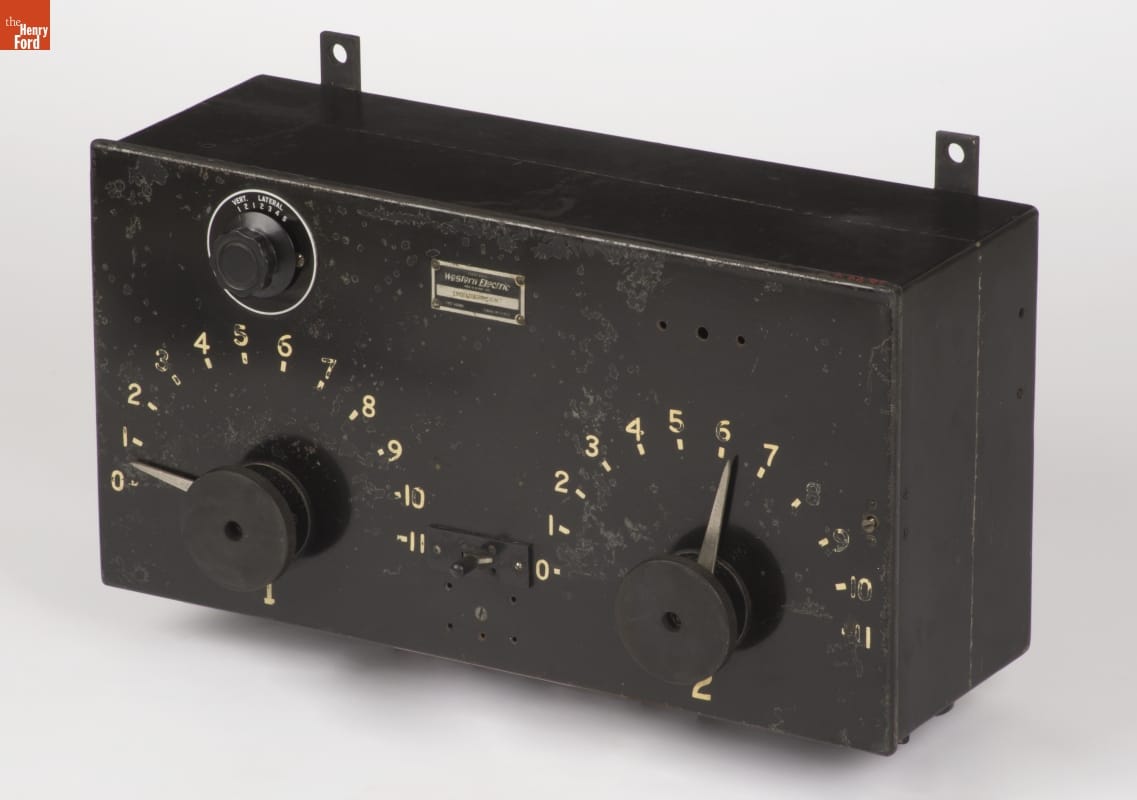
- Western Electric Volume Control Box, Used at Radio Station WKBN, Youngstown, Ohio, 1931-1937 -
- 1931-1935
- Collections - Artifact
Western Electric Volume Control Box, Used at Radio Station WKBN, Youngstown, Ohio, 1931-1937
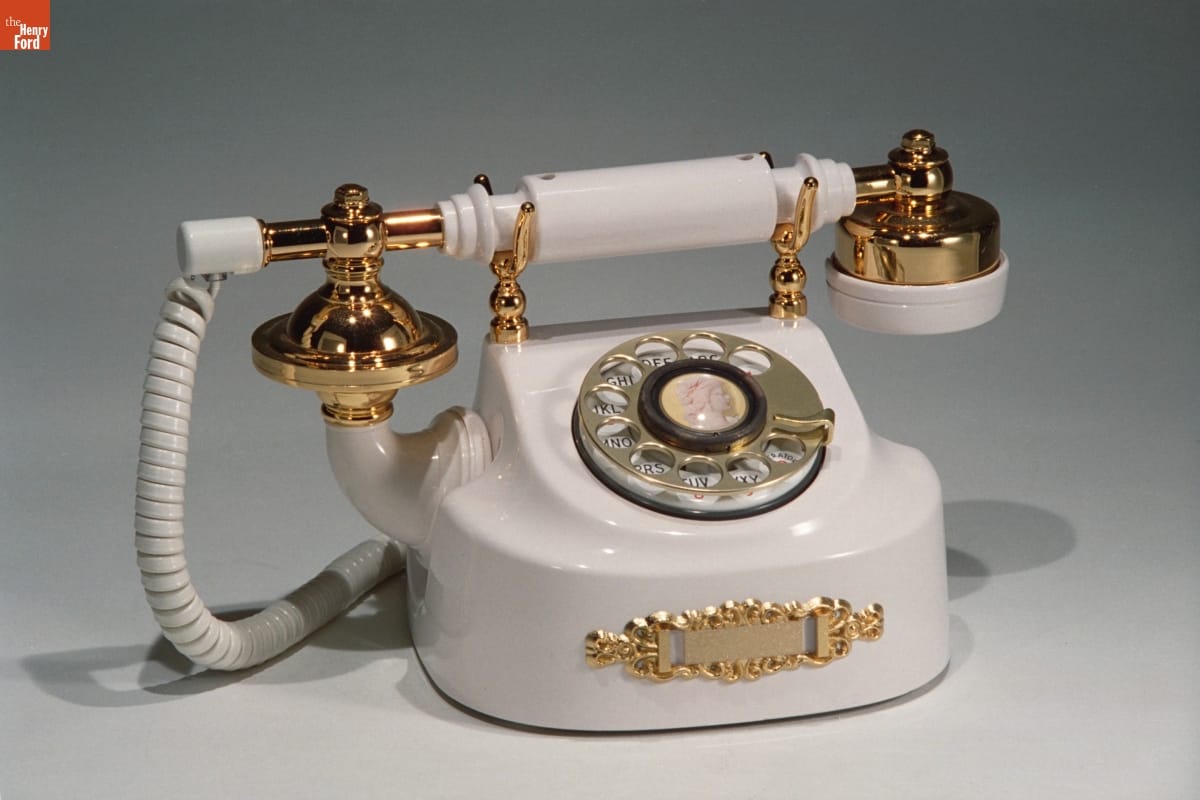
- "Coquette" Design Line Telephone, 1976 - In 1973, AT&T partnered with Henry Dreyfuss & Associates to create a collection of specialty "Design Line" telephones--allowing customers to tailor their technology to fit their home decor. Released in 1976, the Coquette references 19th century Danish design. An "elegant offering" intended for rooms "decorated with a delicate touch, " customers could inscribe their name on the filigreed brass plate.
- 1976
- Collections - Artifact
"Coquette" Design Line Telephone, 1976
In 1973, AT&T partnered with Henry Dreyfuss & Associates to create a collection of specialty "Design Line" telephones--allowing customers to tailor their technology to fit their home decor. Released in 1976, the Coquette references 19th century Danish design. An "elegant offering" intended for rooms "decorated with a delicate touch, " customers could inscribe their name on the filigreed brass plate.