
Search
- "Alton Trials: of Winthrop S. Gilman...Enoch Long/Written out from Notes Taken at the Time of Trial," 1838 -

- 1838
- Collections - Artifact
"Alton Trials: of Winthrop S. Gilman...Enoch Long/Written out from Notes Taken at the Time of Trial," 1838
- Anti-Slavery Token, 1838 -
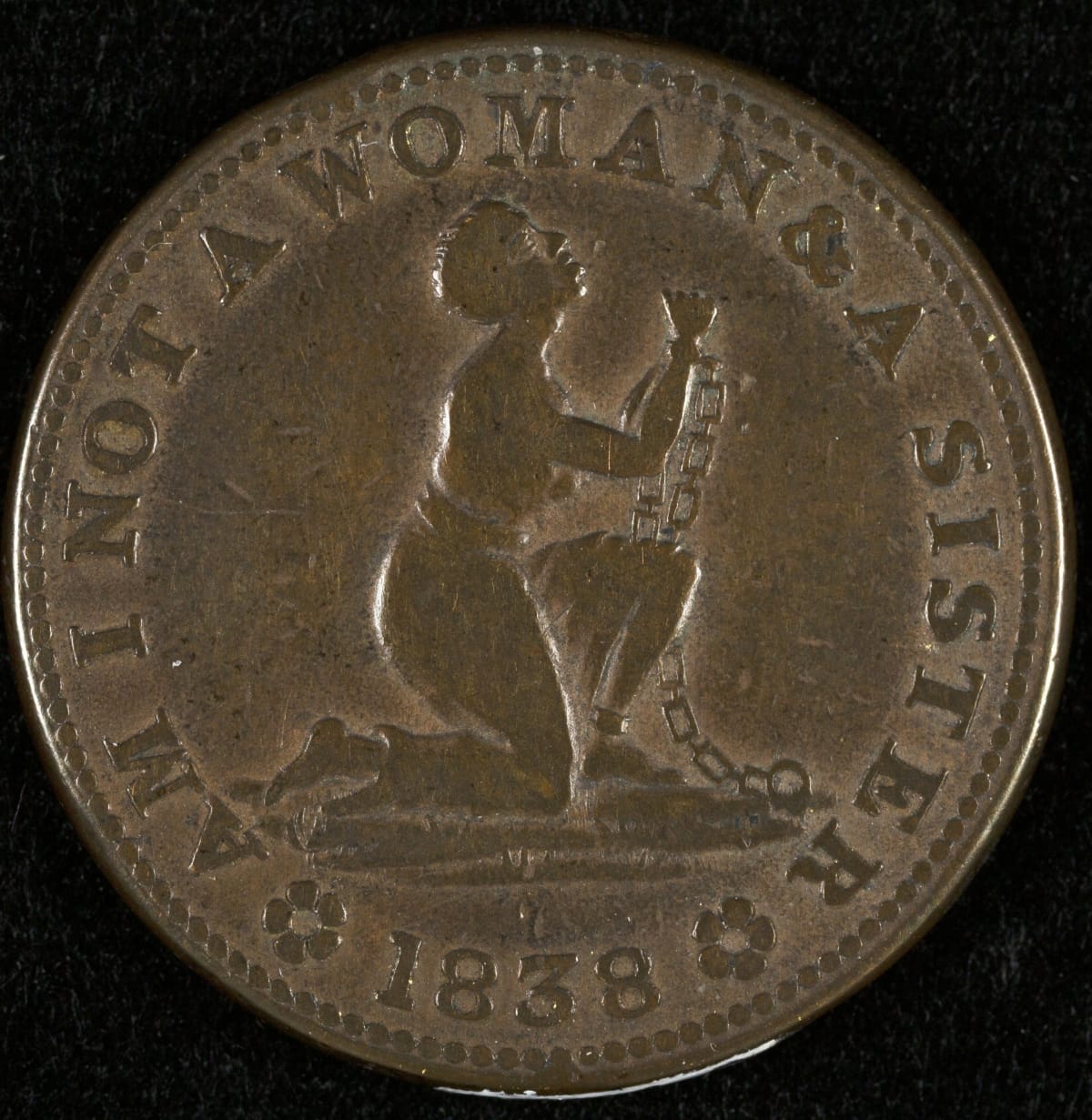
- 1838
- Collections - Artifact
Anti-Slavery Token, 1838
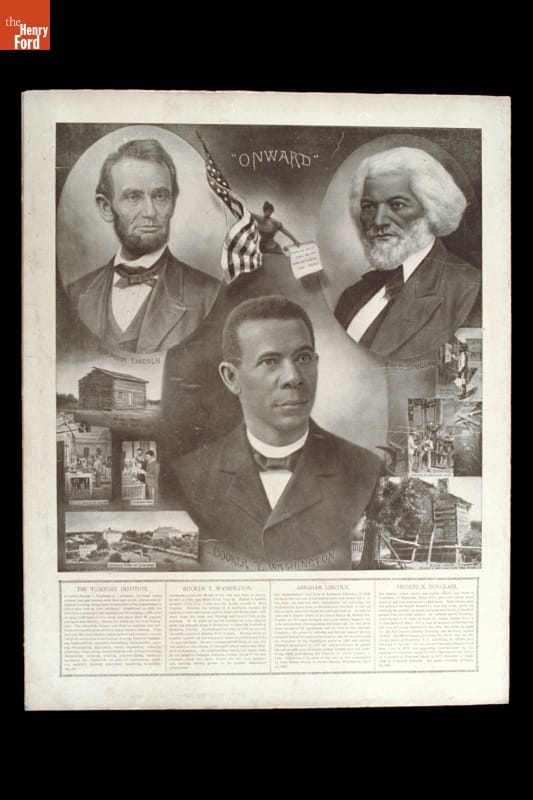
- Print of Abraham Lincoln, Frederick Douglass, and Booker T. Washington, "Onward," 1903 - This poster depicts three leading Americans who advanced African-American life at the turn of the 20th century. Frederick Douglass challenged slavery and worked for its abolition. President Abraham Lincoln signed the Emancipation Proclamation to preserve the Union by declaring freedom to slaves in rebel states. Booker T. Washington, leader of the Tuskegee Institute, promoted African-American rights through education and industry.
- 1903
- Collections - Artifact
Print of Abraham Lincoln, Frederick Douglass, and Booker T. Washington, "Onward," 1903
This poster depicts three leading Americans who advanced African-American life at the turn of the 20th century. Frederick Douglass challenged slavery and worked for its abolition. President Abraham Lincoln signed the Emancipation Proclamation to preserve the Union by declaring freedom to slaves in rebel states. Booker T. Washington, leader of the Tuskegee Institute, promoted African-American rights through education and industry.
- Martha W. Martin Autograph Album, 1837-1858 -
- 1837-1858
- Collections - Artifact
Martha W. Martin Autograph Album, 1837-1858
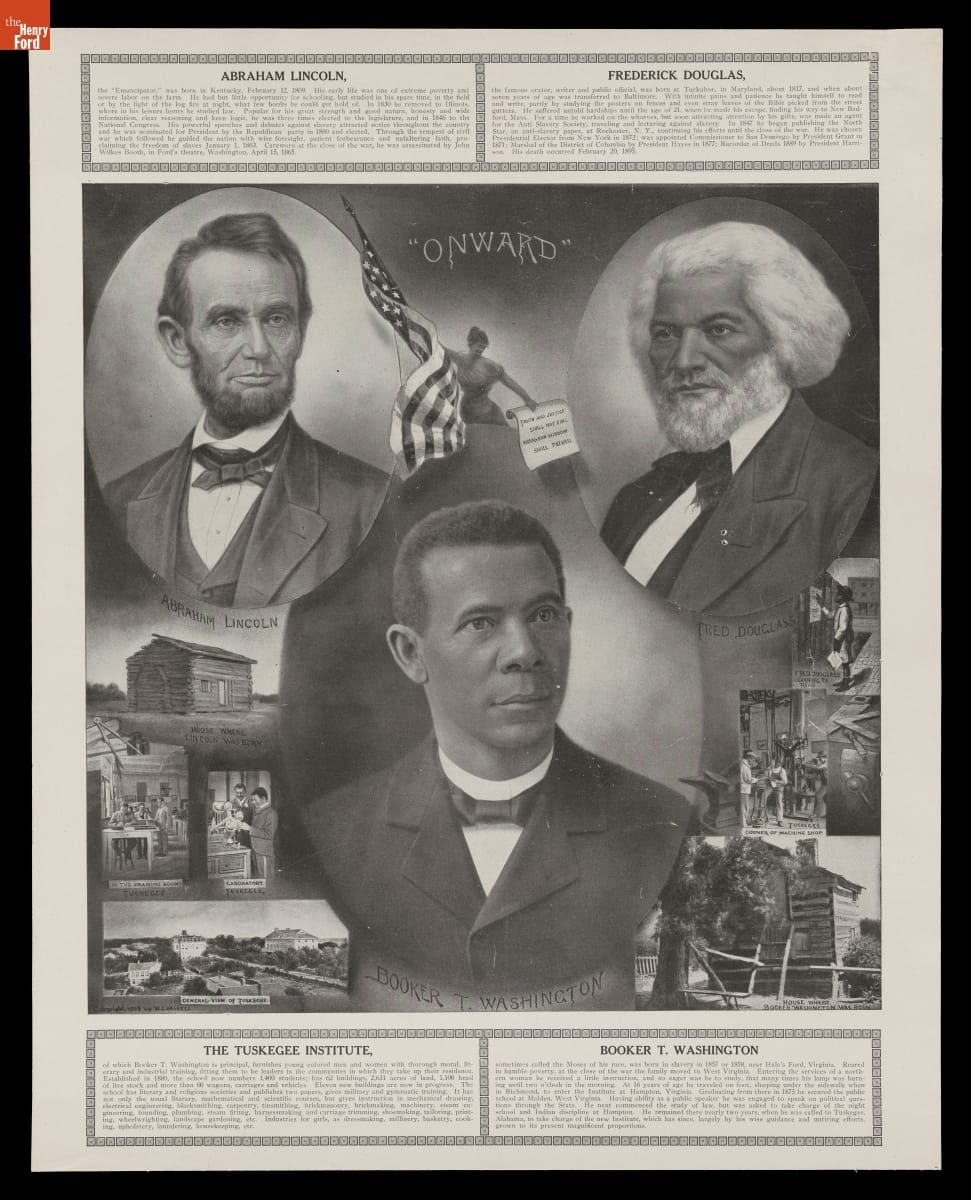
- Print of Abraham Lincoln, Frederick Douglass, and Booker T. Washington, "Onward," 1903 - This poster depicts three leading Americans who advanced African-American life at the turn of the 20th century. Frederick Douglass challenged slavery and worked for its abolition. President Abraham Lincoln signed the Emancipation Proclamation to preserve the Union by declaring freedom to slaves in rebel states. Booker T. Washington, leader of the Tuskegee Institute, promoted African-American rights through education and industry.
- 1903
- Collections - Artifact
Print of Abraham Lincoln, Frederick Douglass, and Booker T. Washington, "Onward," 1903
This poster depicts three leading Americans who advanced African-American life at the turn of the 20th century. Frederick Douglass challenged slavery and worked for its abolition. President Abraham Lincoln signed the Emancipation Proclamation to preserve the Union by declaring freedom to slaves in rebel states. Booker T. Washington, leader of the Tuskegee Institute, promoted African-American rights through education and industry.
- The Liberator, Vol. 9, No. 33, August 16, 1839 -
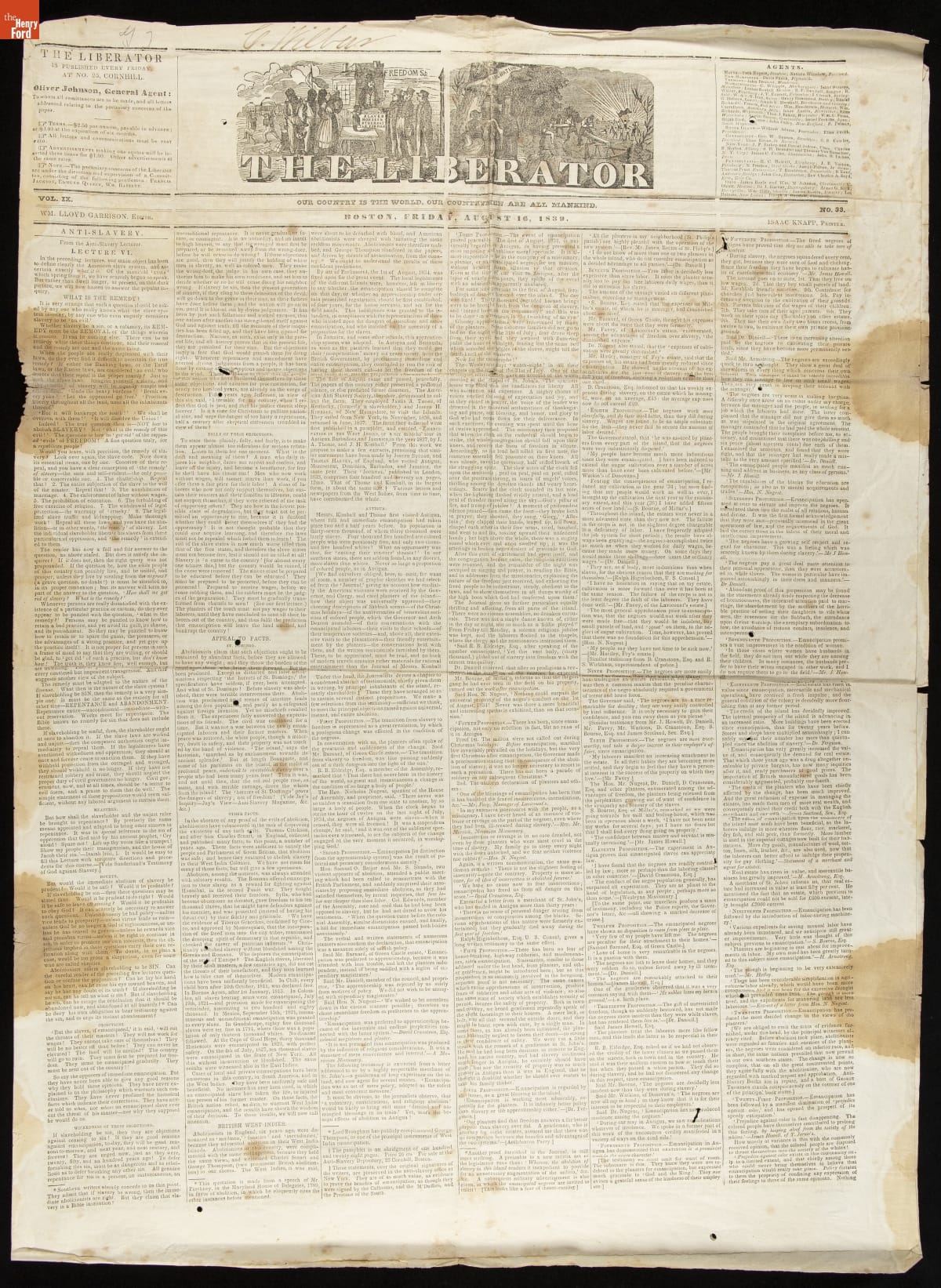
- August 16, 1839
- Collections - Artifact
The Liberator, Vol. 9, No. 33, August 16, 1839
- Abolitionist Wendell Phillips, circa 1880 -
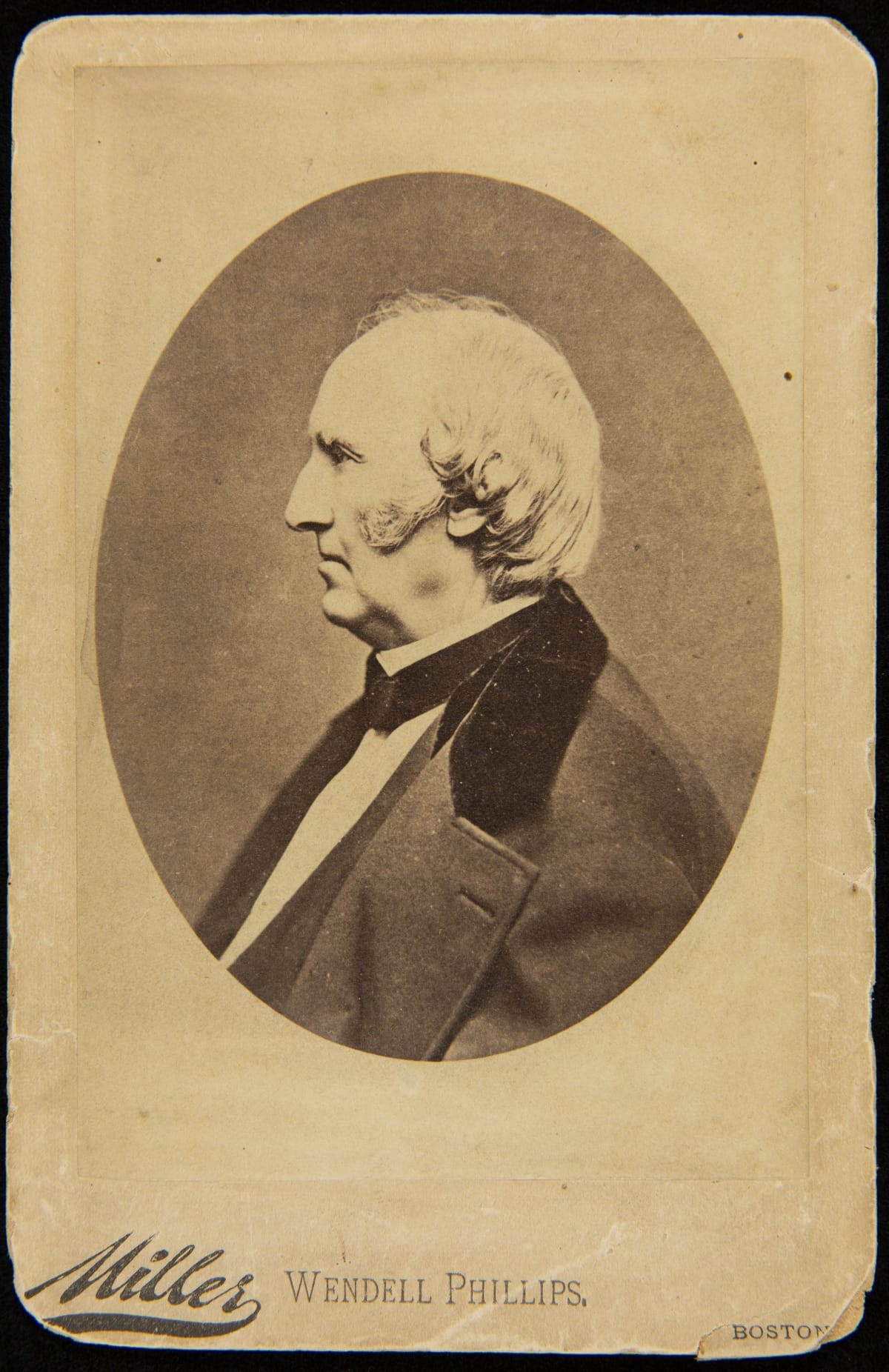
- circa 1880
- Collections - Artifact
Abolitionist Wendell Phillips, circa 1880
- Photograph Album of Cartes-de-Visite, 1859-1870 -
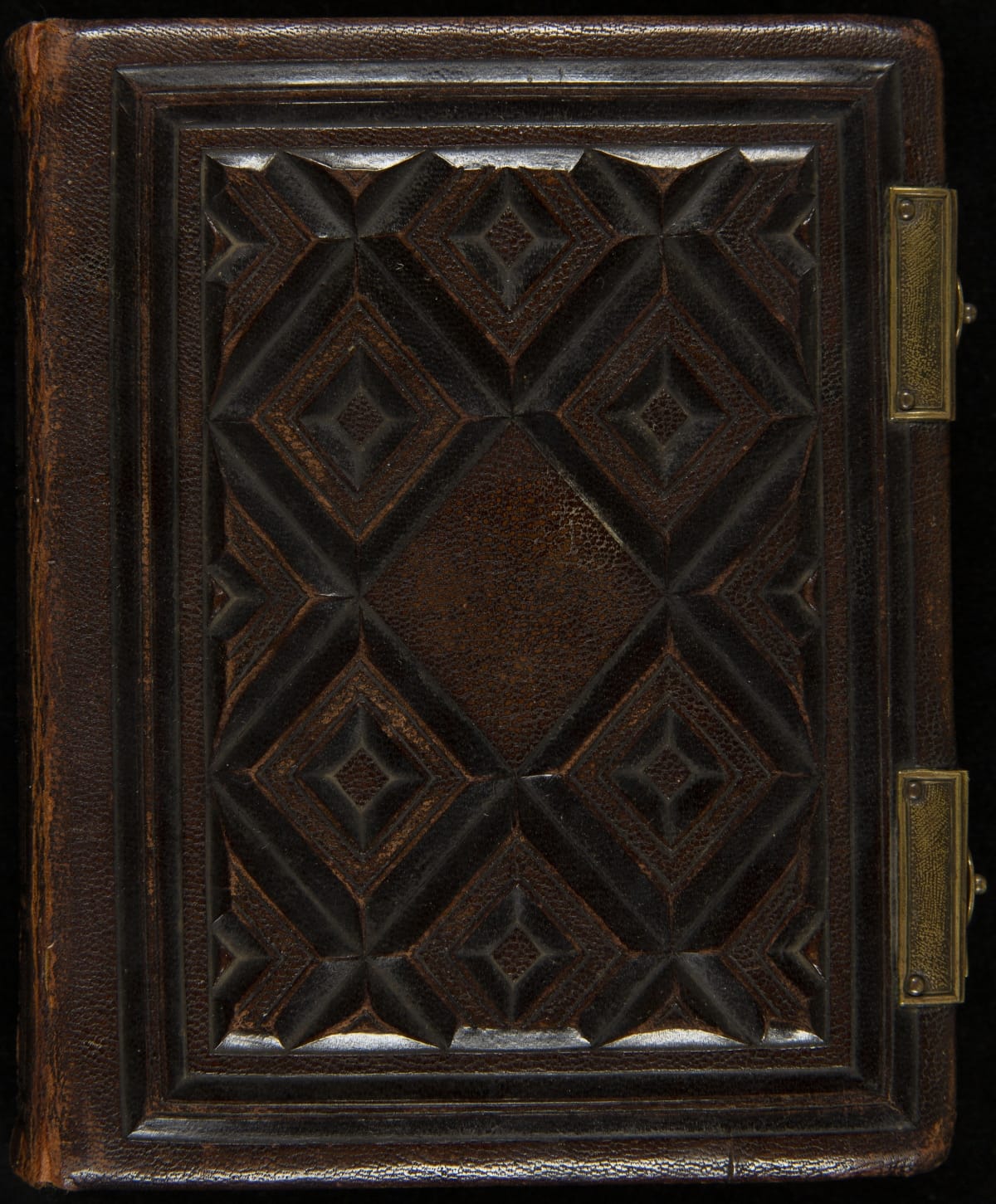
- 1859-1865
- Collections - Artifact
Photograph Album of Cartes-de-Visite, 1859-1870
- "Frederick Douglass, The Colored Champion of Freedom," 1872-1874 - Frederick Douglass, abolitionist and reform journalist, is depicted in the early 1860s around the time that he advised President Lincoln regarding African Americans. Douglass became a leader in the anti-slavery movement when he spontaneously stood up and spoke at an abolitionist meeting in 1841. His gut-wrenching tales about life on the plantation in Maryland turned thousands of skeptical Americans into active abolitionists.
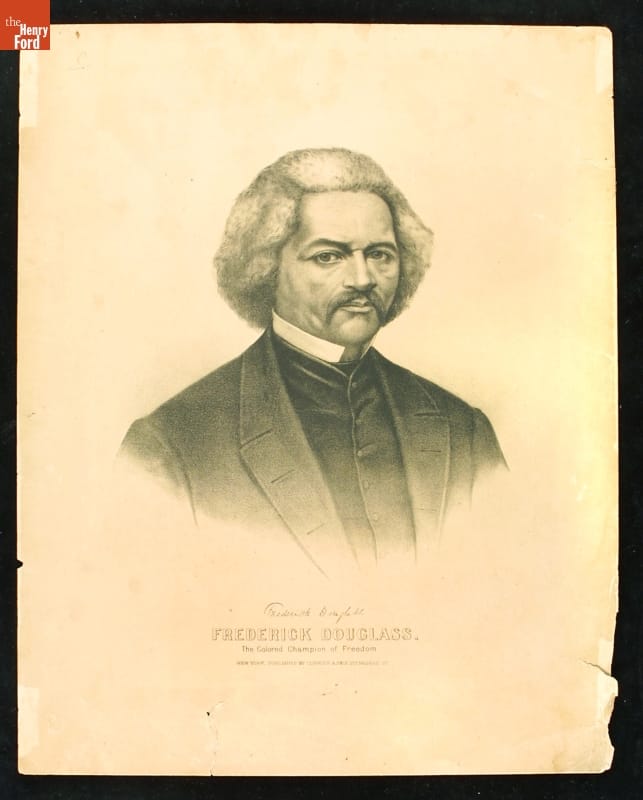
- circa 1860
- Collections - Artifact
"Frederick Douglass, The Colored Champion of Freedom," 1872-1874
Frederick Douglass, abolitionist and reform journalist, is depicted in the early 1860s around the time that he advised President Lincoln regarding African Americans. Douglass became a leader in the anti-slavery movement when he spontaneously stood up and spoke at an abolitionist meeting in 1841. His gut-wrenching tales about life on the plantation in Maryland turned thousands of skeptical Americans into active abolitionists.
- Portrait of Theodore Parker, 1850-1860 - Theodore Parker (1810-1860) was a Unitarian theologian and leader in early 19th-century social reform. The Massachusetts-born Parker opposed the expansion of slavery and aided fugitives fleeing the repressive system. He was also a member of the "Secret Six," an organization that backed abolitionist John Brown's raid on Harpers Ferry in 1859.
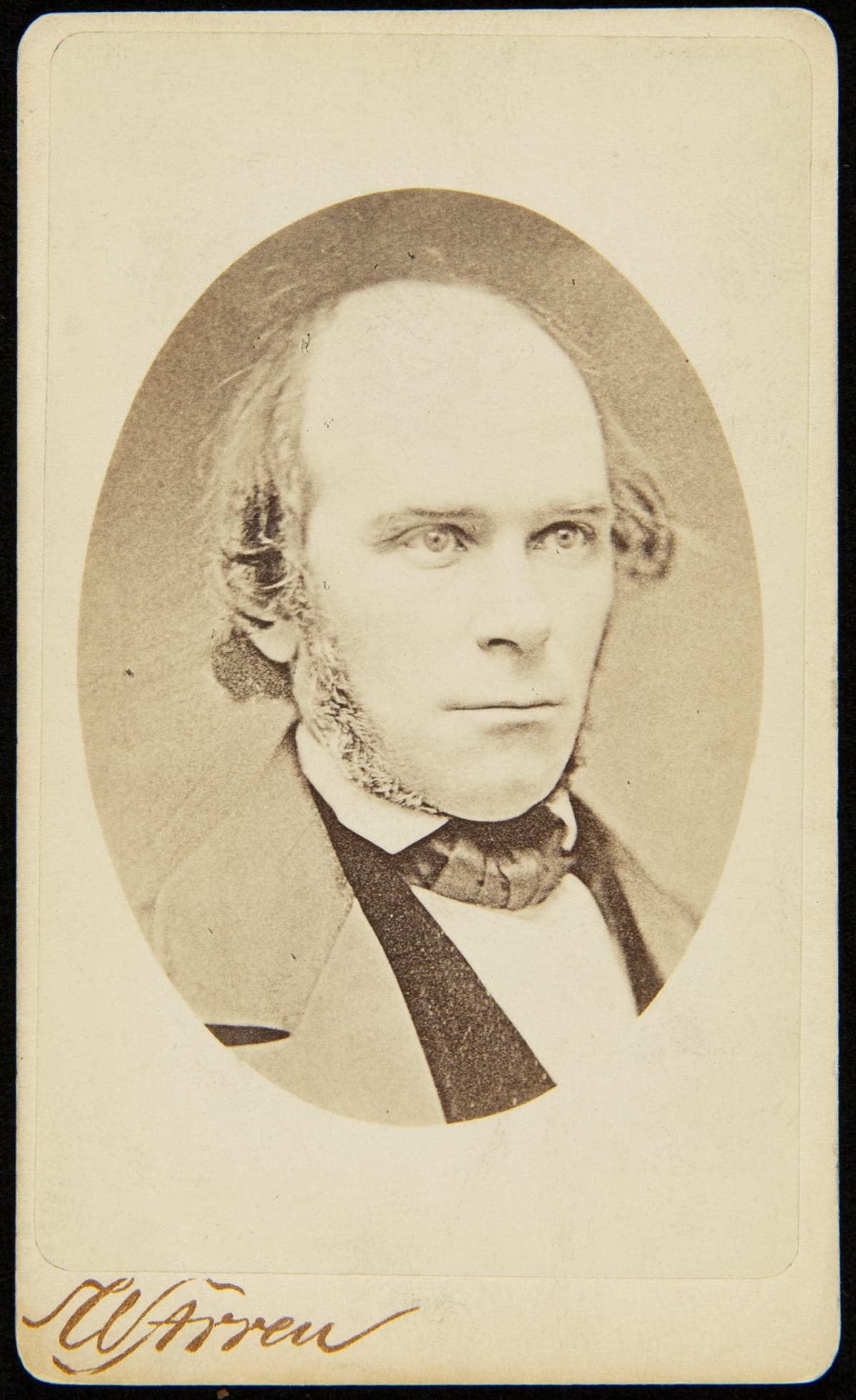
- 1850-1860
- Collections - Artifact
Portrait of Theodore Parker, 1850-1860
Theodore Parker (1810-1860) was a Unitarian theologian and leader in early 19th-century social reform. The Massachusetts-born Parker opposed the expansion of slavery and aided fugitives fleeing the repressive system. He was also a member of the "Secret Six," an organization that backed abolitionist John Brown's raid on Harpers Ferry in 1859.