
Search
- Strip Quilt by Susana Allen Hunter, 1950-1955 -
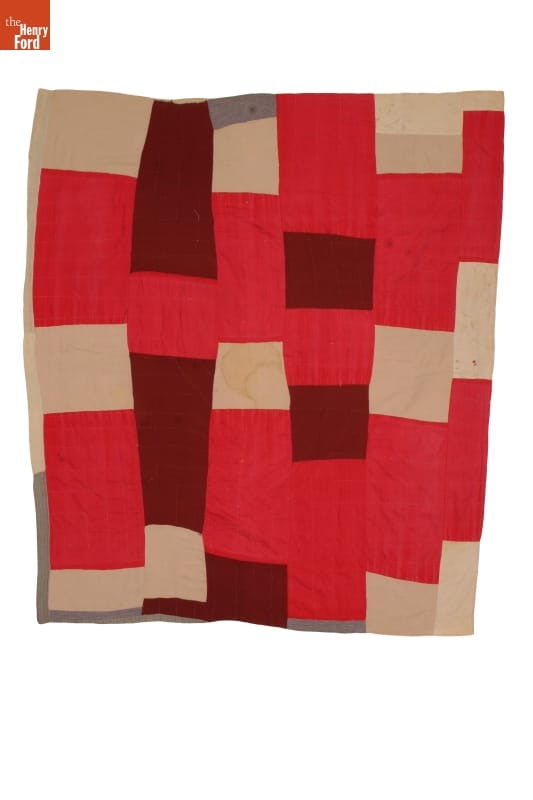
- 1950-1955
- Collections - Artifact
Strip Quilt by Susana Allen Hunter, 1950-1955
- Portrait of a Young Man Wearing a Bow Tie, circa 1890 -
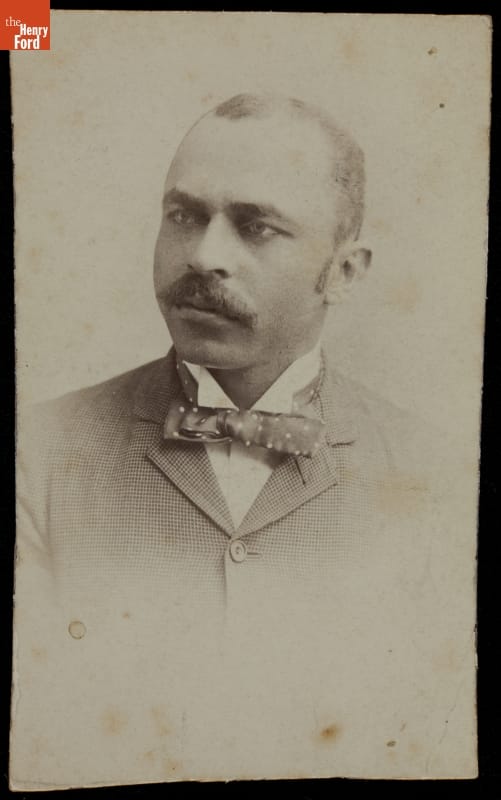
- circa 1890
- Collections - Artifact
Portrait of a Young Man Wearing a Bow Tie, circa 1890
- Inkster High School Senior Banquet, May 2, 1940 - During the Great Depression, Ford Motor Company made efforts to improve living conditions in Inkster, Michigan, a primarily Black community hit especially hard by the economic crisis. Ford built a high school, repaired homes, established a medical clinic, and opened a low-price commissary. Improvements were funded through involuntary paycheck deductions from Inkster residents employed at Ford's nearby Rouge plant.
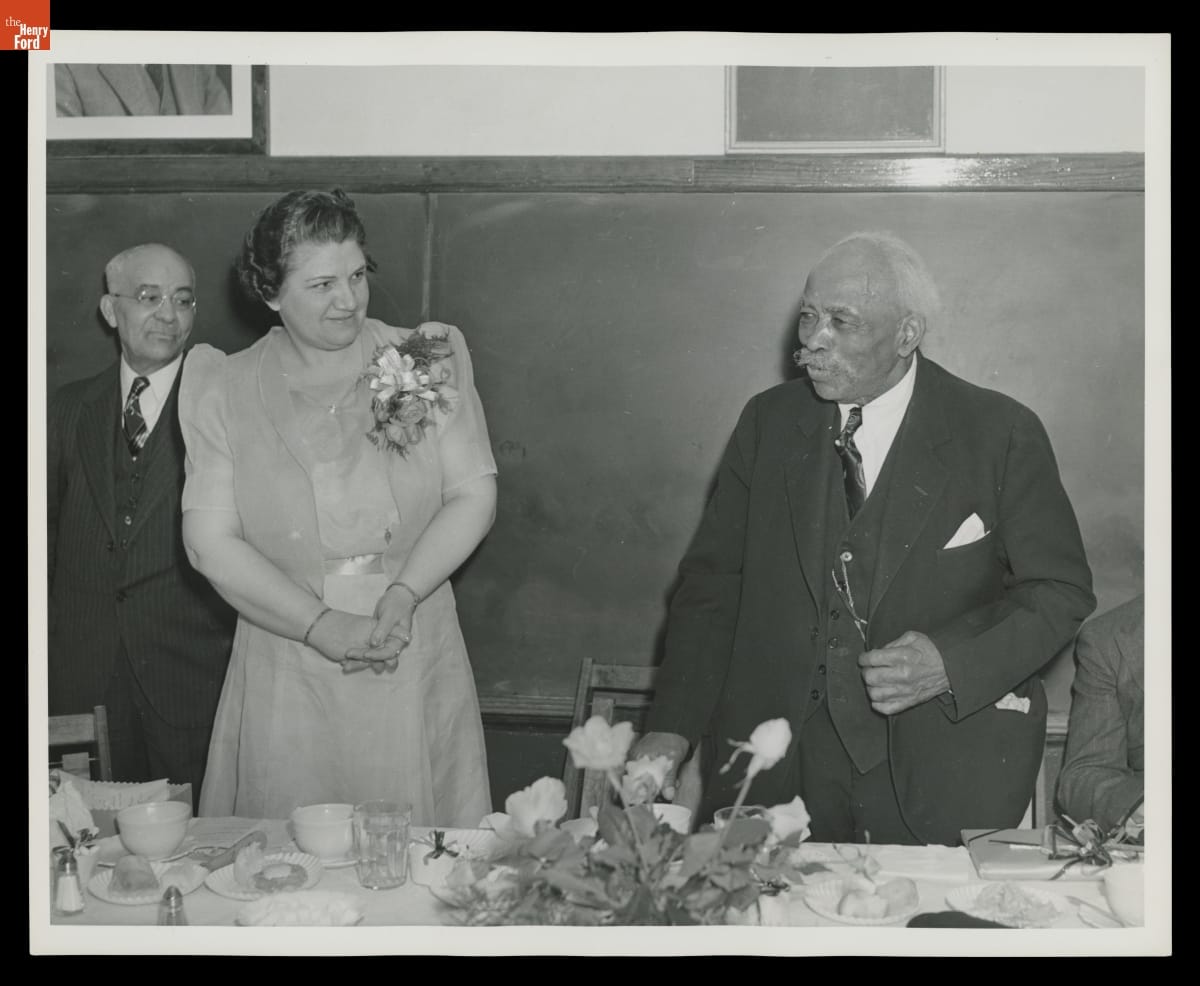
- May 02, 1940
- Collections - Artifact
Inkster High School Senior Banquet, May 2, 1940
During the Great Depression, Ford Motor Company made efforts to improve living conditions in Inkster, Michigan, a primarily Black community hit especially hard by the economic crisis. Ford built a high school, repaired homes, established a medical clinic, and opened a low-price commissary. Improvements were funded through involuntary paycheck deductions from Inkster residents employed at Ford's nearby Rouge plant.
- Picking Cotton, Georgia, 1887 -
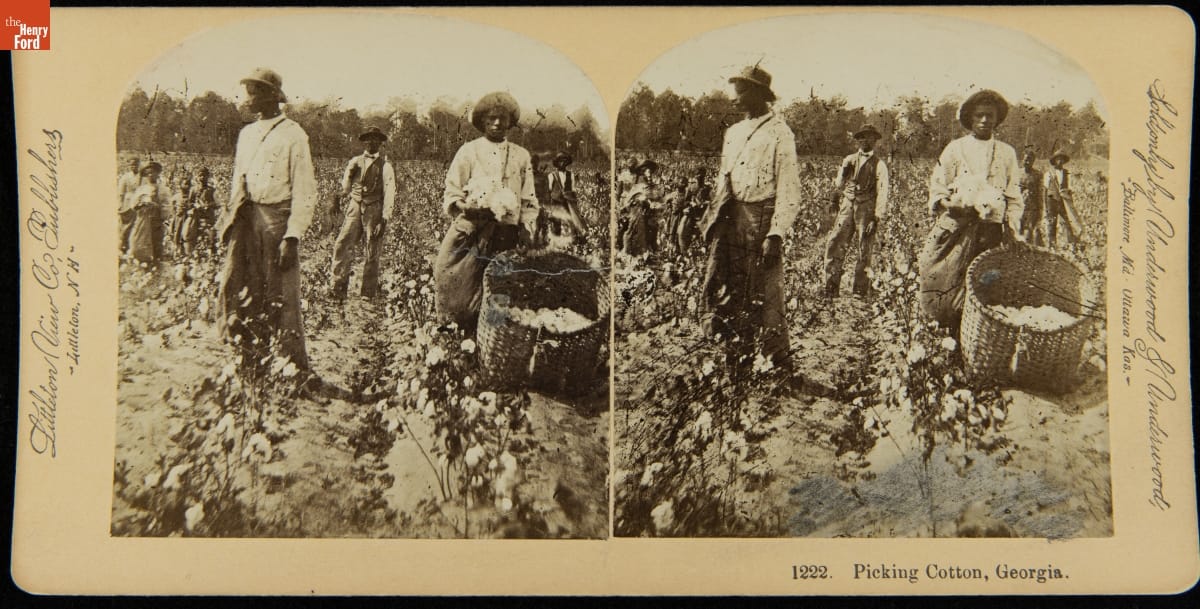
- 1887
- Collections - Artifact
Picking Cotton, Georgia, 1887
- Portrait of a Woman, 1880-1900 -
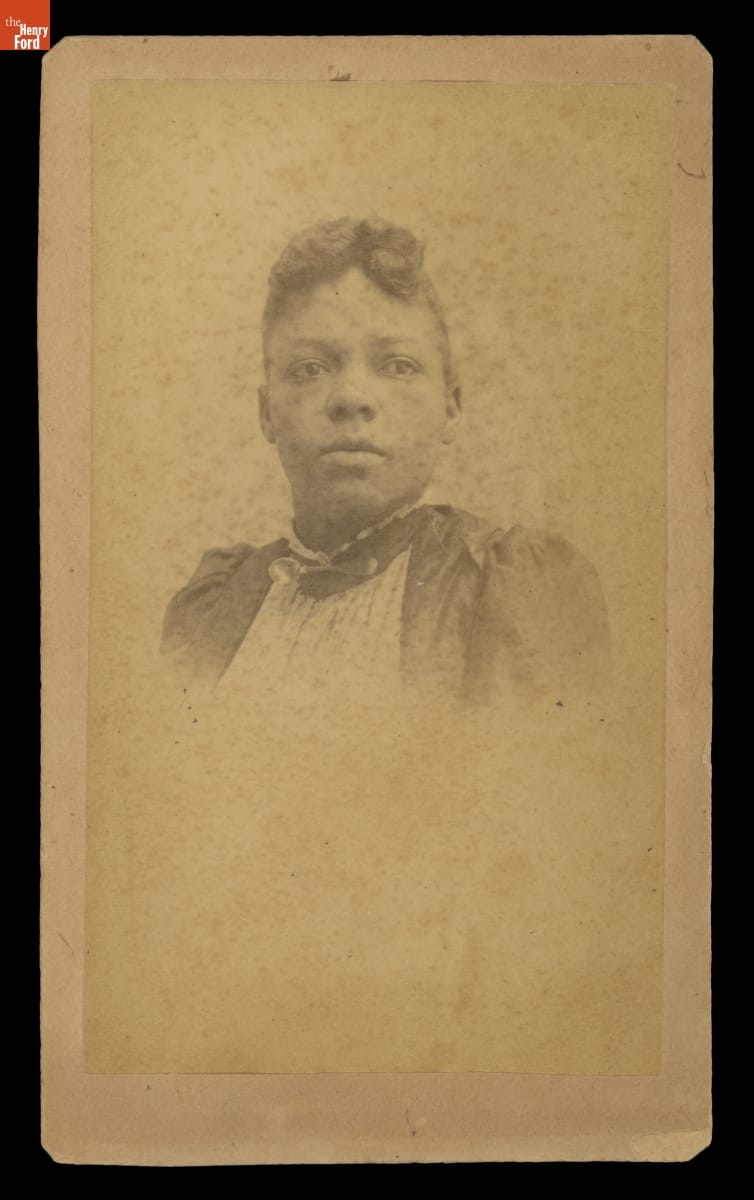
- 1880-1900
- Collections - Artifact
Portrait of a Woman, 1880-1900
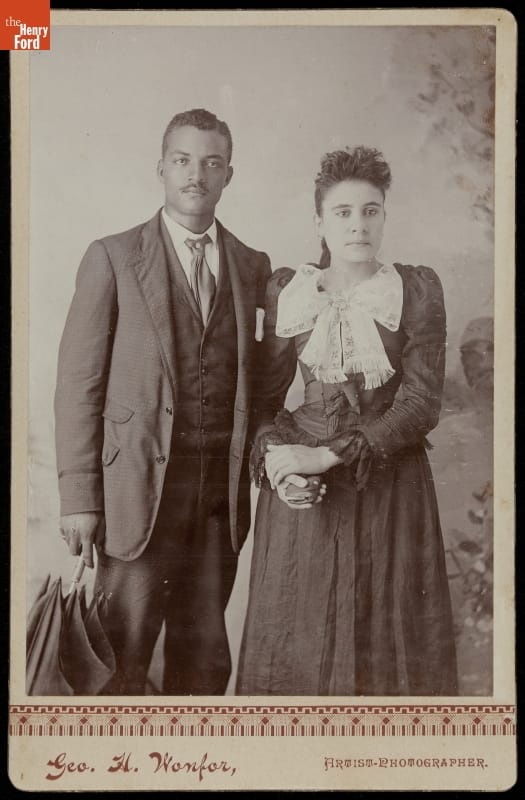
- Portrait of a Young Man and Woman, 1896-1897 - Professional photographers began producing cabinet cards in 1867. Consumers quickly preferred them over earlier cartes-de-visite, which were mounted on smaller cardboard stock. Through the early 1900s, Americans commonly exchanged and collected cabinet photographs -- often to commemorate friends or family. This young couple's portrait was made in Galveston, Texas, by George H. Wonfor in 1896 or 1897.
- 1896-1897
- Collections - Artifact
Portrait of a Young Man and Woman, 1896-1897
Professional photographers began producing cabinet cards in 1867. Consumers quickly preferred them over earlier cartes-de-visite, which were mounted on smaller cardboard stock. Through the early 1900s, Americans commonly exchanged and collected cabinet photographs -- often to commemorate friends or family. This young couple's portrait was made in Galveston, Texas, by George H. Wonfor in 1896 or 1897.
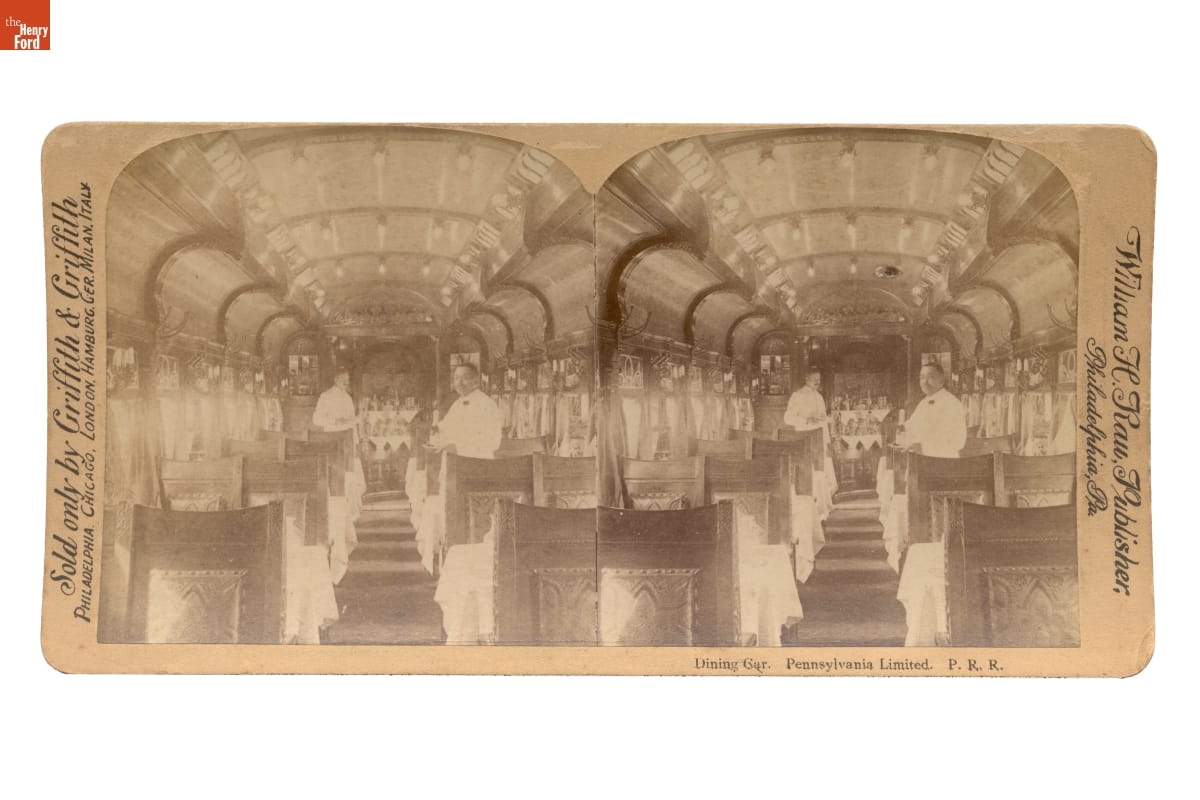
- Dining Car, Pennsylvania Limited, Pennsylvania Railroad, circa 1900 - Railroads took pride in their dining cars. They were expensive to operate, but quality food and service helped a railroad distinguish itself from competitors. For African Americans, working on a railroad dining car was one of the few avenues available to enter the Black middle class in the 19th and early 20th centuries.
- circa 1900
- Collections - Artifact
Dining Car, Pennsylvania Limited, Pennsylvania Railroad, circa 1900
Railroads took pride in their dining cars. They were expensive to operate, but quality food and service helped a railroad distinguish itself from competitors. For African Americans, working on a railroad dining car was one of the few avenues available to enter the Black middle class in the 19th and early 20th centuries.
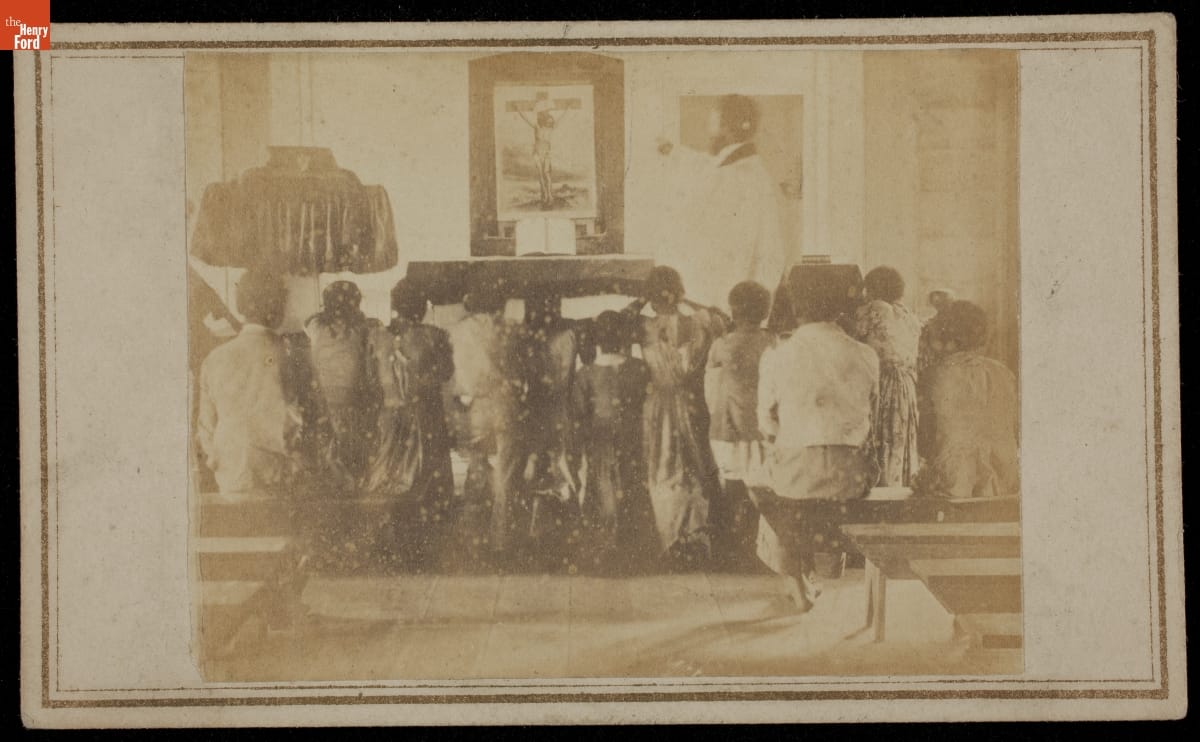
- Worship Service at African-American Church, Charleston, South Carolina, circa 1862 -
- circa 1862
- Collections - Artifact
Worship Service at African-American Church, Charleston, South Carolina, circa 1862
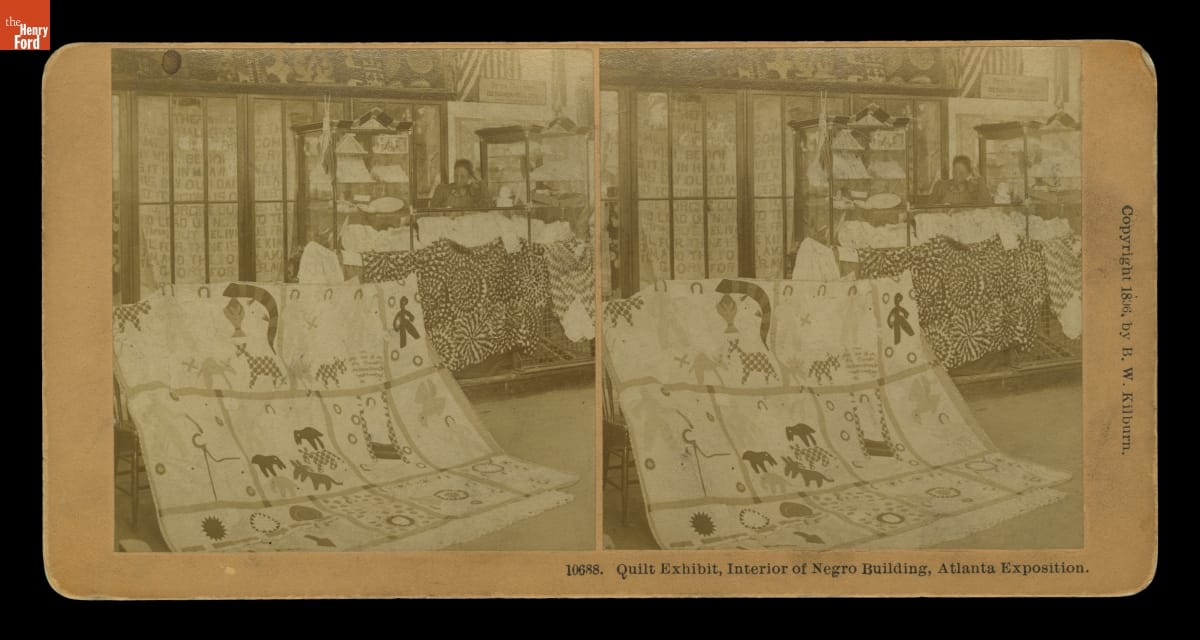
- "Quilt Exhibit, Interior of Negro Building at Atlanta Exposition," 1895 - Former slave Harriet Powers made this striking Bible quilt, with its bold figures that depict biblical events, during the mid-1880s. A decade later, the quilt--sold by Powers out of need--was exhibited at this 1895 exposition in Atlanta. For decades, Powers received little recognition for her work. Today, she is one of the best-known Southern quilt makers.
- 1895
- Collections - Artifact
"Quilt Exhibit, Interior of Negro Building at Atlanta Exposition," 1895
Former slave Harriet Powers made this striking Bible quilt, with its bold figures that depict biblical events, during the mid-1880s. A decade later, the quilt--sold by Powers out of need--was exhibited at this 1895 exposition in Atlanta. For decades, Powers received little recognition for her work. Today, she is one of the best-known Southern quilt makers.
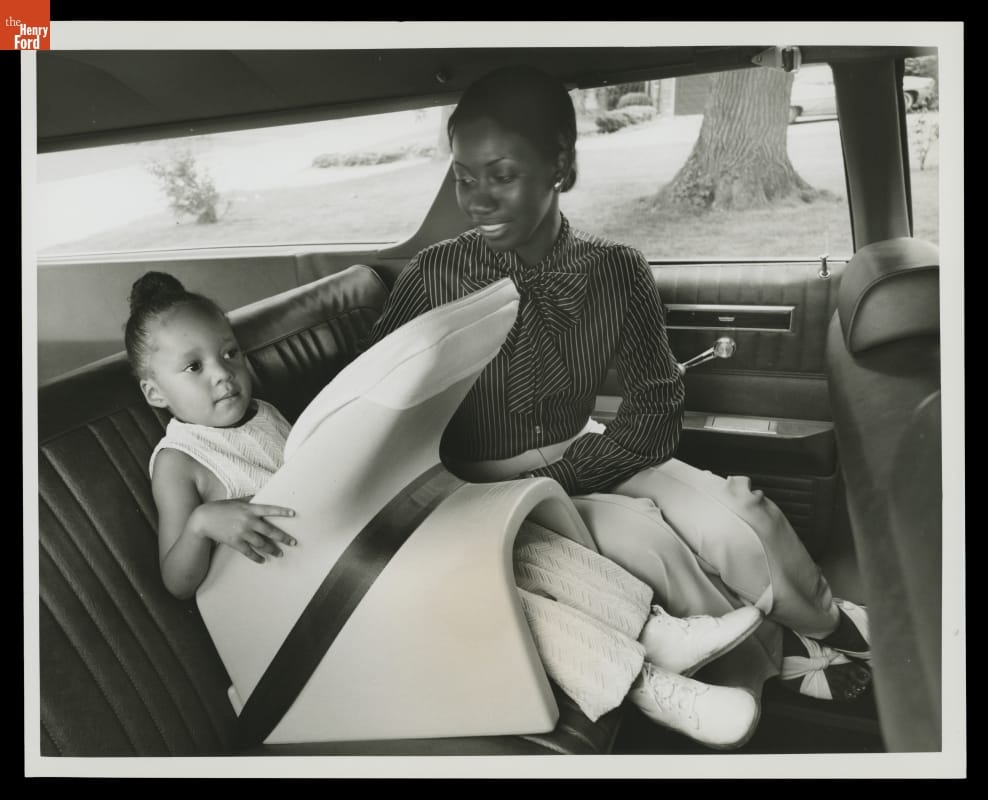
- Ford Motor Company's Tot-Guard Car Seat, 1973 - American car manufacturers developed child restraints designed for crash protection in the late 1960s. One of the first was Ford's Tot-Guard, seen in this photograph. The seatbelt secured the padded shield and seat. This early and effective restraint was not widely used, however. Only with more stringent regulations, public education, and mandated use would children safely ride in automobiles.
- 1973
- Collections - Artifact
Ford Motor Company's Tot-Guard Car Seat, 1973
American car manufacturers developed child restraints designed for crash protection in the late 1960s. One of the first was Ford's Tot-Guard, seen in this photograph. The seatbelt secured the padded shield and seat. This early and effective restraint was not widely used, however. Only with more stringent regulations, public education, and mandated use would children safely ride in automobiles.