
Search
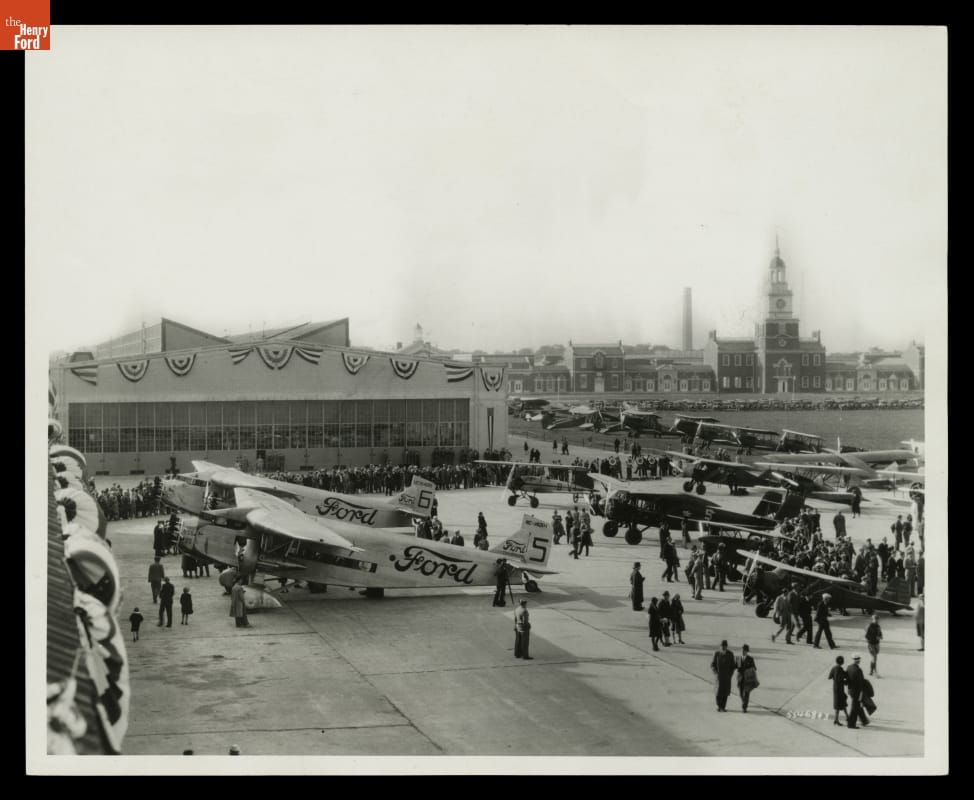
- Ford Reliability Tour at Ford Airport, Dearborn, Michigan, 1930 - From 1925-1931, Ford Motor Company sponsored annual air tours to promote reliability and safety in commercial aircraft. Pilots flew to pre-determined cities, and their airplanes were rated on the ability to take off and land quickly and maintain consistent speeds. The 1930 tour included 18 entries and visited 29 cities in the United States and Canada.
- September 27, 1930
- Collections - Artifact
Ford Reliability Tour at Ford Airport, Dearborn, Michigan, 1930
From 1925-1931, Ford Motor Company sponsored annual air tours to promote reliability and safety in commercial aircraft. Pilots flew to pre-determined cities, and their airplanes were rated on the ability to take off and land quickly and maintain consistent speeds. The 1930 tour included 18 entries and visited 29 cities in the United States and Canada.
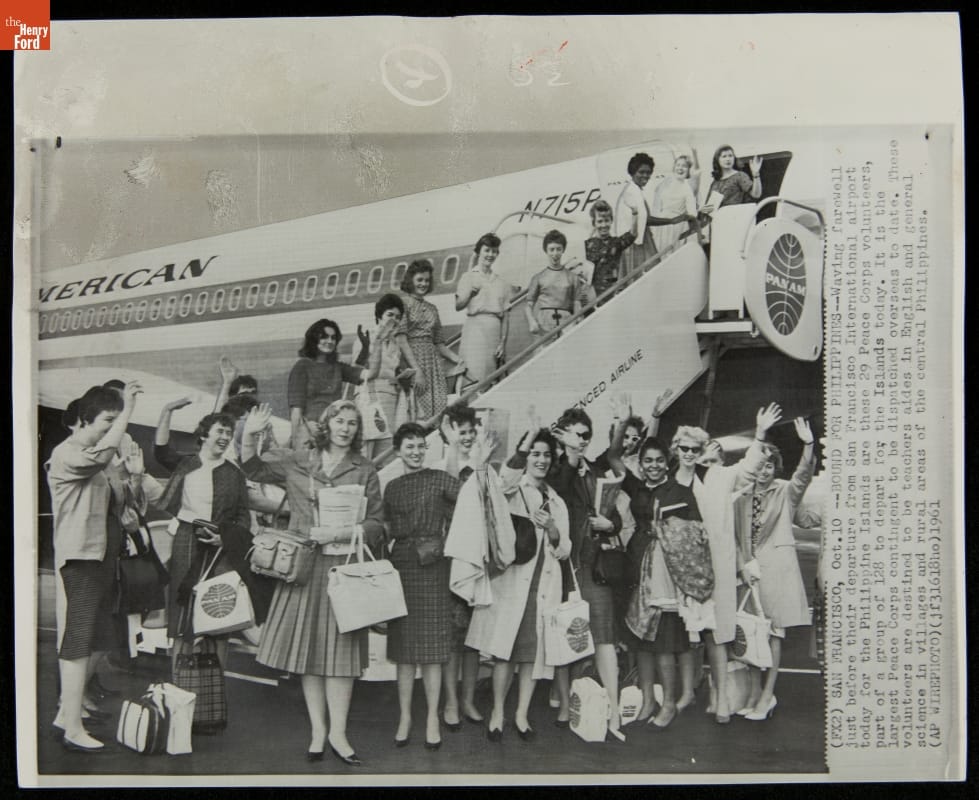
- Wire Photograph, Peace Corps Volunteers at San Francisco International Airport, "Bound for Philippines," 1961 - President John F. Kennedy recognized the Peace Corps as an opportunity to spread goodwill and as a positive weapon against the Cold War. Established March 1, 1961, by the end of the year, many Peace Corps volunteers had been trained and placed in overseas assignments. Here, a group leaves for the Philippines to serve as teachers' aides in country villages.
- October 12, 1961
- Collections - Artifact
Wire Photograph, Peace Corps Volunteers at San Francisco International Airport, "Bound for Philippines," 1961
President John F. Kennedy recognized the Peace Corps as an opportunity to spread goodwill and as a positive weapon against the Cold War. Established March 1, 1961, by the end of the year, many Peace Corps volunteers had been trained and placed in overseas assignments. Here, a group leaves for the Philippines to serve as teachers' aides in country villages.
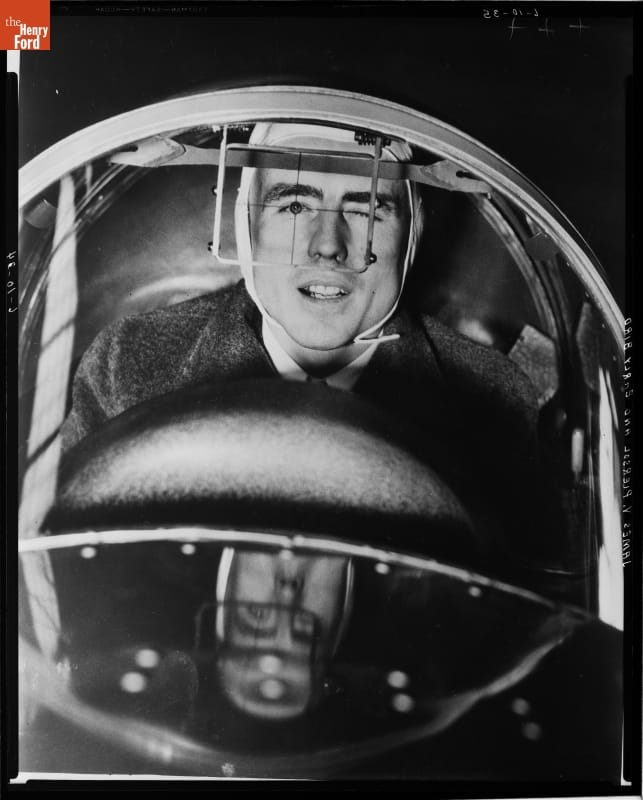
- Detroit News--Airplane--Lockheed Orion--James V. Piersol, William A. Kuenzel and Early Bird--Item1 - The <EM>Detroit News</EM> bought a new Lockheed Orion in 1934 to assist in its news-gathering efforts. The monoplane, christened "Early Bird", contained space for a reporter or radio operator, a compact radio broadcasting station and three cameras--one of which was located in a streamlined nacelle on the left wing. A viewfinder in the cockpit interior helped the pilot line up the wing-mounted camera.
- June 10, 1934
- Collections - Artifact
Detroit News--Airplane--Lockheed Orion--James V. Piersol, William A. Kuenzel and Early Bird--Item1
The Detroit News bought a new Lockheed Orion in 1934 to assist in its news-gathering efforts. The monoplane, christened "Early Bird", contained space for a reporter or radio operator, a compact radio broadcasting station and three cameras--one of which was located in a streamlined nacelle on the left wing. A viewfinder in the cockpit interior helped the pilot line up the wing-mounted camera.
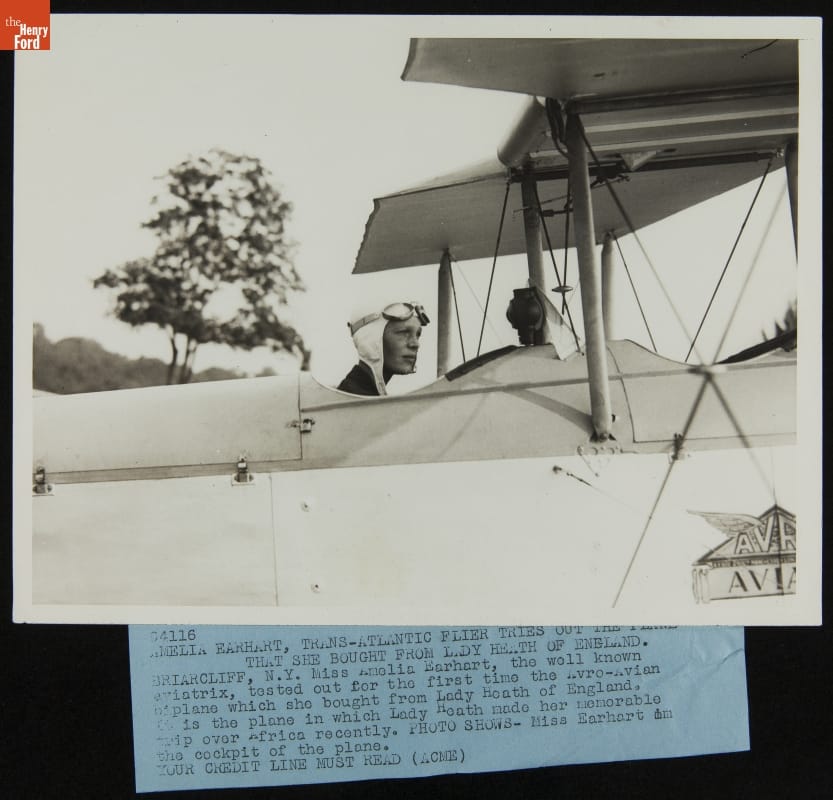
- Amelia Earhart in the Avro-Avian Biplane Received from Lady Heath, 1928 - World-renowned Irish pilot Mary, Lady Heath, was an inspiration to Amelia Earhart. After Lady Heath took Earhart for a flight in her Avro Avian biplane, which Heath had flown solo from South Africa to Great Britain, Earhart was so impressed that she bought the aircraft and shipped it back to the United States. Soon Earhart's own fame eclipsed Lady Heath's.
- 1928
- Collections - Artifact
Amelia Earhart in the Avro-Avian Biplane Received from Lady Heath, 1928
World-renowned Irish pilot Mary, Lady Heath, was an inspiration to Amelia Earhart. After Lady Heath took Earhart for a flight in her Avro Avian biplane, which Heath had flown solo from South Africa to Great Britain, Earhart was so impressed that she bought the aircraft and shipped it back to the United States. Soon Earhart's own fame eclipsed Lady Heath's.
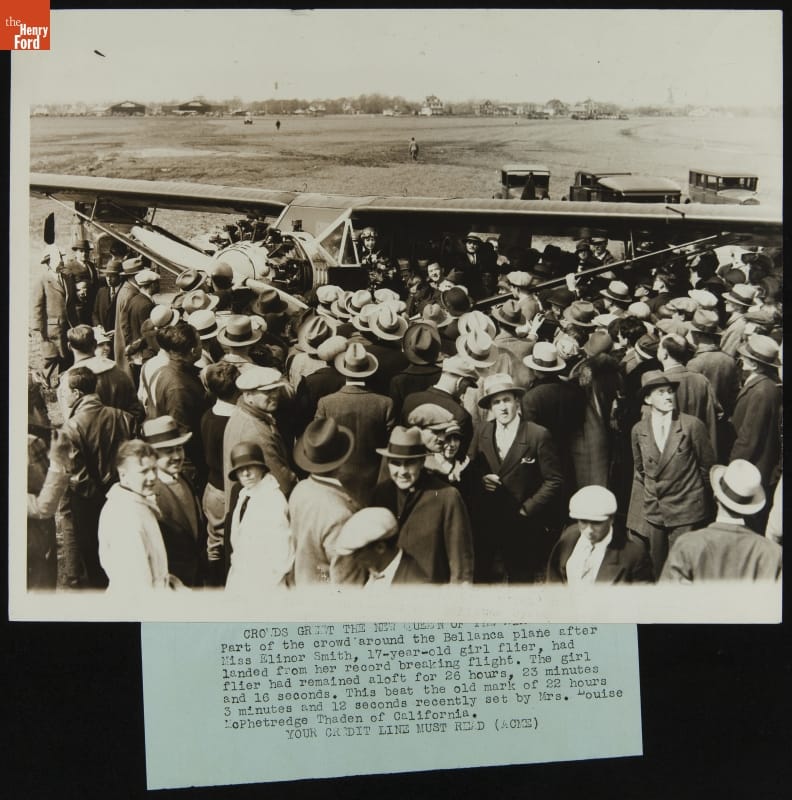
- Elinor Smith after Record-Breaking Women's Endurance Flight, 1929 - Elinor Smith took her first flight at age six and earned a pilot's license at 16. She made headlines flying under New York City bridges in 1928, but more serious pursuits earned Smith a series of endurance, speed, and altitude records for a female pilot. Smith piloted an airplane for the last time in 2001, at the age of 89.
- April 23, 1929
- Collections - Artifact
Elinor Smith after Record-Breaking Women's Endurance Flight, 1929
Elinor Smith took her first flight at age six and earned a pilot's license at 16. She made headlines flying under New York City bridges in 1928, but more serious pursuits earned Smith a series of endurance, speed, and altitude records for a female pilot. Smith piloted an airplane for the last time in 2001, at the age of 89.
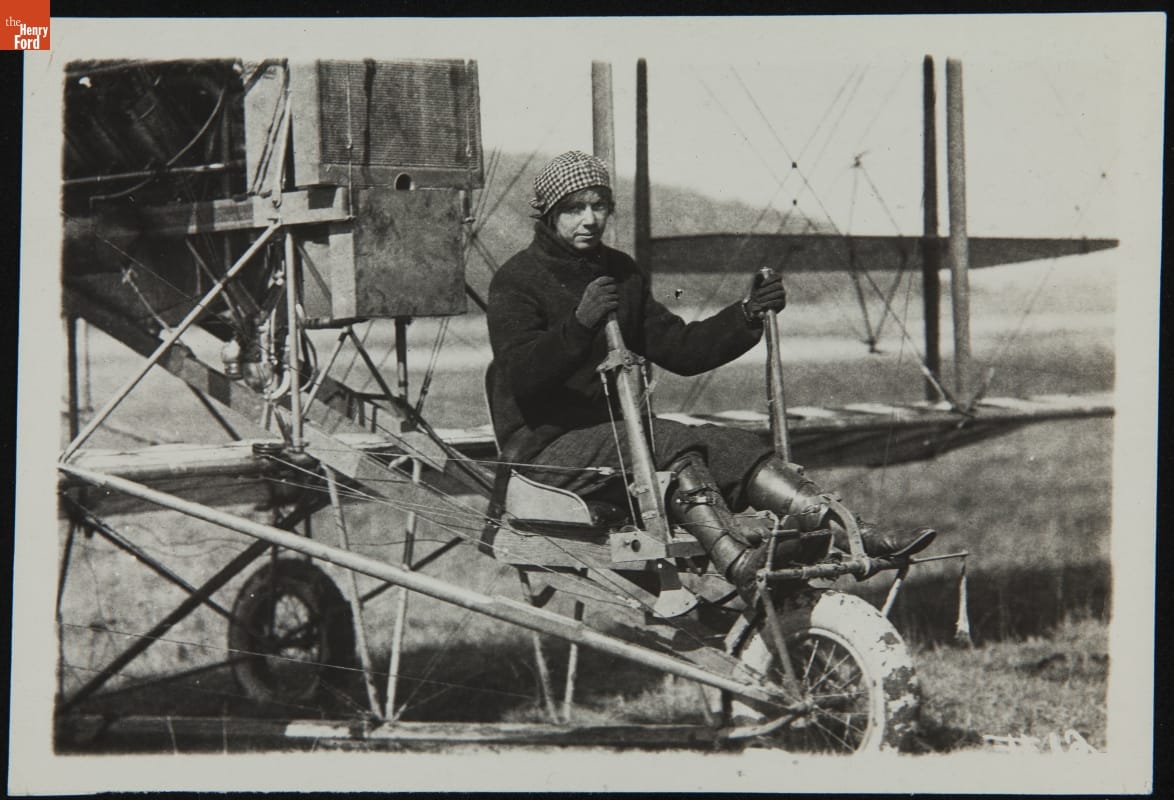
- Ruth Law in Curtiss Pusher Aircraft, circa 1915 - Ruth Law earned her pilot's license in 1912 and soon developed a taste for aerobatics and record breaking. In 1916 she flew 590 nonstop miles from Chicago to the state of New York. During World War I, Law argued unsuccessfully for women to fly in combat roles. Law continued to set records until she retired from flying in 1922.
- circa 1915
- Collections - Artifact
Ruth Law in Curtiss Pusher Aircraft, circa 1915
Ruth Law earned her pilot's license in 1912 and soon developed a taste for aerobatics and record breaking. In 1916 she flew 590 nonstop miles from Chicago to the state of New York. During World War I, Law argued unsuccessfully for women to fly in combat roles. Law continued to set records until she retired from flying in 1922.
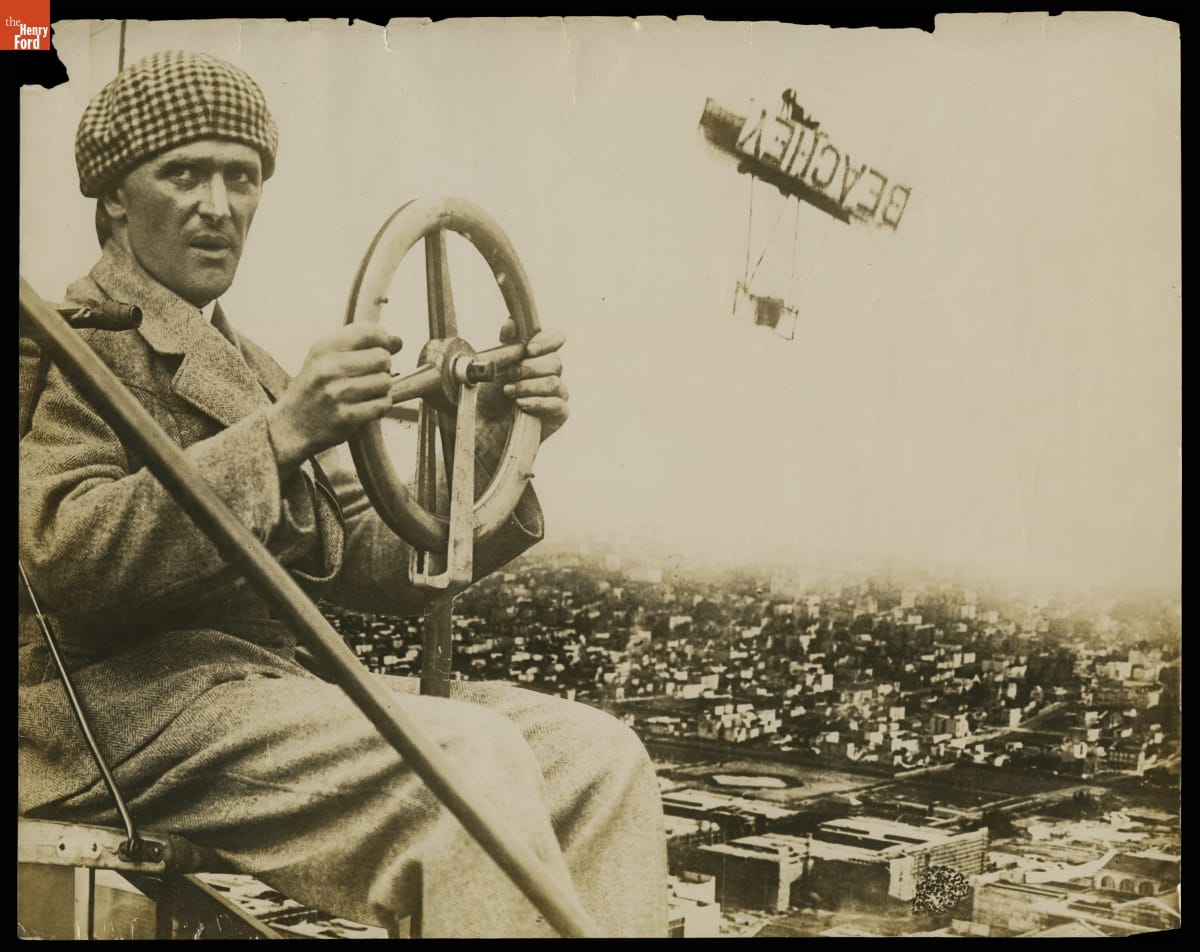
- Lincoln Beachey Stunt Flying over San Francisco, California, circa 1915 - Lincoln Beachey is remembered as America's first great stunt flyer. He perfected a series of aerobatic maneuvers -- including spins, dives, spirals, and loops -- and earned fame and fortune by staging heart-stopping exhibition flights for audiences across the country. Beachey died when the wings broke loose from his airplane during a stunt flight over San Francisco Bay in 1915.
- circa 1915
- Collections - Artifact
Lincoln Beachey Stunt Flying over San Francisco, California, circa 1915
Lincoln Beachey is remembered as America's first great stunt flyer. He perfected a series of aerobatic maneuvers -- including spins, dives, spirals, and loops -- and earned fame and fortune by staging heart-stopping exhibition flights for audiences across the country. Beachey died when the wings broke loose from his airplane during a stunt flight over San Francisco Bay in 1915.
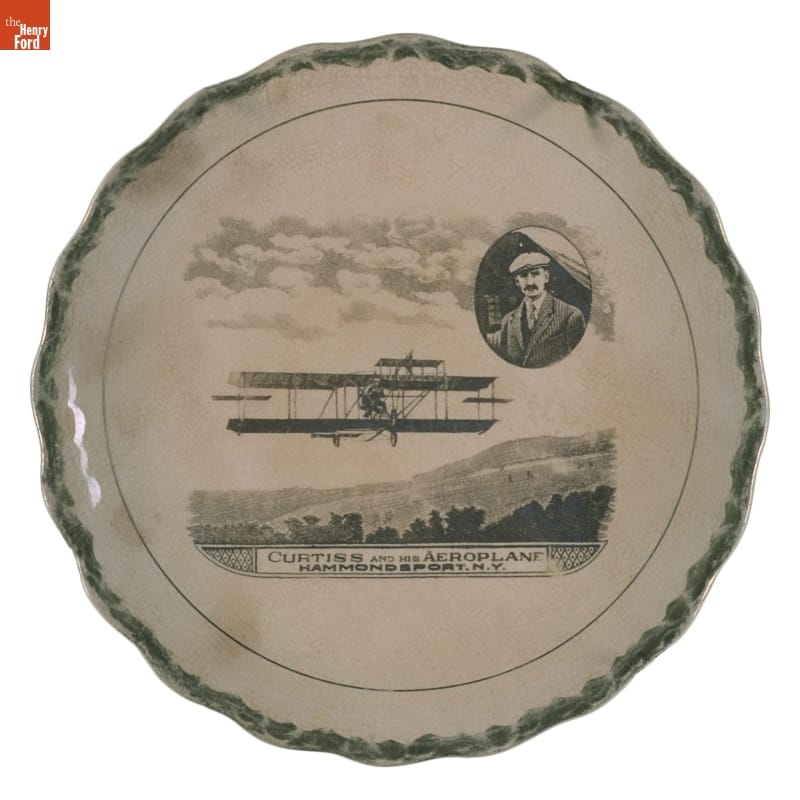
- Commemorative Plate, Featuring Glenn Curtiss, circa 1910 - Glenn Curtiss pioneered aileron control systems and designed some of the first successful seaplanes. He formed an exhibition flying team, and he set several flight records of his own. Starting in 1909, Curtiss was involved in a bitter patent dispute with the Wright brothers. It wasn't resolved until 1917, when World War I forced the creation of a patent pool.
- circa 1910
- Collections - Artifact
Commemorative Plate, Featuring Glenn Curtiss, circa 1910
Glenn Curtiss pioneered aileron control systems and designed some of the first successful seaplanes. He formed an exhibition flying team, and he set several flight records of his own. Starting in 1909, Curtiss was involved in a bitter patent dispute with the Wright brothers. It wasn't resolved until 1917, when World War I forced the creation of a patent pool.
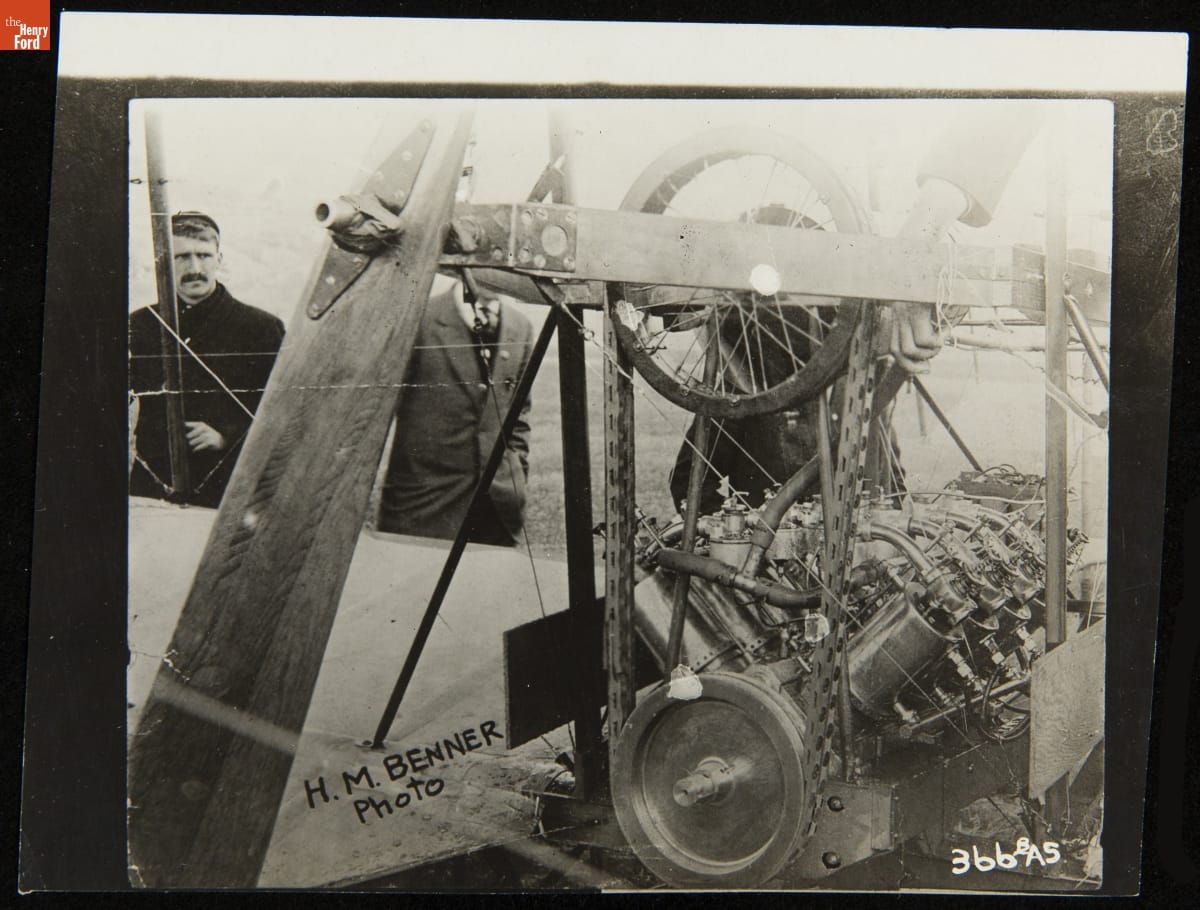
- Engine Designed by Glenn Curtiss for the Aerial Experiment Association's "Silver Dart" Airplane, 1908-1909 - In 1907, Alexander Graham Bell recruited a team of young aviation enthusiasts for his elite Aerial Experiment Association (AEA). The group produced a string of airplanes that ultimately achieved manned flight and contributed key developments to the fledgling field of aviation. AEA "motor expert" Glenn Curtiss designed this water-cooled engine to prevent overheating and allow for longer flights.
- 1908-1909
- Collections - Artifact
Engine Designed by Glenn Curtiss for the Aerial Experiment Association's "Silver Dart" Airplane, 1908-1909
In 1907, Alexander Graham Bell recruited a team of young aviation enthusiasts for his elite Aerial Experiment Association (AEA). The group produced a string of airplanes that ultimately achieved manned flight and contributed key developments to the fledgling field of aviation. AEA "motor expert" Glenn Curtiss designed this water-cooled engine to prevent overheating and allow for longer flights.
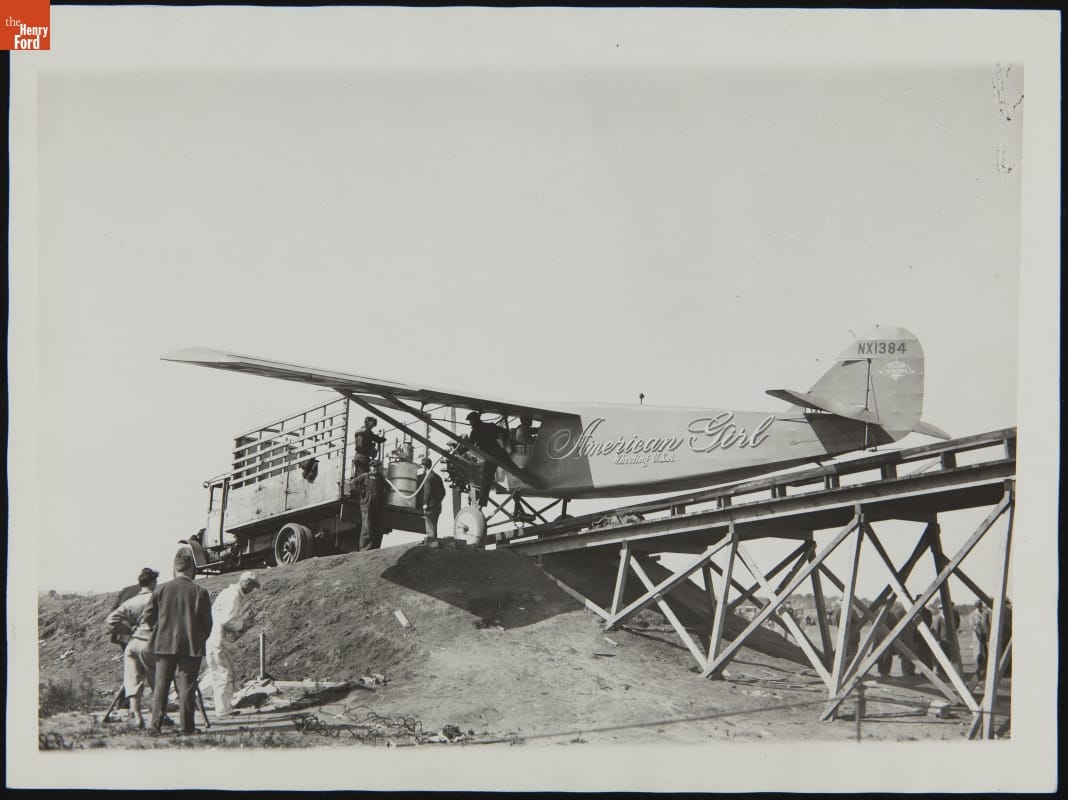
- Ruth Elder's Airplane, the "American Girl," Fueling up before Take-off, October 11, 1927 - Ruth Elder planned to be the first woman to fly across the Atlantic. On October 11, 1927, Elder and co-pilot George Haldeman took off in their Stinson Detroiter <EM>American Girl</EM>. An oil leak forced them to ditch in the ocean some 360 miles short of land. Still, the 2,623 miles Elder covered set a new distance record for a female pilot.
- October 11, 1927
- Collections - Artifact
Ruth Elder's Airplane, the "American Girl," Fueling up before Take-off, October 11, 1927
Ruth Elder planned to be the first woman to fly across the Atlantic. On October 11, 1927, Elder and co-pilot George Haldeman took off in their Stinson Detroiter American Girl. An oil leak forced them to ditch in the ocean some 360 miles short of land. Still, the 2,623 miles Elder covered set a new distance record for a female pilot.