
Search
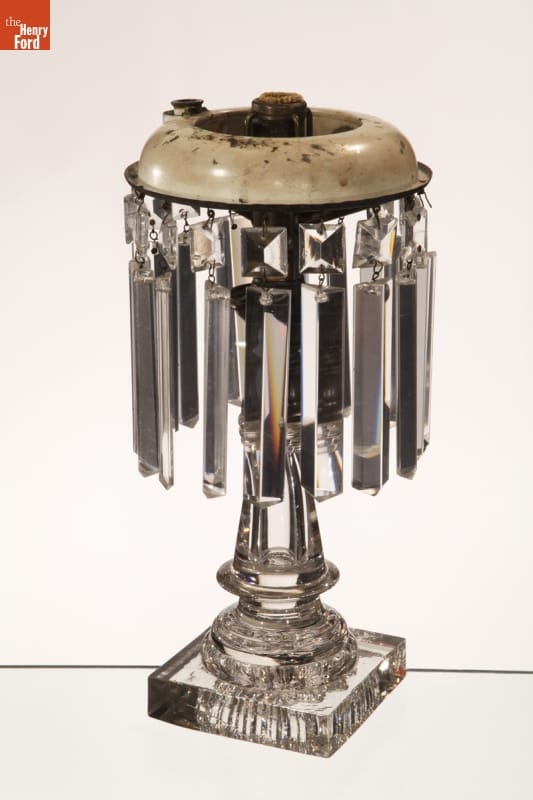
- Sinumbra Lamp, 1830-1845 - Sinumbra lamps provided bright light for reading or sewing. Whale oil was burned efficiently through a hollow wick holder and central draft burner, allowing for complete combustion. The donut shape of the reservoir below the burner provided shadow less light. The hanging prisms, likely added later, created shadows that counteracted the purpose of the lamp.
- 1830-1845
- Collections - Artifact
Sinumbra Lamp, 1830-1845
Sinumbra lamps provided bright light for reading or sewing. Whale oil was burned efficiently through a hollow wick holder and central draft burner, allowing for complete combustion. The donut shape of the reservoir below the burner provided shadow less light. The hanging prisms, likely added later, created shadows that counteracted the purpose of the lamp.
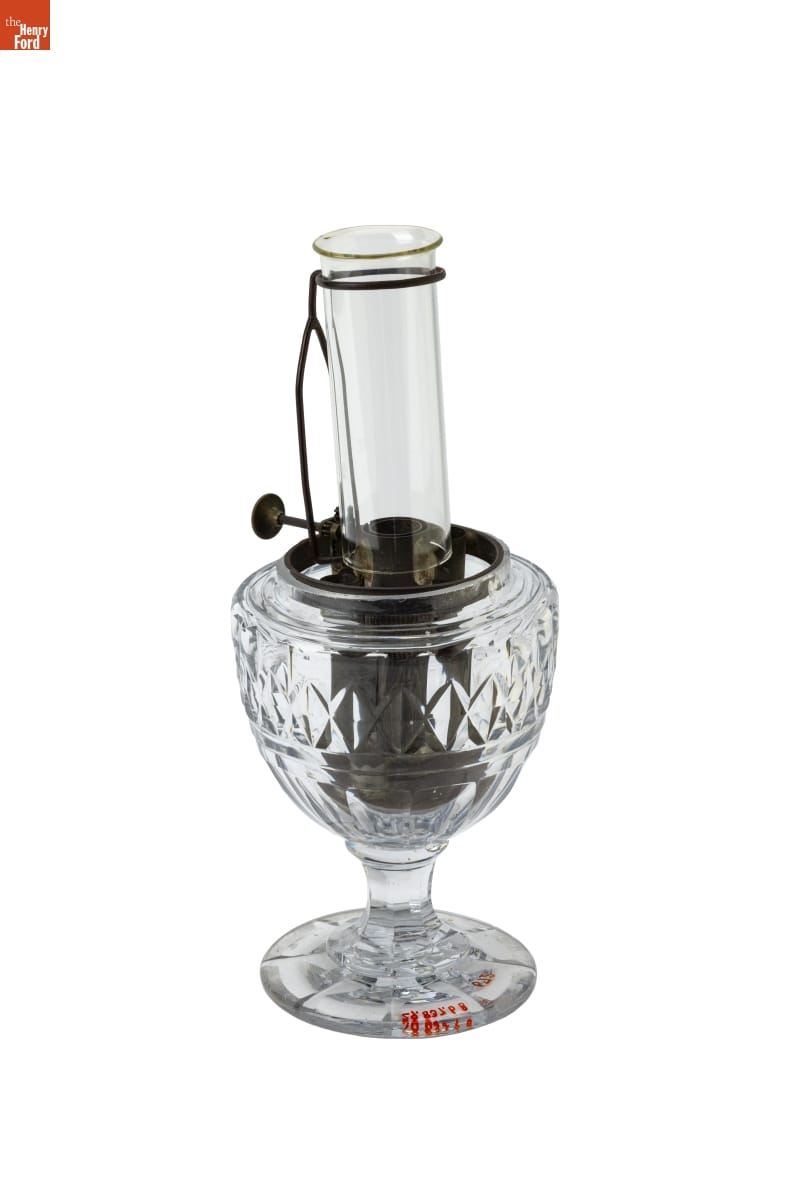
- Argand Lamp, 1790-1850 - Traditional make-dos are useful and precious objects that broke during their working lives. Their owners felt compelled to restore or repurpose these objects in a variety of ways. This lamp started out as an expensive cut glass sugar bowl, but the base now serves as a reservoir for lamp fuel.
- 1790-1850
- Collections - Artifact
Argand Lamp, 1790-1850
Traditional make-dos are useful and precious objects that broke during their working lives. Their owners felt compelled to restore or repurpose these objects in a variety of ways. This lamp started out as an expensive cut glass sugar bowl, but the base now serves as a reservoir for lamp fuel.
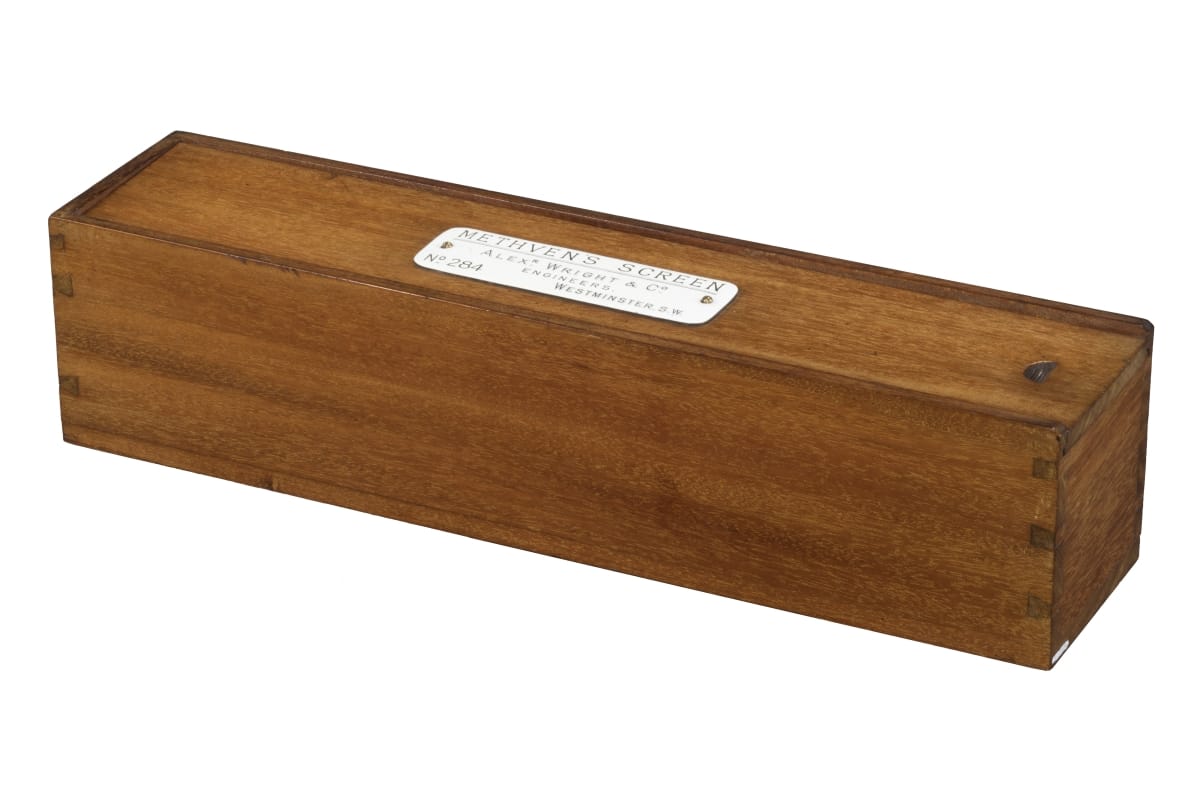
- Alexander Wright and Co. Methven's Screen, 1880-1895 -
- 1880-1895
- Collections - Artifact
Alexander Wright and Co. Methven's Screen, 1880-1895
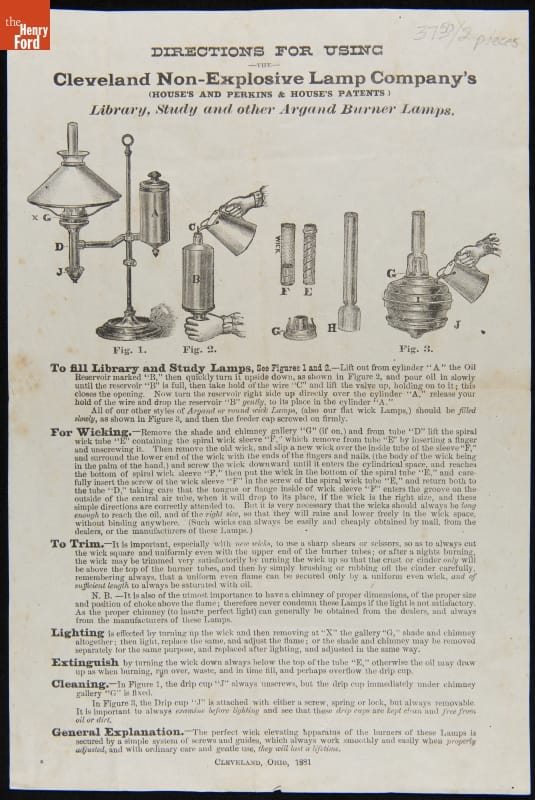
- "Directions for Using the Cleveland Non-Explosive Company's Library, Study and Other Argand Burner Lamps," 1881 -
- 1881
- Collections - Artifact
"Directions for Using the Cleveland Non-Explosive Company's Library, Study and Other Argand Burner Lamps," 1881
- Kerosene Lamp, circa 1875 -
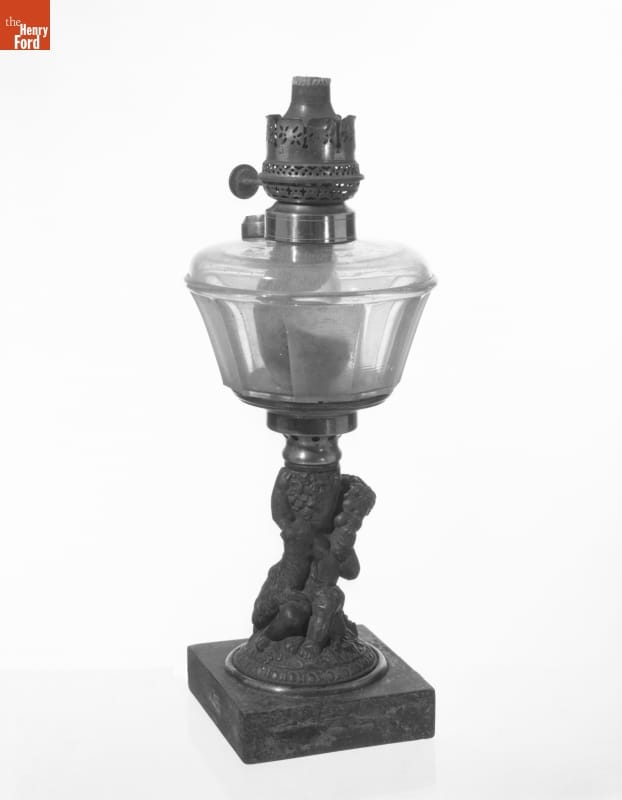
- circa 1875
- Collections - Artifact
Kerosene Lamp, circa 1875
- Patent Model of Argand Lamp Burner, 1855 - Nineteenth century inventors constantly sought to create more efficient lighting technology, leading to improved patents such as this Argand burner. This principle forced air through the center of a hollow wick tube, allowing for a more complete combustion and a longer burning period. This burner would fit into a lamp hung from a ceiling.
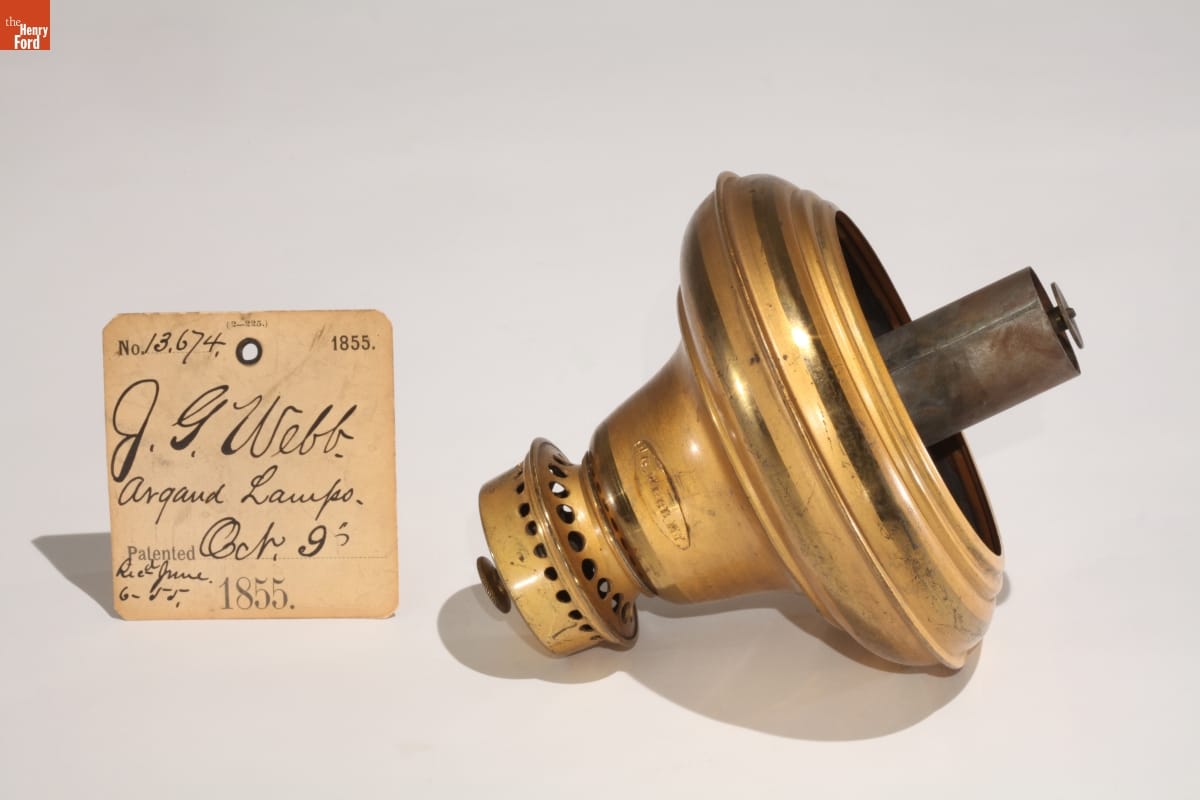
- October 09, 1855
- Collections - Artifact
Patent Model of Argand Lamp Burner, 1855
Nineteenth century inventors constantly sought to create more efficient lighting technology, leading to improved patents such as this Argand burner. This principle forced air through the center of a hollow wick tube, allowing for a more complete combustion and a longer burning period. This burner would fit into a lamp hung from a ceiling.