
Search
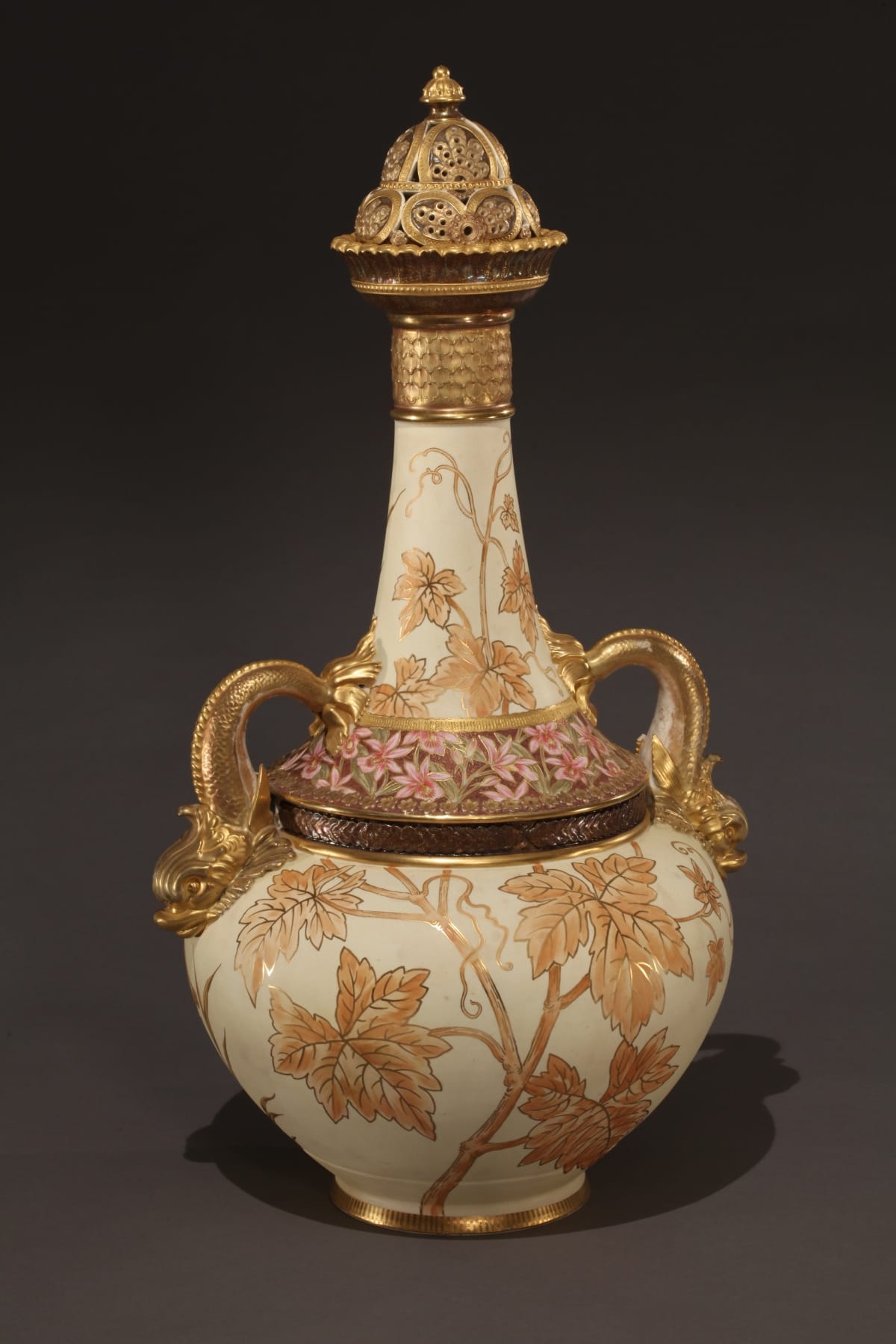
- Covered Vase, 1889 -
- 1889
- Collections - Artifact
Covered Vase, 1889
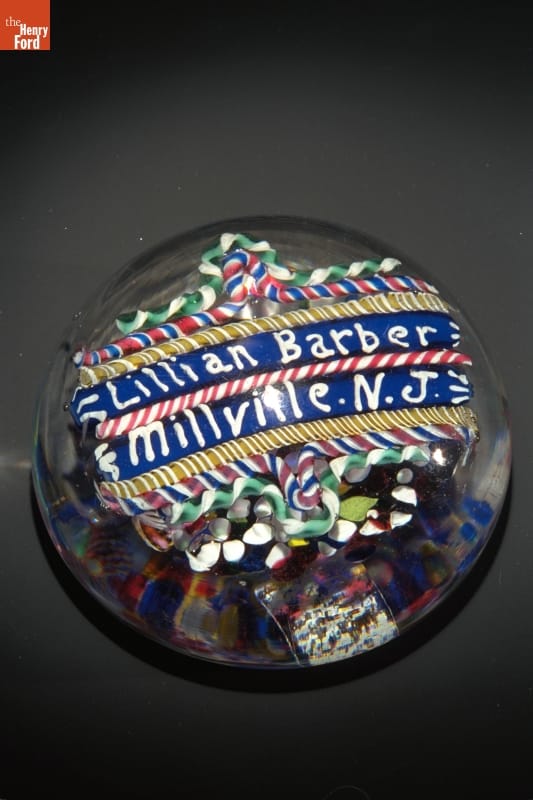
- Paperweight, 1905-1912 -
- 1905-1912
- Collections - Artifact
Paperweight, 1905-1912
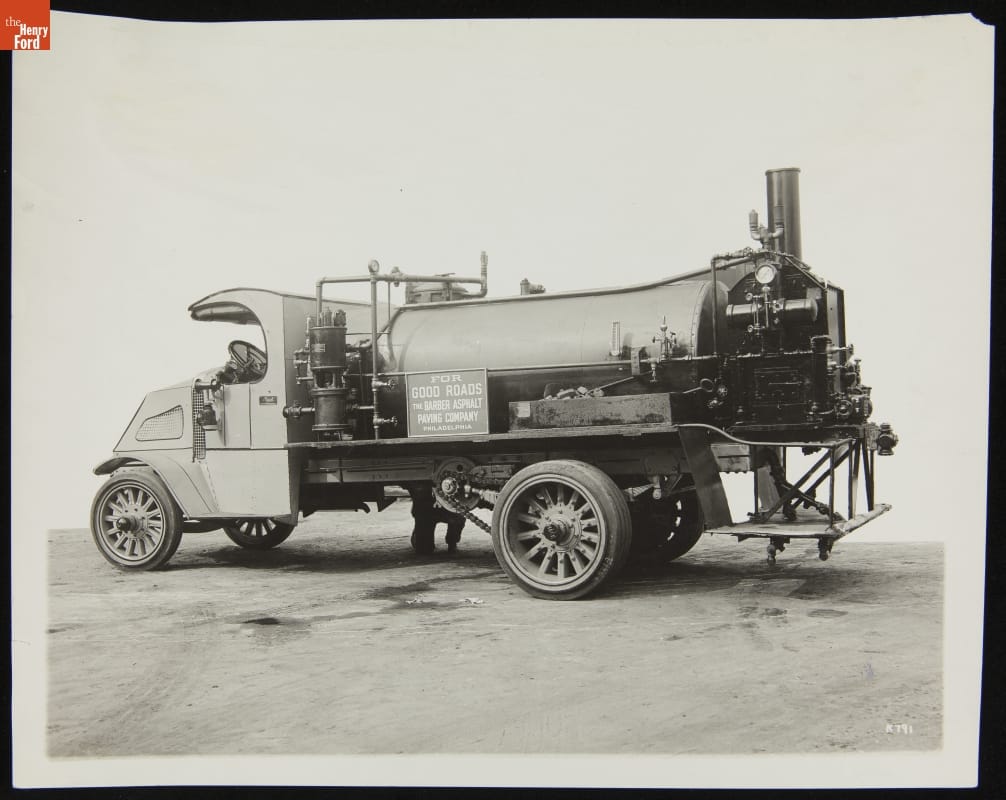
- Mack Model AC Truck-Asphalter, "For Good Roads, The Barber Asphalt Paving Company," 1917 - Founded in Brooklyn, New York, in 1900, Mack Brothers Company relocated to Allentown, Pennsylvania, in 1905 and adopted the name Mack Trucks in 1922. The company introduced its heavy-duty Model AC truck in 1916. The model remained in production until 1938, and Mack built more than 40,000 units. The Model AC's distinctive hood set it apart from other trucks.
- 1917
- Collections - Artifact
Mack Model AC Truck-Asphalter, "For Good Roads, The Barber Asphalt Paving Company," 1917
Founded in Brooklyn, New York, in 1900, Mack Brothers Company relocated to Allentown, Pennsylvania, in 1905 and adopted the name Mack Trucks in 1922. The company introduced its heavy-duty Model AC truck in 1916. The model remained in production until 1938, and Mack built more than 40,000 units. The Model AC's distinctive hood set it apart from other trucks.
- Rodger Clark's No. 1 Barber Shop, Atlanta, Georgia, 1935-1950 - Photographic cards like this one, with their glued-on labels, were a preliminary step taken by Dexter Press before producing postcards for small-business owners to mail or hand out. During the first half of the 20th century, Jim Crow laws in the South dictated racial segregation in public places. African-American barber shops became centers for both socializing and political activism.

- 1935-1950
- Collections - Artifact
Rodger Clark's No. 1 Barber Shop, Atlanta, Georgia, 1935-1950
Photographic cards like this one, with their glued-on labels, were a preliminary step taken by Dexter Press before producing postcards for small-business owners to mail or hand out. During the first half of the 20th century, Jim Crow laws in the South dictated racial segregation in public places. African-American barber shops became centers for both socializing and political activism.
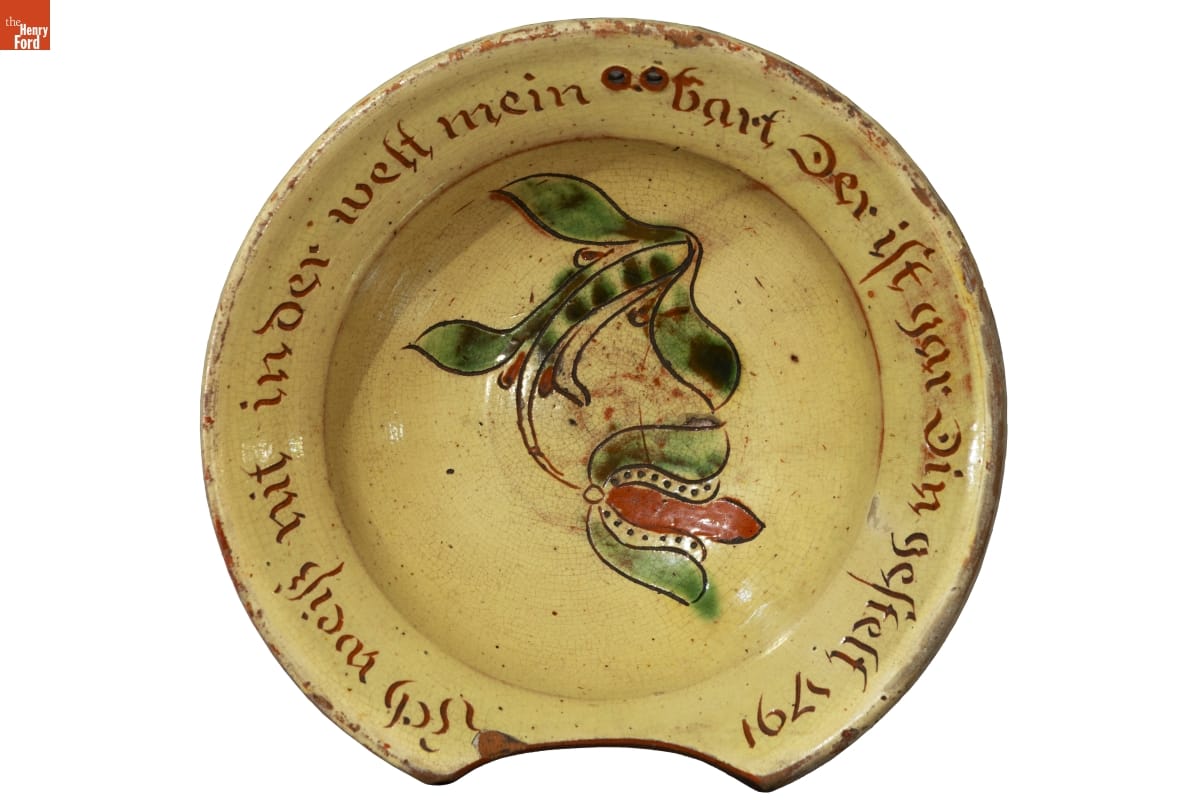
- Barber Basin, 1791 - This barber basin is an important early example of Pennsylvania German pottery. It features techniques common to the Pennsylvania German style, including sgraffito (a term used to describe incised decoration) and the use of colorful red slip.
- 1791
- Collections - Artifact
Barber Basin, 1791
This barber basin is an important early example of Pennsylvania German pottery. It features techniques common to the Pennsylvania German style, including sgraffito (a term used to describe incised decoration) and the use of colorful red slip.
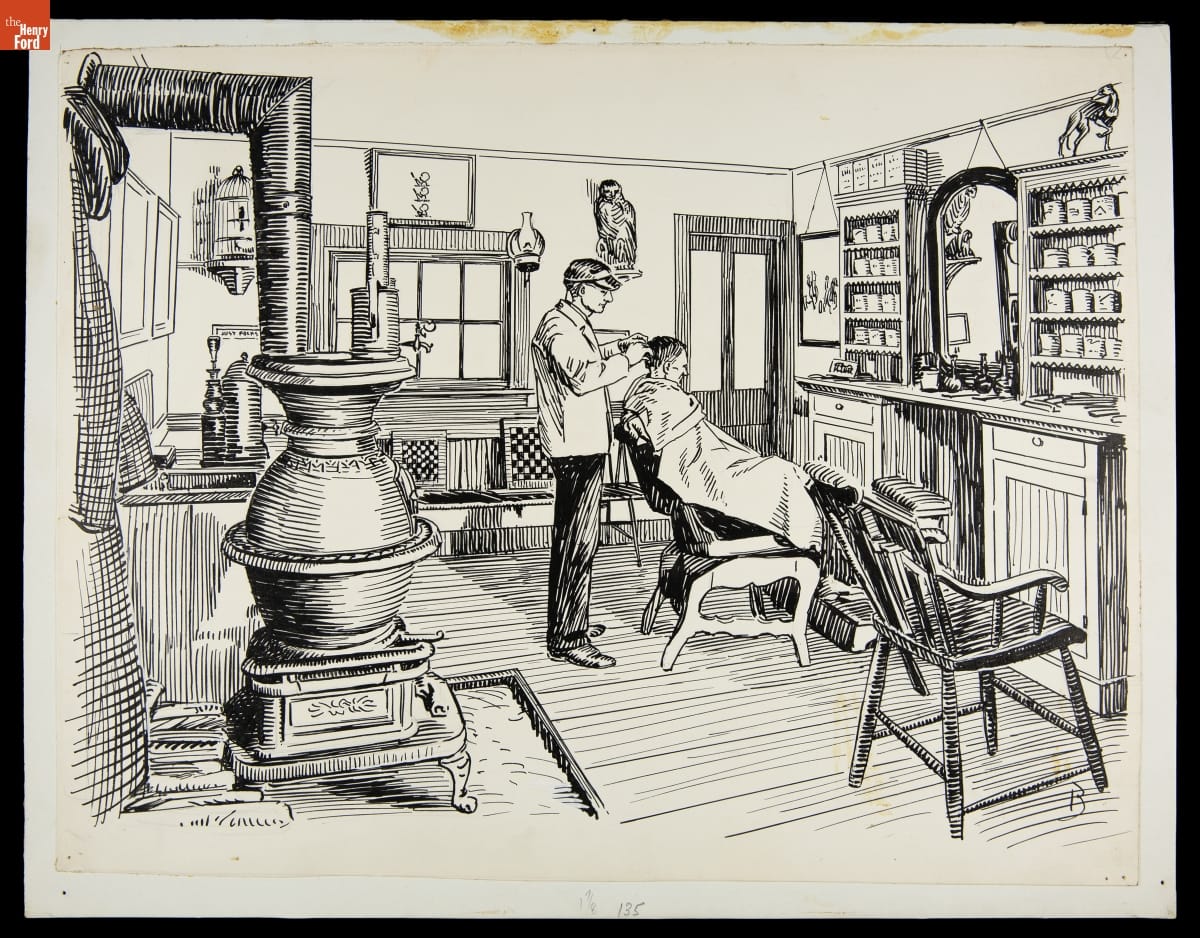
- Barber Shop in Henry Ford Museum "Street of Shops" Exhibit, circa 1941 - Henry Ford encouraged and appreciated the work of artist and illustrator Irving Bacon. In 1915, Bacon joined the Photographic Department of Ford Motor Company after he returned from studying art in Europe. Over the next thirty years, Bacon painted scenes depicting Ford's life, created portraiture, and illustrated articles for company publications. This drawing depicts the Street of Shops exhibit in the Henry Ford Museum.
- circa 1941
- Collections - Artifact
Barber Shop in Henry Ford Museum "Street of Shops" Exhibit, circa 1941
Henry Ford encouraged and appreciated the work of artist and illustrator Irving Bacon. In 1915, Bacon joined the Photographic Department of Ford Motor Company after he returned from studying art in Europe. Over the next thirty years, Bacon painted scenes depicting Ford's life, created portraiture, and illustrated articles for company publications. This drawing depicts the Street of Shops exhibit in the Henry Ford Museum.
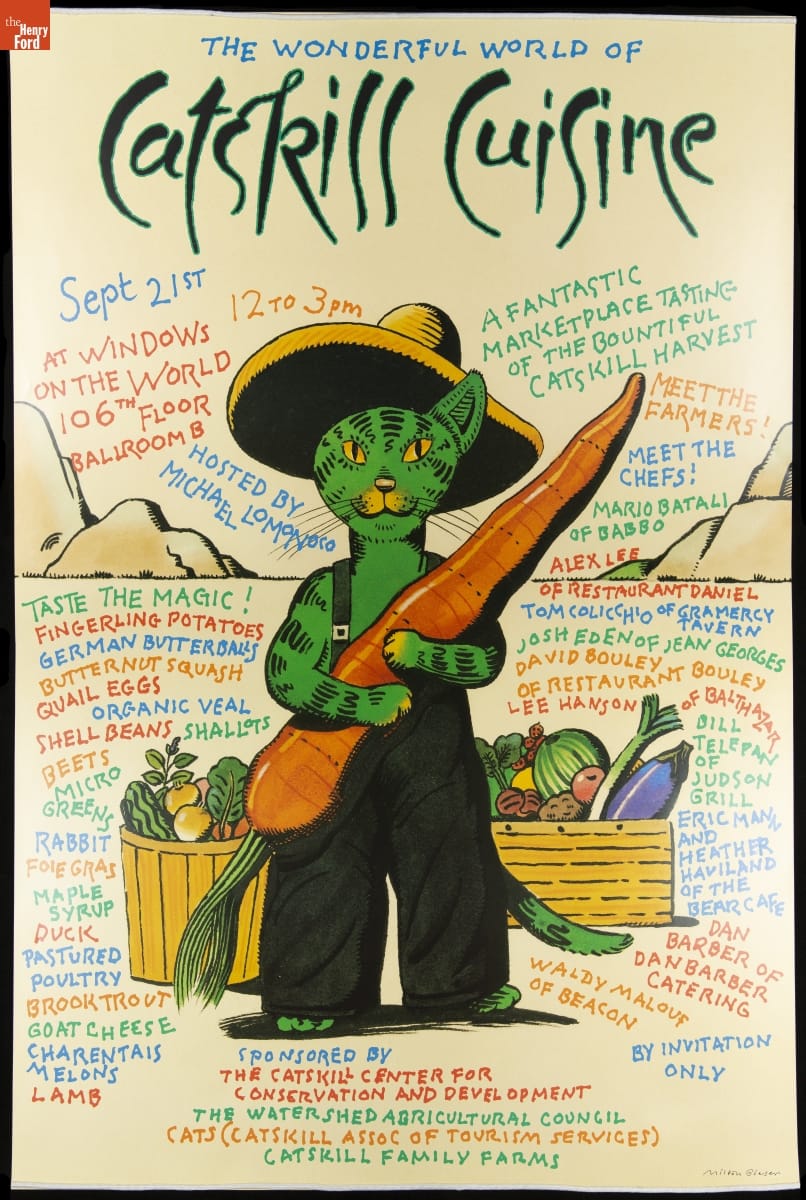
- The Wonderful World of Catskill Cuisine, September 21, 2000 - Milton Glaser created this poster for a trade promotion held at the World Trade Center's Windows of the World restaurant on September 21, 2000. The event highlighted chefs who utilized ingredients from growers in the New York Catskills area. Many of these chefs drew their inspiration from French cuisine, blending those traditions with techniques from other cultural sources to create the "New American" style.
- September 21, 2000
- Collections - Artifact
The Wonderful World of Catskill Cuisine, September 21, 2000
Milton Glaser created this poster for a trade promotion held at the World Trade Center's Windows of the World restaurant on September 21, 2000. The event highlighted chefs who utilized ingredients from growers in the New York Catskills area. Many of these chefs drew their inspiration from French cuisine, blending those traditions with techniques from other cultural sources to create the "New American" style.
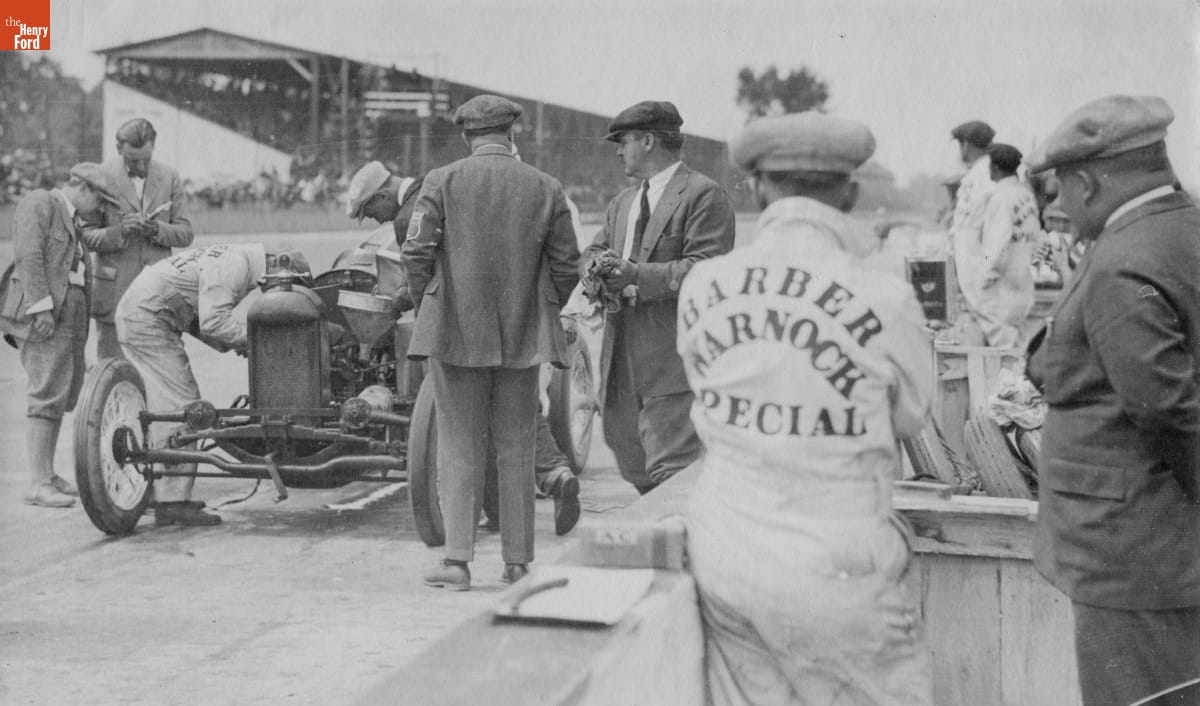
- Barber-Warnock Special Race Car in Pit at Indianapolis Motor Speedway, 1924 - When did Fords use Chevrolet parts? In the 1920s, when brothers Louis and Arthur Chevrolet made special overhead valve cylinder heads for Model Ts. Sold under the brand name Frontenac, they helped racers triple the horsepower of the stock Model T engine. Such "Fronty-Fords" became terrors on the small dirt tracks and in 1923 and 1924 Indianapolis auto dealer Barber-Warnock Ford decided to enter Fronty-Ford powered cars in the Indianapolis 500. Here we see one of the 1924 cars being serviced in the pits. A mechanic with a funnel adds oil, while another mechanic on the opposite side of the car makes an adjustment. Arthur Chevrolet, wearing a tie and a flat cap, wipes his hands in the middle of the picture. Three men in suits, possibly race officials, observe the scene. The Barber-Warnock cars finished fifth in the 1923 race and 14th, 16th, and 17th in 1924.
- 1924
- Collections - Artifact
Barber-Warnock Special Race Car in Pit at Indianapolis Motor Speedway, 1924
When did Fords use Chevrolet parts? In the 1920s, when brothers Louis and Arthur Chevrolet made special overhead valve cylinder heads for Model Ts. Sold under the brand name Frontenac, they helped racers triple the horsepower of the stock Model T engine. Such "Fronty-Fords" became terrors on the small dirt tracks and in 1923 and 1924 Indianapolis auto dealer Barber-Warnock Ford decided to enter Fronty-Ford powered cars in the Indianapolis 500. Here we see one of the 1924 cars being serviced in the pits. A mechanic with a funnel adds oil, while another mechanic on the opposite side of the car makes an adjustment. Arthur Chevrolet, wearing a tie and a flat cap, wipes his hands in the middle of the picture. Three men in suits, possibly race officials, observe the scene. The Barber-Warnock cars finished fifth in the 1923 race and 14th, 16th, and 17th in 1924.
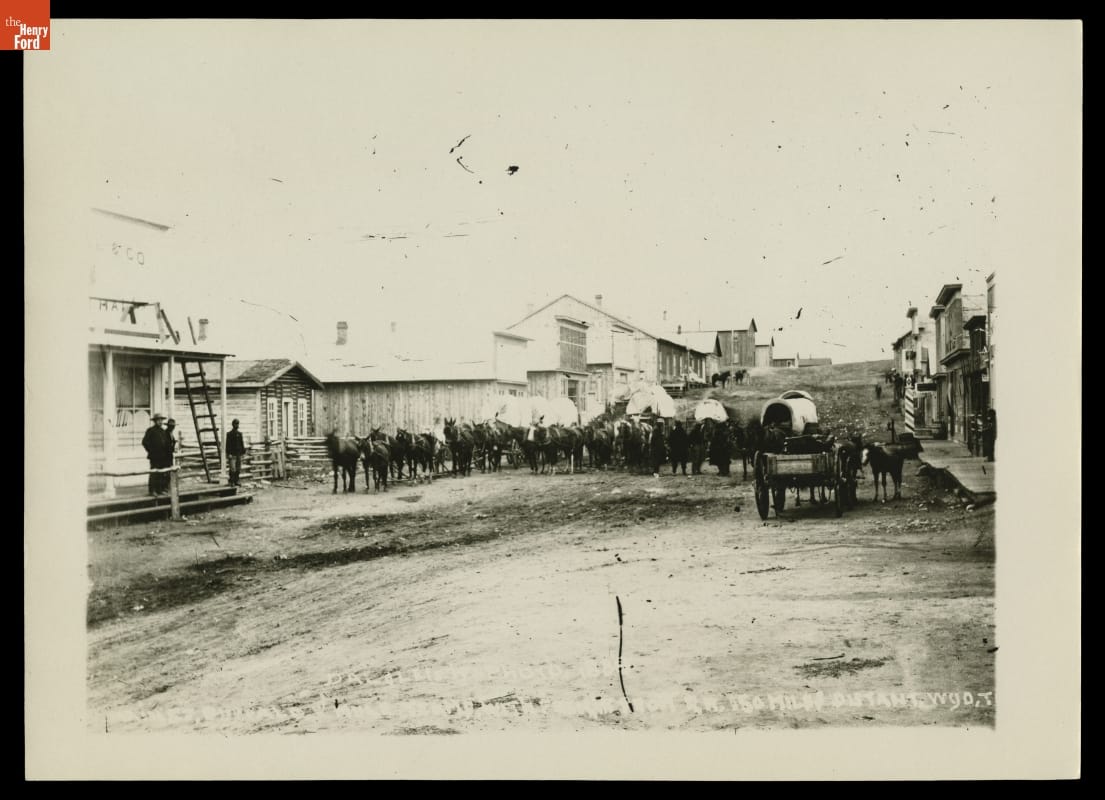
- Mule Teams and Wagons on Main Street, Buffalo, Wyoming Territory, 1885 - In the 1880s, towns in the western United States that were isolated from river and rail transportation networks relied on freight haulers to supply needed goods. Drivers navigated heavy, product-laden wagons hitched to teams of mules or oxen over mountain passes and across lonely, open expanses to deliver their cargo. This image show wagons loaded with goods on Main Street in Buffalo, Wyoming.
- 1885
- Collections - Artifact
Mule Teams and Wagons on Main Street, Buffalo, Wyoming Territory, 1885
In the 1880s, towns in the western United States that were isolated from river and rail transportation networks relied on freight haulers to supply needed goods. Drivers navigated heavy, product-laden wagons hitched to teams of mules or oxen over mountain passes and across lonely, open expanses to deliver their cargo. This image show wagons loaded with goods on Main Street in Buffalo, Wyoming.
- Barber Bottle, 1871-1880 -
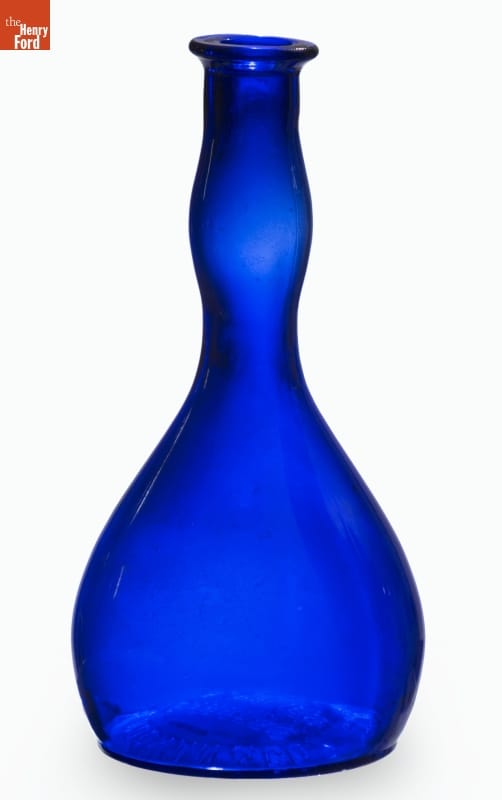
- 1871-1880
- Collections - Artifact
Barber Bottle, 1871-1880