
Search
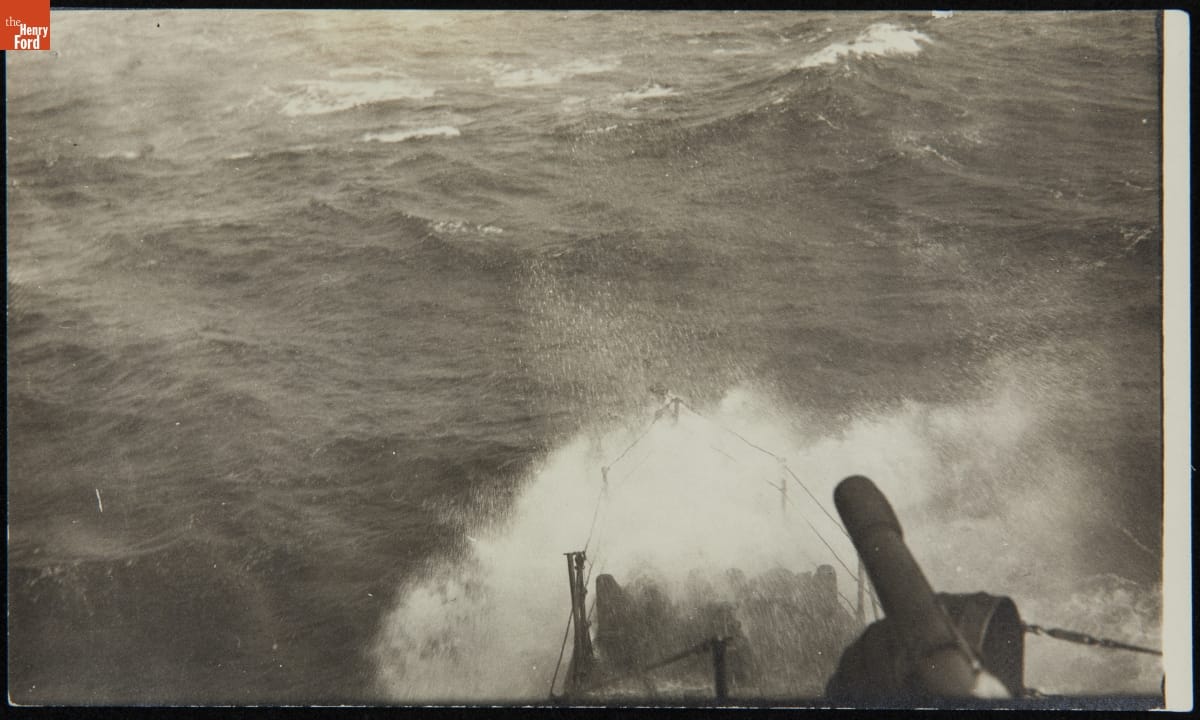
- View Over the Bow of USS Eagle 3, Bound for Arkhangelsk, May-June 1919 - World War I ended before any of the 60 Ford-built Eagle submarine chasers could participate in the conflict. But three Eagle boats were sent to northern Russia in 1919 to aid the American Expeditionary Force in action against the Bolsheviks. The Americans landed at Arkhangelsk, near the Arctic Circle, and called themselves the "Polar Bears."
- May 1919-June 1919
- Collections - Artifact
View Over the Bow of USS Eagle 3, Bound for Arkhangelsk, May-June 1919
World War I ended before any of the 60 Ford-built Eagle submarine chasers could participate in the conflict. But three Eagle boats were sent to northern Russia in 1919 to aid the American Expeditionary Force in action against the Bolsheviks. The Americans landed at Arkhangelsk, near the Arctic Circle, and called themselves the "Polar Bears."
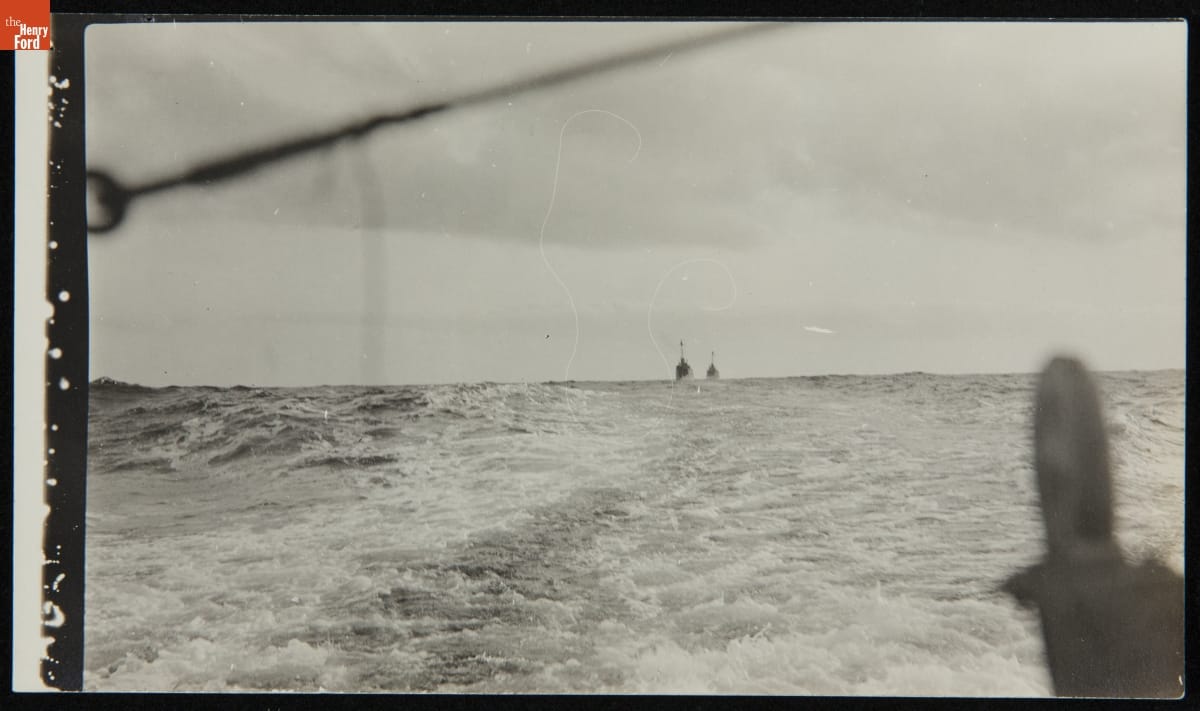
- USS Eagles 1 and 2 from the Stern of Eagle 3 on the English Channel, Bound for Arkhangelsk, May 1919 - World War I ended before any of the 60 Ford-built Eagle submarine chasers could participate in the conflict. But three Eagle boats were sent to northern Russia in 1919 to aid the American Expeditionary Force in action against the Bolsheviks. The Americans landed at Arkhangelsk, near the Arctic Circle, and called themselves the "Polar Bears."
- May 01, 1919
- Collections - Artifact
USS Eagles 1 and 2 from the Stern of Eagle 3 on the English Channel, Bound for Arkhangelsk, May 1919
World War I ended before any of the 60 Ford-built Eagle submarine chasers could participate in the conflict. But three Eagle boats were sent to northern Russia in 1919 to aid the American Expeditionary Force in action against the Bolsheviks. The Americans landed at Arkhangelsk, near the Arctic Circle, and called themselves the "Polar Bears."
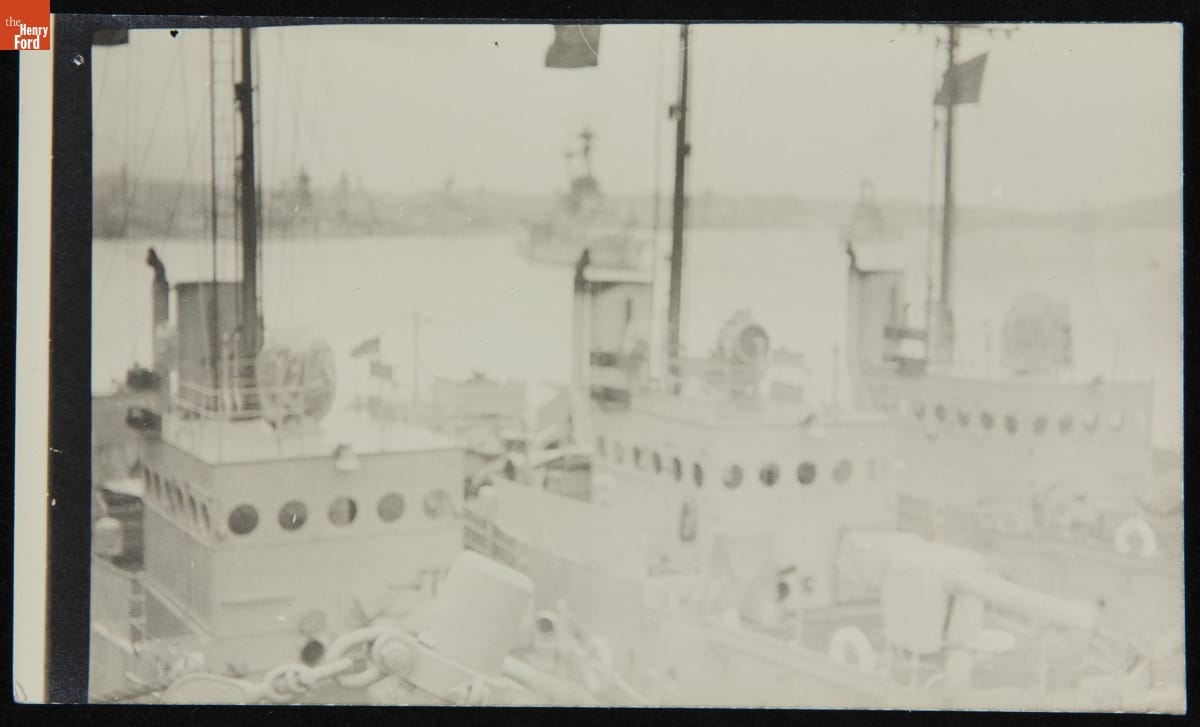
- USS Eagles 1, 2, and 3 at Plymouth, England, Bound for Arkhangelsk, May 1919 - World War I ended before any of the 60 Ford-built Eagle submarine chasers could participate in the conflict. But three Eagle boats were sent to northern Russia in 1919 to aid the American Expeditionary Force in action against the Bolsheviks. The Americans landed at Arkhangelsk, near the Arctic Circle, and called themselves the "Polar Bears."
- May 01, 1919
- Collections - Artifact
USS Eagles 1, 2, and 3 at Plymouth, England, Bound for Arkhangelsk, May 1919
World War I ended before any of the 60 Ford-built Eagle submarine chasers could participate in the conflict. But three Eagle boats were sent to northern Russia in 1919 to aid the American Expeditionary Force in action against the Bolsheviks. The Americans landed at Arkhangelsk, near the Arctic Circle, and called themselves the "Polar Bears."
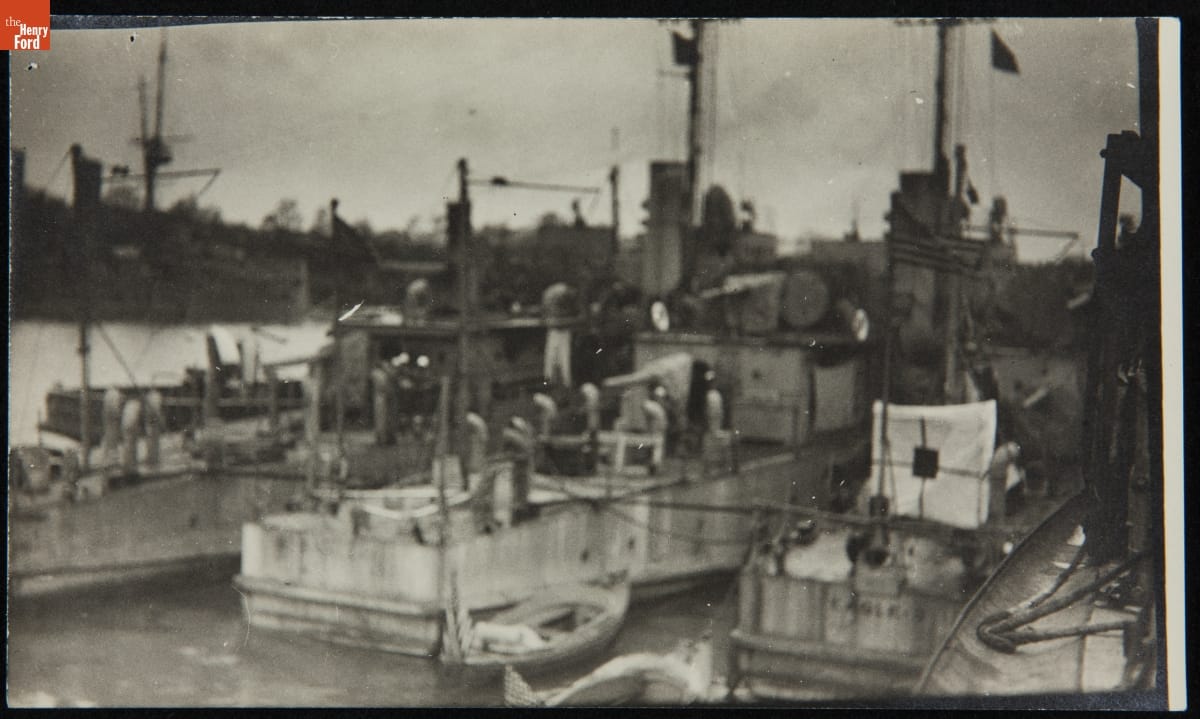
- USS Eagles 1, 2, and 3 at Plymouth, England, Bound for Arkhangelsk, May 1919 - World War I ended before any of the 60 Ford-built Eagle submarine chasers could participate in the conflict. But three Eagle boats were sent to northern Russia in 1919 to aid the American Expeditionary Force in action against the Bolsheviks. The Americans landed at Arkhangelsk, near the Arctic Circle, and called themselves the "Polar Bears."
- May 01, 1919
- Collections - Artifact
USS Eagles 1, 2, and 3 at Plymouth, England, Bound for Arkhangelsk, May 1919
World War I ended before any of the 60 Ford-built Eagle submarine chasers could participate in the conflict. But three Eagle boats were sent to northern Russia in 1919 to aid the American Expeditionary Force in action against the Bolsheviks. The Americans landed at Arkhangelsk, near the Arctic Circle, and called themselves the "Polar Bears."
- Hammerfest, Norway from USS Eagle 3, Bound for Arkhangelsk, May 20, 1919 - World War I ended before any of the 60 Ford-built Eagle submarine chasers could participate in the conflict. But three Eagle boats were sent to northern Russia in 1919 to aid the American Expeditionary Force in action against the Bolsheviks. The Americans landed at Arkhangelsk, near the Arctic Circle, and called themselves the "Polar Bears."
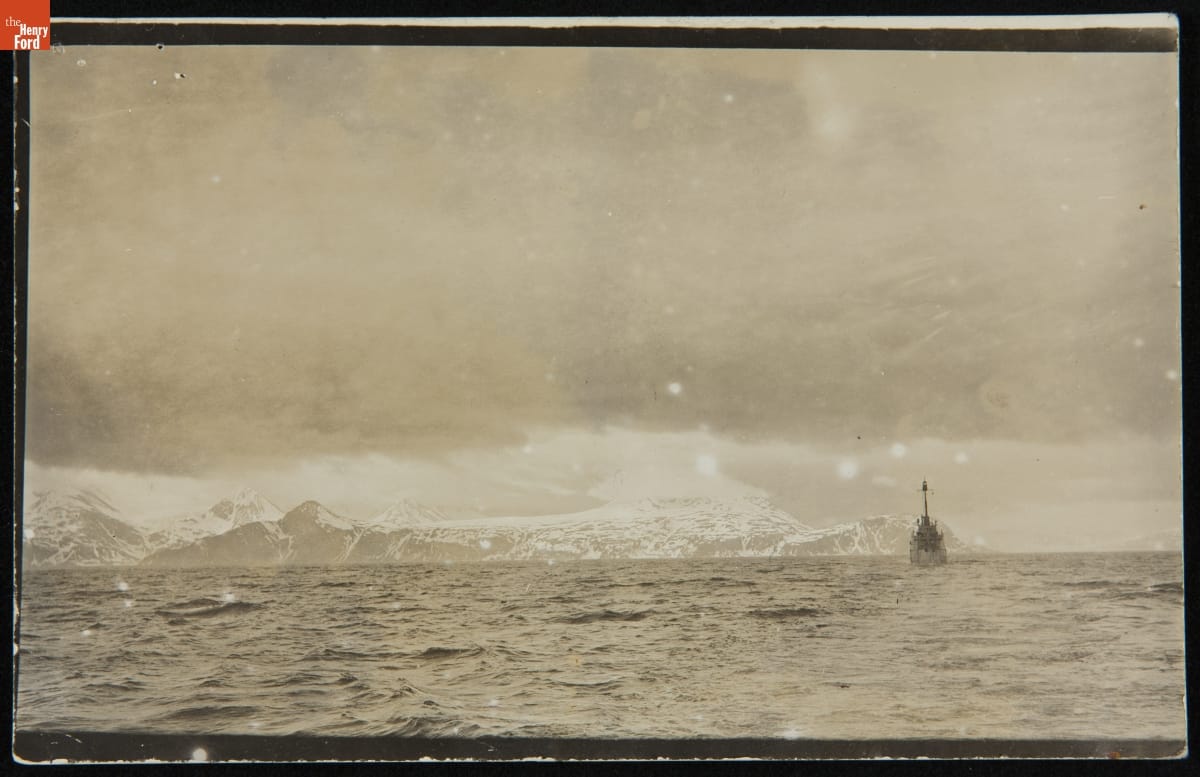
- May 20, 1919
- Collections - Artifact
Hammerfest, Norway from USS Eagle 3, Bound for Arkhangelsk, May 20, 1919
World War I ended before any of the 60 Ford-built Eagle submarine chasers could participate in the conflict. But three Eagle boats were sent to northern Russia in 1919 to aid the American Expeditionary Force in action against the Bolsheviks. The Americans landed at Arkhangelsk, near the Arctic Circle, and called themselves the "Polar Bears."
- USS Eagle Boat off Northern Russia, Bound for Arkhangelsk, June 14, 1919 - World War I ended before any of the 60 Ford-built Eagle submarine chasers could participate in the conflict. But three Eagle boats were sent to northern Russia in 1919 to aid the American Expeditionary Force in action against the Bolsheviks. The Americans landed at Arkhangelsk, near the Arctic Circle, and called themselves the "Polar Bears."
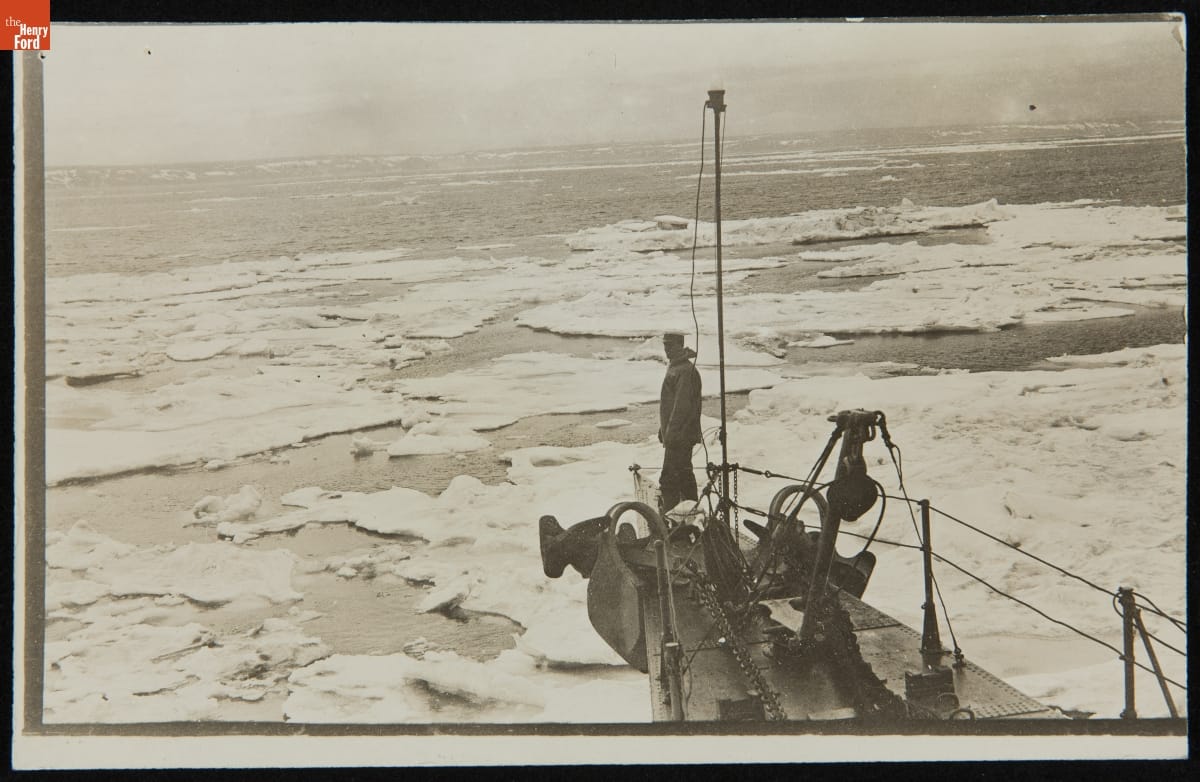
- June 14, 1919
- Collections - Artifact
USS Eagle Boat off Northern Russia, Bound for Arkhangelsk, June 14, 1919
World War I ended before any of the 60 Ford-built Eagle submarine chasers could participate in the conflict. But three Eagle boats were sent to northern Russia in 1919 to aid the American Expeditionary Force in action against the Bolsheviks. The Americans landed at Arkhangelsk, near the Arctic Circle, and called themselves the "Polar Bears."
- USS Eagle Boats Bound for Arkhangelsk, 1919 - World War I ended before any of the 60 Ford-built Eagle submarine chasers could participate in the conflict. But three Eagle boats were sent to northern Russia in 1919 to aid the American Expeditionary Force in action against the Bolsheviks. The Americans landed at Arkhangelsk, near the Arctic Circle, and called themselves the "Polar Bears."
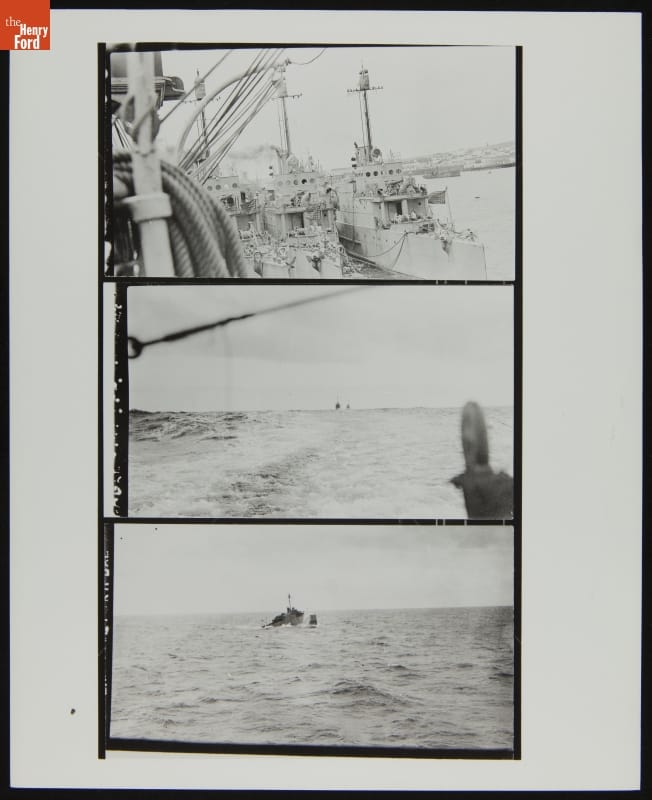
- 1919
- Collections - Artifact
USS Eagle Boats Bound for Arkhangelsk, 1919
World War I ended before any of the 60 Ford-built Eagle submarine chasers could participate in the conflict. But three Eagle boats were sent to northern Russia in 1919 to aid the American Expeditionary Force in action against the Bolsheviks. The Americans landed at Arkhangelsk, near the Arctic Circle, and called themselves the "Polar Bears."
- "With Love From The Muppets," circa 1978 - Jim Henson's Muppets experienced their greatest fame on TV, with <em>The Muppet Show</em> (1976 to 1981). The show introduced millions to Henson's unique blend of humor and imagination. When the second season started, viewers could join a fan club for the popular TV show and receive an official membership kit through the mail, which included this photographic print.
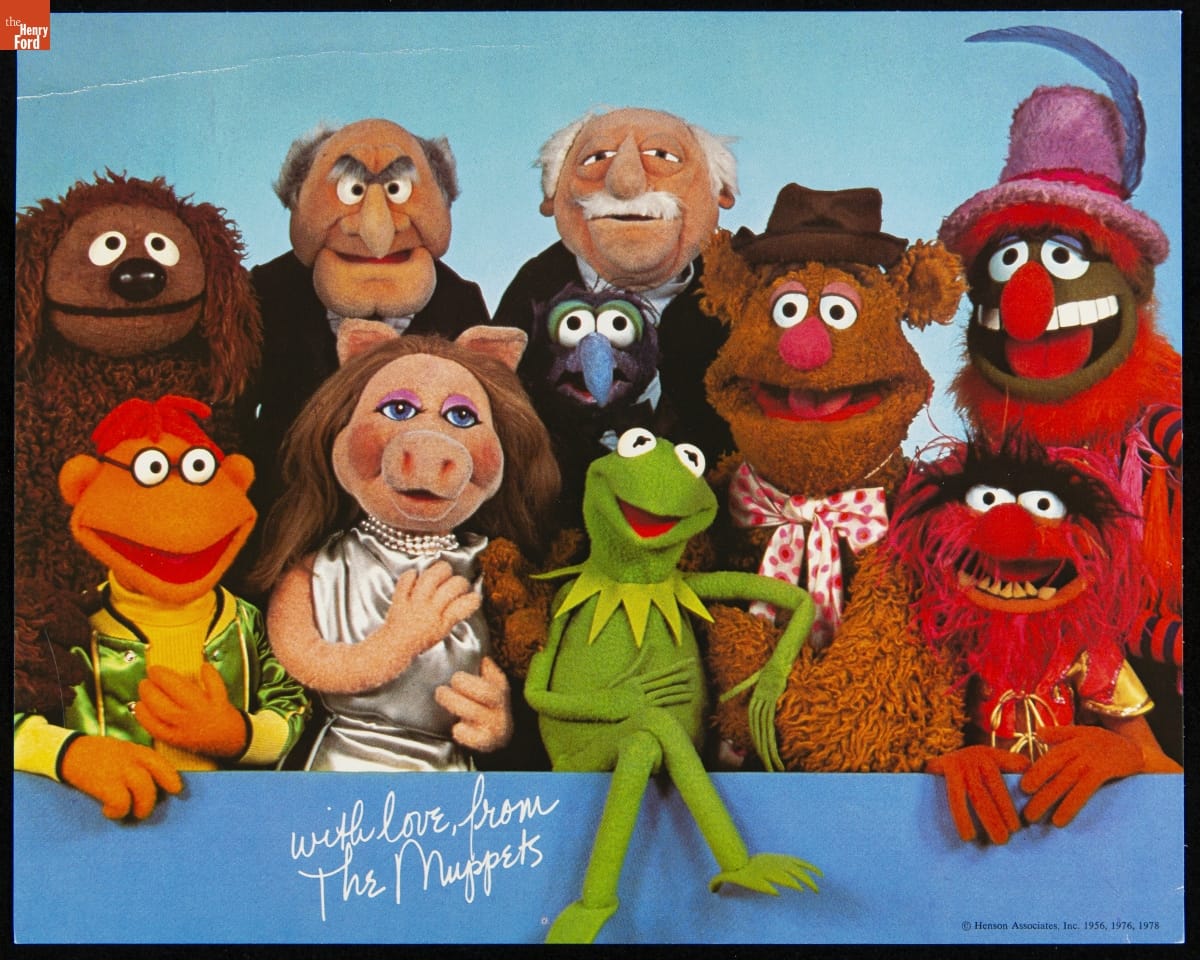
- circa 1978
- Collections - Artifact
"With Love From The Muppets," circa 1978
Jim Henson's Muppets experienced their greatest fame on TV, with The Muppet Show (1976 to 1981). The show introduced millions to Henson's unique blend of humor and imagination. When the second season started, viewers could join a fan club for the popular TV show and receive an official membership kit through the mail, which included this photographic print.
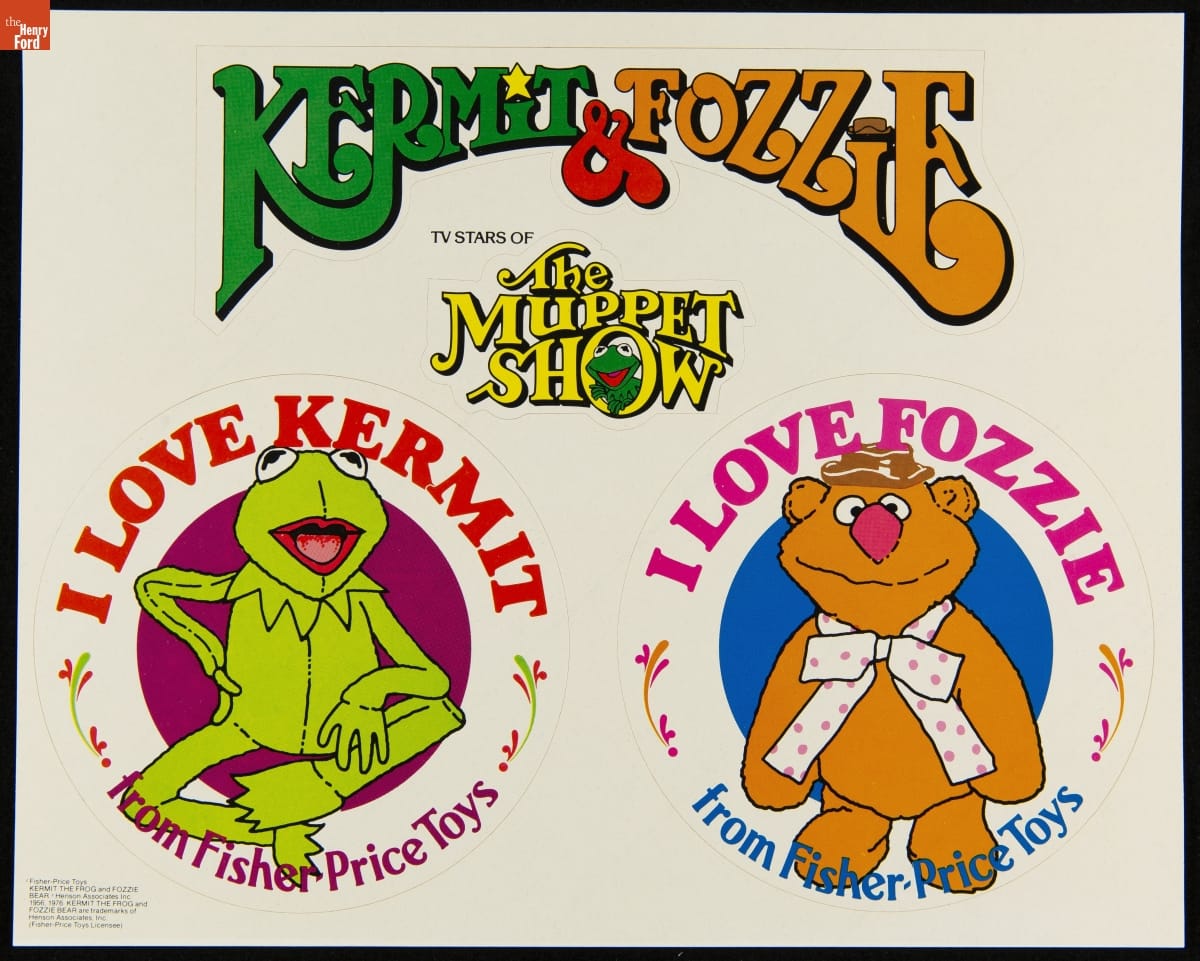
- Stickers, "Kermit & Fozzie, TV Stars of The Muppet Show," 1976 - Jim Henson's Muppets experienced their greatest fame on TV, with <em>The Muppet Show</em> (1976 to 1981). The show introduced millions to Henson's unique blend of humor and imagination. In 1976, Fisher-Price, which produced an early line of Muppet-show related toys, seems to have mailed out a packet that included this item as an incentive to join the official fan club.
- 1976
- Collections - Artifact
Stickers, "Kermit & Fozzie, TV Stars of The Muppet Show," 1976
Jim Henson's Muppets experienced their greatest fame on TV, with The Muppet Show (1976 to 1981). The show introduced millions to Henson's unique blend of humor and imagination. In 1976, Fisher-Price, which produced an early line of Muppet-show related toys, seems to have mailed out a packet that included this item as an incentive to join the official fan club.
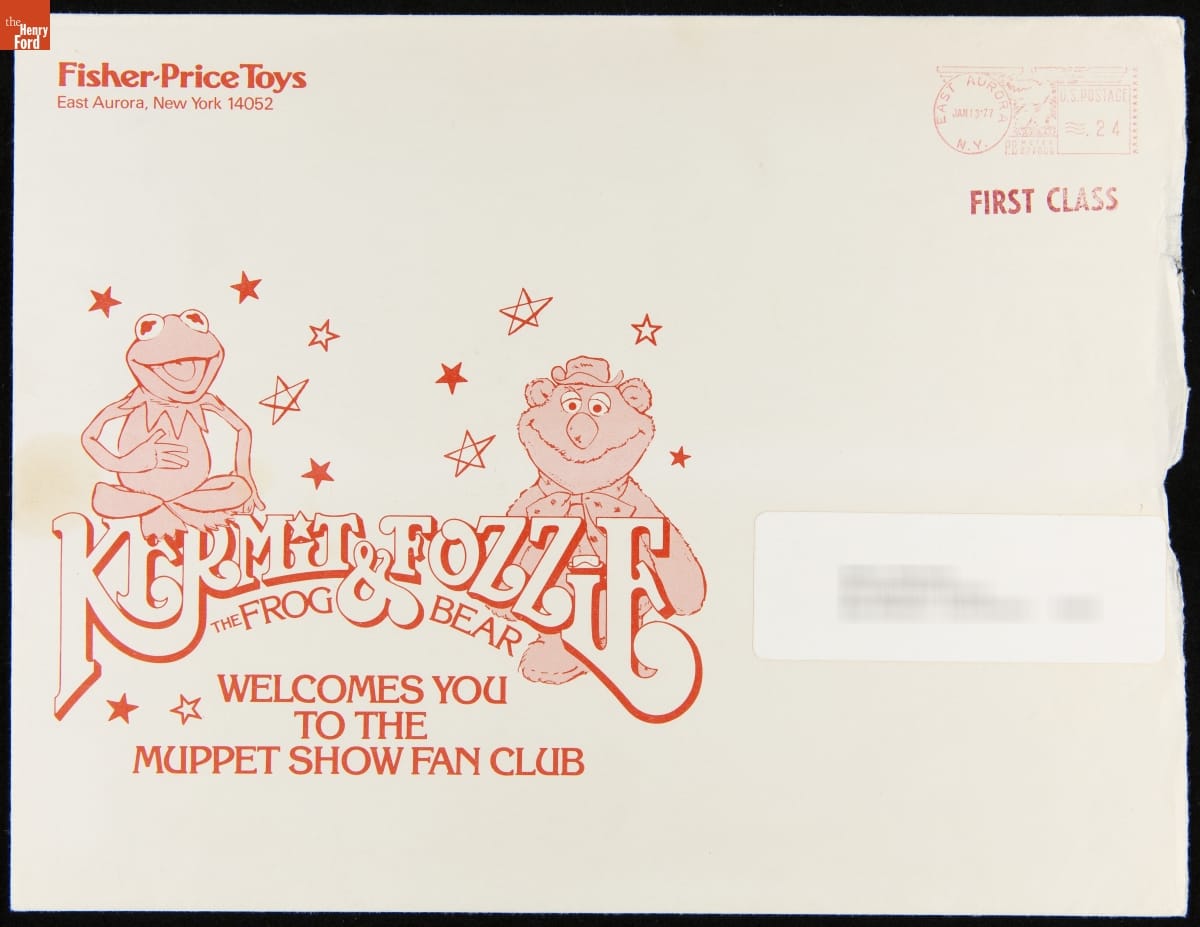
- "Kermit the Frog and Fozzie Bear Welcome You to The Muppet Show Fan Club," 1976 - Jim Henson's Muppets experienced their greatest fame on TV, with <em>The Muppet Show</em> (1976 to 1981). The show introduced millions to Henson's unique blend of humor and imagination. In 1976, Fisher-Price, which produced an early line of Muppet-show related toys, seems to have mailed out a packet that included this item as an incentive to join the official fan club.
- 1976
- Collections - Artifact
"Kermit the Frog and Fozzie Bear Welcome You to The Muppet Show Fan Club," 1976
Jim Henson's Muppets experienced their greatest fame on TV, with The Muppet Show (1976 to 1981). The show introduced millions to Henson's unique blend of humor and imagination. In 1976, Fisher-Price, which produced an early line of Muppet-show related toys, seems to have mailed out a packet that included this item as an incentive to join the official fan club.