
Search
- Scarab Paperweight, 1904-1908 -
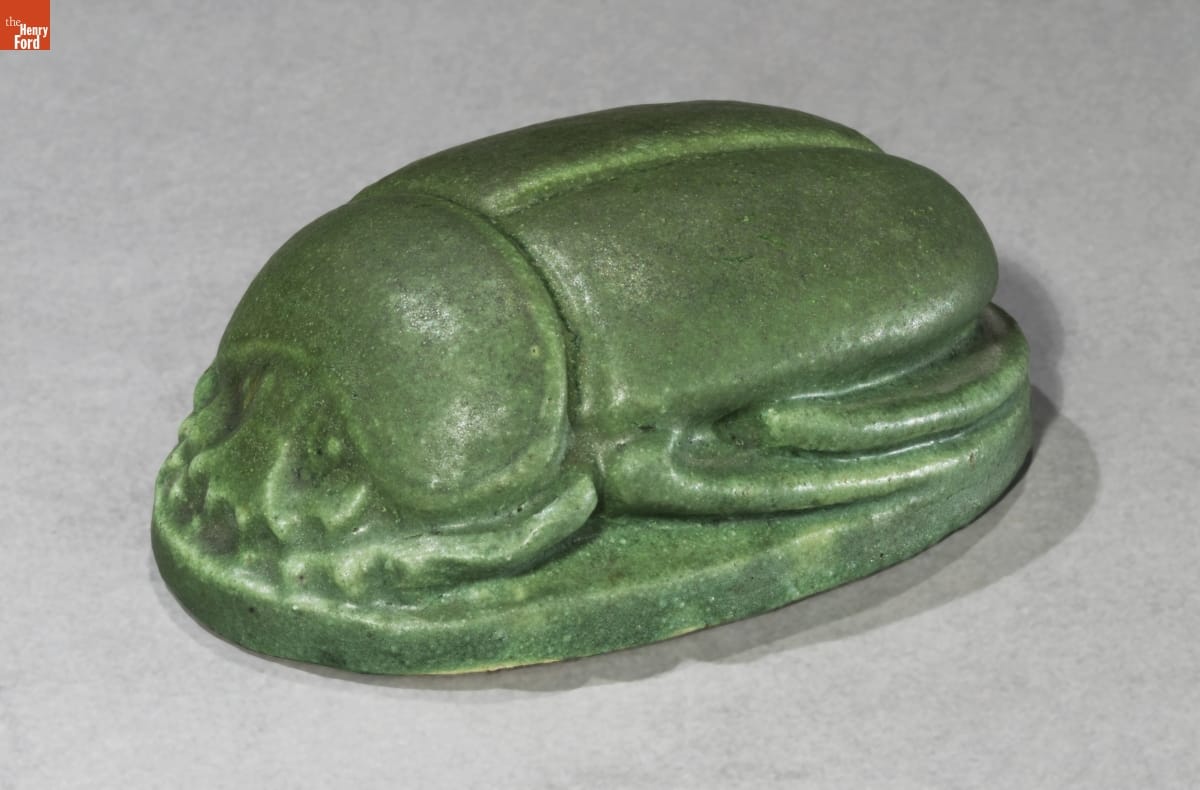
- 1904-1908
- Collections - Artifact
Scarab Paperweight, 1904-1908
- "HTML Beetles.Nature," 2002-2003 -

- 2002-2003
- Collections - Artifact
"HTML Beetles.Nature," 2002-2003
- Children's Museum, Insect Model, 1890-1915 - In 1890, Jenny Young Chandler, 25 years old and recently widowed, began working for the <EM>New York Herald</EM>. As a photojournalist and feature writer, Chandler captured life in Brooklyn, New York, and vicinity. By 1922, the time of her death, she had produced over 800 glass plate negatives. Her sensitive, insightful photographs depict people from all walks of life and the world in which they lived.
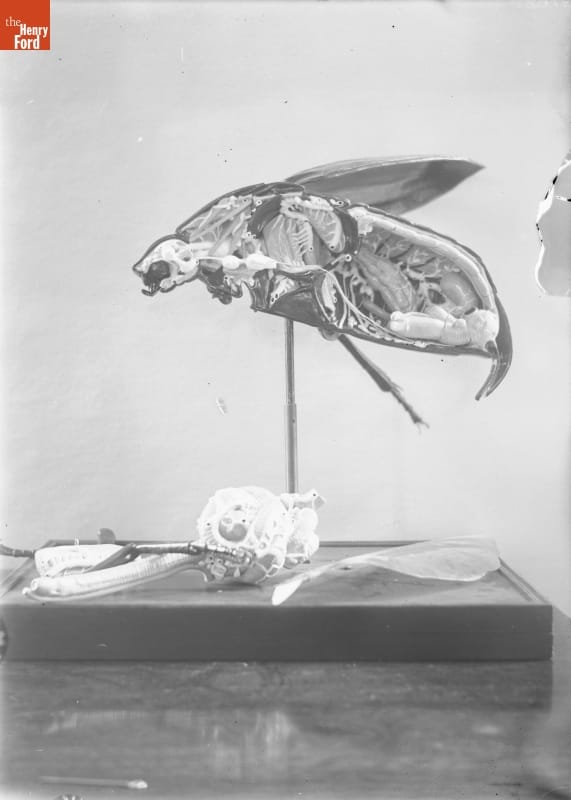
- 1890-1915
- Collections - Artifact
Children's Museum, Insect Model, 1890-1915
In 1890, Jenny Young Chandler, 25 years old and recently widowed, began working for the New York Herald. As a photojournalist and feature writer, Chandler captured life in Brooklyn, New York, and vicinity. By 1922, the time of her death, she had produced over 800 glass plate negatives. Her sensitive, insightful photographs depict people from all walks of life and the world in which they lived.
- Hallmark "Walt Disney's Herbie, the Love Bug: Amazing No.53" Miniature Christmas Ornament, 2005 - Already known for greeting cards, Hallmark introduced a line of Christmas ornaments in 1973. The company's annual release of an increasing array of ornaments revolutionized Christmas decorating, appealing to customers' interest in marking memories and milestones as well as expressing one's personality and unique tastes.
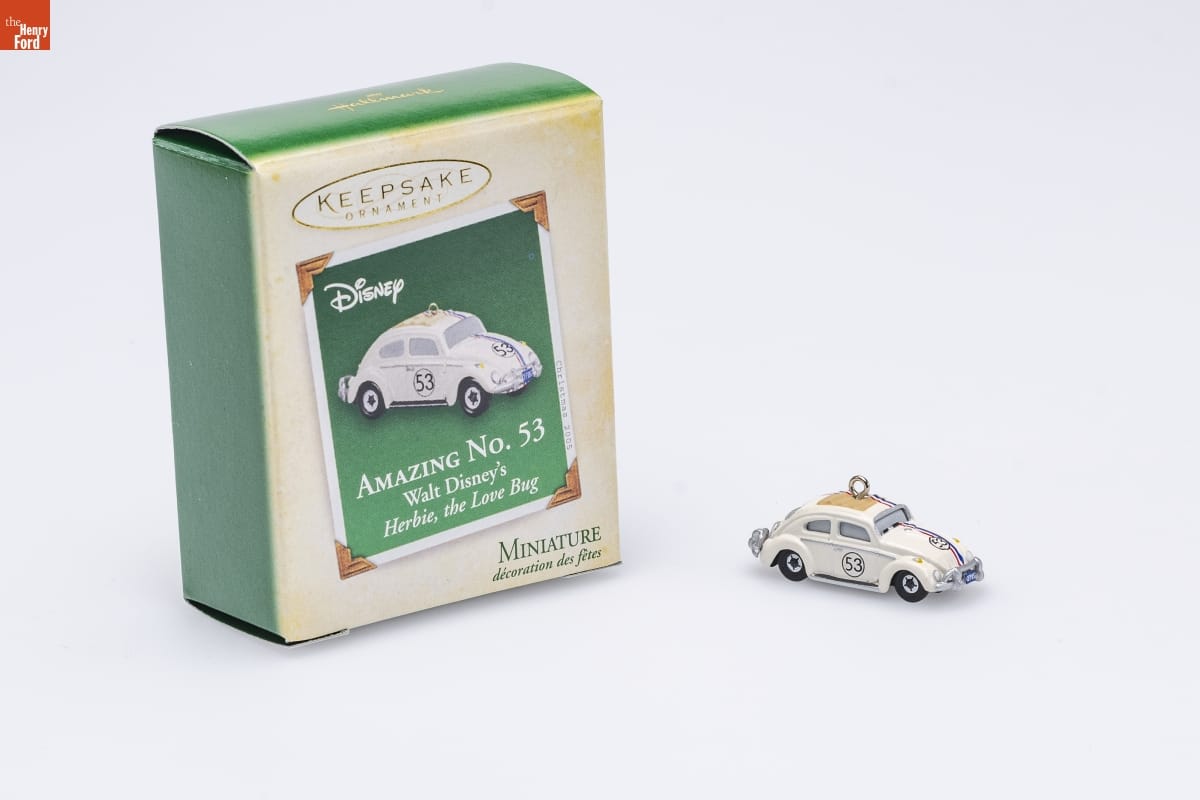
- 2005
- Collections - Artifact
Hallmark "Walt Disney's Herbie, the Love Bug: Amazing No.53" Miniature Christmas Ornament, 2005
Already known for greeting cards, Hallmark introduced a line of Christmas ornaments in 1973. The company's annual release of an increasing array of ornaments revolutionized Christmas decorating, appealing to customers' interest in marking memories and milestones as well as expressing one's personality and unique tastes.
- Miniature Glass Figure, Beetle, 1955-1985 - For visitors to the resort towns around Pentwater, Michigan, a trip to Henry Carter Johnson's "Glass Menagerie" was a cherished vacation ritual. For over forty years, beginning in 1952, Johnson heated colored glass rods and fashioned them into multicolored figures. His whimsical creatures captured the imaginations of children and adults who purchased them, providing a tangible reminder of an enjoyable Michigan summer.
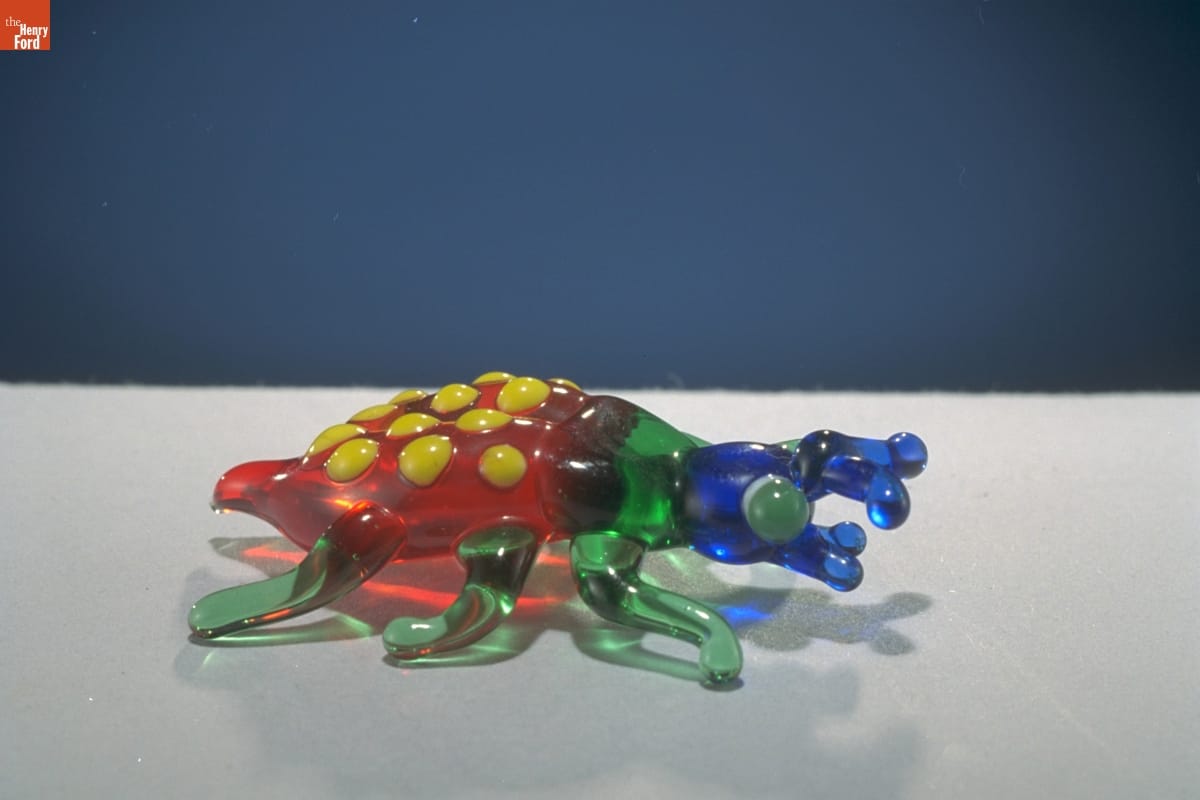
- 1955-1985
- Collections - Artifact
Miniature Glass Figure, Beetle, 1955-1985
For visitors to the resort towns around Pentwater, Michigan, a trip to Henry Carter Johnson's "Glass Menagerie" was a cherished vacation ritual. For over forty years, beginning in 1952, Johnson heated colored glass rods and fashioned them into multicolored figures. His whimsical creatures captured the imaginations of children and adults who purchased them, providing a tangible reminder of an enjoyable Michigan summer.
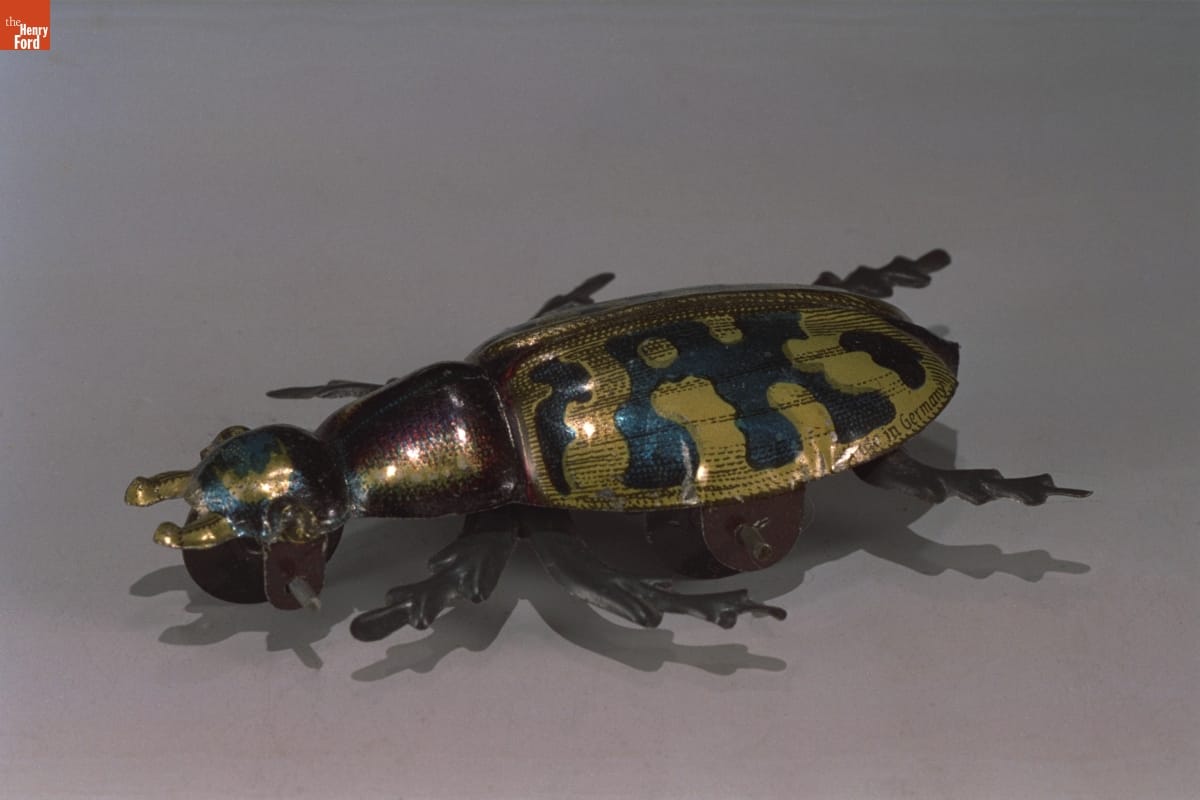
- Toy Beetle, 1900-1930 - Small tin toys were first made during the 1860s, especially in and around Nuremburg, Germany. This beetle was made in Germany in the early part of the 20th century. As the beetle rolls forward, two center wheels and an axle cause its legs to wiggle.
- 1900-1930
- Collections - Artifact
Toy Beetle, 1900-1930
Small tin toys were first made during the 1860s, especially in and around Nuremburg, Germany. This beetle was made in Germany in the early part of the 20th century. As the beetle rolls forward, two center wheels and an axle cause its legs to wiggle.
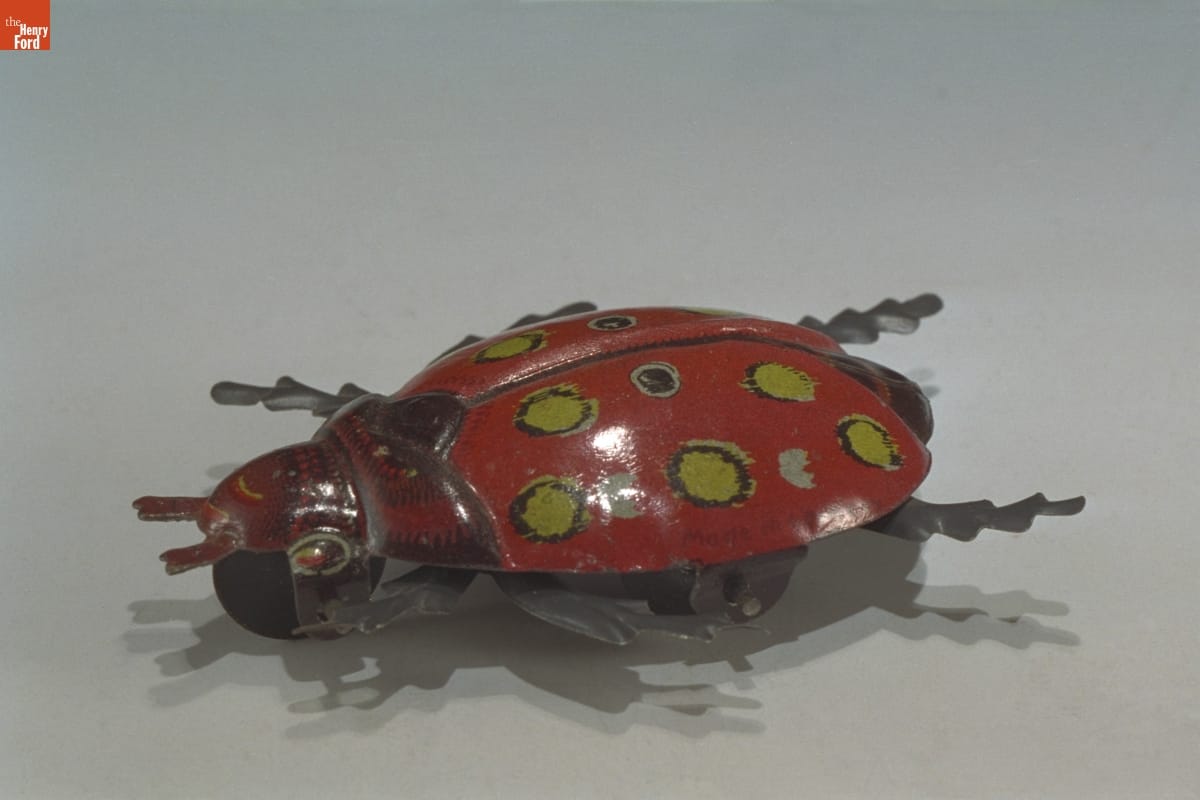
- Toy Beetle, 1900-1930 - Small tin toys were first made during the 1860s, especially in and around Nuremburg, Germany. This beetle was made in Germany in the early part of the 20th century. As the beetle rolls forward, two center wheels and an axle cause its legs to wiggle.
- 1900-1930
- Collections - Artifact
Toy Beetle, 1900-1930
Small tin toys were first made during the 1860s, especially in and around Nuremburg, Germany. This beetle was made in Germany in the early part of the 20th century. As the beetle rolls forward, two center wheels and an axle cause its legs to wiggle.
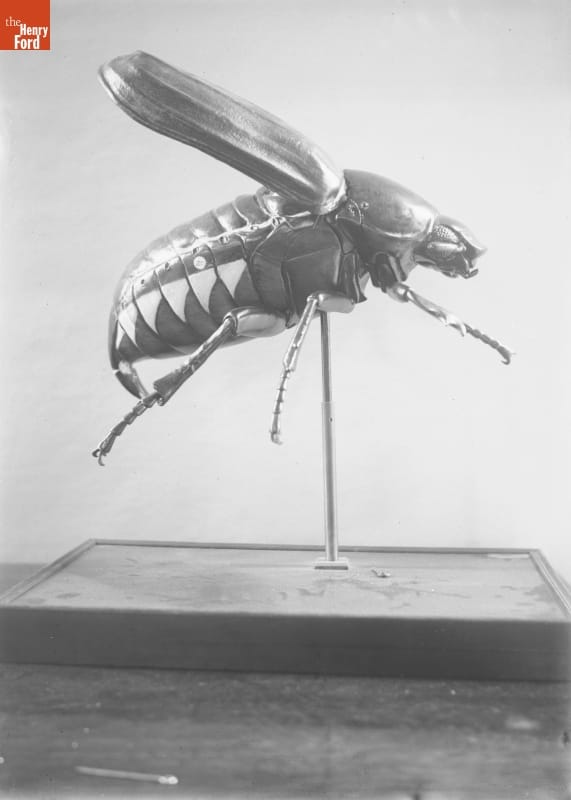
- Children's Museum, Model of a Beetle, 1890-1915 - In 1890, Jenny Young Chandler, 25 years old and recently widowed, began working for the <EM>New York Herald</EM>. As a photojournalist and feature writer, Chandler captured life in Brooklyn, New York, and vicinity. By 1922, the time of her death, she had produced over 800 glass plate negatives. Her sensitive, insightful photographs depict people from all walks of life and the world in which they lived.
- 1890-1915
- Collections - Artifact
Children's Museum, Model of a Beetle, 1890-1915
In 1890, Jenny Young Chandler, 25 years old and recently widowed, began working for the New York Herald. As a photojournalist and feature writer, Chandler captured life in Brooklyn, New York, and vicinity. By 1922, the time of her death, she had produced over 800 glass plate negatives. Her sensitive, insightful photographs depict people from all walks of life and the world in which they lived.
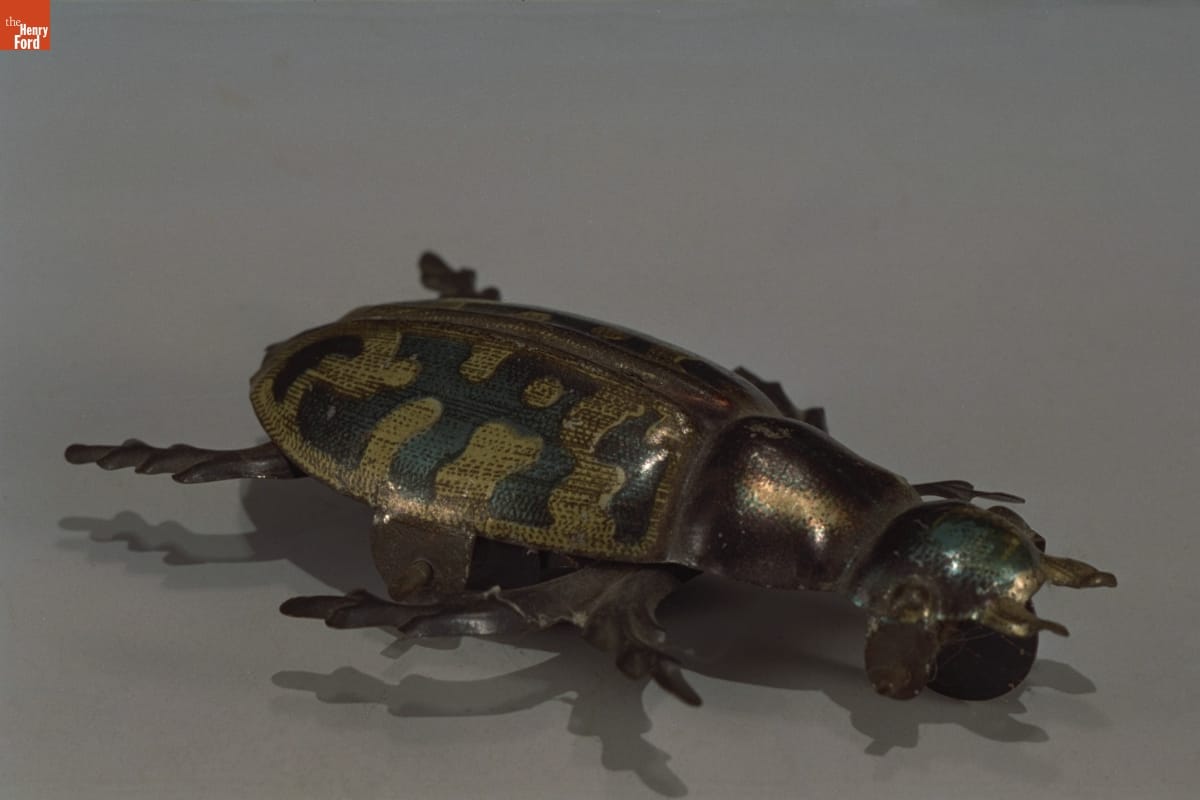
- Toy Beetle, 1900-1930 - Small tin toys were first made during the 1860s, especially in and around Nuremburg, Germany. This beetle was made in Germany in the early part of the 20th century. As the beetle rolls forward, two center wheels and an axle cause its legs to wiggle.
- 1900-1930
- Collections - Artifact
Toy Beetle, 1900-1930
Small tin toys were first made during the 1860s, especially in and around Nuremburg, Germany. This beetle was made in Germany in the early part of the 20th century. As the beetle rolls forward, two center wheels and an axle cause its legs to wiggle.
- Toy Beetle, 1900-1930 - Small tin toys were first made during the 1860s, especially in and around Nuremburg, Germany. This beetle was made in Germany in the early part of the 20th century. As the beetle rolls forward, two center wheels and an axle cause its legs to wiggle.
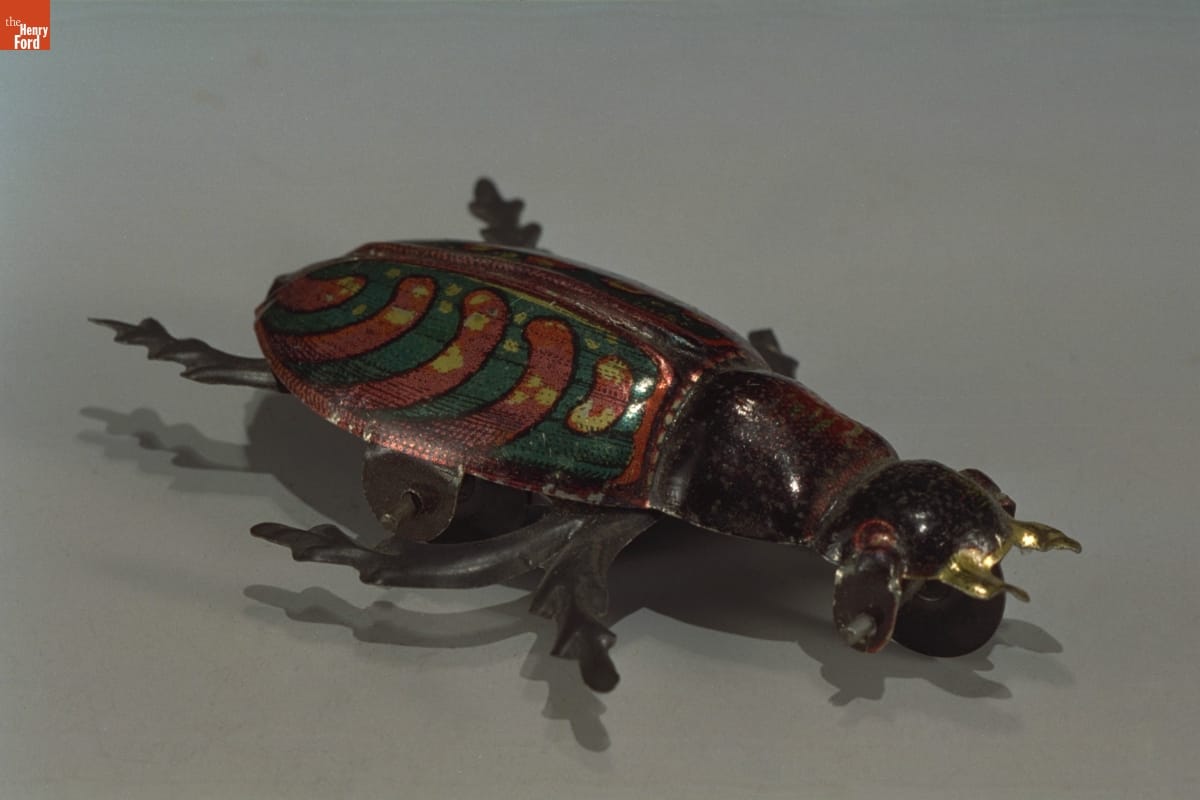
- 1900-1930
- Collections - Artifact
Toy Beetle, 1900-1930
Small tin toys were first made during the 1860s, especially in and around Nuremburg, Germany. This beetle was made in Germany in the early part of the 20th century. As the beetle rolls forward, two center wheels and an axle cause its legs to wiggle.